Whether Neutering Slows a Great Dane’s Growth
It’s a common dilemma for Great Dane owners: you know your giant puppy needs to be neutered eventually, but you’ve heard whispers, perhaps even strong warnings, that doing it too early could mess with their growth. This concern isn't unfounded; the timing of your Dane's sterilization can indeed have an impact on their developing skeletal system and overall health. This guide dives deep into the science behind Great Dane growth, the role of hormones, and what veterinary science suggests about optimal neutering age for these magnificent dogs.
Understanding Great Dane Growth: A Unique Journey
Great Danes are not just big dogs; they are giant dogs, and their growth trajectory is fundamentally different from that of smaller or even medium-sized breeds. Their growth isn't just about getting taller and heavier; it's a complex, rapid process that puts immense strain on their developing bodies. When you bring home a tiny Great Dane puppy, it's hard to imagine they'll soon outweigh you, but their bodies are working overtime to achieve that impressive size.
The Rapid Ascent: Why Great Danes Grow So Fast
Imagine a human child doubling their birth weight in just a few months – that's essentially what a Great Dane puppy does, but on an even more dramatic scale. From the moment they're born, Great Danes are on a fast track to becoming colossal. Their bones, muscles, and organs are developing at an astonishing rate. This rapid growth phase is exciting to watch, but it also means their systems are under constant construction and are incredibly vulnerable to disruption. Unlike a smaller dog that might reach full size by 9-12 months, a Great Dane continues to fill out and mature well into its second year, sometimes even longer. This extended period of development means that factors influencing growth have a longer window to exert their effects. Why a Great Dane Ages Faster Than Smaller Dogs further elaborates on their accelerated life stages, which inherently links to their growth patterns.
Critical Growth Plates: The Vulnerable Windows
At the ends of a Great Dane's long bones, you'll find areas called growth plates (or epiphyseal plates). These are regions of cartilage where new bone cells are produced, causing the bones to lengthen. Think of them as the construction zones of the skeletal system. As a puppy matures, these growth plates gradually harden and close, turning into solid bone, indicating that the bone has reached its full length. In Great Danes, because of their size and rapid development, these growth plates remain open for a longer period compared to smaller breeds. This means they are susceptible to injury or hormonal influences for a more extended duration. A growth plate injury can lead to permanent lameness or deformities, which is why protecting these delicate structures during the intense growth phase is paramount for long-term joint health. The focus on slow, steady growth is crucial, and anything that interferes with the natural timing of growth plate closure needs careful consideration.
The Hormonal Impact of Neutering on Growth
The decision to neuter a Great Dane isn't just about preventing unwanted pregnancies or addressing behavioral issues; it's also a medical procedure that removes the source of sex hormones from your dog's body. These hormones, primarily testosterone in males and estrogen in females, play a far greater role than many owners realize, especially concerning skeletal development.
The Role of Sex Hormones in Bone Development
Sex hormones are intimately involved in signaling when those all-important growth plates should close. Think of them as the conductors of an orchestra, guiding the timing of bone maturation. Testosterone and estrogen, produced by the testes and ovaries respectively, tell the growth plates when it's time to stop producing new bone and fuse into their final, solid state. Without the appropriate levels of these hormones, the signal for growth plate closure can be delayed. This isn't just about how tall your dog gets; it's about the entire architecture of their skeleton. These hormones also influence bone density and overall bone health. A Great Dane's body relies on this natural hormonal process to develop strong, correctly proportioned bones and joints. When this delicate balance is altered, the consequences can reverberate throughout their skeletal system, potentially leading to long-term health challenges.
When Neutering Removes These Hormones
When a Great Dane is neutered (or spayed, for females), the production of these crucial sex hormones effectively stops. If this occurs before the growth plates have naturally closed, the process of bone maturation can be significantly impacted. Instead of closing at the genetically programmed time, the growth plates might remain open for longer, allowing the bones to continue growing beyond their intended length. This doesn't necessarily mean your dog will become a towering giant, but it can lead to disproportionate bone lengths. For instance, the long bones in the legs might grow longer than they otherwise would have, altering joint angles and putting abnormal stress on cartilage, ligaments, and tendons.
This isn't a small concern; it's a major consideration for Great Dane owners. Imagine building a bridge where the supporting beams are slightly too long, causing the entire structure to bear weight unevenly. That's a simplified way of visualizing the potential impact on a Great Dane's large, rapidly growing body. The absence of these hormones also impacts factors like muscle mass development and body composition, which are all part of a Great Dane's overall structure and function. Understanding Why Fast Growth Wrecks Great Dane Joints is crucial here, as early neutering can inadvertently contribute to growth irregularities that predispose them to orthopedic issues.
Evidence and Concerns: Does Neutering Really Slow Growth?
The term "slows growth" might be a bit of a misnomer when discussing the impact of early neutering on Great Danes. It's not so much that the growth rate slows, but rather that the duration of growth can be extended, leading to different developmental outcomes. The scientific community has been increasingly examining this issue, especially for large and giant breeds, leading to a growing consensus on potential risks associated with early sterilization.
The Link to Bone Plate Closure
Studies have shown that dogs neutered before their growth plates naturally close tend to have longer limbs. This is because the sex hormones, which signal the growth plates to fuse, are no longer present. Without that signal, the growth plates can remain "active" for a longer period, resulting in bones that grow beyond their natural length. While a slightly taller dog might not seem problematic, for a breed like the Great Dane, even subtle changes in bone length can significantly impact joint angles and biomechanics.
Consider the knees, hips, and elbows – these complex joints are designed to function optimally with specific bone proportions. If the bones above or below a joint are elongated, it can alter the natural alignment, leading to increased stress and wear on cartilage. This increased stress can contribute to the development of orthopedic conditions such as hip and elbow dysplasia, cranial cruciate ligament tears, and other joint problems. This concern is particularly acute for Great Danes, who are already predisposed to a range of Great Dane Hips, Elbows and Growing Joints issues due to their sheer size and rapid growth. Delaying neutering until growth plates are closed is often advised to minimize these risks.
Potential Orthopedic Implications
The orthopedic implications of altered growth due to early neutering are a major concern for Great Dane owners. As mentioned, longer limbs can lead to abnormal joint conformation. For example, dogs with disproportionately long bones may develop straighter hock or stifle (knee) angles, which increases the risk of cruciate ligament ruptures later in life. Imagine the force exerted on these ligaments by a hundred-and-fifty-pound dog with faulty joint mechanics! Furthermore, the altered stress on joints can exacerbate conditions like osteochondritis dissecans (OCD), where cartilage fails to develop properly, leading to painful flaps within the joint.
It’s not just about the bones themselves; the surrounding soft tissues – ligaments, tendons, and muscles – also develop in response to the skeletal framework. If the framework is subtly compromised, these soft tissues may also be under undue stress, potentially leading to injuries or chronic pain. The veterinary community is increasingly advocating for later neutering in large and giant breeds like the Great Dane to allow for full skeletal maturity. While neutering can offer significant health benefits like preventing certain cancers and reproductive infections, these must be weighed against the potential orthopedic risks, especially in a breed so vulnerable to joint disease. Whether a Great Dane Puppy Should Be Kept Lean also highlights the importance of managing weight during growth to further reduce strain on developing joints.
The Optimal Timing: A Vexing Question for Great Dane Owners
Deciding when to neuter your Great Dane is often one of the most agonizing decisions a dedicated owner faces. There's no single, universally agreed-upon age, and what's right for a chihuahua is certainly not right for a Great Dane. It truly comes down to a careful balance of risks and benefits, specific to giant breeds.
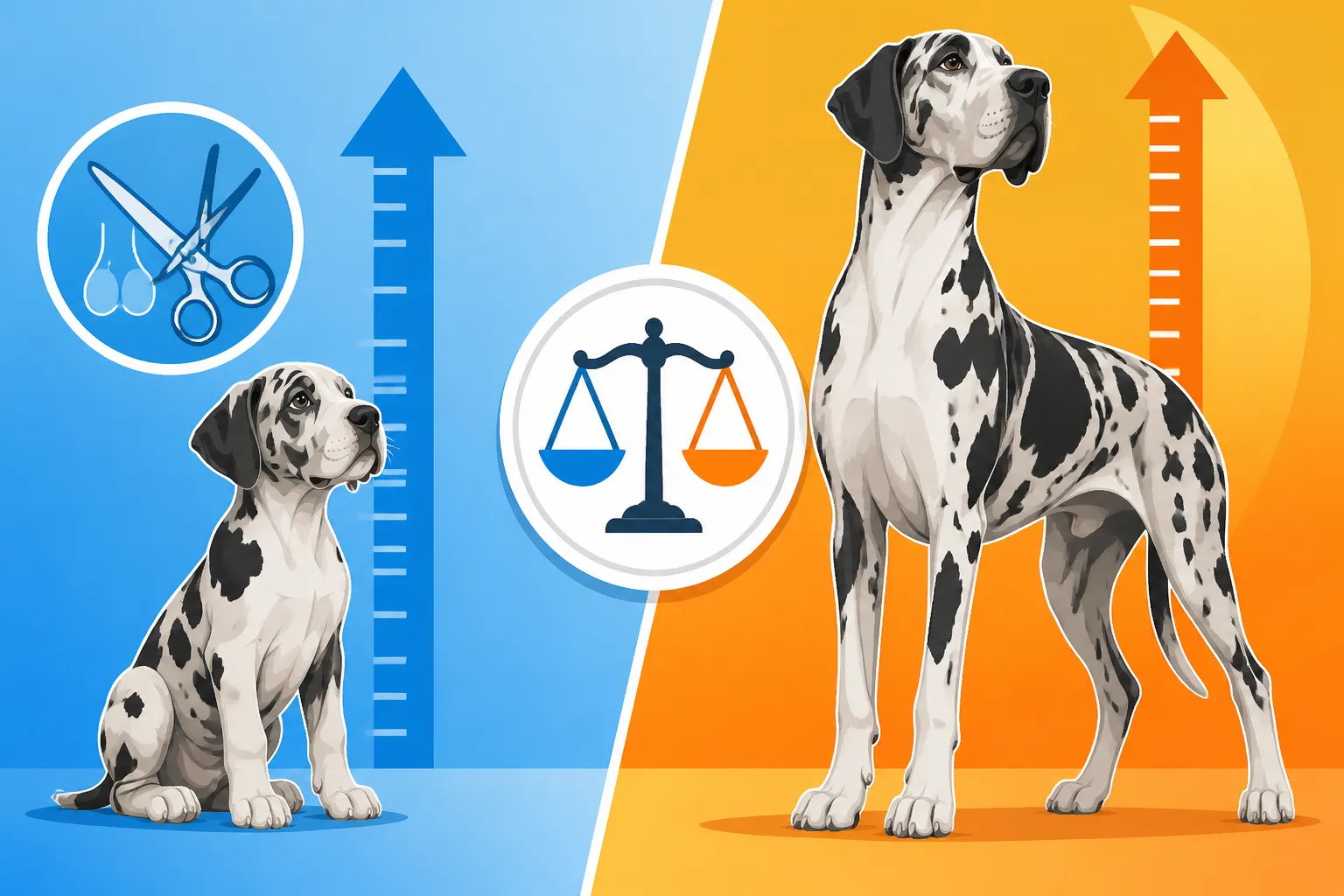
Weighing the Risks: Joint Health vs. Behavioral Benefits
On one side of the scale, we have the compelling argument for delayed neutering to support optimal joint health. As we’ve discussed, waiting until growth plates have closed, which typically occurs between 18-24 months for Great Danes, can significantly reduce the risk of orthopedic problems. This means letting your dog mature hormonally to ensure their skeletal structure develops as nature intended. Many vets now recommend waiting until at least 18 months, or even two years, for giant breeds. This isn't just about preventing physical ailments; dogs with chronic joint pain can develop secondary behavioral issues due to discomfort.
On the other side, there are valid reasons owners consider earlier neutering. Behavioral issues, such as marking, aggression (though less common in Danes known for their gentle temperament), or roaming in intact males, can be a concern. For females, spaying before their first heat cycle drastically reduces the risk of mammary cancer and eliminates the messy heat cycles altogether, as well as the risk of pyometra, a life-threatening uterine infection. Finding a balance means discussing these factors openly with your veterinarian, who can help you understand the specific risks and benefits for your individual dog. It’s a negotiation, not a one-size-fits-all directive.
Discussing with Your Veterinarian
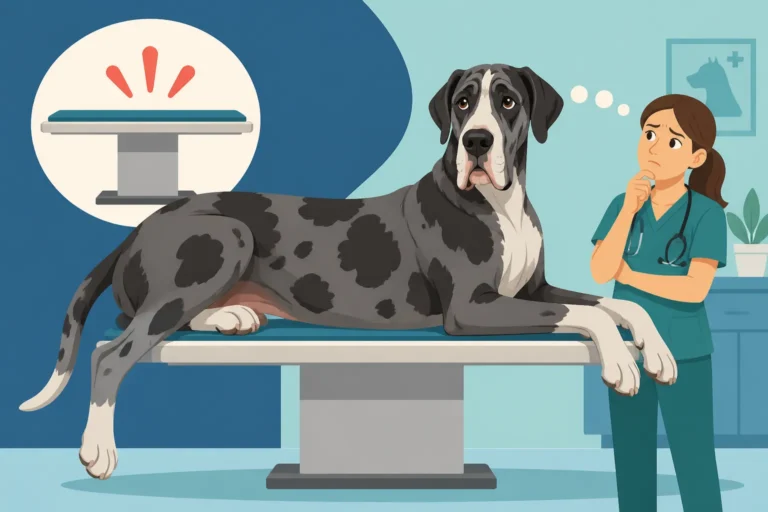
This is not a decision to make based solely on internet forums or anecdotal advice. Your veterinarian is your most valuable resource here. They can assess your Great Dane's individual growth and development, perhaps even utilizing imaging if there are concerns about specific growth plates. Be prepared to have a detailed conversation that covers:
- Your Great Dane's current age and developmental stage: Are their growth plates likely still open?
- Your dog's lifestyle: Are they very active, involved in dog sports, or more of a couch potato? High-impact activities on immature joints can be especially risky.
- Behavioral considerations: Are there any current behaviors that neutering might address?
- Your ability to manage an intact dog: Can you prevent accidental breeding? Are you prepared for heat cycles if you have a female?
- Future health screenings: Many reputable breeders health-test their dogs for issues like hip and elbow dysplasia, which might inform your decision.
A good veterinarian will walk you through the pros and cons, potentially suggesting a middle ground that allows for more skeletal maturity while addressing your concerns. For example, some might recommend a vasectomy (for males) or ovary-sparing spay (for females) to preserve hormone production while preventing reproduction, though these are less common and may not be available everywhere. They might also advise on The Health Testing a Great Dane Breeder Owes You, which could provide valuable insights into your puppy's genetic predispositions for joint issues. Don't be afraid to ask for a second opinion or to seek out a vet with extensive experience in giant breeds.
Practical Considerations Beyond Timing
While the timing of neutering is a significant concern for Great Dane owners, it's also important to remember that responsible ownership encompasses much more. Beyond the surgical decision, there are ongoing practices that will support your Great Dane's health and well-being, regardless of when (or if) you choose to neuter.
Supporting Joint Health Through Nutrition and Exercise
Even with perfect neutering timing, a Great Dane's joints are under immense pressure simply due to their size. Proper nutrition from puppyhood through adulthood is paramount. This means feeding a high-quality, large-breed specific food that supports slow, steady growth, rather than rapid weight gain. Avoid overfeeding at all costs; Keeping a Great Dane Lean for Its Joints is one of the best things you can do for their long-term orthopedic health. Excess weight puts additional strain on developing and mature joints, increasing the risk of issues like arthritis and cruciate ligament tears.
Exercise also needs to be carefully managed, especially during the puppy and adolescent phases. Forced, high-impact exercise (like long runs, intense agility training, or excessive jumping) can damage vulnerable growth plates and immature joints. Instead, focus on moderate, controlled exercise like leashed walks and supervised playtime on soft surfaces. As they mature, they can enjoy more vigorous activities, but always with an eye towards protecting their massive bodies. Think about durable, high-quality gear; you can find sturdy leashes and harnesses suitable for a growing Great Dane on platforms like Amazon, ensuring you have the right tools for safe exercise.
Behavioral Training: A Lifelong Commitment
Many owners consider neutering to "calm down" their male dogs or reduce certain unwanted behaviors. While neutering can sometimes mitigate hormone-driven behaviors like marking or roaming, it is not a magic bullet for all training issues. For a Great Dane, early and consistent training is non-negotiable, regardless of their intact status. Their sheer size means that even minor behavioral lapses can become major problems. A Great Dane that pulls on the leash, jumps on guests, or counter-surfs is a handful, to say the least.
Investing in good training, whether through local classes or online resources, is crucial. For instance, online platforms like BAXTER & Bella offer comprehensive puppy and adult dog training programs that can be incredibly helpful for Great Dane owners, teaching them to manage their giant breed with positive reinforcement from a young age. Focus on basic obedience, impulse control, and polite greetings. A well-trained Great Dane is a joy to live with, and a strong foundation in training from the start can address many behavioral concerns without relying solely on hormonal changes. Why Great Dane Training Cannot Wait underscores this imperative for responsible ownership.
| Aspect | Early Neutering (e.g., < 1 year) | Delayed Neutering (e.g., > 1.5 – 2 years) |
|---|---|---|
| Growth Plates | May remain open longer, potentially leading to longer bones. | Allows growth plates to close naturally, promoting proper bone length. |
| Joint Health | Increased risk of orthopedic issues (e.g., CCL tears, dysplasia). | Reduced risk of orthopedic issues related to growth plate closure. |
| Bone Density | Potentially lower bone density. | Better chance of achieving optimal bone density. |
| Mammary Cancer (Females) | Significantly reduced risk if spayed before first heat. | Still reduced, but benefit less pronounced if spayed after heats. |
| Pyometra (Females) | Eliminates risk. | Eliminates risk. |
| Prostate Issues (Males) | Reduces risk of benign prostatic hyperplasia (BPH) later in life. | May not reduce BPH risk as much, but still reduces cancer risk. |
| Perianal Fistulas | May increase risk (some studies suggest). | No clear link. |
| Urinary Incontinence (Females) | Slightly increased risk in some breeds. | Lower reported risk. |
| Behavioral Issues | May reduce marking, roaming, and some forms of aggression. | May have less impact on established behaviors. |
| Anesthesia Risk | Generally lower for younger, healthier animals. | Potentially higher for older animals with existing health issues. |
| Testicular Cancer (Males) | Eliminates risk. | Eliminates risk. |
Navigating the Decision for Your Great Dane
Ultimately, the decision of when to neuter your Great Dane is a deeply personal one, influenced by a multitude of factors, including your dog's individual health, your lifestyle, and your veterinarian's advice. There's a lot of information out there, and it can feel overwhelming to sift through it all and make the "right" choice for such a special, large breed.
It's clear that for Great Danes, waiting until skeletal maturity, typically around 18-24 months, is becoming the prevailing recommendation among many large-breed veterinary specialists and responsible breeders. This delayed approach prioritizes the long-term health of their joints and overall skeletal integrity, potentially reducing the risk of debilitating orthopedic conditions. While the traditional advice was often to neuter around six months, that recommendation was primarily based on smaller and medium-sized breeds, and it simply doesn't fully account for the unique growth patterns of giant breeds.
Remember, this isn't just about whether your dog's growth is "slowed," but about ensuring that their massive structure develops in the most sound and healthy way possible. Engage in open, honest conversations with your veterinarian, research reputable sources, and weigh the benefits against the risks for your specific situation. By making an informed decision, you'll be contributing significantly to your Great Dane's comfort and quality of life for their The Seven to Ten Year Great Dane Lifespan.
Disclaimer
This article is for general informational purposes only and does not constitute professional advice. Laws, prices and regulations vary by location and change over time. Consult a qualified professional for guidance on your specific situation.