Splitting a Great Dane’s Meals in Two
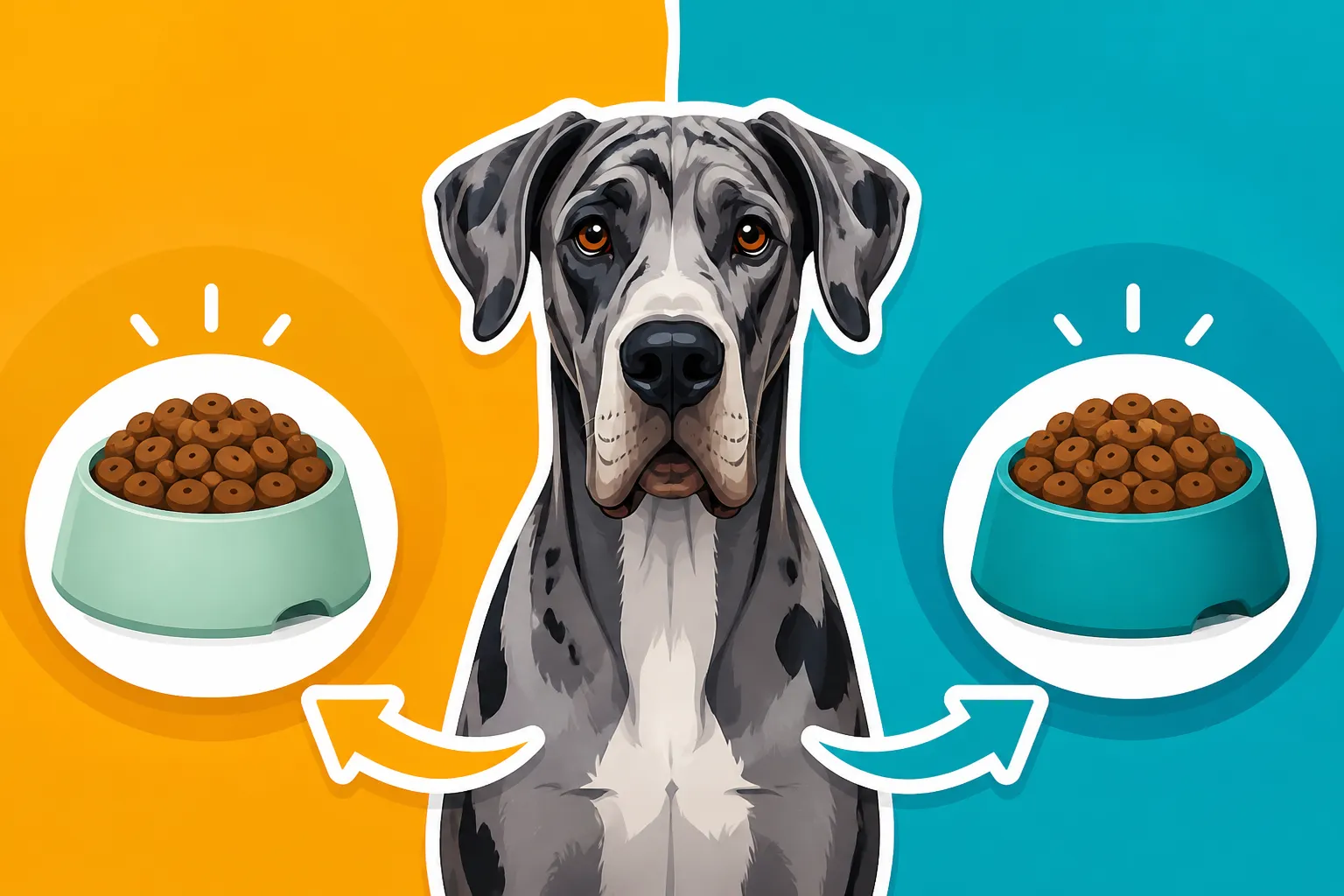
It's a common struggle for Great Dane owners: you pour a massive bowl of food, and your gentle giant inhales it in seconds, sometimes leading to digestive upset or, more concerningly, increasing the risk of a dangerous condition like bloat. This guide will walk you through why splitting your Great Dane's daily meals into two or more smaller servings isn't just a good idea, but a crucial component of their overall health and well-being, from puppyhood right into their senior years.
The Critical Benefits of Splitting Meals
Feeding a Great Dane isn't like feeding a smaller dog. Their enormous size and unique physiology mean that what works for a Chihuahua simply won't cut it for a Dane. One of the most impactful adjustments you can make to their feeding routine is to divide their daily food allowance into multiple smaller meals throughout the day. This simple change can have profound effects on their health, comfort, and even their lifespan.
Mitigating Bloat Risk Through Smaller Portions
Let's be brutally honest: every Great Dane owner lives with the shadow of bloat, or Gastric Dilatation-Volvulus (GDV), hanging over them. It's a terrifying, life-threatening condition where the stomach fills with gas and can twist, cutting off blood supply. Anything we can do to reduce that risk is paramount, and meal splitting is high on that list. When a Great Dane eats a single, large meal, their stomach expands significantly. This rapid and excessive distention, especially combined with gulping air, is a well-known trigger for bloat.
Imagine trying to stuff yourself with a huge Thanksgiving dinner all at once, then immediately going for a strenuous run. You'd feel terrible, right? A Great Dane's digestive system is similarly stressed by large meals. By offering smaller, more frequent meals, you prevent the stomach from over-distending dramatically. The digestive process is more gradual, less gas is typically ingested, and the stomach remains in a more natural, less stressed state, reducing the chances of it flipping. This isn't a guaranteed preventative, but it significantly tips the odds in your favor against The Lifetime Bloat Risk in a Great Dane.
Enhancing Digestive Comfort and Nutrient Absorption
Beyond bloat prevention, splitting meals simply makes life more comfortable for your Great Dane. Large meals can overwhelm their digestive system, leading to gas, discomfort, or even vomiting. When digestion is a smoother, more spread-out process, your dog's body can more efficiently break down food and absorb vital nutrients. This is particularly important for a fast-growing breed like the Great Dane, whose body is constantly working to build muscle and bone.
Think about it: if your body is struggling to process a massive influx of food, it's not going to be at its peak efficiency for nutrient extraction. Smaller meals allow the digestive enzymes and beneficial gut bacteria to work more effectively, ensuring your Dane gets the maximum benefit from their diet. This can translate to better coat health, more consistent energy levels, and overall improved vitality. It also reduces the likelihood of them feeling overly full or sluggish after eating, which can be a relief for both you and your dog.
Supporting Steady Growth in Puppies and Lean Mass in Adults
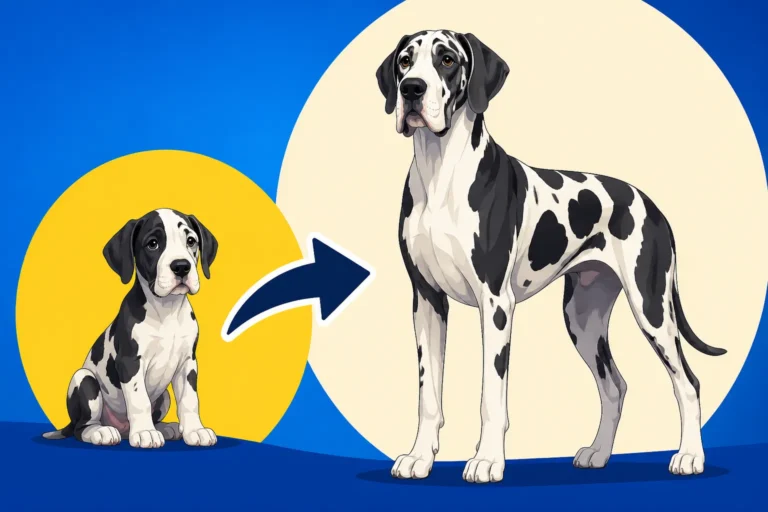
For Great Dane puppies, controlled, slow growth is key to preventing orthopedic problems later in life. Feeding smaller, more frequent meals helps regulate their calorie intake and prevents rapid growth spurts that can stress developing bones and joints. Why a Great Dane Puppy Should Grow Slowly is a topic close to every responsible breeder's heart, and meal frequency plays a huge role.
As adults, maintaining a lean body condition is critical for joint health and longevity. Overfeeding, even unintentionally, can quickly lead to excess weight in a breed already prone to joint issues. Splitting meals allows for better portion control throughout the day, making it easier to monitor their caloric intake and adjust as needed based on their activity levels. It helps prevent them from feeling constantly hungry and allows for more precise feeding, which is especially important when you're Feeding an Adult Great Dane Six to Ten Cups a day.
Crafting the Ideal Meal Schedule
Determining the right meal frequency largely depends on your Great Dane's age and individual needs. What works for a rambunctious puppy won't necessarily be appropriate for a laid-back senior. It's about finding a rhythm that supports their metabolism, aids digestion, and keeps them comfortable and energized throughout their day.
Puppy Feeding: Starting Strong with Multiple Meals
Great Dane puppies grow at an astonishing rate, sometimes gaining several pounds a week. To fuel this incredible growth while promoting healthy bone and joint development, multiple smaller meals are essential. Typically, a young Great Dane puppy, say from 8 weeks to about 4-6 months, should be fed three to four times a day. This ensures a steady supply of nutrients and calories without overwhelming their still-developing digestive system.
For instance, you might offer breakfast at 7 AM, lunch around noon, an afternoon snack at 4 PM, and dinner at 8 PM. This schedule helps keep their blood sugar stable and their energy levels consistent, which can also help manage puppy zoomies and prevent extreme hunger that leads to frantic eating. As they get a bit older, around 6-12 months, you might transition down to three meals a day, gradually reducing the midday feeding as their growth rate begins to slow slightly. Always remember that the total daily caloric intake, as recommended by your vet or the food manufacturer for their age and weight, should be divided evenly across these meals.
Adult Feeding: The Two-Meal Minimum Rule
Once your Great Dane reaches adulthood (typically between 18-24 months, though they can continue to fill out until three years old), the standard recommendation is to feed at least two meals a day. Many owners, however, opt for three smaller meals, especially if their dog is particularly active, prone to bolting food, or just seems more comfortable with more frequent, smaller portions.
A common two-meal schedule might involve breakfast first thing in the morning and dinner in the early evening, perhaps 10-12 hours apart. For example, 7 AM and 6 PM. If you choose three meals, you could add a smaller midday meal, like at 1 PM. This spread helps to keep the stomach from being empty for too long, which can contribute to acid buildup, and provides sustained energy. For dogs that are truly food-motivated or show any signs of rapid eating, even more frequent, tiny meals (think "snack plates") might be considered, though this requires more owner commitment. What truly matters is consistency and ensuring the total daily food amount is appropriate for their ideal body weight and activity level, as you learn when Reading Ribs on a Great Dane.
| Age Stage | Recommended Meal Frequency | Typical Schedule Example | Key Rationale |
|---|---|---|---|
| Puppy (8 weeks – 6 months) | 3-4 meals per day | 7 AM, 12 PM, 4 PM, 8 PM | Steady nutrient supply, prevents rapid growth, aids digestion |
| Adolescent (6 months – 18 months) | 2-3 meals per day | 7 AM, 1 PM, 7 PM | Adapts to slowing growth, continues bloat prevention |
| Adult (18 months – 6 years) | 2-3 meals per day | 8 AM, 6 PM (or 8 AM, 1 PM, 7 PM) | Maintains lean mass, consistent energy, minimizes bloat risk |
| Senior (6+ years) | 2-3 meals per day (or more smaller) | Flexible, as needed | Easier digestion, smaller portions if appetite wanes |
Implementing a Split Meal Routine
Transitioning to a split meal routine is usually quite simple, but there are a few practical considerations to make it as smooth and beneficial as possible for your Great Dane. From the tools you use to the environment where they eat, every detail can contribute to better digestion and reduced risk.
Utilizing Slow Feeders and Puzzle Toys
For many Great Danes, the urge to eat quickly is strong. They can devour their food in what feels like seconds, which not only defeats the purpose of smaller meals but can also increase air intake, a factor in bloat. This is where slow feeders and puzzle toys become your best friends. A good quality slow feeder bowl has ridges, mazes, or posts that force your dog to eat around obstacles, significantly extending mealtime. You can find a huge variety of these on sites like Chewy or Amazon, ranging from simple plastic designs to more elaborate ceramic or silicone options.
Beyond slow feeder bowls, puzzle toys that dispense kibble as your dog interacts with them can turn mealtime into a mental exercise. This not only slows down eating but also provides valuable mental enrichment, which is especially important for an intelligent breed like the Great Dane. For example, a sturdy treat-dispensing ball or a snuffle mat can make a portion of their meal last much longer, promoting engagement and reducing the risk of gulping. Even spreading their kibble across a wide, flat baking sheet can slow down eager eaters by forcing them to pick up individual pieces. For puppies, this can also be a great way to introduce them to problem-solving.
Strategic Meal Timing and Environment
The timing of your split meals is important. Aim for consistent feeding times each day, as dogs thrive on routine. This helps regulate their digestive system and reduces anxiety around mealtime. Also, consider the activity level before and after eating. It's generally advised to avoid strenuous exercise for at least an hour before and, more critically, an hour or two after a meal for Great Danes to minimize bloat risk. A calm, quiet environment for eating is also beneficial. This means no other pets trying to steal food, no loud noises, and a dedicated eating spot.
If you have multiple Great Danes or other pets, ensure each dog has their own separate, undisturbed feeding area. This prevents competition and stress, which can also contribute to fast eating. Perhaps one Dane eats in the kitchen, another in a utility room. Some owners even use crates for meal times to ensure total peace and quiet. Make sure they have easy access to fresh water at all times, but don't let them gulp huge amounts right after eating. Remember, the goal is to create a relaxed, controlled feeding experience that supports optimal digestion. Whether Exercise After Meals Bloats a Great Dane is a really important consideration here.
Accurate Measuring and Adjusting for Activity
Even when splitting meals, it's crucial to measure each portion accurately. "Eyeballing it" can easily lead to over or underfeeding, especially when dealing with the significant quantities a Great Dane consumes daily. Invest in a reliable kitchen scale or a dedicated measuring cup specifically for their food. Your food packaging will provide guidelines, but always discuss appropriate portion sizes with your veterinarian, as individual Great Danes can have varying caloric needs based on their age, metabolism, activity level, and whether they've been spayed or neutered.
It's also important to be flexible. If your Great Dane has a particularly active day – a long hike, an extended play session – they might need a slightly larger portion that day. Conversely, if they're recovering from an illness or have a very lazy day, you might slightly reduce their intake. Regular body condition scoring, checking to see if you can easily feel but not see their ribs, will help you fine-tune their portions over time. The Calorie Load a Great Dane Actually Needs can change, so stay observant!
Nutritional Considerations for Meal Splitting
When you're meticulously splitting meals, it's a perfect opportunity to ensure the quality of what you're feeding your Great Dane is top-notch. Their dietary needs are specific, especially regarding growth and joint health, and choosing the right food is paramount.
Selecting the Right Large Breed Formula
Not all dog foods are created equal, especially for a giant breed like the Great Dane. Look for a high-quality large breed puppy formula during their growth phase, which is specifically designed with controlled calcium and phosphorus levels to promote slow, steady bone development. Regular puppy food can be too rich and promote unhealthy rapid growth. As they mature, transition them to a large breed adult formula. These foods are typically formulated to support joint health, maintain a healthy weight, and provide appropriate protein levels without excessive calories.
Brands that focus on breed-specific or large-breed nutrition often understand these nuances. Whether you prefer kibble, fresh-cooked, or raw, make sure the ingredients are high quality and suitable for giant breeds. For example, some owners choose fresh food delivery services like Ollie, which can offer customized meal plans, but always confirm they can accommodate the sheer volume and specific nutritional requirements of a Great Dane. Discussing food choices with your veterinarian is always a wise step to ensure it aligns with your Dane's individual health profile.
The Role of Joint Supplements and Omega Fatty Acids
Great Danes are predisposed to various orthopedic issues, from hip and elbow dysplasia to osteosarcoma. While good food is foundational, many owners choose to supplement their Dane's diet, especially as they age or if they have known joint sensitivities. Glucosamine and chondroitin are popular choices, known for supporting cartilage health. Omega-3 fatty acids, found in fish oil, are excellent for reducing inflammation and supporting overall joint, skin, and coat health.
When administering supplements, remember that dosage is often based on weight, and a Great Dane's dose can be substantial. For example, a supplement dose for a 150-pound Dane will be far higher than for a 50-pound dog. Always check the label and consult with your vet about appropriate dosages and whether certain supplements are truly necessary for your dog. You want to make sure you're providing Joint Support Built Into Great Dane Food or supplementing thoughtfully, rather than just adding things without purpose.
Considering Hydration and Water Intake
Water is an often-overlooked nutrient, but it's vital for digestion and overall health, especially when you're splitting meals. Ensure your Great Dane always has access to fresh, clean water. While preventing excessive gulping of water immediately after eating is important for bloat prevention, limiting water intake throughout the day is not recommended and can lead to dehydration.
Keep several large water bowls strategically placed around your home, especially if your Dane is prone to drooling (they'll often make a mess after a big drink!). Consider a water fountain designed for large dogs to encourage continuous hydration. Good hydration supports kidney function, helps move food through the digestive tract, and keeps your dog comfortable. A hydrated dog is generally a healthier dog.
Managing Challenges and Special Considerations
Even with the best intentions, unexpected issues can arise. Knowing how to adapt your feeding routine to different life stages or health challenges is part of being a proactive Great Dane owner.
Adjusting for Senior Great Danes
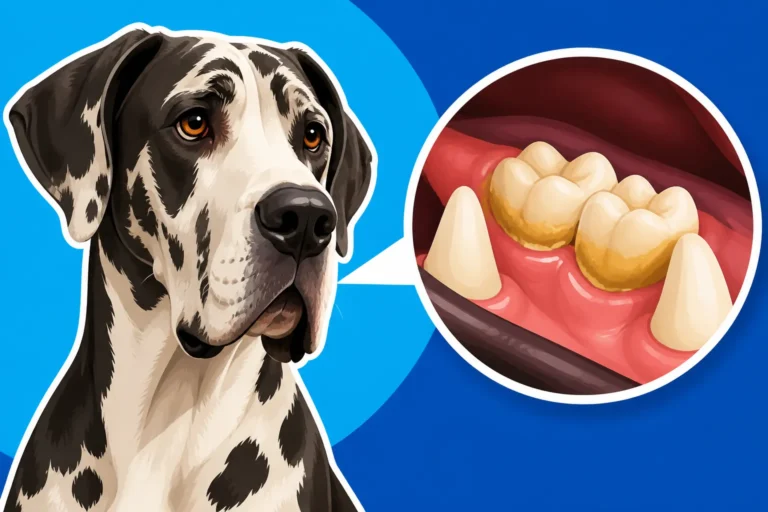
As Great Danes age and move into their senior years (typically around six years old, as per The Age a Great Dane Is Considered Old), their needs can shift significantly. Their metabolism might slow down, requiring fewer calories, or they might develop dental issues that make chewing harder. Arthritis can also make standing to eat uncomfortable. For these reasons, splitting meals becomes even more crucial. More frequent, smaller meals are often easier on a senior Dane's slower digestion and can help prevent discomfort.
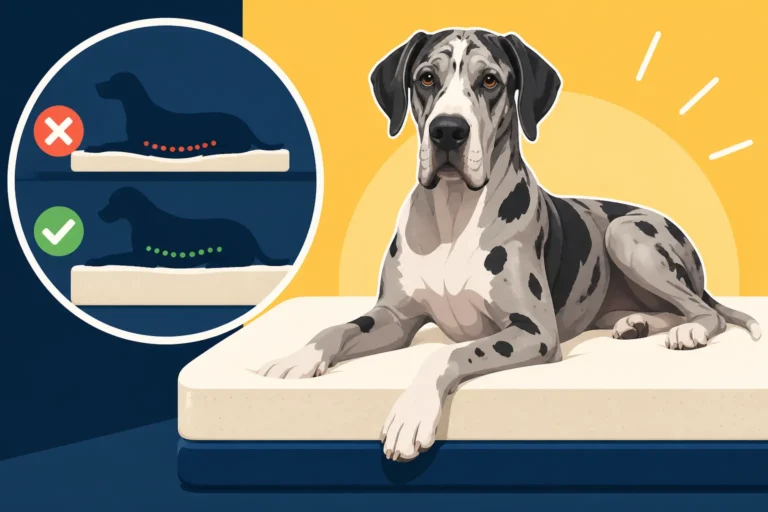
You might need to transition to a senior-specific formula, which usually has fewer calories and added joint support. If chewing is an issue, consider moistening kibble with warm water or feeding a wet or fresh food diet. You can also explore options from brands like Chewy for orthopedic elevated feeders that make eating more comfortable without bending down, though the debate about The Raised Bowl Argument for Great Danes continues. For An Old Great Dane That Struggles to Chew, meal consistency and ease of eating take precedence. Regular veterinary check-ups are vital to monitor their weight and adjust their diet as needed.
Dealing with Food Guarding or Resource Aggression
If you have a Great Dane that exhibits food guarding or resource aggression, especially if you have other pets, meal splitting can present challenges. It's paramount to address this behavior safely and effectively. Feeding dogs in separate, secure areas (like crates or different rooms) is the safest approach to prevent conflicts. Each dog should be able to eat their portion without feeling threatened or rushed by another animal.
Work with a professional dog trainer experienced with large breeds to address food guarding behaviors. This isn't something to tackle alone, as a bite from a Great Dane can be devastating. Desensitization and counter-conditioning techniques can help your dog feel less anxious about their food. The goal is for each dog to feel relaxed and safe during their meal, which is crucial for good digestion and overall well-being.
Traveling and Maintaining Routine
Life with a Great Dane inevitably involves travel, whether it's a weekend trip or an extended vacation. Maintaining your split meal routine during these times is important to minimize stress and digestive upset. Pack pre-measured portions of their regular food for each meal, and bring their familiar bowls. Any sudden change in food or feeding schedule can lead to an upset stomach, which is the last thing you want when away from home.
If your Dane is prone to car sickness, feed them a small portion several hours before travel rather than right before. When staying at a new location, set up their feeding station in a quiet, low-traffic area, mirroring their home environment as much as possible. Consistency is key, even when you're on the road. Finding hotels that welcome giant breeds and have space for their feeding routine might require a bit more planning, but it's worth it for your Dane's comfort.
Splitting your Great Dane's meals into two or more smaller portions isn't just a suggestion; it's a fundamental aspect of responsible giant breed ownership. By understanding the physiological reasons behind it, implementing practical strategies, and remaining vigilant about their health, you're investing in a longer, healthier, and happier life for your magnificent companion.
Disclaimer
This article is for general informational purposes only and does not constitute professional advice. Laws, prices and regulations vary by location and change over time. Consult a qualified professional for guidance on your specific situation.