Beds That Cushion a Great Dane’s Joints
For anyone who has ever lived with a Great Dane, you know the absolute joy they bring, but also the immense responsibility that comes with their size. Their sheer stature puts unique stress on their bodies, especially their joints, leading to a host of potential issues down the road. This guide is all about helping you navigate the world of orthopedic bedding, ensuring your gentle giant has the best possible support to alleviate pain and promote long-term joint health.
Why Great Dane Joints Need Extra Protection
It’s no secret that Great Danes are, well, great. But that impressive size comes at a cost, particularly when it comes to their skeletal system. Their joints endure a tremendous amount of stress throughout their lives, making proper support not just a luxury, but a necessity.
The Impact of Their Immense Size and Rapid Growth
Imagine carrying an extra person on your back all day, every day – that's essentially what your Great Dane's joints are doing. Their rapid growth from a tiny puppy to a towering adult puts immense strain on developing bones and cartilage. A small breed might take a year to reach full size; a Great Dane takes nearly two, and during that time, their growth plates are vulnerable. If they grow too quickly or aren't supported correctly, it can set the stage for a lifetime of joint problems. Everything from their elbows to their hips and shoulders bears the brunt of their significant body weight, making cushioning surfaces absolutely critical from a young age.
Common Joint Ailments in Great Danes
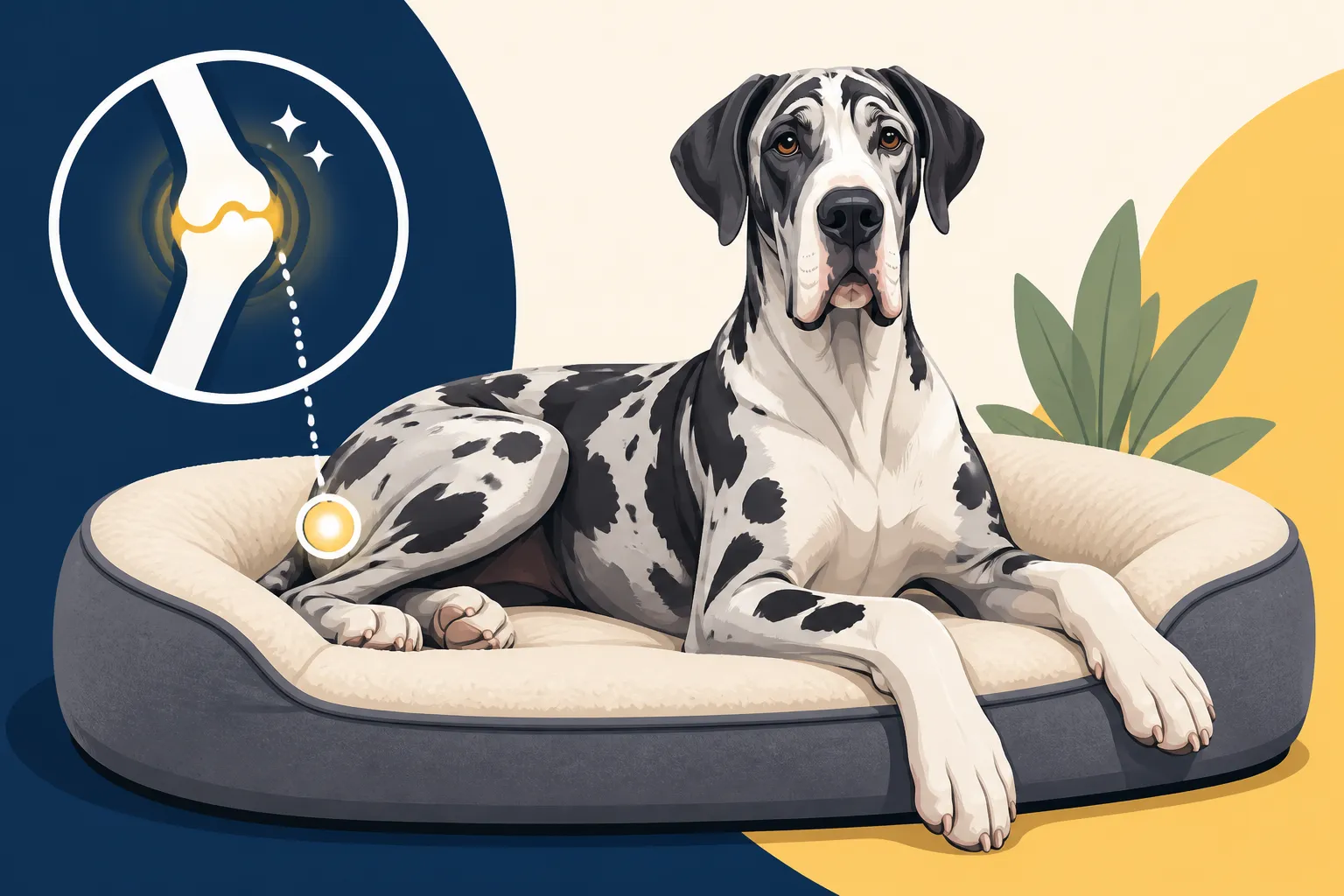
Great Danes are unfortunately predisposed to several significant joint conditions, largely due to their genetics and rapid growth rate. Great Dane Hips, Elbows and Growing Joints are a constant concern for owners. Hip dysplasia, where the hip joint doesn't form correctly, and elbow dysplasia, a similar malformation in the elbow, are prevalent. Osteochondritis Dissecans (OCD), a condition where cartilage separates from the bone, often in the shoulders or elbows, is another painful issue. Then there's arthritis, which, while more common in senior Danes, can begin much earlier in life due to cumulative stress or unaddressed developmental issues. Without adequate cushioning, these conditions can worsen, leading to chronic pain and reduced mobility. Arthritis in a Six-Year-Old Great Dane is a heartbreaking reality for many owners, highlighting the need for proactive care.
Understanding What Makes a Great Dane Bed "Supportive"
Not all dog beds are created equal, and for a Great Dane, a "supportive" bed goes far beyond a fluffy cushion. We’re talking about serious engineering to counteract gravity and provide therapeutic comfort.
The Science of Orthopedic Foam
When we talk about orthopedic beds, we're almost always talking about foam, specifically high-density foam or memory foam. These materials are engineered to distribute weight evenly, alleviating pressure points that can exacerbate joint pain. Unlike standard pillow stuffing or cheap egg-crate foam, orthopedic foam won't flatten out into a pancake after a few months of use by a 150-pound dog. It rebounds, maintains its shape, and continues to offer firm, conforming support. This is crucial because if the bed sags, your Dane's joints will still be grinding against the hard floor, negating the entire purpose of the bed.
Density vs. Firmness: What Really Matters
It’s easy to confuse density with firmness, but they’re not quite the same. Firmness refers to how hard or soft the foam feels when you press on it. Density, on the other hand, refers to how much material is packed into the foam. For a Great Dane, density is paramount. A high-density foam (measured in pounds per cubic foot) means the foam will hold its shape and support your Dane's massive weight over time without compressing completely. A less dense but firm foam might feel supportive initially, but it will break down much faster. Think of it like a cheap mattress versus a high-quality one: the cheap one feels fine at first, but soon develops dips and valleys. For our big dogs, those dips mean inadequate support for their vulnerable joints. You want a bed that can withstand repeated heavy impact and still provide an unyielding base.
Beyond Foam: Other Supportive Materials
While foam is king, other materials can contribute to a supportive bed structure. Some beds incorporate gel layers, often infused into memory foam, which can help with temperature regulation – a nice bonus for a large dog who might overheat. Air chambers, similar to human air mattresses, offer adjustable firmness, allowing you to tailor the support. However, these can be punctured and might not offer the consistent, unwavering support of a solid block of high-density foam. Another option often overlooked is simply having a very thick, dense layer of recycled fiberfill that is tightly packed and sectioned to prevent shifting. While not as universally praised as foam for true orthopedic support, a well-made version can still offer more cushion than a thin, flimsy bed, especially when budget is a primary concern.
Key Features to Look For in a Great Dane Bed
Finding the perfect bed for your Great Dane isn't just about throwing money at the most expensive option. It's about understanding the specific needs of these magnificent creatures and looking for features that directly address them.
Size, Shape, and Bolsters
This might seem obvious, but a Great Dane needs a truly big bed. They need to be able to stretch out completely, nose to tail, without any part of their body hanging off. A bed that's too small forces them into awkward positions, which defeats the purpose of orthopedic support. Measure your dog when they're fully stretched out to ensure you get adequate length and width. Round beds can be cozy, but many Danes prefer rectangular beds for maximum sprawling space.
Bolsters, those raised edges around a bed, can be a wonderful feature. Many Great Danes love to rest their heads on bolsters, which offers neck support and a feeling of security. They can also provide a comforting boundary, making the bed feel like a safe den. However, ensure the bolsters are also well-filled and firm enough to support a Dane's heavy head, not just decorative fluff. A low-profile bolster is often best, as a very high one might make it difficult for an older, less mobile Dane to step over or get comfortable.
Durability and Washability: A Must-Have
Let's be realistic: Great Danes drool, shed, track in dirt, and occasionally have accidents. A bed for a Great Dane needs to be a workhorse. Look for beds with removable, machine-washable covers. Even better if the covers are water-resistant or waterproof, offering an extra layer of protection for the foam core. Zippers should be sturdy and ideally hidden to prevent your Dane from chewing on them. The fabric itself should be robust – canvas, heavy-duty polyester, or microfiber blends are often good choices. Avoid flimsy materials that will tear or wear out quickly under constant use. Think about the long game here; investing in a durable bed now will save you money and headaches in the long run. Many brands available through Chewy offer excellent washable options.
Temperature Regulation for Comfort
Great Danes, with their large body mass, can sometimes get warm, especially on soft, insulating surfaces. A bed that helps regulate temperature can be a game-changer for their comfort. Look for materials that are breathable, or consider beds with gel-infused memory foam which can help dissipate heat. Some beds even feature cooling fabrics. On the flip side, in colder climates, a thicker, more insulating bed might be preferred. Elevated beds, which we'll discuss more later, are fantastic for airflow and keeping your Dane cool in warmer months or climates. This often gets overlooked, but a dog that is too hot or too cold won't settle properly, meaning they're not getting the full benefit of their supportive bed.
Choosing the Right Bed for Your Dane's Stage of Life
A Great Dane’s bedding needs aren’t static; they evolve as your dog grows and ages. What’s perfect for a boisterous puppy might not cut it for a stoic senior.
Puppyhood: Preventing Problems Early
It might seem excessive to invest in an orthopedic bed for a Great Dane puppy, but hear me out: prevention is key. Those rapidly growing joints are incredibly vulnerable. While they don't yet have the full weight of an adult Dane, repetitive impact on hard surfaces can still contribute to developmental issues like Growth Disorders in a Great Dane Puppy. A high-quality, supportive bed from day one encourages proper alignment and cushions their developing bones and cartilage. You might choose a slightly smaller, more affordable orthopedic bed initially, knowing you'll upgrade as they grow, or invest in a large one from the start. Look for beds with a durable, chew-resistant cover, because puppies are notorious for testing the limits of everything with their mouths! It’s also wise to consider a bed that can withstand a few accidents as you work on potty training. A waterproof liner beneath the washable cover is a godsend in these early months.
Adult Danes: Maintaining Joint Health
For an adult Great Dane, the goal shifts to maintaining the health they have and preventing the onset of age-related joint issues. Their full weight means an orthopedic bed with high-density foam is non-negotiable. This is where those firm, unyielding beds truly shine, distributing their weight evenly and preventing pressure points. Even if your adult Dane shows no signs of joint discomfort, a supportive bed is a crucial part of their daily preventative care. Think of it like taking good care of your own back; you don't wait for pain to start using a good mattress. This is also the stage where you might consider adding bolsters if your Dane loves to lean or rest their head, or an elevated bed if they tend to overheat. Remember, Keeping a Great Dane Lean for Its Joints is paramount, and a good bed complements a healthy weight by providing crucial support.
Senior Danes: Alleviating Existing Pain
As your Great Dane enters their senior years, joint pain often becomes a more pronounced issue. The Age a Great Dane Is Considered Old can vary, but typically around six years old, you might start noticing changes in their mobility. For senior Danes, the bed isn't just about comfort; it's therapeutic. Look for extra-thick orthopedic foam, specifically memory foam, which molds to their body, providing maximum pressure relief. A bed with lower entry points or no bolsters might be easier for a less mobile Dane to get onto and off of. Some senior-focused beds even come with heating elements, which can be incredibly soothing for arthritic joints. Caring for a Great Dane Past Six often involves careful management of pain, and a truly comfortable, supportive bed is a cornerstone of that care. Don't underestimate the power of a good night's sleep in managing chronic pain and improving overall quality of life for your aging companion.
Top Picks and Where to Find Them
With so many options on the market, it can feel overwhelming to pick the right bed. Let's break down some popular and effective types, and where you might start your search.
Orthopedic Beds with High-Density Foam
These are the gold standard for Great Danes. They typically feature a solid slab of high-density orthopedic foam, sometimes topped with a layer of memory foam for added contouring comfort. The key is the density and thickness – aim for at least 4-6 inches of high-quality foam. Brands that specialize in human-grade mattress foam often translate this technology into their pet beds, ensuring longevity and true support. When shopping, check product descriptions for foam density ratings if available, or look for guarantees against flattening. Many of these can be found on online retailers like Amazon or specialized pet supply sites. Companies like Big Barker are well-regarded for their large dog beds, often offering impressive warranties against flattening, which is a huge plus for a Great Dane owner.
Memory Foam and Hybrid Options
Memory foam beds are excellent for conforming to your Dane's body, distributing weight, and relieving pressure points. This is particularly beneficial for dogs with existing joint pain or conditions like Elbow Hygromas on a Great Dane, as it cradles their body without creating excessive pressure. Hybrid options might combine a dense base foam with a softer memory foam top layer, offering the best of both worlds: firm support with plush comfort. Some also integrate cooling gels into the memory foam to combat heat retention. When looking at memory foam, ensure it's open-cell foam for better breathability. You'll find a wide selection of these types of beds from pet retailers and even some direct-to-consumer brands that focus on luxury pet bedding, like those advertised on platforms where you might also find fresh dog food companies like Ollie. Always check reviews from other large dog owners to gauge real-world performance.
Elevated Beds for Airflow and Pressure Relief
Elevated beds, also known as cot-style beds, consist of a sturdy frame with a stretched fabric surface. They lift your dog off the hard floor, allowing air to circulate around them, which is incredibly beneficial for cooling, especially in warmer climates. The suspended fabric also provides a surprisingly good form of pressure relief, as it flexes gently under their weight rather than resisting it. While they don't offer the dense, contoured support of a foam bed, they can be an excellent addition or alternative, particularly for outdoor use or during hot weather. Many Danes also enjoy the feeling of being slightly off the ground. When choosing an elevated bed for a Great Dane, prioritize a heavy-duty, rust-resistant frame (metal is often best) and a tear-resistant, easy-to-clean fabric like ballistic nylon. Ensure the frame has a high weight capacity to safely support your full-grown Dane.
Here's a quick comparison of common bed types:
| Bed Type | Key Benefit | Ideal For | Pros | Cons |
|---|---|---|---|---|
| High-Density Orthopedic Foam | Superior weight distribution | All Danes, especially adults and seniors | Excellent support, long-lasting, prevents flattening | Can be heavy, sometimes retains heat |
| Memory Foam | Contouring pressure relief | Danes with existing joint pain, seniors | Molds to body, alleviates pressure points, very comfortable | Can be pricey, may feel warm, slower to rebound |
| Hybrid (Foam Layers) | Balanced support and comfort | All Danes seeking premium comfort | Combines benefits of firm base and soft top, good durability | Often higher cost, still heavy |
| Elevated/Cot Style | Airflow, off-the-floor cooling | Warm climates, outdoor use, easy entry/exit | Promotes cooling, distributes weight, lightweight | Less plush, may not appeal to all dogs, fabric can wear over time |
| Bolstered Beds | Head/neck support, feeling of security | Danes who like to curl up or rest their heads | Offers comfort and security, provides boundaries | Bolsters can lose shape, might be hard for very old Danes to enter |
Beyond the Bed: Complementary Joint Care
While a great bed is a cornerstone of joint health for your Great Dane, it's just one piece of a larger puzzle. A holistic approach will yield the best results.
Proper Nutrition and Weight Management
One of the absolute biggest favors you can do for your Great Dane's joints is to keep them at a healthy weight. Extra pounds put immense strain on hips, elbows, and knees, accelerating wear and tear and worsening conditions like arthritis. Whether a Great Dane Puppy Should Be Kept Lean is a critical question, and the answer is usually yes – slow, steady growth is vital. Talk to your vet about the ideal body condition score for your individual Dane and feed a high-quality diet appropriate for large breeds, especially during puppyhood. Overfeeding, or feeding a diet too high in calcium during growth, can be incredibly detrimental. Regular monitoring of their weight and calorie intake is essential throughout their lives to prevent unnecessary stress on their hardworking joints.
Controlled Exercise and Ramps
Exercise is vital for muscle development and maintaining joint flexibility, but for Great Danes, controlled exercise is key. Avoid high-impact activities like excessive jumping or long-distance running, especially during their growth phases. Short, frequent walks on soft surfaces are preferable to marathon jogs on pavement. Swimming can be an excellent low-impact exercise for joint health. As your Dane ages, or if they have mobility issues, consider using ramps to help them get into cars or onto furniture rather than having them jump. This saves wear and tear on their joints and prevents painful jarring. Whether a Great Dane Should Climb Stairs is another important consideration; minimizing stair use can protect their hips and elbows over time.
Regular Vet Check-ups and Supplements
Consistent veterinary care is non-negotiable for monitoring your Great Dane's joint health. Your vet can identify subtle signs of discomfort, recommend imaging if needed, and develop a proactive plan. They might suggest joint supplements containing ingredients like glucosamine, chondroitin, and MSM, which can support cartilage health and reduce inflammation. However, it's crucial to discuss these with your vet before starting, as not all supplements are created equal, and dosing for a giant breed needs to be accurate. Regular check-ups also allow your vet to address any issues promptly, potentially delaying or mitigating the progression of conditions like Hip Replacement in a Great Dane or other severe joint problems. Early intervention and ongoing management are the keys to ensuring your Great Dane lives as comfortably as possible for as long as possible.
Disclaimer
This article is for general informational purposes only and does not constitute professional advice. Laws, prices and regulations vary by location and change over time. Consult a qualified professional for guidance on your specific situation.