Slimming a Great Dane Without Starving It
It’s a scenario many Great Dane owners know all too well: your gentle giant, with those soulful eyes, gives you "the look" after finishing their meal, acting as if they haven't eaten in days. It's incredibly easy for these magnificent dogs to pack on extra pounds, often without us even realizing it until it's become a significant issue. The challenge then becomes how to help them shed that weight safely and effectively, without feeling like you're starving your beloved companion or compromising their health. This guide will walk you through how to responsibly slim down your Great Dane, focusing on health, well-being, and realistic expectations.
Understanding the Great Dane Weight Challenge
Great Danes are truly unique, not just in their impressive stature but also in their metabolism and joint structure. While it might seem counterintuitive for such a large, active-looking breed to struggle with weight, several factors contribute to why Great Danes can easily become overweight, and why a thoughtful approach to weight loss is crucial.
Why Great Danes Can Pack on Pounds Easily
Many people assume that because Great Danes are so big, they must require an endless amount of food to sustain them. While they certainly eat a substantial amount compared to smaller breeds, it's often the type and density of food, combined with their sometimes lower-than-expected activity levels, that leads to weight gain. A common mistake is feeding a giant breed like a Great Dane the same kind of calorie-dense food formulated for a high-energy working breed, or simply free-feeding. Their metabolism, especially as they mature, isn't always as revved up as you might imagine. They are often calm indoors, leading to fewer calories burned than their size might imply. Moreover, those giant paws and long legs can make them seem more active than they actually are, especially if they are getting older or suffering from underlying joint issues. It's not uncommon for a Great Dane to go from a lean, athletic adolescent to a slightly chunky adult if their diet isn't carefully managed.
The Hidden Health Risks of an Overweight Dane
An overweight Great Dane isn't just a cosmetic issue; it's a serious health concern that can dramatically impact their quality of life and even shorten their already The Seven to Ten Year Great Dane Lifespan. The extra weight puts immense strain on their joints, especially their hips and elbows, which are already prone to conditions like arthritis or dysplasia. This can exacerbate existing issues or trigger new ones, leading to pain, lameness, and reduced mobility. Imagine carrying an extra 20-30 pounds on your own frame all day, every day – it’s exhausting and painful.
Beyond joint problems, obesity increases the risk of other severe health complications in Great Danes. These include an elevated risk of The Heart Muscle Disease Great Danes Are Prone To, respiratory problems (especially in hot weather), diabetes, and even certain types of cancer. Overweight dogs also tend to be less active, creating a vicious cycle where decreased exercise leads to more weight gain, further reducing their desire or ability to move. It’s a silent killer, slowly eroding their health and happiness.
The Dangers of Rapid Weight Loss
While it's urgent to address excess weight, a crash diet is absolutely not the answer for a Great Dane. Rapid weight loss can be just as detrimental as obesity. Drastic calorie restriction can lead to muscle loss, nutrient deficiencies, and a rebound effect where the dog quickly regains the lost weight. For a large breed, muscle mass is critical for supporting their massive frame and protecting their joints. Losing muscle instead of fat defeats the purpose and can actually worsen their orthopedic health. Furthermore, a sudden, significant change in diet can upset their sensitive digestive systems, leading to gastrointestinal issues. It’s about a steady, controlled, and veterinarian-supervised approach, not a quick fix.
Assessing Your Dane's Body Condition
Before you even think about adjusting food portions, you need to accurately assess your Great Dane's current body condition. What feels "normal" to you might actually be overweight, especially when you're used to a big dog. This isn't about the number on the scale as much as it is about what their body looks and feels like.
The Importance of Body Condition Scoring
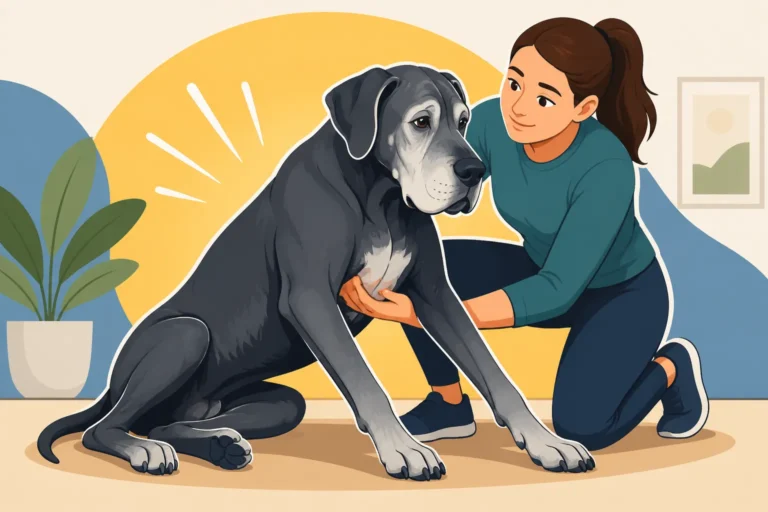
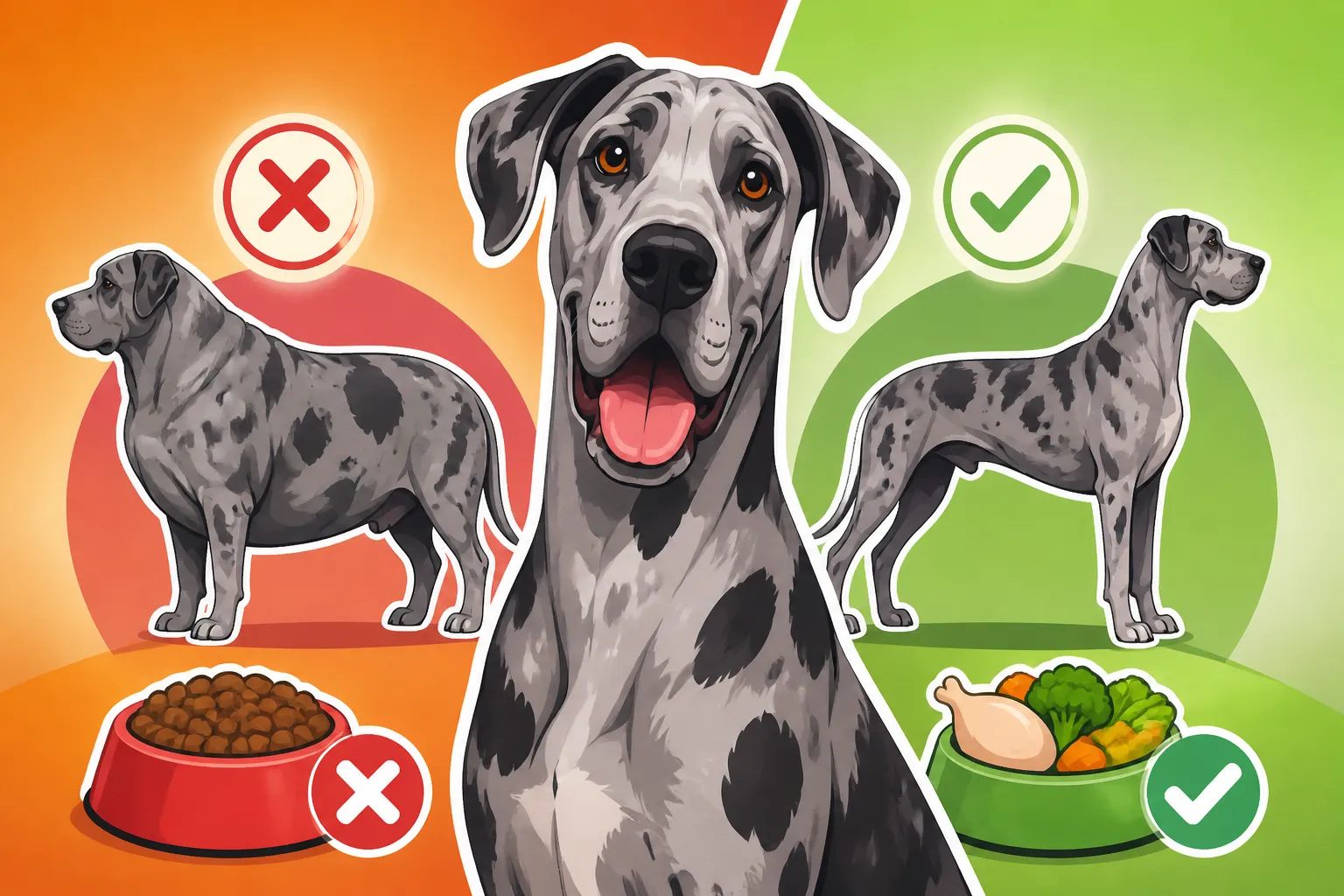
Body Condition Scoring (BCS) is a universally recognized, hands-on method to evaluate your dog's fat reserves and muscle mass. Instead of relying solely on weight, which can vary wildly between Danes of the same height, BCS gives you a visual and tactile guide. Most vets use a 5-point or 9-point scale. A score of 3/5 or 4-5/9 is generally considered ideal. You want to be able to feel their ribs without pressing hard, see a distinct waist when viewed from above, and a tuck-up when viewed from the side.
Many owners find it difficult to tell if a Great Dane is too heavy because of their sheer size. Their deep chests and often loose skin can be deceiving. However, learning to properly assess their BCS is the first and most critical step in determining if a weight loss plan is truly needed and how aggressive it should be. It takes the guesswork out of "Are they fat?" and replaces it with an objective measure. For more specific guidance, read Reading a Great Dane's Ribs and Spine.
Here's a simplified guide to help you assess your Great Dane's body condition:
| Body Condition Score | Description | What You See & Feel (Great Dane Specific) |
|---|---|---|
| 1: Emaciated | Ribs, lumbar vertebrae, pelvic bones, and all bony prominences evident from a distance. No discernible body fat. Obvious loss of muscle mass. | Ribs, spine, and hip bones are extremely prominent, even under their short coat. You can easily see individual vertebrae. Minimal muscle covering. This is dangerous and requires urgent veterinary intervention. |
| 2: Thin | Ribs, lumbar vertebrae, and pelvic bones easily visible. No discernible body fat. Minimal other bony prominences. Minimal loss of muscle mass. | Ribs are easily seen, and spine/hip bones are becoming obvious. No fat covering. Waist and abdominal tuck are very pronounced. While not emaciated, a Great Dane at this level might be underfed or have an underlying health issue. |
| 3: Ideal | Ribs palpable without excess fat covering. Waist observed behind ribs when viewed from above. Abdominal tuck apparent when viewed from side. | You can easily feel their ribs with slight pressure, like feeling the back of your hand. They have a visible waistline when you look down at them from above, and a nice upward curve (abdominal tuck) from their chest to their hind legs when viewed from the side. This is where you want your Great Dane to be – strong, lean, and athletic. |
| 4: Overweight | Ribs palpable with slight excess fat covering. Waist discernible but not prominent. Abdominal tuck apparent. | It's harder to feel their ribs; you need to press a bit more. The waistline is there but less defined, starting to look straighter. The abdominal tuck is still present but not as pronounced. This is a common stage where owners might not realize there's an issue until a vet points it out. |
| 5: Obese | Ribs not palpable under heavy fat cover, or palpable only with significant pressure. No waist or abdominal tuck. Obvious abdominal distention may be present. Heavy fat deposits over lumbar area and base of tail. | Ribs are very difficult to feel due to a thick layer of fat. There's little to no visible waist, and the abdominal tuck is absent, often replaced by a sagging belly. Fat deposits are obvious over the spine and tail base. This is a serious health risk, and immediate action with vet guidance is necessary. |
When to Consult Your Veterinarian
Even if you're confident in your BCS assessment, a trip to the vet is non-negotiable before starting a weight loss journey. Your veterinarian can confirm your assessment, rule out any underlying medical conditions that might be contributing to weight gain (like hypothyroidism, which can cause A Great Dane That Thickens and Loses Hair and slower metabolism), and help you set realistic goals. They can calculate a safe target weight and recommend a specific calorie intake tailored to your Great Dane's individual needs, age, and activity level.
Don't skip this step thinking you can just cut back on food yourself. A vet can also suggest specific prescription weight-loss diets or help you formulate a homemade diet plan that ensures your Great Dane still gets all the necessary nutrients while reducing calories. Remember, your vet is your best partner in ensuring your Great Dane loses weight safely and effectively.
Designing a Tailored Weight Loss Plan
Once you've confirmed your Great Dane needs to lose weight and consulted your vet, it's time to build a solid plan. This involves strategic dietary adjustments and incorporating appropriate exercise, all while keeping your giant breed's specific needs in mind.
Strategic Dietary Adjustments for Weight Loss
This is often the most impactful part of any weight loss plan. It’s not just about feeding less; it’s about feeding smarter.
Choosing the Right Food and Portion Control
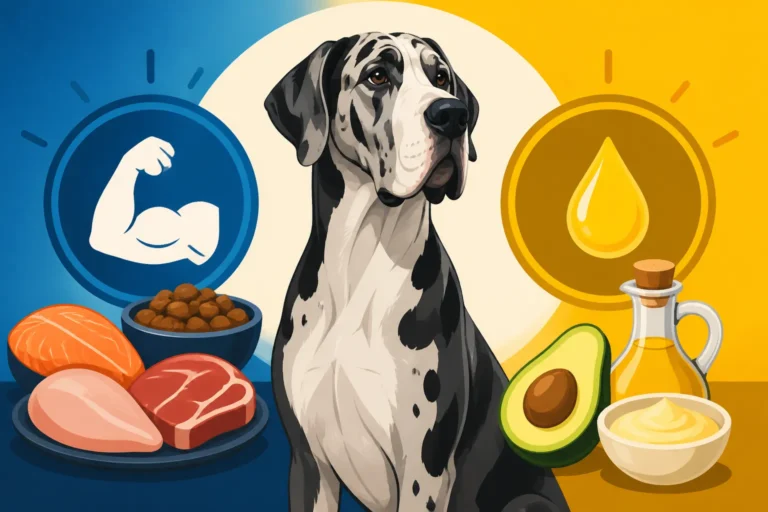
The first step is often transitioning to a high-quality, lower-calorie dog food, or a specific "weight management" formula. These diets are typically higher in fiber and protein to help your dog feel full and maintain muscle mass, while being lower in fat and overall calories. Look for brands that specialize in large breed adult formulas, as these are often designed with joint health and controlled growth in mind, which can be beneficial even for adult weight loss.
If you're buying kibble, be sure to read the bag's feeding guide for "weight loss" or "less active" dogs, and then start with 75-80% of that recommendation. Weighing your Great Dane's food with a kitchen scale is paramount – don't rely on scoop measurements, as they are notoriously inaccurate. A small difference in kibble can mean hundreds of extra calories over a day for a big dog. You might find great deals on specialized large breed foods on platforms like Chewy or Amazon, allowing you to compare options and read reviews.
Some owners explore fresh-cooked or raw diets, but these require careful formulation by a veterinary nutritionist to ensure they are nutritionally complete and appropriately caloric for weight loss, especially at Raw Feeding at Great Dane Volume. Companies like Ollie offer pre-portioned fresh food, but the sheer volume and cost for a Great Dane can be significant, so always check their current plans and pricing to see if it aligns with your budget and your vet's recommendations.
The Magic of Multiple Smaller Meals
Instead of one or two large meals, consider splitting your Great Dane's daily ration into three or even four smaller meals. This can help keep them feeling fuller throughout the day, reduce begging behavior, and potentially even help with satiety. For a breed prone to Bloat in a Great Dane and the One in Three Odds, smaller, more frequent meals can also be a proactive measure to reduce their risk. Eating too much at once can stress their system and contribute to that uncomfortable "starved" feeling if they're on a reduced-calorie diet. It also ties into The Feeding Routine That Lowers Great Dane Bloat Risk.
Rethinking Treats and Table Scraps
This is where many well-intentioned owners unknowingly sabotage their Great Dane's diet. Treats, even small ones, add up quickly when you're feeding a large dog. A single "medium dog" biscuit might be 50 calories; give a few of those throughout the day, and you've added an entire meal's worth of calories without even realizing it. Table scraps are an even bigger no-no. Not only are many human foods unhealthy or even toxic for dogs, but they also contribute empty calories that prevent weight loss.
Instead, switch to low-calorie, healthy alternatives for treats. Think small pieces of raw carrot, green beans, or apple (without seeds). You can also use a portion of their daily kibble allowance as treats for training or rewards. This ensures they still get positive reinforcement without piling on the pounds.
Incorporating Safe Exercise for Weight Management
Exercise is vital, but for a Great Dane, it must be carefully managed to protect their joints and avoid overexertion.
Appropriate Activity Levels for a Giant Breed
Great Danes, especially if they are already overweight, are not built for intense, high-impact exercise like long-distance running or competitive agility without careful conditioning. Their massive size puts a lot of stress on their joints. The goal is consistent, moderate activity.
Think of it as steady movement: daily walks, gentle trotting in the yard, or supervised playtime. Start slowly, perhaps with 15-20 minute walks twice a day, and gradually increase the duration and intensity as your Great Dane's fitness improves and they shed some weight. Swimming can be an excellent low-impact exercise for Danes, as it builds muscle without stressing joints, provided they are comfortable and safe in the water. For further guidance on suitable exercise, refer to Wearing Out a Great Dane Without Wrecking Its Joints.
Protecting Joints During Exercise
When your Great Dane is overweight, their joints are already under immense strain. High-impact activities or long sessions on hard surfaces can do more harm than good. Stick to softer surfaces like grass or dirt trails. Avoid steep inclines or declines that can put extra pressure on their knees and hips.
Always watch for signs of discomfort or fatigue – limping, lagging behind, or reluctance to move are clear signals to stop. Provide a comfortable, orthopedic bed for them to rest on after exercise. Good quality joint supplements, recommended by your vet, can also be beneficial in supporting their joint health during weight loss. Consider Joint Support Built Into Great Dane Food if you're switching kibble.
Navigating Pitfalls and Ensuring Success
Losing weight is a journey, not a sprint, especially for a Great Dane. Patience, consistency, and a keen eye for progress are key.
Monitoring Progress and Adjusting the Plan
The scale can be a tricky thing. While it’s helpful to weigh your Great Dane regularly (perhaps weekly or bi-weekly), don't get discouraged by slow progress or plateaus. Muscle weighs more than fat, so your dog might be losing fat and gaining muscle without a dramatic drop in total weight initially. Focus more on their Body Condition Score and how their clothes and harness fit. Are you starting to feel those ribs more easily? Is their waist becoming more apparent?
Keep a journal to track their food intake, exercise duration, and weight. If after a few weeks you're not seeing any change, it's time to adjust. This might mean a slight further reduction in calories (always consult your vet first!) or a small increase in exercise. Conversely, if your Great Dane seems too hungry, your vet might suggest increasing the fiber content of their food or adding more low-calorie vegetables. Consistency is your biggest tool here; stick to the plan even when it feels like nothing is changing.
The Long Game: Maintenance and Preventing Regain
Once your Great Dane reaches their ideal weight, the real work begins: maintaining it. This isn't a temporary diet; it's a lifestyle change. You might be able to slightly increase their food portions, but it’s crucial to continue monitoring their BCS regularly. Their needs will change as they age, so what worked at four years old might need tweaking at seven or eight. For advice on older dogs, see Feeding and Grooming an Old Great Dane.
Continue with their regular exercise routine, finding enjoyable ways to keep them active without overdoing it. Remember that Great Danes often burn through their years faster than smaller breeds, so keeping them lean and active is one of the best gifts you can give them for a longer, healthier life. Building a routine and sticking to it will ensure your gentle giant stays at a healthy weight for years to come.
Disclaimer
This article is for general informational purposes only and does not constitute professional advice. Laws, prices and regulations vary by location and change over time. Consult a qualified professional for guidance on your specific situation.