Boarding Kennels With Runs a Great Dane Fits
Planning a trip away when you have a Great Dane can bring on a whole new level of stress. It's not like finding care for a smaller dog that can easily fit into almost any boarding facility or a friend's spare room. You're constantly wondering if any kennel will truly understand the unique needs of your giant companion, especially when it comes to having enough space. This guide is all about helping you navigate the world of boarding kennels, ensuring you find a safe, comfortable, and appropriately sized "home away from home" for your beloved Dane.
The Unique Challenges of Boarding a Great Dane
Let's be real, owning a Great Dane means everything is bigger – their heart, their personality, and yes, their physical presence. This scale, while magnificent, presents distinct challenges when it comes to boarding. You can't just drop your Dane off at any old place and expect them to thrive. Their sheer size, combined with specific health and temperament considerations, means you need to be extra discerning when choosing a facility.
Why Size Matters for Their Comfort and Safety
A Great Dane isn't just a big dog; they're an enormous dog. A standard kennel run designed for a Labrador or a German Shepherd simply won't cut it. Imagine your majestic Dane trying to turn around in a space barely bigger than their own body. It's not just uncomfortable; it can be downright detrimental. Confined spaces can lead to physical discomfort, joint stiffness, and even behavioral issues like anxiety or frustration. They need room to stretch out fully, stand up without hitting their head, and take a few steps. This isn't a luxury; it's a necessity for their physical and mental well-being. Think about a Dane with Elbow Hygromas on a Great Dane – lying on hard, small surfaces can exacerbate such conditions.
Moreover, their size impacts heating and cooling. A cramped, poorly ventilated run can become a furnace or a freezer depending on the weather, and a Great Dane's typically short coat doesn't offer much insulation. Overheating or getting chilled in an inadequate space is a genuine concern.
Health Considerations Beyond the Obvious
Beyond the basic need for space, Great Danes come with a specific set of health considerations that a good boarding facility must be prepared for. We all know about the dreaded bloat. The Lifetime Bloat Risk in a Great Dane is a constant worry, and the stress of a new environment combined with changes in feeding routine can potentially increase that risk. A kennel needs to understand the importance of feeding multiple small meals, avoiding exercise directly before or after eating, and recognizing the early signs of a problem. They should have a clear emergency protocol in place and be able to communicate effectively with your vet.
Then there are joint issues. Great Dane Hips, Elbows and Growing Joints are prone to problems, and an inadequate bed or hard flooring in a run can cause immense discomfort, stiffness, or even injury. Older Danes, especially, need soft, supportive bedding to prevent pressure sores and ease arthritic pain. Some Danes might also be on medication for conditions like The Heart Muscle Disease Great Danes Are Prone To, requiring staff who are meticulous about administering doses on schedule.
Temperament and Stress Management
Great Danes are often called "gentle giants," but they are still dogs, and new environments can be stressful. The unfamiliar sights, sounds, and smells of a kennel, combined with the presence of many other dogs, can overwhelm even the most laid-back Dane. A good facility will understand that a Great Dane benefits from a calm environment, attentive staff, and perhaps even some one-on-one time to help them settle in. They thrive on routine and gentle handling. Staff should be experienced in handling large breeds, not just in terms of physical strength, but also in understanding their often sensitive nature. They should be able to identify signs of stress or anxiety and respond appropriately, rather than just leaving a dog to cope.
What to Look For in a Great Dane-Friendly Kennel
Finding the right boarding kennel for your Great Dane is like searching for a unicorn sometimes, but they do exist! It requires a thorough investigation and knowing exactly what questions to ask and what red flags to watch out for. Don't settle for less; your Dane deserves the best care you can find.
Spacious and Secure Runs
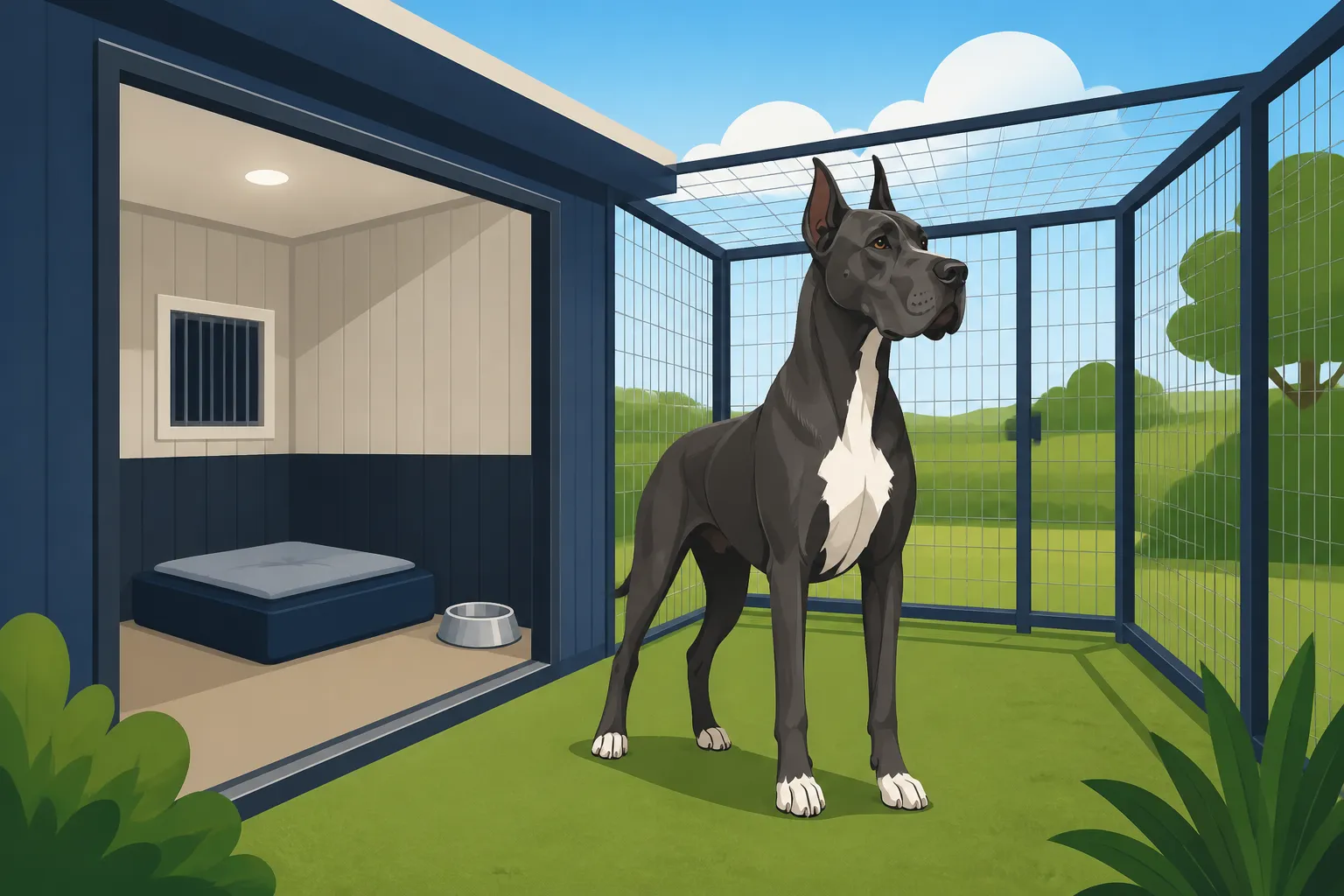
This is non-negotiable. When you visit a kennel, the first thing to assess is the size of their runs. They absolutely need to be big enough for your Great Dane to stand up, turn around comfortably, stretch out when lying down, and take at least a few steps in any direction. I'm talking about runs that are at least 4×8 feet indoors, with outdoor access that's even larger, if possible. Don't be shy about asking specific dimensions.
| Feature | Standard Dog Needs (Example Lab) | Great Dane Needs (Minimum) | Why it Matters for Danes |
|---|---|---|---|
| Indoor Run Size | 3×6 ft | 4×8 ft (or larger) | Room to stand, turn, stretch without bumping walls. |
| Outdoor Run Access | Small attached patio | Generous, secure attached run, 6×10 ft+ | Essential for fresh air, movement, and potty breaks. |
| Ceiling Height | Standard residential | Higher than standard (8 ft+) | Prevents head bumping, reduces claustrophobia. |
| Flooring | Concrete, epoxy | Non-slip, easy to clean, ideally with rubber mats | Prevents slips, protects joints, especially for Arthritis in a Six-Year-Old Great Dane. |
| Bedding | Thin mat | Thick, orthopedic, chew-resistant bed | Crucial for joint support and preventing pressure sores. |
| Gates/Doors | Standard height | Taller, sturdy, secure latches | Prevents jumping over, accidental escapes. |
Beyond size, security is paramount. Great Danes are powerful dogs. Gates and doors must be sturdy, with latches that can withstand a determined push. Fencing should be high and secure enough to prevent any jumping or climbing, even from an anxious Dane. Double-gated entry systems for runs are a huge plus, offering an extra layer of protection against escapes. Look for facilities where runs are built with materials that are easy to clean and sanitize, but also comfortable – not just cold concrete.
Exercise Routines Tailored for Large Breeds
A Great Dane cannot just be let out into a small patch of grass for five minutes once a day. They need meaningful exercise, especially if they are young and full of energy, but it needs to be appropriate exercise. Remember Exercise Limits While a Great Dane Is Still Growing and the potential for joint damage with too much high-impact activity.
Inquire about their exercise program in detail:
- Duration and Frequency: How long are dogs out, and how often? Ideally, your Dane should have multiple outdoor sessions a day, ranging from 15-30 minutes each.
- Type of Exercise: Is it free play in a large, secure yard? Supervised group play with compatible dogs? Or individual leashed walks? For Danes, supervised individual walks or small-group play with other calm, large dogs is often best.
- Space for Exercise: The play yard should be large and secure. A small, gravel patch isn't suitable. Grass or rubberized surfacing is much better for their joints.
- Staff Interaction: Are staff actively engaging with the dogs during exercise, or just supervising from a distance? Hands-on interaction can greatly reduce stress.
- Indoor Options: What happens if the weather is bad? Do they have a large indoor play area to keep giant breeds moving?
Don't be afraid to ask for a tour of the exercise areas and observe a play session if possible. You want to see happy, relaxed dogs, not stressed or overwhelmed ones.
Experienced and Attentive Staff
The staff are the heart of any good kennel. For Great Danes, their expertise is even more crucial. You need people who aren't intimidated by a dog weighing over a hundred pounds and who understand the nuances of giant breed behavior and health.
What to look for and ask about:
- Giant Breed Experience: Do they regularly care for Great Danes or other giant breeds? How do they handle common giant breed traits like leaning, or their tendency to want to be lap dogs?
- Health Monitoring: How often are dogs checked throughout the day and night? Are staff trained to spot early signs of distress, illness, or bloat? This is critical.
- Medication Administration: If your Dane is on medication, how is it administered, and how are records kept? They should have a clear, documented system.
- Emergency Protocols: What is their plan in case of a medical emergency? Which vet do they use? How do they transport a large dog? Do they notify you immediately? Having Healthy Paws pet insurance can give you peace of mind here, knowing that unexpected vet bills will be covered quickly if an emergency arises while you're away.
- Calm Demeanor: Observe the staff's interaction with the dogs. Do they speak in calm, reassuring tones? Are they patient?
A high staff-to-dog ratio is also a good indicator of quality care, ensuring that each dog receives individual attention.
Kennel Policies and Your Great Dane's Well-being
Beyond the physical space, a kennel's policies dictate the overall quality of care your Great Dane will receive. These policies need to align with best practices for giant breeds, covering everything from diet to disaster preparedness.
Feeding Protocols for Bloat Prevention
As we discussed, bloat is a very real concern for Great Danes. A responsible kennel will have specific feeding protocols that help mitigate this risk.
- Multiple Small Meals: They should offer at least two meals a day, if not three, to break up food intake. Ask if they can accommodate custom feeding schedules if your Dane eats more frequently.
- Pre- and Post-Meal Rest: The kennel should enforce a strict "no exercise" policy for at least an hour before and after meals. This is paramount for bloat prevention.
- Access to Water: Fresh water should be available at all times, but ask how they manage excessive, rapid drinking after meals or exercise, which can also contribute to bloat.
- Your Dog's Own Food: It's almost always best to provide your Dane's regular food from home. Changing food suddenly can cause digestive upset, which is the last thing you want while they're away. Ask how they store and prepare client-provided food. If your Dane eats specialized food, like fresh food from a company like Ollie, confirm the kennel has appropriate refrigeration and preparation protocols.
Make sure they have a clear understanding of what bloat looks like and what to do. A Great Dane Pacing With a Swollen Belly or A Great Dane Trying to Vomit and Failing are immediate red flags requiring urgent veterinary attention.
Medical and Emergency Preparedness
This ties into staff experience but deserves its own spotlight. Accidents and illnesses can happen, and with a Great Dane, anything medical often means a larger, more complex, and more costly intervention.
Key questions to ask:
- On-Call Vet: Do they have a specific veterinary clinic they work with for emergencies? Is it 24/7?
- Transportation: How do they transport a large dog like a Great Dane to the vet in an emergency? Do they have a large enough vehicle or a stretcher? This is a huge practical consideration.
- Medication Management: For Danes on long-term medications, clarify how they track doses and timings. Ask for a written policy on medication errors.
- First Aid Training: Are staff certified in pet first aid?
- Client Communication: How and when do they contact you in an emergency? Do they have your vet's contact info readily available?
It's a good idea to inform your own veterinarian that your Dane will be boarding and provide them with the kennel's contact information.
What to Bring and What the Kennel Provides
Most kennels will have a list of recommended items to bring, but for a Great Dane, some items are critical for their comfort and health.
- Food: Always bring your Dane's regular food, pre-portioned if possible, along with extra for unexpected delays.
- Medications: Clearly labeled, with detailed instructions. Consider providing a copy of the prescription.
- Bedding: While a good kennel should provide adequate bedding, bringing your Dane's own familiar Bedding That Prevents Great Dane Hygromas or a favorite blanket can provide immense comfort and reduce stress. Just ensure it's washable.
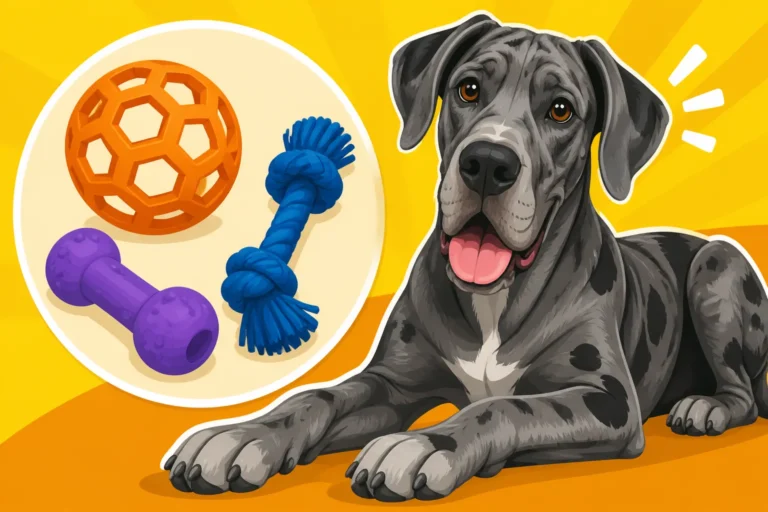
- Toys/Chews: Provide durable, non-chokable toys. For a Dane, this means heavy-duty items. You can find excellent, durable large dog toys and chews on sites like Chewy. Avoid anything they might ingest or that could cause an emergency.
- Proof of Vaccination: Kennels require up-to-date vaccinations, including Bordetella. Have these records ready.
- Emergency Contacts: Provide multiple reliable emergency contacts, including someone local who can make decisions if you're unreachable.
Ask the kennel what they supply, such as bowls, extra blankets, or general chew toys. This helps you pack appropriately.
Preparing Your Great Dane for a Successful Boarding Stay
Even the best kennel can be a bit overwhelming for a Great Dane if they're not prepared. A little proactive planning can make a world of difference in reducing their stress and ensuring a smoother stay for everyone involved.
Visiting and Trial Stays
Never, ever book your Great Dane into a kennel without a prior visit. This is your chance to see the facility firsthand, meet the staff, and ask all your questions.
- Scheduled Tour: Call ahead to schedule a tour. A reputable kennel will be happy to show you around.
- Observe and Inquire: Pay attention to cleanliness, noise levels, dog demeanor, and staff interactions. Are the other large dogs there calm or stressed? What do the runs actually look like?
- Ask for References: Don't hesitate to ask for references from other Great Dane owners who have used their facility.
- Trial Stays: For first-time boarders, especially, a trial stay (a single night or even a half-day) is invaluable. This allows your Dane to get acquainted with the environment and staff in a low-stakes situation, and you can gauge how they cope. It also gives the kennel staff a chance to learn your dog's quirks before a longer stay. This is especially important for A Great Dane That Panics When Left.
A trial stay can reveal potential issues that you can address before your actual trip, giving you much greater peace of mind.
Packing Smart for Your Giant Companion
Packing for a Great Dane is a bit like packing for a small person, but with more slobber. Ensure everything is clearly labeled with your Dane's name.
- Food, Food, and More Food: I can't stress this enough. Bring enough of their regular food for the entire stay, plus at least two extra days' worth in case of travel delays. Portioning it out into individual meal bags can make it easier for the kennel staff and reduce the chance of over or underfeeding. If using Ollie or other fresh food, ensure it's packaged securely for refrigeration.
- Medications: All medications should be in their original prescription bottles or clearly labeled pill organizers. Provide written instructions, including dosage, frequency, and any specific administration notes (e.g., with food, hiding in a treat).
- Comfort Items: A favorite, durable blanket or a worn t-shirt with your scent on it can provide immense comfort. Bring sturdy chew toys. For a big chewer, Chewy has a great selection of indestructible options. Just make sure they are items your dog is familiar with and won't suddenly try to destroy in a new environment.
- Collar and Leash: A well-fitting collar with ID tags (including your contact info and the kennel's) and a sturdy leash are essential. Consider a harness if that's what your Dane normally wears for walks. For more tips, check out Harnesses and Leads for a Great Dane.
Leave valuable or sentimental items at home, just in case they get lost or damaged.
Health Check-Up Before Boarding
Before any boarding stay, it's always wise to have your Great Dane undergo a routine vet check-up. This ensures they are in good health and up-to-date on all vaccinations.
- Up-to-Date Vaccinations: Most kennels require proof of current vaccinations, including rabies, distemper/parvo, and Bordetella (kennel cough). Some might also require canine influenza.
- Parasite Prevention: Ensure your Dane is current on flea, tick, and heartworm prevention. A good kennel will insist on this to protect all the animals in their care.
- General Health Assessment: A vet visit can catch any minor health issues that could become bigger problems while you're away. Discuss any concerns you have with your vet, especially if your Dane has specific health conditions like those requiring Medication for a Great Dane With DCM.
- Bloat Awareness: Remind your vet about your Dane's bloat risk and ensure all relevant information is on file that can be shared with the boarding facility.
This pre-boarding health check gives you peace of mind and ensures your Dane is robust enough for the potential stresses of a kennel environment.
Finding a boarding kennel with runs big enough for your Great Dane is certainly a challenge, but it's one that can be overcome with diligence and careful planning. By prioritizing space, appropriate exercise, experienced staff, and mindful health protocols, you can ensure your gentle giant has a comfortable and safe stay while you're away. It's all about doing your homework and trusting your gut feeling about a facility.
Disclaimer
This article is for general informational purposes only and does not constitute professional advice. Laws, prices and regulations vary by location and change over time. Consult a qualified professional for guidance on your specific situation.