Managing Great Dane Slobber Indoors
Living with a Great Dane is a joy filled with endless cuddles, goofy antics, and an immense amount of love. However, let's be honest, it also comes with an inescapable reality: drool. If you're tired of finding sticky trails on your floors, decorating your walls with slobber art, or wiping your dog's jowls every five minutes, you're in the right place. This guide will dive deep into understanding and, more importantly, effectively managing Great Dane slobber indoors, helping you maintain a cleaner, happier home without sacrificing those giant dog hugs.
Understanding the Great Dane Drool Phenomenon
It's not just "gross" or "annoying"; Great Dane drool is a genuine part of their physiology, and it's essential to understand why it happens before you can truly manage it. These magnificent dogs aren't intentionally trying to redecorate your home with their saliva; it's simply a natural byproduct of their breed characteristics and sometimes, their environment.
The Anatomy of Great Dane Jowls and Saliva Production
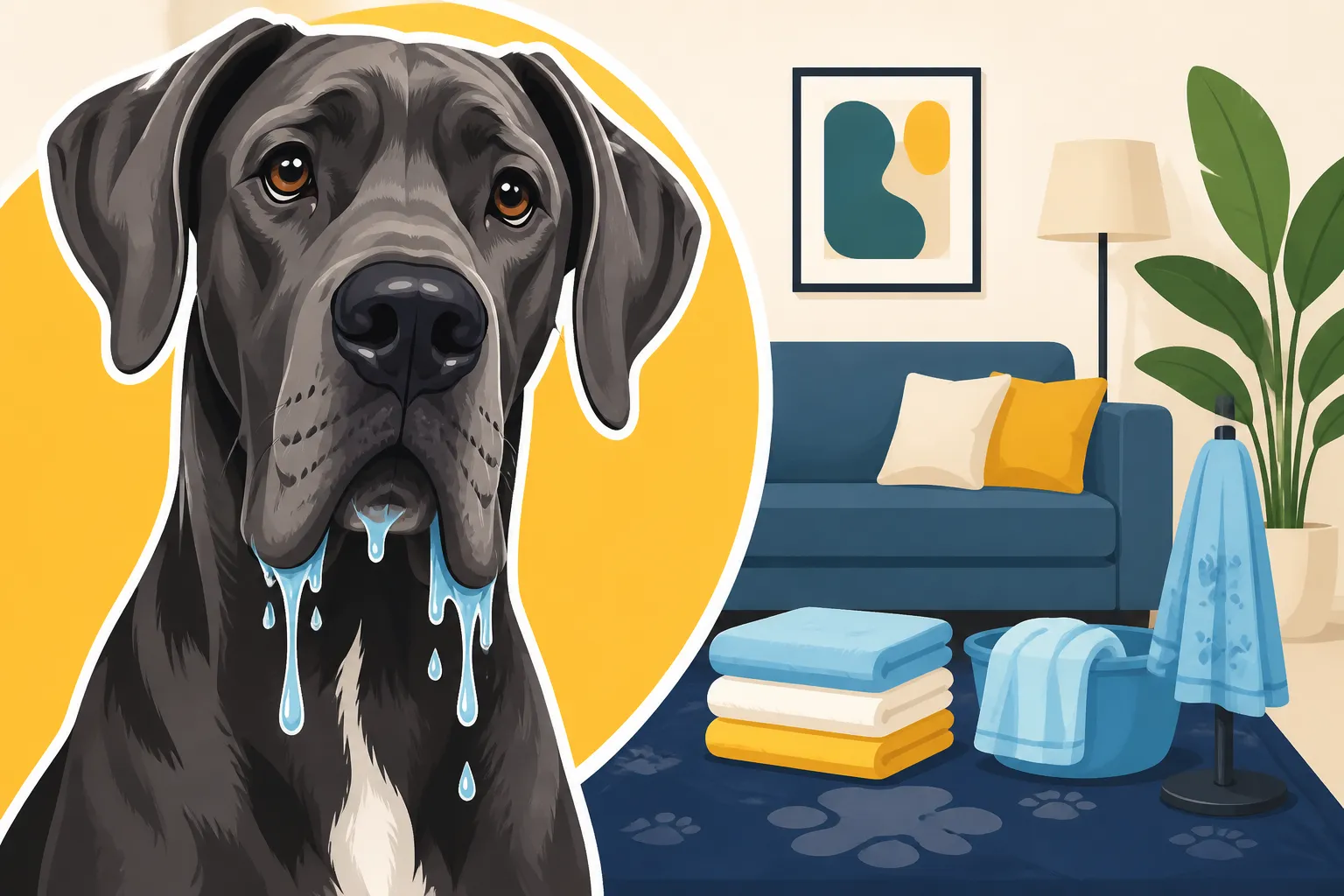
Great Danes have distinct facial features, most notably their somewhat loose jowls and lips. Unlike some breeds with tighter mouths, their jowls don't form a completely sealed "cup" around their teeth and tongue. This anatomical design means that saliva, which all dogs produce to aid digestion and moisten food, doesn't always stay neatly contained within their mouths. Instead, it can pool and eventually spill over, especially when they shake their heads, pant, or get excited. It's less about excessive saliva production and more about the way their mouth is structured to hold it in.
Moreover, certain situations can increase saliva flow. Anticipation of food, known as a "Pavlovian response," can get those salivary glands working overtime. Think about when you're preparing their dinner – the smell alone can trigger a noticeable increase in drool. Similarly, stress, anxiety, or even certain medications can sometimes lead to increased salivation. It's a complex interplay of physical build and physiological responses.
Why Some Danes Drool More Than Others
You might have friends with Great Danes who seem to have a relatively dry mouth, while your own dog appears to be a veritable drool fountain. This isn't uncommon, and there can be several factors at play. Genetic variations can influence the tightness of a dog's jowls; some lines naturally have looser, more pendulous lips than others, which will, of course, lead to more leakage. Just like humans have different facial structures, so do Great Danes.
Beyond genetics, individual habits and even diet can play a role. A dog that is a "fast eater" or a "sloppy drinker" might appear to drool more simply because they're making a bigger mess with their food and water. Environmental factors, such as extreme heat, can also cause excessive panting and, consequently, more drool as their body tries to cool down. It’s also worth considering dental health; gum disease or tooth issues can sometimes lead to increased salivation or make existing drool problems worse because of discomfort or infection. Keeping a Great Dane's Very Large Mouth Clean is vital for overall health and can sometimes impact drool.
Daily Strategies for Immediate Drool Management
While you can't stop a Great Dane from drooling entirely (and honestly, who would want to try and change such a fundamental part of their charm?), you can certainly implement daily routines and strategies to keep the slobber under control. It's about being proactive rather than constantly reacting to new drool spots.
The Ever-Present Slobber Rag: Your Best Friend
Let's be real: a good slobber rag is not just a convenience; it's an absolute necessity for any Great Dane owner. You need several, strategically placed throughout your home. Think kitchen, living room, by the dog's bed, near the front door – essentially anywhere your Dane hangs out or might interact with guests. These aren't just any old rags; consider dedicating specific, highly absorbent towels or microfiber cloths for this purpose. They need to be easy to grab and effective at wiping those jowls and catching rogue drips.
The key is consistency. Make a habit of gently wiping your Dane's mouth, especially after they've had a drink, eaten a meal, or had an exciting play session. It might feel a bit constant at first, but it quickly becomes second nature, and your home will thank you. Keep a supply of clean rags ready to go, and don't be afraid to cycle them through the wash frequently. Many Great Dane owners find that buying them in bulk from places like Amazon or Chewy makes it easier to always have a clean one on hand.
Managing Drool After Drinking
This is arguably where the most impressive (and sometimes startling) drool events occur. A Great Dane drinks, lifts its head, and gravity takes over, creating a delightful waterfall effect. To combat this, one of the simplest yet most effective strategies is to immediately wipe their jowls after they finish drinking. Stand ready with your slobber rag.
Beyond the immediate wipe, consider altering their drinking setup. Deeper, narrower bowls can sometimes reduce the amount of water they slosh around and subsequently drip. Some owners even place a dedicated, absorbent mat directly under the water bowl to catch splashes and drips before they hit the floor. This isn't just about appearance; constantly wet floors can become a slipping hazard, especially for a large dog like a Dane, and can damage certain flooring types over time. You might want to consider Two Water Bowls in a Great Dane House to ensure they always have access but can be managed more easily.
Mealtime Protocols to Minimize Mess
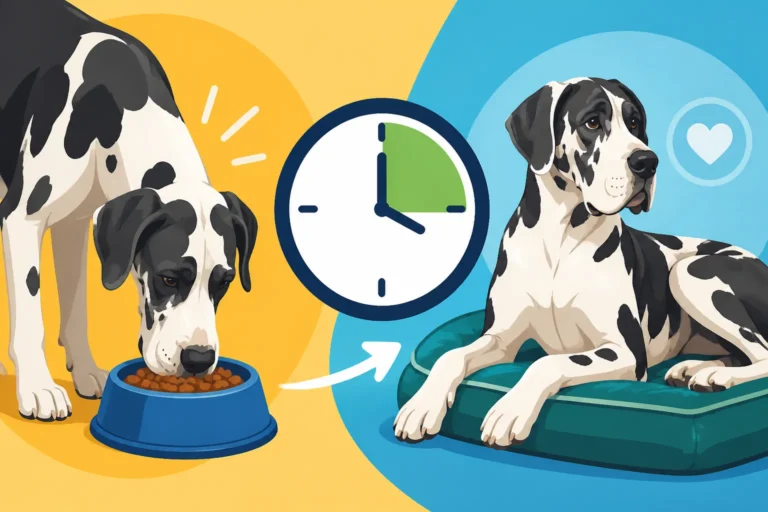
Mealtime is another prime opportunity for drool to make its grand appearance. The anticipation, the chewing, the sheer volume of food – it all contributes. To manage this, start by thinking about where your Great Dane eats. A dedicated feeding area with easy-to-clean flooring, like tile or a large washable mat, is ideal. If your Dane eats on carpet, you absolutely need a waterproof mat underneath their bowls.
Consider also the type of bowl. Slow feeder bowls, designed to make dogs eat slower, can sometimes reduce drool by encouraging more deliberate chewing and less frantic gobbling. While often marketed for digestion, they can have a secondary benefit for slobber management. After they finish eating, a quick wipe of their mouth, just like after drinking, is a must. If your Dane is a particularly enthusiastic eater, standing by with a rag during the meal isn't out of the question! Some owners also try to keep a slight distance after meals and before active play, as Whether Exercise After Meals Bloats a Great Dane is a concern for bloat, but also helps keep post-meal drool more contained.
Protecting Your Home from Slobber Marks
Beyond daily wiping, there are proactive steps you can take to protect your home's surfaces from the inevitable slobber that will still find its way around. Think of it as creating a slobber-resistant environment.
Furniture Covers and Washable Fabrics
Your sofa, your favorite armchair, even your bed – if your Great Dane is allowed on them, they will eventually bear the mark of drool. The best defense here is prevention and easy cleanup. Invest in furniture covers that are specifically designed to be machine washable and durable. These can range from simple throw blankets to fitted sofa covers. Look for fabrics that are water-resistant or at least easy to wipe clean. Many pet-friendly furniture brands now offer options with these features, or you can find stylish covers on sites like Amazon.
If you're buying new furniture, consider materials like leather or pleather, which are much easier to wipe clean than absorbent fabrics. For existing fabric furniture, washable covers are a lifesaver. You can rotate them regularly, throwing them in the wash to keep things fresh and hygienic. This means you can still enjoy those couch snuggles without constant worry about your upholstery.
Protecting Walls and Hard Surfaces
Anyone who has lived with a Great Dane knows the distinct "slobber art" that can appear on walls, especially near their favorite lounging spots or after a good head shake. These aren't just unsightly; if left for too long, they can be difficult to remove, especially on matte paint. To combat this, consider protective measures for high-traffic or high-drool areas.
One simple solution is to place washable throws or tapestries on the wall where your Dane leans or rests its head. You can also use washable paint in these areas, making cleanup much easier. For wooden furniture, regular polishing can help create a barrier, but direct slobber should still be wiped away promptly to prevent etching or discoloration. Keeping a spray bottle with a mild, dog-safe cleaner (or just water and a microfibre cloth) handy for quick clean-ups on walls and surfaces can make a big difference. Remember, early intervention is key when it comes to slobber. Slobber on Walls at Great Dane Head Height is a real problem, and this section helps tackle it.
Flooring Considerations
Hard floors are generally easier to clean than carpets when it comes to drool. Tile, sealed concrete, or certain vinyl planks are excellent choices. However, even on hard floors, persistent wet spots can create slipping hazards and, over time, can damage grout or sealants. Regular mopping is essential.
For areas where your Dane often lies down, or where drool might accumulate (like near water bowls), consider placing washable rugs or mats. These can absorb incidental drool and provide a comfortable, non-slip surface for your dog. Look for rugs that are specifically designed for high-traffic areas and are easy to throw in a large washing machine. If you have carpet, regular spot cleaning will be your routine. Investing in a good carpet cleaner or having professional cleaning done more frequently might be necessary to keep things fresh. Great Danes also benefit from Rugs and Runners for a Great Dane's Joints for stability, which can also serve a dual purpose for drool management.
Essential Tools and Products for Slobber Control
Having the right arsenal of tools can make a significant difference in your daily battle against Great Dane drool. It's not just about wiping; it's about making the process as efficient and effective as possible.
Specialized Drool Towels and Wipes
As mentioned, dedicated slobber rags are paramount. Beyond standard microfiber cloths, you can find specialty dog towels or even bandanas designed for drooling breeds. These are often made from ultra-absorbent materials or are double-layered for maximum soak-up power. Keep a stack of fresh, clean ones readily available. You can purchase multi-packs from pet supply retailers like Chewy or general online marketplaces like Amazon, making it easy to grab a new one when needed.
For quick clean-ups on the go, or when you need something more convenient than a full rag, pet-safe wet wipes can be incredibly useful. These are great for cleaning your dog's jowls before they greet a guest, or for wiping a small spot off a surface. Just make sure they are formulated for pets and don't contain harsh chemicals or strong fragrances that could irritate your Dane's sensitive skin or nose.
Elevated and Spill-Proof Water Bowls
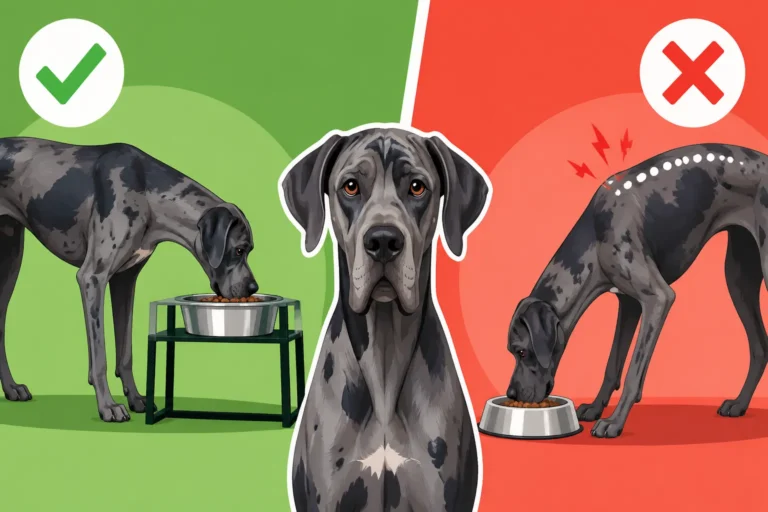
While raised bowls were once a hot topic for bloat prevention (and the debate continues, as explored in The Raised Bowl Argument for Great Danes), they can absolutely help with managing drool after drinking for some Danes. When a dog drinks from an elevated bowl, they tend to lift their head less dramatically, potentially reducing the initial post-drink cascade.
Beyond elevation, consider the design of the bowl itself. Some innovative pet bowls feature splash-guard rims or weighted bases that make them harder to tip over and contain splashes. Look for bowls that are deep enough to hold a good volume of water but have a slightly inward-curving rim to help keep water in. Stainless steel bowls are often recommended for hygiene and durability. Water Fountains for a Great Dane can also be an option, as some designs can minimize splash, though you'll still need to address post-drink drool from your Dane's mouth.
| Feature | Description | Pros | Cons |
|---|---|---|---|
| Slobber Rags | Highly absorbent towels, microfiber cloths, or dedicated dog towels. | Easy to use, effective for immediate wipes, washable, cost-effective. | Require frequent washing, can accumulate quickly, always needed. |
| Pet Wipes | Pre-moistened, pet-safe wipes for quick clean-ups. | Convenient for small messes, portable, good for quick jowl wipes. | Generate waste, can be more expensive long-term, not for large spills. |
| Elevated Bowls | Water bowls raised off the floor. | May reduce initial post-drink drool cascade, potentially better posture. | Debated role in bloat, still requires jowl wiping. |
| Spill-Proof Bowls | Bowls with splash-guards, weighted bases, or unique designs to contain water. | Minimize floor splashes, keep feeding area cleaner. | Can be more expensive, some dogs might find them awkward initially. |
| Washable Mats | Absorbent, waterproof mats placed under food/water bowls or in high-drool areas. | Protect floors, absorb drips, easy to clean, provide traction. | Require regular washing, can be an eyesore if not chosen well. |
Effective Cleaning Solutions for Drool Stains
Regular household cleaners might work for some drool spots, but for dried-on slobber or stains on specific surfaces, you might need something more targeted. For walls and hard surfaces, a mixture of warm water and a small amount of white vinegar can be surprisingly effective at cutting through dried drool without leaving a residue. Always test a small, inconspicuous area first.
For fabric upholstery or carpets, enzyme-based pet stain and odor removers are your best bet. These products actually break down the organic compounds in saliva, eliminating both the visible stain and any lingering odor. Brands like Nature's Miracle or Rocco & Roxie are often recommended by pet owners. Be sure to follow the product instructions carefully. Having a good, pet-safe carpet and upholstery cleaner on hand from a brand available on Chewy or Amazon will be invaluable for tackling those stubborn drool deposits.
Diet, Hydration, and Health Factors
While drooling is largely anatomical for Great Danes, certain aspects of their diet, hydration, and overall health can influence the quantity and consistency of their slobber. Addressing these factors can contribute to more effective management.
The Role of Diet and Meal Frequency
A Great Dane's diet can indirectly affect drool. Dogs fed high-quality, easily digestible food may experience fewer digestive upsets, which can sometimes manifest as increased salivation or nausea. Also, the palatability of the food matters; a dog absolutely loving its meal might produce more anticipatory drool. For those feeding fresh food options, like some of the formulas offered by Ollie, the moisture content and texture might lead to less dry-mouth sloshing compared to very dry kibble for some individuals.
Meal frequency can also play a subtle role. Some Great Dane owners split their dog's daily ration into two or even three smaller meals. This not only aligns with recommendations for reducing the risk of bloat but can also spread out the "anticipatory drool" periods throughout the day rather than having one massive drool session before a single large meal. Consider Splitting a Great Dane's Meals in Two as a strategy for both health and slobber management.
Ensuring Proper Hydration and Water Quality
Hydration is crucial for a Great Dane's overall health, and a properly hydrated dog might have less thick, stringy drool. Always ensure your Dane has access to fresh, clean water. Stale or dirty water might make them drink less enthusiastically or even avoid drinking, which can impact saliva consistency.
Some owners notice a difference when using filtered water, though this is anecdotal for drool management and primarily for general health. The main takeaway is constant access to clean, appealing water. If your Dane seems excessively thirsty, or if their drool changes drastically in consistency, it could be a sign of an underlying health issue, and a vet visit would be prudent. How Much Water a Great Dane Drinks a Day is a lot, and keeping it clean is critical.
Dental Health and Other Medical Considerations
Poor dental hygiene can absolutely contribute to increased drooling. Gum disease, tooth decay, or even foreign objects lodged in the mouth can cause pain and inflammation, leading to excessive salivation. Regular dental check-ups are vital for all dogs, and Great Danes are no exception. Your vet can assess their oral health and recommend professional cleanings if needed. The Yearly Checkup a Great Dane Needs should always include a thorough dental examination.
Beyond dental issues, other medical conditions can also cause abnormal drooling. Nausea, gastrointestinal upset, certain neurological conditions, or even exposure to toxins can trigger hypersalivation. If you notice a sudden, dramatic increase in your Great Dane's drooling, or if it's accompanied by other symptoms like lethargy, vomiting, or changes in behavior, don't hesitate to contact your veterinarian. While some drool is normal, a significant change warrants investigation.
Living Harmoniously with a Drooly Dane
Embracing your Great Dane's drool is part of the journey. While you can't eliminate it entirely, you can certainly minimize its impact on your home and lifestyle. It's about developing routines, using the right tools, and having a realistic outlook.
Setting Expectations and Educating Guests
First and foremost, set realistic expectations for yourself and anyone who visits your home. Your Great Dane is going to drool. It's a fact of life. Accepting this makes managing it much less frustrating. Instead of constantly battling against it, you can focus on effective mitigation.
Educating guests is also helpful. A friendly heads-up like, "Max is a sweetie, but he's a Great Dane, so sometimes he's a bit slobbery! We've got towels handy," can go a long way. You can even strategically place small, attractive baskets with clean slobber rags in areas where guests might interact with your dog. Most dog lovers will understand, and those who aren't familiar with giant breeds will appreciate the heads-up. It's also a good idea to teach your Great Dane Getting a Great Dane to Greet Without Standing Up to prevent accidental drool transfers at face height!
Establishing a Slobber-Friendly Routine
The most effective way to manage Great Dane drool is to integrate slobber control into your daily routine. This means:
- Post-Drink Wipes: Every single time they finish drinking. No exceptions.
- Post-Meal Wipes: After every meal.
- After Excitement: A quick jowl wipe after a vigorous play session or a greeting at the door.
- Regular Cleaning: Incorporate wiping down walls and cleaning floors into your regular chores.
- Laundry Cycle: Keep a continuous rotation of clean slobber rags going.
This routine might sound demanding, but it quickly becomes second nature. When it's just part of your day, it feels less like a chore and more like caring for your beloved giant. Remember, Great Danes thrive on routine, and so will your clean home!
Embracing the "Giant Breed" Lifestyle
Ultimately, owning a Great Dane means embracing the unique quirks that come with such a magnificent, giant breed. The drool is just one of them. It's a small trade-off for the immense love, companionship, and joy these dogs bring into our lives. You learn to appreciate the comical shake that sends drool flying, the way they lean on you leaving a damp spot on your pants, and the sheer enthusiasm that might result in a string of slobber adorning their chin.
From specialized beds that cushion their joints (and absorb the occasional drool, like those found on Chewy or Amazon) to oversized bowls and an endless supply of towels, every Great Dane owner eventually curates a home that caters to their gentle giant's needs – slobber and all. It’s part of the charm, part of the adventure, and ultimately, part of what makes life with a Great Dane so wonderfully unique.
Disclaimer
This article is for general informational purposes only and does not constitute professional advice. Laws, prices and regulations vary by location and change over time. Consult a qualified professional for guidance on your specific situation.