Slobber on Walls at Great Dane Head Height
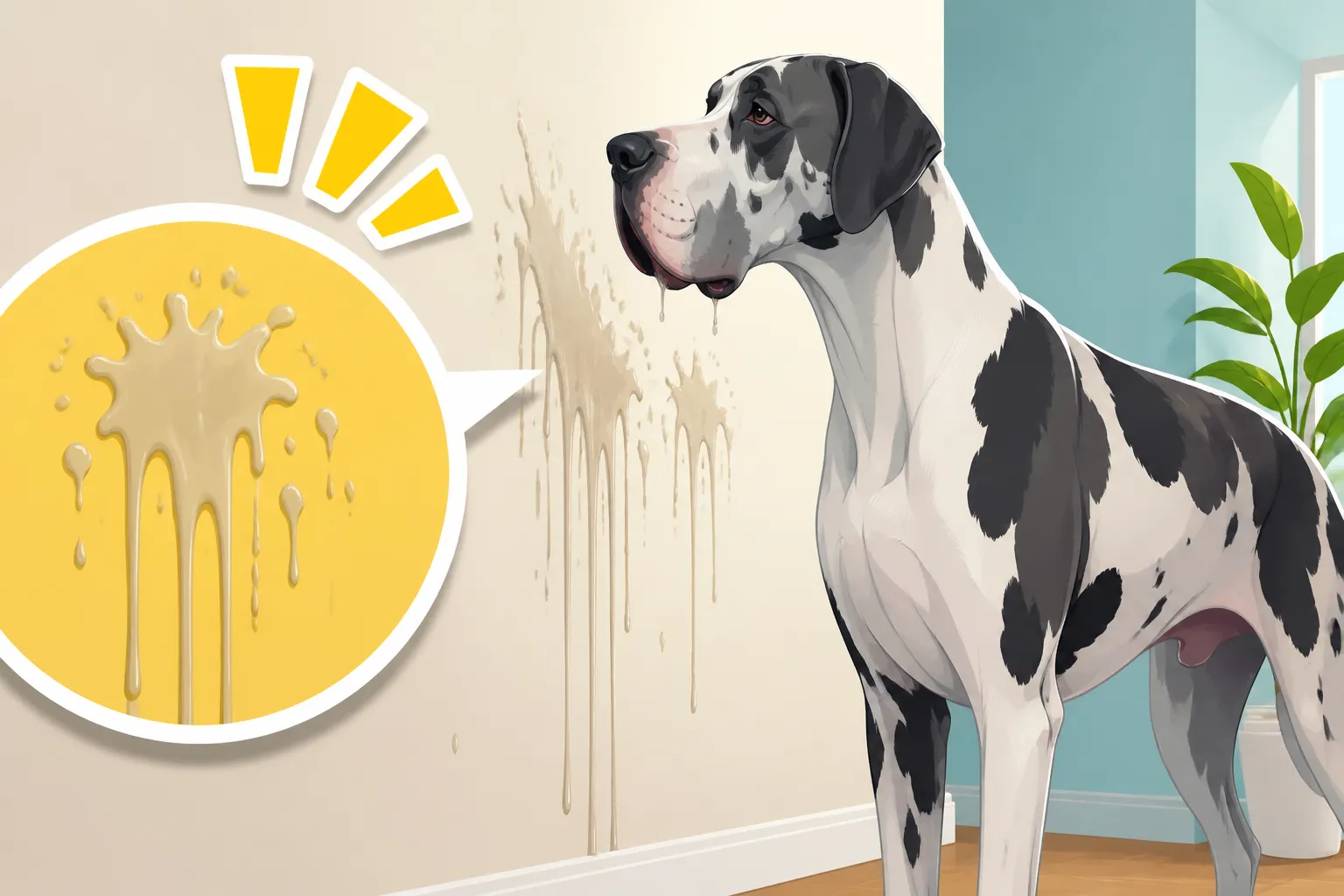
If you're a Great Dane owner, you know the struggle: you glance at your walls, especially in high-traffic areas or near their favorite lounging spots, and there it is – a constellation of sticky, sometimes crusty, slobber marks right at eye level, or rather, at Great Dane head height. It’s a common, if not slightly gross, part of living with these magnificent giants. This guide will dive deep into why your gentle giant is decorating your home with saliva, how you can proactively manage the mess, and the most effective ways to clean up those tell-tale drool trails.
The Science of Slobber: Why Great Danes Drool So Much
It's not just a Great Dane thing, of course, but their sheer size and specific physical traits amplify the issue. Understanding the root causes of their drooling habits can help you approach the problem with more patience and better strategies. It’s rarely about them being ill, but rather a combination of genetics, behavior, and basic physics.
Anatomy of a Drooly Dog: Loose Lips and Gravity
Great Danes, like many large breeds such as Saint Bernards or Mastiffs, are characterized by their deep, often somewhat loose jowls. These aren't tight-lipped dogs. Think about how their upper lips hang: they often don't form a completely sealed barrier, especially when they're relaxed, panting, or just finished drinking. This anatomical feature is the primary reason why saliva doesn't always stay neatly contained within their mouths. Gravity simply takes over, and any excess saliva, or even water after a drink, has a clear path to escape.
When a Great Dane shakes its head, which they do with impressive force, any liquid accumulated in those jowls becomes a projectile. This is how you end up with artistic drool splatters high up on your walls, or even across the ceiling, giving a whole new meaning to "doggone decor." It’s an unavoidable aspect of their majestic build, a trade-off for their expressive faces and powerful jaws. You'll quickly learn that a good shake after drinking can turn your kitchen into a misty, slobbery wonderland.
Water Works: The Biggest Culprit
Without a doubt, drinking water is the number one accelerator of Great Dane drool. They don't just drink; they inhale water. Their large mouths and deep chests mean they can take in massive gulps, but it also means a lot of water misses its mark or sloshes out. Once they pull their heads from the bowl, those loose jowls act like sponges, soaking up water, only to release it in torrents with the slightest head movement. This is precisely Why a Great Dane Drools Most After Drinking.
You might notice a distinct increase in drooling after they’ve had a good, long drink, especially if they've been exercising or it’s a warm day. The water mixes with their natural saliva, creating an even more potent drool cocktail. This isn't just about what they drink; it’s about the sheer volume of liquid their mouths handle, and the physics of how it departs. The higher they lift their head after a drink, the more opportunities there are for those infamous wall streaks.
Food Anticipation and Excitement Drool
Beyond water, food and excitement are huge triggers for increased salivation. If your Great Dane knows it's mealtime, or if you're holding a particularly enticing treat, you'll often see them start to "rope" – long, stringy strands of drool dangling from their mouths. Their salivary glands kick into overdrive in anticipation, preparing their digestive system for the deliciousness to come. This physiological response is normal and healthy; it’s just more noticeable with a dog of this size.
Similarly, bursts of excitement can lead to a surge in drooling. A new visitor, the jingle of car keys signaling a walk, or even just seeing you pick up their favorite toy can set off a drool cascade. This isn’t a sign of anxiety (though anxious dogs can also drool); it’s simply their body reacting to heightened emotions. When your Great Dane greets you at the door with a wagging tail and a happy, drooly grin, those jowls are working overtime, and any head shake will send that enthusiastic slobber flying onto nearby surfaces. It’s part of their charming, if messy, welcome.
Managing the Drool: Practical Strategies
While you can't stop a Great Dane from drooling entirely (and who would want to, really?), you can certainly implement strategies to minimize the mess and keep your home a little cleaner. It's all about proactive measures and smart management.
Strategic Placement of Resources
One of the easiest ways to combat wall slobber is to think about where your dog eats and drinks. If their water bowl is right next to a pristine painted wall, you're essentially setting yourself up for daily cleaning duty. Consider placing their water bowls in areas with easily washable surfaces, like tiled floors, or even outdoors if feasible. A dedicated feeding station with a large, waterproof mat can catch a significant amount of the overflow.
You might also consider different types of water bowls. Some owners swear by "slobber stopper" bowls that have a floating disk to limit how much water the dog can gulp at once, reducing the amount that escapes their jowls. Experiment with different bowl heights too; for some Danes, a Raised Bowl Argument for Great Danes might mean less bending over and thus less gravitational pull for drool when they lift their head, but for others, it might not make a difference. The goal is to contain the mess before it becomes airborne.
Tools and Techniques for Containment
A Great Dane owner's best friend isn't always another dog; sometimes it's a strategically placed towel. Having several "slobber rags" or old hand towels readily available in key areas – by the water bowl, near the front door, and in their main lounging area – can be a game-changer. What Great Dane Owners Keep by the Door often includes a stack of towels for quick face wipes after a drink or an excited greeting. A quick wipe of their mouth after they drink or before they greet guests can prevent a lot of those airborne slobber projectiles.
Beyond towels, you might explore specialized bibs or bandanas designed to absorb drool, particularly if your Dane is an exceptionally enthusiastic "roper." While not every Great Dane will tolerate wearing one, for some, it can significantly reduce the amount of drool that ends up on furniture or walls. Brands like Chewy offer a variety of absorbent bandanas that can be rotated and washed regularly. The trick is to integrate these tools into your daily routine so they become a natural part of living with your drooly companion.
Behavioral Adjustments for Owners
Sometimes, managing drool isn't just about what your dog does, but about how you interact with them. For example, if you know your Dane gets super excited when you come home, try to greet them in an area that's easy to clean, like a tiled entry or even outside. Give them a few minutes to calm down and have a drink before bringing them into the main living areas. This small delay can prevent a lot of enthusiastic slobber from ending up on your sofa or walls.
Training them to wait patiently for their food can also help reduce anticipatory drooling. A "sit" or "stay" command before you place their bowl down, and making them wait until you release them, can slightly mitigate the extreme excitement that leads to copious drool. Remember, a Great Dane's mental state directly impacts their physical responses, and calming excitement can sometimes help Managing Great Dane Slobber Indoors. While you can't eliminate the drool, you can certainly influence its trajectory and volume with a little patience and consistency.
Cleaning Up Great Dane Slobber
So, despite your best efforts, the walls have been slimed. Don't despair! Cleaning up Great Dane slobber isn't a monumental task if you have the right approach and tools. It's all about acting quickly and using appropriate cleaners for different surfaces.
Immediate Action vs. Dried-On Messes
The golden rule of slobber clean-up is: the sooner, the better. Fresh slobber is usually just water and mucin, and it's much easier to wipe away with a damp cloth. If you see it happen, grab a microfiber cloth and a spray bottle of plain water, or a gentle all-purpose cleaner, and wipe it away immediately. This prevents it from setting into the paint or wallpaper, which can happen surprisingly fast.
Dried-on slobber, however, can be a bit more stubborn. It often dries into a crusty, almost glue-like residue that's much harder to remove without scrubbing. If you're dealing with dried slobber, resist the urge to scrape it off dry, as this can damage paint or wallpaper. Instead, re-wet the area first. Spray it with warm water or a mild cleaning solution and let it sit for a few minutes to rehydrate the slobber. Once softened, it will be much easier to wipe away, minimizing the need for harsh scrubbing.
Effective Cleaning Solutions for Various Surfaces
Different surfaces require different approaches. For painted walls, a mild soap and water solution (a few drops of dish soap in a spray bottle of warm water) is often sufficient. Test it in an inconspicuous spot first to ensure it doesn't strip the paint. For washable wallpaper, the same solution works, but be gentle not to tear or lift the paper. For wooden trim or paneling, use a wood-specific cleaner that won't dull the finish. Many store-bought all-purpose cleaners can also work, just ensure they are safe for your specific surface. Brands like Chewy and Amazon offer pet-safe cleaning sprays that are formulated to be gentle on surfaces while effectively tackling organic messes.
Here’s a quick guide to cleaning solutions:
| Surface Type | Recommended Cleaning Method | Notes |
|---|---|---|
| Painted Walls | Warm water + few drops of mild dish soap, or pet-safe all-purpose cleaner | Always test in an inconspicuous area first. Wipe gently with a soft cloth. Avoid abrasive sponges. |
| Washable Wallpaper | Warm water + few drops of mild dish soap | Dab, don't scrub. Be careful not to saturate or lift edges. |
| Wood Trim/Paneling | Wood-specific cleaner or mild soap and water | Use sparingly; wipe dry immediately to prevent water damage. |
| Glass/Mirrors | Glass cleaner or vinegar solution | Wipe with a microfiber cloth for a streak-free finish. |
| Tile/Ceramic | All-purpose cleaner or diluted white vinegar | Easy to clean, can use a bit more elbow grease. Ensure grout is sealed to prevent staining. |
| Fabrics (Sofa, Curtains) | Fabric cleaner, upholstery shampoo, or enzymatic cleaner | Blot, don't rub. Enzymatic cleaners are great for breaking down organic matter. Consider spot cleaning kits available on Amazon. |
Protecting Your Home's Surfaces
If the battle against slobber feels never-ending, consider preventative measures for your home’s surfaces. Investing in washable paint finishes (like eggshell or semi-gloss) in high-slobber zones makes cleaning significantly easier than flat paint. For wallpaper, consider vinyl-coated options that are more durable and wipeable. If your Great Dane loves to lean on certain walls or furniture, you might strategically place clear, washable wall protectors or even large, decorative pieces of washable fabric where the drool tends to land most frequently.
Sometimes, a simple physical barrier can make all the difference. Even strategically placed furniture can act as a buffer between your Dane's jowls and your walls. Regularly cleaning their water bowls and surrounding areas also reduces accumulated residue. Keeping Two Water Bowls in a Great Dane House might also encourage them to drink from a designated "slobber zone" rather than trekking their drippy jowls all over the house. Consistency in cleaning and thoughtful home setup are your best defense against the dreaded wall mural.
When Drool Might Be More Than Just Drool
While a certain amount of drooling is par for the course with a Great Dane, it’s important to distinguish between normal slobber and excessive drooling that might signal a health issue. A sudden, unexplained increase in salivation, especially when accompanied by other symptoms, warrants a closer look.
Sudden Increase in Drooling: What to Watch For
If your Great Dane suddenly starts drooling significantly more than usual, and it's not immediately attributable to drinking water or intense excitement, it’s time to pay attention. This could manifest as persistent dripping, pools of saliva forming, or a constant stream. Look for other accompanying signs: are they pawing at their mouth? Are they reluctant to eat? Do they seem uncomfortable or in pain?
A sudden increase in drooling, also known as ptyalism or hypersalivation, can be a symptom of various underlying problems. It's your Great Dane's way of telling you something might be off. Don't ignore a marked change in their drooling habits, especially if it seems out of character for them. This isn't just about cleaning your walls anymore; it's about their well-being.
Dental Issues and Oral Pain
One of the most common reasons for increased drooling, beyond normal breed tendencies, is dental discomfort or disease. Great Danes are susceptible to dental issues like any other dog. Tartar buildup, gingivitis, broken teeth, or even abscesses can cause significant pain and irritation, leading to excessive salivation. The body produces more saliva to try and soothe the inflamed area or wash away irritants.
If your Great Dane is drooling more, check their mouth if they'll allow it. Look for redness in the gums, broken teeth, or unusual odors. They might chew on one side of their mouth, drop food, or become hesitant to eat hard kibble. Regular dental care, including professional cleanings (which can be costly, and require Anesthesia Risk in a Great Dane awareness), and Dental Chews Big Enough for a Great Dane can help prevent these issues. If you suspect a dental problem, a vet visit is essential to diagnose and treat the pain.
Other Medical Concerns
Beyond dental problems, several other medical conditions can cause excessive drooling. Gastrointestinal issues, for instance, can trigger nausea, which often presents as increased salivation. This could range from simple upset stomachs to more serious conditions like pancreatitis or even the early stages of Bloat in a Great Dane and the One in Three Odds. If your Dane is also lethargic, vomiting, or showing signs of abdominal discomfort, consult your vet immediately.
Foreign objects lodged in the mouth or throat, exposure to toxins (ingested plants, chemicals, certain medications), or even certain neurological conditions can also cause hypersalivation. In rare cases, a growth or tumor in the mouth or throat might be the culprit. While the occasional drool splatter is normal, a sustained or dramatically increased drool volume, especially with other symptoms like difficulty swallowing, loss of appetite, lethargy, or behavioral changes, warrants a prompt veterinary examination. Early detection of issues can make a huge difference in your Great Dane's health and comfort.
Disclaimer
This article is for general informational purposes only and does not constitute professional advice. Laws, prices and regulations vary by location and change over time. Consult a qualified professional for guidance on your specific situation.