Nail Length and How a Great Dane Stands
It's one of those silent battles many Great Dane owners face: keeping up with those formidable nails. You might not realize it, but the length of your gentle giant's nails plays a huge role in how they stand, walk, and ultimately, how comfortable and healthy their joints remain throughout their lives. It's not just a cosmetic issue or about avoiding scratches on your hardwood floors; overgrown nails can actually twist their paws, strain their legs, and lead to significant discomfort. This guide is all about understanding why nail care is so paramount for your Great Dane and how to achieve that perfect length to support their massive structure.
The Critical Link Between Nail Length and a Great Dane's Stance
When you have a dog as large and powerful as a Great Dane, every aspect of their physical well-being needs meticulous attention. Their sheer size means that any small misalignment or discomfort can be amplified, leading to bigger problems down the line. Nail length, though often overlooked, is a prime example of this. It directly impacts their biomechanics, affecting everything from their paw structure to their spinal alignment.
How Overgrown Nails Distort Natural Gait and Posture
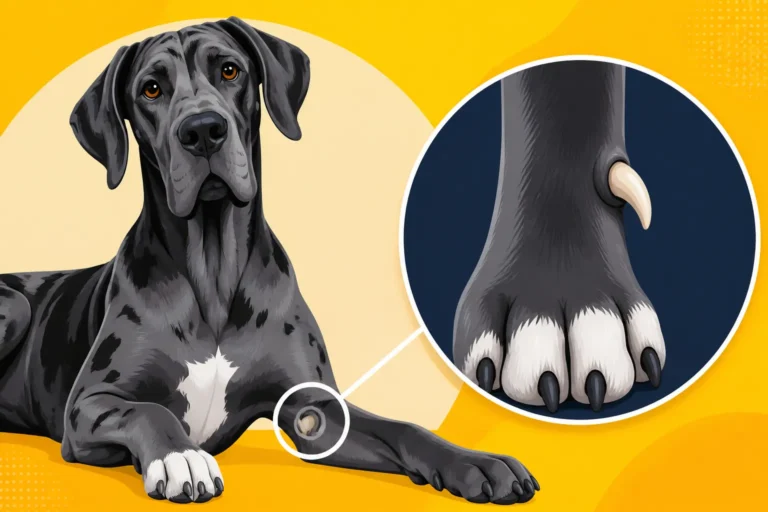
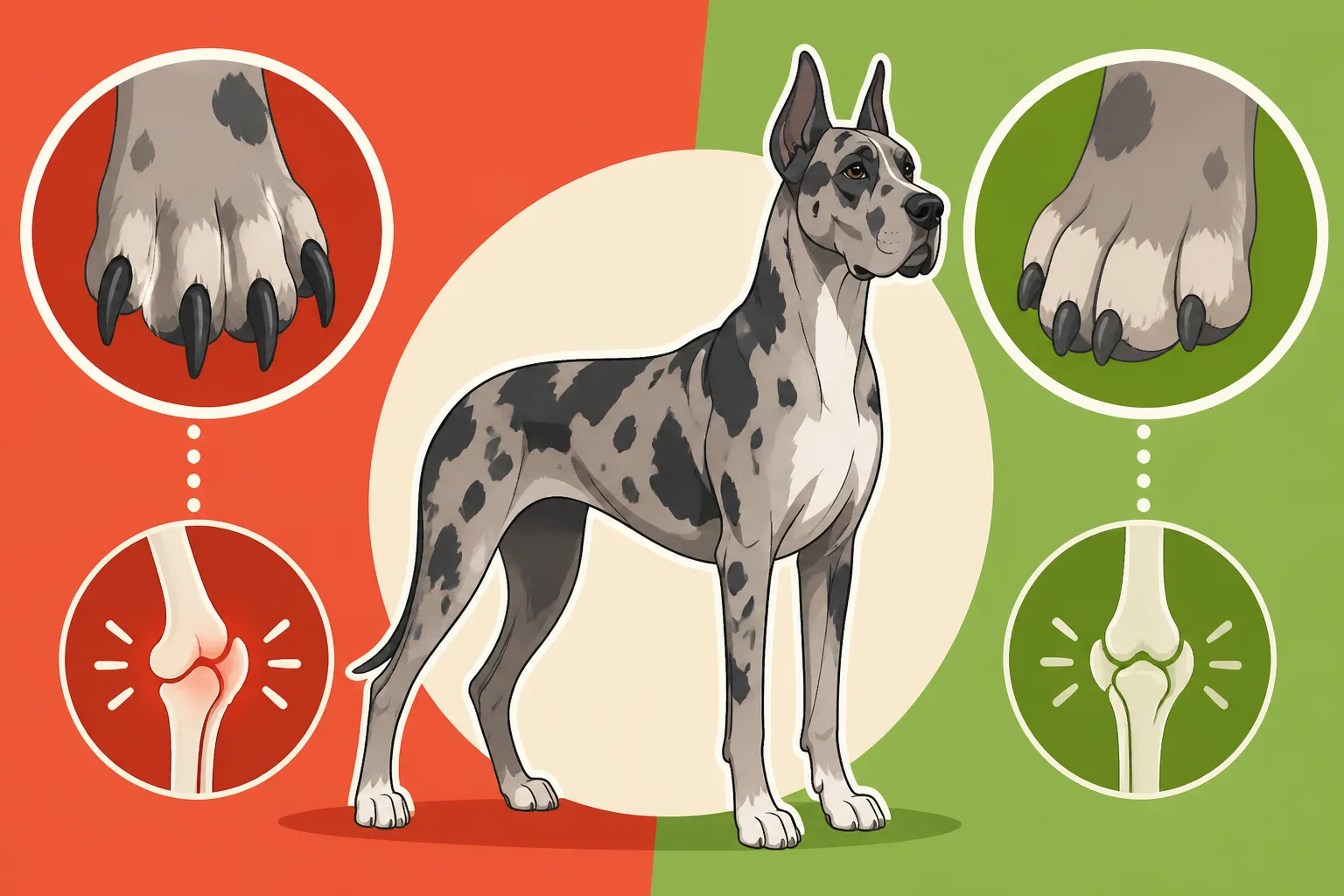
Imagine trying to walk comfortably if your shoes were constantly too long, pushing your toes back and forcing you to adjust your stride. That's essentially what happens to a Great Dane with overgrown nails. Their nails, especially the dewclaws (if present and not regularly trimmed), act like levers that push up against the ground with every step. This force causes their toes to splay out and their weight distribution to shift backward, away from their natural stance. Instead of standing squarely and firmly on their paw pads, they compensate by shifting their weight to the back of their foot.
This subtle but constant shift in weight doesn't just look awkward; it forces the muscles, tendons, and ligaments in their paws, wrists, and elbows to work in ways they weren't designed to. Over time, this unnatural posture becomes habitual. You might notice your Great Dane standing with their front legs splayed out or their back legs tucked under more than usual. This is their body trying to find a comfortable equilibrium that the long nails prevent. It's a frustrating situation because the dog is trying its best, but its own nails are literally undermining its foundation. This constant compensation can accelerate wear and tear on their joints, which are already under significant strain due to their enormous body weight.
The Domino Effect on Joints and Musculature
The ramifications of incorrect nail length extend far beyond just the paws. When a Great Dane's nails are too long, forcing them to stand with shifted weight, this impacts their entire skeletal and muscular system. Think of it like a chain reaction:
- Paws: The toes spread, leading to stretched ligaments and potential toe arthritis. The paw pads, which are designed to be the primary weight-bearing surface, take less impact, while the joints and bones of the toes take more.
- Wrists (Carpus) and Elbows: To compensate for the altered paw angle, the wrists and elbows can become stressed. The dog might develop a "down in the pasterns" look, where the wrist joint sags. This extra strain can contribute to conditions like Elbow Hygromas on a Great Dane or exacerbate existing joint issues.
- Shoulders and Hips: The uneven weight distribution travels up the leg. Shoulders can become tight or overdeveloped in certain areas, while hips might bear an uneven load. For a breed already prone to orthopedic challenges, such as Great Dane Hips, Elbows and Growing Joints, adding this extra, preventable stress is a recipe for accelerated discomfort and potentially earlier onset of conditions like arthritis.
- Spine: Ultimately, the entire spinal column can be affected. An abnormal stance changes the way the back muscles engage and how the spine absorbs impact. This can contribute to general back pain or even subtly influence more severe neurological issues, like those seen in The Neck Condition That Trips a Great Dane Up. It’s a full-body compromise that starts with something as simple as nail length. It truly highlights why even small details in their care can make a huge difference in their long-term health and mobility.
Identifying Overgrown Nails in Your Giant Companion
Sometimes, it’s not immediately obvious that your Great Dane’s nails are too long. They might look "normal" to the casual observer, especially if you're used to seeing them a certain way. However, there are clear signs to look for, and understanding the anatomy of their nails will help you avoid common mistakes during grooming.
Visual Cues and the "Clicking" Sound
The most common and easiest sign of overgrown nails is the sound you hear. If your Great Dane is walking on a hard surface—tile, hardwood, concrete—and you hear their nails clicking or tapping with every step, they are definitely too long. When a dog's nails are at the correct length, they should not touch the ground when the dog is standing naturally. The paw pads should bear the weight. If those nails are making contact, they're already forcing the paw into an unnatural position.
Beyond the sound, you can observe visual cues:
- Standing Posture: As discussed, look at their stance. Are their toes splayed? Do they appear to be leaning back on their heels? Is there any visible upward pressure on their toes from the nails touching the ground?
- Nail Curvature: Overgrown nails often curve significantly, sometimes even starting to curl back under, which can eventually grow into the paw pad if left unchecked. This is particularly common with dewclaws if they aren't trimmed.
- Gait: Watch them walk. Do their steps seem hesitant or awkward? Are they shuffling rather than striding confidently? This can be a sign of discomfort from long nails.
- Reluctance to Walk/Play: While many factors can cause this, long nails can make walking painful, especially on hard surfaces. If your usually playful Dane is less enthusiastic about walks, check their nails.
Here's a quick comparison of ideal vs. overgrown nails:
| Characteristic | Ideal Nail Length (Great Dane) | Overgrown Nail Length (Great Dane) |
|---|---|---|
| Sound on Hard Floor | Silent; only paw pads make contact | Clicking, tapping, or scratching |
| Paw Appearance | Nails do not touch the ground when standing | Nails visibly touch or push into the ground |
| Toe Position | Toes are tight, compact, and forward-facing | Toes splay, spread, or are forced backward |
| Nail Curvature | Slight curve; quick is receded | Pronounced curve, often hooking downward |
| Foot Stability | Firm, balanced stance | Unstable, shifting weight, slipping |
Understanding the Quick and the Danger of Cutting Too Short
The "quick" is the sensitive part of your Great Dane's nail that contains blood vessels and nerves. It's usually pink in lighter-colored nails, making it easier to see, but in black nails, it's virtually invisible, hiding within the dark keratin. The quick grows with the nail; if nails are left long, the quick extends further down, making it harder to trim without causing pain and bleeding. This is often the biggest fear factor for owners when attempting nail trims.
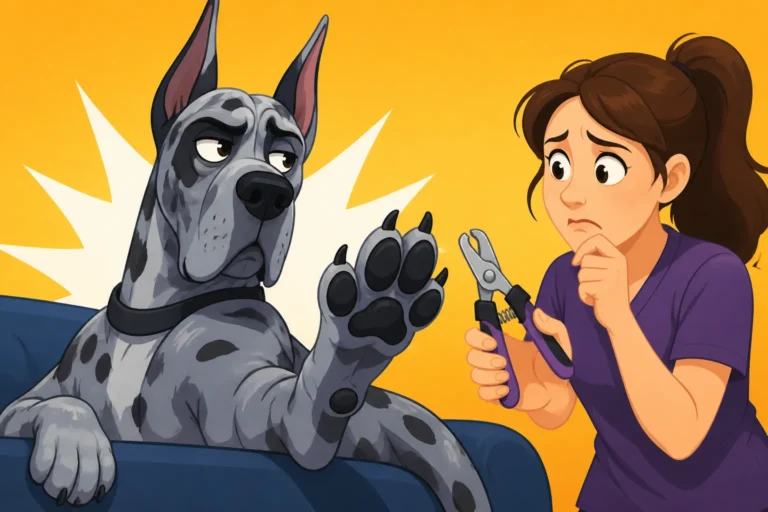
Cutting into the quick, often called "quicking" the dog, is painful and can be quite bloody. It also creates a negative association with nail care, making future trims more challenging for both you and your Great Dane. If you accidentally quick your dog, don't panic. Apply styptic powder (available at pet stores or online from retailers like Chewy or Amazon) or even cornstarch with firm pressure to stop the bleeding. Remember, one bad experience can make a Great Dane, particularly a sensitive one, incredibly resistant to future attempts. This is why Getting a Great Dane to Lie Down for Nail Trims often takes patience and positive reinforcement. The goal isn't just a perfect trim, but a calm, cooperative dog.
Strategies for Maintaining Optimal Nail Length
Regular nail care is not a luxury; it's a necessity for your Great Dane's health and comfort. Developing a consistent routine from a young age is key, but it's never too late to start. The sheer size of a Great Dane means you'll need robust tools and perhaps some creative techniques.
Regular Trimming and Grinding Techniques for Great Danes
For Great Danes, "regular" usually means weekly, sometimes even twice a week, especially if you're trying to recede an overgrown quick. Don't aim to cut a lot off each time; small, frequent trims are far better than infrequent, drastic cuts.
Here are the main techniques:
- Clipping: Heavy-duty, sharp clippers are essential for a Great Dane's thick nails. Guillotine-style clippers or scissor-style clippers designed for large breeds are suitable. Ensure the clippers are sharp to make a clean cut and prevent crushing the nail, which can be painful. For darker nails, cut off only the very tip, a tiny sliver at a time. The goal is to reach a point where the nail is flush with the paw pad and no longer makes contact with the ground.
- Grinding (Dremel): Many Great Dane owners find grinders to be a safer and less intimidating option, especially for black nails where the quick is hidden. A rotary tool (like a Dremel, also widely available on Amazon) allows you to gradually file down the nail, exposing the quick's softer, greyish center just before you hit the live tissue. This method minimizes the risk of quicking and can help recede the quick over time if done regularly. You'll need a powerful grinder to handle the thickness of Grinding a Great Dane Nail Thicker Than a Pencil. Start with a low speed and gradually increase as your Dane tolerates it.
Whichever method you choose, always have styptic powder on hand, just in case. And remember, consistency is your best friend. Even if you can only manage a few nails at a time, doing something regularly is better than waiting until the nails are severely overgrown. This is especially true as your Great Dane ages, where issues like Nail Care on a Great Dane That Cannot Balance become more challenging.
Making Nail Care a Positive Experience (Even for a Giant!)
Given their size and potential for fear, making nail care a positive, or at least neutral, experience is paramount.
- Start Early (if possible): If you have a puppy, start handling their paws and nails daily from the moment they come home. This desensitization is crucial. Let them lick peanut butter off a spoon while you gently touch their paws.
- Positive Reinforcement: Use high-value treats (think cheese, cooked chicken, or a lick mat smeared with peanut butter or plain yogurt) during and immediately after nail care sessions. Reward calm behavior, even if it's just for touching a paw or letting you hold a clipper near them.
- Short Sessions: Don't try to do all four paws in one go, especially at the beginning. Aim for one or two nails, then praise and stop. Gradually increase the number of nails as your Dane's comfort grows.
- Calm Environment: Choose a quiet time and place where your Great Dane feels relaxed. Avoid rushing or showing frustration, as they are highly attuned to your emotions.
- Proper Tools: Invest in quality clippers or a powerful grinder. Dull tools cause pain and make the experience worse. You can find a good selection of The Clippers a Great Dane Nail Needs on sites like Chewy.
- Professional Help: If you're genuinely struggling, don't hesitate to seek professional help. A reputable groomer or your veterinarian can demonstrate proper technique, or even do the trims for you until your Dane becomes more accustomed. They can also provide guidance on Trimming Nails a Great Dane Will Not Give You if your Dane is particularly resistant.
Building trust and positive associations around nail care will pay dividends throughout your Great Dane's life, preventing unnecessary stress for both of you.
Long-Term Benefits of Proper Nail Care
It might seem like a small detail, but consistent, correct nail care for your Great Dane is a foundational element of their overall health and quality of life. The efforts you put in now will manifest in significant long-term benefits.
Preserving Joint Health and Preventing Secondary Issues
The primary long-term benefit of maintaining ideal nail length is the protection and preservation of your Great Dane's joints. By ensuring their paws can make proper contact with the ground, you are allowing their natural biomechanics to function as intended. This means:
- Correct Weight Distribution: Their body weight is distributed evenly across their paw pads, reducing unnatural stress on their toes, pasterns, wrists, elbows, and shoulders.
- Reduced Joint Strain: The joints are not constantly compensating for an altered stance, which significantly reduces the risk of premature arthritis, ligament damage, and other orthopedic issues. This is especially critical for a breed prone to joint conditions.
- Improved Balance and Stability: A Dane with properly trimmed nails will have better traction and balance, making them less prone to slips and falls, especially as they age or if they are navigating tricky surfaces. This can be a huge relief, particularly as they become senior and their mobility might start to decline, necessitating considerations like Mobility Aids for a Failing Great Dane.
Beyond direct joint health, proper nail length can prevent secondary issues like infections or ingrown nails, which can be incredibly painful and require veterinary intervention. It's a proactive step that costs very little in terms of time and money, especially when compared to the potential vet bills for joint issues that could be exacerbated by poor nail care.
Enhancing Comfort and Mobility for a Happier Dane
Ultimately, proper nail care contributes to your Great Dane's overall comfort and enhances their ability to move freely and happily. Imagine being uncomfortable with every step you take; that's the reality for a dog with long nails. When their nails are at an optimal length:
- Increased Comfort: They can stand, walk, run, and lie down without their nails digging into their paws or forcing their joints into awkward positions. This subtle relief makes a huge difference in their daily life.
- Better Mobility: With comfortable paws and properly aligned joints, your Great Dane will be more agile and willing to engage in physical activity. This isn't just about walks; it's about being able to get up from a nap, adjust positions, or play without hesitation or discomfort.
- Improved Quality of Life: A comfortable, mobile Great Dane is a happier Great Dane. They'll be more engaged, less prone to pain-related behavioral issues, and generally more content. This seemingly small act of regular grooming is a cornerstone of responsible Great Dane ownership, ensuring they can enjoy their shorter-than-average lifespan with as much comfort and joy as possible. It's truly part of holistic Foot and Pad Care for a Great Dane that supports their entire body.
Disclaimer
This article is for general informational purposes only and does not constitute professional advice. Laws, prices and regulations vary by location and change over time. Consult a qualified professional for guidance on your specific situation.