Whether a Toddler Can Share a Room With a Great Dane
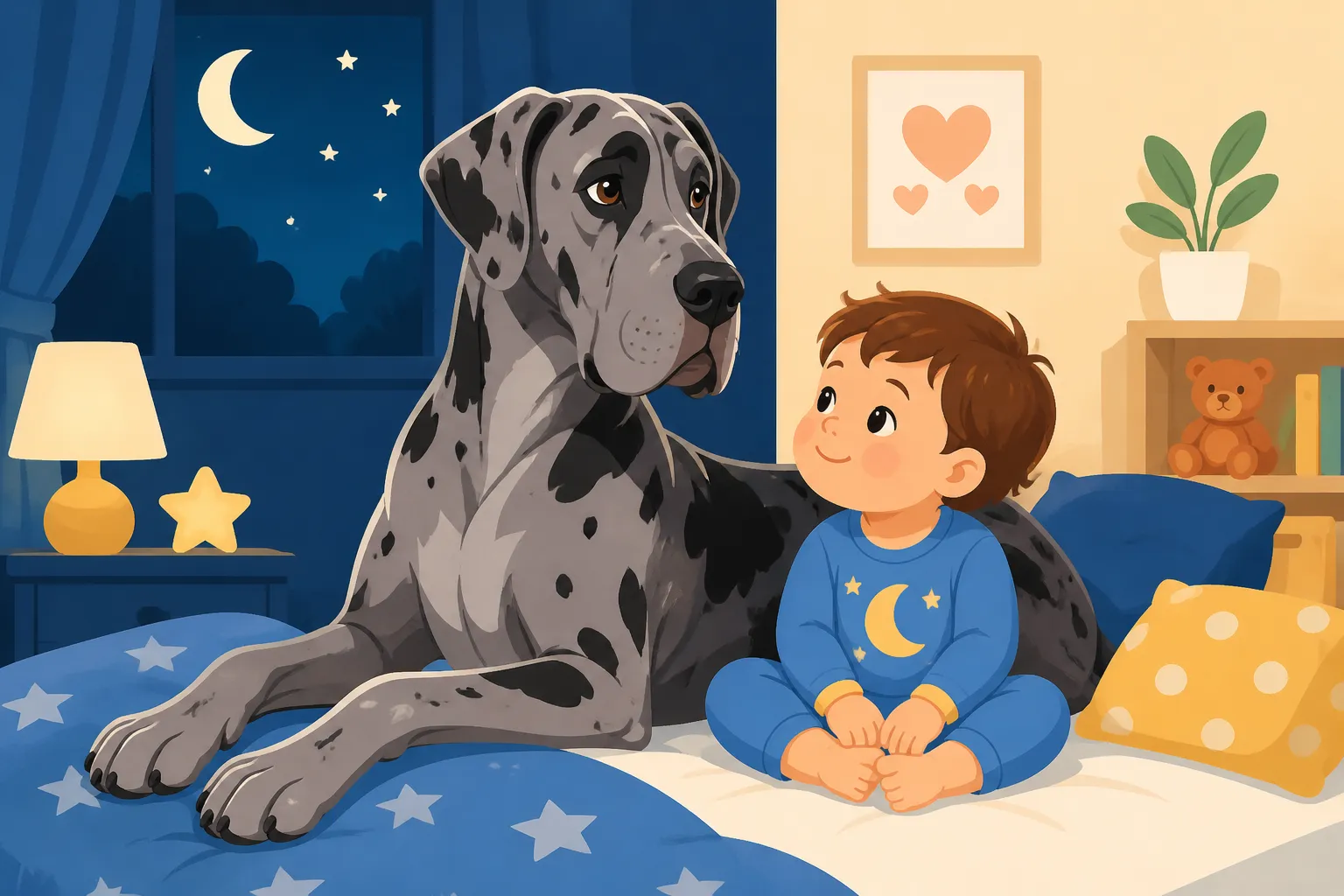
The idea of your gentle giant, your beloved Great Dane, sharing a space with your precious toddler can bring up a lot of emotions, from heartwarming images of cozy companionship to a knot of anxiety about safety and logistics. It’s completely natural to wonder if this is truly a viable, safe, and comfortable arrangement for everyone involved, especially when you consider the sheer size difference and the unpredictable nature of both a rapidly growing child and a big, boisterous dog. This guide will dive deep into the practicalities, considerations, and necessary precautions to help you determine if and how a Great Dane and a toddler can peacefully co-exist, especially in a shared sleeping area.
Understanding the Great Dane Temperament Around Children
Great Danes are often lauded as "gentle giants," and for good reason. Their calm, patient, and generally affectionate nature makes them wonderful family dogs. However, their size is a factor that simply cannot be ignored, especially when it comes to toddlers who are still learning about boundaries and spatial awareness.
The Gentle Giant Stereotype and Reality
While the Great Dane's reputation as a gentle giant is well-earned, it's vital to remember that every dog is an individual. Most Danes possess an inherently sweet disposition and a surprising delicacy when interacting with small children, often showing remarkable patience. They might even try to "herd" or protect a wandering toddler, which can be endearing but also problematic if not managed. However, even the most well-behaved Dane can inadvertently cause an issue due to their sheer mass. A happy tail wag can knock a toddler off their feet, a sudden shift in position can lead to a bumped head, and leaning, a common Dane behavior, can be overwhelming for a small child.
It's crucial that you understand your specific dog's personality and history. Was your Dane raised around children? How do they react to sudden noises, quick movements, or toddlers who might grab their fur or ears? If your Dane is naturally anxious or easily startled, sharing a close space like a bedroom might be more stressful for them, and potentially less safe for your child. A dog that is constantly on edge isn't a happy dog, nor is it a reliably safe companion for a curious toddler. You can learn more about managing their behavior by reading The Gentle Great Dane Temperament and Its Limits.
Socialization and Training from Puppyhood
The foundation of a harmonious relationship between your Great Dane and your toddler starts long before a shared room is even considered. Early and consistent socialization is paramount. This means exposing your Great Dane puppy to a variety of sights, sounds, people, and, ideally, well-behaved children under strict supervision. Teaching your Great Dane manners from a young age, such as not jumping up on people and understanding basic commands like "stay" and "leave it," is non-negotiable.
For a Great Dane, their physical maturity far outpaces their mental maturity, meaning you'll have a giant puppy for quite some time. A Great Dane puppy hitting adolescence can be a handful, full of energy and playful nips that, while innocent to them, can be painful or scary for a small child. Training should focus on impulse control and teaching them appropriate interactions. Regular training classes, even as an adult, can reinforce good habits. If your Dane hasn't had extensive positive exposure to young children, introducing a toddler into their sleeping space is a huge step and should be approached with extreme caution and professional guidance. Consider revisiting foundational training, as detailed in The Manners a Great Dane Needs Before It Grows.
Practical Considerations for Shared Sleeping Spaces
Deciding whether a toddler and a Great Dane can share a room isn't just about temperament; it’s also about the physical realities of living with a giant dog and a small human. Space, hygiene, and the sleeping habits of both play a huge role.
Space Requirements and Physical Hazards
Let's be real: Great Danes take up a lot of space. A typical toddler's bedroom, often designed for cribs and small furniture, might feel cramped with a large dog bed, a crate, and a Great Dane stretched out. Even a dog sleeping "underfoot" can be a tripping hazard in the dark. Imagine navigating a small room at night to check on your child, only to stumble over a sleeping Dane. It's a recipe for accidental injury for both you and your dog.
The room needs to be large enough to comfortably accommodate your toddler's sleeping area (crib, bed), your Great Dane's dedicated sleeping area (a spacious orthopedic bed or open crate), and still allow clear pathways for movement. You also need to consider furniture that a Great Dane might lean against or knock over. Low-lying shelving, toy bins, or bedside tables can become tipping hazards. All electrical cords should be secured, and any small toys that could be a choking hazard for the dog should be out of reach. Think about what a hundred-plus-pound animal could unintentionally sweep off a surface with a wag of its tail or a shift of its body.
Hygiene and Cleanliness
Living with a Great Dane means living with Great Dane realities: drool, shedding, and the occasional accident. In a shared bedroom with a toddler, hygiene becomes an even more critical concern.
- Drool: Danes can be champion droolers, especially after drinking water. Saliva can get on walls, furniture, and potentially your toddler's belongings or even their face if the dog is sleeping nearby. This isn't just an aesthetic issue; it can introduce bacteria or allergens into the sleeping environment. Keeping Dane-sized drool rags handy is a constant battle. Read more about Great Dane Drool and What to Do About It.
- Shedding: While Great Danes have short coats, they shed, and that hair will end up everywhere. For a toddler, this can mean inhaling dog hair, or getting it in their eyes or mouth. Regular brushing and vacuuming are essential, but you can't eliminate shedding entirely.
- Accidents: Even the most house-trained dog can have an accident, especially if they are stressed, ill, or startled awake. Cleaning up a large dog's mess in a child's bedroom in the middle of the night is not anyone's idea of fun, and it presents a significant hygiene challenge.
- Allergens: If anyone in your household, especially your toddler, has allergies or asthma, having a dog in the bedroom can exacerbate symptoms. Even if there are no known allergies, increased exposure to dander and hair in a sleeping space can be problematic.
Comparison of Shared vs. Separate Sleeping Arrangements
| Feature | Shared Room (Toddler & Great Dane) | Separate Rooms (Toddler & Great Dane) |
|---|---|---|
| Space | Requires a very large room; potential for cramped movement and tripping hazards. | Dedicated space for each; less clutter, easier movement. |
| Safety | High risk of accidental bumps, knocks, or stepping on the child due to size. | Significantly reduced risk of accidental physical interaction during sleep. |
| Hygiene | Increased dander, hair, drool, and potential for accidents in close proximity to child. | Easier to maintain separate clean sleeping zones, especially for allergens. |
| Sleep Quality | Potential for sleep disruption from dog's movement, snoring, panting, or child's waking. | Maximizes uninterrupted sleep for both child and dog. |
| Dog Comfort | Dog might feel confined, stressed by child's proximity, or overly protective. | Dog has its own undisturbed den, reducing stress and territoriality. |
| Bonding | Constant proximity might foster a strong, but potentially overwhelming, bond. | Bonding occurs during waking hours; sleeping is for rest. |
| Supervision | Requires constant vigilance, even during sleep, which is impractical. | Easier to monitor interactions during waking hours; clear boundaries at night. |
Sleep Disruptions and Boundaries
Consider the sleep patterns of both a Great Dane and a toddler. Great Danes, while often calm indoors, can still shift positions, snore loudly, sigh deeply, or even dream-bark or whimper. These noises and movements, normal for a dog, can easily rouse a light-sleeping toddler. Conversely, a toddler’s night wakings, crying, or early morning babbling can disturb your Dane, leading to a stressed or sleep-deprived dog.
Establishing clear boundaries is also critical. Your Great Dane needs to understand that the crib or toddler bed is off-limits. This requires consistent training and supervision. While some parents might feel comfortable allowing their Dane on their own bed, a child's sleeping area should be a sanctuary just for them. Even if your Dane understands this rule during the day, maintaining it through the night, unsupervised, can be challenging. An open crate in the room or a specifically designated dog bed (you can find huge, comfy ones on sites like Chewy that even a Great Dane will adore) offers a clear boundary for their own space. This helps them understand How Much Sleep a Great Dane Actually Needs without disturbing the household.
Managing Risks and Ensuring Harmony
The goal isn't just to coexist, but to thrive together. If you're serious about your Great Dane and toddler sharing a room, or even just sharing common living spaces peacefully, careful management and proactive steps are absolutely necessary.
Supervised Interactions at All Times
This cannot be stressed enough: a Great Dane and a toddler should never be left unsupervised together, especially in a sleeping environment. What might seem like a peaceful nap can quickly turn into an unforeseen accident. A sudden nightmare for the dog, a startled reaction to a child's movement, or a curious toddler exploring the dog's ears could all lead to an undesirable outcome.
Supervision means an adult is actively present, observing, and ready to intervene. This isn't just about preventing harm; it's about teaching both the child and the dog how to interact appropriately. Teach your toddler how to be gentle and respectful of the dog's space, and teach your dog to be calm and tolerant of the child's presence. Even during naps, it's safer to have separate sleeping spaces, allowing for completely unsupervised rest for both. When they are awake, use phrases like "gentle hands" for your child and positive reinforcement for calm behavior from your dog. For more on safe interactions, refer to Great Danes With Children and Small Dogs.
Establishing Separate Spaces and Safe Zones
Even if your ultimate goal is for them to share a room, it's paramount to create clearly defined, separate safe zones for both your toddler and your Great Dane.
- For the Toddler: The crib or bed should be their sanctuary, off-limits to the dog. Consider gates or even a securely closed bedroom door for uninterrupted sleep, at least initially.
- For the Great Dane: Your Great Dane needs their own comfortable, private space where they can retreat and feel secure. This could be a large, sturdy crate in the corner of the room, or a sizable dog bed. Make sure their space isn't directly beside the toddler's sleeping area to prevent accidental contact during the night. The dog should be able to enter and leave this space freely if they feel overwhelmed or need a break. Large, durable dog beds, like the orthopedic options available on Chewy, are ideal for supporting a Dane’s joints and providing a clear "den" area. Think about creating a "dog station" away from the child's bed, complete with a water bowl and their favorite chew toys.
It's helpful to gradually introduce these shared spaces. Start with the dog's bed in your bedroom, then perhaps move it into the toddler's room during supervised daytime naps, slowly building comfort and familiarity. Always ensure the dog views its designated area as a positive place, filled with comfort and security, not a punishment. Items like durable Crates and Gates Sized for a Great Dane can be invaluable for creating these zones.
Consistent Rules and Training
Consistency is the bedrock of a successful multi-species household. Rules about interactions, personal space, and acceptable behavior must be consistently enforced by all adults in the home.
- No Roughhousing: Discourage any rough play between your Great Dane and your toddler. Even innocent games can quickly escalate due to the size disparity.
- "Place" Command: Teach your Dane a strong "place" command, so they can go to their bed or crate on cue and stay there. This is invaluable for managing greetings, meal times, and when you need a moment of separation.
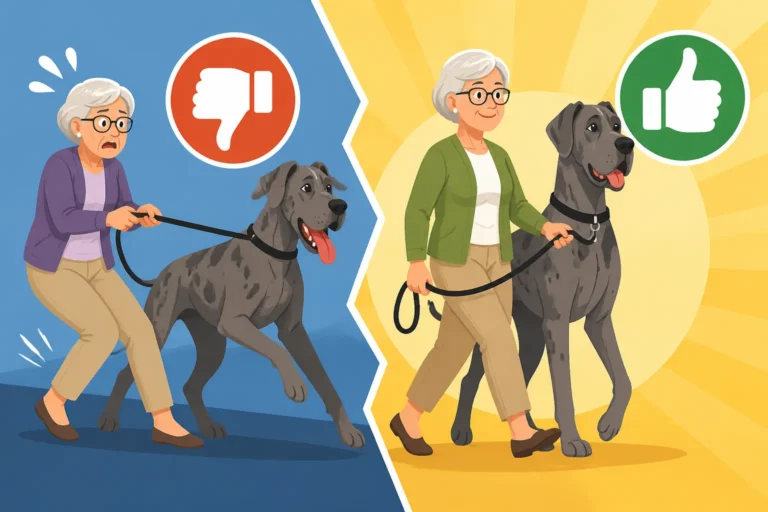
- Leash Manners Indoors: Sometimes, even indoors, a leash might be necessary during initial supervised interactions to manage an overly excited Dane.
- Respectful Touch: Teach your toddler how to gently pet the dog on appropriate areas (shoulders, chest) and to avoid sensitive spots like ears, tail, or face. Emphasize that the dog's bed is their private space. Reviewing Teaching Children to Move Around a Great Dane can offer more insight.
- "Leave It" Command: This command is crucial for preventing your Dane from investigating or picking up toddler toys, food, or anything else they shouldn't have.
This consistent approach helps build a predictable environment, reducing anxiety for both your child and your dog, and paving the way for a safer, more harmonious coexistence.
Setting Up the Environment for Both Toddler and Dane
Creating the right physical environment is just as important as managing behavior. A thoughtful setup can mitigate many potential issues and foster a sense of security for everyone.
Choosing the Right Bedding and Sleeping Arrangements
For your Great Dane, a proper bed isn't just a luxury; it's a necessity, especially if they are going to share a room. Given their weight and propensity for joint issues, an orthopedic dog bed is a must. It needs to be large enough for them to stretch out comfortably in various positions without spilling onto the floor. Place this bed in a quiet corner of the room, away from the immediate vicinity of the toddler's bed or crib. This gives the dog a clear, personal retreat.
Consider bedding that is easy to clean. Removable, washable covers are a lifesaver when dealing with drool, shedding, and the occasional muddy paw print. You'll find many suitable options, often with durable, washable covers, at pet supply retailers like Chewy. A good bed will also help prevent issues like Elbow Hygromas on a Great Dane, which can develop from constantly lying on hard surfaces.
For your toddler, ensure their crib or bed is sturdy and safe. If it's a crib, the dog shouldn't be able to reach into it. If it's a toddler bed, ensure the dog understands it's a human-only space. Gates can be a temporary solution to partition the room at night, giving each individual a truly dedicated zone, even within the same four walls.
Managing Access and Creating Retreats
While the aim might be a shared room, unrestricted access from day one might not be the safest or most comfortable approach.
- During Sleep: Initially, it might be safer to have your Great Dane sleep in a crate in their designated area, or even in a different room, until both the dog and child are older and more predictable. This eliminates the risk of accidental interactions during the vulnerable hours of sleep.
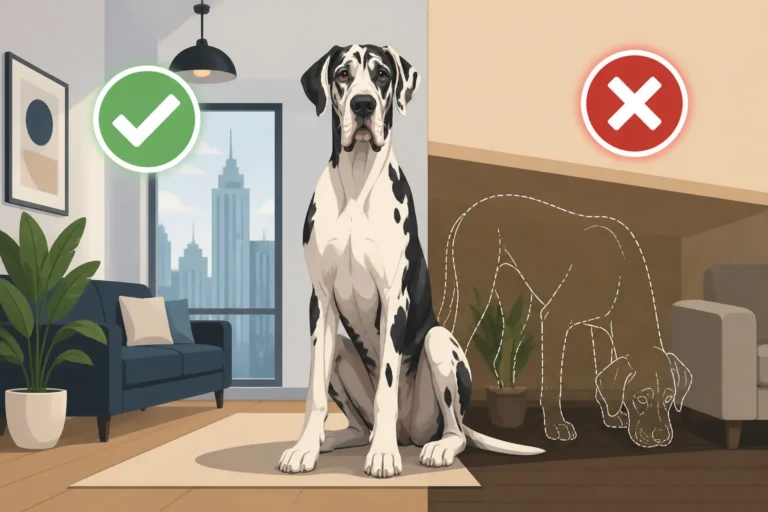
- Daytime Retreats: Beyond the bedroom, ensure your Great Dane has other quiet, secure spots in the house where they can retreat from the hustle and bustle of a toddler. A crate in the living room, a designated mat in the kitchen, or a spare room can serve as valuable "dog-only" zones. This gives them options when they need a break, preventing them from becoming overwhelmed or anxious, which could lead to unwanted behaviors.
- Toddler-Free Zones: Similarly, establish areas in the house where your toddler can play freely without constantly interacting with the dog. This could be a playpen, a gated-off section of a room, or even just their crib for quiet playtime. This teaches both dog and child the importance of personal space.
By carefully structuring their shared and separate spaces, you create an environment where both your Great Dane and your toddler can feel safe, respected, and content, whether they are sharing a room or just sharing a home.
Disclaimer
This article is for general informational purposes only and does not constitute professional advice. Laws, prices and regulations vary by location and change over time. Consult a qualified professional for guidance on your specific situation.