How Cartoons Shaped the Great Dane’s Public Image
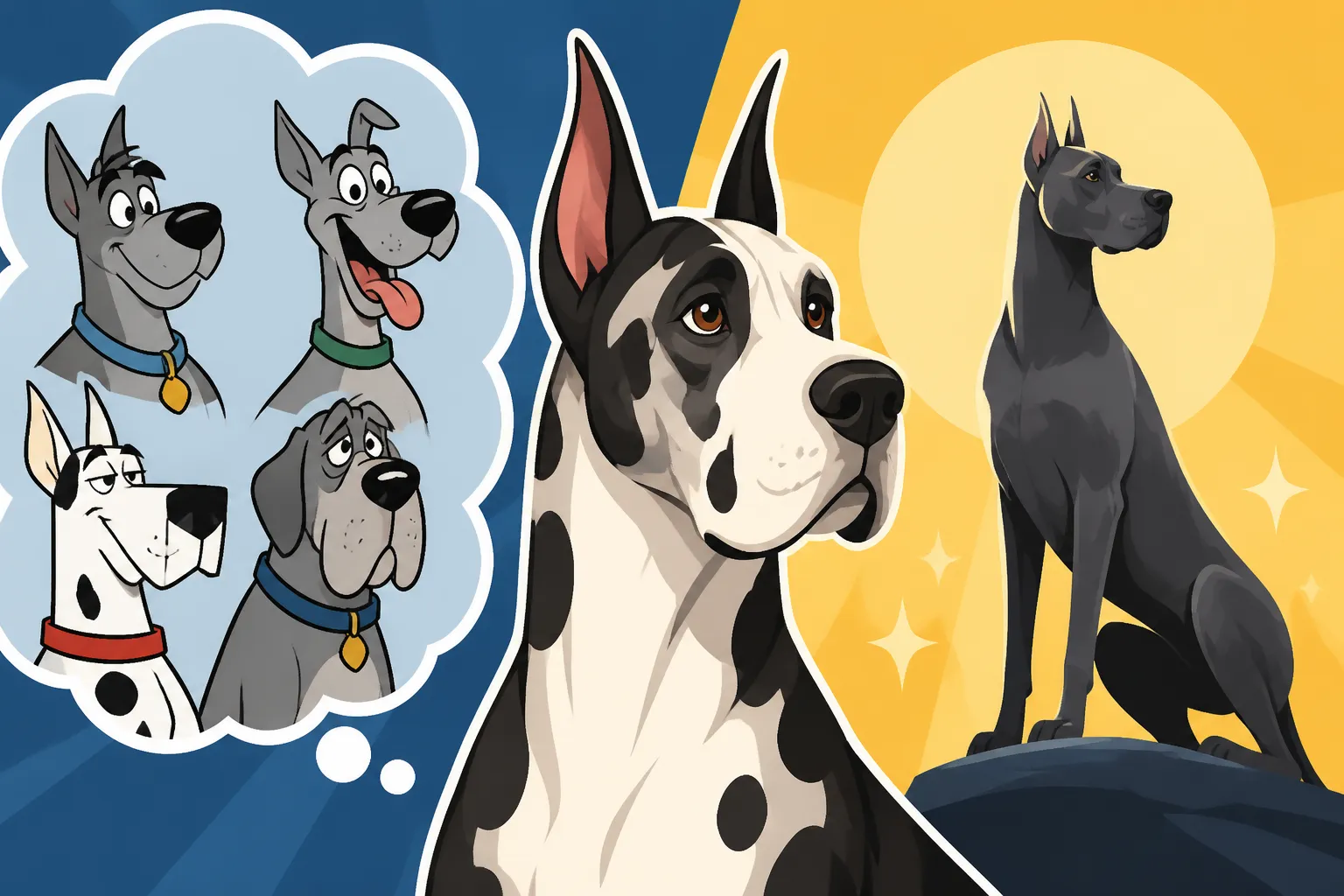
It’s easy to look at a Great Dane and picture a lovable, goofy giant, always getting into silly scrapes, perhaps even talking. This image, largely thanks to popular cartoons, has deeply shaped how many people perceive these magnificent dogs. This guide dives into the iconic cartoon depictions of Great Danes, examining how these lovable characters have both charmed and, at times, misrepresented the true nature and needs of the breed. We'll explore the expectations these portrayals create versus the wonderful reality of sharing your life with a real-life Dane.
The Enduring Legacy of Scooby-Doo
For generations, the name "Great Dane" has been almost synonymous with Scooby-Doo. This beloved cartoon character, with his speech impediment, insatiable appetite for "Scooby Snacks," and cowardly yet ultimately heroic nature, has cemented a very specific image of the breed in the public consciousness. He's arguably the most famous Great Dane in the world, influencing countless children and adults alike.
Scooby's Lovable Quirks and Canine Companionship
Scooby-Doo embodies many traits we adore in our canine companions: loyalty, a deep bond with his human (Shaggy), and an undeniable charm. He’s always there for his friends, even if it means confronting a ghost or monster he’s absolutely terrified of. His moments of accidental bravery, often fueled by hunger or the need to protect Shaggy, resonate with how we see our own dogs rising to the occasion. We laugh at his antics, his ability to suddenly stand on two legs, and his hilarious attempts to communicate. This portrayal highlights the devotion and companionship that Great Danes offer, albeit with a generous dose of cartoon exaggeration. It makes people think of Danes as friendly, gentle, and utterly devoted to their families, which, in many ways, is accurate to the breed's true temperament.
However, the sheer silliness and human-like intelligence of Scooby often overshadow the actual characteristics of a Great Dane. While real Danes are intelligent and capable of learning many commands, they aren't going to be solving mysteries or driving cars. The cartoon gives an impression of a dog that is perpetually a puppy in its understanding of the world, never truly growing up or taking on the responsibilities of a mature animal. This can lead to a disconnect when a new owner brings home a large, sometimes clumsy, but definitely dog-like Great Dane expecting a talking sidekick.
Misconceptions from the Mystery Machine
The biggest misconception Scooby-Doo introduces, beyond the talking and general human-like intelligence, is perhaps the idea of a perpetually fearful Great Dane. While individual dogs can certainly be timid, the breed standard for a Great Dane actually calls for a courageous, confident, and self-possessed dog. They were originally bred for hunting wild boar and guarding estates, roles that demand immense courage and strength, not a dog that constantly shakes in its paws at the slightest spooky sound. The Gentle Great Dane Temperament and Its Limits discusses how their gentle nature isn't synonymous with timidity.
Imagine trying to train a real Great Dane if your only frame of reference was Scooby-Doo. You might expect them to understand complex sentences or respond to elaborate schemes, rather than focusing on basic obedience cues and positive reinforcement. The show also inadvertently downplays the scale of a Great Dane's physical presence. Scooby often shrinks or stretches for comedic effect, or manages to squeeze into impossibly small spaces. A real Great Dane, weighing well over a hundred pounds and standing over two and a half feet tall at the shoulder, is a substantial presence that truly fills a room. Their size alone impacts everything from how they move through a house to how much food they eat. This reality often comes as a surprise to those whose only experience with the breed is through the animated world.
Marmaduke's Mischief and the Gentle Giant Trope
Another iconic cartoon Great Dane is Marmaduke, a newspaper comic strip character who later starred in his own films. Marmaduke reinforces the "gentle giant" stereotype but often takes it to extremes, portraying a dog whose massive size leads to perpetual chaos and slapstick comedy.
Marmaduke's Clumsiness and Affection
Marmaduke is the epitome of the big, bumbling, yet utterly lovable Great Dane. His adventures usually involve him unintentionally destroying property, causing humorous accidents due to his sheer bulk, or just being an overly enthusiastic, clumsy giant. Yet, through all the mayhem, his affectionate nature and loyalty to the Winslow family shine through. He's always well-meaning, even when he's inadvertently ruining a picnic or taking up the entire sofa. This resonates strongly with the true "gentle giant" reputation of Great Danes: they are often incredibly sweet, tolerant, and loving with their families.
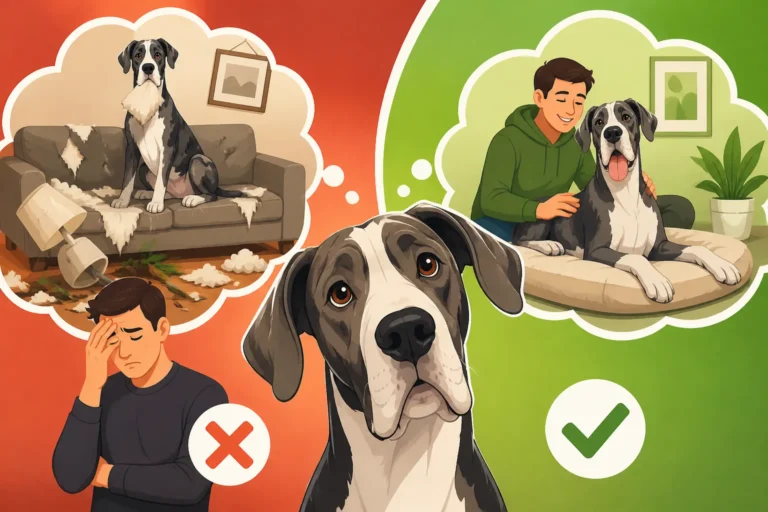
The portrayal of his enormous size, and the ensuing comedic situations, does highlight a real aspect of living with a giant breed. Great Danes are large, and they can be clumsy, especially as puppies or when they're excited. A wagging tail can clear a coffee table in seconds, and an enthusiastic lean can easily unbalance an unsuspecting person. However, Marmaduke often takes this to a level that implies a lack of awareness or control that isn't typical of a well-trained, mature Great Dane. While a real Dane might accidentally knock over a lamp, it's usually not a daily occurrence, nor are they constantly crashing through walls. A Great Dane That Knocks People Over is a real concern for owners, but it can be managed with training.
The Reality of Living with a "Marmaduke"
The real-world implication of a "Marmaduke" in your home is less about comedic chaos and more about practical considerations and diligent training. A Great Dane's size means that accidental damage can happen, but it's often preventable with proper management and early socialization. For instance, Why a Great Dane Steals Food Off Counters is a common issue because of their height, not necessarily a lack of manners. Owners need to be proactive about counter-surfing and making sure tempting items are out of reach.
Moreover, the sheer scale of a Great Dane impacts everything from your furniture to your vehicle. That tiny dog bed from the pet store? Absolutely not. You’ll need substantial, orthopedic options to support their massive joints. Many dedicated Great Dane owners find themselves browsing online retailers like Chewy for extra-large, durable dog beds and specialized large-breed harnesses that can handle their dog's strength during walks. Even things like feeding bowls need to be appropriately sized and often on a stand to promote comfortable eating and potentially reduce bloat risk. The cartoon glamour often skips over the very real need for sturdy, well-made equipment scaled for a giant breed.
Beyond the Cartoon Screen: The Real Great Dane Temperament
While cartoons offer a fun, exaggerated glimpse, the actual temperament of a Great Dane is a blend of impressive physical presence and a deeply loving, loyal personality. Understanding this reality is crucial for anyone considering bringing one into their home.
Temperament: Courageous, Devoted, and Calm
The breed standard describes the Great Dane as dignified, confident, and powerful. They are renowned for their majestic appearance and their gentle, affectionate nature, earning them the moniker "Apollo of Dogs." Far from Scooby's perpetual fearfulness, a true Great Dane possesses inherent courage. They were historically bred to confront formidable foes like wild boar, which required immense bravery, strength, and tenacity. This courage, however, is typically paired with a calm demeanor, especially indoors. They are deeply devoted to their families and can be surprisingly sensitive creatures, thriving on companionship and interaction.
A well-socialized Great Dane is usually friendly towards strangers, though they might be reserved initially. With their family, they are playful and loving, often forgetting their size and attempting to become lapdogs. They tend to be tolerant with children and other pets when raised with them and properly supervised. This balanced temperament is what makes them such wonderful family dogs, truly earning their reputation as gentle giants. It's a testament to their breeding that such a large, powerful animal can be so inherently good-natured.
Training and Socialization for a Well-Adjusted Giant
Given their immense size and strength, early and consistent training and socialization are not just recommended for Great Danes; they are absolutely essential. Imagine a 150-pound dog pulling on the leash, or jumping up on guests. Great Dane Leash Manners at a Hundred and Fifty Pounds becomes a non-negotiable part of daily life. Starting with puppy classes and continuing with obedience training helps shape a well-mannered adult dog. These dogs respond best to positive reinforcement and gentle, consistent methods. Physical corrections are generally ineffective and can even damage the bond with such a sensitive breed.
Socialization, meaning exposure to various people, places, sounds, and other animals from a young age, is equally vital. Socializing a Great Dane Puppy Early helps them grow into confident adults who are comfortable and well-adjusted in many different situations. Without it, a naturally confident dog can become anxious or reactive, and their size makes any behavioral issues significantly more challenging to manage. Investing in professional training or spending considerable time on your own training is a fundamental part of responsible Great Dane ownership, ensuring their strength and size are always under benevolent control.
Practicalities of Owning a "Cartoon" Great Dane
Beyond the charming cartoon personalities, living with a Great Dane brings a host of practical considerations that prospective owners must understand. These magnificent dogs demand specific care due to their size, health predispositions, and shorter lifespan.
Size, Space, and the Reality of a Large Breed
Great Danes are truly giant dogs. Males can stand well over 30 inches at the shoulder and weigh upwards of 150 pounds, with females not far behind. How Big a Great Dane Actually Gets can be startling when seen in person. This isn't a dog you can easily tuck under your arm or confine to a small crate. They need space—not necessarily a huge yard (though they appreciate one), but certainly enough indoor room to stretch out, turn around without knocking things over, and have their own designated areas.
Consider your living arrangements: a tiny apartment might feel cramped for a full-grown Dane, though they are often described as surprisingly calm indoors. Their sheer mass also impacts your home itself. Floors need to be durable, and low-lying fragile items will inevitably be at tail-wagging height. Getting a Great Dane into a car often requires special considerations, like a ramp or a vehicle with ample cargo space. Even simple activities like going to the vet can be a logistical challenge if your dog cannot easily hop onto an examination table. Whether a Great Dane Suits Your House often comes down to these practicalities, not just affection.
Health and Lifespan: Beyond Immortality
One of the starkest differences between cartoon Great Danes and real ones lies in their lifespan and health. While Scooby and Marmaduke seem to live forever without a sniffle, real Great Danes are unfortunately known for their relatively short lifespans, typically Why a Great Dane Only Lives Seven to Ten Years. This is a heartbreaking reality for owners, and it makes their health a paramount concern from day one.
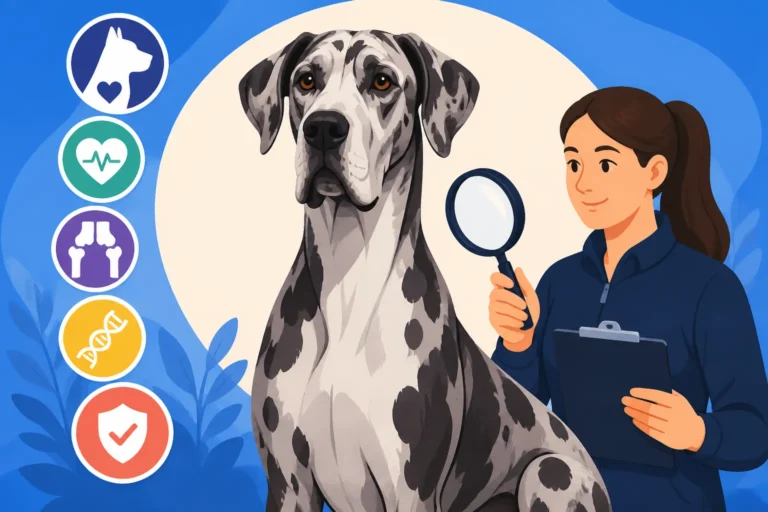
Great Danes are predisposed to several serious health conditions. Bloat, or Gastric Dilatation-Volvulus (GDV), is a life-threatening emergency to which they are particularly susceptible. The Night a Great Dane Bloats and What It Costs can be devastating, both emotionally and financially. Cardiac issues, especially Dilated Cardiomyopathy (DCM), are also prevalent. Joint problems like hip and elbow dysplasia, as well as bone cancer (osteosarcoma), are other concerns. This means that regular veterinary check-ups, preventive screenings, and often specialized diets are crucial. Finding appropriate large-breed puppy food that supports slow growth to protect their developing joints, then transitioning to an adult formula, is key. Many owners rely on places like Chewy to source high-quality, large-breed specific foods and supplements. The financial commitment to vet care and premium nutrition for a Great Dane is substantial and must be factored into ownership.
Grooming and Daily Care for a Real Great Dane
While Great Danes have a short, easy-care coat, they are not entirely maintenance-free. They do shed, and regular brushing helps manage this and keeps their skin healthy. Bathing a Great Dane, given their size, can be a major undertaking, often requiring a walk-in shower or professional groomer. Their ears, whether cropped or natural, need regular cleaning. Their nails grow incredibly thick and strong, requiring frequent trimming or grinding to prevent discomfort and foot issues. Trimming Nails on a Great Dane That Outweighs You is a task that requires patience and the right tools.
Perhaps the most iconic (and messy) aspect of Great Dane care is managing their drool. While not all Danes are prodigious droolers, many are, especially after drinking water or during excitement. Great Dane Drool and What to Do About It often involves keeping "slobber rags" strategically placed around the house. They also need comfortable, supportive bedding to protect their joints and prevent pressure sores, particularly on their elbows. Bedding a Great Dane to Protect Its Elbows with thick, high-quality orthopedic beds is vital. These daily care aspects, while less glamorous than cartoon adventures, are critical for a Great Dane's health and comfort.
Cartoon vs. Reality: Key Great Dane Traits
To help contextualize the cartoon portrayals against the real breed, here's a quick comparison of some common characteristics.
| Trait | Cartoon Portrayal (Scooby-Doo/Marmaduke) | Real Great Dane | Implications for Owners |
|---|---|---|---|
| Temperament | Fearful (Scooby), clumsy/mischievous (Marmaduke), overly human-like | Courageous, dignified, affectionate, gentle, devoted; can be goofy but not incompetent | Requires confidence-building, early training, appropriate expectations for behavior |
| Intelligence | Human-level understanding, problem-solving, speech | Highly intelligent, trainable, but still a dog; learns commands, not conversations | Focus on obedience, consistency; avoid anthropomorphizing |
| Physical Size | Exaggerated for comedic effect, sometimes shrinks/stretches | Truly giant, physically imposing, requires space and sturdy equipment | Needs large living space, large beds, specialized gear; potential for accidental damage |
| Lifespan/Health | Seemingly immortal, no health issues | Short lifespan (7-10 years), prone to bloat, DCM, joint issues | Prioritize health screenings, preventive care, significant vet expenses |
| Training Needs | Minimal, relies on intuition or human intervention | Essential from puppyhood due to size and strength; consistent positive reinforcement | Invest time/resources in training; prevent undesirable behaviors early |
| Mouth/Drool | Often clean, occasional slobber for effect | Can be significant droolers, especially after drinking; requires management | Keep slobber rags handy, clean jowls; consider feeding habits to reduce mess |
| Dietary Habits | Obsessed with "Scooby Snacks," eats anything | Requires specific large-breed nutrition, substantial volume (Feeding an Adult Great Dane Six to Ten Cups) | High food budget; careful monitoring of diet to prevent health issues |
Cartoons are wonderful for entertainment and have undeniably brought the Great Dane breed into the hearts of many. They’ve given us memorable characters that evoke laughter and warmth. However, it's vital to remember that these are caricatures, not blueprints. The real Great Dane is a magnificent, loyal, and loving companion who deserves an owner ready to embrace the genuine commitment their size, health needs, and wonderful temperament demand.
Disclaimer
This article is for general informational purposes only and does not constitute professional advice. Laws, prices and regulations vary by location and change over time. Consult a qualified professional for guidance on your specific situation.