Screening a Great Dane’s Heart Each Year
It's a heartbreaking reality for anyone who loves a Great Dane: these magnificent, gentle giants are, unfortunately, prone to a serious heart condition known as Dilated Cardiomyopathy, or DCM. The insidious nature of this disease means that by the time you notice overt symptoms like coughing, lethargy, or even fainting, the condition is often quite advanced. This guide is dedicated to walking you through the critical importance of annual heart screening for your beloved Great Dane, offering detailed insights into what these screenings involve, why they're so vital, and how you can best prepare.
The Alarming Reality of Great Dane Heart Disease
Owning a Great Dane means facing certain health challenges head-on, and heart disease, particularly Dilated Cardiomyopathy (DCM), is one of the most significant. It's a condition that silently progresses, often giving little to no warning until it has reached a critical stage. The sheer size and affectionate nature of these dogs make their vulnerability to such a severe illness all the more poignant for their dedicated owners.
Understanding Dilated Cardiomyopathy DCM
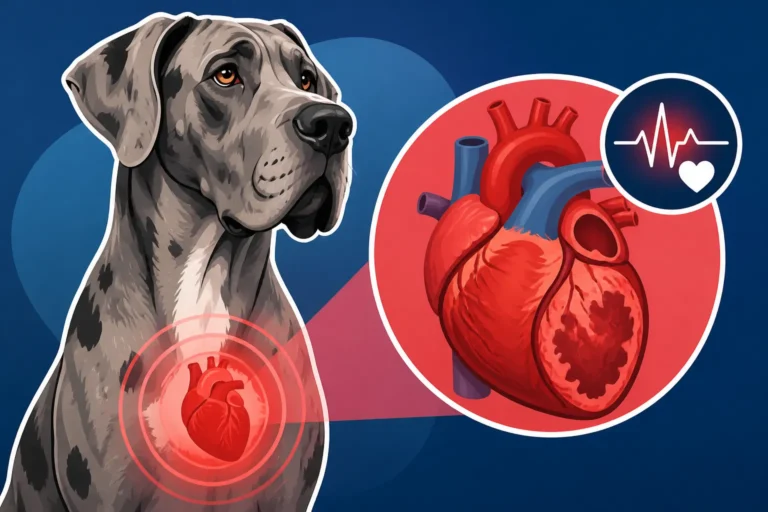
Dilated Cardiomyopathy, or DCM, is a primary disease of the heart muscle. In simpler terms, the heart's chambers, especially the left ventricle, become enlarged and the muscle walls thin out. This makes the heart less efficient at pumping blood out to the rest of the body. Imagine a stretched-out balloon trying to propel air with force; it just can't do the job effectively. Over time, this reduced pumping ability leads to a buildup of fluid in the lungs or abdomen, and eventually, heart failure.
Great Danes are genetically predisposed to DCM, meaning it's often a condition passed down through generations. While environmental factors and nutrition can play a role, genetics are a major driving force. It’s not just an "old age" disease; we often see it manifest in middle-aged Danes, sometimes as young as two or three years old, although it typically becomes more apparent between four and eight years of age. Understanding How a Great Dane Heart Enlarges gives a deeper perspective on the physiological changes occurring within the heart muscle itself.
Why Early Detection Matters So Much
The heartbreaking truth about DCM is that its early stages are often asymptomatic. Your Dane might seem perfectly fine, full of energy, and showing no signs of distress, even as their heart muscle is slowly deteriorating. This "silent killer" aspect is precisely why early and consistent screening is so crucial. By the time a Great Dane starts exhibiting clinical signs like a persistent cough, difficulty breathing, or exercise intolerance, the disease has usually progressed significantly, making treatment more challenging and the prognosis less favorable.
Catching DCM in its subclinical phase – before any outward signs appear – allows for early intervention, which can dramatically improve your dog's quality of life and potentially extend their lifespan. Medications can be started, and lifestyle adjustments can be made, all aimed at slowing the progression of the disease and managing its effects. It's about buying your cherished companion more good days, more wagging tails, and more lean-on-you moments. Without annual screening, you might not know anything is wrong until it's nearly too late, which is a devastating position no Great Dane owner wants to be in.
When to Start Annual Heart Screening for Your Great Dane
Knowing what to screen for is one thing, but knowing when to start and how often to continue is equally vital. For a breed like the Great Dane, with its predisposition to serious cardiac issues, a proactive approach to heart health from an early age is not just recommended, it's essential. Waiting until your dog seems "off" can be a missed opportunity for life-extending intervention.
Puppyhood Baselines and Early Indicators
Even before formal annual screenings begin, a good breeder will have already started the journey of heart health. Responsible breeders will provide documentation of their breeding dogs having undergone cardiac screenings, often including an echocardiogram by a board-certified veterinary cardiologist. When you bring your Great Dane puppy home, your regular veterinarian will perform routine physical exams, listening to their heart for any murmurs. While puppy murmurs can sometimes be benign and resolve on their own, any persistent or new murmur warrants further investigation.
These early vet visits are about establishing a baseline and catching any congenital issues or very early signs. While a puppy might not undergo a full annual cardiology workup, any red flags during routine check-ups should be taken seriously. It's crucial to discuss any family history of heart disease with your vet, as this information can influence how aggressively you approach early monitoring.
The Critical Age for First Comprehensive Screening
Most veterinary cardiologists recommend that Great Danes begin their comprehensive annual heart screenings around 2-3 years of age. This is considered the critical window because, while DCM can appear earlier, it's often within this age range that the subtle changes in heart structure and function become detectable. Regular check-ups with your primary vet are great, but for a Great Dane, a specialist's eye is indispensable.
A board-certified veterinary cardiologist has the specialized training and equipment to identify the nuanced indicators of early DCM that a general practitioner might miss. They understand the specific breed predispositions and the subtle ways DCM can manifest in Great Danes. Think of it like this: your family doctor is excellent, but if you had a complex heart issue, you'd want to see a human cardiologist. The same principle applies to your Great Dane. Initiating these specialized screenings around two to three years old sets a precedent for lifelong vigilance and gives you the best chance of catching any issues at their most manageable stage. This aligns with advice on When a Great Dane Should Have Its First Echo.
Continued Screening Through Senior Years
The need for annual heart screenings doesn't diminish as your Great Dane ages; in fact, it becomes even more critical. As our beloved giants reach their senior years – typically considered around six years old for Great Danes, given Why a Great Dane Only Lives Seven to Ten Years – their hearts have been working hard for a long time. The risk of developing DCM, or seeing an existing subclinical condition progress, increases with age. Even if your Dane has had normal screenings for years, consistency is key.
A six or seven-year-old Great Dane might start showing other age-related issues that can mask or complicate heart disease symptoms. Arthritis might reduce their activity levels, making it harder to notice exercise intolerance. Regular annual screenings provide a continuous record of their cardiac health, allowing your cardiologist to track any changes over time, no matter how subtle. This ongoing vigilance ensures that any new developments are caught promptly, allowing for appropriate adjustments to management and medication, supporting your dog through their golden years.
What a Great Dane Heart Screening Entails
Understanding what actually happens during a cardiology appointment can help alleviate some anxiety and prepare you for the process. It's more than just a quick listen with a stethoscope; it's a multi-faceted approach designed to get a complete picture of your Great Dane's heart health.
The Comprehensive Cardiology Exam
When you arrive at the veterinary cardiologist's office, the first thing they’ll do is perform a thorough physical examination. This is more in-depth than a standard vet check-up, with a keen focus on cardiovascular indicators. The cardiologist will observe your Great Dane's general demeanor, breathing pattern, and mucous membrane color. They'll also carefully palpate pulses in different areas, assessing their strength and rhythm. For a Great Dane, feeling the femoral pulses is particularly important, as weakness or irregularity can sometimes signal heart issues.
Crucially, they'll spend a significant amount of time auscultating the heart – that's listening to it with a stethoscope. They're listening for murmurs, which indicate turbulent blood flow, or arrhythmias, which are irregular heartbeats. While a murmur doesn't automatically mean DCM, it's a significant indicator that further investigation, like an echocardiogram, is needed. They'll also listen to the lungs for any abnormal sounds that could suggest fluid buildup, a sign of congestive heart failure. Every detail, from respiratory rate to capillary refill time, provides a piece of the puzzle.
The Echocardiogram: A Deep Dive into the Heart
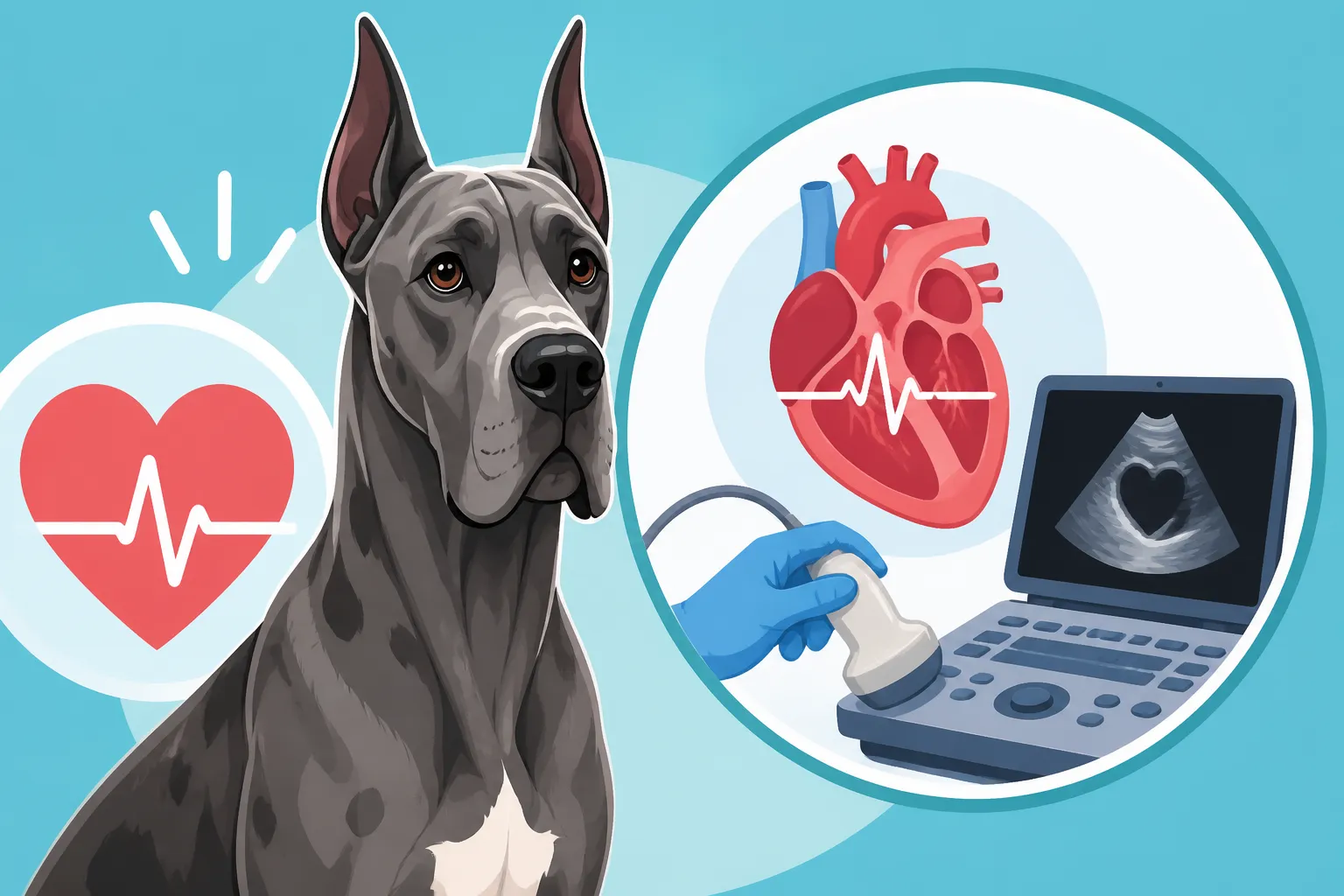
The echocardiogram, often referred to as an "echo," is the cornerstone of Great Dane heart screening. It's essentially an ultrasound of the heart and is non-invasive and painless. During an echo, your Great Dane will typically lie comfortably on a padded table, often with a small patch of fur shaved on their chest to allow for better probe contact. The cardiologist uses a transducer, which sends sound waves into the body and creates real-time images of the heart on a screen.
This powerful diagnostic tool allows the cardiologist to visualize the heart's chambers, valves, and major blood vessels in motion. They can measure the size of the heart chambers, assess the thickness of the heart muscle walls, and evaluate how efficiently the heart is contracting and relaxing. For a Great Dane suspected of DCM, the cardiologist will be looking for enlargement of the left ventricle and atria, and reduced contractility (how well the heart squeezes). They can also identify issues like leaky valves or fluid accumulation around the heart. This is precisely What a Cardiologist Measures in a Great Dane Heart to assess its function.
Holter Monitoring: Capturing the Unseen Irregularities
While an echocardiogram provides a snapshot of the heart's structure and function at a specific moment, some heart issues, particularly arrhythmias (irregular heartbeats), are intermittent and might not be present during a brief exam or echo. This is where Holter monitoring comes in. A Holter monitor is a small, portable ECG device that your Great Dane wears for a continuous period, usually 24 to 48 hours, while going about their normal daily activities.
The device records every heartbeat, allowing the cardiologist to detect and characterize any arrhythmias that occur throughout the day and night. For Great Danes, ventricular arrhythmias are a common finding in early DCM, and they can sometimes lead to fainting spells or even sudden death. Detecting these irregularities with a Holter monitor, even if the heart structure appears normal on an echo, can be crucial for early diagnosis and treatment. It involves strapping a comfortable vest with electrodes to your dog's chest, which most Danes tolerate very well, and the data is then downloaded and analyzed by the cardiologist. You can learn more about this by reading Holter Monitoring for a Great Dane Heart.
Here's a quick comparison of the screening methods:
| Screening Method | What It Involves | What It Detects | Why It's Important for Great Danes |
|---|---|---|---|
| Physical Exam | Auscultation (listening), palpation (feeling pulses) | Heart murmurs, irregular rhythms, abnormal breathing, weak pulses | Initial detection of signs, helps guide further diagnostics |
| Echocardiogram (Echo) | Ultrasound of the heart | Chamber enlargement, muscle thinning, reduced contractility, valve issues | Direct visualization of DCM, assesses severity and progression |
| Holter Monitor | 24-48 hour portable ECG recording | Intermittent arrhythmias (irregular heartbeats) | Catches electrical abnormalities not present during a brief exam |
Interpreting the Results and Next Steps
Receiving the results of your Great Dane's heart screening can be a nerve-wracking experience. It’s natural to feel anxious, especially given the breed’s predisposition to DCM. However, understanding what the cardiologist is looking for and what different findings mean can help you feel more prepared to discuss the next steps for your beloved companion.
Understanding a Normal vs. Abnormal Echo Report
A normal echocardiogram report for a Great Dane is a cause for relief! It means that, at the time of the screening, the heart chambers are of appropriate size, the muscle walls are adequately thick, and the heart is contracting effectively. The cardiologist will typically provide measurements for various parameters, such as left ventricular end-diastolic diameter (LVEDD) and fractional shortening (FS), which are key indicators of heart size and function. If these are within the normal range for Great Danes, it’s excellent news. However, even with a normal result, remember that DCM can develop later, which is why annual screenings are so important.
An abnormal echo report, on the other hand, indicates that there are changes consistent with heart disease. For DCM, this usually involves the enlargement of the left ventricle and/or left atrium, and a decrease in the heart's ability to pump blood effectively (reduced contractility). The cardiologist will often compare these measurements to breed-specific reference ranges. They might categorize the disease into stages (e.g., preclinical, clinical) to help guide treatment. It's crucial not to panic if abnormalities are found; early detection means you have options to manage the disease. Sometimes, subtle changes are noted, indicating a need for closer monitoring without immediate medication, highlighting the value of a baseline and tracking changes.
When to Be Concerned and What to Ask Your Vet
You should be concerned if your cardiologist identifies any structural or functional abnormalities on the echocardiogram or significant arrhythmias on the Holter monitor. Even if your Great Dane isn't showing any outward symptoms, these findings mean the disease process has begun. It's critical at this stage to have an open and thorough conversation with your cardiologist.
Here are some questions you should definitely ask:
- What stage is the DCM currently in? This will dictate treatment recommendations.
- What are the specific measurements that are abnormal, and what do they mean? Don't be afraid to ask for explanations in plain language.
- What is the prognosis, given these findings?
- What are the recommended next steps? This might include medication, dietary changes, or activity restrictions.
- Are there any lifestyle changes I should make for my Great Dane immediately?
- How often will we need follow-up appointments and repeat screenings?
- Are there any signs or symptoms I should watch for at home that would indicate a worsening condition? Early recognition of Early Heart Signs in a Great Dane can be life-saving.
Having these discussions will empower you to be an active participant in your Great Dane's care and ensure you understand the gravity and nuances of their condition.
Proactive Management and Treatment Options
If DCM is detected early, even before clinical signs appear, there are proactive management and treatment options that can significantly impact your Great Dane's health trajectory. The goal is to slow the progression of the disease and maintain the heart's function for as long as possible. Your cardiologist might recommend starting medications, such as pimobendan, which helps the heart muscle contract more forcefully and dilates blood vessels, making it easier for the heart to pump. This medication has shown to delay the onset of clinical signs and extend the life of dogs with preclinical DCM. For a deeper dive into treatment options, check out Medication for a Great Dane With DCM.
Beyond medication, lifestyle adjustments are often recommended. These might include maintaining a lean body weight, ensuring a balanced diet, and moderating exercise to avoid overexertion. Your vet might also discuss specific dietary supplements, like taurine or L-carnitine, although their efficacy can vary and should always be discussed with your cardiologist. Regular follow-up appointments and repeat echoes will be scheduled to monitor the heart's response to treatment and adjust medications as needed. This proactive approach, catching the disease before it overtakes your dog, is the true value of annual heart screenings.
Financial Considerations and Support for Heart Health
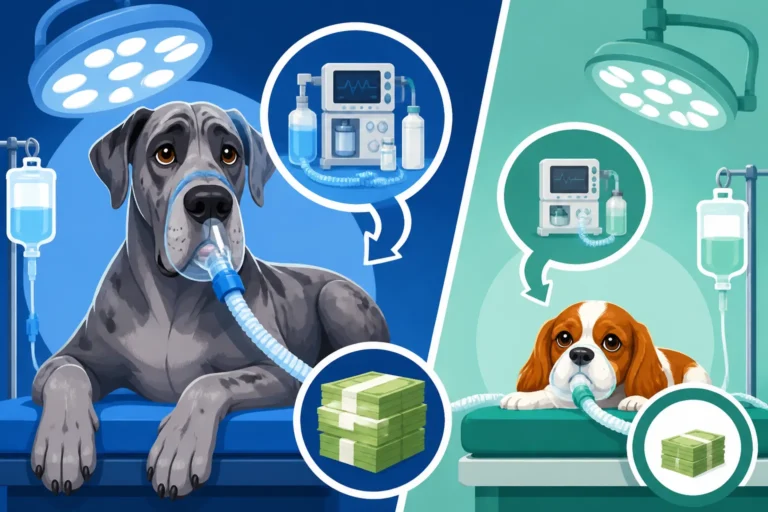
Let's be realistic: specialized veterinary care, especially cardiology, comes with a significant price tag. For Great Dane owners, who already face higher general vet costs due to their size, the thought of ongoing specialist bills can be daunting. However, understanding these costs and knowing your options for financial support can make a world of difference in your ability to provide the best care for your beloved giant.
The Cost of Annual Cardiology Visits
A comprehensive annual heart screening for a Great Dane, including a physical exam, a full echocardiogram performed by a board-certified cardiologist, and potentially a Holter monitor rental and analysis, can easily run into several hundred dollars, often ranging from $500 to $1,000 or more, depending on your geographic location and the specific services rendered. This isn't a one-time expense; it's an annual commitment if you're serious about proactive heart health for your Dane.
These costs cover not just the specialist's expertise but also the highly specialized equipment required for accurate diagnostics. While it might seem like a lot, consider it an investment in your dog's future, potentially saving you from much higher emergency bills down the line if an advanced heart condition goes undetected. The ongoing cost of specialized food or daily heart medications, once diagnosed, would be an additional expense to factor in.
Pet Insurance and Specialized Care Coverage
This is where pet insurance truly shines, especially for a breed like the Great Dane. Given the high probability of health issues like DCM and Bloat in a Great Dane and the One in Three Odds, having robust pet insurance is not just a luxury, it's a necessity. Many pet insurance providers, including reputable ones like Healthy Paws, offer comprehensive plans that cover diagnostic tests, specialist consultations, medications, and even surgeries related to heart conditions.
Enrolling your Great Dane in pet insurance when they are young and healthy is key to avoiding pre-existing condition exclusions. If you wait until a heart murmur or other issue is detected, that specific condition may not be covered. By getting coverage early, you can significantly mitigate the financial burden of annual cardiology screenings and potential long-term treatment. Imagine being able to say yes to the best possible care, without the crushing worry of the bill – that's the peace of mind pet insurance offers. It's truly about Insuring a Great Dane Against Bloat and Heart Bills and all other major health concerns.
Planning Ahead for Lifelong Heart Health
The best approach to the financial realities of Great Dane ownership, particularly concerning heart health, is proactive planning. Don't wait until a crisis hits. Beyond pet insurance, consider setting up a dedicated savings account for your dog's healthcare needs. Even contributing a small amount monthly can build up a significant fund over time, which can be a lifesaver for deductibles, co-pays, or treatments not fully covered by insurance.
Research different pet insurance plans carefully, looking at annual limits, deductibles, reimbursement percentages, and, crucially, their policies on hereditary conditions like DCM. Healthy Paws, for example, is known for its comprehensive coverage for accidents and illnesses, including hereditary conditions, as long as they aren't pre-existing. Understanding your policy will allow you to make informed decisions about your Dane's care. Being prepared financially means you can focus on what truly matters: your Great Dane's well-being and giving them the longest, happiest life possible. This level of planning is part of what it means to truly understand The Short Expensive Life of a Great Dane and how to manage it responsibly.
Disclaimer
This article is intended for informational purposes only and does not constitute professional veterinary advice. Always consult with a qualified veterinarian or veterinary cardiologist regarding any health concerns or before making any decisions about your Great Dane's medical care.