Why a White Great Dane Is Often Deaf
The majestic appearance of a Great Dane is truly breathtaking, but when we talk about those with stunning white coats, there's often a hidden, heartbreaking reality: a significant number of these beautiful dogs are born deaf. It's a difficult topic to confront, but understanding why this happens and what it means for these gentle giants is crucial for anyone who loves or is considering welcoming one into their home. This comprehensive guide will delve into the intricate genetics behind the white coat, its undeniable link to hearing impairment, how deafness is diagnosed, and how to best care for and advocate for these special dogs.
The Intricate Link Between Pigment and Hearing Development
It might seem strange that coat color could affect something as fundamental as hearing, but in the world of canine genetics, pigment and neural development are surprisingly intertwined. For Great Danes, particularly those with significant white markings, the underlying genetic mechanisms that determine coat color can also influence the delicate development of the inner ear.
Understanding the Merle Gene and its Role
One of the primary genetic factors behind white Great Danes and associated deafness is the merle gene (M/m locus). This gene is responsible for the captivating mottled, diluted patches seen in merle-patterned dogs – think blues, grays, and liver colors mixed with darker shades. While a single copy of the merle gene can produce stunning, healthy dogs, problems arise when a dog inherits two copies of the merle gene (MM), often referred to as "double merle" or "homozygous merle."
In double merle dogs, the gene's pigment-diluting effect goes into overdrive, leading to an excessive amount of white in the coat. This isn't just about aesthetics; it’s about a severe lack of pigment-producing cells called melanocytes. These melanocytes aren't just for hair color; they play a vital role in the development of other parts of the body, including the eyes and the cochlea within the inner ear, which is essential for hearing. Without enough functional melanocytes during embryonic development, these structures don't form correctly, leading to congenital deafness and often ocular defects. This is precisely Why Two Merle Great Danes Should Not Be Bred. Reputable breeders understand this and meticulously plan pairings to avoid producing double merle puppies, safeguarding the health of their lines.
Pigment Cells and Inner Ear Formation
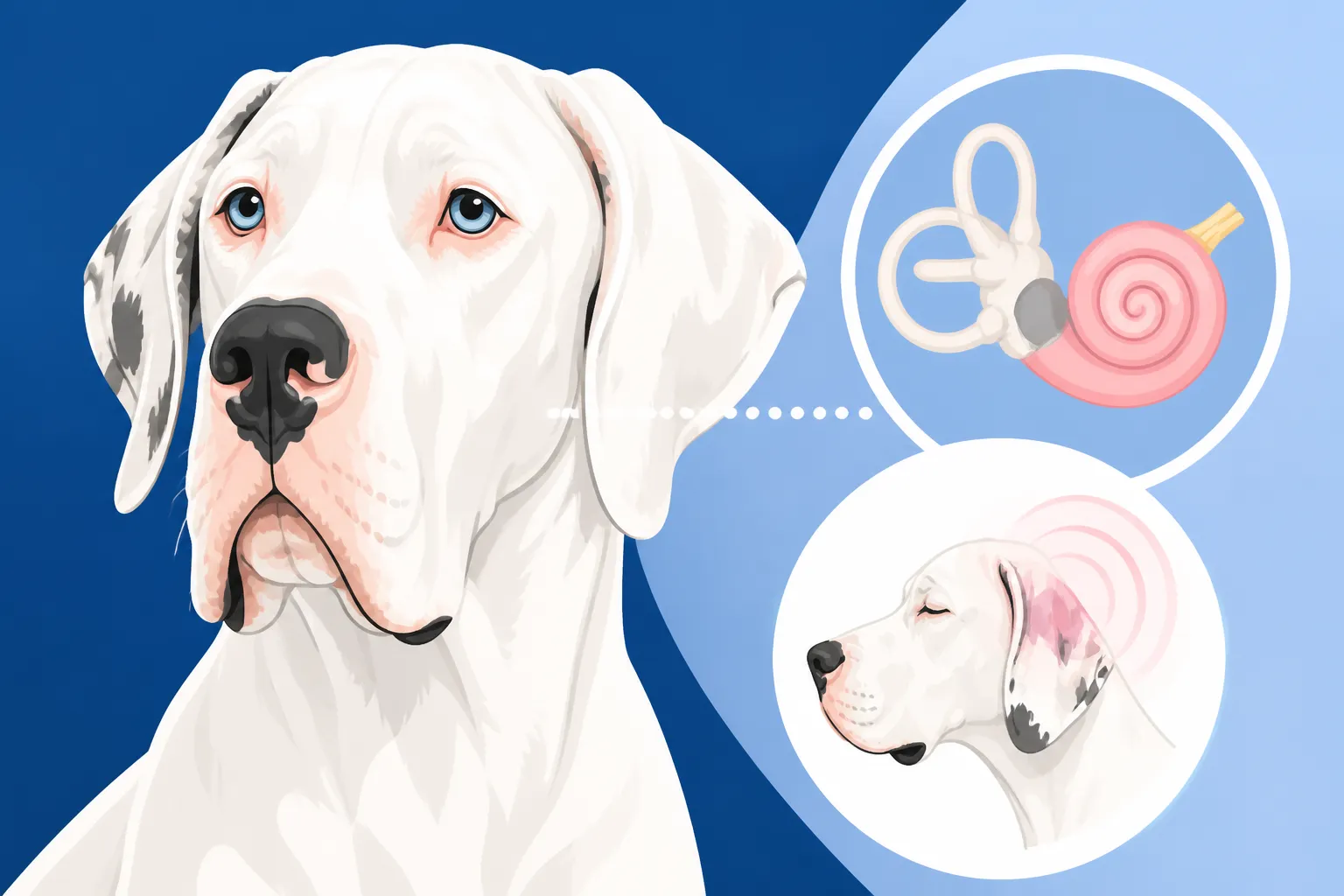
The connection between pigment and hearing might seem abstract, but it's purely biological. During the early stages of development, melanoblasts – the precursor cells to melanocytes – migrate to various parts of the developing embryo, including the skin, hair follicles, eyes, and the inner ear. In the inner ear, these melanocytes are critical for the formation and maintenance of the stria vascularis, a structure within the cochlea that regulates the electrolyte balance necessary for auditory function.
When a dog has a genetic predisposition to extreme white spotting, such as with double merle Great Danes, there's a significant reduction or complete absence of these melanocytes in the inner ear. Without them, the stria vascularis often fails to develop properly or degenerates, leading to irreversible damage to the hair cells responsible for detecting sound. This damage can result in partial or complete deafness, either in one ear (unilateral) or both (bilateral). It's a stark reminder that what appears on the surface as a beautiful coat pattern is actually a window into the complex genetic processes shaping a dog's overall health.
The Spectrum of Deafness in White Great Danes
Deafness in Great Danes with excessive white isn't a one-size-fits-all condition. It can manifest in different ways, from slight hearing loss that might go unnoticed for a while, to profound bilateral deafness that completely isolates a dog from the world of sound. Understanding this spectrum is key to managing the condition and providing the best quality of life.
Distinguishing the "White" Great Dane from Albinism
It's important to clarify what we mean by a "white" Great Dane in this context. We're generally not talking about true albinism, which is a complete lack of all pigment and is quite rare. Instead, the white in these Great Danes usually results from extreme expression of the merle gene, or sometimes from the piebald gene, which causes large patches of white, often with colored spots. These dogs still have pigment, just not enough in critical areas.
For example, a heavily marked Harlequin Great Dane might appear mostly white with only a few black patches. If this dog carries the merle gene, especially if it's a double merle, its white areas are where the melanocytes failed to develop. These "extreme white" or "double merle" Great Danes are the ones most prone to congenital deafness and other pigment-related issues. The term "white Great Dane" usually refers to these dogs, rather than truly albino individuals. The extent of their white coat is a visual indicator of the underlying genetic mechanisms that put them at risk.
Unilateral vs. Bilateral Deafness and Associated Conditions
Deafness in white Great Danes can be unilateral (affecting only one ear) or bilateral (affecting both ears). Bilateral deafness is, understandably, more challenging for both the dog and the owner, as the dog lives in a completely silent world. Unilateral deafness can sometimes go undiagnosed for years, as the dog compensates with its good ear. However, even unilateral deafness can impact a dog's spatial awareness and ability to pinpoint sounds.
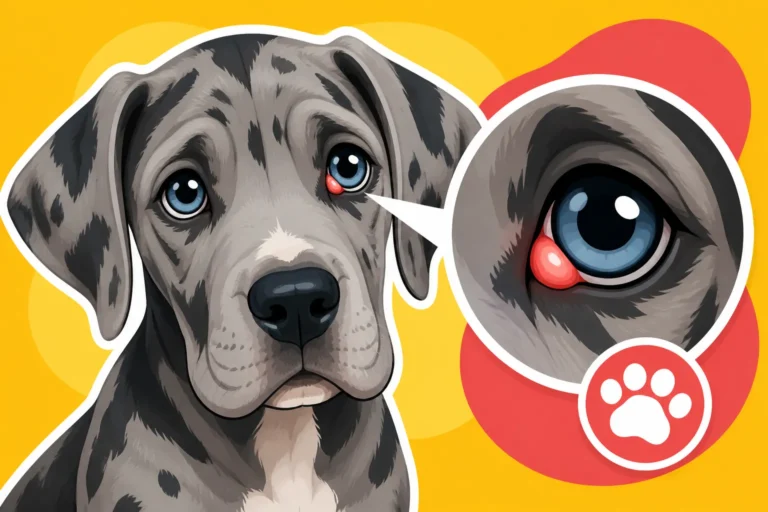
Beyond hearing loss, these pigment-related genetic issues can also lead to ocular defects, especially in double merle dogs. This includes microphthalmia (abnormally small eyes), colobomas (missing eye tissue), and sometimes even complete blindness. Missing Eyes and Small Eyes in White Great Danes are a stark reminder of the widespread impact of severe pigment dilution. It's a complex picture, and puppies with these extreme markings often face a multitude of developmental challenges, which is why early and thorough veterinary screening is absolutely paramount.
Diagnosing Hearing Loss in Your Great Dane
Discovering your beloved Great Dane might be deaf can be a frightening and confusing experience. Early diagnosis is key to providing appropriate care and training. While you might notice some signs at home, definitive diagnosis requires specific veterinary testing.
The Importance of BAER Testing
The gold standard for diagnosing deafness in dogs is the Brainstem Auditory Evoked Response (BAER) test. This non-invasive procedure measures the electrical activity in the brain in response to auditory clicks delivered through headphones or small insert earphones placed in each ear. Electrodes placed on the dog's scalp record the brain's response. The test is usually performed while the puppy is sedated or lightly anesthetized to ensure stillness and accurate readings.
A healthy ear will produce a characteristic waveform, indicating that sound signals are traveling from the ear to the brainstem. If there is no response, it indicates deafness in that ear. The BAER test can detect both unilateral and bilateral deafness, and it's highly accurate. Reputable Great Dane breeders often have their puppies BAER tested before they go to new homes, especially those with merle or white markings, ensuring transparency about a puppy's hearing status. This test, along with other essential health screenings, is part of The Health Testing a Great Dane Breeder Owes You.
Observing Signs of Deafness at Home
While the BAER test provides a definitive diagnosis, many owners first suspect deafness based on their observations at home. In puppies, signs might include:
- Lack of response to everyday sounds: The puppy doesn't startle at loud noises, doesn't orient its ears toward sounds, or ignores its name being called.
- Unusually deep sleep: Deaf puppies often sleep much more soundly and are harder to rouse than hearing puppies, as they aren't disturbed by ambient noises.
- Startling easily when touched: Because they can't hear you approach, a touch can be sudden and surprising, causing them to jump or flinch.
- Not vocalizing, or vocalizing excessively/unusual ways: Some deaf dogs are very quiet; others might bark or howl much more frequently or in different tones, as they can't hear their own voices.
- Difficulty learning name or simple commands: While this can also be a training issue, a persistent lack of response to verbal cues can be a red flag.
If you notice any of these signs, especially in a white or merle-patterned Great Dane, it's crucial to schedule a vet visit to discuss your concerns. Your vet can perform preliminary checks and then refer you for a BAER test. Early detection allows you to start appropriate training and management sooner, setting your Great Dane up for success.
Embracing Life with a Deaf Great Dane
The diagnosis of deafness in your Great Dane might initially feel overwhelming, but a deaf dog can live a full, happy, and incredibly rich life with the right approach and a little extra patience. They form deep bonds with their families and often thrive when provided with clear, consistent communication.
Training and Communication Strategies
The biggest adjustment when living with a deaf Great Dane is communication. Verbal commands are out, but dogs are incredibly adept at learning through other senses, especially sight and touch. Hand signals become your primary language, and the good news is that Great Danes are intelligent and eager to please, making them excellent students.
Start training early and consistently. Simple gestures for "sit," "stay," "come," and "good dog" can be established quickly. Think about incorporating cues for everyday actions, like "food" or "walk." Many resources exist online for Hand Signals for a Great Dane That Cannot Hear, offering comprehensive guides to get you started. Vibration collars (which are distinct from shock collars and deliver only a gentle buzz) can be an invaluable tool for getting your dog's attention, especially for a "come" command in a larger space. Always pair the vibration with a visual cue, so your dog associates the feeling with looking at you for further instruction. Consistency from everyone in the household is key to ensuring your deaf Great Dane understands expectations and feels secure in its communication.
Safety and Environmental Management
Living with a deaf Great Dane requires heightened awareness of their safety. They cannot hear approaching cars, other dogs, or potential dangers, so off-leash excursions in unsecured areas are generally a no-go. A securely fenced yard is essential, and even then, always supervise them. When outside, a long line or leash is a must.
Inside the home, approach your deaf Great Dane gently from the front or side to avoid startling them. Wake them up by lightly touching their shoulder or paw, rather than abruptly jostling them. Consider installing motion-activated lights or vibrating alerts for visitors, so your dog isn't caught off guard by someone suddenly entering the house. Socialization, as covered in topics like Socializing a Great Dane Puppy Early, remains incredibly important. Exposure to various sights, smells, people, and other well-behaved dogs in a safe, controlled environment helps them build confidence and positive associations with the world around them, even without sound.
Ethical Breeding Practices and Prevention
The best way to prevent deafness in white Great Danes is through responsible and ethical breeding practices. Breeders hold the key to reducing the incidence of these tragic genetic conditions by making informed choices about their breeding stock.
The Breeder's Role in Health Screening
A truly ethical Great Dane breeder will prioritize the health and well-being of their puppies above all else, especially when it comes to colors and patterns that carry known health risks. For merle and excessively white Great Danes, this means rigorous health screening, including mandatory BAER testing for all puppies before they are placed in homes. A breeder who truly values their dogs will be transparent about these test results and happy to share them with prospective owners.
Furthermore, responsible breeders will understand the genetics of the merle gene and avoid "double merle" breedings entirely. They will educate potential buyers about the risks associated with certain color pairings. When you're looking for a Great Dane puppy, ask about the parents' genetic backgrounds, especially concerning merle. A breeder should be able to provide clear documentation and explain their breeding philosophy. This kind of due diligence, including Reading a Great Dane Puppy's Health Papers, is non-negotiable for finding a healthy, well-adjusted puppy.
Supporting Rescues and Adopted Deaf Danes
While ethical breeding aims to prevent these conditions, there will always be deaf Great Danes who need loving homes. Many end up in rescues, often through no fault of their own. Adopting a deaf Great Dane from a reputable rescue organization can be an incredibly rewarding experience. These organizations often have extensive experience with special needs dogs and can provide invaluable support and guidance to new owners.
These Danes are just as full of love, personality, and potential as their hearing counterparts. They simply require a different approach to communication and a safe environment. By choosing to adopt, you're not only giving a deserving dog a second chance but also often supporting organizations that work tirelessly to educate the public and rehabilitate dogs with special needs. Remember, a dog's value isn't tied to its physical abilities, but to the unconditional love and joy it brings into your life.
The Broader Health and Financial Picture for Great Danes
Beyond the immediate challenges of deafness, it's important to remember that white Great Danes, especially those with double merle genetics, can sometimes face a range of other health concerns that impact their quality of life and potentially your wallet. Being prepared for these possibilities is part of responsible ownership.
Ocular Issues and Other Pigment-Related Conditions
As we touched on earlier, the same genetic mechanisms that cause deafness in many white Great Danes can also affect eye development. Dogs with extensive white, particularly double merles, are at a higher risk for various ocular abnormalities, from mild vision impairments to complete blindness. These can include microphthalmia (abnormally small eyes), colobomas (defects in parts of the eye structure), and persistent pupillary membranes. In some severe cases, puppies may even be born without eyes. These conditions highlight why a thorough veterinary check-up, including an eye exam by a veterinary ophthalmologist, is crucial for any white Great Dane puppy.
It's a stark reminder that when nature's intricate pigment production system goes awry, the consequences can be systemic. While not every white Great Dane will suffer from eye issues, the increased risk means owners must be vigilant and proactive in screening and care.
Financial Considerations for Special Needs Care
Caring for a Great Dane is already a significant financial commitment, given their size and propensity for certain health issues like Bloat in a Great Dane and the One in Three Odds or The Heart Muscle Disease Great Danes Are Prone To. When you add the potential for congenital deafness, ocular defects, or other related health problems, the costs can escalate quickly. Diagnostic tests like BAER, specialist vet visits for eye conditions, specialized training tools, and potential ongoing medical management all contribute to the overall expense.
For instance, How Much a Great Dane Costs Across Eight Years shows that the financial outlay for these magnificent dogs is substantial, and that's for a generally healthy individual. The added needs of a deaf or vision-impaired Great Dane can push these figures higher. This is where pet insurance can be a literal lifesaver. Companies like Healthy Paws offer comprehensive coverage that can help mitigate the financial impact of unexpected health issues, making specialist care more accessible. While congenital conditions might have waiting periods or specific clauses, having a robust policy in place, like those offered by Healthy Paws, for subsequent illnesses or injuries can provide immense peace of mind. It’s always wise to research and invest in a good pet insurance plan early, especially for a breed with such unique health considerations.
Conclusion: A Different Path, A Profound Bond
Living with a deaf Great Dane is undoubtedly a unique experience that comes with its own set of considerations and responsibilities. However, it's also an incredibly rewarding journey that often leads to a profound and deeply communicative bond between dog and owner. These dogs, despite their lack of hearing, are full of life, love, and intelligence, thriving on consistency, clear visual cues, and boundless affection.
By understanding the genetic reasons behind their deafness, advocating for ethical breeding practices, and preparing to meet their special needs with patience and dedication, we can ensure that these majestic white Great Danes not only survive but truly flourish. Their silent world doesn't diminish their capacity for joy or their ability to become cherished, integral members of our families.
Disclaimer
The information provided in this article is for educational and informational purposes only and does not constitute veterinary advice. Always consult with a qualified veterinarian for any health concerns or before making any decisions about your pet's care.