How Much a Great Dane With a Weak Heart Can Do
It's heartbreaking to watch your magnificent Great Dane, once full of boundless energy, start to slow down, struggle with stairs, or even cough after a short walk. You know something's not quite right, and the diagnosis of a weak heart can feel like a punch to the gut. This guide is here to help you understand what your Great Dane with a compromised heart can still do, how to adjust their life to keep them comfortable and happy, and how to navigate the challenging journey ahead.
Understanding Dilated Cardiomyopathy in Great Danes
When we talk about a "weak heart" in a Great Dane, more often than not, we're referring to a condition called Dilated Cardiomyopathy, or DCM. This isn't just a minor issue; it's a serious and progressive disease that profoundly impacts our gentle giants.
The Silent Threat of an Enlarging Heart
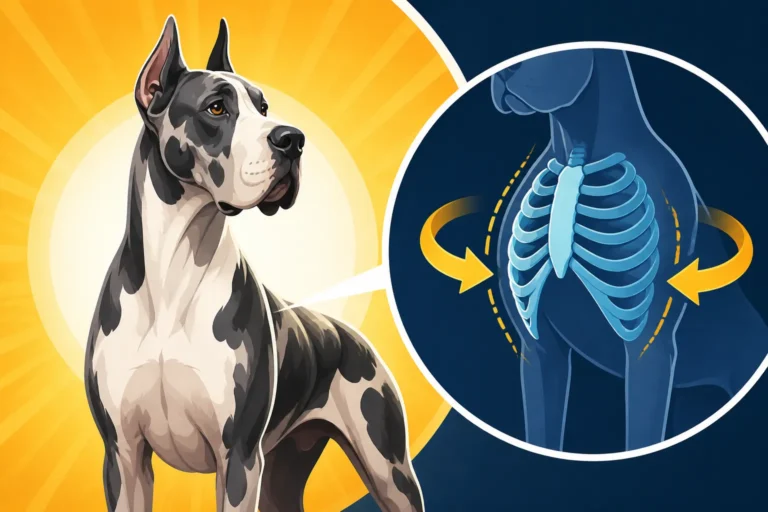
Dilated Cardiomyopathy is a primary disease of the heart muscle itself, leading to a progressive enlargement of the heart chambers. Think of your dog's heart as a muscular pump. In DCM, this pump becomes stretched and thinned, losing its ability to contract effectively and push blood out to the body. Initially, your Dane's heart might compensate, working harder to maintain circulation, so you might not see any outward signs right away. This is why DCM can be such a silent threat, often progressing unnoticed until the heart is significantly compromised.
Eventually, as the heart struggles more and more, blood can back up into the lungs, leading to fluid accumulation (pulmonary edema) and congestion. This is when you often start noticing symptoms like coughing, especially at night or when lying down, increased breathing rate, or a general lack of energy. You might find your usually enthusiastic dog is suddenly unable to finish a walk, or perhaps they're just not as keen on playtime as they used to be. Understanding How a Great Dane Heart Enlarges can give you a clearer picture of the physiological changes happening within your dog.
Diagnosing Heart Weakness: What the Vet Looks For
Catching DCM early is absolutely crucial for managing the disease and preserving your Dane's quality of life. Unfortunately, by the time many owners notice clear symptoms, the disease is already quite advanced. This is why regular health screenings, especially for a breed as predisposed as the Great Dane, are so important.
Your vet will start with a thorough physical examination, listening to your dog's heart for murmurs or abnormal rhythms. They might also check your Dane's pulse and breathing. However, to truly diagnose DCM and assess its severity, more advanced diagnostics are needed. An echocardiogram, often just called an "echo," is the gold standard. This is an ultrasound of the heart that allows a veterinary cardiologist to visualize the heart's structure and function in real-time. They can measure chamber sizes, wall thickness, and assess how efficiently the blood is pumping. An echo can tell them exactly What a Cardiologist Measures in a Great Dane Heart.
Other diagnostic tools might include:
- Electrocardiogram (ECG/EKG): This measures the electrical activity of the heart and can detect arrhythmias. Sometimes a Holter monitor (a wearable ECG) might be used for 24-48 hours to catch intermittent arrhythmias that might not be present during a brief vet visit.
- Chest X-rays: These can show if the heart is enlarged and if there's fluid accumulation in the lungs, indicating congestive heart failure.
- Blood tests: While not directly diagnostic for DCM, certain blood tests, like a proBNP, can indicate heart stress and provide prognostic information.
It's highly recommended that Great Dane owners consider Screening a Great Dane's Heart Each Year, especially as they approach middle age, even if they seem completely healthy. This proactive approach can make a significant difference in early detection and intervention.
Tailoring Activity Levels to Your Dane's Heart Health
Once your Great Dane has been diagnosed with a weak heart, especially if it's DCM, the days of unlimited romping and high-intensity play are likely behind them. It's a tough pill to swallow for many owners, who remember their Dane as a powerful, athletic dog. However, adjusting their activity is one of the most important things you can do to help manage their condition and extend their comfortable life.
Assessing Your Dane's Current Capacity
The specific activity restrictions will depend heavily on the stage of your Great Dane's heart disease and how well they are responding to medication. A dog in early, asymptomatic stages might tolerate more activity than one in advanced congestive heart failure. Your veterinary cardiologist will provide the most accurate assessment, but you'll also become an expert observer of your own dog's limitations.
Pay close attention to these indicators:
- Breathing: Is their breathing rate higher than usual after minimal exertion? Are they panting excessively?
- Coughing: Do they start coughing during or after activity? A Great Dane that coughs at night or during mild activity is a red flag.
- Energy Levels: Are they reluctant to go for a walk or play? Do they tire quickly? Does your Great Dane that cannot finish a walk indicate a cardiac issue?
- Gait and Balance: Are they stumbling or showing signs of weakness?
- Fainting: This is a severe sign. If you see Fainting in a Great Dane, stop all activity immediately and contact your vet.
It's a process of careful observation and adjustment. What might be fine one day could be too much the next, especially as the disease progresses or if there are other complicating factors.
Guidelines for Safe Exercise and Play
For Great Danes with heart disease, the goal of exercise shifts from "getting them worn out" to "maintaining muscle tone and mental well-being without stressing the heart." The key words here are low-impact, short duration, and frequent.
Here's a general guideline, but always defer to your vet's specific recommendations:
| Heart Disease Stage | Activity Recommendation | Examples of Appropriate Activity |
|---|---|---|
| Asymptomatic (Pre-clinical) | Moderate, regular exercise. Avoid extreme exertion. | Leash walks (20-30 min, 2-3x/day), light fetching, controlled play. |
| Mild Congestive Heart Failure (CHF) | Gentle, short walks. Avoid anything that causes heavy panting or coughing. | Short leash walks (10-15 min, 3-4x/day), gentle sniffing in the yard. |
| Moderate CHF | Very limited, slow leash walks. Primarily indoor activity. | Short bathroom breaks on leash, gentle petting, mental games. |
| Severe CHF/End-Stage | Minimal activity, only for bathroom needs. Focus on comfort. | Comfort care, gentle handling, no forced activity. |
You'll need to say goodbye to activities like:
- Running or jogging: This puts too much strain on the heart.
- Long hikes: Even a slow pace over varied terrain can be too much.
- Strenuous fetching or tug-of-war: Anything that involves bursts of energy or sustained high heart rates.
- Dog park visits: Uncontrolled play can quickly lead to overexertion.
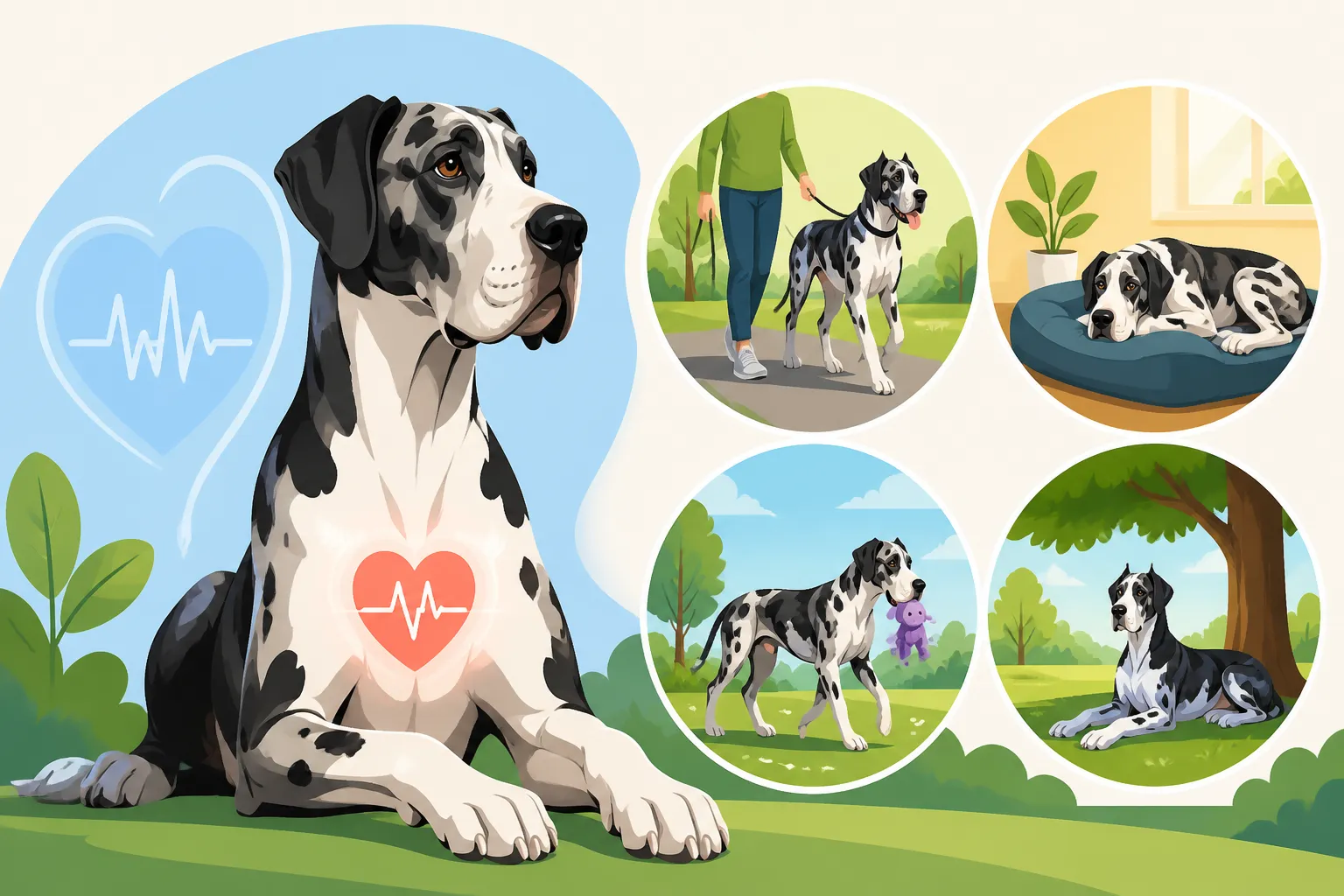
Instead, focus on slow, leisurely strolls in cool weather. Let them sniff and explore at their own pace. Think "sniffaris" rather than brisk walks. If they seem tired, it's time to stop and rest.
Recognizing the Signs of Overexertion
Being vigilant about the signs of overexertion is paramount. Your Great Dane can't tell you they're feeling unwell in words, so you need to be their advocate.
Signs to watch for during or after activity:
- Excessive Panting: More than expected for the activity level and temperature.
- Increased Respiratory Rate: Count their breaths per minute when they are at rest. If it's significantly higher after activity, that's a sign. (Normal resting rate is typically 15-30 breaths per minute).
- Coughing: Any coughing during or after activity is a warning sign.
- Weakness or Lethargy: Stumbling, reluctance to move, or profound tiredness.
- Blue or Pale Gums: This indicates poor oxygenation and is an emergency.
- Distended Abdomen: In advanced heart failure, fluid can accumulate in the abdomen (ascites).
If you notice any of these signs, immediately stop the activity and allow your Dane to rest in a cool, quiet place. If symptoms persist or worsen, contact your vet immediately. It's a delicate balance, as you want them to have some physical activity for their well-being, but not at the expense of their heart.
Living Day-to-Day with a Heart-Compromised Great Dane
Living with a Great Dane diagnosed with a weak heart is a daily commitment to careful management and unwavering love. It’s not just about medication; it’s about creating an environment and routine that supports their fragile system.
Adapting Daily Routines and Environment
Think about how you can simplify your Dane's life to minimize stress on their heart. This involves subtle changes that can make a huge difference.
- Stairs: If your home has stairs, try to limit their use. If unavoidable, guide your Dane slowly and ensure they take breaks. Consider ramps for easy access to vehicles or elevated furniture, especially as they get older or weaker. Remember, a Great Dane that collapses and recovers after exertion, especially stairs, is a serious sign.
- Temperature Control: Extreme temperatures can be very hard on a heart-compromised dog. Keep your home cool in the summer and warm in the winter. Avoid walks during the hottest parts of the day. A thin-coated breed like a Great Dane might also benefit from a coat in colder weather.
- Stress Reduction: Stress elevates heart rate and blood pressure, which is detrimental to a weak heart. Maintain a consistent routine, provide a calm environment, and avoid sudden changes or loud noises. For some Danes, even a busy household can be a source of stress.
- Comfortable Resting Spots: Ensure your Great Dane has easy access to comfortable, well-cushioned beds. This is always important for a giant breed to protect their joints, but especially crucial for a dog who will be spending more time resting. Look for orthopedic beds designed for large breeds that offer good support.
These seemingly small adjustments contribute significantly to reducing the overall workload on your dog's heart, allowing them to conserve energy and feel more comfortable.
The Role of Medication and Consistent Veterinary Care
Medication is the cornerstone of managing DCM and other heart conditions in Great Danes. These aren't curative, but they are vital for managing symptoms, improving heart function, and often extending quality of life. Your vet, and ideally a veterinary cardiologist, will prescribe a tailored regimen.
Common medications include:
- Pimobendan (Vetmedin): This is often considered a miracle drug for DCM. It helps the heart muscle contract more forcefully and dilates blood vessels, reducing the heart's workload. Pimobendan for a Great Dane can make a significant difference in their energy levels and comfort.
- Diuretics (e.g., Furosemide): These help remove excess fluid from the body, preventing or reducing pulmonary edema (fluid in the lungs) and ascites (fluid in the abdomen) that accompany congestive heart failure.
- ACE Inhibitors (e.g., Enalapril, Benazepril): These medications help relax blood vessels, reducing the effort the heart needs to pump blood.
- Anti-arrhythmics: If your Dane has abnormal heart rhythms, specific medications may be prescribed to stabilize the heart rate.
Consistency is key. Administering medications exactly as prescribed, at the correct times, is non-negotiable. Missing doses or giving incorrect amounts can set back treatment and put your Dane at risk. Regular follow-up appointments with your vet or cardiologist are also critical. They will monitor your dog's response to medication, adjust dosages as needed, and perform repeat diagnostics like chest X-rays or echocardiograms to track disease progression. This ongoing care helps to maximize How long a Great Dane lives after heart failure diagnosis.
Navigating Emotional and Financial Burdens
Let's be real: caring for a Great Dane with a weak heart is not just physically demanding; it's emotionally draining and can be incredibly expensive. The constant worry, the fear of losing them, and the guilt you might feel if you can't afford every cutting-edge treatment are heavy burdens.
The cost of diagnostic tests, ongoing medications (especially at Great Dane dosages), and emergency visits can quickly add up to thousands of dollars. It’s a frustrating reality that the bigger the dog, the bigger the bill. This is where pet insurance can be an absolute lifeline. Companies like Healthy Paws offer comprehensive accident and illness plans that can cover a significant portion of these costs. Enrolling your Great Dane in pet insurance before any symptoms of heart disease appear is crucial, as most policies consider existing conditions ineligible for coverage. If you're looking at managing a long-term condition like DCM, having that financial safety net from Healthy Paws can alleviate some of the stress and allow you to focus on your dog's care without constant worry about the vet bill. It’s worth investigating a policy with Healthy Paws to ensure you can provide the best possible care without breaking the bank.
Emotionally, it's vital to lean on your support system – family, friends, and your veterinary team. Don't be afraid to express your feelings. Connect with other Great Dane owners who have gone through similar experiences; online forums and local groups can be invaluable sources of shared wisdom and empathy.
Maintaining Quality of Life for Your Beloved Giant
Even with a compromised heart, your Great Dane can still have a wonderful, fulfilling life. The focus shifts from physical prowess to comfort, companionship, and gentle joy.
Mental Stimulation and Enrichment
Since physical activity is limited, mental enrichment becomes even more important. A bored Great Dane can become destructive or depressed, neither of which is good for their overall health.
- Puzzle Toys: Invest in puzzle feeders and toys that dispense treats slowly. This makes mealtime an engaging activity and slows down eating, which can be beneficial for digestion and overall gut health in Danes. Just ensure the toys are robust enough for a Dane and can't be swallowed.
- Scent Work: Simple "find the treat" games around the house or yard can be incredibly stimulating. Hide treats in different spots and let your Dane use their powerful nose.
- Gentle Training Sessions: Continue with short, positive reinforcement training sessions. Reviewing basic commands like "sit," "stay," "down," or teaching new, low-impact tricks keeps their mind sharp and strengthens your bond.
- New Scents and Environments: Even if walks are short, take them to different, quiet locations occasionally. A new patch of grass or a quiet park can offer a wealth of new smells to explore, providing mental engagement without physical exertion.
These activities keep their minds active and prevent boredom, which can often manifest as anxiety or destructive behaviors, further stressing their system.
Nutritional Support and Weight Management
Diet plays a critical role in supporting a Great Dane with heart disease. Your vet or cardiologist will likely provide specific dietary recommendations, especially if your dog is on diuretics.
- Sodium Restriction: Reducing sodium intake is often recommended, particularly for dogs in congestive heart failure. Excess sodium can lead to fluid retention, exacerbating the symptoms. Your vet might suggest a prescription cardiac diet, which is carefully formulated to be low in sodium while still providing all essential nutrients. Avoid salty treats or human foods.
- Balanced Diet: Ensure they are receiving a complete and balanced diet appropriate for their age and condition. High-quality protein sources are important for maintaining muscle mass.
- Omega-3 Fatty Acids: Supplements like fish oil, rich in EPA and DHA, may have anti-inflammatory effects and can be beneficial for heart health. Always discuss any supplements with your vet before adding them to your Dane's regimen.
- Weight Management: Keeping your Great Dane at a lean body weight is absolutely crucial. Every extra pound puts additional strain on an already struggling heart. Your vet can help you determine the ideal body condition score for your Dane and adjust their food intake accordingly. It's about finding that balance between a full meal and maintaining a healthy weight to reduce the burden on their cardiovascular system. For more on dietary adjustments, consider reading about Feeding a Great Dane on Heart Medication.
Knowing When It's Time for Difficult Decisions
This is perhaps the hardest part of caring for any pet, but especially a giant breed with a progressive disease. DCM is relentless, and at some point, despite all your best efforts and medications, the disease will progress.
You'll need to continuously assess your Great Dane's quality of life. This isn't about one bad day, but about their overall trend.
- Are they still enjoying their favorite gentle activities?
- Are they able to eat and drink comfortably?
- Is their breathing consistently labored, even at rest?
- Are they experiencing pain that can't be controlled?
- Do they have more bad days than good?
Your vet and veterinary cardiologist will be your most important allies in this assessment. They can help you understand the progression of the disease and discuss humane options when the time comes. This conversation is never easy, but it’s a final act of love and responsibility to ensure your beloved Great Dane doesn't suffer. Considering the article Knowing When a Great Dane Is Done can provide a framework for these incredibly difficult decisions.
It takes an incredible amount of dedication and love to care for a Great Dane with a weak heart. While their active days may be limited, the bond you share and the comfort you provide in their twilight years are immeasurable.
Disclaimer
The information provided in this article is for educational purposes only and is not intended to be a substitute for professional veterinary advice, diagnosis, or treatment. Always seek the advice of your veterinarian or other qualified animal health provider with any questions you may have regarding a medical condition.