The First Wobbler Signs in a Great Dane
It's incredibly distressing to notice your magnificent Great Dane starting to falter, perhaps taking an odd stumble or dragging a paw. These subtle, often confusing changes can be the first whispers of a serious neurological condition known as Wobbler Syndrome, and understanding these initial signs is crucial for getting your gentle giant the help they need. This guide will walk you through what to look for, why it happens, and what steps to take when you suspect something is amiss.
Understanding Wobbler Syndrome in Great Danes
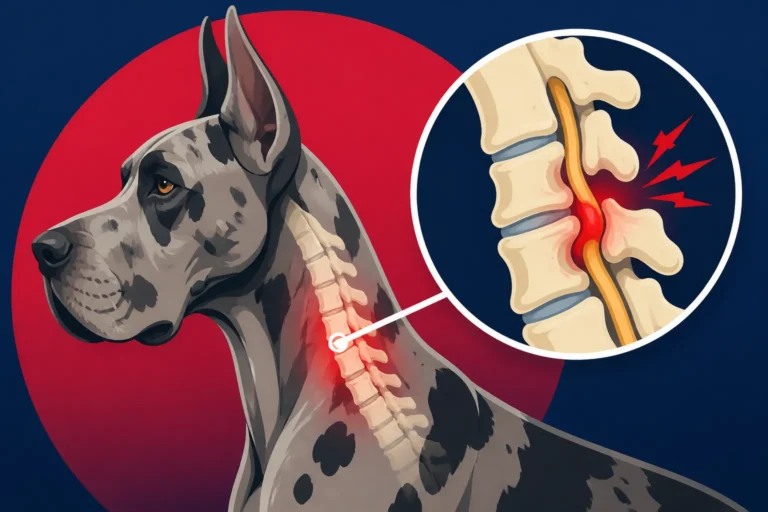
Watching a Great Dane move with grace is truly something to behold, but when that smooth stride becomes uneven or hesitant, it’s natural to feel a knot of worry. Wobbler Syndrome, or more scientifically, cervical spondylomyelopathy (CVI), is a condition that directly affects a dog's spinal cord in the neck region. It’s not just a minor gait issue; it's a significant neurological challenge where the spinal cord or its nerve roots become compressed, leading to a variety of symptoms, most notably a characteristic wobbly walk.
This compression can stem from a few different culprits, including malformed vertebrae, bulging or herniated discs, or even an overgrowth of ligamentous tissue, all narrowing the crucial space where the spinal cord resides. Imagine a garden hose with a kink in it – the water flow is restricted. Similarly, nerve signals struggle to pass efficiently from the brain to the rest of the body when the spinal cord is compressed, leading to the clinical signs we observe. While other large breeds can be affected, Great Danes are, unfortunately, among those disproportionately prone to this condition.
What Exactly Is Wobbler Syndrome?
At its heart, Wobbler Syndrome is a degenerative disease that primarily impacts the cervical spine—that's the neck part of the backbone—of large and giant breed dogs. The term "wobbler" perfectly describes the unsteady, uncoordinated gait that is the hallmark of the condition. This isn't just clumsiness; it's a profound disruption in the neurological pathways responsible for coordinated movement, particularly in the hind limbs, but often affecting all four.
The spinal cord acts as the main information highway between the brain and the body, carrying all the commands for movement, sensation, and vital functions. When this highway is squeezed or pinched in the neck, those signals get interrupted, garbled, or even completely blocked. This results in the dog’s inability to properly sense where their limbs are in space (proprioception) and to execute smooth, controlled movements. It’s a condition that can range from mild unsteadiness to severe paralysis, making early detection and intervention incredibly important.
Why Great Danes Are Susceptible
Great Danes are undeniably magnificent, but their rapid growth rate and unique conformation come with certain predispositions to health issues. When it comes to Wobbler Syndrome, their genetic makeup plays a significant role. Breeders and veterinarians have observed a higher incidence in Danes, suggesting a heritable component that influences the development of their cervical vertebrae and surrounding tissues. This isn't something owners cause; it's often a predisposition bred into the lines.
Beyond genetics, the sheer size and structure of a Great Dane's neck and spine contribute to their susceptibility. They have a long, powerful neck supporting a large head, which naturally puts a lot of stress on the cervical vertebrae. Their rapid growth as puppies can sometimes lead to developmental anomalies in the bone and connective tissues of the neck. For instance, sometimes a Great Dane puppy experiences Growth Disorders in a Great Dane Puppy, which can lay the groundwork for instability in the spine later on. The ligaments and discs in their neck can become unstable or hypertrophy (overgrow) at a young age, leading to the spinal cord compression that defines Wobbler Syndrome. Understanding Why Great Dane Neck Vertebrae Pinch the Cord helps us grasp the mechanical challenges these giant breeds face.
Early Warning Signs and Subtle Changes
Recognizing the earliest signs of Wobbler Syndrome in your Great Dane can be tricky because they can be subtle and might easily be mistaken for simple clumsiness or a momentary misstep. However, paying close attention to these initial indicators is paramount, as early intervention can significantly impact the long-term prognosis and quality of life for your dog. It's about noticing those tiny deviations from their normal, majestic stride.
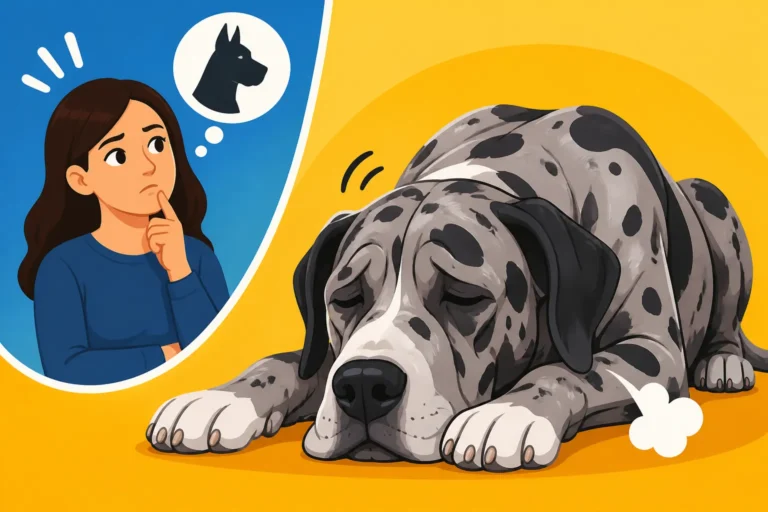
Often, owners first notice something isn't quite right when their dog seems to be walking differently, or perhaps struggling with tasks they used to do with ease. The symptoms typically progress slowly, which can make them even harder to pinpoint. This is why being hyper-aware of your Dane's usual movements and habits is so important; you are their best advocate.
The Tell-Tale Gait Changes
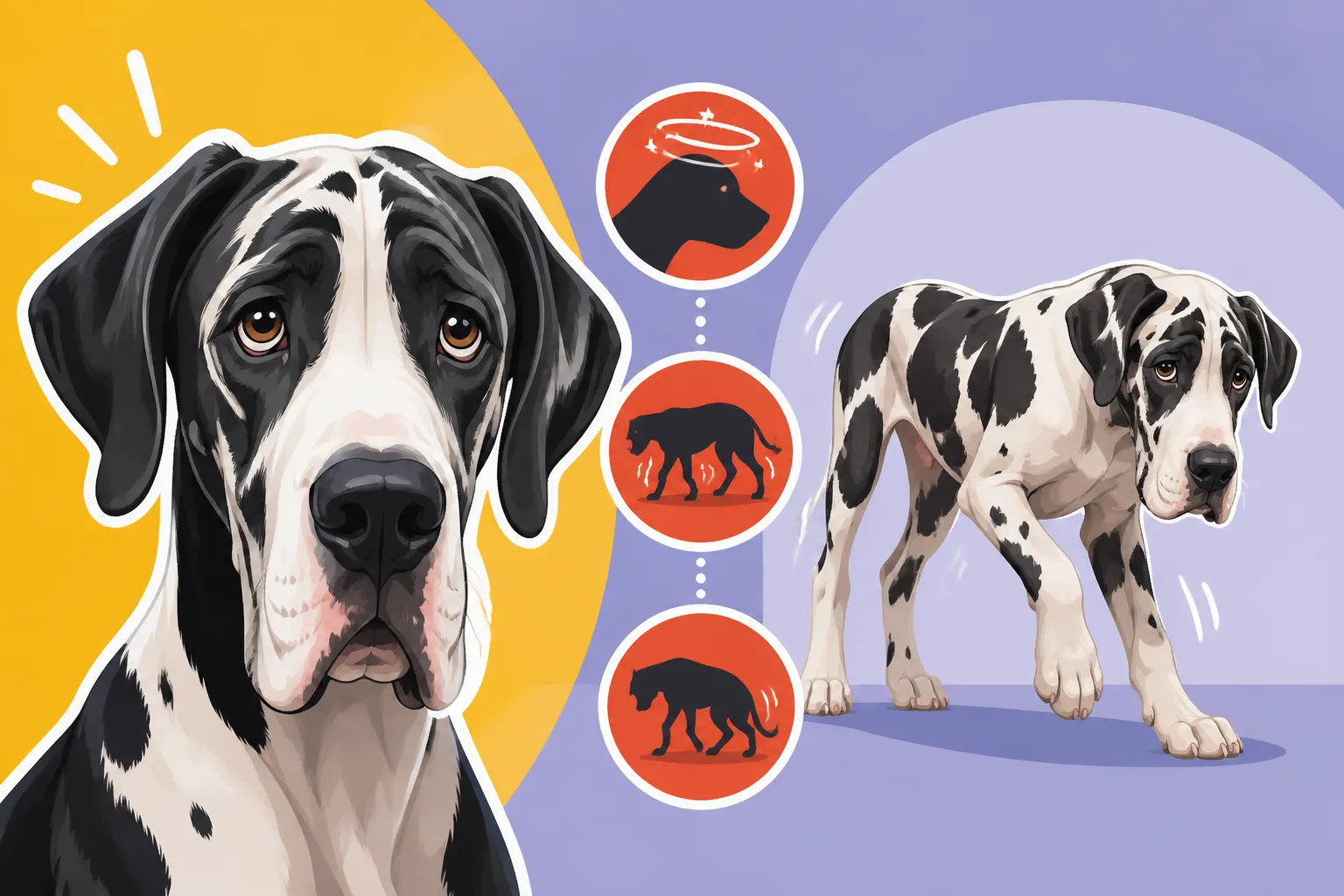
The most classic and often first noticeable sign of Wobbler Syndrome is a change in your Great Dane's gait. They might start to walk with a peculiar, uncoordinated motion, often described as a "wobbly" or "drunken" walk. This unsteadiness is usually more pronounced in the hind limbs, leading to a distinct sway or a tendency for the hind end to cross over itself. You might specifically notice A Great Dane That Stumbles on Its Back Legs more frequently than before, perhaps after waking up or during quick turns.
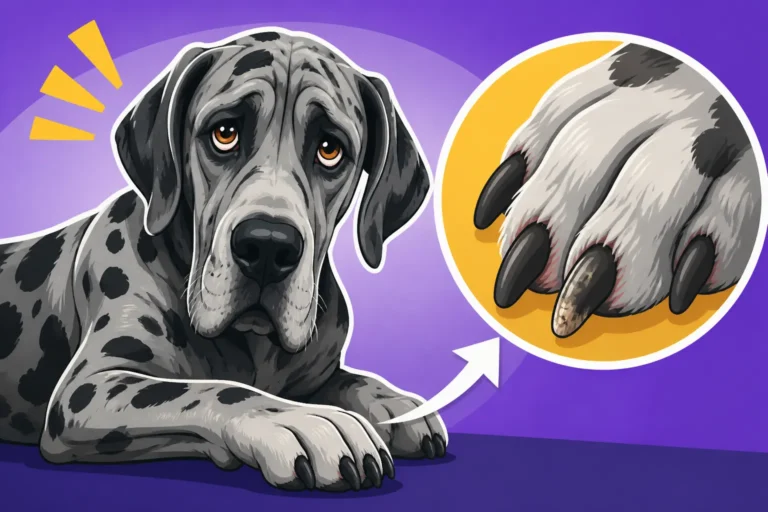
Another critical, yet often overlooked, indicator is the condition of their rear paws. Dogs with Wobbler Syndrome frequently drag their back feet slightly as they walk due to poor proprioception – their brain isn't receiving accurate information about where their feet are in space. This dragging leads to a tell-tale sign: Scuffed Back Nails on a Great Dane. You'll see the tops of their nails, especially the middle two, worn down or even bleeding, sometimes even showing damage to the top of the paw itself. This isn't just from playing; it's a sign of neurological compromise. They might also struggle with balance, find it difficult to stand up from a lying position, or hesitate when approaching stairs or jumping into a car.
Beyond Just Walking – Other Neurological Clues
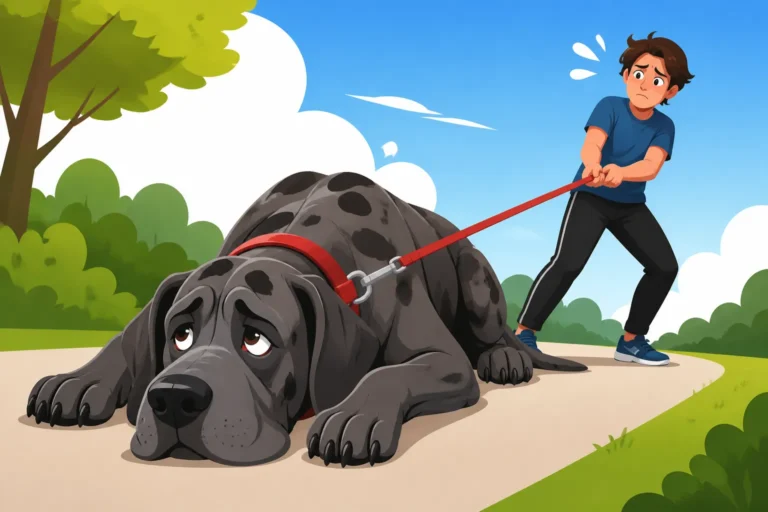
While gait changes are prominent, Wobbler Syndrome can manifest in other, more subtle neurological ways. You might observe a general weakness that seems to come and go, or a reluctance to engage in activities they once loved, such as long walks or energetic play. This weakness can make them appear less stable overall, even when not actively walking. Owners might report that their Dane seems "off" or "not quite right."
Additionally, look closely at how your Dane moves their front legs. Sometimes, dogs with Wobbler Syndrome will take shorter, stiffer strides with their front legs, almost as if they're compensating for the instability in their rear. This can be a subtle way the body tries to rebalance itself. As the condition progresses, you might notice muscle atrophy, particularly in the shoulders and hindquarters, even if your dog is still relatively active. This muscle loss occurs because the compromised nerve signals aren't effectively stimulating muscle activity. Furthermore, while less common in early stages, some Great Danes may show signs of neck pain, manifesting as whining when touched in the neck area, holding their head in an unusual position, or a general stiffness and reluctance to move their neck from side to side or up and down.
When to Seek Veterinary Attention
Spotting these early signs can be unsettling, and it's easy to dismiss them as an awkward phase or just normal aging, especially when dealing with such a large, sometimes clumsy breed. However, with a condition like Wobbler Syndrome, time is often of the essence. The minute you notice any of the gait changes or neurological clues mentioned, it's crucial to reach out to your veterinarian. Procrastination can lead to the progression of nerve damage, potentially making treatment more challenging and outcomes less favorable.
Remember, your Great Dane relies on you to notice when something is wrong. Even if you're not entirely sure, a professional evaluation is always the best course of action. It's better to be overly cautious than to regret not seeking help sooner. This proactive approach can make a world of difference in managing the condition and preserving your dog's quality of life.
Recognizing the Urgency
Any suspicion of Wobbler Syndrome in your Great Dane should be treated with immediate veterinary attention. This isn't a "wait and see" situation. Early diagnosis is key, not just for confirming the condition, but also for identifying the specific type and severity of spinal cord compression. The quicker you act, the sooner a tailored management plan can be put into place, potentially slowing the progression of the disease and mitigating further neurological deficits.
Think of it this way: the spinal cord is delicate, and sustained compression can lead to irreversible damage to nerve cells. Every day that passes with unaddressed compression increases the risk of permanent neurological impairment. While it's a huge emotional and often financial undertaking, understanding that you are giving your dog the best possible chance at a more comfortable and functional life underscores the urgency. Many pet insurance providers, like Healthy Paws, recognize the critical need for prompt diagnostic work-ups in these situations, and a comprehensive policy can be a true lifesaver for managing the initial investigative costs.
Diagnostic Steps and What to Expect
When you bring your Great Dane to the vet with suspected Wobbler Syndrome, the diagnostic process will typically begin with a thorough physical and neurological examination. Your veterinarian will assess your dog's gait, reflexes, balance, and proprioception, carefully looking for the classic signs of CVI. They'll also check for any signs of pain or stiffness in the neck.
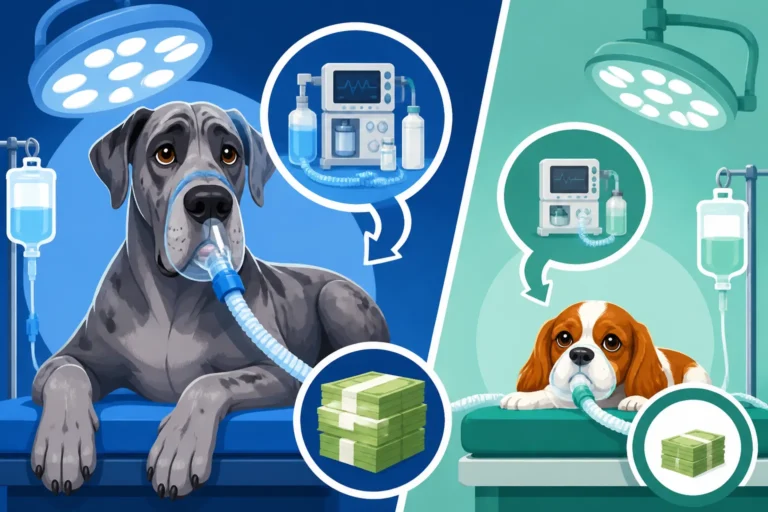
However, a definitive diagnosis requires advanced imaging. Standard X-rays can sometimes show vertebral abnormalities, but they don't provide a clear view of the spinal cord itself. For precise diagnosis, your vet will likely recommend a CT scan or, ideally, an MRI. These sophisticated imaging techniques allow veterinarians to visualize the soft tissues, pinpoint the exact location and nature of the spinal cord compression, and determine its severity. What Shows Up on a Great Dane Spinal Scan can vary, but these scans are indispensable for guiding treatment decisions. It's no secret that these advanced diagnostics can be expensive, highlighting why having pet insurance from a reputable provider like Healthy Paws can alleviate a significant portion of this financial stress, allowing you to focus on your dog's care without added worry.
Management and Treatment Options
Once a diagnosis of Wobbler Syndrome is confirmed, your veterinarian, possibly in consultation with a veterinary neurologist, will discuss a range of management and treatment options tailored to your Great Dane's specific condition. The approach will depend on several factors, including the severity of the spinal cord compression, the dog's age, overall health, and the financial and emotional capacity of the owners. It's a journey, and understanding the paths available will help you make informed decisions for your beloved companion.
The goal of any treatment is to reduce pain, stabilize the spine, alleviate spinal cord compression, and ultimately improve or maintain the dog's quality of life. There isn't a one-size-fits-all solution, and sometimes a combination of therapies works best.
Conservative Management Strategies
For Great Danes with milder signs of Wobbler Syndrome, or those where surgery isn't an immediate option, conservative management is often the first line of defense. This approach focuses on reducing inflammation, minimizing further damage, and supporting the dog through non-surgical means. A key component is often rest and activity modification. Your vet might prescribe Steroids and Crate Rest for a Wobbler Dane to help decrease inflammation around the spinal cord and limit movements that could worsen the compression.
Beyond medication, physical therapy plays a vital role. This can include controlled exercises, hydrotherapy (underwater treadmill), and even acupuncture, all aimed at strengthening core muscles, improving balance, and maintaining range of motion without putting undue stress on the neck. Lifestyle adjustments are also critical. For instance, Swapping a Great Dane's Collar for a Harness is highly recommended, as a harness distributes pressure across the chest and shoulders, avoiding direct pressure on the sensitive neck area that a collar would exert. Additionally, using elevated food and water bowls can help prevent your Dane from bending their neck excessively while eating and drinking. The costs for these ongoing therapies and specialist consultations can add up, but many pet insurance plans, including those from Healthy Paws, offer coverage for rehabilitation services, making these crucial treatments more accessible.
Surgical Interventions
For Great Danes with moderate to severe signs of Wobbler Syndrome, or those whose condition doesn't improve with conservative management, surgery may be the most effective long-term solution. The decision of Whether Wobbler Surgery Suits a Great Dane is a complex one, made in close consultation with a veterinary neurologist and surgeon. The goal of surgery is typically to decompress the spinal cord and stabilize the affected vertebrae, preventing further damage.
There are various surgical techniques, each with its own benefits and risks. These can include ventral slot procedures, dorsal laminectomy, or distraction-stabilization techniques, often involving implants like screws and plates to fuse unstable vertebrae. The specific approach will depend on the exact cause and location of the compression as identified by the MRI or CT scans. Recovery from Wobbler surgery is a significant undertaking, requiring intensive post-operative care, pain management, and often several months of rehabilitation. While surgery can offer a dramatically improved quality of life for many Danes, it's a major procedure with considerable costs. This is where comprehensive pet insurance from a provider like Healthy Paws truly shines, as it can significantly mitigate the substantial financial burden associated with complex surgical procedures and subsequent recovery.
Living with a Great Dane with Wobbler Syndrome
Receiving a Wobbler Syndrome diagnosis for your Great Dane is a lot to process. It’s natural to feel overwhelmed, but with the right care, support, and adaptations, many Great Danes can continue to live fulfilling lives. This condition often requires a long-term commitment to management, which means integrating specific strategies into your daily routine and continuously monitoring your dog’s well-being.
It’s about more than just medication; it’s about creating an environment that supports their physical limitations while cherishing their gentle spirit. Your role as their advocate becomes even more profound, ensuring they receive consistent care and adjustments as their needs evolve.
Adapting Your Home Environment
Making your home safe and accessible is paramount when living with a Great Dane with Wobbler Syndrome. Start by addressing flooring: slippery surfaces like tile or hardwood can be dangerous for a dog with an unsteady gait. Lay down non-slip mats or runners, especially in high-traffic areas and near food and water bowls, to provide better traction. Ramps can be incredibly useful for helping your Dane get into and out of vehicles, or navigate a few steps around the house, reducing strain on their neck and back.
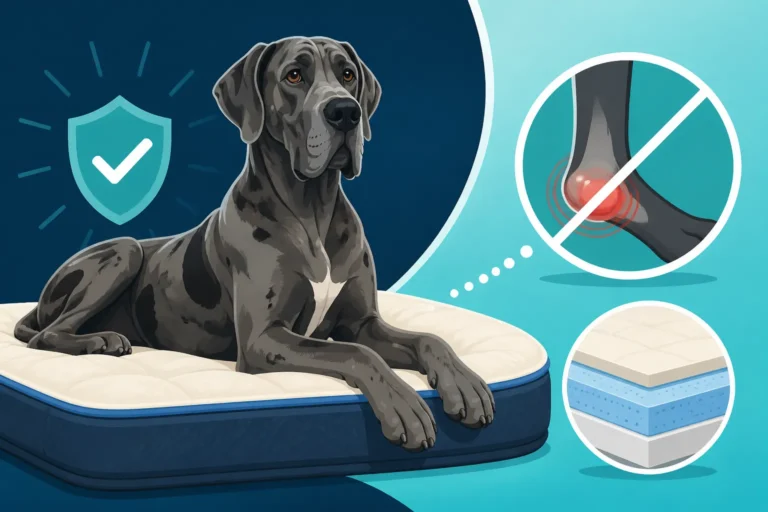
Consider elevated food and water bowls to allow your Great Dane to eat and drink without lowering their head excessively, which can exacerbate neck compression. Orthopedic beds, thick enough to cushion their large joints and provide proper support, are essential for comfortable rest and reducing pressure points. Furthermore, for dogs with significant mobility issues, a specialized sling, like one used for Supporting a Great Dane's Back End With a Sling, can be invaluable for assisting them with standing, walking, or going potty, providing the support they need while preventing further injury.
Ongoing Care and Quality of Life
Living with Wobbler Syndrome is an ongoing journey that requires consistent, dedicated care. Regular veterinary check-ups are crucial to monitor the progression of the disease and adjust medication dosages or therapies as needed. Adhering strictly to prescribed medications, whether for pain management or anti-inflammatory purposes, is vital for your Dane's comfort and function.
Physical rehabilitation, even after surgery, often becomes a long-term commitment. This might include continued at-home exercises, periodic professional physical therapy sessions, or even complementary therapies like acupuncture. It's important to keep a close eye on your dog for any signs of worsening symptoms, as Whether Great Dane Wobblers Get Worse can vary from dog to dog. Be vigilant for increased stumbling, weakness, or pain, and communicate any changes immediately to your vet. The peace of mind that comes with knowing ongoing vet visits, specialist consultations, and prescribed medications are financially supported by a comprehensive pet insurance plan, such as those offered by Healthy Paws, allows you to truly focus on maintaining your Great Dane's comfort and quality of life. With love, vigilance, and appropriate medical and environmental support, many Great Danes with Wobbler Syndrome can still enjoy many happy years as cherished family members.
| Early Wobbler Syndrome Sign | What It Looks Like | What It Indicates |
|---|---|---|
| "Wobbly" or Drunken Gait | Unsteady, uncoordinated movement, especially in the hindquarters; swaying from side to side. | Loss of proprioception (awareness of limb position) due to spinal cord compression. |
| Scuffed Rear Paw Nails | Tops of the nails, particularly the middle ones, are worn down or raw; top of paw may be scraped. | Dog is dragging its back feet due to neurological weakness or inability to lift them properly. |
| Difficulty with Stairs/Jumping | Hesitation or inability to climb stairs, get into a car, or jump onto furniture. | Weakness, pain, or lack of coordination making movement challenging and potentially painful. |
| Short-Strided Front Legs | Front legs take abnormally short, stiff steps while hind legs may appear to "over-reach." | Compensatory mechanism where the dog tries to stabilize itself with the front end due to hindquarter weakness. |
| Reluctance to Move Neck | Holding head low, stiff neck, refusal to turn head, or whining when neck is touched. | Pain or discomfort in the cervical spine due to inflammation or compression. |
| General Weakness/Fatigue | Less energy, tires easily, struggles to rise after resting. | Overall neurological impairment affecting muscle strength and endurance. |
| Muscle Atrophy | Visible thinning of muscle mass, particularly in shoulders or hindquarters. | Chronic nerve damage leading to underuse and wasting of affected muscles. |
Disclaimer
The information provided in this article is for general informational purposes only and is not a substitute for professional veterinary advice. Always consult with a qualified veterinarian for any health concerns or before making any decisions about your Great Dane's health or treatment plan.