Whether to Treat or Let a Great Dane Go
The decision of whether to continue treatment for a beloved Great Dane or make the heartbreaking choice to say goodbye is one of the most agonizing experiences any dog owner will face. It's a deeply personal and emotionally charged journey, often clouded by guilt, hope, and an overwhelming desire to do what's best for your gentle giant. This guide aims to offer a compassionate framework for navigating these difficult waters, helping you assess your Dane's quality of life and make an informed decision when the time comes.
The Heartbreaking Question: When is it Time?
Watching your vibrant, loving Great Dane slow down, struggle with everyday tasks, or lose their sparkle is incredibly tough. You spend years marveling at their size, their goofy antics, and their unwavering loyalty, and then suddenly, you're faced with their mortality. This isn't a decision anyone takes lightly, and there's no single right answer, but rather a journey of careful observation, open communication with your vet, and profound love.
Objectively Assessing Your Dane's Daily Life
It’s easy to get caught up in our emotions and remember the good days, even when the bad days are starting to outweigh them. To truly understand your Great Dane's current state, it’s crucial to try and assess their daily life as objectively as possible. Think about the fundamental aspects of their well-being. Are they still eating and drinking without severe difficulty? Do they have control over their bladder and bowels, or are accidents becoming a frequent occurrence, causing them stress or discomfort? Mobility is often one of the first things to decline in a large breed like a Great Dane. Are they able to stand up without assistance? Can they move around the house to get to their favorite spots or relieve themselves outside? A Great Dane that needs help just to get to their feet is likely experiencing significant discomfort.
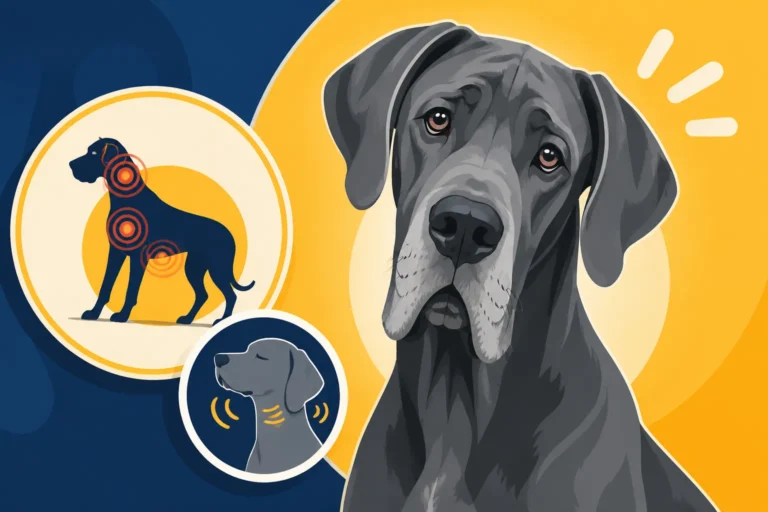
Consider their engagement with the world around them. Do they still show interest in toys, walks, or interacting with family members? While a senior Great Dane might naturally sleep more, a complete lack of interest in previously enjoyed activities, a refusal to eat their favorite treats, or a withdrawal from social interaction can be significant indicators that their quality of life has diminished. For many owners, it’s a subtle shift at first, perhaps just a little less enthusiasm for a walk, or a few more naps. But over time, these small changes can accumulate into a profound alteration in their day-to-day existence. It's important to remember that Danes are masters of stoicism; they often hide their pain until it becomes severe. Learning to recognize the more subtle signs of discomfort, such as restless pacing, panting, or changes in posture, is key. When assessing if your Great Dane is "done," consider their overall picture, not just isolated symptoms.
The Emotional Toll of Witnessing Decline
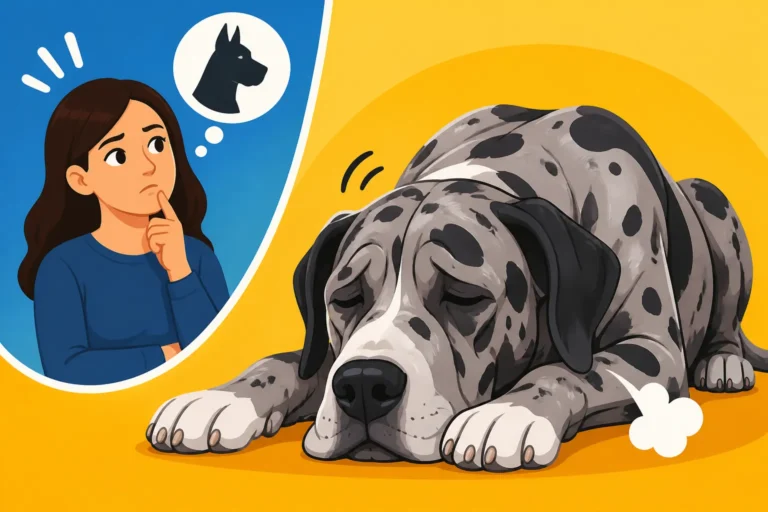
Witnessing the decline of your cherished Great Dane can be an incredibly draining and emotionally challenging experience. You're not just observing a pet; you're watching a family member, a loyal companion, struggle. This can lead to a rollercoaster of emotions – sadness, frustration, anger, and immense guilt. You might question if you're doing enough, if you're making the right choices, or if you're prolonging suffering for your own sake. These feelings are completely normal and valid. It’s hard to reconcile the powerful, majestic dog you once knew with the frail creature who now depends so heavily on you.
Many owners experience a sense of anticipatory grief, mourning the loss of their dog even before they are gone. This ongoing sadness can be exhausting. It’s important to acknowledge these feelings and give yourself permission to feel them. Trying to suppress these emotions can make the process even harder. Remember, the bond you share with your Great Dane is profound, and their physical decline impacts you deeply. Don't underestimate the emotional weight of this journey. Allow yourself grace, and understand that wanting to ease their pain, even if it means immense personal sorrow, is a testament to the depth of your love.
Navigating the Medical Landscape of a Senior Dane
As Great Danes approach their golden years, typically around The Great Dane Years That Count as Senior, they become more susceptible to a range of health issues that can severely impact their quality of life. Understanding these common ailments and the options available for treatment, or simply comfort, is crucial for making informed decisions.
Understanding Common End-Stage Great Dane Ailments
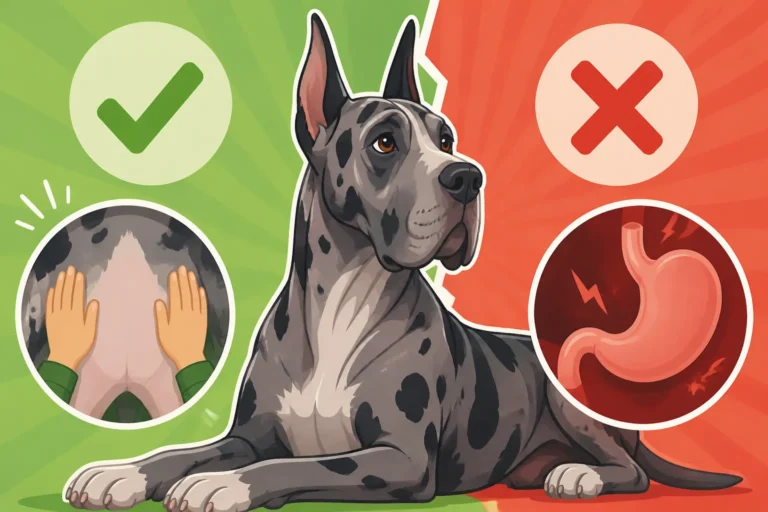
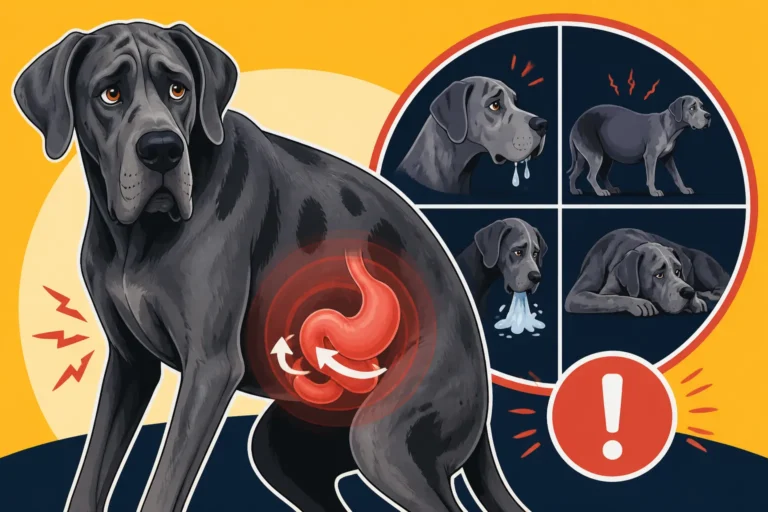
Great Danes, unfortunately, are prone to certain health challenges that can become debilitating in their later years. One of the most terrifying is bloat, or gastric dilatation-volvulus (GDV). This life-threatening condition, where the stomach fills with gas and can twist, requires immediate emergency surgery. While a gastropexy can reduce the risk of twisting, the threat still looms, and a Great Dane can bloat twice. Even if your Dane has had this procedure, the underlying digestive issues might persist and impact their overall health.
Cardiac diseases, particularly Dilated Cardiomyopathy (DCM), are also tragically common in the breed. The Heart Muscle Disease Great Danes Are Prone To often progresses silently until signs like coughing, lethargy, or even fainting become apparent. Managing DCM involves a cocktail of medications, and while these can extend life, they don't cure the disease. The decline can be slow and steady, or quite sudden, making decisions about their comfort paramount.
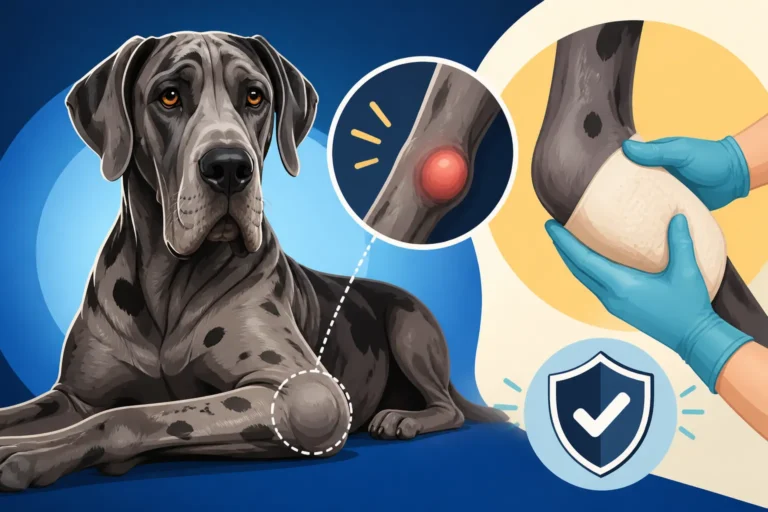
Then there's bone cancer, or osteosarcoma, which can strike these large breeds with cruel speed. A Great Dane may develop a sudden limp, and quickly, the pain becomes unbearable. While amputation and chemotherapy can extend life, the quality of that extended time needs careful consideration, especially for a dog of this size. Other conditions like severe arthritis, Wobbler’s Syndrome (a neck condition that can cause stumbling), or organ failure can also lead to a severe decrease in a Great Dane's comfort and mobility. Knowing what Great Danes most often die of can help prepare you for some of these possibilities.
Evaluating Treatment Options vs. Palliative Care
When faced with a serious diagnosis, you'll inevitably discuss treatment options with your veterinarian. For some conditions, like certain cancers or advanced heart failure, aggressive treatments might be available. These treatments, while potentially extending life, can often be invasive, require frequent vet visits, and come with significant side effects that can further diminish your Dane's comfort. For instance, chemotherapy can cause nausea and fatigue, and extensive surgeries require long, painful recoveries. You must weigh the potential benefits of such interventions against the quality of life your Great Dane will experience during and after them. Is the goal truly to cure, or is it merely to prolong life that is already compromised?
This is where palliative care, or comfort care, becomes incredibly important. Instead of focusing on a cure, palliative care aims to alleviate pain and discomfort, ensuring your Great Dane’s remaining days are as peaceful and enjoyable as possible. This might involve daily pain medications, anti-inflammatory drugs, supplements for joint health, physical therapy, or even alternative therapies like acupuncture. It's about managing symptoms rather than fighting the disease itself. For a Great Dane struggling with severe arthritis, for example, a tailored pain management plan and soft bedding might offer more genuine relief than invasive surgery. Sometimes, even simple adjustments like raised food bowls or non-slip rugs can significantly improve their daily comfort.
Financially, treatments for large breeds can be astronomical. Major surgeries, long-term medications, and frequent specialist visits can quickly add up. This is where having pet insurance, such as a plan from Healthy Paws, can make a significant difference. Policies from companies like Healthy Paws can help cover a substantial portion of these unexpected veterinary bills, allowing you to make decisions based on your dog's well-being rather than your wallet. However, even with insurance, difficult decisions about what constitutes a reasonable extension of life versus prolonged suffering will always remain. It's a conversation to have openly with your vet about the realistic outcomes and the impact on your Dane.
Creating a Compassionate End-of-Life Plan
Approaching the end of your Great Dane's life with a plan, rather than reacting in crisis, can bring a surprising amount of peace to a truly agonizing situation. It allows you to make decisions thoughtfully and ensure your beloved companion's dignity is preserved.
The "Good Days vs. Bad Days" Approach
One incredibly helpful tool for many Great Dane owners facing this decision is the "Good Days vs. Bad Days" calendar or journal. This isn't about ignoring reality, but rather about creating a tangible record of your dog's quality of life over a period of time. Each day, take a few moments to honestly assess your Great Dane's experience. Did they eat their meals with enthusiasm? Did they enjoy a gentle walk or a snuggle session? Were they relatively pain-free and engaged with the family? Or were they listless, struggling to move, refusing food, or showing clear signs of discomfort?
You can assign a simple "good," "okay," or "bad" rating, or even a numerical score, along with a brief note about what happened that day. Over a week or two, a pattern will likely emerge. If the "bad" days begin to consistently outnumber the "good" ones, or if the "okay" days become rare, it's a strong indicator that their quality of life is severely diminishing. This objective record can be an invaluable resource when emotions run high, helping you see the situation clearly and giving you confidence in your decision. It helps shift the focus from the individual moment of suffering to the overall trend of their well-being. This exercise empowers you to make a decision based on their cumulative experience, not just a fleeting moment of pain or joy.
Consulting Your Veterinary Team for Clarity
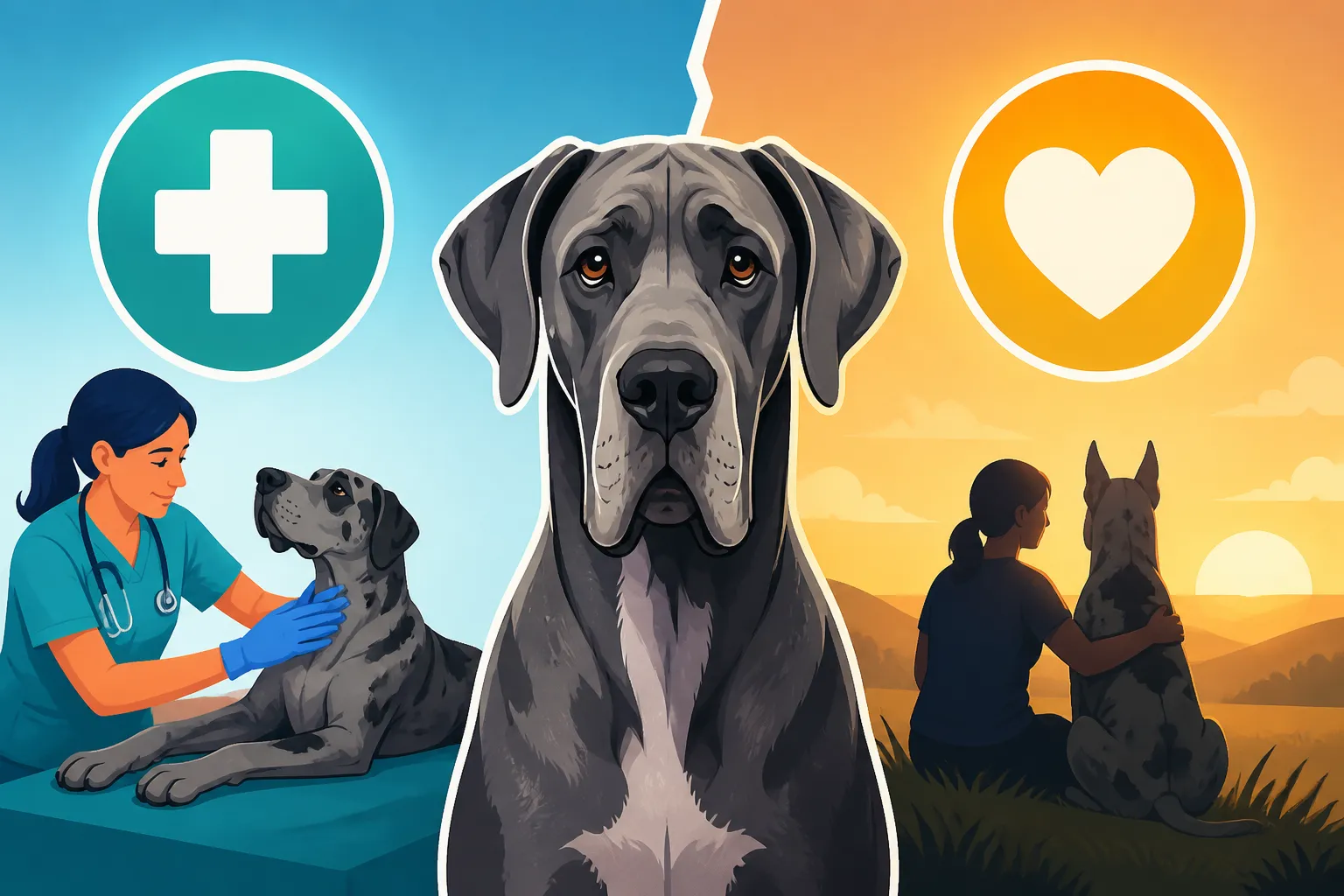
Your veterinarian is your most important ally during this challenging time. They are not just medical professionals; they are often compassionate guides who understand the unique bond you share with your Great Dane. Don't hesitate to schedule an appointment specifically to discuss end-of-life care, even if you’re not ready to make a final decision yet. This conversation should be a candid and open dialogue. Ask them directly: "If this were your dog, what would you do?" Inquire about all available options, including palliative care, pain management strategies, and what to expect in the coming weeks or months.
Your vet can provide crucial insights into your Great Dane's prognosis and whether any further treatments are truly beneficial or if they will only extend suffering. They can also help you identify specific signs of discomfort or declining quality of life that you might be missing. For example, they might suggest adjustments to Caring for a Great Dane Past Six or discuss specific Mobility Aids for a Failing Great Dane that could improve comfort. Many veterinary practices also offer in-home euthanasia services, which can provide a much more peaceful and less stressful experience for your Dane in their familiar surroundings. Discussing these options beforehand allows you to plan for a peaceful passing, surrounded by love, when the time comes, rather than making rushed decisions during an emergency. Your vet's perspective, combined with your own intimate knowledge of your Great Dane, forms the most robust basis for this incredibly difficult choice.
Finding Peace in the Unimaginable Choice
Making the decision to let your Great Dane go is truly one of the hardest acts of love you will ever perform. It's a sacrifice of your own desire to keep them by your side, for the sake of their peace and comfort.
Prioritizing Comfort and Dignity
Once you've made the agonizing decision, your focus shifts entirely to ensuring your Great Dane's final moments are filled with comfort, peace, and dignity. This means creating an environment where they feel safe, loved, and free from pain. If an in-home euthanasia is possible, it allows your Dane to remain in their most cherished space, perhaps on their favorite bed, surrounded by their family. Offer them their absolute favorite treats, even if they haven't been able to eat much lately. Shower them with gentle pats, soft words, and reassure them with your presence.
It’s about making their last experience a beautiful memory, not one defined by fear or discomfort. You might play calming music, light a candle, or simply hold them close. The goal is to minimize stress and maximize love. Many owners struggle with the timing, fearing they're "giving up too soon." However, it's often more compassionate to make the decision a day too early rather than an hour too late, allowing them to depart with dignity before severe suffering sets in. Remember that Nursing a Great Dane Through Its Last Weeks can involve many ups and downs, but the ultimate act of love is to prevent prolonged pain.
| Quality of Life Checklist | Score (1-5, 5=Excellent, 1=Poor) | Notes |
|---|---|---|
| Appetite | Eating meals enthusiastically? | |
| Hydration | Drinking enough, not dehydrated? | |
| Mobility | Can stand, walk, go outside unassisted? | |
| Pain Level | Shows signs of discomfort (panting, restlessness, limping)? | |
| Hygiene | Clean, no frequent accidents or struggling with elimination? | |
| Happiness/Engagement | Shows interest in family, toys, environment? | |
| Breathing/Coughing | Comfortable, no severe coughing or labored breathing? | |
| Overall Energy | Lethargic or still has some sparkle? | |
| Weight/Muscle Mass | Maintaining healthy weight, not rapidly declining? | |
| Response to Affection | Still seeks out and responds to touch and love? | |
| TOTAL SCORE | A declining total score over time is a strong indicator of diminishing quality of life. |
Allowing Yourself to Grieve
The immediate aftermath of losing your Great Dane will be incredibly painful. Grief is a natural and necessary process, and you should allow yourself to feel it fully. There's no right or wrong way to grieve, and there's no set timeline. You might feel a profound emptiness, intense sadness, anger, or even a sense of relief that their suffering has ended. All of these emotions are valid. Talk to friends or family members who understand the depth of your bond with your dog. Consider joining pet loss support groups, where you can connect with others who have experienced similar losses.
Remember that the love you shared doesn't simply disappear. Your Great Dane left an indelible paw print on your heart and in your home. Creating a memorial, whether it's a framed photo, a special urn, or planting a tree in their honor, can be a comforting way to remember them. Some pet insurance providers, like Healthy Paws, even offer resources for coping with pet loss, understanding that the emotional impact is a significant part of pet ownership. Be patient and compassionate with yourself through this period. Healing takes time, and slowly, the acute pain will soften, allowing the cherished memories to shine through without the overwhelming sorrow.
Disclaimer
The information provided in this article is intended for general informational purposes only and does not constitute veterinary advice. Always consult with a qualified veterinarian for any health concerns or before making any decisions about your Great Dane's care, treatment, or end-of-life planning.