What a Great Dane Hip Grade Actually Means
The world of veterinary health can be incredibly confusing, filled with complex terms and acronyms that leave even the most dedicated Great Dane owner scratching their head. When you hear phrases like "hip grade" or "hip dysplasia," it's natural to feel a knot in your stomach, especially with a giant breed like ours. This guide is here to demystify what a Great Dane hip grade actually means, why it’s so important, and how it impacts your beloved companion's life.
Understanding Hip Dysplasia in Great Danes
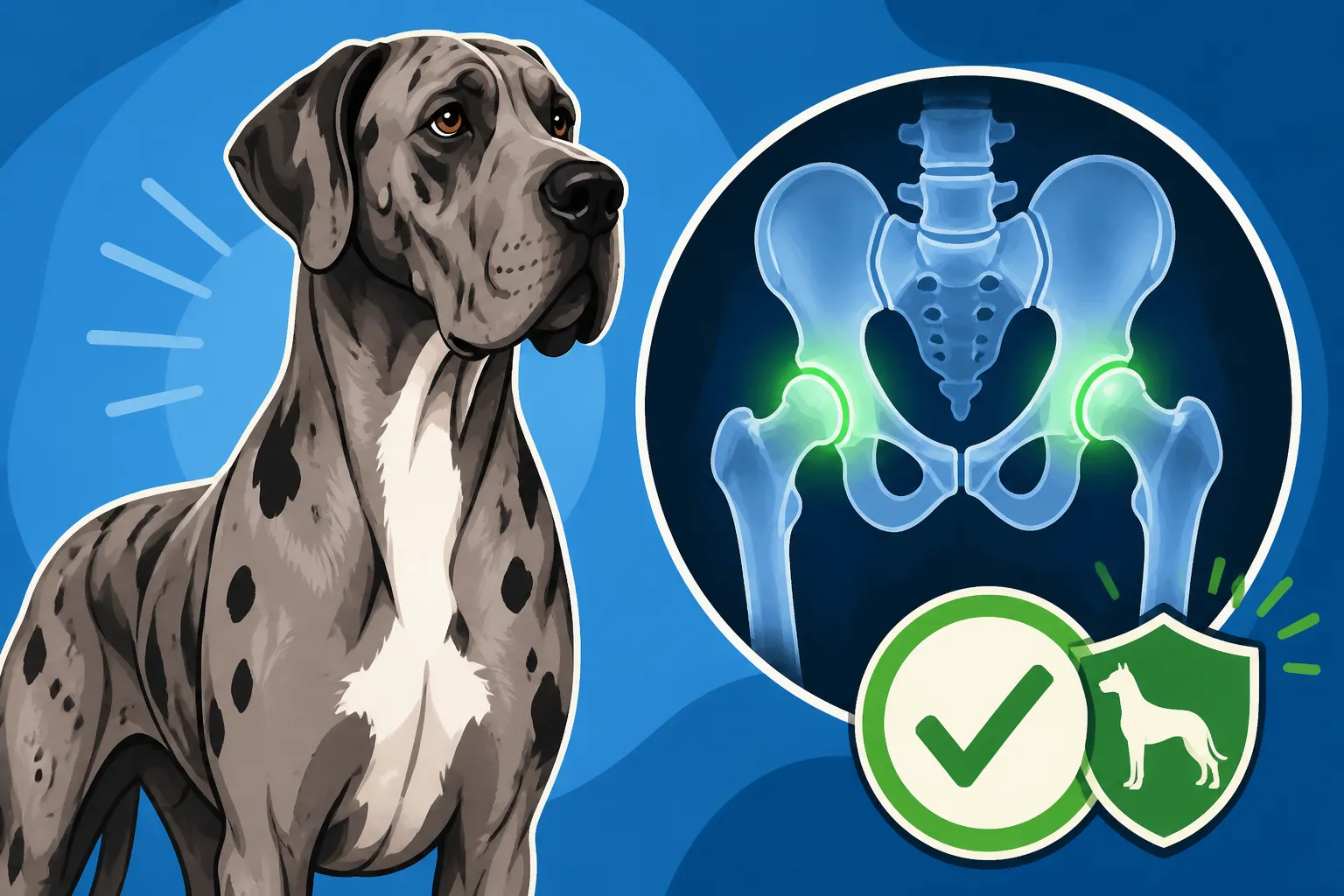
First things first, let's talk about the condition itself. Hip dysplasia is a developmental orthopedic disease where the hip joint doesn't form correctly. Instead of the "ball" (femoral head) fitting snugly and deeply into the "socket" (acetabulum) of the pelvis, it fits loosely. Over time, this looseness, or laxity, causes friction, wear and tear, and eventually, the breakdown of cartilage and bone. The result is often painful arthritis, lameness, and a reduced quality of life for our big dogs.
This isn't just a small dog problem; it's prevalent in many large and giant breeds, including our magnificent Great Danes. Their rapid growth rate and sheer size can put immense stress on developing joints, making them particularly susceptible. It's a condition that can start showing signs in puppies as young as a few months old, or it can manifest later in life as chronic pain. Recognizing that a Great Dane's genetic predisposition plays a huge role is crucial, which is why understanding hip grades, especially for breeders, is paramount.
The Mechanics of a Dysplastic Hip
Imagine a perfectly smooth, well-oiled hinge. That's what a healthy hip joint should feel like. Now, picture a rusty, wobbly hinge that grinds and catches every time you try to move it. That's closer to a dysplastic hip. In a Great Dane with hip dysplasia, the round head of the femur might be flattened, or the acetabulum might be too shallow. This poor fit means the joint isn't stable, and the soft tissues surrounding it, like the joint capsule, stretch and loosen. Every step, jump, or even just standing can cause microtrauma, leading to inflammation and pain.
As the dog ages, the body tries to stabilize this unstable joint by laying down new bone, forming osteophytes or bone spurs, which are hallmarks of osteoarthritis. This creates a vicious cycle: instability leads to damage, damage leads to pain and further instability. It's a progressive disease, meaning it tends to get worse over time without intervention. This understanding underscores why early detection through proper screening is so vital for our breed, which is already prone to Great Dane Hips, Elbows and Growing Joints.
Genetic and Environmental Factors
While genetics are a primary driver of hip dysplasia, it's not the only factor. Environmental influences also play a significant role, especially during a Great Dane puppy's critical growth period. Things like rapid weight gain, excessive or inappropriate exercise, and poor nutrition can exacerbate a genetic predisposition. For example, overfeeding a Great Dane puppy to achieve faster growth can actually stress developing joints and increase the likelihood of hip problems. This is why discussions around Bone Development Problems in a Great Dane Puppy often highlight the importance of careful management.
A breeder can do everything right in selecting parents with excellent hip scores, but if the puppy's environment isn't supportive of slow, steady growth, problems can still arise. Conversely, even a puppy from parents with decent (but not perfect) hips can thrive if given optimal care. It’s a complex interplay, and as owners, we must manage the controllable factors to give our Danes the best possible start. This includes ensuring proper nutrition, avoiding strenuous exercise until growth plates close, and providing appropriate surfaces for them to walk on.
Decoding Great Dane Hip Grading Systems
When you're looking at a breeder's health clearances or reviewing your own dog's diagnostic reports, you'll encounter specific hip grading systems. The most common in North America is the Orthopedic Foundation for Animals (OFA) system, while in the UK and parts of Europe, you might see the British Veterinary Association (BVA) scheme. Both aim to evaluate the structural integrity of the hip joints using X-rays, but they use different methodologies and scoring.
It's absolutely essential to understand these systems because a "good" score in one might not translate directly to another, and misinterpretations can lead to poor breeding decisions or inadequate care plans for your dog. For Great Dane owners, becoming familiar with these terms is part of being a responsible steward of this magnificent breed.
The OFA Hip Grading System
The OFA system is widely recognized and utilized by reputable breeders in the United States. Dogs must be at least 24 months old to receive a final OFA certification, as their skeletal system needs to be fully mature for an accurate assessment. The process involves taking a specific radiographic view of the hips (a ventrodorsal view with the dog positioned on its back, hind legs extended and rotated inward) under sedation or anesthesia. These X-rays are then evaluated by three independent board-certified veterinary radiologists.
The radiologists look at several anatomical points of the hip joint, including the conformation of the femoral head and acetabulum, the depth of the acetabulum, the presence of degenerative changes, and the subluxation (partial dislocation) of the femoral head. Based on their consensus, the hips are assigned one of seven grades:
- Excellent: Superior hip conformation. The femoral head fits very deeply and snugly into a well-formed acetabulum.
- Good: Well-formed hip joint with significant congruity. The femoral head fits well within the acetabulum.
- Fair: Minor irregularities, but generally a functionally normal hip joint. There might be slight laxity or minor conformation changes.
- Borderline: Not clearly dysplastic, but not good enough for a passing grade. Requires re-evaluation in 6-8 months, as these can progress to dysplastic.
- Mild Dysplasia: Significant subluxation of the femoral head and/or shallow acetabulum. Early signs of degenerative joint disease may be present.
- Moderate Dysplasia: Significant subluxation, flattened femoral head and/or shallow acetabulum, and definite degenerative changes.
- Severe Dysplasia: Marked evidence of hip dysplasia with major subluxation, significant flattening of the femoral head and/or acetabulum, and extensive degenerative joint disease.
Only dogs graded Excellent, Good, or Fair are given an OFA certification number and are considered suitable for breeding from a hip health perspective.
Here’s a quick table to summarize the OFA grades:
| OFA Hip Grade | Description | Breeding Status (OFA Recommendation) |
|---|---|---|
| Excellent | Superior hip conformation; femoral head fits very deeply into acetabulum. | Pass |
| Good | Well-formed hip joint with good congruity; femoral head fits well. | Pass |
| Fair | Minor irregularities; functionally normal; slight laxity or minor conformation changes. | Pass |
| Borderline | Not clearly dysplastic, not good enough for pass; re-evaluate. | Fail (Recommend Re-evaluation) |
| Mild | Significant subluxation; shallow acetabulum; early degenerative changes. | Fail |
| Moderate | Significant subluxation; flattened femoral head/shallow acetabulum; definite degenerative changes. | Fail |
| Severe | Marked hip dysplasia; major subluxation; extensive flattening and degenerative joint disease. | Fail |
Other Grading Systems: PennHIP and BVA
While OFA is popular, it's worth knowing about other systems. PennHIP (Pennsylvania Hip Improvement Program) is another method that uses three different X-ray views to more accurately and quantitatively measure hip laxity, even in puppies as young as 16 weeks. It provides a distraction index (DI), which is a numerical score reflecting the degree of hip laxity, with lower numbers indicating tighter hips. PennHIP is considered by some to be a more sensitive predictor of future hip dysplasia.
The British Veterinary Association (BVA) Hip Score scheme is commonly used in the UK. This method involves taking a single X-ray view, but radiologists assess nine specific features of each hip joint, assigning a score from 0 to 53 for each hip. The scores from both hips are added together for a total maximum score of 106. Lower scores are better, indicating healthier hips. For breeding, dogs are typically compared to the breed median score, aiming for parents with scores well below average.
Knowing which system a breeder uses, or which one your vet recommends for diagnostic purposes, is crucial. Each provides valuable information, and a comprehensive understanding helps you make the best decisions for your Great Dane's health, including planning for potential future costs, which pet insurance providers like Healthy Paws can help cover.
Interpreting Your Great Dane's Hip Grade Results
Getting a hip grade for your Great Dane, whether it's for breeding purposes or simply to understand their health, can be a moment of anxiety. What do those letters and numbers really mean for your specific dog? It's not just about a pass or fail; it's about understanding the nuances and what actions you might need to take.
For owners, especially those with rescue Danes or those who didn't come from rigorously screened parents, understanding what a less-than-perfect grade means for their dog's daily life is critical. A diagnosis of hip dysplasia, regardless of its severity, can feel overwhelming.
What an OFA "Fair" or "Good" Grade Implies
If your Great Dane receives an OFA grade of "Excellent," "Good," or "Fair," congratulations! These are considered passing grades, indicating that your dog's hips are within acceptable limits for the breed. "Excellent" means superior hip conformation, a very tight and congruent joint. "Good" means well-formed hips, with a good fit. "Fair" means minor irregularities are present, perhaps a slight degree of laxity, but the joint is still considered functionally normal without evidence of significant degenerative disease.
For breeding, "Good" and "Excellent" are often preferred, but "Fair" is still acceptable. However, even with a "Fair" grade, it's important to monitor your Great Dane. While they might be asymptomatic now, minor laxity could potentially lead to arthritis later in life, especially if not managed well with appropriate exercise and weight. It doesn't mean your dog is destined for pain, but it does mean you should be mindful of their joint health throughout their life, possibly considering supplements like those discussed in Whether Joint Supplements Reach a Great Dane's Dose.
Dealing with "Borderline" or Dysplastic Grades
A "Borderline" grade from OFA is a tricky one. It means the radiologist couldn't definitively label the hips as either normal or dysplastic. It's often recommended to re-X-ray the dog in 6-8 months, as changes can occur. For a breeder, this usually means refraining from breeding the dog until a clearer, passing grade is achieved. For a pet owner, it means vigilance. Your Great Dane might not show any signs now, but it's an indication that their hips aren't perfectly tight and warrant careful monitoring for any discomfort or changes in gait.
If your Great Dane receives a grade of "Mild," "Moderate," or "Severe" dysplasia, it means there is clear radiographic evidence of the condition. This can be devastating news, but it's important to remember that a diagnosis on an X-ray doesn't always perfectly correlate with clinical signs. Some dogs with "Mild" dysplasia might live perfectly comfortable lives with proper management, while others with seemingly "Moderate" dysplasia might experience significant pain. Conversely, some dogs with "Severe" dysplasia might have learned to compensate incredibly well, while others are debilitated.
The key here is symptom management and a proactive approach. This might involve weight management, controlled exercise, anti-inflammatory medications, joint supplements, and potentially physical therapy. In severe cases, or when conservative management fails, surgical options like Hip Replacement in a Great Dane might be considered. It's a journey that requires close collaboration with your veterinarian and potentially a veterinary orthopedic specialist. The costs associated with such advanced care highlight the value of pet insurance from providers like Healthy Paws, which can help mitigate the financial burden of managing chronic conditions.
Why Hip Grading Matters for Great Danes
The significance of hip grading extends far beyond a piece of paper or a set of numbers. For a breed as large and majestic as the Great Dane, hip health is foundational to their quality of life, their longevity, and the ethical practices of responsible breeding. Ignoring hip health in Great Danes is not only a disservice to individual dogs but can perpetuate suffering across generations.
The very essence of being a "gentle giant" relies on their ability to move comfortably and gracefully. When that movement is compromised by painful hips, their entire demeanor and well-being are affected. This is why organizations like the Great Dane Club of America and the Orthopedic Foundation for Animals stress the importance of screening, making it a cornerstone of responsible breeding practices.
Breeding Responsibly
For ethical Great Dane breeders, hip grading is a non-negotiable part of their program. It's about making informed decisions to reduce the incidence of hip dysplasia in future generations. A breeder who proudly displays OFA or PennHIP clearances for their breeding stock is demonstrating a commitment to the health of the breed. They understand that by breeding only dogs with healthy hips, they are actively working to produce puppies with a lower genetic predisposition to the condition.
The goal isn't necessarily to eradicate hip dysplasia entirely, which is an extremely complex genetic endeavor, but to significantly reduce its prevalence and severity. This commitment to screening and responsible breeding is one of the key indicators of a reputable breeder, and it’s something every prospective Great Dane owner should inquire about, as detailed in The Health Testing a Great Dane Breeder Owes You. Skipping these crucial health checks often means taking a gamble on a puppy's future health, potentially leading to heartache and significant vet bills down the line.
Preventing Suffering and Ensuring Longevity
For pet owners, understanding hip grades, even if your Great Dane isn't a breeding animal, is about being prepared and proactive. If your dog has borderline or dysplastic hips, knowing this early allows you to implement preventative and management strategies to slow the progression of the disease and minimize pain. This can involve managing their weight, ensuring they don't engage in high-impact activities, or incorporating joint-supporting supplements and therapies.
Early intervention can significantly improve a Great Dane's quality of life and potentially extend their comfortable lifespan. Untreated, painful hip dysplasia can lead to severe mobility issues, chronic pain, and a decline in overall well-being. Knowing your dog's hip status allows you to work with your vet to create a tailored health plan, focusing on keeping them active and comfortable for as long as possible. This preventive mindset can be a game-changer for a breed already facing a shorter lifespan compared to smaller dogs.
Living with a Great Dane and Hip Health
Whether your Great Dane has pristine hips or a diagnosis of dysplasia, managing their joint health is an ongoing commitment throughout their life. These large, majestic dogs put immense strain on their joints just by existing, so proactive care is not just beneficial, it's essential. From puppyhood through their senior years, attention to their hips can make a world of difference.
It's a misconception that if a dog isn't actively limping, their hips are fine. Many Great Danes are stoic and will mask pain until it's severe. As a responsible owner, you'll want to be attuned to subtle changes in their gait, activity level, or even their desire to play.
Proactive Care and Prevention
For Great Dane puppies, the focus on hip health starts even before they come home. Choosing a puppy from parents with excellent hip clearances is your first line of defense. Once they are home, it’s all about controlled growth. This means feeding a high-quality large-breed puppy food specifically formulated to promote slow, steady bone development, avoiding excessive calcium supplementation, and keeping them lean. Questions around Whether a Great Dane Puppy Should Be Kept Lean are always important conversations to have with your vet.
Exercise for growing Great Danes should be moderate and controlled. Avoid forced running, jumping, or prolonged stair climbing during their first 18-24 months while their growth plates are still closing. Plenty of gentle play and short, leash walks are ideal. Provide soft, supportive bedding to protect their joints when resting. These simple steps can make a huge impact on their long-term hip health.
Managing Hip Dysplasia and Arthritis
If your Great Dane is diagnosed with hip dysplasia, either as a puppy or later in life, a multi-faceted management plan will be crucial. This often involves:
- Weight Management: Keeping your Great Dane at a lean, healthy weight is perhaps the single most impactful thing you can do. Every extra pound puts additional stress on already compromised joints.
- Controlled Exercise: While strenuous activity can be detrimental, completely removing exercise isn't the answer. Moderate, low-impact activities like swimming, short walks, and controlled leash work can help maintain muscle mass without overstressing the joints. Your vet or a certified rehabilitation therapist can help devise an appropriate plan.
- Joint Supplements: Many Great Dane owners find success with joint supplements containing ingredients like glucosamine, chondroitin, MSM, and omega-3 fatty acids. While they aren't a cure, they can help support cartilage health and reduce inflammation. However, it's important to remember that Whether Joint Supplements Reach a Great Dane's Dose can vary, so consult your vet for appropriate products and dosages for a giant breed.
- Pain Management: Non-steroidal anti-inflammatory drugs (NSAIDs) prescribed by your veterinarian are often necessary to manage pain and inflammation, especially during flare-ups. Other medications might include gabapentin or amantadine for neuropathic pain.
- Physical Rehabilitation: Hydrotherapy, therapeutic exercises, and laser therapy can be incredibly beneficial in strengthening supporting muscles, improving range of motion, and reducing pain.
- Supportive Aids: Orthopedic beds, ramps for cars, and even slings can help improve comfort and mobility, especially for an older Great Dane experiencing Arthritis in a Six-Year-Old Great Dane.
- Surgical Options: In severe cases, or when conservative management is no longer effective, surgical procedures like a Femoral Head Ostectomy (FHO) or a total Hip Replacement in a Great Dane might be considered. These are significant decisions that require careful discussion with a veterinary orthopedic specialist.
Managing a Great Dane with hip issues is an ongoing process, often requiring adjustments as they age and their condition progresses. Having a robust pet insurance policy, such as those offered by Healthy Paws, can provide invaluable financial support for diagnostics, medications, rehabilitation, and potential surgeries, allowing you to focus on your Great Dane's comfort rather than daunting costs.
Disclaimer
The information provided in this article is for general informational purposes only and is not intended as a substitute for professional veterinary advice, diagnosis, or treatment. Always seek the advice of your veterinarian or other qualified animal health provider with any questions you may have regarding a medical condition or the health and welfare of your Great Dane.