Elbow Problems in a Fast-Growing Great Dane
It’s a heart-wrenching moment when you notice your beautiful, rapidly growing Great Dane puppy isn't moving quite right. Maybe there's a subtle limp, a reluctance to play, or a stiffness that just wasn't there yesterday. These worries are amplified when you know Great Danes are particularly susceptible to joint issues, especially in their elbows, due to their incredible growth rate. This guide will delve deep into understanding elbow problems in fast-growing Great Danes, helping you recognize the signs, navigate diagnosis, and explore the best treatment options to keep your gentle giant happy and comfortable.
Understanding Elbow Dysplasia in Great Danes
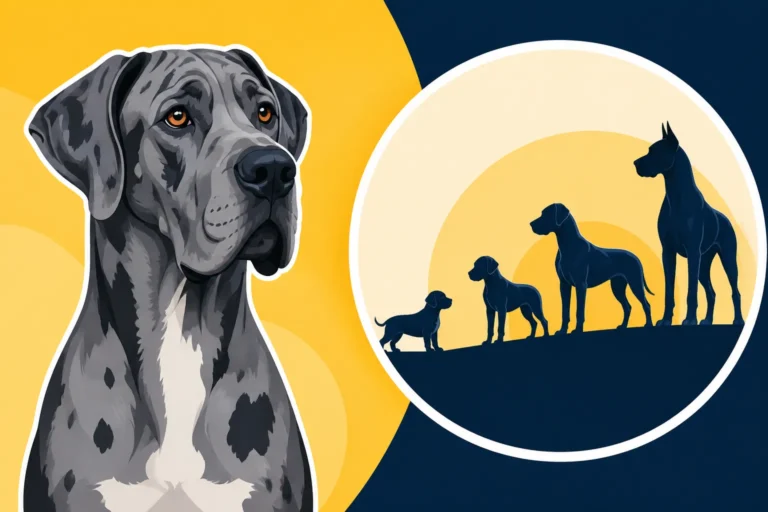
Watching your Great Dane puppy grow from a tiny, clumsy bundle into a massive, elegant dog is truly a marvel. But this rapid growth, while impressive, comes with its own set of challenges, particularly concerning their developing joints. Elbow dysplasia is one of the most common and frustrating orthopedic conditions we see in these giant breeds, and it's something every Great Dane owner needs to understand intimately. It’s not just a single problem, but rather a catch-all term for several developmental abnormalities that can occur in the elbow joint.
What Exactly is Elbow Dysplasia?
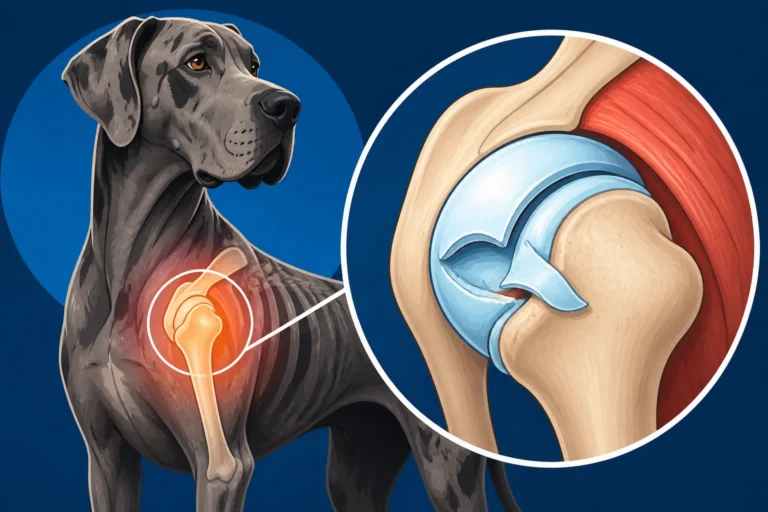
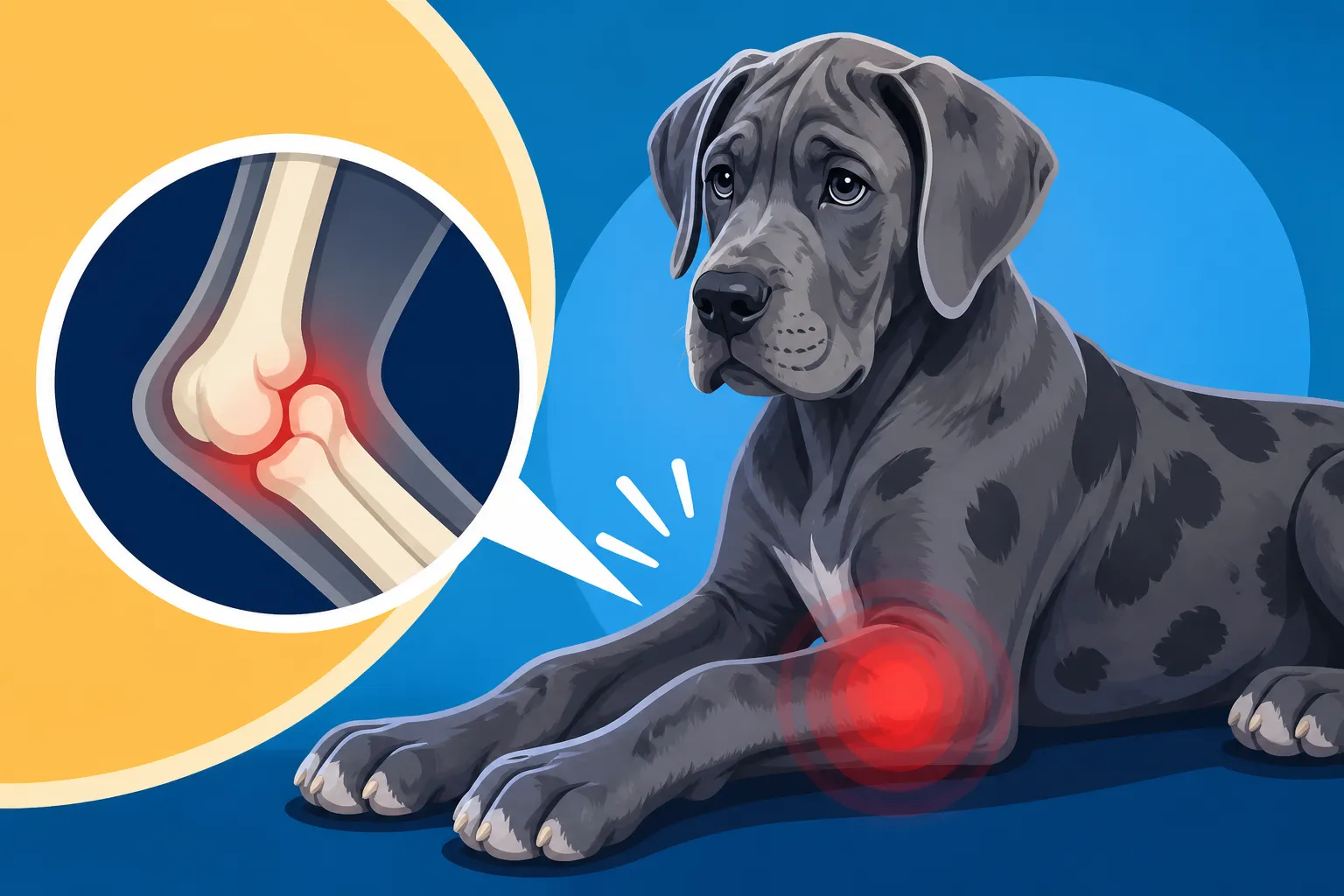
When we talk about elbow dysplasia (ED), we're not pinpointing a single disease. Instead, it’s a complex syndrome, meaning it encompasses several distinct developmental issues that can affect the elbow joint during a dog's growth phase. The elbow itself is a complicated joint, made up of three bones: the humerus (upper arm bone), and the radius and ulna (forearm bones). For a healthy elbow, these three bones need to fit together perfectly, like pieces of a meticulously crafted puzzle.
In Great Danes, due to their rapid growth and inherent genetic predispositions, this intricate developmental process can go awry. Imagine a growing tree trying to sprout branches too quickly, causing some parts to not form correctly or to become misaligned. That’s somewhat analogous to what happens in a Great Dane's elbow. This imperfect development leads to abnormal stress distribution within the joint, causing cartilage damage, bone fragments, and eventually, painful arthritis. It's a condition deeply influenced by genetics, but also exacerbated by environmental factors like diet (especially too much calcium or an imbalanced calcium-to-phosphorus ratio, as discussed in Why Calcium Supplements Damage a Great Dane) and excessive, high-impact exercise during critical growth periods. The sheer scale and speed of their growth mean any slight hiccup in bone or cartilage formation is magnified, often leading to significant problems.
The Different Faces of Elbow Dysplasia
Because elbow dysplasia is a syndrome, it can manifest in a few different ways, all leading to dysfunction and pain within the elbow joint. Understanding these specific components can help you grasp the complexity of your vet's diagnosis.
- Fragmented Coronoid Process (FCP): This is one of the most common forms of ED. The coronoid process is a small, bony projection on the ulna (one of the forearm bones). In FCP, a piece of this bone breaks off or fails to properly attach to the ulna. This small fragment then floats around in the joint, irritating the cartilage and causing inflammation and pain. Think of it like a pebble inside a delicate machine – it causes friction and damage.
- Osteochondrosis Dissecans (OCD) of the Humeral Condyle: OCD occurs when there's a disturbance in the normal development of cartilage on the end of the humerus, where it meets the ulna. Instead of smooth, healthy cartilage, a flap of abnormal cartilage forms and can eventually detach, creating a loose body within the joint. This flap acts like a constant source of irritation, leading to pain and further joint degeneration. This is a classic example of Growth Disorders in a Great Dane Puppy impacting specific joint surfaces.
- Ununited Anconeal Process (UAP): The anconeal process is another small projection of the ulna, important for elbow stability. In UAP, this process fails to fuse properly with the rest of the ulna during growth. This creates an unstable joint and allows abnormal movement, leading to inflammation and early onset arthritis. It's less common in Great Danes than FCP or OCD but can be seen.
- Elbow Incongruity: This refers to a mismatch in the lengths of the radius and ulna, or an abnormal shape of the joint surfaces. If these bones don't grow at exactly the same rate or align perfectly, the joint doesn't fit together smoothly. This can cause increased pressure on certain parts of the joint, leading to cartilage wear and tear, and often contributing to FCP or OCD.
Each of these conditions leads to abnormal joint mechanics, pain, and inevitably, the development of secondary osteoarthritis, which can severely impact your Great Dane's quality of life.
Why Great Danes are Especially Prone
It’s no secret that Great Danes, with their impressive size, are more susceptible to a host of joint and bone issues. Their rapid growth rate is a double-edged sword: it allows them to reach their magnificent stature quickly, but it also places immense stress on their developing skeletal system. This is why paying close attention to Great Dane Hips, Elbows and Growing Joints from puppyhood is paramount.
Imagine a small, intricate bridge being built at an accelerated pace. Any minor flaw in construction becomes a major structural issue much faster than if the bridge were built slowly and carefully. The same principle applies to your Great Dane’s bones and joints. Their growth plates, which are areas of soft, growing tissue at the ends of long bones, are active for a longer period and grow more intensely than in smaller breeds. This extended and rapid growth period provides more opportunity for developmental errors like those seen in elbow dysplasia.
Furthermore, Great Danes, like many large and giant breeds, have a genetic predisposition to elbow dysplasia. This means the tendency for these joint abnormalities is passed down through generations. Reputable breeders will always screen their breeding dogs for elbow dysplasia and other genetic conditions, and you should always ask to see the health certifications, like those detailed in The Health Testing a Great Dane Breeder Owes You. Even with careful breeding, the environmental factors – such as improper nutrition that encourages too-fast growth or too much strenuous exercise – can easily tip a genetically predisposed puppy into developing clinical signs of ED. It truly highlights the delicate balance required to raise a healthy giant breed.
Spotting the Signs: What to Look For in Your Growing Dane
One of the hardest parts of owning a Great Dane puppy is that they grow so fast, and sometimes, subtle health issues can be mistaken for normal puppy clumsiness or "growing pains." However, being observant and proactive about any changes in their gait or behavior is crucial when it comes to elbow dysplasia. Early detection can make a world of difference in managing the condition and ensuring your Dane lives a comfortable life.
Subtle Early Indicators of Discomfort
In the beginning, the signs of elbow dysplasia can be incredibly subtle, easily dismissed by even the most attentive owner. Your puppy might not be overtly limping or crying out in pain. Instead, you might notice very minor changes in their demeanor or movement patterns.
One common early indicator is intermittent lameness, which means your puppy might limp one day, seem perfectly fine the next, and then limp again. This lameness often appears to be worse after a period of rest, like first waking up in the morning, or after strenuous exercise. They might stand up a bit slower, or take a moment to "stretch out" their front legs before really getting moving. You might also notice a slight stiffness in their gait, particularly in the front legs. They might not be as enthusiastic about jumping, running, or playing, or they might seem to tire more quickly during walks or play sessions. A puppy with elbow pain might also start to sit or lie down in unusual positions to try and alleviate pressure on the affected joint.
It's easy to write these off as just "growing pains" or attribute them to their generally clumsy puppy nature. After all, Great Dane puppies are notoriously uncoordinated! However, true growing pains (often referred to as Panosteitis or HOD, topics covered more in Growing Pains in a Great Dane at Eight Months and Hypertrophic Osteodystrophy in a Great Dane) typically affect long bones in the legs, and can shift from limb to limb. Elbow dysplasia, while it can also cause shifting lameness, often localizes to one or both elbows. If you're seeing persistent or recurrent front-leg lameness, especially in an elbow, it's definitely worth a closer look.
More Obvious Symptoms as the Condition Progresses
As elbow dysplasia progresses, the signs tend to become more pronounced and consistent, making them harder to ignore. This is often when owners realize something more serious is at play.
A consistent lameness that doesn't resolve itself is a major red flag. Your Dane might clearly favor one front leg over the other, holding it up slightly or putting less weight on it. You might observe an outward rotation of the paw or limb as they try to compensate for the discomfort in their elbow, or they might hold their elbow slightly away from their body. When standing, they might appear to have a stiff, straight-legged stance in the front.
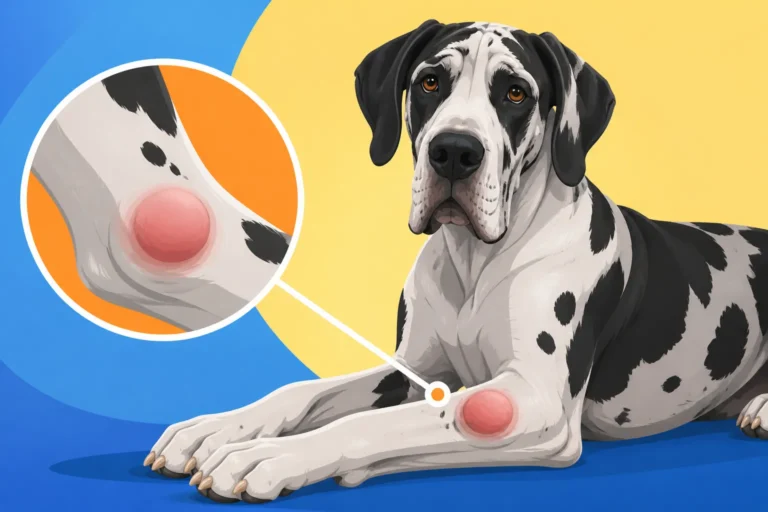
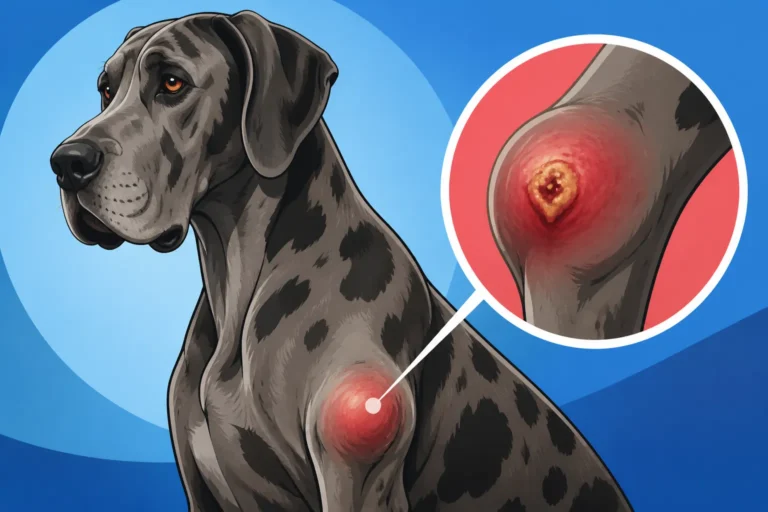
Swelling around the elbow joint might become visible or palpable. Gently feeling your dog's elbows, you might notice one feels warmer or thicker than the other. If you gently try to manipulate the elbow joint yourself, you might get a pain response, such as a flinch, whine, or withdrawal of the leg. Their movement can change dramatically, adopting a short, choppy gait, or a "paddling" motion with their front legs as they try to avoid bending the elbow fully. In severe, long-standing cases, you might even notice muscle atrophy (wasting) in the affected limb as they use it less and less. This is why a sustained limp, even if it started subtly, should always prompt a vet visit; it could be A Great Dane That Limps Without an Injury, but it needs investigation.
When to Consult Your Veterinarian
The minute you suspect something isn't quite right with your Great Dane’s movement, it's time to call your veterinarian. Do not wait for the symptoms to become severe. Early intervention is absolutely critical with elbow dysplasia, as it can significantly impact the long-term prognosis and help manage secondary osteoarthritis.
Your regular vet is the first point of contact. They will perform a thorough orthopedic examination, manipulating the joints and observing your dog's gait. Be prepared to discuss when you first noticed the signs, how frequently they occur, and what seems to make them better or worse. This detailed history is invaluable. If your vet suspects elbow dysplasia, they will likely recommend diagnostic imaging, starting with X-rays. In some cases, they might refer you directly to a board-certified veterinary orthopedic specialist for more advanced diagnostics and treatment planning. Don't hesitate to seek this specialist opinion; they have extensive experience with complex joint issues in giant breeds and can offer the most cutting-edge advice. Remember, addressing these issues early can prevent more severe pain and mobility problems down the line.
Navigating Diagnosis and Treatment Options
Getting a diagnosis of elbow dysplasia for your beloved Great Dane puppy can be incredibly overwhelming. It's a lot to process, especially with the weight of knowing how much pain they might be in. But take a deep breath; armed with information, you can work with your veterinary team to create the best plan for your dog.
The Diagnostic Journey: From Exam to Imaging
The diagnostic process for elbow dysplasia typically begins with your veterinarian's physical examination. They will carefully observe your Great Dane's gait, check for lameness, and gently palpate (feel) the elbow joints. They'll assess the range of motion, looking for any stiffness, pain response, or crepitus (a grinding or crackling sound/sensation). This hands-on exam provides crucial clues about which joint might be affected and the severity of the discomfort.
Following the physical exam, radiographs (X-rays) are usually the first line of diagnostic imaging. Several specific views of the elbow joint are taken to identify any bony abnormalities, such as loose fragments, incongruity, or early signs of arthritis. While X-rays are very helpful, they don't always show the full picture, especially when it comes to soft tissue damage or subtle cartilage lesions.
For a more definitive diagnosis, particularly for conditions like FCP or OCD, your vet might recommend advanced imaging like a CT (computed tomography) scan. A CT scan provides highly detailed, cross-sectional images of the joint, allowing the veterinarian to see bony fragments and cartilage irregularities that might be missed on standard X-rays. It's a powerful tool for pinpointing the exact nature of the problem. In some cases, an arthroscopy may be recommended. This is a minimally invasive surgical procedure where a tiny camera is inserted into the joint, allowing the orthopedic specialist to directly visualize the cartilage, remove loose fragments, and assess the extent of the damage. This offers the most accurate diagnosis and often allows for simultaneous treatment.
The costs associated with these diagnostic procedures can quickly add up, from initial vet visits and X-rays to specialized CT scans or arthroscopies. This is precisely why having robust pet insurance is so important, especially for a giant breed prone to these kinds of issues. Companies like Healthy Paws can be a true lifeline, helping to cover a significant portion of these expenses and allowing you to make medical decisions based on what’s best for your dog, rather than solely on your wallet.
Surgical and Non-Surgical Management
Once elbow dysplasia is diagnosed, your veterinary orthopedic specialist will discuss the various treatment options. These generally fall into two categories: surgical and conservative (non-surgical) management. The choice depends on the specific form of ED, its severity, your dog's age, and your family's circumstances.
Surgical Options:
Surgery is often recommended, especially for younger dogs, to remove irritating bone fragments, correct anatomical abnormalities, and reduce pain. The goal of surgery is not necessarily to "cure" elbow dysplasia, as the underlying developmental issue remains, but to alleviate pain, improve joint function, and slow the progression of secondary arthritis.
- Arthroscopic Removal: For FCP or OCD, a minimally invasive arthroscopy can be used to remove the fragmented coronoid process or the detached OCD cartilage flap. This is often preferred due to quicker recovery times and less trauma to the joint.
- UAP Fixation: If a UAP is present, surgery may involve reattaching the anconeal process or removing it if reattachment isn't feasible.
- Osteotomies: In cases of severe elbow incongruity (where the bones don't align properly), more complex surgeries called osteotomies might be performed. These involve cutting and reshaping bones to improve joint alignment and reduce abnormal pressure.
Recovery from surgery requires strict rest, pain management, and often physical therapy. It's a significant commitment, but can dramatically improve a Great Dane's comfort and mobility.
Conservative (Non-Surgical) Options:
For milder cases, or when surgery isn't an option due to age, cost, or other health concerns, conservative management focuses on pain relief and joint support.
- Weight Management: Keeping your Great Dane lean is paramount. Every extra pound puts more stress on already compromised joints. This ties directly into the advice on Whether a Great Dane Puppy Should Be Kept Lean, as maintaining an ideal body condition is critical for joint health throughout their lives.
- Controlled Exercise: High-impact activities like jumping, running on hard surfaces, or prolonged strenuous play should be avoided. Instead, focus on consistent, moderate, low-impact exercise, such as leash walks or swimming.
- Pain Management: Non-steroidal anti-inflammatory drugs (NSAIDs) are commonly prescribed to reduce pain and inflammation. Other pain medications or multimodal approaches might be used as needed.
- Joint Supplements: Glucosamine, chondroitin, and omega-3 fatty acids (like fish oil) can support joint health and reduce inflammation. While not a cure, they can be a valuable part of the management plan. Look for foods that offer Joint Support Built Into Great Dane Food or consider adding high-quality supplements.
- Physical Therapy & Rehabilitation: This can be incredibly beneficial, including exercises to strengthen surrounding muscles, improve range of motion, and reduce pain. Hydrotherapy (swimming) is often a great option as it provides resistance without impact.
- Environmental Modifications: Making your home more joint-friendly, such as using orthopedic beds, non-slip rugs, and considering ramps instead of stairs (refer to Whether a Great Dane Should Climb Stairs), can make a big difference.
Life After Diagnosis: Long-Term Care and Prognosis
Receiving an elbow dysplasia diagnosis is a journey, not a destination. Even with successful surgery, or diligent conservative management, your Great Dane will likely require ongoing care for the rest of their lives. The primary long-term concern is the development of secondary osteoarthritis, which is almost inevitable to some degree in affected joints, leading to conditions like Arthritis in a Six-Year-Old Great Dane.
Long-term care involves a holistic approach. Regular veterinary check-ups are essential to monitor the progression of arthritis and adjust pain management as needed. Your vet will likely recommend periodic X-rays to assess joint changes. Maintaining an optimal body weight remains critical, as does a carefully structured exercise routine that avoids excessive strain. Joint supplements, therapeutic diets, and sometimes even injections (like polysulfated glycosaminoglycans) can play a role in managing comfort.
Many Great Danes with elbow dysplasia, with dedicated care and a proactive approach, can live happy, comfortable lives. The prognosis varies widely depending on the severity of the original condition, the treatment chosen, and how consistently you manage their care. It's important to understand that early diagnosis and intervention generally lead to better outcomes.
While dealing with elbow dysplasia can be financially taxing, knowing you have support from a pet insurance provider like Healthy Paws can lift a huge burden. They often cover diagnostics, surgeries, medications, and even rehabilitation therapies, allowing you to prioritize your Dane's health without constant worry about escalating vet bills. Living with a Great Dane with elbow issues requires commitment, but the love and companionship they bring make every effort worthwhile.
Common Types of Elbow Dysplasia in Great Danes
| Type of Elbow Dysplasia | Description | Common Age of Onset | Prognosis (with treatment) |
|---|---|---|---|
| Fragmented Coronoid Process (FCP) | A small piece of bone breaks off the ulna, causing pain and irritation. | 5-12 months | Good to fair; surgery often improves comfort significantly. |
| Osteochondrosis Dissecans (OCD) | A flap of cartilage forms and may detach from the humerus, leading to joint pain. | 5-9 months | Good to fair; surgery to remove the flap is often effective. |
| Ununited Anconeal Process (UAP) | The anconeal process fails to fuse with the ulna, leading to instability. | 4-12 months | Fair to good; surgical fixation or removal is common. |
| Elbow Incongruity | Mismatch in the growth or shape of the joint bones, causing abnormal pressure. | 4-12 months | Variable; more complex to treat, often leads to arthritis. |
Disclaimer
This article is for general informational purposes only and does not constitute professional advice. Laws, prices and regulations vary by location and change over time. Consult a qualified professional for guidance on your specific situation.