Whether Anyone Can Afford a Great Dane
Bringing a magnificent Great Dane into your life is a dream for many, but the reality of their sheer size often translates into expenses that can catch even seasoned dog owners off guard. It's not just about the initial purchase price; every single aspect of their care, from kibble to vet bills, is scaled up to match their colossal stature. This guide aims to pull back the curtain on the true financial commitment involved, giving you a realistic understanding of whether your budget can truly accommodate the "Apollo of Dogs."
The Initial Sticker Shock: Upfront Costs of Bringing Home a Great Dane
The excitement of bringing home a new Great Dane puppy or even an adult rescue is immense, but it's quickly followed by the first wave of financial realities. These aren't just one-time fees; they set the stage for years of commitment.
Puppy Purchase Price from a Reputable Breeder
When you start looking for a Great Dane puppy, you'll quickly notice a wide range in prices. On average, expect to pay anywhere from $1,500 to $3,000 for a well-bred Great Dane puppy from a reputable breeder. This isn't just an arbitrary number; it reflects the significant investment the breeder has made in the health and well-being of their dogs.
A responsible breeder invests heavily in health testing their breeding stock for common Great Dane ailments like dilated cardiomyopathy (DCM), hip and elbow dysplasia, and thyroid issues. They'll perform echocardiograms, thyroid panels, and orthopedic evaluations (often OFA or PennHIP certifications). These tests are expensive, but they significantly reduce the risk of passing on debilitating genetic conditions to the puppies. When you see a higher price tag, you're often paying for that crucial peace of mind and the assurance that the breeder has done their due diligence. Don't be tempted by ads for "bargain" Great Danes that lack proper health paperwork, as a seemingly cheap puppy can quickly become incredibly expensive if it develops severe health problems early on. A good breeder also provides initial vaccinations, deworming, and often a microchip, along with comprehensive support and a contract that protects both you and the puppy. If you want to know more about this, read our detailed guide on The Health Testing a Great Dane Breeder Owes You.
Adoption Fees and What They Include
For those considering adoption, a Great Dane rescue offers a wonderful alternative, often coming with a more moderate adoption fee, typically ranging from $300 to $800. These fees are not profit-driven but rather cover the costs incurred by the rescue organization.
When you adopt, your Great Dane will almost certainly be spayed or neutered, up-to-date on vaccinations, microchipped, and may have received initial veterinary assessments for any existing health concerns. Many rescues also invest in temperament evaluations and basic training, giving you a better idea of the dog's personality and needs before you bring them home. Adopting an adult Dane means you bypass the frantic puppy stages, and you often get a dog whose personality is already developed, making it easier to see if they're the right fit for your family. Plus, you're giving a deserving giant a second chance at a loving home.
Initial Supplies and Setup for a Giant Breed
Once you've secured your Great Dane, the shopping list for initial supplies is extensive, and remember, everything needs to be "Great Dane sized." This isn't just an aesthetic choice; it's a practical necessity.
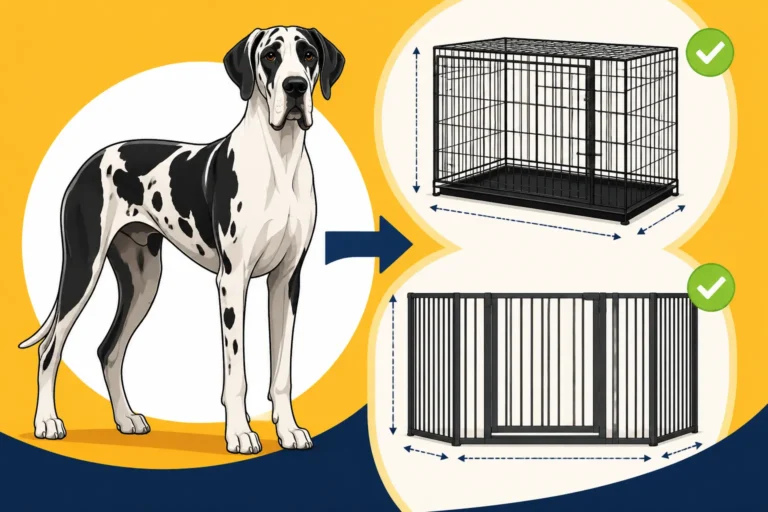
A large, sturdy crate (often 54 inches or more) can easily run you $150-$300, and a truly comfortable, orthopedic bed big enough for a Great Dane can cost $100-$400, or even more for premium memory foam options. Don't skimp on bedding; proper support is crucial for their developing and aging joints. Stainless steel food and water bowls will need to be large capacity, and possibly elevated, adding another $30-$70. Then there are collars, leashes (rated for a dog that can easily pull 150+ pounds), ID tags, initial toys, and grooming supplies like brushes and nail clippers specifically designed for large, thick nails. Altogether, expect to spend another $300-$800, easily, on these essential items to get started. Our post What a Great Dane Puppy Needs First dives deeper into these initial essentials.
The Daily Grind: Ongoing Food and Treat Expenses
The old adage "they eat you out of house and home" feels particularly true with a Great Dane. Their massive size directly translates to massive appetites, making food one of the most significant ongoing expenses.
Understanding Great Dane Nutritional Needs
Feeding a Great Dane isn't just about quantity; it's about quality, especially during their critical growth phases. Great Dane puppies need large-breed specific puppy food, which is specially formulated to promote slower, controlled growth, preventing the rapid growth that can lead to orthopedic issues like hip and elbow dysplasia. These specialized foods can be more expensive than regular puppy kibble.
An adult Great Dane can consume anywhere from 6 to 10 cups of high-quality dry kibble per day, sometimes more depending on their activity level and metabolism. This isn't a suggestion; it's a necessity for maintaining their health and energy. If you opt for premium brands or consider fresh food delivery services, like those offered by Ollie, the costs escalate significantly. While a 30-pound bag of good quality kibble might last a medium-sized dog a month, for a Great Dane, it might be gone in a week and a half, or even less. Expect to spend $80 to $150 or more each month just on their primary food. To understand the economics here, check out Monthly Food Spending on a Great Dane.
Treats, Supplements, and Chews
Beyond their main meals, Great Danes also need treats for training, mental enrichment, and to satisfy their chewing instincts. Due to their powerful jaws, treats and chews must be robust and appropriately sized to prevent choking hazards or rapid consumption.
Training treats for a Great Dane quickly add up. You'll go through bags of them, especially during the puppy and adolescent phases when you're working on crucial manners for a dog that will outweigh you. Many Great Dane owners also opt for joint supplements, especially as their dogs age, to support their large frames. Ingredients like glucosamine, chondroitin, and MSM can be found in various brands, but doses for a giant dog mean you'll go through them quickly, adding $30-$60 a month. Durable chew toys are also essential for dental health and boredom relief. Brands like Kong or Nylabone offer options built for power chewers, but even these can be demolished by a determined Dane, meaning frequent replacements. All these "extras" can easily add another $50-$100 to your monthly budget.
Keeping Them Healthy: Veterinary Care and Medical Bills
The heartbreaking reality for Great Dane owners is that their beloved giants are prone to several serious health conditions, making veterinary care a substantial and often unpredictable expense.
Routine Vet Visits, Vaccinations, and Preventatives
Even for a perfectly healthy Great Dane, routine vet care costs more. Puppy vaccinations, annual wellness exams, and parasite preventatives are all dosed by weight, meaning a Great Dane will cost significantly more than a smaller breed.
For instance, a year's supply of heartworm, flea, and tick medication for a 150-pound Great Dane can run hundreds of dollars. Just one annual check-up, including basic bloodwork, can easily be $200-$400, not including any specific treatments or medications. If you have a puppy, the initial series of vaccinations and deworming will involve multiple visits during their first few months, stacking up those bills. It's a non-negotiable part of responsible ownership, and you need to factor in these higher baseline costs from the very beginning.
The Looming Shadow of Great Dane-Specific Health Issues
This is where the costs can become truly astronomical and emotionally taxing. Great Danes have a predisposition to several life-threatening conditions.
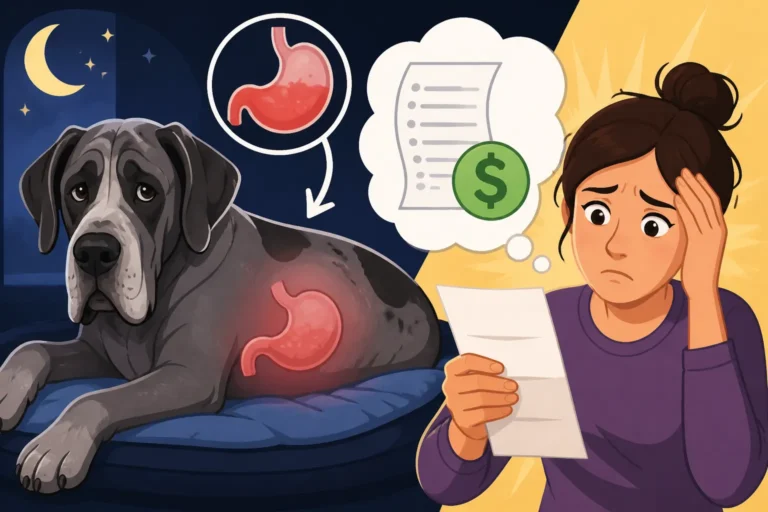
The most notorious is bloat (Gastric Dilatation-Volvulus, or GDV), where the stomach twists. It's a true emergency that requires immediate, expensive surgery, often costing $3,000 to $7,000, and sometimes even more, especially if complications arise. Our comprehensive article, The Lifetime Bloat Risk in a Great Dane, details just how serious this condition is. Another major concern is Dilated Cardiomyopathy (DCM), a heart muscle disease that often requires specialized diagnostics like echocardiograms and lifelong medication, easily costing hundreds of dollars per month. If you’re preparing for a Great Dane, understanding The Heart Muscle Disease Great Danes Are Prone To is critical. Orthopedic issues like hip and elbow dysplasia, osteochondritis dissecans (OCD), and Wobbler Syndrome (cervical spondylomyelopathy) can necessitate expensive imaging, surgery, and physical therapy, often ranging from $2,000 to $10,000 per limb or procedure. And unfortunately, like many large breeds, Great Danes are also susceptible to certain cancers, with treatment plans involving surgery, chemotherapy, or radiation, which can easily climb into the tens of thousands of dollars. These potential crises are why many Great Dane owners consider pet insurance a non-negotiable investment.
Planning for the Unexpected: The Role of Pet Insurance
Given the high propensity for serious and expensive health issues in Great Danes, pet insurance isn't just a good idea; for many, it's an essential financial safety net.
Why Pet Insurance is Almost a Necessity for Great Danes
Imagine being faced with a $5,000 emergency bloat surgery or a lifetime of heart medication costing $300 a month. Without pet insurance, these scenarios can force agonizing decisions between a beloved pet's life and your financial stability. Great Danes simply have more health risks and their treatments are more expensive due to their size, making a robust insurance policy invaluable.
A good pet insurance plan can cover a significant portion of unexpected veterinary bills, allowing you to focus on your dog's recovery rather than crippling debt. Providers like Healthy Paws are often mentioned by Great Dane owners for their comprehensive coverage options. While it's an ongoing monthly expense, it provides immense peace of mind. Starting a policy early, ideally when your Dane is a puppy, is crucial to avoid exclusions for pre-existing conditions. For more information on navigating this topic, check out Enrolling a Great Dane Before Anything Happens.
Understanding Coverage, Deductibles, and Reimbursement
Not all pet insurance policies are created equal, and understanding the nuances is key to choosing the right one for your Great Dane. You'll encounter various types of plans: accident-only, accident and illness, and comprehensive plans that might include wellness add-ons.
Most Great Dane owners opt for comprehensive accident and illness plans, as these cover the major, expensive conditions like bloat, DCM, cancer, and orthopedic problems. You'll need to consider the deductible (the amount you pay before coverage kicks in), the reimbursement percentage (typically 70-90% of covered costs), and the annual limit. Higher deductibles usually mean lower monthly premiums, but you'll pay more out-of-pocket for each incident. Conversely, a lower deductible and higher reimbursement will mean higher monthly premiums but less financial strain during an emergency. For a Great Dane, expect monthly premiums to range from $60 to $150, depending on your location, the dog's age, and the plan details. It's a significant sum, but compared to a $7,000 emergency, it quickly proves its worth.
Home and Away: Training, Boarding, and Lifestyle Costs
Owning a Great Dane isn't just about feeding and vet visits; it requires adapting your lifestyle, your home, and even your travel plans, all of which come with their own set of costs.
Essential Training for a Well-Mannered Giant
A Great Dane's immense size means that good manners aren't just polite; they're absolutely essential for safety and manageability. An untrained Great Dane can be a destructive force or even accidentally injure someone.
Puppy classes and basic obedience training are a foundational investment. Group classes can cost $150-$300 for a course, while private training sessions for specific behavioral issues (like jumping or pulling on the leash) can run $75-$150 per hour. The earlier you start, the better. Teaching a Great Dane to sit calmly when guests arrive, to walk politely on a leash, or to respect boundaries isn't optional; it's mandatory. Imagine a 150-pound dog launching itself at an elderly relative or dragging you down the street. Investing in professional training early can save you countless headaches (and potentially injuries or property damage) later on. Our guide on The Manners a Great Dane Needs Before It Grows is a must-read for new owners.
Boarding, Daycare, and Pet Sitting for Large Dogs
When you go on vacation or need childcare for your Dane, you'll discover that finding suitable arrangements, and paying for them, is often more complicated and expensive. Many standard boarding kennels or daycares have size restrictions or charge premium rates for giant breeds.
A facility capable of safely and comfortably housing a Great Dane for boarding will often charge $50-$100 per night, compared to $30-$50 for a smaller dog. They need larger runs, more robust play areas, and staff comfortable handling their size. Similarly, pet sitters who are experienced with giant breeds may charge higher rates. Daycare, if you need it regularly, can add hundreds of dollars to your monthly budget. These costs are often overlooked but can quickly accumulate, especially if you travel frequently.
Adapting Your Home and Transport for a Great Dane
Your home and vehicle will likely need some adjustments to comfortably and safely accommodate a Great Dane. These aren't just minor tweaks; they can be significant investments.
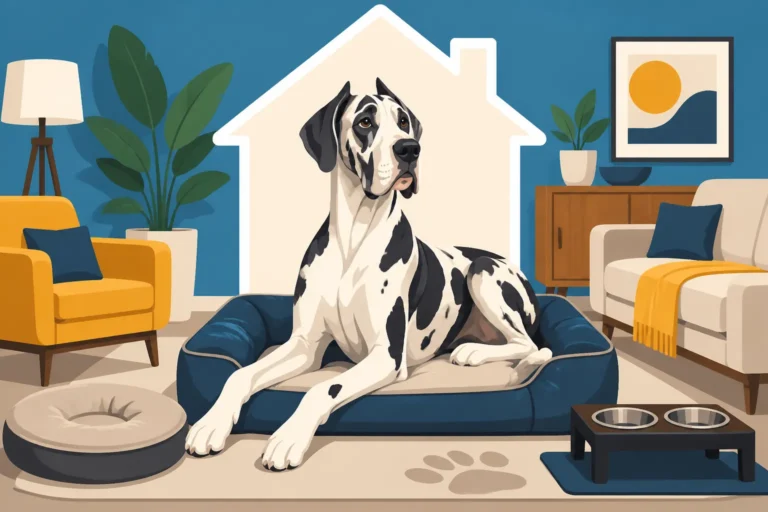
A Great Dane needs ample space, not just to roam, but also for comfortable resting spots. You might find yourself investing in multiple Orthopedic Beds a Great Dane Needs placed throughout the house to protect their joints from hard floors. They can easily reach kitchen counters, so child-proofing cabinets or securing tempting items becomes a necessity. Vehicle-wise, a compact car simply won't do. You'll likely need an SUV, a minivan, or a truck with a cap, and potentially a ramp to help them get in and out as they age, to protect their hips and elbows. Quality ramps can cost $100-$300. Good fencing is also crucial; while Danes aren't typically escape artists, a secure perimeter is always important. Consider that everything they interact with will be subject to greater wear and tear, from floors to furniture, due to their size and weight.
The Long Haul: Senior Care and End-of-Life Expenses
The relatively short lifespan of a Great Dane (typically 7-10 years) means that the "senior years" often come sooner than with smaller breeds, bringing a new wave of expenses as their bodies start to decline.
Increased Medical Needs as a Great Dane Ages
As your Great Dane transitions into its senior years (often around 5-6 years old), you'll likely see an increase in vet visits and medical expenses. Just like humans, older dogs often develop chronic conditions.
Arthritis is common in large breeds, necessitating joint supplements, anti-inflammatory medications, or even more advanced treatments like laser therapy or injections. Heart conditions, kidney disease, and cancer also become more prevalent. Diagnosing and managing these conditions involves more frequent vet appointments, specialized tests (blood panels, X-rays, ultrasounds), and ongoing medications. These monthly medication costs can easily run into hundreds of dollars, especially when considering the large dosages required for a Great Dane. Our article Caring for a Great Dane Past Six offers a deeper dive into these considerations.
Mobility Aids and Comfort Items
A declining Great Dane will benefit greatly from aids and comfort items designed to improve their quality of life. These items are a necessity, not a luxury, for an aging giant.
High-quality orthopedic beds become even more critical to support aching joints and prevent pressure sores. Ramps can help them navigate steps or get into vehicles, reducing strain. Harnesses with handles or slings can assist you in helping them stand up or walk, especially as their back ends weaken. Nonslip rugs or runners can provide traction on slick floors, preventing dangerous falls. While these items represent an investment (a good mobility harness might be $70-$150, a quality orthopedic bed up to $400), they are invaluable for maintaining your senior Dane's comfort and dignity.
End-of-Life Decisions and Associated Costs
Facing the end of your Great Dane's life is emotionally devastating, and unfortunately, there are also financial considerations during this difficult time.
Euthanasia, whether performed at a veterinary clinic or in the comfort of your home, has a cost. In-home euthanasia, while offering peace and privacy, is typically more expensive, ranging from $300 to $600 or more, compared to $100 to $300 at a clinic. Following this, you'll need to decide on aftercare. Cremation services vary widely based on weight, with a Great Dane often falling into the highest weight categories. Private cremation, where you receive your dog's ashes back, can cost $200 to $600, while communal cremation is less expensive. Urns and memorial items are additional optional expenses. These final costs, though difficult to contemplate, are part of the full spectrum of Great Dane ownership. For a more detailed breakdown, consider reading about Cremation Costs for a Great Dane.
Estimated Annual Costs for a Great Dane
To give you a clearer picture, here's a table outlining potential annual expenses for a Great Dane, keeping in mind these are estimates and can vary significantly by region, lifestyle, and individual dog needs.
| Category | Annual Low Estimate | Annual High Estimate | Notes |
|---|---|---|---|
| Food | $960 | $1,800 | High-quality kibble, fresh food, or specialized diets. |
| Treats & Chews | $300 | $700 | Training treats, dental chews, durable toys. |
| Routine Vet Care | $200 | $500 | Annual exams, vaccinations, basic tests. |
| Preventatives | $250 | $500 | Heartworm, flea, tick meds (weight-dependent). |
| Pet Insurance | $720 | $1,800 | Comprehensive accident/illness policy. |
| Supplements | $360 | $720 | Joint support, skin/coat, etc. |
| Grooming/Supplies | $100 | $300 | Brushes, shampoo, nail clippers, occasional professional grooming. |
| Training | $0 | $600 | Ongoing classes or occasional private sessions. |
| Boarding/Daycare | $0 | $1,000 | Occasional use for vacations or work. |
| Miscellaneous | $100 | $400 | Replacement beds, collars, leashes, cleaning supplies. |
| Total Annual Estimate | $3,490 | $7,320 | Does not include emergency vet bills or initial purchase. |
As you can see, the annual cost of owning a Great Dane, even without a major health crisis, is substantial. When you factor in the potential for bloat surgery or lifelong management of DCM, the numbers can climb even higher. This table highlights why Why Every Great Dane Bill Is Bigger is a common lament among owners.
Disclaimer
The information provided in this article is for general informational purposes only and does not constitute professional veterinary or financial advice. Costs can vary significantly based on location, individual pet needs, veterinary practice pricing, and market fluctuations. Always consult with a qualified veterinarian for any health concerns or before making decisions about your pet's care. For financial planning, consider speaking with a financial advisor.