What a Great Dane Breeder Who Screens Hearts Charges
The dream of bringing a magnificent Great Dane into your home often starts with a search for a puppy, and it’s natural to feel a bit of sticker shock when you see the prices from responsible breeders. Many people wonder why a Great Dane from a breeder who meticulously screens for heart conditions commands a higher price tag than what you might see elsewhere. This guide aims to pull back the curtain on those costs, explaining the significant investments a truly ethical breeder makes to ensure you get a healthy, well-adjusted companion, and why those upfront costs are truly an investment in your dog's future.
Understanding the True Cost of a Responsible Great Dane Breeder
It's tempting to look for the cheapest puppy available, especially when Great Danes are already a significant financial commitment. However, with a breed known for several serious health issues, a lower initial price often comes with hidden, heartbreaking costs down the line. Responsible breeders aren't just selling puppies; they're offering the culmination of years of dedication, research, and substantial financial outlay aimed at producing the healthiest and best-tempered dogs possible.
Beyond the Sticker Price: Why Quality Matters
When you encounter a price difference of hundreds, sometimes thousands, of dollars between breeders, it's not arbitrary. That higher price reflects a breeder's commitment to the long-term health and well-being of their dogs and, by extension, yours. A cheap puppy might seem like a bargain, but it frequently comes from parents who haven't had proper health screenings, or who have been bred without consideration for genetic predispositions. This can lead to devastating and incredibly expensive health problems for your puppy in the future, like severe orthopedic issues, cancer, or dilated cardiomyopathy (DCM), which is particularly prevalent in Great Danes. Investing in a puppy from a health-tested line is like buying health insurance for your future dog, significantly reducing the odds of heartbreaking diagnoses and astronomical vet bills.
The Ethical Breeder's Investment
Before a single puppy is even conceived, a responsible Great Dane breeder has already invested thousands of dollars. This includes the purchase of quality breeding stock from proven lines, often involving significant travel and expense. Then there are the exhaustive health clearances for both parents, showing fees to prove their dogs meet breed standards and have sound temperaments, high-quality nutrition for the breeding dogs, and top-notch veterinary care. Once a litter arrives, the costs escalate further with specialized care for the dam, early puppy vet checks, initial vaccinations, deworming, microchipping, and providing a stimulating environment for optimal development. These are not optional expenses for a breeder committed to the breed; they are fundamental.
Initial Shock vs. Long-Term Savings
While the upfront cost of a well-bred Great Dane puppy might make your eyes widen, consider it a proactive measure. It's an investment that minimizes the likelihood of facing preventable, costly health crises later. For a breed like the Great Dane, which can be prone to conditions such as Bloat in a Great Dane and the One in Three Odds or The Heart Muscle Disease Great Danes Are Prone To, selecting a puppy from parents with clear health histories is paramount. Skipping the expense of a responsible breeder could lead to a lifetime of managing chronic conditions or dealing with emergency surgeries, which can quickly dwarf the initial savings. For example, a single emergency surgery for bloat can easily cost several thousand dollars, not to mention the emotional toll.
The Non-Negotiable Investment in Health Screening
Heartfelt breeders don't just love Great Danes; they deeply understand the breed's vulnerabilities and commit to mitigating them. This means rigorous health screening of potential breeding dogs, a process that is both time-consuming and expensive, but absolutely vital.
Deciphering Cardiac Screening for Great Danes
One of the most critical health concerns in Great Danes is Dilated Cardiomyopathy (DCM), a devastating heart condition. A responsible breeder will have their breeding dogs undergo regular cardiac evaluations by a board-certified veterinary cardiologist. This typically involves a combination of tests. The most comprehensive are echocardiograms (heart ultrasounds) to assess heart structure and function, and 24-hour Holter monitoring to detect arrhythmias that might not be apparent during a routine exam.
These screenings are not one-time events; they are often performed annually or bi-annually on breeding animals to monitor for any changes. Ensuring that both parents have clear, current cardiac certifications before breeding is a cornerstone of ethical Great Dane breeding. When a breeder advertises that their Great Danes are from "heart-screened" parents, they are referring to these specific, costly, and specialized tests. Knowing that the parents have had Screening a Great Dane's Heart Each Year or a thorough Holter Monitoring for a Great Dane Heart provides immense peace of mind.
Other Critical Health Clearances
Beyond cardiac health, responsible Great Dane breeders invest in screening for other common genetic conditions. Hip and elbow dysplasia are concerns in all large breeds, and Great Danes are no exception. Breeders will have their dogs evaluated by the Orthopedic Foundation for Animals (OFA) or through PennHIP X-rays to assess joint quality and reduce the risk of passing on poor joint conformation. You should look for documentation of Great Dane Hip and Elbow Screening results.
Additionally, thyroid testing is often performed, as hypothyroidism can be an issue in the breed. Eye examinations by a board-certified veterinary ophthalmologist (CERF/OFA Eye Certification) are also common to rule out inherited eye diseases. These comprehensive health tests, sometimes referred to as The Health Testing a Great Dane Breeder Owers You, are not just a piece of paper; they represent a significant financial commitment to preventing disease.
The Cost of Responsible Testing
Let's talk numbers. Each cardiac echo and Holter monitoring session can cost several hundred dollars, and remember, these are often done yearly. OFA hip and elbow X-rays, including sedation, can add another few hundred dollars per dog. Thyroid panels and eye certifications also come with their own fees. When you factor in multiple breeding animals and repeated testing over their breeding careers, these veterinary bills quickly accumulate into the thousands.
This table illustrates the approximate individual costs for common Great Dane health screenings:
| Health Test | Estimated Cost (per dog) | Frequency for Breeding Dogs | Purpose |
|---|---|---|---|
| Echocardiogram | $400 – $800+ | Annually / Bi-annually | Detects structural heart disease (DCM) |
| 24-Hour Holter Monitor | $300 – $600+ | Annually / Bi-annually | Detects irregular heart rhythms (arrhythmias) |
| OFA Hip X-rays | $200 – $400+ | Once (after 2 years old) | Screens for hip dysplasia |
| OFA Elbow X-rays | $200 – $400+ | Once (after 2 years old) | Screens for elbow dysplasia |
| Thyroid Panel | $100 – $200+ | Annually | Screens for hypothyroidism |
| OFA Eye Certification (CERF) | $50 – $100+ | Annually | Screens for inherited eye diseases |
These costs, combined with stud fees (if applicable), prenatal care, and post-whelping expenses, are all meticulously factored into the price of a well-bred puppy. They reflect the breeder's dedication to producing healthy, sound Great Danes, reducing the risk of you ending up with a pet that requires extensive and expensive veterinary intervention later on.
Why Pedigree, Reputable Lines, and Showing Impact Price
The initial cost of a Great Dane puppy from a reputable breeder isn't just about health; it's also about preserving the breed's integrity, temperament, and conformation. Breeders who prioritize these aspects invest heavily in their breeding program, and this is reflected in their puppy prices.
The Value of a Well-Bred Pedigree
A pedigree isn't just a fancy family tree; it's a verifiable document that traces your puppy's lineage back several generations, showcasing the health, titles, and lineage of its ancestors. A well-researched pedigree from a reputable breeder demonstrates a commitment to maintaining the specific traits and health standards of the Great Dane breed. This often means your puppy comes with an AKC registration. While some might question if Whether an AKC-Registered Great Dane Costs More, the reality is that AKC registration is a hallmark of breeders who adhere to established breed standards and often commit to health testing. It signifies a dog whose ancestry is known and documented, rather than a questionable background. It’s a testament to the breeder's efforts to produce puppies that conform to the ideal Great Dane, both physically and temperamentally.
Conformation and Show Ring Achievements
Many responsible Great Dane breeders participate in dog shows, not for ego, but to objectively evaluate their dogs against the breed standard. This process, known as conformation showing, helps breeders assess if their dogs possess the correct structure, movement, and temperament that defines a Great Dane. Winning titles and championships in the show ring is a lengthy and expensive endeavor, involving entry fees, travel, handler fees, and extensive grooming.
These titles are a form of quality assurance, indicating that the breeding stock has been judged by experts to be excellent representatives of the breed. When you see a breeder advertising "show-line" Great Danes or mentioning champions in their pedigrees, understand that this adds significant value. This is What a Show-Line Great Dane Costs and why it’s more expensive; it means the breeder has put their dogs through rigorous external evaluation to ensure they are contributing positively to the breed's future.
Temperament and Early Socialization Efforts
Beyond physical health and conformation, a responsible breeder prioritizes temperament. Great Danes are known as "gentle giants," and a good breeder works tirelessly to ensure their puppies embody this trait. This involves careful selection of breeding parents with sound, stable temperaments, as well as extensive early socialization for the puppies.
From birth, ethical breeders expose puppies to a variety of sights, sounds, textures, and human interactions, building their confidence and resilience. They'll spend countless hours handling, playing with, and introducing puppies to different stimuli. This foundational work is crucial for raising a well-adjusted Great Dane that can thrive in a family environment. It's a hands-on, time-intensive process that contributes significantly to the overall quality of the puppy you bring home.
What's Included Beyond the Puppy Itself
When you purchase a Great Dane puppy from a reputable breeder who screens hearts, you're not just paying for the adorable floof with big paws. You're paying for a package deal that includes significant upfront veterinary care, comprehensive support, and invaluable resources designed to set both you and your new family member up for success.
Veterinary Care and Early Interventions
Long before you pick up your puppy, a responsible breeder has already taken care of vital early veterinary needs. This usually includes at least one, often two, comprehensive vet check-ups for the litter, where each puppy is thoroughly examined to ensure they are healthy, robust, and free from obvious congenital defects.
Your puppy will typically come with its first set of vaccinations, sometimes even two rounds, depending on its age at placement. They will have been dewormed multiple times according to a veterinarian-recommended schedule, and usually microchipped for permanent identification. This essential early medical care, including things like Pre-Surgery Bloodwork on a Great Dane if needed for specific procedures (though not typically for puppies this young), is a substantial expense for the breeder, but it means you receive a puppy that has had a healthy start. Understanding What a Great Dane Puppy's Shot Course Costs individually can highlight the value of these inclusions.
Comprehensive Puppy Kits and Support
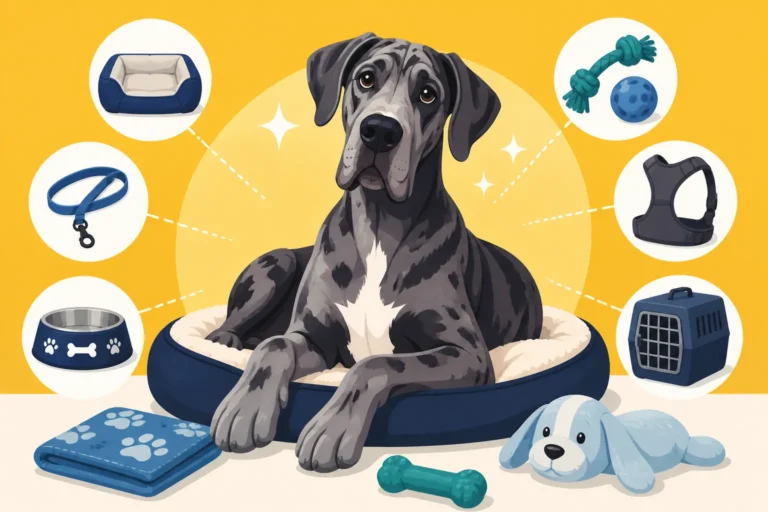
A truly dedicated breeder won't just hand you a puppy and wave goodbye. They'll provide a "puppy kit" designed to ease your Great Dane's transition into its new home. This often includes a small bag of the food the puppy has been eating, a comfort blanket with the scent of its littermates and mother to help with separation anxiety, and a selection of appropriate toys. Reputable brands like Chewy often offer starter kits or subscriptions that breeders might recommend, and some breeders even partner with fresh food companies like Ollie to ensure puppies are accustomed to high-quality nutrition.
More importantly, this kit usually contains detailed health records, vaccination certificates, deworming schedules, and registration papers. You'll also typically receive a comprehensive puppy care guide covering everything from feeding schedules and house training tips to exercise guidelines and socialization advice. This invaluable trove of information helps you navigate those crucial first few weeks and months.
Lifelong Breeder Support
Perhaps one of the most underrated "inclusions" in the price of a well-bred Great Dane is the ongoing support from your breeder. An ethical breeder views themselves as a lifelong resource and mentor for their puppy buyers. They genuinely care about where their puppies go and how they fare, and they're available to answer questions, offer advice, and provide guidance throughout your Great Dane's life.
Whether you have questions about training, nutrition, health concerns, or just need a sympathetic ear, a good breeder is often your first and most trusted point of contact. This invaluable relationship means you're never alone in your journey with your Great Dane, offering peace of mind that a cheaper, casually bred puppy simply cannot provide.
Geographic and Market Influences on Price
The cost of a Great Dane puppy from a heart-screening breeder isn't solely determined by the breeder's direct investments; it can also be influenced by broader market forces and where you live. Just like real estate, dog prices can fluctuate based on location and demand.
Regional Variations in Cost
The economic landscape of different regions plays a significant role in determining puppy prices. Breeders in areas with a higher cost of living, where veterinary services, quality dog food, and showing expenses are more expensive, will naturally have higher overheads. These increased costs for their breeding program will, in turn, be reflected in the price of their puppies. For example, a Great Dane puppy from a reputable breeder in a major metropolitan area like Los Angeles or New York might command a higher price than a similar puppy from a rural area in the Midwest, simply due to the differing operational costs involved. It's not uncommon to see price variations of several hundred dollars or more based purely on geography.
Supply and Demand for Quality Puppies
The availability of truly health-tested, well-bred Great Danes from reputable breeders is often limited. These breeders prioritize quality over quantity, typically having fewer litters, and carefully screening potential homes. This thoughtful approach means there's a higher demand for their puppies than there is supply. When a breeder consistently produces healthy, well-tempered Great Danes that are sought after, they often have waiting lists, and this demand can contribute to the higher price point. Conversely, breeders who don't prioritize health screening or ethical breeding practices may have lower prices but often come with greater risks. The higher price for a responsibly bred puppy reflects the market value of a diligently produced, healthy animal.
Specialty Colors and Markings
While less about health screening and more about aesthetics, certain colors and markings can also influence the price of a Great Dane puppy, even from a health-focused breeder. Unique or "rare" colors, or those that are particularly difficult to consistently produce according to breed standards, may fetch a higher price. For instance, Harlequin Great Danes, with their striking white base and torn black patches, are often among the most expensive. This is because the genetics behind producing a correct Harlequin pattern are complex, and the ratio of correctly marked puppies in a litter can be lower. Understanding Why Harlequin Great Danes Cost More highlights that sometimes, rarity or specific aesthetic challenges can add a premium, even when health testing remains paramount.
Long-Term Financial Planning: Beyond the Initial Purchase
Bringing a Great Dane into your life is a long-term financial commitment that extends far beyond the initial puppy purchase price. Understanding and planning for these ongoing expenses is crucial for responsible ownership, especially given the breed's size and specific health predispositions.
Budgeting for Ongoing Health Needs
Even with the best breeding and health clearances, Great Danes are a giant breed, and giant breeds have giant bills. Their sheer size means that nearly every veterinary cost is higher than for a smaller dog. Medications are dosed by weight, anesthesia costs more, and specialized equipment or procedures naturally carry a larger price tag. Beyond routine vet visits and vaccinations, you need to budget for potential emergencies or age-related conditions. This includes the possibility of unexpected ailments, even if rare for your specific dog.
Consider ongoing preventative care like heartworm medication and flea/tick preventatives, which are significantly more expensive for a Great Dane than for a Chihuahua. A Great Dane eats a lot of food – often 6-10 cups a day for an adult. Premium large-breed specific formulas, crucial for their health, can cost $80-$100+ per bag, and you'll go through bags quickly. While the breeder’s upfront health screening reduces risk, it doesn't eliminate the need for ongoing vigilance and care. Understanding the scope of The Vet Spending a Great Dane Needs Anyway is essential for prospective owners.
Pet Insurance as a Lifeline
Given the Great Dane's susceptibility to serious conditions like bloat, DCM, and orthopedic issues, pet insurance is not just an option; it's practically a necessity. Many owners deeply regret not enrolling their Great Dane in pet insurance early on, only to face a staggering vet bill when an emergency strikes. Monthly premiums for a Great Dane can range from $60 to $150+, depending on your location, chosen deductible, and coverage level, but this expense pales in comparison to a $5,000+ emergency surgery for bloat or ongoing cardiology treatments.
Providers like Healthy Paws offer comprehensive coverage plans that can be a lifesaver when unexpected health issues arise. Enrolling your puppy as early as possible ensures that many potential conditions aren't considered pre-existing, maximizing your coverage. It's crucial to consider Whether Pet Insurance Is Essential for a Great Dane when budgeting for your new companion. It's a financial safety net that allows you to make medical decisions based on what's best for your dog, rather than solely on your wallet.
The True Value of a Well-Bred Companion
While the numbers can seem daunting, the investment in a Great Dane from a responsible, heart-screening breeder is ultimately an investment in a beloved family member. The peace of mind that comes from knowing your puppy has the best possible genetic start, supported by comprehensive health clearances and a dedicated breeder, is truly priceless. You're not just buying a dog; you're buying a higher probability of a longer, healthier, happier life together, reducing the likelihood of devastating illness and the crushing financial and emotional toll it takes. A responsible breeder’s price reflects their dedication to the breed, to their dogs, and ultimately, to you.
Disclaimer
Please remember that this article provides general information and estimates. Veterinary costs, breeder prices, and product availability can vary significantly based on location, individual circumstances, and market fluctuations. Always consult with a qualified veterinarian and reputable Great Dane breeders for personalized advice and the most accurate, up-to-date information.