Enrolling a Great Dane Before Anything Happens
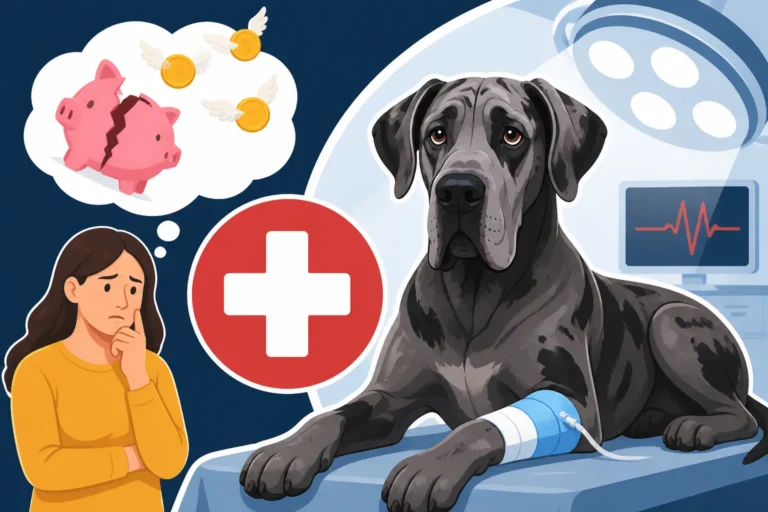
Bringing a Great Dane into your life is an incredible joy, but it also comes with the looming worry of their potential health issues and the shocking veterinary bills that can quickly accumulate. From bloat to heart conditions, these gentle giants are unfortunately prone to a range of serious ailments that can appear out of nowhere. This guide will walk you through why enrolling your Great Dane in pet insurance before any health concerns arise is one of the smartest financial and emotional decisions you can make, helping you protect both your beloved companion and your wallet.
The Unique Financial Realities of Great Dane Ownership
Let's be real: owning a Great Dane is a commitment, not just of love and time, but of significant financial resources. These magnificent dogs are prone to certain health challenges that can quickly drain a savings account if you're not prepared. Understanding these unique realities is the first step toward responsible ownership and finding peace of mind.
A Lifespan Prone to Major Health Issues
It's a heartbreaking truth that Great Danes, despite their imposing size, typically have a shorter lifespan compared to smaller breeds. Many owners sadly face the reality of Why a Great Dane Only Lives Seven to Ten Years due to a predisposition to several serious conditions. For instance, one of the most terrifying emergencies is Bloat in a Great Dane and the One in Three Odds, or gastric dilatation-volvulus (GDV). This is a life-threatening condition where the stomach twists, and it requires immediate, expensive emergency surgery. Even with intervention, the prognosis can be guarded, and the associated costs can easily run into thousands of dollars for diagnostics, surgery, and critical care.
Beyond bloat, Great Danes are also sadly susceptible to certain hereditary diseases that can manifest early in life or develop as they age. Dilated Cardiomyopathy (DCM), a severe heart muscle disease, is tragically common in the breed, often leading to heart failure. You might find yourself learning all about The Heart Muscle Disease Great Danes Are Prone To much sooner than you ever expected. Then there's Wobbler Syndrome, a neurological condition affecting the neck and spine, which can lead to significant mobility issues and often requires costly diagnostics and potential surgery. And let's not forget the ever-present threat of Bone Cancer in a Great Dane, particularly osteosarcoma, which can lead to heartbreaking decisions and expensive treatments like amputation and chemotherapy. These are not minor ailments; they are major, often sudden, and always expensive challenges that can blindside even the most prepared owner.
The Sheer Scale of Medical Expenses for a Giant Breed
It’s not just what can go wrong, but how much it costs when it does with a Great Dane. Everything, and I mean everything, costs more for a giant breed. Think about it: a larger dog needs larger doses of medication, more anesthetic for any procedure, larger surgical suites, and specialized equipment. A simple antibiotic might cost a medium dog owner $20, but for a Great Dane, it can easily be double or triple that due to their sheer body weight. Diagnostic imaging, like X-rays or an MRI for something like The Neck Condition That Trips a Great Dane Up, requires more powerful machines and often multiple plates, increasing the cost exponentially.
Consider an emergency vet visit for something seemingly minor, like an upset stomach. What might be a couple of hundred dollars for a smaller dog's fluids and anti-nausea meds can quickly escalate to $500 or more for a Great Dane just for the initial assessment and basic treatments. When you factor in overnight stays, specialized consultations, or intensive care for conditions like a twisted stomach, the bills can spiral into the tens of thousands. This is not hyperbole; it's the stark reality that many Great Dane owners face. The question isn't if you'll face a significant vet bill, but when, and whether you'll be able to afford the best possible care for your beloved giant. This is why many consider pet insurance to be as essential as good food and proper training for a Great Dane.
Why Early Enrollment in Pet Insurance is Paramount
It's tempting to think, "My Great Dane puppy is healthy, I'll wait on insurance." But this mindset can be a catastrophic mistake when you own a breed known for both early-onset and later-life health issues. The key word here is before anything happens – it makes all the difference in the world.
Avoiding Pre-Existing Condition Exclusions
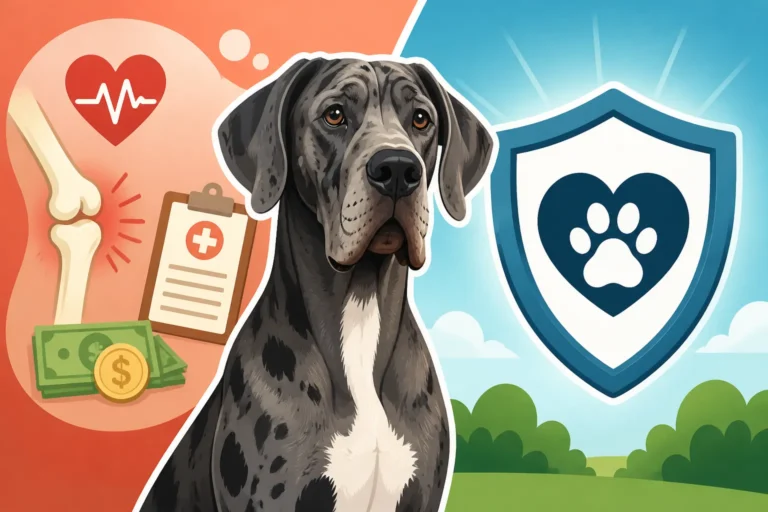
This is the absolute cornerstone of why early enrollment is non-negotiable for Great Danes. Pet insurance companies, much like human health insurance, have strict rules about pre-existing conditions. A "pre-existing condition" is generally defined as any illness or injury that showed symptoms or was diagnosed before your policy's waiting period ended, even if you hadn't taken your dog to the vet for it yet. If your Great Dane develops an issue, say, joint pain that might point to Great Dane Hips, Elbows and Growing Joints, before you enroll or during the waiting period, any future treatment for that condition will likely be excluded from coverage for the life of the policy.
Imagine this scenario: you decide to wait until your Great Dane is a year old. At 10 months, they start showing subtle signs of a limp, or a slight cough at night, which could be an early indicator of DCM. Even if you don't take them to the vet until after you've enrolled, the insurance company will review past vet records. If those records show any mention of a limp or cough prior to enrollment, or if a vet later determines the condition likely started before coverage, it could be deemed pre-existing. This means that potentially thousands of dollars in diagnostics, medications, or even surgery for that specific issue would come entirely out of your pocket. Getting your Great Dane covered as a healthy puppy, ideally as soon as you bring them home and after their initial vet check-up, is the only way to ensure the broadest possible coverage for any future health concerns.
Securing the Best Coverage Before Age-Related Risks Increase
As Great Danes age, their risk of developing serious health conditions increases, and so can the cost of insuring them. While most reputable insurers won't deny coverage based on age alone for a healthy dog, waiting too long can mean higher premiums, more stringent underwriting, or the development of conditions that then become pre-existing. For instance, The Lifetime Bloat Risk in a Great Dane doesn't suddenly appear at age five; it's a risk throughout their life. If you wait until they're older, they might have already had a minor health hiccup that gets flagged, or their general health might not be as pristine, leading to higher rates.
Enrolling a young, healthy Great Dane often allows you to lock in more favorable rates and broader coverage. You're covering them during their most vulnerable period for growth-related issues, and setting yourself up for financial protection as they enter their senior years, which can be particularly expensive. Think of it like this: you wouldn't wait until your house is on fire to buy homeowner's insurance. Similarly, you shouldn't wait until your Great Dane shows signs of illness to get them pet insurance. Companies like Healthy Paws are well-regarded for their comprehensive plans that can offer significant peace of mind when enrolled early, covering accidents and illnesses throughout your dog's life.
Navigating Pet Insurance Options for Your Giant Friend
Choosing the right pet insurance for a Great Dane can feel overwhelming, like trying to pick the perfect giant-sized bed from a thousand options. There are many plans out there, and what works for a Chihuahua definitely won't cut it for our majestic Danes. It's crucial to understand the different types of coverage and how the policy's mechanics will actually function when you need them most.
Understanding Different Coverage Types
When you start looking at pet insurance, you’ll typically encounter a few main categories of plans. The most basic is accident-only coverage, which, as the name suggests, only pays out for unexpected injuries like broken bones, lacerations, or foreign body ingestion. While better than nothing, this type of plan offers very limited protection for a Great Dane, who is susceptible to a host of illnesses that an accident-only policy wouldn't touch.
Next up are illness-only policies, which are far less common these days but focus specifically on diseases, infections, and chronic conditions. However, the vast majority of owners opt for comprehensive accident & illness coverage, and this is almost universally recommended for Great Danes. A comprehensive plan covers both unexpected injuries and illnesses, including hereditary and congenital conditions, which is critically important for a breed with such a long list of predispositions. This is where you'll find coverage for things like bloat surgery, treatment for DCM, cancer therapy, and expensive diagnostics for neurological conditions. Some comprehensive plans also offer wellness add-ons, which cover routine care like vaccinations, annual exams, and parasite prevention, but these are often separate from the core accident and illness policy and might not be as cost-effective for every owner, as they essentially act as a pre-paid savings account for routine care.
Deciphering Deductibles, Reimbursement Rates, and Annual Limits
Understanding the financial mechanics of your pet insurance policy is key to managing unexpected vet bills. You'll encounter three main terms:
-
Deductible: This is the amount you pay out-of-pocket before your insurance coverage kicks in for the year. It's like the deductible on your car insurance. Most plans offer choices, ranging from $100 to $1,000 or more. A higher deductible usually means a lower monthly premium. For a Great Dane, given the potential for very high bills, a lower deductible can be appealing, but it comes at the cost of a higher monthly payment. You need to weigh what you're comfortable paying upfront versus your ongoing budget.
-
Reimbursement Rate: After you meet your deductible, this is the percentage of eligible vet bills the insurance company will pay back to you. Common rates are 70%, 80%, or 90%. So, if your bill is $1,000 after your deductible, and you have an 80% reimbursement rate, the insurer would pay you back $800. For Great Danes, whose bills are so substantial, aiming for an 80% or 90% reimbursement rate can make a huge difference, especially when a single incident like The Night a Great Dane Bloats and What It Costs can run into many thousands.
-
Annual Limit: This is the maximum amount your policy will pay out in a given year. Some plans offer unlimited annual coverage, which is a fantastic feature for Great Danes due to their high-cost medical needs. Other plans might have limits like $5,000, $10,000, or $15,000. While these might seem high, a single major surgery or a course of chemotherapy for Bone Cancer in a Great Dane can easily exceed a $10,000 limit. For this reason, many Great Dane owners prefer policies with high annual limits or, ideally, unlimited coverage to protect against the most expensive, catastrophic events.
You'll want to carefully examine these factors when looking at Premiums Quoted on a Great Dane to ensure you're getting robust coverage without breaking the bank monthly. Balancing these three components is key to finding a policy that truly protects your giant.
Specific Considerations for Great Dane-Related Claims
When you own a Great Dane, certain conditions are more likely to arise, and it's essential your chosen pet insurance policy handles them well. One of the biggest concerns is Gastric Dilatation-Volvulus (GDV), or bloat. You need to ensure your policy explicitly covers emergency surgery for bloat, which nearly all comprehensive plans do, but it's always worth double-checking the fine print. Prophylactic Stomach Tacking Surgery for a Great Dane, known as a gastropexy, is a common preventive measure. While the surgery itself might not be covered if it's considered elective, if it's done during an emergency bloat surgery, it typically is. Some wellness add-ons might even offer partial reimbursement for elective gastropexy.
Another critical area is cardiac conditions, particularly Dilated Cardiomyopathy (DCM). This is a hereditary condition, and you must confirm your policy covers hereditary diseases without specific exclusions. This means that if your Dane is diagnosed with DCM, you'll want coverage for expensive diagnostics like echocardiograms and lifelong medications. Similarly, orthopedic issues like hip and elbow dysplasia, or Wobbler Syndrome, can lead to costly imaging, specialist consultations, and sometimes complex surgeries. Again, comprehensive plans that cover hereditary conditions are vital here. When looking at providers, check their reputation for handling these specific, high-cost claims. Many owners report positive experiences with companies like Healthy Paws when it comes to covering the big-ticket items that Great Danes are unfortunately prone to.
The Enrollment Process: Getting Your Great Dane Covered
Deciding to get pet insurance is one thing; actually going through the enrollment process is another. It doesn’t have to be complicated, but being prepared makes it much smoother and ensures you get the best possible coverage without unexpected hiccups.
Gathering Necessary Information and Vet Records
Before you even start filling out an application, take a moment to gather everything you'll need. This typically includes basic information about you (name, address, contact) and, most importantly, detailed information about your Great Dane. You'll need their full name, breed, date of birth, gender, and microchip number if they have one. If you're enrolling a puppy, you'll want to have the contact information for the vet who performed their initial health check and administered their first vaccines.
The most crucial piece of the puzzle, however, is your Great Dane's complete veterinary medical history. Insurance companies will require these records to assess your dog's health status and identify any pre-existing conditions. This means contacting your current vet (or the breeder's vet if it's a very young puppy) and requesting a full copy of all records. This should include vaccination history, exam notes, lab results, and any diagnoses or treatments. Having these ready will significantly speed up the approval process and ensure there are no misunderstandings about your dog's health status at the time of enrollment. It's often easier to get these records when your pup is young and healthy, with fewer entries to sort through.
Online vs. Agent Enrollment: Pros and Cons
You generally have two main avenues for enrolling your Great Dane in pet insurance: applying online directly through the insurer's website or going through an insurance agent or broker. Both have their advantages and disadvantages.
Online Enrollment is usually the quickest and most straightforward method. You can compare different plans and Picking a Deductible Against Great Dane Surgery from various providers side-by-side, get instant quotes, and often complete the entire application in one sitting. Many people appreciate the convenience of being able to do it on their own schedule, without any pressure. Websites like Healthy Paws or similar providers offer user-friendly interfaces that make this process quite simple. However, the downside is that you're largely on your own to understand the nuances of the policy. If you have specific questions about Great Dane-specific coverage, like whether a gastropexy is covered, you might need to call their customer service anyway.
Agent or Broker Enrollment involves working with a licensed insurance professional. An agent might represent a single company, while a broker can offer policies from multiple providers. The main advantage here is personalized guidance. An agent can help you understand the jargon, compare policies tailored to a Great Dane's unique needs, and answer all your specific questions, potentially saving you a lot of research time. They can also advocate for you if any issues arise during the application process. The drawback is that it might take a bit longer to go back and forth, and an agent might not always present all available options if they have preferred partners. Ultimately, the best method depends on your comfort level with research and your preference for personalized assistance.
What to Expect During Waiting Periods
Once you've submitted your application and it's approved, your Great Dane isn't immediately covered. All pet insurance policies come with what's called a "waiting period." This is a short period, typically a few days to a few weeks, after you enroll and pay your first premium, during which certain conditions are not covered. Waiting periods are a standard industry practice designed to prevent people from buying insurance only after their pet is already sick or injured.
Most policies have two main waiting periods:
- Accident Waiting Period: This is usually very short, often 2-3 days, or sometimes even 24 hours. So, if your Great Dane has an accident after this period, it would be covered.
- Illness Waiting Period: This is typically longer, often 14 days, but some plans may have a 30-day waiting period. This means that if your Great Dane develops an illness during this time, it won't be covered.
Crucially for Great Danes, some conditions might have extended waiting periods. For example, orthopedic conditions like hip dysplasia or cruciate ligament injuries might have a 6-month or even 12-month waiting period. This is another powerful reason to enroll your Great Dane as early as possible. If you wait until they're older and then get hit with a 6-month orthopedic waiting period, any joint issues that arise in that time frame won't be covered, which can be devastating for a growing giant breed. Always read the policy documents carefully to understand all applicable waiting periods for your chosen plan.
Making the Most of Your Great Dane's Policy
Congratulations, you've enrolled your Great Dane in pet insurance! That's a huge step toward financial security and peace of mind. But having the policy is only half the battle; knowing how to utilize it effectively when needed and ensuring it remains the best fit for your dog over time is just as important.
Submitting Claims and Understanding Reimbursement
When your Great Dane needs veterinary care, the process of using your insurance usually involves paying your vet directly at the time of service, and then submitting a claim to your insurance company for reimbursement. Most modern pet insurance providers, including many popular ones, offer easy ways to submit claims online through a customer portal or a mobile app. You'll typically need to upload your itemized vet invoices and your Great Dane's medical records pertaining to the visit. Some vets may even assist you in submitting claims directly, though this is less common.
After you submit a claim, the insurance company will review it to ensure it's eligible under your policy's terms (i.e., not a pre-existing condition, within annual limits, etc.). Once approved, they will process the reimbursement check or direct deposit, minus your deductible (if not yet met for the year) and based on your reimbursement rate. This process can take anywhere from a few days to a few weeks, depending on the insurer and the complexity of the claim. Keeping good records of all your vet visits, invoices, and communications with the insurance company will help ensure a smooth reimbursement process. This is particularly important for the larger, more complex claims that a Great Dane owner might face, such as those related to bloat or chronic heart conditions.
Annual Reviews and Adjustments to Your Policy
Life changes, and so do the needs of your Great Dane. It's a really smart idea to review your pet insurance policy annually, or at least every few years, to ensure it still meets your giant's evolving health profile and your financial situation. As your Great Dane ages, their risk factors might shift, and you might want to adjust your coverage. For example, as they enter their senior years (often considered around age six for Great Danes), the focus might shift more toward managing chronic conditions or age-related ailments.
During your review, consider whether your deductible, reimbursement rate, and annual limit are still appropriate. If your Great Dane has been exceptionally healthy, you might consider a slightly higher deductible to lower your monthly premium, assuming you have an emergency fund ready. Conversely, if they've had a few costly issues, you might want to ensure your annual limit is as high as possible. Also, keep an eye on your policy's terms and conditions, as insurance companies sometimes update their offerings or terms. If you've moved, ensure your contact information and vet details are current. This proactive approach helps ensure that your investment in pet insurance continues to provide optimal protection for your Great Dane throughout their relatively short, but often medically demanding, life.
Wellness Plans: Are They Worth It for Great Danes?
Beyond accident and illness coverage, many pet insurance providers, or even separate companies like those offered via platforms like Chewy, offer optional wellness plans. These plans are designed to help cover the costs of routine, preventive care, such as annual exams, vaccinations, heartworm tests, parasite prevention, and sometimes even spaying/neutering. The question of whether a wellness plan is "worth it" for your Great Dane is a common one and largely depends on your specific needs and budget.
For Great Danes, routine care costs can add up. Just getting enough heartworm medication for Heartworm Tablets for the Heaviest Weight Band can be more expensive than for smaller breeds. However, unlike accident and illness policies, wellness plans typically function more like a budgeting tool than true insurance. You pay a monthly fee, and in return, you get a set amount of reimbursement for specific routine services. In many cases, if you're diligent about shopping around for vet services and managing costs, you might spend roughly the same amount or even less than the total annual cost of the wellness plan premiums. They offer convenience and help spread out the cost, but often don't save you a significant amount of money in the long run. When considering a wellness plan, compare the annual premium cost directly with the typical annual cost of the routine services your Great Dane actually needs. If you already order food from a reputable provider like Ollie, you know that budgeting for a giant breed can be tricky, and every dollar counts. For truly catastrophic events, however, a separate, robust accident and illness policy is always the paramount concern. Many owners opt for a strong accident/illness policy and simply self-fund their routine care, perhaps by Building a Fund Before a Great Dane Needs It.
Great Dane Health Conditions and Potential Costs
To give you a clearer picture of the financial stakes, here's a table outlining some common Great Dane health issues and the typical cost ranges for diagnosis and treatment without insurance. These are estimates and can vary widely based on location, vet, and complexity of the case.
| Health Condition | Typical Cost Range (Without Insurance) | Primary Concerns for Great Danes |
|---|---|---|
| Bloat (GDV) Surgery | $3,000 – $10,000+ | Emergency surgery, critical care, high recurrence risk without gastropexy. |
| Dilated Cardiomyopathy (DCM) | $2,000 – $5,000+ (per year, for diagnostics & medication) | Lifelong medication, frequent echocardiograms, specialist consultations. |
| Wobbler Syndrome | $3,000 – $8,000+ (for diagnosis & surgery) | MRI/CT scans, specialist neurologists, complex spinal surgery, physical therapy. |
| Osteosarcoma (Bone Cancer) | $4,000 – $15,000+ | Amputation, chemotherapy, radiation, pain management, diagnostics. |
| Hip/Elbow Dysplasia | $1,500 – $7,000+ (per joint, per treatment) | X-rays, anti-inflammatory meds, joint supplements, potential surgery. |
| Cruciate Ligament Tear | $2,500 – $5,000+ (per leg) | Surgery (TPLO, TTA), extensive post-operative rehabilitation. |
| Other Emergencies (e.g., severe injury, poisoning) | $500 – $5,000+ | Diagnostics, hospitalization, specialized treatments, depending on severity. |
This table truly illustrates Whether Pet Insurance Is Essential for a Great Dane. The potential for a single incident to cost thousands underscores the invaluable role of early and comprehensive pet insurance enrollment.
Disclaimer
This article is for general informational purposes only and does not constitute professional advice. Laws, prices and regulations vary by location and change over time. Consult a qualified professional for guidance on your specific situation.