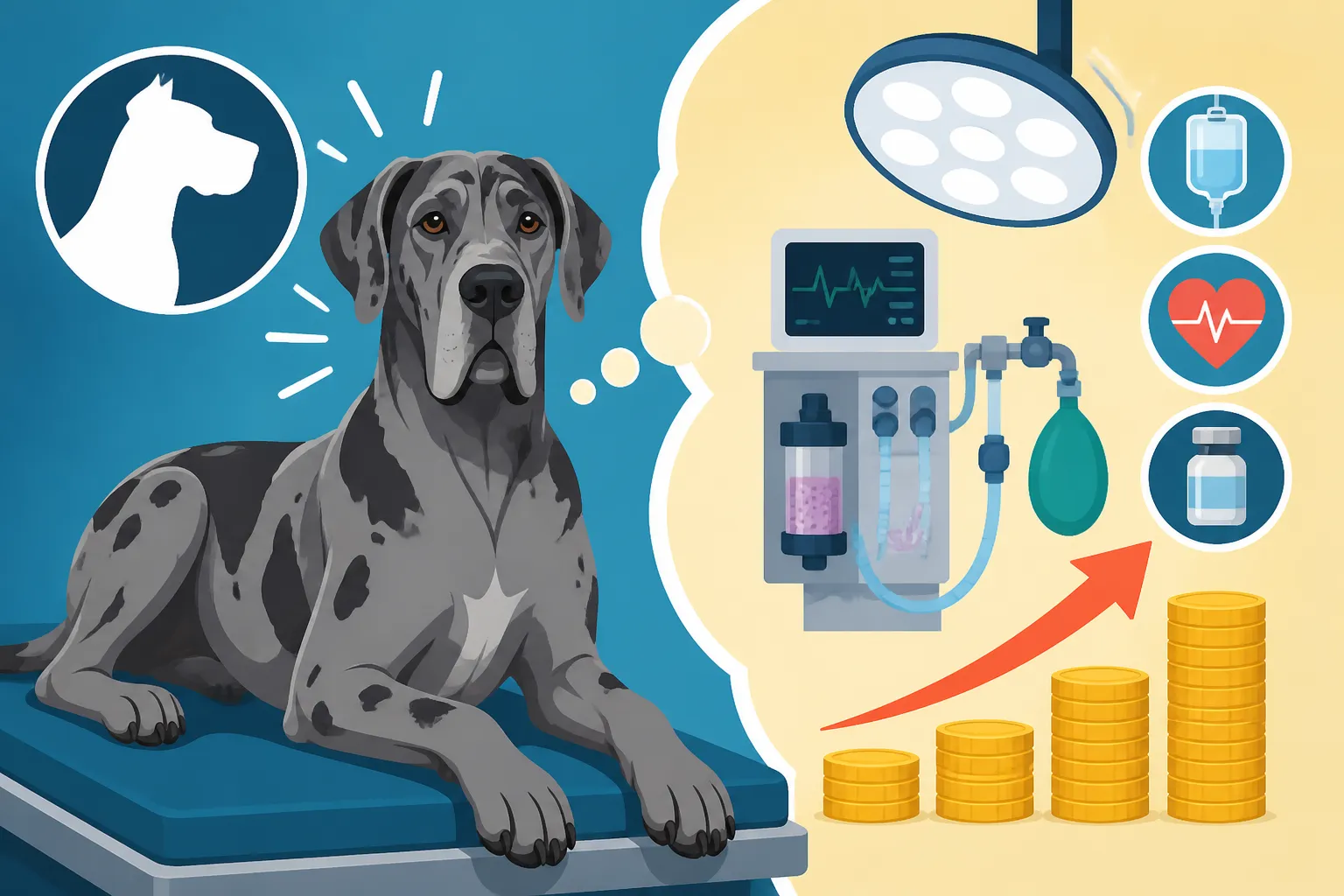
Why Great Dane Anesthesia Is Billed Higher
It’s a scenario no Great Dane owner wants to face: your beloved giant needs a procedure that requires anesthesia, and the estimate from the vet feels like it could buy a small car. The sticker shock is real, and it’s a frustration many of us share. You might wonder why every single bill seems to be inflated just because your dog is bigger. This comprehensive guide will break down exactly why anesthesia costs are significantly higher for Great Danes, diving deep into the physiological, medical, and practical reasons behind those daunting invoices.
The Unique Physiology of a Giant Breed
When you have a dog as magnificent and enormous as a Great Dane, their sheer size isn't just about how much food they eat or how much space they take up on the couch. It profoundly impacts every aspect of their veterinary care, especially when it comes to anesthesia. Their physiology dictates that standard protocols for smaller breeds simply won't cut it, leading to a cascade of necessary adjustments that inevitably drive up costs.
Dosage and Drug Volume
One of the most straightforward reasons for increased anesthesia costs boils down to simple math: larger dogs require larger doses of medication. Anesthetic drugs are typically dosed by weight, meaning a 150-pound Great Dane will need a significantly higher volume of pre-medications, induction agents, and maintenance anesthetics compared to, say, a 20-pound terrier. This isn't just a slight increase; it's a proportional one, and those drugs are expensive. Imagine the difference in how much pain medication a human baby needs versus a grown adult – it’s a similar principle, but magnified by the incredible weight range we see across dog breeds. You're not just paying for the drug itself; you're paying for the precise, carefully calculated amount necessary to safely sedate and maintain your gentle giant throughout their procedure.
Moreover, the types of drugs chosen can also influence cost. For a breed with known sensitivities or specific health concerns, your vet might opt for more expensive, yet safer, anesthetic agents that have a wider safety margin or different metabolic pathways. This careful selection, while vital for your Dane's well-being, adds another layer to the expense.
Specialized Equipment Requirements
Think about the equipment used in a veterinary surgery. For a Chihuahua, the intubation tube, IV catheters, and even the blood pressure cuffs are quite small. Now, picture scaling all of that up for a Great Dane. Their tracheas are much wider, demanding larger diameter endotracheal tubes to ensure a patent airway and deliver anesthetic gas effectively. Their veins are certainly bigger, but they still require appropriate-sized catheters to deliver fluids and medications efficiently, often meaning larger gauges than what's needed for smaller patients.
Even seemingly minor items like recovery blankets, warming pads, and slings for moving an unconscious or recovering dog need to be supersized and extra durable. At 150+ pounds, you can't just scoop a Great Dane off the table. Specialized lifting slings or larger, reinforced gurneys might be necessary to safely transport them from the operating room to recovery, minimizing injury risk to both the dog and the veterinary staff. These larger, specialized pieces of equipment cost more to purchase, maintain, and sterilize, and these operational costs are factored into the overall bill.
Metabolic Rates and Drug Clearance
Great Danes, like many giant breeds, often have different metabolic rates and drug clearance times compared to their smaller counterparts. This isn't always linear with size. Some large breeds can metabolize certain drugs surprisingly quickly, while others, particularly older or less healthy Danes, might clear them more slowly. This variability requires the veterinary team to be incredibly vigilant, constantly monitoring and adjusting anesthetic depth.
A Great Dane’s large body mass means there's more tissue for anesthetic agents to distribute into, which can affect how quickly they reach effective levels and how long they stay in the system. The liver and kidneys, responsible for metabolizing and eliminating drugs, also work hard in a giant breed. This complex interplay means that administering anesthesia isn't a one-size-fits-all process; it's an intricate dance of continuous assessment and adjustment. This extended attention and the potential for longer periods under anesthesia, even just by a few minutes, can translate into higher hourly costs for drug use and monitoring time.
Increased Anesthesia Risks in Great Danes
It’s an unfortunate truth that Great Danes, despite their imposing stature, are prone to several serious health conditions that significantly elevate the risk associated with anesthesia. These predispositions mean that vets must take extra precautions, employ more conservative protocols, and be prepared for potential complications, all of which contribute to a higher cost of care.
Cardiac Concerns and DCM
One of the most significant health concerns for Great Danes is their predisposition to The Heart Muscle Disease Great Danes Are Prone To, specifically Dilated Cardiomyopathy (DCM). This condition causes the heart muscle to thin and weaken, making it less efficient at pumping blood. Anesthesia places significant stress on the cardiovascular system, making a dog with undiagnosed or poorly managed DCM a much higher risk.
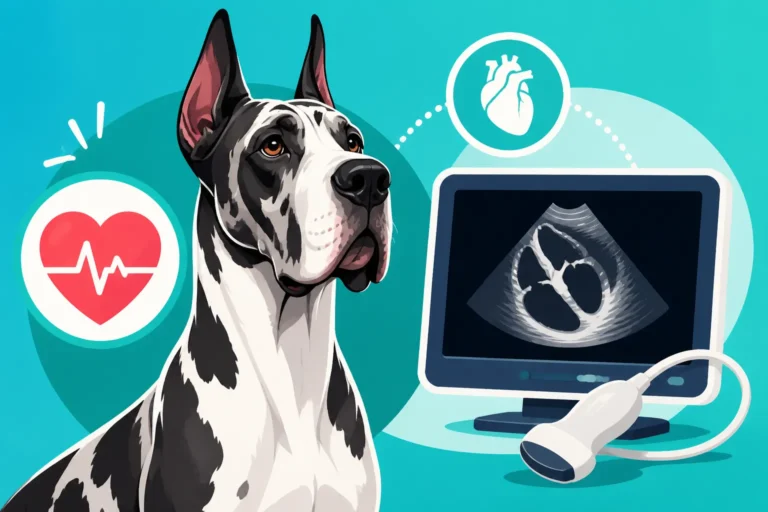
Because of this heightened risk, pre-anesthetic screening for Great Danes often includes a thorough cardiac workup. This isn't just a basic stethoscope check; it might involve an electrocardiogram (ECG) to assess heart rhythm, and potentially an echocardiogram (echo) to visualize the heart's structure and function. These diagnostics can be costly, but they are absolutely critical for ensuring your Dane's heart can withstand the anesthetic process. If DCM or another cardiac issue is identified, the veterinary team will need to devise a highly tailored, low-stress anesthetic protocol, often utilizing different drugs and requiring more intensive monitoring, all of which adds to the bill. Screening a Great Dane's Heart Each Year is vital, especially as they age, to catch these issues early.
Bloat Risk and Pre-Anesthetic Fasting
The dreaded Bloat, or Gastric Dilatation-Volvulus (GDV), is a life-threatening condition that Great Danes are exceptionally prone to. Bloat in a Great Dane and the One in Three Odds highlights just how prevalent this risk is. While an elective surgery might seem unrelated, the risk of bloat is always a consideration. Anesthesia can sometimes slow gut motility and, combined with changes in body position, could theoretically increase the risk, although this is debated.
More importantly, the preparation for anesthesia needs to account for bloat. Strict fasting protocols are essential before any anesthetic procedure to minimize the risk of aspiration (inhaling vomit into the lungs) if the dog regurgitates. For a Great Dane, who has a much larger stomach capacity, ensuring proper fasting and monitoring for signs of discomfort or distension before the procedure is paramount. If a Great Dane presents for an emergency surgery (like an actual bloat event), the anesthetic protocol becomes even more complex due to the animal's compromised state, requiring immediate and intensive stabilization, advanced monitoring, and highly skilled staff, making The Overnight Bill When a Great Dane Bloats astronomical.
Respiratory System Challenges
Great Danes have deep, broad chests, which can present unique challenges for the respiratory system under anesthesia. Their sheer thoracic volume means that manual or mechanical ventilation might be required to ensure adequate oxygenation and carbon dioxide removal, especially during longer procedures. Certain anesthetic agents can also depress respiration, making careful monitoring of breathing rate, depth, and oxygen saturation even more critical.
Furthermore, a large chest can make it more challenging to listen to heart and lung sounds, requiring more reliance on electronic monitoring devices. Should any respiratory complications arise, the equipment and expertise needed to manage a large dog’s compromised breathing are more substantial. This meticulous attention to respiratory function is a non-negotiable part of safe giant breed anesthesia, and it’s reflected in the cost.
Enhanced Monitoring and Staffing Needs
Administering anesthesia to any dog requires vigilance, but for a Great Dane, the level of monitoring and the number of skilled personnel needed are significantly elevated. This isn't about being overly cautious; it's about providing the highest standard of care to mitigate the unique risks associated with their size and breed-specific health issues.
Dedicated Anesthesia Technicians
When a Great Dane goes under anesthesia, it's often not enough to have a vet checking in periodically. Many veterinary hospitals dedicated to gold-standard care will assign a dedicated, highly trained veterinary technician whose sole job is to monitor that Great Dane from induction through recovery. This technician is constantly observing vital signs, adjusting anesthetic gas levels, monitoring fluid rates, and alerting the surgeon or supervising veterinarian to any subtle changes.
This one-on-one attention ensures that any adverse reactions or shifts in physiological parameters are caught and addressed immediately. Given the rapid potential for complications in a large breed, having an experienced professional solely focused on your Dane’s anesthetic plane and well-being is invaluable. This specialized staffing, naturally, comes at a higher cost than a procedure where a single technician might oversee multiple smaller patients. It truly is about providing the ultimate peace of mind when your biggest family member is at their most vulnerable.
Advanced Monitoring Equipment
Basic monitoring equipment includes a stethoscope and thermometer, but for a Great Dane undergoing anesthesia, the stakes are much higher. Veterinary clinics invest in advanced physiological monitoring equipment to ensure comprehensive oversight. This includes:
- ECG (Electrocardiogram): To continuously track heart rhythm and detect any arrhythmias. Given the Great Dane's predisposition to The Heart Muscle Disease Great Danes Are Prone To, this is non-negotiable.
- Blood Pressure Monitor: To ensure adequate blood flow to vital organs. Maintaining stable blood pressure is crucial, especially with drugs that can cause hypotension.
- Capnography: Measures the carbon dioxide levels in exhaled breath, providing vital information about ventilation and circulation.
- Pulse Oximetry: Measures oxygen saturation in the blood, indicating how well the lungs are oxygenating the body.
- Temperature Monitoring: Great Danes can be prone to hypothermia or hyperthermia under anesthesia, so consistent temperature regulation with warming blankets and monitors is essential.
Each of these devices represents a significant investment for the clinic, and their specialized use during giant breed anesthesia contributes to the overall service charge. The data these monitors provide allows the team to make real-time adjustments, ensuring the safest possible anesthetic experience.
Extended Recovery Period
Just as induction and maintenance of anesthesia are more complex for a Great Dane, so too is the recovery phase. Their large muscle mass and varied metabolic rates mean that it can take longer for anesthetic drugs to fully clear their system. During this extended recovery period, your Dane still requires intensive monitoring and hands-on care. They might be disoriented, unsteady, and require assistance simply to stand up.
The veterinary team will continue to monitor their vital signs, provide warmth, and administer pain management as needed. For a Great Dane, this can involve multiple technicians for safe lifting and handling as they gradually regain full control of their massive bodies. A longer, more intensive recovery demands more staff time, more resources like warming blankets, and potentially a longer stay in the hospital, all of which directly factor into the higher bill. It's not just about waking up; it's about waking up safely and comfortably.
Comprehensive Pre-Anesthetic Workups
Before any Great Dane is put under anesthesia, a thorough pre-anesthetic workup is absolutely critical. This isn't just routine; it's a deep dive into your dog's current health status to identify any underlying issues that could complicate anesthesia and to formulate the safest possible plan. This extensive investigative phase is a significant contributor to the higher costs.
Extensive Blood Panels
While all dogs benefit from pre-anesthetic bloodwork, for a Great Dane, these panels are often more comprehensive and interpreted with an eye toward breed-specific concerns. A full blood panel typically includes a Complete Blood Count (CBC) and a Chemistry Panel. The CBC assesses red and white blood cells and platelets, checking for anemia, infection, and clotting ability. The Chemistry Panel evaluates organ function, focusing on the liver and kidneys, which are crucial for metabolizing and eliminating anesthetic drugs.
For a Great Dane, additional tests might be recommended, such as thyroid panels (as thyroid issues can affect metabolism) or specific cardiac biomarkers. These tests provide invaluable insights into how your dog’s body will handle the stress of anesthesia. Identifying any pre-existing conditions, even subtle ones, allows the veterinary team to modify the anesthetic protocol, select safer drugs, or even postpone a non-emergency procedure if risks are deemed too high. This proactive diagnostic approach, which uses more reagents and involves more extensive lab analysis, is a key component of the higher cost. Pre-Surgery Bloodwork on a Great Dane is a non-negotiable step.
Imaging and Cardiac Screening
Beyond bloodwork, imaging studies are often a crucial part of a Great Dane's pre-anesthetic assessment. Chest X-rays are commonly recommended to evaluate lung health and detect any signs of fluid, pneumonia, or enlarged heart size that might indicate underlying cardiac disease. Given the breed’s propensity for DCM, a thorough cardiac evaluation might also involve an electrocardiogram (ECG) to check for arrhythmias and an echocardiogram (ultrasound of the heart) to assess heart structure and function.
These imaging diagnostics, especially an echocardiogram performed by a veterinary cardiologist, can be quite expensive. However, they provide critical information that profoundly influences the choice of anesthetic drugs and the monitoring strategy. Knowing the precise condition of your Dane’s heart and lungs allows the veterinary team to mitigate risks proactively, rather than reacting to complications mid-procedure. What a Great Dane Cardiac Workup Costs is a frequent concern for owners, but it's an investment in safety.
Tailored Anesthesia Protocols
Once all the pre-anesthetic workup results are in, the veterinary team crafts a highly individualized anesthesia protocol. This isn't a generic plan; it's a bespoke strategy that takes into account your Great Dane's specific health profile, age, any existing conditions, and the nature of the procedure. For example, a Dane with early DCM might receive specific pre-medications to support heart function and a different combination of anesthetic agents designed to be less কার্ডiotoxic.
This tailoring often involves using a wider range of drugs, potentially more specialized and expensive ones, and a more complex sequence of administration. The expertise required to design and execute such a nuanced protocol, coupled with the need for immediate adjustments based on constant monitoring, demands a higher level of veterinary skill and time. This personalized approach to anesthesia, while more expensive, is what makes procedures as safe as possible for our cherished giant breeds.
Overhead Costs and Facility Considerations
It's easy to focus on the direct medical aspects, but the physical environment and operational logistics of treating a Great Dane also play a significant role in why their anesthesia bills are higher. Veterinary clinics, like any business, have overheads, and accommodating a giant breed requires specific investments and increased resource consumption.
Space and Equipment for Large Dogs
Imagine trying to maneuver a 160-pound Great Dane in a small treatment area or on a standard-sized operating table built for medium dogs. It’s simply not feasible or safe. Veterinary facilities that cater to giant breeds must invest in larger, reinforced operating tables, spacious recovery cages, and sometimes even specialized lifts or ramps. These larger pieces of equipment are more expensive to purchase, require more space within the clinic, and may even need more robust cleaning protocols.
The sheer physical footprint a Great Dane occupies means that even mundane aspects like kennel space or examination rooms need to be larger and more accommodating. This investment in infrastructure and specialized, heavy-duty equipment is a necessary operational cost for any clinic committed to providing appropriate care for giant breeds, and it's naturally reflected in the service fees. This is just one of the many reasons Why Every Great Dane Bill Is Bigger than those for smaller dogs.
Increased Consumable Use
Every single item used during an anesthetic procedure, from the smallest syringe to the largest sterile drape, is a "consumable." And for a Great Dane, nearly all of these are used in larger quantities. More intravenous fluids are often needed to maintain hydration and blood pressure due to their larger blood volume. Larger surgical drapes, larger gauze sponges, more sterile gloves, and even more disinfectant solutions are necessary.
Even seemingly minor things like adhesive tape to secure an IV catheter or cotton balls for prep will be consumed at a higher rate. While individual items might seem inexpensive, cumulatively, the increased consumption of these materials adds up significantly over the course of an anesthetic procedure. Think about it: a small dog might need one bag of IV fluids, while a Great Dane might go through two or three, each contributing to the total cost.
Preparing for Anesthesia Costs
Understanding why Great Dane anesthesia is billed higher is one thing, but knowing how to manage these significant expenses is another. It’s a realistic concern for every Dane owner, and thankfully, there are proactive steps you can take to soften the financial blow when the inevitable medical needs arise.
Pet Insurance as a Lifeline
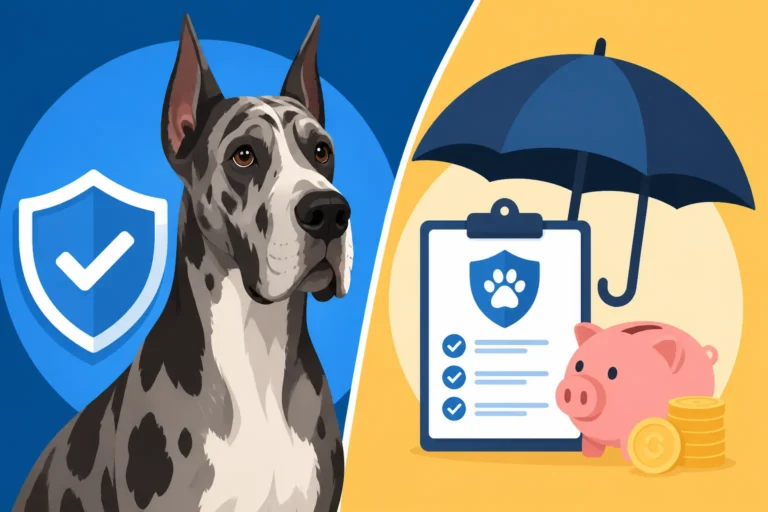
One of the most powerful tools in a Great Dane owner's arsenal against high vet bills is pet insurance. Given the breed's predispositions to conditions like DCM and bloat, which often require emergency and specialized care, having a robust pet insurance policy can literally be a lifesaver. Policies typically cover a percentage of unexpected vet bills for accidents and illnesses, including diagnostic tests, surgeries, and anesthesia.
When considering pet insurance, it’s crucial to enroll your Great Dane when they are young and healthy, before any conditions develop. If you wait until your dog has already been diagnosed with a heart murmur or a history of bloat, those conditions will likely be deemed "pre-existing" and excluded from coverage. Companies like Healthy Paws are well-regarded for their comprehensive coverage, but always read the fine print, understand deductibles, reimbursement percentages, and annual limits. Enrolling a Great Dane Before Anything Happens can save you tens of thousands of dollars over their lifetime. Even thinking about Picking a Deductible Against Great Dane Surgery needs to be a realistic conversation, as the costs can be immense.
Budgeting and Financial Planning
Even with pet insurance, there will always be out-of-pocket expenses, such as deductibles or non-covered items. Therefore, it's wise to maintain a dedicated emergency fund specifically for your Great Dane's health care. This could be a separate savings account where you regularly deposit a set amount, even if it’s just $25 or $50 a month. Over time, this fund can grow into a substantial buffer against unexpected costs.
Consider that a routine procedure like a dental cleaning, which requires anesthesia, can easily run into hundreds of dollars, and emergency bloat surgery can quickly climb into the thousands. Having a financial cushion can reduce stress during already difficult times. Think about the potential for unexpected illnesses or accidents – having funds readily available means you can focus on your dog's recovery rather than scrambling to find financing. You might even find some larger pet supply retailers like Chewy offer certain health product subscriptions or bulk discounts that can help manage ongoing costs for maintenance care, indirectly freeing up funds for emergencies. And for post-op recovery, if your vet recommends a specialized diet, services like Ollie that deliver fresh, customized meals could be a consideration, though always discuss dietary changes with your vet first.
Discussing Costs with Your Vet
Never hesitate to have an open and honest conversation with your veterinarian about costs. Before any procedure involving anesthesia, ask for a detailed estimate that breaks down all the expected charges, including pre-anesthetic bloodwork, anesthetic drugs, monitoring fees, surgical fees, medications, and post-operative care.
If the estimate is daunting, discuss payment options. Many veterinary clinics offer payment plans, or accept third-party financing like CareCredit. Sometimes, there might be different options for certain procedures, or your vet can help prioritize what's most critical if you're facing financial constraints. A good vet understands the financial realities of pet ownership, especially with a giant breed, and will work with you to find the best possible care solution within your budget. Don’t be afraid to ask questions and advocate for your Great Dane.
Anesthesia Cost Comparison
To illustrate the financial impact of a Great Dane's size on anesthesia, let's look at a generalized comparison. Keep in mind these are approximate figures and can vary wildly based on geographic location, clinic type, complexity of procedure, and the specific health status of the dog.
| Factor | Small Dog (e.g., 20 lbs) | Great Dane (e.g., 150 lbs) | Cost Implication (Great Dane) |
|---|---|---|---|
| Pre-Anesthetic Bloodwork | $100 – $250 | $200 – $450 | More comprehensive panels, larger sample size. |
| Cardiac Screening | $0 – $150 (basic ECG) | $300 – $800+ (ECG + Echo) | Essential due to DCM risk; specialist involvement. |
| Anesthetic Drugs | $50 – $150 (for 1 hour) | $200 – $600+ (for 1 hour) | Proportionally larger doses, potentially specialized drugs. |
| IV Fluids | $30 – $60 | $70 – $150+ | Higher volume needed for large body mass. |
| Monitoring Fees | $100 – $200 | $250 – $500+ | Dedicated technician, advanced equipment usage. |
| Intubation/Catheter | $20 – $50 | $50 – $100+ | Larger, specialized sizes required. |
| Recovery Care | $50 – $100 (brief) | $150 – $350+ (extended, intensive) | Longer recovery period, more hands-on staff support. |
| Pain Medication | $20 – $50 | $50 – $100+ | Higher doses needed for effective relief. |
| Total (Approx. for ~1hr procedure, pre-surgical) | $370 – $910 | $1270 – $3110+ | Significantly higher costs across the board. |
This table clearly illustrates why Sedation Costs on a Great Dane can be so much more significant than for a tiny companion. It’s not just one factor, but a combination of increased drug volume, specialized equipment, intensive monitoring, and comprehensive pre-screening that drives the price higher.
Disclaimer
This article is intended for informational purposes only and does not constitute veterinary advice. Always consult with a qualified veterinarian for any health concerns or before making any decisions about your Great Dane's medical care, diet, or treatment plans.