Rehabilitation Costs After Great Dane Surgery
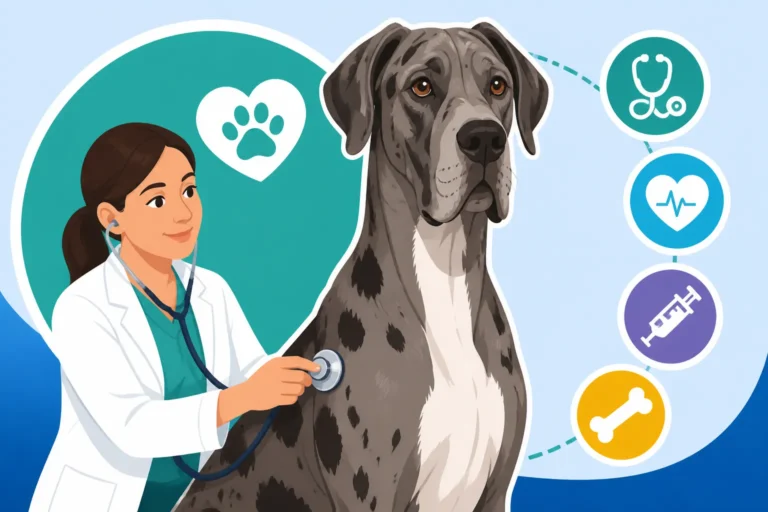
Having a Great Dane undergo surgery is already a stressful and often frightening experience for any owner, both emotionally and financially. But what many don't fully anticipate is the subsequent journey: the crucial, yet often costly, phase of post-surgical rehabilitation. This guide aims to shed light on the various rehabilitation costs you might encounter after your giant companion's surgery, helping you prepare for and navigate this essential part of their recovery journey.
Common Great Dane Surgeries Requiring Rehabilitation
When we talk about a Great Dane needing surgery, it’s rarely a minor affair. These magnificent dogs are prone to certain conditions that often require invasive procedures, and with surgery comes the inevitable need for careful, structured recovery to ensure the best possible outcome. Understanding what kind of surgery your Dane has undergone is the first step in anticipating rehabilitation needs.
Orthopedic Procedures and Joint Health
Great Danes, like many large and giant breeds, are unfortunately susceptible to a host of orthopedic issues. Their rapid growth and immense size put significant stress on their developing bones and joints, making conditions like hip and elbow dysplasia, osteochondritis dissecans (OCD), and even cruciate ligament tears more common. When one of these conditions becomes severe enough to require surgery, the road to recovery often involves extensive rehabilitation.
Imagine your Dane, perhaps just a year or two old, suddenly limping severely. After veterinary examination, you might discover it’s a torn cruciate ligament, requiring a TPLO (Tibial Plateau Leveling Osteotomy) or TTA (Tibial Tuberosity Advancement) surgery. While the surgery itself is a major undertaking, the weeks and months that follow are just as critical. Post-operative care involves pain management, controlled activity, and then gradually increasing specific exercises to rebuild muscle strength and joint stability. Without this focused rehabilitation, your dog might not regain full function, or worse, could suffer compensatory injuries on other limbs. Owners often overlook that the surgery is just the beginning; the real work often starts when you bring them home and begin the meticulous process of healing and strengthening. We often talk about Great Dane Hips, Elbows and Growing Joints as areas of concern, and any surgical intervention here will almost certainly require follow-up rehab.
Neurological Surgeries
Another area where Great Danes can face significant surgical needs is related to neurological conditions, particularly those affecting the spine. Wobbler Syndrome, or cervical spondylomyelopathy, is a condition where the spinal cord in the neck region becomes compressed, leading to an unsteady gait, weakness, and pain. When conservative management isn't enough, surgery might be recommended to decompress the spinal cord.
The recovery from spinal surgery is incredibly delicate and prolonged. Your Great Dane might come home with limited mobility, needing help to stand, walk, and even relieve themselves. Rehabilitation isn't just about regaining strength; it's about re-educating the nervous system, improving proprioception (their sense of body position), and preventing muscle atrophy. This can involve specialized exercises, balance work, and potentially even underwater treadmill therapy to allow movement without bearing full weight. For more on this condition, you might want to read about Surgery Against Management for a Wobbler Dane. The journey is long and demanding, both for the dog and the dedicated owner.
Other Significant Surgeries
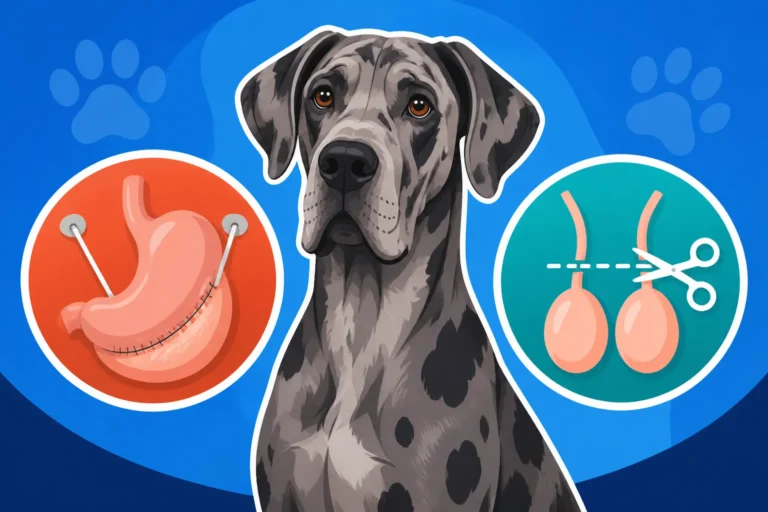
While orthopedic and neurological issues are major drivers of rehab costs, other conditions can also necessitate surgery followed by rehabilitation. For example, while not always requiring intensive physical therapy, a Great Dane recovering from a severe case of bloat requiring a full bloat surgery and potentially a Stomach Tacking Surgery for a Great Dane will still need careful monitoring and a gradual return to normal activity. If cancer is diagnosed, a Great Dane might undergo a limb Amputation and Chemotherapy for a Great Dane. This drastic measure definitely requires rehabilitation to help the dog adjust to life on three legs, learn to balance, and strengthen the remaining limbs. Even a Great Dane with The Heart Muscle Disease Great Danes Are Prone To, while typically managed medically, might require surgical intervention for secondary issues, leading to a recovery period where controlled activity and careful monitoring are key.
Understanding the Different Types of Post-Surgical Rehabilitation
Once your Great Dane has had surgery, the focus shifts to recovery. This isn't just about rest; it's about targeted therapies designed to restore function, reduce pain, and prevent complications. The type and intensity of rehabilitation will depend heavily on the surgery performed, your dog's individual needs, and your veterinarian's recommendations.
Physical Therapy and Therapeutic Exercises
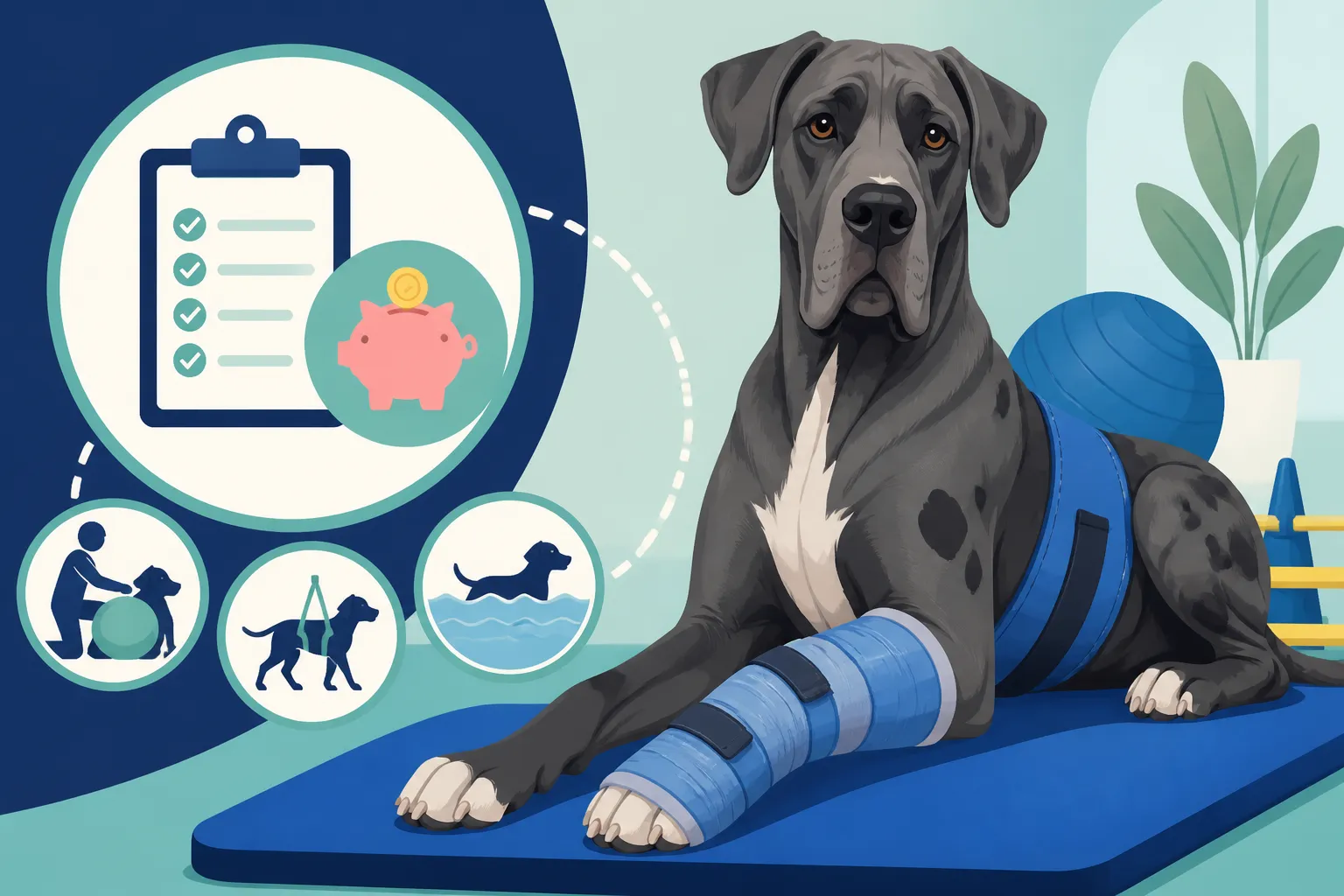
This is perhaps the most common form of rehabilitation. Much like humans recovering from surgery, dogs benefit immensely from guided exercises. For a Great Dane, these exercises are tailored to rebuild strength, improve range of motion, enhance balance, and retrain muscles. This might include passive range of motion exercises, where a therapist gently moves your dog's limbs, or active exercises like controlled leash walks, weaving through cones, or performing specific "sit-to-stands."
These sessions are typically conducted by a certified canine rehabilitation therapist or a veterinary professional specializing in physical therapy. The costs can vary significantly depending on the clinic's location and the therapist's expertise. Often, you'll start with frequent in-clinic sessions, where the therapist works directly with your Dane and teaches you exercises to do at home. As your dog progresses, the frequency of in-clinic visits might decrease, but the home exercise program remains vital. Investing in tools like therapeutic exercise bands, balance discs, or even a basic cavaletti set (low poles for stepping over) can support your home program, which you can often find through retailers like Chewy. These tools help ensure consistency and adherence to the prescribed rehabilitation plan.
Hydrotherapy and Underwater Treadmill
Hydrotherapy, especially using an underwater treadmill, is a fantastic option for Great Danes recovering from orthopedic or neurological surgeries. The buoyancy of the water reduces the impact and weight placed on joints, allowing your dog to move and strengthen muscles without the strain of full weight-bearing. This is particularly beneficial for large breeds where gravity is a significant challenge during early recovery.
Imagine your Dane, too weak or painful to walk properly on land, being able to take full, natural strides in an underwater treadmill. The warm water can also help soothe sore muscles and increase circulation. Hydrotherapy sessions are supervised by trained professionals who can adjust the water level, speed, and duration to suit your dog's specific needs. These sessions are often priced per visit or in packages. Given the specialized equipment and trained staff required, hydrotherapy can be one of the more expensive components of a rehabilitation program, but its benefits for a giant breed recovering from major surgery are often unparalleled. It allows for critical muscle rebuilding that might otherwise be impossible without risking further injury.
Complementary Therapies: Acupuncture, Laser, and Massage
Beyond traditional physical therapy, many rehabilitation centers offer complementary therapies that can aid in pain management, reduce inflammation, and accelerate healing.
- Acupuncture: Just like in humans, veterinary acupuncture involves inserting fine needles into specific points on the body to stimulate nerve function, release endorphins, and promote healing. It can be particularly effective for chronic pain, nerve damage, or to improve mobility.
- Therapeutic Laser (Cold Laser): This non-invasive therapy uses specific wavelengths of light to reduce pain and inflammation and stimulate cellular regeneration. It's often used post-surgically to help incision sites heal faster and to target deep tissue injuries.
- Massage Therapy: Canine massage, performed by a trained professional, can help improve circulation, reduce muscle spasms, break down scar tissue, and increase flexibility. It's also a wonderful way to relax your dog and reduce anxiety during a stressful recovery period.
These therapies are typically offered as add-ons or as part of a comprehensive package. While they might seem like extras, for a Great Dane facing significant pain or mobility challenges, they can make a substantial difference in comfort and recovery speed. Each session usually incurs a separate fee, and often a series of sessions is recommended for optimal results.
Factors That Drive the Cost of Great Dane Rehab
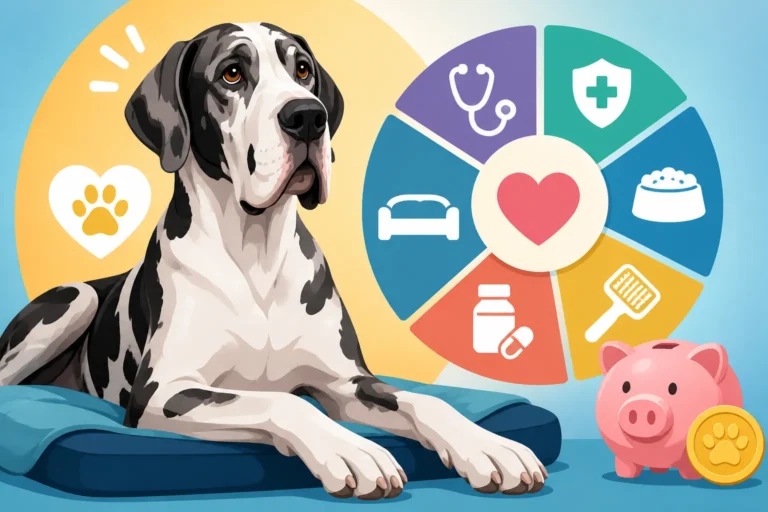
It's no secret that owning a Great Dane is a costly endeavor, and surgical rehabilitation is no exception. Several key factors can significantly influence the overall price tag, turning what might seem like a straightforward recovery into a long-term financial commitment. Understanding these factors can help you better prepare for the expenses involved. For a broader look at financial commitments, consider the full scope of The Short Expensive Life of a Great Dane.
Severity and Type of Injury/Surgery
The most significant driver of rehabilitation costs is the nature of the surgery and the underlying condition. A dog recovering from a major spinal decompression for Wobbler Syndrome will require a far more intensive and prolonged rehabilitation program than one recovering from a routine procedure like a preventative gastropexy (though even that requires careful post-op activity restriction).
For instance, a Dane with a severe orthopedic injury that leads to significant muscle atrophy and joint stiffness will need weeks or months of consistent physical therapy, hydrotherapy, and possibly multiple complementary treatments. This could involve multiple sessions per week initially, gradually reducing over time. On the other hand, a dog needing rehab for a less severe soft tissue injury might only require a few weeks of guided exercises. The more complex the injury and the more specialized the required therapies, the higher the cost. Sometimes, complications arise, like infections or slower-than-expected healing, which can extend the rehab timeline and add further expenses.
Duration and Intensity of the Program
Rehabilitation isn't a one-size-fits-all, fixed-duration program. It's a dynamic process that evolves with your dog's progress. A short, intensive program might involve 2-3 sessions per week for a month, while a more chronic or severe case could span several months, with sessions gradually tapering off. The longer your Great Dane needs professional rehabilitation services, the more expensive it will become.
Consider the ongoing costs: each session, whether it's hydrotherapy, acupuncture, or physical manipulation, comes with a per-session fee. Many clinics offer package deals for multiple sessions, which can sometimes provide a slight discount, but the cumulative cost for a long-term plan can quickly add up. Beyond in-clinic sessions, there's the cost of any specialized equipment you might need at home – slings for support, ramps for car access, or orthopedic bedding. A comfy, supportive bed is a must for any recovering Dane; check out options for Orthopedic Beds a Great Dane Needs.
Geographic Location and Clinic Reputation
Just like human healthcare, the cost of veterinary rehabilitation services can vary significantly based on your geographic location. Clinics in major metropolitan areas or regions with a higher cost of living typically charge more than those in rural areas. The availability of specialized clinics also plays a role; in areas with fewer options, prices might be higher due to less competition.
Furthermore, the reputation and expertise of the clinic and its staff can influence pricing. A state-of-the-art facility with multiple certified canine rehabilitation therapists and advanced equipment (like underwater treadmills and therapeutic lasers) will likely charge more than a general veterinary practice offering basic physical therapy. While it might be tempting to opt for the cheapest option, the expertise of a highly qualified rehabilitation specialist can significantly impact your Great Dane's recovery outcome, making the investment worthwhile in the long run.
Pet Insurance Coverage
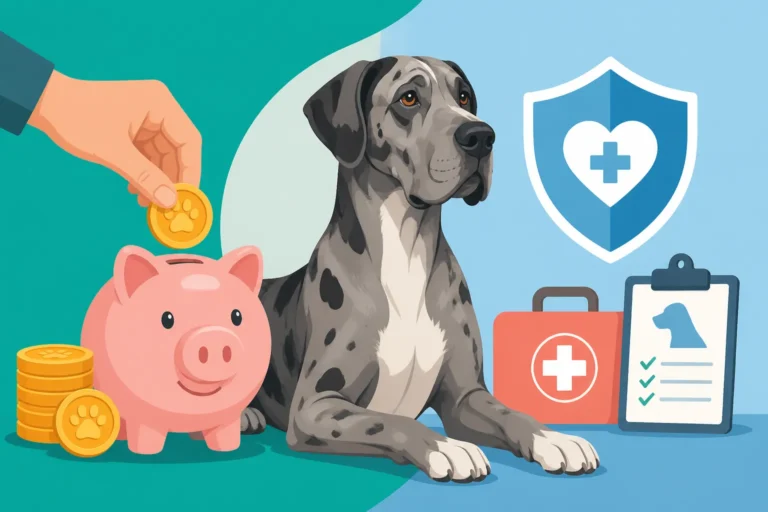
Pet insurance can be an absolute lifesaver when facing significant veterinary bills, including those for surgical rehabilitation. However, not all policies are created equal, and understanding your coverage is crucial. Most comprehensive pet insurance plans, like those offered by Healthy Paws, will cover prescribed rehabilitation therapies if they are deemed medically necessary following an accident or illness.
It's important to review your policy details carefully:
- Deductible: The amount you pay out-of-pocket before your insurance kicks in.
- Reimbursement Rate: The percentage of covered costs your insurance will pay (e.g., 70%, 80%, 90%).
- Annual Limit: The maximum amount your policy will pay out in a given year.
- Exclusions: Some policies might exclude certain therapies or conditions, especially if they are considered pre-existing.
If you have a young Great Dane, it’s worth investigating Insuring a Great Dane Against Bloat and Heart Bills, as many orthopedic and neurological conditions that necessitate rehab will often be covered if the policy is in place before the condition develops. Without insurance, you are responsible for 100% of the costs, which can easily reach thousands of dollars for complex rehabilitation.
Strategies for Budgeting and Managing Rehabilitation Expenses
The financial burden of post-surgical rehabilitation for a Great Dane can feel overwhelming, but with thoughtful planning and proactive measures, you can manage these costs more effectively. It’s about being prepared and knowing your options.
Discussing Rehabilitation Plans with Your Vet Early
One of the best strategies is to have an open and honest conversation with your veterinarian before surgery, or as soon as rehabilitation is recommended. Ask for a detailed treatment plan that outlines the estimated number of sessions, the types of therapies involved, and a projected cost range. Don't be shy about asking questions:
- "What is the typical rehabilitation timeline for this type of surgery in a Great Dane?"
- "What are the estimated per-session costs for each therapy (e.g., physical therapy, hydrotherapy, laser)?"
- "Are there package deals available for multiple sessions?"
- "What are the critical therapies, and what are the 'nice-to-haves' if we need to prioritize?"
- "What home exercises can I perform to supplement in-clinic treatments and potentially reduce costs?"
Getting a clear picture upfront allows you to budget accordingly and make informed decisions about your Dane’s care. Sometimes, your vet may recommend specific specialists, and getting an initial consultation with them can also clarify costs.
Maximizing Pet Insurance Benefits
If you have pet insurance, understanding its full scope is paramount. Call your provider, such as Healthy Paws, and confirm exactly what rehabilitation therapies are covered under your specific policy. Inquire about:
- Pre-authorization: Do you need to get approval for rehabilitation services before they begin?
- Claim process: What documentation is required for claims, and what is the typical reimbursement timeline?
- Limits: Are there specific limits on rehabilitation coverage separate from your overall annual limit?
Keeping meticulous records of all veterinary visits, rehabilitation sessions, and associated bills is crucial for smooth claims processing. If you don't have pet insurance, now might be the time to consider it, though it won't cover pre-existing conditions. However, for a young Great Dane, it could be invaluable for future issues. Many owners wish they had enrolled their Dane earlier, as The Vet Spending a Great Dane Needs Anyway, often escalates as they age.
Home Exercise Programs and DIY Aids
While professional rehabilitation is often essential, a significant portion of your Great Dane's recovery will happen at home. Your rehabilitation therapist will usually provide a detailed home exercise program (HEP). Diligently following this program can not only accelerate recovery but also help reduce the number of costly in-clinic sessions needed.
You can often purchase basic rehabilitation aids from online retailers like Chewy or specialized pet supply stores. Items such as:
- Non-slip mats or runners: Essential for preventing slips on slick floors, especially important for large, unsteady Danes.
- Support slings or harnesses: To help lift or stabilize your Dane during walks or when navigating stairs.
- Balance equipment: Simple wobble boards or balance pods (under professional guidance).
- Massage tools: To perform prescribed massage techniques at home.
For a Great Dane, even small home modifications can make a big difference in preventing re-injury and supporting recovery. Consider ramps for cars or steps, and ensure your dog has easy access to food and water without putting strain on recovering joints. For specialized diets that support recovery, fresh food providers like Ollie can offer tailored plans, potentially incorporating supplements that aid joint health, which can be a key part of long-term recovery for many giant breeds.
Exploring Financial Assistance Options
If rehabilitation costs become a significant burden, don't hesitate to explore financial assistance options. Many veterinary practices offer payment plans or work with third-party financing services that allow you to spread payments over time. Additionally, some breed-specific rescues and national organizations may offer grants or assistance programs for Great Danes requiring expensive medical care, including rehabilitation. Local animal shelters or humane societies might also have resources or recommendations for financial aid programs in your area. It's always worth asking your veterinary team if they know of any programs or charities that could help offset some of the costs. This difficult time for you and your beloved Great Dane is made easier when you leverage all available resources.
By combining proactive communication, smart use of insurance, dedicated home care, and exploring financial avenues, you can provide your Great Dane with the best possible chance at a full and comfortable recovery after surgery, without succumbing to overwhelming financial stress.
Disclaimer
This article is for general informational purposes only and does not constitute professional advice. Laws, prices and regulations vary by location and change over time. Consult a qualified professional for guidance on your specific situation.