Bowls and Stands Sized for a Great Dane
If you're a Great Dane owner, you already know that "normal" simply doesn't apply to much of anything in your life anymore, especially when it comes to everyday items like food and water bowls. Trying to make a standard-sized dog bowl work for your magnificent giant isn't just awkward; it can lead to real discomfort, joint strain, and even potential health issues. This comprehensive guide will walk you through everything you need to know about selecting the perfect bowls and stands designed specifically for your Great Dane, ensuring comfortable dining and minimizing common challenges.
Why a Great Dane Needs Specialized Bowls and Stands
Let's be honest, your Great Dane isn't just a big dog; they're an enormous dog. Their sheer size means their physical needs, even for something as basic as eating and drinking, are vastly different from most other breeds. You can't just pick up any old bowl from the pet store and expect it to work.
The Importance of Proper Height for a Giant Breed
Imagine trying to eat your dinner while practically lying on the floor. Sounds uncomfortable, right? That's precisely what a Great Dane experiences when attempting to eat or drink from a bowl placed directly on the ground. Their long legs and impressive height mean they have to bend significantly to reach standard bowls, putting undue stress on their neck, shoulders, and spine.
This awkward posture isn't just about discomfort. Over time, consistently eating from a low position can contribute to chronic neck and back pain, especially in a breed already prone to orthopedic issues. For Great Dane puppies still growing, proper ergonomic feeding helps support healthy development without unnecessary strain on their rapidly developing joints. And for our older, cherished senior Danes, who might already be battling a bit of arthritis, a properly elevated bowl can be a true game-changer, allowing them to eat without painful contortions. It's about preserving their precious joints and ensuring every meal is a pleasant experience, not a chore.
Addressing Digestive Health and Bloat Concerns
Ah, the ever-present shadow of bloat, or Gastric Dilatation-Volvulus (GDV), a terrifying reality for Great Dane owners. When you think about feeding, bloat naturally comes to mind, and for a long time, raised bowls were strongly recommended as a preventative measure. The theory was that less air would be swallowed if a dog didn't have to bend down.
However, the scientific community's understanding has evolved, and it turns out the link between raised bowls and bloat is actually quite complex and, in some studies, even contradictory. Some research has indicated that raised bowls might slightly increase the risk of bloat for some dogs, potentially because they eat even faster from an elevated position, gulping down more air along with their food. The consensus now leans towards the speed at which your Great Dane eats as a more significant factor in bloat risk than the height of the bowl itself. What's absolutely paramount is slowing down rapid eating.
This isn't to say elevated bowls are inherently bad or should be avoided. For many Great Danes, especially those with conditions like megaesophagus (where food struggles to travel down the esophagus), raised feeding is medically recommended and crucial for preventing aspiration pneumonia. The key takeaway here is to discuss any specific concerns with your veterinarian, but for most Danes, preventing bloat means focusing on Meal Habits That Cut a Great Dane's Twist Risk, such as smaller, more frequent meals and using slow feeder bowls, rather than relying solely on bowl height. Regardless, understanding The Lifetime Bloat Risk in a Great Dane is essential for any Great Dane owner.
The Challenge of Great Dane Size and Eating Habits
Beyond ergonomics and bloat, there's the practical reality of living with a giant breed: they are often incredibly messy eaters and drinkers! A standard small water bowl will be emptied and refilled a dozen times a day, leading to constant splashes and drips. Food bowls are easily pushed around, tipped over, or simply inadequate for the sheer volume of kibble your Dane consumes.
You need bowls that are not only large enough to hold their substantial meals but also durable enough to withstand daily use by a powerful, enthusiastic eater. Flimsy plastic bowls are no match for a determined Great Dane, who can send them skidding across the kitchen or even chew them to pieces in a moment of boredom.
Choosing the Right Bowl Materials and Features
Once you understand why specialized bowls are crucial, the next step is figuring out what kind of bowls you need. Material matters, as do specific features that can make mealtime safer and tidier.
Best Materials for Durability and Hygiene
When it comes to Great Dane bowls, durability and ease of cleaning should be at the top of your list.
- Stainless Steel: This is often the gold standard for dog bowls, and for good reason.
- Pros: Stainless steel is incredibly durable, resistant to rust, and virtually impossible for a Great Dane to chew or break. It's non-porous, meaning it won't harbor bacteria like scratched plastic can, making it highly hygienic and easy to clean (most are dishwasher safe). They don't retain odors, either.
- Cons: They can be noisy as your Dane eats, clanking against a stand or the floor. If placed outside in direct sun, they can heat up quickly, potentially making water uncomfortably warm. However, for indoor use, these cons are generally minor.
- Ceramic: These bowls can be quite beautiful and heavy.
- Pros: Ceramic bowls are substantial, making them less likely to be pushed around or tipped by an eager Dane. They also tend to look nice in a home environment.
- Cons: Their biggest drawback is their fragility. A dropped ceramic bowl will likely shatter, and even minor bumps can cause chips. Chipped ceramic can have sharp edges that could injure your dog's mouth, and chipped glaze can expose porous material underneath, which can harbor bacteria. They are also incredibly heavy when filled to Great Dane capacity.
- Plastic: While ubiquitous, plastic bowls are generally the least recommended option for Great Danes.
- Pros: They are inexpensive and lightweight.
- Cons: The cons far outweigh the pros for a giant breed. Plastic scratches easily, creating tiny crevices where bacteria can thrive, even with regular washing. Many Great Danes will chew on plastic bowls, ingesting small pieces or destroying the bowl entirely. Some dogs can also develop an allergic reaction or sensitivity to plastic, leading to chin acne. If you must use plastic, look for high-quality, food-grade, BPA-free options that are specifically advertised as scratch-resistant and durable, but even then, monitor them closely for wear.
Ultimately, stainless steel is usually the safest, most durable, and most hygienic choice for your Great Dane's bowls.
Features to Look For: Slow Feeders, Non-Skid, and Capacity
Once you've settled on a material, consider these essential features:
- Slow Feeder Bowls: These are an absolute must-have for many Great Danes. As mentioned, the speed of eating can be a factor in bloat. Slow feeder bowls have ridges, mazes, or pillars in the bottom that force your dog to eat around obstacles, significantly slowing down their mealtime. This encourages more thorough chewing and less air gulping. You'll find them in various materials, including stainless steel and sturdy plastic.
- Non-Skid Bases or Mats: Even with a heavy bowl, a determined Great Dane can slide it across the floor. Look for bowls with a rubberized ring on the bottom, or invest in a large, non-slip silicone mat to place under the bowls and stand. This not only prevents messes but also reduces noise and potential floor damage. Many brands, including those found on Chewy, offer a wide variety of non-skid options and mats.
- Capacity: This is non-negotiable for a Great Dane. You need bowls that can hold enough food for a single meal without overflowing, and enough water to last more than five minutes!
- Food Bowls: Aim for bowls that hold at least 8-12 cups of dry kibble. Remember, an adult Great Dane might eat anywhere from 6 to 10 cups of food per day, often split into two meals. You want a bowl that can accommodate one of those generous portions easily.
- Water Bowls: Great Danes are notorious drinkers. A single water bowl should ideally hold 1-2 gallons. Seriously! You might even consider having Two Water Bowls in a Great Dane House to ensure constant access, especially if you have a very active dog or live in a warm climate. Look for water bowls that are very deep and wide to minimize splashes.
Selecting the Perfect Stand for Your Great Dane
The stand is just as important as the bowls themselves. It needs to be the right height, incredibly stable, and easy to clean.
Adjustable vs. Fixed Height Stands
The choice between an adjustable and a fixed-height stand often comes down to your dog's age and your specific needs.
- Adjustable Stands:
- Pros: These are fantastic for Great Dane puppies because they can grow with your dog. As your puppy gains weight and height (and they do so incredibly fast!), you can easily raise the bowls to maintain the optimal eating position. This is crucial for their developing joints. They are also great for multi-dog households with dogs of different sizes, or if you simply want the flexibility to fine-tune the height. A young Great Dane puppy, perhaps What a Great Dane Puppy Should Weigh at Four Months, will need a much lower height than a fully grown adult. You'll be following The Great Dane Growth Curve Month by Month closely!
- Cons: Some adjustable stands, especially cheaper models, can be less stable than their fixed counterparts due to more moving parts. Always test for wobble before committing. They might also not have the same aesthetic appeal as a solid, fixed stand.
- Fixed Height Stands:
- Pros: These stands are typically very robust and stable, often made from heavy wood or wrought iron. If you have a fully grown adult Great Dane and you know their ideal eating height, a fixed stand can be a perfect, durable, and often more attractive option.
- Cons: The main drawback is the lack of flexibility. You absolutely must get the height right from the start. This makes them less suitable for growing puppies. If you misjudge the height or if your dog's needs change due to age or health issues, you're stuck.
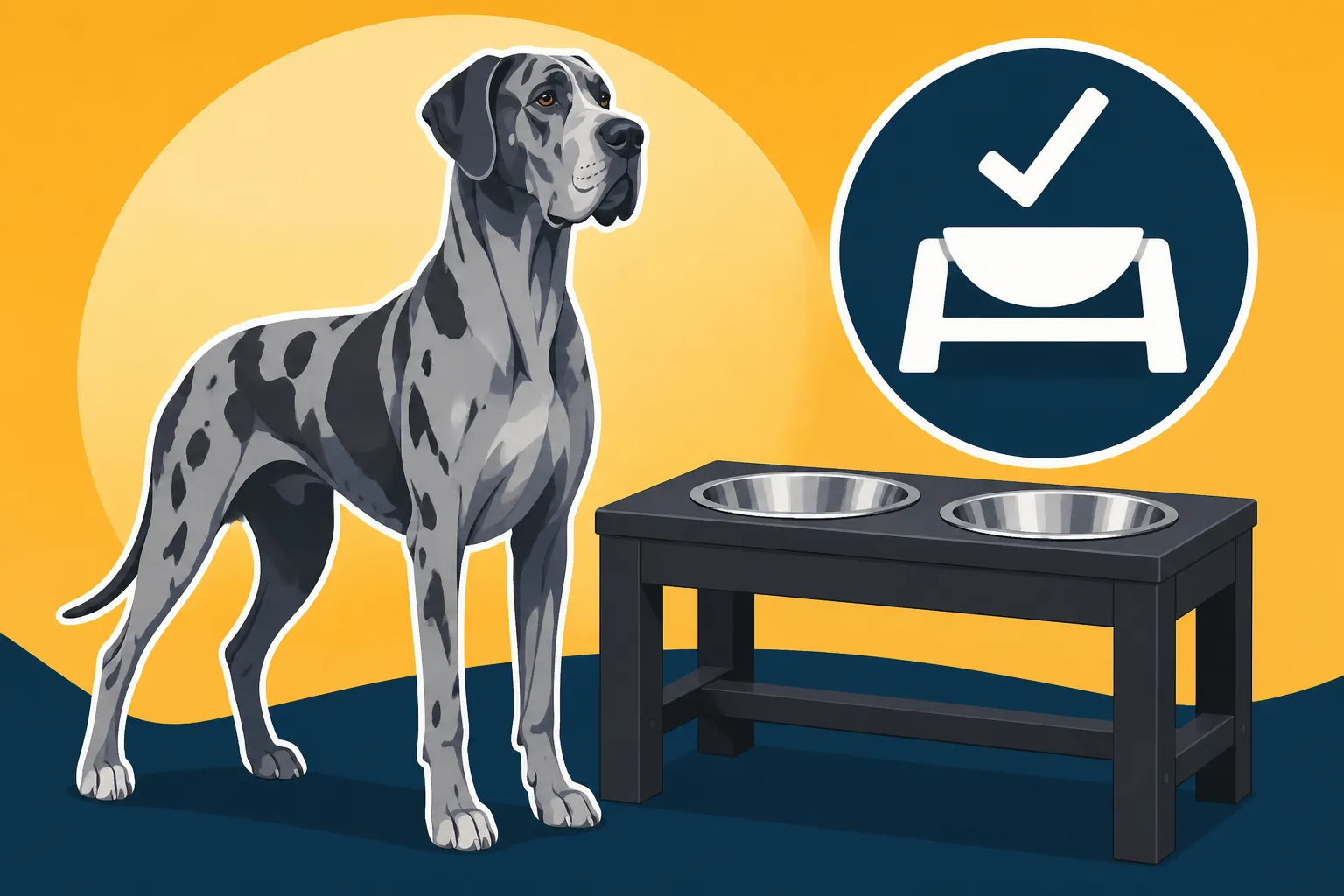
For an adult Great Dane, the ideal bowl height generally means the rim of the bowl should be roughly at your dog's lower chest or elbow level, allowing them to eat without significant bending. This usually translates to a stand height of 18-24 inches from the floor to the bottom of the bowl. Measure your individual dog to find their sweet spot.
Stability, Materials, and Design Considerations
Beyond height adjustability, several other factors contribute to a good Great Dane feeding stand:
- Stability is Paramount: Your Great Dane is a powerful animal. A flimsy stand will be knocked over, tipped, or pushed around, leading to spilled food and water. Look for stands with a wide, heavy base that resists tipping. Wrought iron, solid hardwood, or heavy-duty metal frames are excellent choices. Avoid anything lightweight or with a narrow footprint.
- Stand Materials:
- Wood: Attractive and can match home decor. Look for solid, sealed wood to resist water damage and spills. Unfinished wood will quickly warp and stain.
- Metal (Wrought Iron, Stainless Steel): Extremely durable and easy to clean. Wrought iron can be heavy and very stable. Stainless steel stands offer maximum hygiene and are resistant to rust.
- Plastic/Composite: While cheaper, generally less stable and durable than wood or metal for a giant breed. If you go this route, ensure it's a very heavy-duty, reinforced type.
- Design and Features:
- Integrated Storage: Some stands come with built-in storage compartments for dog food, treats, or toys. This can be a convenient space-saver, but ensure the storage is easily accessible for you but not for your clever Dane!
- Ease of Cleaning: The stand will get messy. Look for surfaces that are easy to wipe down. Removable stainless steel bowls are a given, but a stand with wipeable, non-porous surfaces (like sealed wood or metal) will make your life much easier.
- Aesthetics: While function comes first, there's no harm in choosing a stand that complements your home decor. Many stylish options are available to blend seamlessly into your kitchen or dining area.
The Raised Bowl Argument for Great Danes
Let's circle back to the raised bowl debate, specifically concerning stands. As discussed earlier, while once widely recommended as a bloat preventative, current research suggests the direct link is weak, and some studies even suggest a slightly increased risk for some dogs. The faster eating associated with elevated bowls might be a factor in some cases.
The key takeaway is this: if you choose a raised stand (which most Great Dane owners do for ergonomic comfort), ensure you also implement strategies to slow down your dog's eating. This might mean using a slow feeder bowl, feeding smaller meals more frequently, or even spreading food out on a large flat tray to prevent rapid gulping. Never rely on the stand alone as a bloat preventative. It's also worth noting that for dogs with specific medical conditions, like laryngeal paralysis or megaesophagus, raised bowls are explicitly recommended by veterinarians to aid swallowing and digestion. If you're wondering Whether Raised Bowls Help or Hurt a Great Dane in your specific situation, a discussion with your vet is always the best course of action. They can help you weigh the ergonomic benefits against any potential risks for your dog.
Practical Tips for Feeding and Hydrating Your Giant
Having the right bowls and stand is a fantastic start, but how you manage the feeding area and your Dane's habits makes all the difference in maintaining a clean, healthy environment.
Placement and Maintenance for Longevity
Where you put the bowls and how you maintain them are crucial for hygiene and longevity.
- Strategic Placement: Choose a dedicated feeding area that is away from high-traffic zones. You don't want your Dane's dinner to become a trip hazard, and they deserve a calm, undisturbed space to eat. Kitchens are common, but consider a corner of a utility room or even a designated spot in a dining area if it's easy to clean. Place the stand on a non-slip mat or an easy-to-clean surface like tile or linoleum, rather than carpet. This creates a "splash zone" that's simple to wipe down.
- Daily Cleaning is Non-Negotiable: Your Great Dane's bowls and stand should be cleaned daily. Food residue and saliva can quickly become a breeding ground for bacteria. Stainless steel bowls can go right into the dishwasher, or be hand-washed with hot, soapy water. Wipe down the stand surfaces daily as well, especially where slobber and water splashes are common. This routine contributes to good overall hygiene, similar to how you would approach Keeping a Great Dane's Bed Clean. Many pet supply retailers, like Chewy, offer specialized pet-safe cleaning sprays and wipes that can make this chore a little easier.
- Monitor for Wear and Tear: Periodically inspect bowls and stands. Check stainless steel for rust spots or significant dents. Look for chips or cracks in ceramic bowls. Examine wooden stands for warping or splintering. Replacing worn items isn't just about aesthetics; it's about preventing bacteria buildup in damaged areas and ensuring safety for your dog.
Troubleshooting Common Great Dane Feeding Challenges
Great Danes, with their size and unique quirks, often present specific mealtime challenges.
- The Messy Eater/Drinker: If your Dane leaves a veritable lake around their water bowl or scatters kibble like confetti, you're not alone.
- Solution: A very large, high-lipped silicone mat placed under the entire stand is your first line of defense. These mats have raised edges that contain spills. Some owners even use specialized "water capture" mats. For extreme droolers, you might keep a small towel handy by the bowls for quick wipe-ups, especially after drinking.
- The Water Guzzler: Great Danes drink a lot, and often very quickly.
- Solution: While you want to ensure they always have access to plenty of fresh water, if your dog gulps water so fast they cough or regurgitate, consider offering water in smaller, more frequent amounts, or placing multiple water bowls around the house to encourage slower, less intense drinking sessions.
- Food Guarding: While less common for typical Danes, some dogs can become protective of their food.
- Solution: Ensure the feeding area is quiet and private. Avoid disturbing your dog while they eat. If guarding is severe, consult a professional dog trainer for guidance.
- Maintaining Condition on a Large Volume Diet: High-quality food is essential. Many fresh-food services, such as Ollie, can be excellent for Great Danes, providing balanced nutrition, but be prepared for the sheer volume required. Even with pre-portioned meals, you'll still need those large, appropriate bowls.
When to Re-evaluate Your Great Dane's Setup
Your Great Dane's needs aren't static; they change throughout their life. Regularly re-evaluating your feeding setup is important.
- Growth Spurts: For puppies, keep a close eye on their height. A stand that was perfect a month ago might be too short now. Adjustable stands are ideal for this rapid growth phase. Ignoring proper height during growth can contribute to Bone Development Problems in a Great Dane Puppy.
- Aging and Arthritis: As your Great Dane enters their senior years, typically around The Age a Great Dane Is Considered Old, their mobility might decrease. Arthritis can make bending even slightly painful. Ensure the bowl height is still comfortable and that they can approach and leave the stand easily without slipping. You might even consider a stand with a wider base for more stability if they are wobbly. For An Old Great Dane That Struggles to Chew, you might also need to consider softened food or different bowl shapes. When you're Caring for a Great Dane Past Six, every little comfort counts.
- Changes in Eating Habits: If your dog suddenly starts eating much faster, or slower, or displays discomfort while eating, consult your veterinarian. While it could be behavioral, it could also signal an underlying health issue. For any unexpected vet visits or health concerns that arise, having comprehensive pet insurance from providers like Healthy Paws can be incredibly helpful in managing potentially significant costs.
Remember, a thoughtfully chosen bowl and stand setup is an investment in your Great Dane's long-term health, comfort, and your own peace of mind.
Bowl and Stand Comparison Table
| Feature | Stainless Steel Bowls | Ceramic Bowls | Plastic Bowls | Adjustable Stands | Fixed Height Stands |
|---|---|---|---|---|---|
| Durability | Excellent (chew-proof, rust-resistant) | Fair (breakable, can chip) | Poor (scratches, chewable) | Good (depends on construction, can have more moving parts) | Excellent (very sturdy, heavy construction) |
| Hygiene | Excellent (non-porous, easy to clean, dishwasher safe) | Good (non-porous if glazed, inspect for chips) | Poor (scratches harbor bacteria) | Good (wipeable surfaces, removable bowls) | Good (wipeable surfaces, removable bowls) |
| Stability | Good (especially with non-skid base) | Excellent (heavy, less likely to tip) | Poor (light, easily pushed/tipped) | Fair to Good (check for wobble, wide base helps) | Excellent (typically heavy & stable) |
| Cost | Moderate to High | Moderate to High | Low | Moderate to High | Moderate to High |
| Aesthetics | Functional, sleek | Can be decorative | Basic | Functional, modern designs available | Can be very stylish, traditional |
| Best For | All Great Danes, especially messy eaters/drinkers | Danes not prone to chewing or tipping, aesthetics | Temporary use only, or specific medical needs (e.g., travel) | Growing puppies, multi-dog homes, optimal height adjustment | Fully grown Danes with established optimal eating height |
| Considerations | Can be noisy; check for food-grade quality | Prone to breakage; inspect for chips; very heavy | Harbors bacteria; potential for chewing/allergies | Ensure robust construction; monitor for stability as adjusted | Measure carefully; less flexible for growth or changing needs |
Disclaimer
This article is for general informational purposes only and does not constitute professional advice. Laws, prices and regulations vary by location and change over time. Consult a qualified professional for guidance on your specific situation.