Whether an Older Dog Copes With a Great Dane Puppy
Bringing a boisterous, gangly Great Dane puppy into a home where an older, established dog already reigns can feel like preparing for a delightful disaster. You’re thrilled about the new addition, of course, but there’s that nagging worry: will your senior companion, who cherishes peace and quiet, truly cope with the whirlwind of a giant breed puppy? This guide will walk you through managing this transition, validating your concerns, and offering practical strategies to foster harmony between your wise old soul and your energetic new arrival.
The Dynamics of Integrating a Great Dane Puppy with an Older Dog
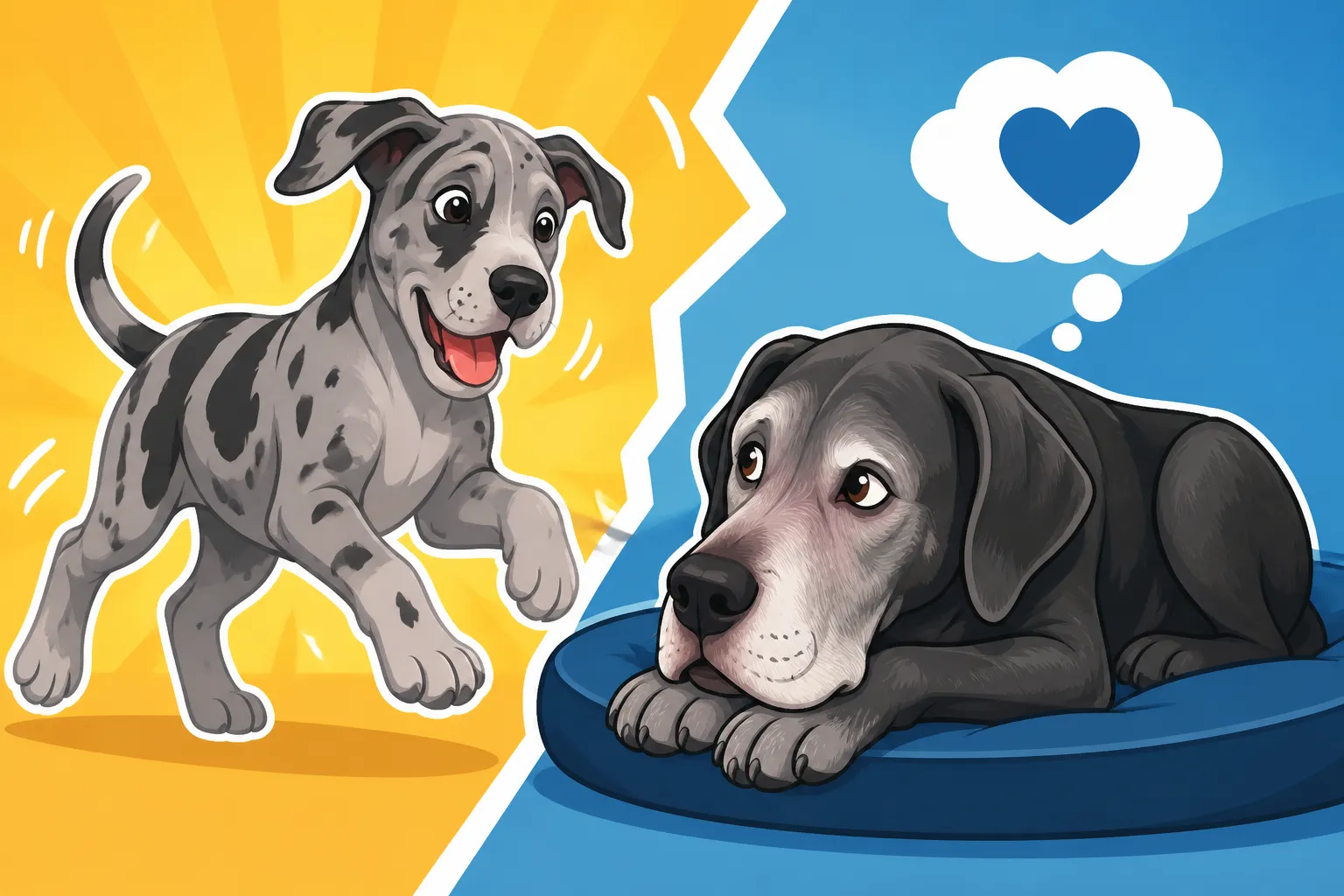
The idea of adding a new puppy to a household with an existing dog is always a consideration, but when that puppy is a Great Dane, the scale of the challenge quite literally expands. It's not just about two dogs; it's about two dogs with vastly different life stages, energy levels, and physical presences. Understanding these fundamental differences is the first step toward a successful integration.
Understanding Your Older Dog's Personality and Needs
Your older dog has likely established a comfortable routine and expects a certain level of predictability in their life. They've earned their quiet naps, their preferred spot on the sofa, and their undisputed access to their food bowl and favorite toys. When a giant puppy arrives, all of that can feel threatened, even if your older dog has a naturally calm disposition.
Consider your older dog's health, too. Arthritis might make sudden movements painful, and declining eyesight or hearing can make them more easily startled by a clumsy, bounding puppy. A Great Dane puppy doesn't understand these limitations; they only know how to play, explore, and grow. This is why it's so important to be an advocate for your older dog, protecting their physical space and emotional well-being. They might be less inclined to engage in rough play, and constant pestering from a puppy can lead to stress, irritability, or even fear. Remember, a senior dog needs respect for their wisdom and comfort. Think about The Age a Great Dane Is Considered Old to understand the specific needs of an aging giant. Even if your older dog isn't a Dane, the principles of senior care remain relevant.
The Great Dane Puppy's Unfiltered Energy and Size
Great Dane puppies are, without a doubt, a force of nature. They grow at an astonishing rate, sometimes gaining several pounds a week, and their coordination often lags behind their size. This means they can be incredibly clumsy, unintentionally bumping into things (and dogs!) as they explore their world. Their energy levels are boundless; they want to play, chew, and investigate everything.
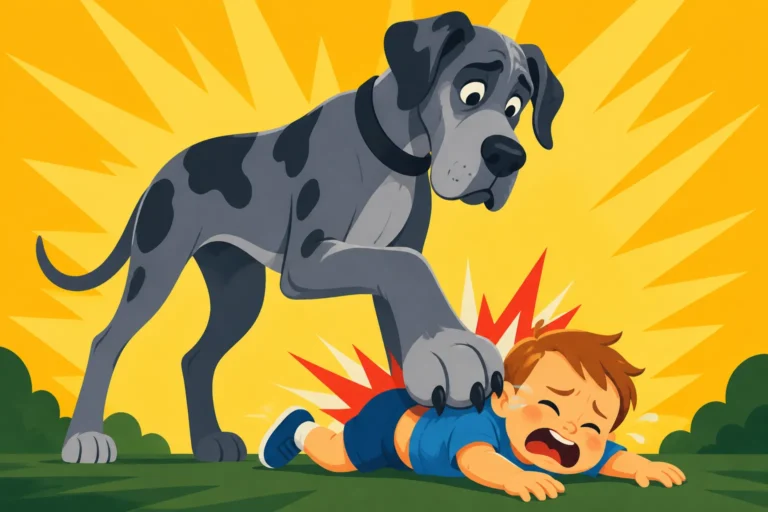
This exuberant nature can be overwhelming for an older dog, especially one that values peace and quiet. A Great Dane puppy sees another dog as a potential playmate, regardless of age or size. They might jump, mouth, or try to initiate rough-and-tumble games that your older dog is simply not equipped or inclined to participate in. It's a classic clash of generations: the boundless youth against the seasoned elder. This rapid growth also means they can physically overpower an older, smaller dog surprisingly quickly, often without malicious intent, simply due to their sheer mass. Understanding Whether a Great Dane Puppy Is Growing Too Fast can help you manage their exercise and physical development appropriately, which in turn impacts their interactions with your older dog.
Setting Up for Success: Preparation and Management
Bringing a Great Dane puppy home is not just about choosing a name and buying food. It requires careful planning and strategic management, especially when there’s an older dog already in residence. The goal is to create an environment where both dogs feel secure, respected, and eventually, comfortable with each other.
Creating Separate Spaces and Safe Zones
One of the most critical steps in introducing a Great Dane puppy to an older dog is to establish clear boundaries and dedicated "safe zones" for each animal. Your older dog needs a space where they can retreat and be undisturbed by the puppy. This might be a spare room, a raised bed behind a baby gate, or even just a specific corner of a main room that the puppy is not allowed to enter without supervision. This sanctuary allows your older dog to decompress and maintain a sense of control over their environment.
For the Great Dane puppy, a spacious crate is invaluable. It serves as their den, a place for naps, quiet time, and helps with potty training. You'll need a crate that's big enough for them to stand, turn around, and lie down comfortably, even as they grow quickly. Think about investing in a large, durable crate right from the start. Choosing a Crate a Great Dane Can Stand In is a crucial consideration. You might find robust crates and baby gates, even those designed for wider doorways, on Amazon. Gates are also excellent for creating puppy-free zones for your older dog, allowing them to observe the puppy from a distance without direct interaction. Consider Pens and Gates Instead of a Great Dane Crate for flexible partitioning.
All resources, like food bowls, water dishes, and favorite toys, should be kept separate initially. Feed your dogs in different rooms or behind gates to prevent any potential resource guarding issues. This prevents competition and allows both dogs to eat peacefully. It’s a simple management strategy that can prevent significant conflicts down the line.
Structured Introductions and Supervised Interactions
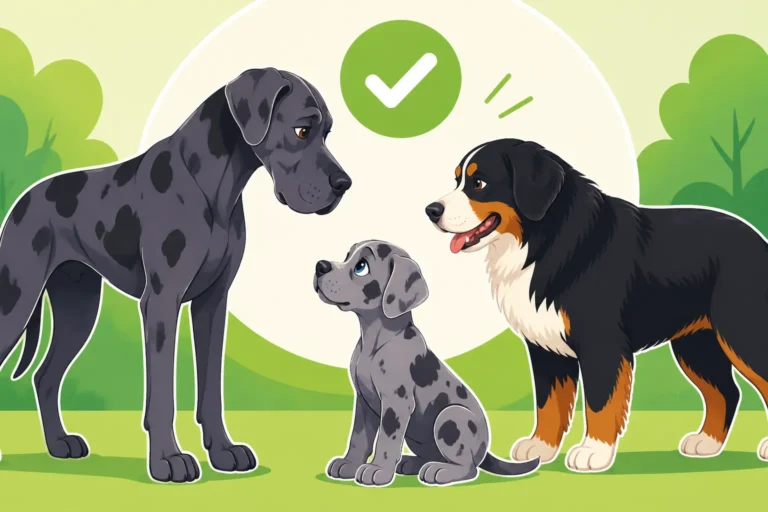
The first introductions should always be done calmly and on neutral territory if possible, perhaps in a securely fenced yard or a quiet park. Keep both dogs on leashes, allowing them to sniff each other briefly without direct, intense nose-to-nose contact. The goal is positive, short interactions, not forcing friendship.
Once inside, all interactions must be supervised. Never leave your Great Dane puppy and older dog alone together until you are absolutely certain they are comfortable and safe with each other, which can take weeks or even months. During supervised playtime, focus on redirecting the puppy's boisterous energy away from your older dog. Use appropriate chew toys (you'll need heavy-duty ones that are Toys Big Enough Not to Choke a Great Dane) or engage the puppy in a game of fetch in a separate area.
Look for signs of stress in your older dog: lip licking, yawning, turning away, stiffness, or growling. A growl isn't always aggression; it's often a warning, a "please back off" signal. Respect it immediately by separating the dogs. Similarly, watch for signs that the Great Dane puppy is being too pushy or ignoring the older dog's cues. Positive reinforcement for calm behavior from both dogs is key. Offer treats and praise when they are relaxed in each other's presence.
| Older Dog's Needs | Great Dane Puppy's Tendencies | Management Strategy |
|---|---|---|
| Peace & Quiet, Predictability | High energy, Clumsiness | Dedicated safe zones, structured play, separate rest areas |
| Comfort, No Painful Bumps | Rapid growth, Impulsive play | Supervised interactions, leash control, redirect play |
| Undisturbed Resources | Curiosity, Food motivation | Separate feeding, secure toy storage |
| Respect for boundaries | Lack of understanding | Consistent training, verbal cues, physical barriers |
| Adequate Rest | Frequent naps interrupted | Crate training for puppy, enforced quiet times |
Managing Resources and Preventing Conflict
Resource guarding can quickly sour the relationship between dogs. Your older dog might have a favorite bed, a special chew, or even just a particular person they consider "their own." A Great Dane puppy, being naturally curious and often food-motivated, might try to take these things, leading to tension.
To prevent this, ensure there are more than enough resources to go around. Have multiple beds, bowls, and toys. When giving out high-value chews or treats, do so when the dogs are separated. This removes any incentive for competition. If you notice your Great Dane puppy showing too much interest in your older dog's possessions, gently redirect them to their own, equally appealing items. This is also where consistent training comes into play – teaching your puppy a solid "leave it" command can be a lifesaver. Regular training with a program like BAXTER & Bella can help establish these crucial manners early on, making resource management much smoother.
Long-Term Harmony: Training, Routine, and Patience
Achieving a truly harmonious household with both an older dog and a Great Dane puppy is a marathon, not a sprint. It requires ongoing commitment to training, maintaining routines, and a generous dose of patience. The goal isn't just coexistence, but genuine, peaceful companionship.
Training Your Great Dane Puppy to Respect Boundaries
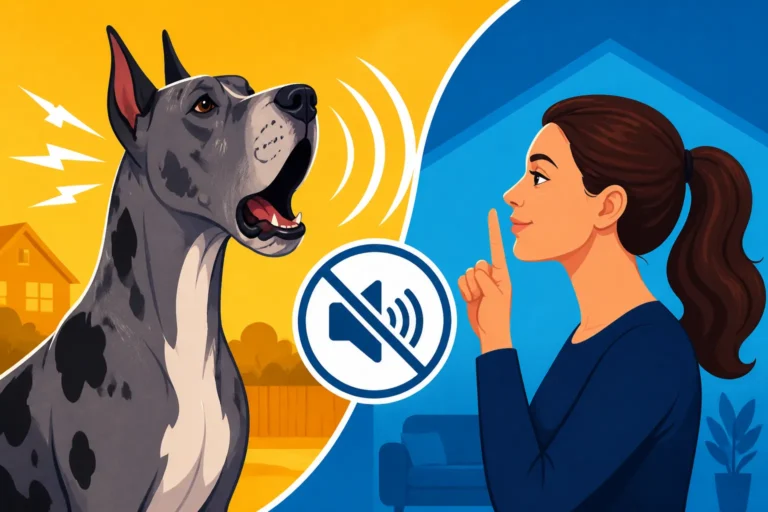
Early and consistent training is paramount for a Great Dane puppy, not just for their own safety and manners, but crucially for the comfort and well-being of your older dog. A puppy that learns proper etiquette will be less likely to harass an older dog. Start with basic obedience commands like "sit," "stay," "down," and "off." These aren't just tricks; they are tools for management and communication. For instance, teaching your puppy "off" can prevent them from jumping on your older dog or pushing them off a bed. Teaching a Great Dane to Sit Before It Weighs Eighty Pounds is far easier than trying to manage a full-grown, unruly giant.
Focus on impulse control exercises. Teach your puppy to wait for food, to not rush through doorways, and to settle on command. This builds their ability to self-regulate, making them less likely to steamroll your older dog. A solid "leave it" is incredibly important for preventing the puppy from bothering your older dog or trying to steal their toys. Consider enrolling in an online puppy training program like BAXTER & Bella, which offers comprehensive guidance that you can tailor to your schedule, especially helpful when you're managing multiple dogs at home. Consistent training, day in and day out, will ensure your Great Dane puppy understands the rules of the house and, most importantly, respects their elder. The cues a Great Dane needs by The Cues a Great Dane Needs Before Six Months are foundational for living politely with other dogs.
Maintaining Your Older Dog's Routine and Status
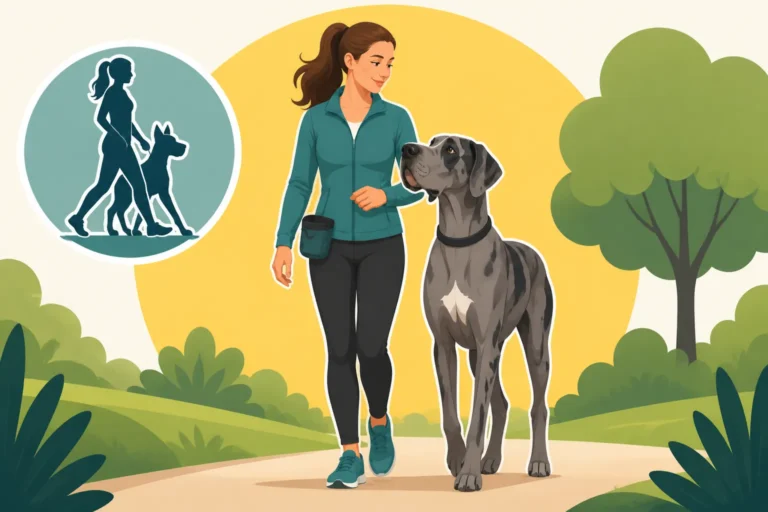
Your older dog's routine is their anchor, and disrupting it too much can cause significant stress. Try to maintain their feeding times, walk schedules, and quiet hours as consistently as possible. Make sure they still get their one-on-one attention, their special cuddles, and their uninterrupted walks, even if the puppy is also getting attention. This reinforces their sense of security and importance in the family.
Your older dog should also maintain their "seniority" in subtle ways. For instance, they should always be fed first, given treats first, and allowed to go through doorways first. This reinforces their established status without needing confrontational interactions. Ensure they have their preferred resting spots and that the puppy is not allowed to invade them. If your Great Dane puppy tries to steal attention, gently redirect the puppy or separate them temporarily, making it clear that the older dog's space and time are inviolable. This is less about dominance and more about respecting the established social order and giving your older dog the peace they deserve. You might find useful items to manage this, like dog beds and comfortable blankets for their safe zones, on Amazon.
Recognizing Signs of Stress and When to Intervene
It's vital to be a keen observer of both dogs' body language. Your older dog might not explicitly growl or snap to show discomfort. Subtle signs of stress can include lip licking, yawning (when not tired), looking away, holding their tail low or tucked, stiffening their body, or trying to hide or get away. Persistent panting, restlessness, or a loss of appetite can also indicate chronic stress. If you see these signs, it's a clear signal that the older dog needs a break and the puppy needs to be redirected or removed from the situation.
For the Great Dane puppy, watch for overly persistent pestering, ignoring the older dog's warning signals, or showing signs of being over-aroused or over-tired. A tired puppy can be a grumpy puppy, and an over-tired Great Dane puppy can be particularly prone to clumsiness and boundary-crossing. Regularly enforcing naps in their crate can prevent these situations.
Knowing when to intervene means being proactive rather than reactive. Don't wait for a growl or a snap. If you see your older dog getting uncomfortable, step in immediately. This might mean calling the puppy away, putting them in their crate for a "time-out," or moving your older dog to their safe space. Sometimes, despite all efforts, an older dog may simply not cope with a large, energetic puppy. If you observe persistent stress, anxiety, or aggression in your older dog that doesn't improve over time, it's essential to consult with a professional dog behaviorist. They can offer tailored strategies or help you assess if the current living arrangement is truly sustainable for all parties involved. This comprehensive approach ensures that What to Buy Before a Great Dane Arrives includes not just physical items, but also the knowledge and strategies for a smooth transition.
Disclaimer
This article is for general informational purposes only and does not constitute professional advice. Laws, prices and regulations vary by location and change over time. Consult a qualified professional for guidance on your specific situation.