Great Dane Grooming on a Very Large Short Coat
Living with a Great Dane is an incredible joy, but let's be honest, their sheer size means everything from feeding to veterinary visits is on a grander scale. And grooming? Well, while they might have a "short coat," managing a hundred-plus pounds of dog hair, drool, and giant paws presents its own unique set of challenges that can leave new (and even experienced) Dane owners feeling a bit overwhelmed. This comprehensive guide is here to walk you through everything you need to know about keeping your gentle giant looking, feeling, and smelling their best, without turning your bathroom into a tsunami zone.
Understanding the Great Dane's Coat: More Than Just "Short Hair"
Many people assume that a short-coated dog like a Great Dane won't shed much or require extensive grooming. Oh, if only that were true! While they don't have the long, flowing locks that tangle and mat, their short, dense coat comes with its own particular quirks that demand attention. Ignoring these aspects can lead to a house covered in fine hair, skin irritations, and a less-than-fresh-smelling companion.
The Double Coat Myth and Reality
When you think of a "double coat," breeds like Huskies or Golden Retrievers often come to mind, known for their thick undercoat that sheds profusely. Great Danes, however, technically don't possess a traditional double coat in the same way. Their coat is generally described as short, thick, and smooth, lying close to the body. This often leads to the misconception that they are "low shedding" or "hypoallergenic," neither of which is really accurate.
The reality is that while they might lack a fluffy undercoat, Great Danes do have a very dense hair follicle density. Each square inch of their skin can hold a surprising number of individual hairs. These hairs are constantly going through a growth cycle, dying, and being replaced. Because the hairs are short and stiff, they tend to embed themselves into fabric with remarkable tenacity, making them a challenge to remove from upholstery, clothing, and carpets. They shed continuously, all year round, even if the volume might fluctuate. So, while you won't be dealing with mats, you will definitely be dealing with hair – often in quantities that belie the "short coat" label.
Seasonal Shedding vs. Constant Hair Loss
While Great Danes are consistent shedders throughout the year, there are definitely periods where the shedding ramps up significantly. This isn't usually due to a massive "blowing" of a seasonal undercoat, but rather a more pronounced turnover of their existing coat in response to changes in light and temperature. Many owners notice an increase in shedding during spring and fall, as their dogs adjust their coat density to prepare for warmer or cooler weather.
During these peak shedding times, you might find yourself sweeping and vacuuming daily, only to discover new tumbleweeds of Dane hair forming moments later. It can feel like an endless battle! However, even outside of these seasonal spikes, Great Danes shed constantly. A continuous shedding cycle means that daily or every-other-day brushing is truly your best friend in managing the situation. It helps to remove loose hairs before they have a chance to settle on your furniture or become airborne. Think of it as preventative maintenance for your home and your dog's skin.
Essential Grooming Tools for Your Giant Pal
Grooming a Great Dane isn't just about making them look good; it's a vital part of their overall health and comfort. Having the right tools on hand makes the process much more efficient and less stressful for both of you. You wouldn't try to build a house with just a hammer, and you shouldn't try to groom a Great Dane with just a generic brush. Their size and coat type demand specific implements.
Brushes That Actually Work on a Dane's Coat
Given the unique nature of a Great Dane's short, dense coat, not all brushes are created equal. You'll want a combination of tools to tackle daily maintenance and more intensive de-shedding sessions.
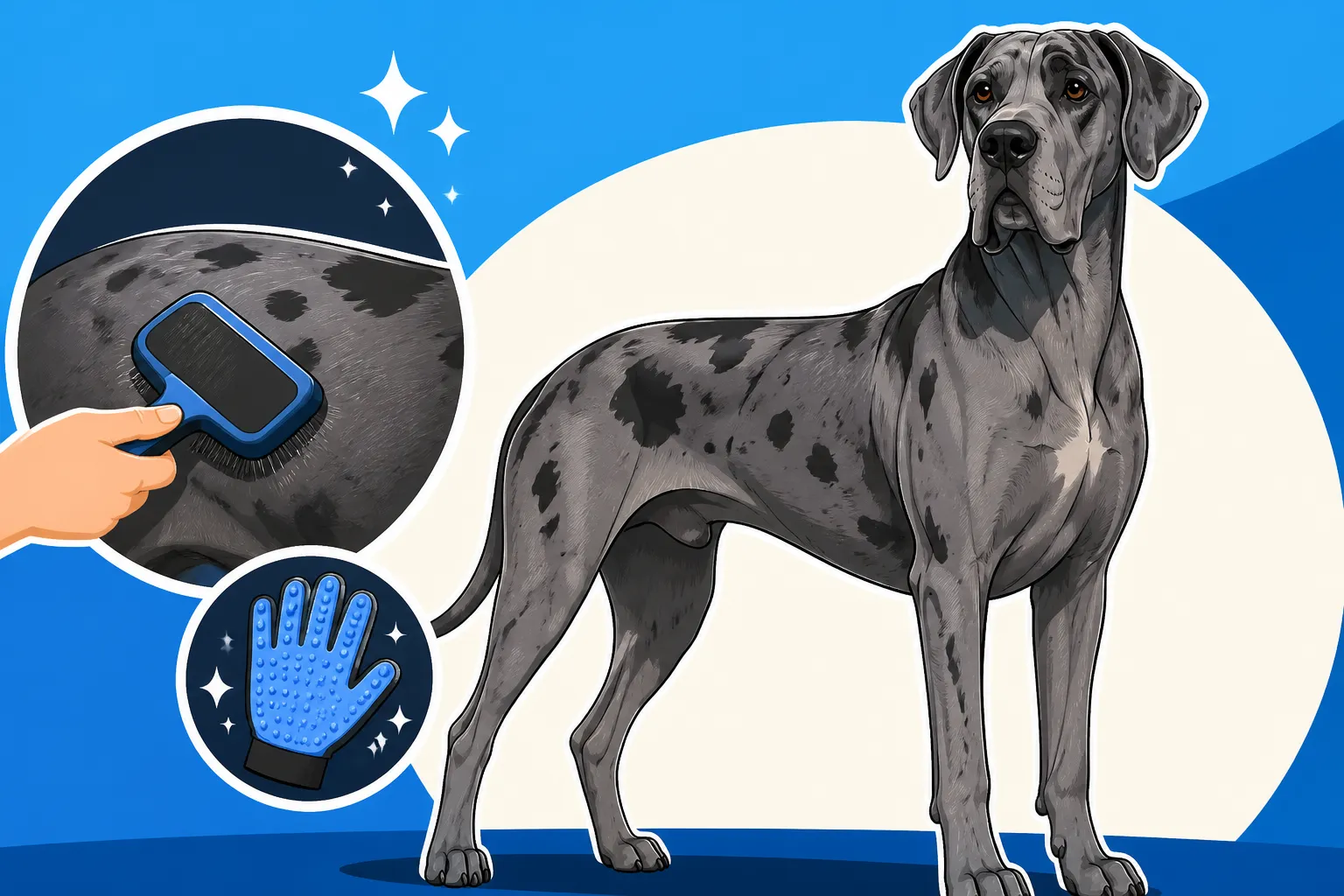
For daily brushing and general maintenance, a good rubber curry brush or a grooming mitt is invaluable. These tools are fantastic for massaging the skin, stimulating circulation, and loosening dead hair. The rubber nubs gently pull out loose hairs without irritating the skin, and many Danes find the sensation quite pleasant, turning brushing into a bonding experience. You can find excellent options on Amazon or Chewy that are durable enough for a giant breed.
When it comes to serious de-shedding, especially during those heavy shedding seasons, you'll need something more robust. A de-shedding tool with a fine-toothed blade (like those often called "de-shedding rakes" or "undercoat rakes," even though Danes don't have a traditional undercoat) works wonders. These tools are designed to reach through the topcoat and grab the dead, loose hairs that would otherwise end up all over your home. Use them with caution, however; too much pressure or too frequent use can irritate the skin. Always follow the manufacturer's instructions, and be gentle, especially over bony areas.
For a final polish and to distribute natural oils, a soft bristle brush can be used. This will leave your Dane's coat looking sleek and shiny, giving them that "Apollo of Dogs" glow.
Here's a quick look at common brush types and their uses for a Great Dane:
| Brush Type | Primary Use | Frequency | Benefits | Cautions |
|---|---|---|---|---|
| Rubber Curry Brush | Daily grooming, loosening dead hair, skin massage | Daily | Gentle, effective for short coats, stimulates circulation | Less effective for very heavy shedding |
| Grooming Mitt | Similar to curry, good for sensitive areas | Daily | Worn on hand for better control, good for quick passes | Can fill quickly with hair |
| De-shedding Tool | Removing large amounts of loose, dead hair | Weekly (or as needed during shedding season) | Highly effective for reducing shedding | Can irritate skin if used too aggressively or too often |
| Soft Bristle Brush | Finishing, distributing oils, adding shine | Daily or as needed | Creates a glossy finish, gentle for sensitive skin areas | Doesn't remove significant loose hair |
Nail Clippers and Grinders: Taming Those Large Paws
Great Danes have substantial paws and strong, thick nails. Keeping their nails trimmed is not just for aesthetic reasons; it's absolutely crucial for their comfort, joint health, and preventing painful injuries. Overgrown nails can push on the quick, causing discomfort with every step. They can also alter the way your Dane stands and walks, putting undue stress on their joints, especially their hips and elbows.
You'll generally choose between two main types of nail trimming tools:
- Guillotine-style clippers: These are often preferred for larger, thicker nails. The nail is inserted into a small hole, and a blade slides across to cut it. Ensure you get a heavy-duty, large-breed clipper that can handle the thickness of a Dane's nails.
- Scissor-style clippers: These resemble scissors with curved blades. They can also work well, particularly for those who find the guillotine style a bit intimidating. Again, opt for a large-breed size.
Many Great Dane owners also swear by a nail grinder (a Dremel-style rotary tool designed for pets). Grinders sand down the nail gradually, allowing for more precise control and a smoother finish. This can be less stressful for dogs who are sensitive to the "snip" sensation of clippers, and it reduces the risk of cutting into the quick. Plus, smooth nails are less likely to scratch you or your floors. The trick is to introduce it slowly, with lots of positive reinforcement. Some Danes are initially spooked by the sound and vibration, so patience is key.
Regardless of the tool you choose, aim to trim your Dane's nails every 2-4 weeks. If you hear them clicking on the floor, they're too long. For detailed advice on this tricky task, you might find our guide Nail Length and How a Great Dane Stands incredibly helpful.
Shampoo, Conditioner, and the Sheer Volume Needed
Bathing a Great Dane is a commitment, not just in time and effort, but also in product! You'll need a significant amount of shampoo and conditioner to adequately cover and clean their large frame. Skimping on product means you won't get them truly clean, potentially leading to dull coats or skin issues.
When selecting shampoo and conditioner, look for formulations that are:
- pH-balanced for dogs: Human shampoos are too acidic and can strip natural oils, leading to dry, itchy skin.
- Gentle and hypoallergenic: Great Danes can have sensitive skin, so avoid harsh chemicals, dyes, and strong fragrances that could cause irritation. Oatmeal-based shampoos are often a good choice for soothing skin.
- Moisturizing: Especially if your Dane has a tendency towards dry skin, a moisturizing shampoo and a good conditioner will help keep their coat healthy and shiny.
You'll want to buy these in larger bottles, possibly even gallon-sized if you can find them, or in concentrated formulas that you dilute. Purchasing from online retailers like Chewy or Amazon often allows for bulk orders, which can be more economical in the long run given the sheer quantity you'll be using. Always rinse thoroughly – residual shampoo can cause skin irritation and flakiness.
The Bathing Battle: Getting a Great Dane Clean (and Dry!)
Bathing a Great Dane can feel like a wrestling match with a wet, slippery giant. It's a task that requires preparation, patience, and a good sense of humor. But with the right approach, you can make it a less formidable experience for both you and your dog.
Pre-Bath Prep: Brushing and Gathering Supplies
Before you even think about turning on the water, a solid pre-bath routine is non-negotiable. This is where you set yourself up for success and minimize the mess.
First, give your Great Dane a thorough brushing. Use your de-shedding tool and rubber curry brush to remove as much loose hair as possible. Why? Because wet hair forms impressive mats and clumps that clog drains and are much harder to remove once soaked. Getting rid of the dead hair beforehand means a more effective wash and less cleanup later. It also helps the shampoo penetrate better and prevents excessive hair from washing down the drain, which can lead to plumbing nightmares.
Next, gather all your supplies and place them within easy reach. Once your Dane is wet, you won't want to be running around searching for things. You'll need:
- Dog-specific shampoo and conditioner (plenty of it!)
- Several large, absorbent towels (microfiber dog towels are excellent)
- A washcloth or sponge for their face and delicate areas
- Cotton balls for their ears (to prevent water from entering)
- A sturdy leash or tether if you're bathing them outdoors or in a walk-in shower to keep them contained
- Treats! Lots of high-value treats for positive reinforcement throughout the process.
Choose your bathing location carefully. For many Great Dane owners, a walk-in shower or a large utility tub is ideal indoors. Outdoors, a kiddie pool with a hose attachment works well, especially in warmer weather. Ensure the surface is non-slip to prevent accidents – a bath mat can be a lifesaver.
Techniques for Washing a Massive Dog
Now for the main event! Getting a Great Dane fully saturated and thoroughly rinsed is the biggest challenge due to their size.
Start by getting them completely wet. A spray nozzle or a strong hose attachment is incredibly helpful here. Work from the neck down, making sure the water penetrates all the way to the skin. Their dense coat can be surprisingly resistant to water, so take your time. Be careful around their face and ears; avoid spraying water directly into their eyes or ear canals. This is where those cotton balls come in handy for their ears.
Once they're thoroughly wet, apply the shampoo. Don't be shy – you'll need a generous amount. Lather up well, working the shampoo into every part of their body. Pay special attention to areas that tend to get dirtier or develop odors, like their chest, paws, belly, and under their "armpits." Use your hands to massage the shampoo in, checking for any bumps, cuts, or skin irritations as you go. This hands-on approach is also a great way to bond with your dog and build trust around grooming.
Rinsing is arguably the most crucial step. Any residual shampoo left on their skin can lead to itching, dryness, and flakiness. Rinse, rinse, and then rinse again. Keep rinsing until the water runs completely clear and you can no longer feel any slickness on their coat. This often takes much longer than you anticipate for a large dog. Once thoroughly rinsed, apply conditioner if you use it, let it sit for the recommended time, and then rinse that out just as meticulously. If you need a more detailed breakdown of the logistics, our article on Bathing a Great Dane at Home offers great practical tips.
Drying Your Dane: Avoiding Damp Dog Smell and Skin Issues
Getting your Great Dane dry is just as important as getting them clean. A damp coat, especially on such a large dog, is an open invitation for that unpleasant "wet dog" smell to linger and for skin issues like hot spots or fungal infections to develop, particularly in warmer, humid climates.
Start by manually squeezing as much water out of their coat as you can. Then, grab those large, absorbent towels. Rub vigorously to soak up the initial excess water. If you have several towels, use them! Don't be afraid to use a few before switching to fresh, drier ones.
For ultimate efficiency, especially if your Dane tolerates it, a forced air dryer designed for dogs can be a game-changer. These are not like human hair dryers (which can get too hot and burn their skin); instead, they blow high volumes of unheated air to blast water off the coat. This significantly speeds up drying time and helps to push out any remaining loose hairs. If you don't have a forced air dryer, ensuring your Dane is in a warm, draft-free area where they can air dry fully is important. You can also allow them to shake off naturally, perhaps in a designated outdoor area, but be prepared for a wide spray radius!
Pay particular attention to drying any skin folds, especially around their neck, jowls, or between their toes. Moisture trapped in these areas is a prime breeding ground for bacteria and yeast. Ensuring they are completely dry will help keep their skin healthy and prevent that lingering damp dog scent.
Beyond the Bath: Routine Care for a Dane's Comfort
Grooming a Great Dane extends far beyond just brushing and bathing. Regular care for their nails, ears, and teeth is equally important for their overall well-being and prevents more serious health issues down the line. These aren't just cosmetic details; they're fundamental aspects of responsible Dane ownership.
Nail Trimming: A Crucial Task for Joint Health
We touched on nail trimming earlier, but it truly deserves its own emphasis because of its profound impact on a Great Dane's health. Imagine walking around all day in shoes that are too small, constantly stubbing your toes. That's what long nails can feel like for your giant dog. When a Dane's nails are too long, they push back into the nail bed, causing pain and discomfort. To compensate, the dog will shift their weight onto the back of their pads, altering their natural gait. Over time, this unnatural posture can contribute to strain on their joints, ligaments, and tendons, potentially exacerbating issues like arthritis or hip dysplasia.
Regular nail trims, ideally every 2-4 weeks, are essential. The goal is to keep the nails short enough so they don't touch the ground when your Dane is standing naturally. If you're using clippers, be extremely careful to avoid the quick, which is the sensitive pink part of the nail that contains blood vessels and nerves. Cutting the quick is painful and can cause bleeding, making your dog averse to future nail trims. If you accidentally nick the quick, have styptic powder (available at pet stores or online) on hand to stop the bleeding. Many owners find that frequent, small trims are better than infrequent, drastic ones, as this also helps the quick recede over time.
For Danes who are nervous about clippers, a grinder can be a less intimidating option. Introduce it slowly, with praise and treats, gradually desensitizing them to the sound and vibration. This process might take several sessions, but patience now will pay off in a calmer dog during future grooming. If you find yourself in a struggle every time, it might be worth consulting our guide Trimming Nails a Great Dane Will Not Give You for strategies.
Ear Cleaning: Keeping Those Flaps Healthy
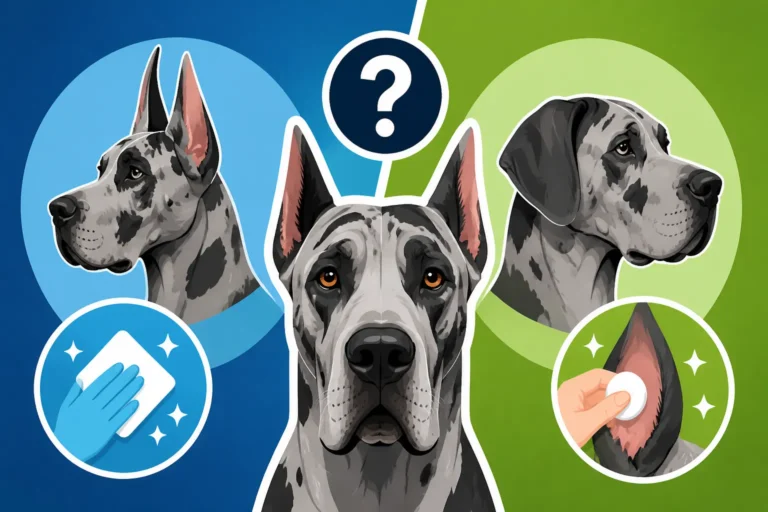
Whether your Great Dane has natural, floppy ears or cropped, upright ears, regular cleaning is vital to prevent ear infections. Floppy ears can trap moisture and debris, creating a warm, dark environment perfect for yeast and bacteria to thrive. Cropped ears, while more open to air circulation, still need attention to ensure general hygiene and to check for any issues.
Aim to clean your Dane's ears every 2-4 weeks, or more frequently if they swim or are prone to ear issues. You'll need a dog-specific ear cleaning solution (never use rubbing alcohol or hydrogen peroxide, as these can be irritating) and cotton balls or soft gauze.
To clean:
- Gently lift your Dane's ear flap.
- Squirt a small amount of ear cleaning solution into the ear canal (follow product instructions).
- Massage the base of the ear gently for about 30 seconds. You'll often hear a squishing sound.
- Allow your Dane to shake their head, which helps dislodge debris.
- Use a cotton ball or gauze wrapped around your finger to wipe out any visible dirt or excess solution from the outer ear and the folds. Never insert anything deep into the ear canal, as you could damage the eardrum.
Always check for signs of infection, such as redness, swelling, a strong odor, excessive scratching, or discharge. If you notice any of these, consult your veterinarian. For specific care instructions based on ear type, our article Ear Cleaning on a Cropped or Natural Great Dane provides more detailed guidance.
Dental Care: Protecting Those Pearly Whites (and Your Wallet)
Dental disease is one of the most common health problems in dogs, and Great Danes are no exception. Just like in humans, plaque and tartar build up on their teeth, leading to gum disease, bad breath, pain, and even systemic health problems if bacteria enter the bloodstream. And let's be honest, a veterinary dental cleaning for a dog the size of a Great Dane is a significant expense!
The best defense is a good offense: regular at-home dental care. Ideally, you should aim to brush your Great Dane's teeth daily, or at least several times a week. You'll need a dog-specific toothbrush (a large one!) and enzymatic dog toothpaste (never human toothpaste, as it contains ingredients toxic to dogs).
To brush:
- Lift your Dane's lip gently.
- Apply a pea-sized amount of toothpaste to the brush.
- Focus on the outside surfaces of their teeth, especially the molars and canines, as these tend to accumulate the most tartar. Use gentle, circular motions.
- Positive reinforcement with praise and treats is crucial, especially when introducing brushing.
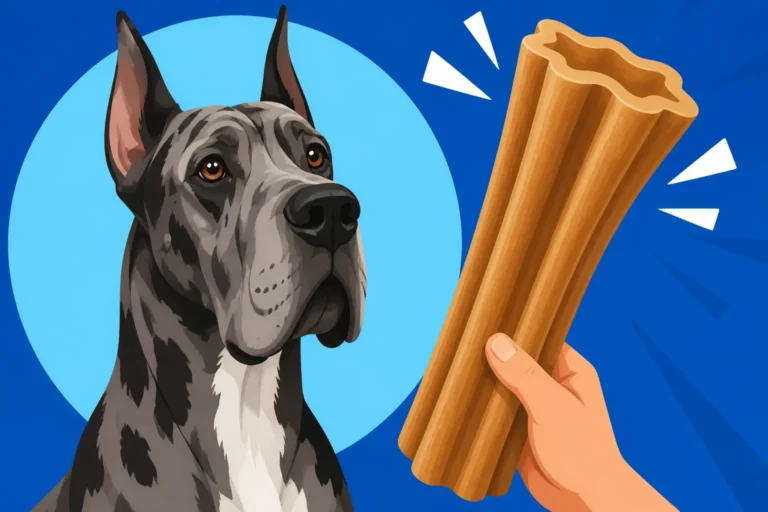
If daily brushing isn't feasible, consider incorporating other dental health aids into their routine, such as dental chews specifically designed to reduce plaque and tartar (make sure they are appropriately sized for a Great Dane and approved by your vet) or water additives. Regular veterinary check-ups should include a dental exam, and your vet can advise you on whether a professional cleaning under anesthesia is necessary. For a deeper dive into the costs and necessity of professional cleanings, refer to Whether a Great Dane's Teeth Need Annual Sedation.
Managing the Mess: Drool, Shedding, and Housekeeping
Living with a Great Dane means embracing a certain level of "Dane-ness" in your home. These magnificent dogs are notorious for a few habits that, while endearing, can also lead to a perpetual state of minor mess. Learning to manage the drool and shedding effectively will save you a lot of frustration and keep your home a more pleasant environment.
Dealing with Drool: It's a Lifestyle
Ah, the Great Dane slobber. It's legendary, and it's something you simply have to learn to live with. Some Danes are more prolific droolers than others, but nearly all of them will sling a certain amount of "fluff" (as it's affectionately known) when they drink, get excited, or sometimes, just because. This isn't a sign of poor health (unless it's truly excessive and constant, which warrants a vet visit); it's just part of the breed.
The key to managing drool is preparedness. Invest in what I like to call "slobber rags" – a stack of designated towels or cloths strategically placed around your home. Keep one by their water bowl, one near the front door, and a few on the sofa. As soon as your Dane finishes drinking, be ready to wipe their jowls. This simple act can prevent a surprising amount of drool from being flung across the room or soaking into your floors. Our article Managing Great Dane Slobber Indoors has even more survival tips for living with this unique breed trait.
Another tip is to consider their eating and drinking setup. Raised bowls can sometimes help reduce the amount of water that gets sloshed around and then becomes drool, though opinions vary on their overall health benefits for giant breeds. Also, be mindful of where your Dane stands when they shake their head after a drink. You'll quickly learn the "blast radius" and can position yourself (or your furniture) accordingly. Wiping their jowls before they shake is your best defense!
Shedding Strategies: Minimizing Hair Around the House
Despite their short coats, Great Danes shed. A lot. And their short, stiff hairs have a way of weaving themselves into upholstery and carpet fibers, making them notoriously difficult to remove. Accepting that you will always have some Dane hair in your home is the first step, but there are proactive strategies to minimize its presence.
The absolute best defense against excessive shedding around the house is daily brushing. A quick 5-10 minute session with a rubber curry brush or a de-shedding tool will remove a surprising amount of loose hair before it has a chance to settle on your floors and furniture. Think of it as harvesting the hair proactively. Regular brushing also helps distribute natural oils, keeping their coat healthy and shiny, which in turn can reduce breakage and further shedding.
Beyond brushing, a powerful vacuum cleaner designed for pet hair is a must-have. You'll likely be vacuuming more frequently than you ever thought possible. Keep lint rollers handy for quick clean-ups on clothing and furniture before guests arrive. Washable throws and blankets on your sofas and dog beds can also help catch a lot of hair, making laundry day a bit more intense but protecting your actual furniture. Understanding How Much Hair a Great Dane Drops can help set realistic expectations.
Protecting Your Home: Floors, Furniture, and Patience
Living with a giant dog means your home will experience more wear and tear. Their sheer size and weight, combined with their occasional clumsiness, slobber, and shedding, require some strategic choices in home furnishings and maintenance.
When it comes to flooring, durable, easy-to-clean surfaces are your best friend. Tile, laminate, or hardwood are generally easier to clean than carpet, but they can be slippery, which isn't ideal for a large dog prone to joint issues. Consider adding rugs and runners in high-traffic areas to provide traction and cushion. Look for washable rugs!
Furniture will inevitably become a resting spot for your Dane, whether you intend it or not. Invest in durable, easy-to-clean fabrics or use washable slipcovers and throws. Expect that slobber and hair will find their way onto everything. Patience and a good sense of humor are perhaps the most important tools you can have. Regular cleaning, brushing, and managing drool actively will go a long way in keeping your home presentable. Embracing the "Great Dane aesthetic" sometimes means accepting a little extra hair and drool as part of the charm of having such a magnificent companion.
Special Considerations for Great Dane Grooming
Great Danes, with their impressive stature, unique physical characteristics, and sometimes stoic nature, require a few specialized grooming considerations. What might be a minor detail for a smaller dog can become a significant issue for a giant breed.
Skin Folds and Pressure Points
While Great Danes don't have excessive skin folds like some brachycephalic breeds, they do have areas where skin can gather, particularly around their jowls, neck, and chest. These folds can trap moisture, dirt, and yeast, leading to skin irritation, redness, and even infections if not kept clean and dry. After bathing, always ensure these areas are thoroughly dried. For daily maintenance, a quick wipe with a damp cloth and then a dry one can prevent issues.
Perhaps more common and often overlooked are pressure points, especially on their elbows and hocks (ankles). Because of their weight, Danes spend a lot of time lying down, and if they're consistently on hard surfaces, these areas can develop tough, thickened skin known as calluses. If left unmanaged, these calluses can crack, bleed, and even become infected. In some cases, repeated trauma to the elbow can lead to a condition called an elbow hygroma – a fluid-filled sac that forms under the skin to cushion the joint.
To prevent and manage calluses and hygromas:
- Provide soft, supportive bedding: This is paramount. Invest in high-quality, orthopedic dog beds with ample cushioning. Avoid allowing your Dane to consistently lie on hard floors.
- Moisturize: For existing calluses, apply a dog-safe moisturizer or balm to keep the skin supple and prevent cracking.
- Monitor: Regularly check these areas for any signs of redness, swelling, or open sores.
Our articles on Elbow Calluses on a Great Dane and A Soft Swelling on a Great Dane's Elbow delve deeper into these specific conditions and their management. Proactive care for these pressure points will contribute significantly to your Dane's long-term comfort and health.
Older Danes and Grooming Adaptations
As Great Danes age, usually around six years old, their needs change, and grooming routines often require adaptations. Their joints may ache, their balance might not be as steady, and they might have less patience for prolonged grooming sessions. Caring for a Great Dane Past Six often means adjusting to their physical limitations.
Here are some ways to adapt grooming for a senior Dane:
- Gentle Handling and Supportive Surfaces: Be extra gentle when brushing, bathing, or trimming nails. Avoid quick movements that could startle them or put strain on their joints. Use non-slip mats in the bath or on grooming tables. If they struggle to stand, consider grooming them while they're lying down comfortably. Our guide Grooming a Great Dane Lying Down can offer practical tips.
- Shorter, More Frequent Sessions: Instead of one long, arduous grooming session, break it down into shorter, more manageable bursts. A quick brush and ear check one day, nails the next, and a bath only when absolutely necessary.
- Warmth and Comfort: Ensure the grooming area is warm and draft-free, especially for older Danes who might feel the cold more. Provide soft cushioning if they need to lie down during grooming.
- Pain Management: If your senior Dane is on pain medication for arthritis or other conditions, try to schedule grooming sessions during times when their medication is most effective.
- Increased Monitoring: Older Danes may develop new skin issues, lumps, or bumps. Regular, gentle grooming sessions provide an excellent opportunity to perform a full body check and alert you to any changes that warrant veterinary attention.
Professional Groomers: When to Call in the Experts
While many aspects of Great Dane grooming can be handled at home, there are times when calling in a professional groomer is not just a luxury, but a necessity. This is especially true given the challenges inherent in grooming such a large animal.
You might consider a professional groomer if:
- Your Dane is uncooperative: If bath time or nail trims become a traumatic battle for both of you, a professional, experienced groomer often has the tools, techniques, and patience to handle even the most reluctant giants.
- You lack the proper facilities: Not everyone has a walk-in shower or a yard setup suitable for bathing a Great Dane. Professional groomers have large tubs and specialized equipment.
- You need specialized services: This could include de-shedding treatments, anal gland expression, or thorough ear cleaning if your Dane is prone to infections.
- Your Dane has specific health needs: A professional groomer can often accommodate dogs with mobility issues or anxiety, offering a calm environment and gentle handling.
- You're simply overwhelmed: There's no shame in admitting that managing a giant dog's grooming needs is a lot of work. Delegating some tasks to a professional can free up your time and reduce stress.
When choosing a groomer, always ask if they have experience with giant breeds like Great Danes. Not all groomers are equipped or comfortable handling such large dogs. Ask about their facilities, their approach to anxious dogs, and their pricing structure. A good professional groomer can be an invaluable partner in keeping your Great Dane healthy and happy. For insights into finding such a professional, refer to Whether Any Groomer Will Take a Great Dane.
Disclaimer
This article is for general informational purposes only and does not constitute professional advice. Laws, prices and regulations vary by location and change over time. Consult a qualified professional for guidance on your specific situation.