Whether a Great Dane Needs Puppy Food to Eighteen Months
The journey of raising a Great Dane puppy is incredibly rewarding, but it comes with a unique set of challenges and questions, especially when it comes to nutrition. Many new owners find themselves scratching their heads, wondering why their giant breed puppy seems to have different dietary needs and for how long. This guide is here to shed light on why your Great Dane puppy isn't like other puppies and why their specialized feeding needs often extend well beyond their first birthday, typically up to eighteen months.
Understanding the Great Dane's Unique Growth Trajectory
When you bring home a tiny Great Dane puppy, it's easy to forget just how quickly they'll transform into a majestic giant. This rapid, monumental growth is precisely what makes their nutritional requirements so different from, say, a Labrador or a Golden Retriever. You're not just feeding a puppy; you're nurturing a creature that will grow from a few pounds to over a hundred and fifty pounds in a surprisingly short amount of time.
Why Great Danes Aren't Your Average Puppy
Great Danes are not your average puppy because their growth rate is absolutely astronomical. Imagine a human child growing from an infant to a fully-grown adult in roughly eighteen months – that's the kind of intense physiological development your Dane is undergoing. Their bones are lengthening at an incredible pace, and their muscles are building rapidly. This puts immense stress on their developing skeletal system, and if the nutritional balance isn't absolutely spot-on, it can lead to serious, irreversible issues. We're talking about conditions that can cause chronic pain and significantly impact their quality of life. The temptation to "boost" their growth with extra food or supplements is strong, but it's crucial to understand that Why a Great Dane Puppy Should Grow Slowly is paramount to their long-term health.
This isn't about simply getting them big; it's about getting them big safely and healthily. Their growth plates, the soft areas at the ends of their bones responsible for lengthening, are particularly vulnerable during this rapid expansion. Too much of certain nutrients, or imbalances, can cause these plates to develop abnormally, leading to painful and debilitating conditions. It's a delicate dance between providing enough fuel for growth and ensuring that growth isn't happening too fast or unevenly.
The Extended Puppy Phase for Giant Breeds
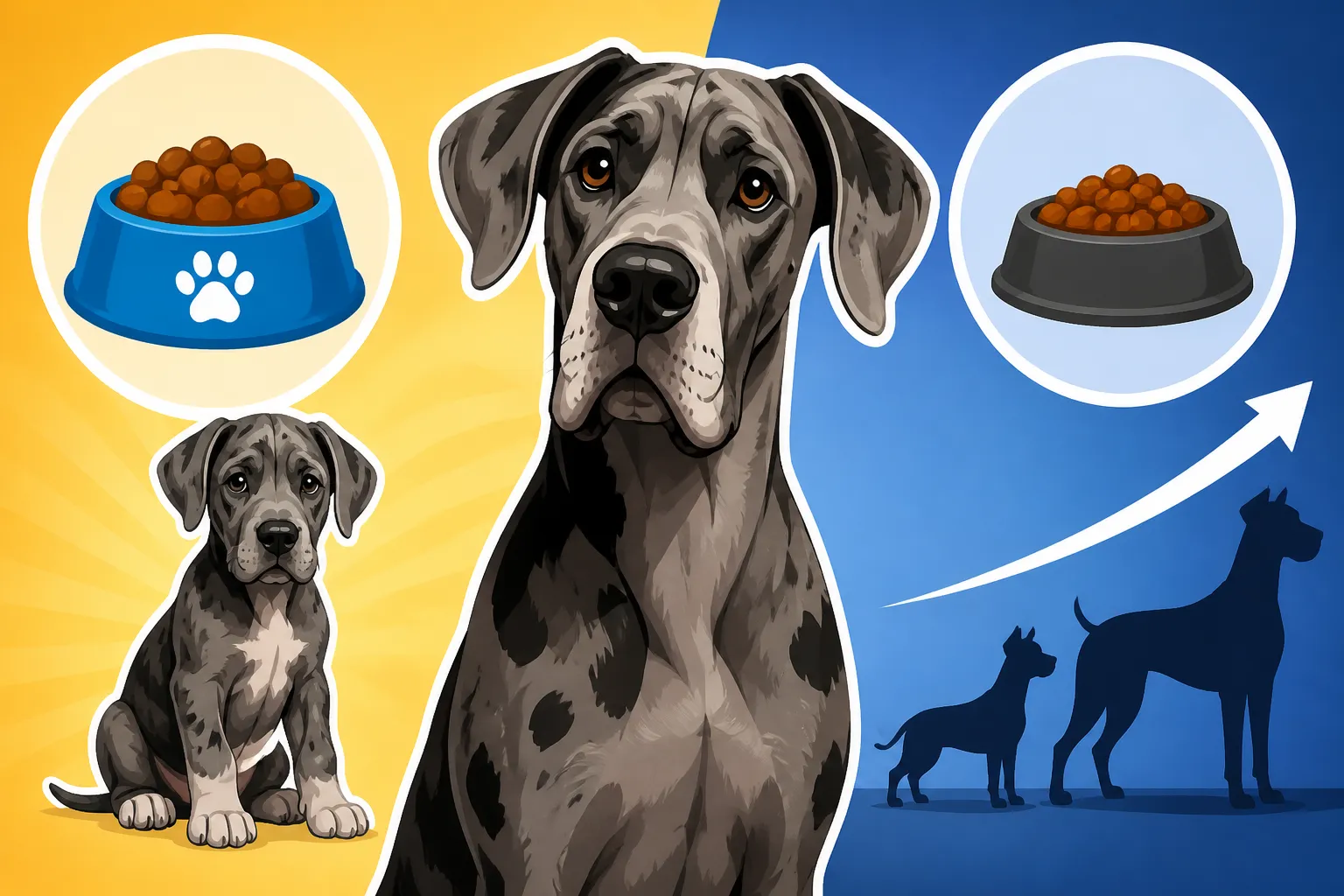
For most medium-sized dog breeds, you might switch them to adult food around 10-12 months. But for a Great Dane, that's still very much their "teenage" phase. Their bones are still ossifying, muscles are still maturing, and their overall frame is still filling out. Their "puppyhood" extends much longer than smaller breeds because their sheer size takes more time to fully develop. Think of it this way: a small dog might be 90% grown by 6-8 months, but a Great Dane is often still noticeably growing in height and filling out in weight well past their first birthday.
This extended growth period typically means they're still benefiting from a large breed puppy formula up until around 18 months, sometimes even closer to two years for some individuals. It's not just about height; it's about the density of their bones, the strength of their ligaments, and the development of their entire musculoskeletal structure. Rushing this process or providing inappropriate nutrition can compromise their long-term health. Understanding The Great Dane Growth Curve Month by Month really helps set realistic expectations for their development.
The Pitfalls of "Regular" Puppy Food for Great Danes
It's natural to think all puppy food is created equal, but for a Great Dane, that couldn't be further from the truth. The very things that make standard puppy foods great for smaller, faster-maturing breeds can be genuinely harmful to a giant breed.
The Dangers of Too Much, Too Soon: Calcium and Calories
One of the biggest misconceptions is that Great Danes need more calcium to build strong bones because they're so large. In reality, the opposite is true for puppies. Regular puppy foods are often formulated with higher levels of calcium to support the rapid bone growth of smaller breeds. However, for a Great Dane puppy, excessive calcium intake can actually be detrimental. Their bodies, particularly their skeletal systems, are not designed to process and regulate such high amounts during their critical growth period. This can lead to a condition called Hypertrophic Osteodystrophy (HOD), where the growth plates become inflamed and painful, often causing severe lameness.
Similarly, standard puppy foods tend to be more calorie-dense to fuel the high energy needs and quick growth spurts of smaller dogs. While Great Dane puppies certainly need calories, too many too quickly can lead to excessively rapid growth, which puts undue stress on their developing joints and bones. This isn't about making them overweight, but about triggering an unnaturally fast skeletal development that their body can't keep up with. It's a key factor in Why Fast Growth Wrecks Great Dane Joints. When we talk about Calcium and Phosphorus in a Great Dane Puppy Bowl, the ratio and moderate levels are far more important than high quantities.
The Impact on Bone and Joint Health
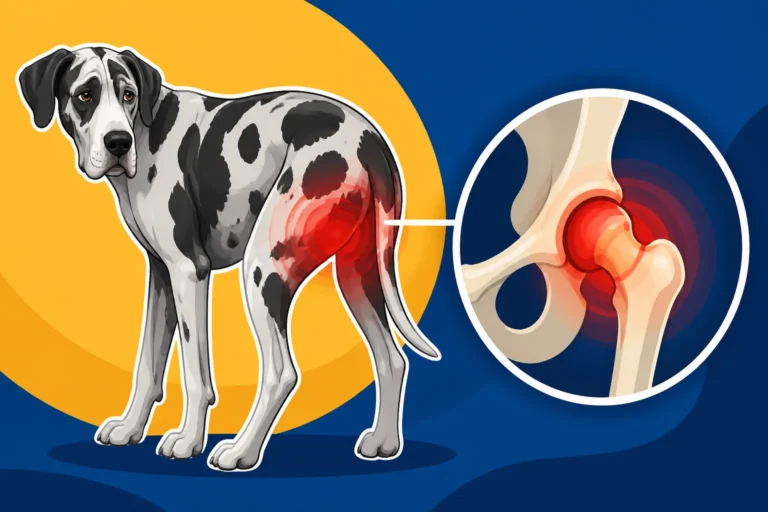
Feeding an improper diet during these crucial growth months can have severe, lifelong consequences for a Great Dane's bone and joint health. Imagine the weight of a Great Dane being supported by bones and joints that haven't developed correctly. It's a recipe for disaster. Conditions like hip and elbow dysplasia, osteochondritis dissecans (OCD), and panosteitis (growing pains) are sadly common in giant breeds, and while genetics play a role, nutrition is a massive contributing factor.
These issues can manifest as limping, reluctance to play, stiffness, or an altered gait. In severe cases, they can lead to chronic pain, expensive surgeries, and a significantly reduced quality of life. The goal is to provide a diet that encourages steady, controlled growth, allowing bones and joints to mature strong and correctly under the immense forces they will eventually bear. Preventing Growth Disorders in a Great Dane Puppy starts with the right food from day one.
What to Look For in a Great Dane Puppy Formula
Knowing that regular puppy food won't cut it, what should you be looking for? It boils down to a carefully balanced formula specifically designed to support the unique growth needs of giant breeds. This is where researching dedicated "large breed puppy" foods becomes essential.
The Crucial Nutrient Balance: Calcium, Phosphorus, and Protein
For Great Dane puppies, the most critical nutritional aspect is a carefully managed balance of calcium, phosphorus, and protein. You'll want to look for a large breed puppy formula that specifies a calcium content on the lower end, typically between 1.0% and 1.5% on a dry matter basis, and a calcium-to-phosphorus ratio of around 1.1:1 to 1.3:1. This helps prevent the over-absorption of calcium that can lead to developmental orthopedic diseases.
Protein levels are also important. While protein is essential for muscle development, excessively high protein in conjunction with high calories can contribute to rapid growth. Look for moderate protein levels, generally between 23-26%, and a fat content that supports energy without promoting too-rapid weight gain. The key is balance, not excess. These specialized formulas are designed to promote a slow, steady, healthy growth curve, rather than a quick burst of growth that can overwhelm their skeletal system.
Recognizing Quality Ingredients and Brands
Beyond the numbers, the quality of ingredients matters immensely. You want to see real meat as the first ingredient – chicken, beef, lamb, or fish. Avoid generic "meat meal" or excessive fillers. Look for digestible carbohydrates like rice, oats, or barley, and beneficial fats such as chicken fat or fish oil, which provide essential omega fatty acids for skin, coat, and cognitive development. Some quality brands make it easy to find these specialized formulations. For example, many owners find a wide selection of suitable large breed puppy foods on platforms like Chewy, where you can filter by breed size and specific nutritional needs.
When choosing, always check the brand's reputation for quality control and research. Brands that invest in scientific studies and have veterinary nutritionists on staff are generally more reliable. If you're considering fresh food options, companies like Ollie provide customized meal plans, and you'll want to ensure their formulations for large breed puppies meet these specific calcium and calorie requirements to avoid over-nutrition. Don't be swayed by marketing jargon; focus on the guaranteed analysis and ingredient list.
The Eighteen-Month Milestone: Why It Matters
Eighteen months isn't just an arbitrary number; it's a generally accepted guideline for when many Great Danes, particularly males, begin to reach their full physical maturity. This doesn't mean they stop changing entirely, but it signifies a crucial transition point in their development where their skeletal system is largely finished forming.
When "Puppy" Becomes "Adult" for a Great Dane
For Great Danes, "puppy" truly becomes "adult" much later than for smaller dogs. While a small dog might be considered an adult at 10-12 months, your Great Dane is often still growing in height and certainly filling out in weight and muscle mass well beyond their first birthday. Think of it as their long adolescence. Their growth plates, the soft areas at the ends of their bones, need ample time to properly close and ossify (turn into solid bone) without undue stress. This process can continue up to 18-24 months in giant breeds.
During this extended period, their body is constantly rebuilding and strengthening. Prematurely switching to an adult formula that isn't specifically designed for large breeds can inadvertently disrupt this final stage of development. You want to support this slower, more deliberate maturation process, ensuring their bones and joints are as strong and resilient as possible for their adult life. Even if they've reached their full height, they're still adding density and mass, especially in areas like the chest and musculature. The Month a Great Dane Stops Getting Taller is often around 12-18 months, but filling out continues.
Transitioning from Puppy to Adult Food
Once your Great Dane reaches the 18-month mark (or as advised by your vet, who can assess their individual growth), it's generally time to transition them to a high-quality large breed adult dog food. This transition should always be gradual to avoid upsetting their digestive system. Start by mixing a small amount of the new adult food with their current puppy food, slowly increasing the proportion of adult food over 7-10 days.
During this transition, continue to monitor their weight and body condition closely. You want them to maintain a lean physique; you should be able to easily feel their ribs without seeing them prominently, and they should have a discernible waist when viewed from above. Keeping a Great Dane Lean for Its Joints is a lifelong commitment, but especially important during and after this transition. Remember, Whether Adult Food Slows a Great Dane's Growth isn't the primary concern at this point; it's about providing appropriate nutrition for maintenance rather than rapid development.
Practical Feeding Strategies for Optimal Growth
Beyond choosing the right food, how you feed your Great Dane puppy is just as critical. Simple practices can make a huge difference in their overall health and development.
Portion Control and Monitoring Growth
When feeding a Great Dane puppy, strict portion control is non-negotiable. Don't free-feed, and always measure their food precisely. The feeding guidelines on large breed puppy food bags are a good starting point, but they are just that – guidelines. Every puppy is an individual, and their metabolic rate and activity levels will vary. Weighing a Great Dane's Ration can be incredibly helpful to ensure accuracy, especially since slight overfeeding can have significant consequences for a giant breed.
Regularly assess your puppy's body condition. You should be able to easily feel their ribs, but not see them protruding. Their waist should be evident when viewed from above, and they should have a tuck-up when viewed from the side. If you're unsure, your veterinarian can help you learn how to perform a body condition score. This continuous monitoring helps you adjust their food intake as needed to ensure they are Whether a Great Dane Puppy Should Be Kept Lean and growing at a healthy, controlled pace. Overfeeding can lead to rapid weight gain, which stresses developing joints and increases the risk of orthopedic problems.
The Role of Supplements and Treats
Many well-meaning owners are tempted to add supplements to their Great Dane puppy's diet, especially calcium or joint supplements. However, if you are feeding a high-quality, nutritionally balanced large breed puppy food, additional supplements are generally unnecessary and can even be harmful. As we discussed, extra calcium can be detrimental, and commercial foods are already formulated to provide all the necessary vitamins and minerals. Always consult your vet before adding any supplements.
Treats should be given sparingly and chosen carefully. They contribute to your puppy's overall calorie intake, so factor them into their daily allowance. Opt for healthy, low-calorie options, and break larger treats into smaller pieces. For training, tiny, high-value treats work best. Many people purchase large bags of treats from retailers like Amazon or Chewy, but remember that even a few extra treats can add up for a growing giant breed. Avoid giving table scraps, as these can be high in fat, sugar, or ingredients that are harmful to dogs.
Here's a quick comparison of general puppy food vs. large breed puppy food:
| Feature | Regular Puppy Food | Large Breed Puppy Food |
|---|---|---|
| Calcium Level | Higher (1.5-2.5% Dry Matter Basis) | Moderate (1.0-1.5% Dry Matter Basis) |
| Calcium:Phosphorus | Often higher than ideal for giant breeds | Carefully controlled (approx. 1.1:1 – 1.3:1) |
| Calorie Density | Higher (to support fast growth) | Moderate (to support controlled, steady growth) |
| Protein Level | Generally higher | Moderate (23-26% is common) |
| Fat Level | Often higher | Moderate |
| Growth Rate Supported | Rapid growth for smaller breeds | Slow, controlled growth to protect developing joints |
| Risk of Orthopedic Issues | Higher for giant breeds if fed incorrectly | Lower for giant breeds due to specific formulation |
| Target Age Range | Up to 6-12 months for most breeds | Up to 18-24 months for giant breeds |
Beyond Food: Other Factors for Healthy Development
While nutrition is absolutely foundational, it's not the only piece of the puzzle. Other aspects of your Great Dane puppy's care significantly influence their healthy development.
Exercise and Rest: Finding the Right Balance
A Great Dane puppy needs exercise, but it must be carefully managed. Over-exercising a rapidly growing giant breed can be just as detrimental as improper nutrition. Forced, strenuous exercise like long runs, jumping, or intense agility training should be avoided until they are fully mature, typically around 18-24 months. Their bones and joints are still soft and developing, and repetitive impact can cause serious damage. This is why Exercise Limits While a Great Dane Is Still Growing are so vital.
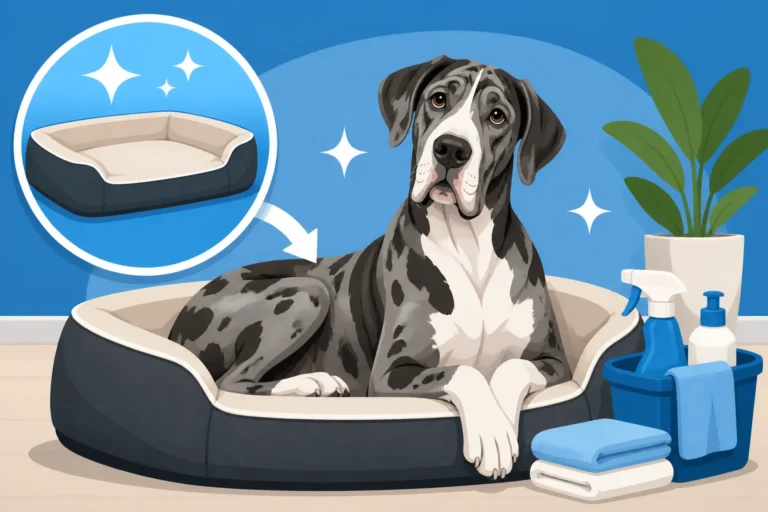
Instead, focus on short, controlled walks on soft surfaces, gentle play in the yard, and mental stimulation. Allowing them to explore at their own pace is much better than pushing them to keep up. Remember, Why a Great Dane Puppy Should Not Jog is about protecting those vulnerable growth plates. Plenty of rest is also crucial; growing takes a lot of energy, and puppies need significant sleep to develop properly. Ensure they have a comfortable, supportive bed that cushions their joints.
Regular Vet Check-ups and Monitoring
Consistent veterinary care is incredibly important throughout your Great Dane's puppyhood. Your vet, especially one experienced with giant breeds, will be your best partner in monitoring their growth and overall health. They can assess your puppy's body condition, check their gait, and discuss any concerns you might have. Regular check-ups allow for early detection of any Growth Disorders in a Great Dane Puppy or other health issues that might arise.
Your vet can also provide personalized advice on feeding amounts, discuss when to transition to adult food based on your specific puppy's development, and recommend appropriate preventative care. They can help you understand the nuances of your Dane's unique needs, ensuring you're doing everything possible to set them up for a long, healthy, and happy life. Don't hesitate to lean on their expertise; they are there to help you navigate the often complex journey of raising a giant breed.
Disclaimer
This article is for general informational purposes only and does not constitute professional advice. Laws, prices and regulations vary by location and change over time. Consult a qualified professional for guidance on your specific situation.