Whether a Great Dane Eats More Than a Newfoundland
It's a common dilemma for anyone captivated by the sheer majesty of giant dog breeds: just how much do these magnificent creatures actually eat? When you're considering welcoming a Great Dane into your home, or perhaps already share your life with one, the question of their appetite often comes up in comparison to other colossal canines. Specifically, many wonder if the Great Dane, with its lean, athletic build, devours more than a stockier, heavily-coated breed like the Newfoundland. This guide will delve deep into the dietary needs of both breeds, helping you understand the factors that dictate their impressive meal plans.
Understanding the Great Dane's Appetite
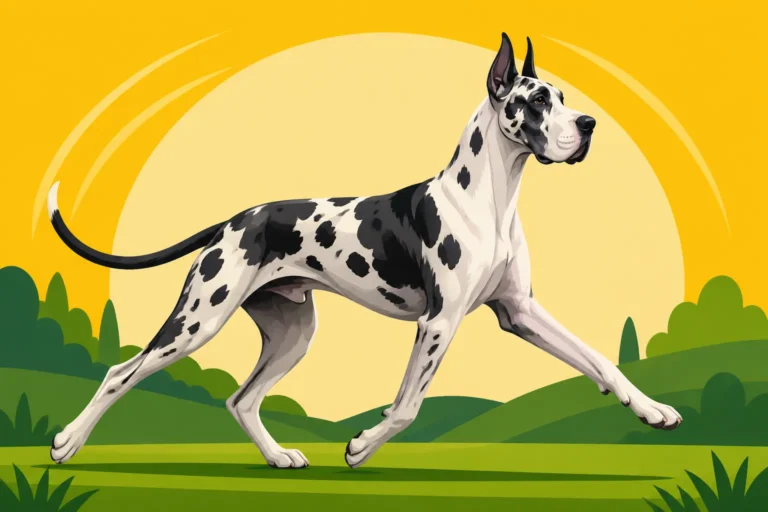
The Great Dane, often called the "Apollo of Dogs," is known for its incredible height and relatively lean, muscular frame. They're built for power and grace, and maintaining that physique requires a significant nutritional investment. Their diet isn't just about volume; it's about the right balance to support their rapid growth and maintain their active adult lives.
Great Dane Puppy Growth and Nutritional Demands
Bringing home a Great Dane puppy is like adopting a tiny rocket ship. They grow at an astonishing rate, sometimes gaining several pounds a week. This explosive growth phase is incredibly demanding on their bodies, but it's a delicate balance. You might think more food equals faster, stronger growth, but that's a common misconception that can actually be detrimental. Great Dane puppies need a diet specifically formulated for large and giant breeds to support slow, steady growth. These specialized foods typically have a carefully controlled calcium-to-phosphorus ratio and moderate protein and fat levels, designed to prevent them from growing too quickly. Rapid growth, while seemingly impressive, can put immense stress on developing bones and joints, leading to orthopedic issues down the line. It's why Why Great Dane Puppy Food Is Different is so crucial. A diet that's too high in calories or the wrong nutrient balance can contribute to developmental bone and joint problems, as explained in Bone Development Problems in a Great Dane Puppy and Why Fast Growth Wrecks Great Dane Joints. Owners often find themselves weighing out precise portions rather than free-feeding, ensuring their puppy gets exactly what it needs without overdoing it.
Adult Great Dane Maintenance and Energy Levels
Once a Great Dane matures, usually around 18-24 months, their dietary needs shift from growth support to maintenance and energy. An adult Great Dane, despite its calm demeanor indoors, is an active dog that requires a substantial amount of fuel. They're built for powerful bursts of activity, long strides, and generally enjoy regular walks and playtime. This active lifestyle, combined with their sheer body mass, means they burn through a lot of calories. Typically, an adult Great Dane might consume anywhere from six to ten cups of high-quality kibble per day, often split into two or three meals to help manage digestion and mitigate bloat risk. Feeding an Adult Great Dane Six to Ten Cups outlines this further. However, this is just a general guideline. A highly active Dane working on a farm or participating in dog sports will need more calories than a couch potato Dane who prefers short strolls. Monitoring their body condition, specifically being able to gently feel their ribs without them being visible, is key to ensuring they're receiving The Calorie Load a Great Dane Actually Needs. You can learn more about this by Reading Ribs on a Great Dane.
The Newfoundland's Distinct Dietary Needs
The Newfoundland is a breed renowned for its massive, heavy bone structure, dense double coat, and sweet, docile nature. They are truly gentle giants, often described as "nanny dogs," but their build and lifestyle present a different set of nutritional considerations compared to the Great Dane.
Newfoundland Growth: A Different Kind of Giant
Newfoundland puppies also experience a period of rapid growth, but their trajectory is distinct. While they certainly get large quickly, their growth tends to be more about building mass and dense bone rather than the Great Dane's focus on height. Like Great Danes, Newfie puppies benefit immensely from large breed puppy formulas that support slower, controlled development to protect their joints. Their sheer weight, even as puppies, means that any undue stress on their developing skeletal system can have long-lasting consequences. Their metabolism, especially compared to the often lankier, faster-growing Great Dane puppy, can be a bit slower. This means careful portion control is paramount to prevent them from becoming overweight, which would place excessive strain on their already heavy frames.
Adult Newfoundland Energy and Coat Maintenance
As adults, Newfoundlands are generally less overtly energetic than Great Danes. While they enjoy swimming, pulling carts, and leisurely walks, they aren't typically known for explosive speed or sustained high-intensity exercise. Their thick, insulating double coat, while beautiful, also means they can overheat more easily, which naturally limits their strenuous activity in warmer climates. This generally lower energy level often translates to a slightly different caloric requirement compared to a Great Dane of similar weight, though still substantial.
However, their massive body mass puts constant pressure on their joints, making joint-supporting nutrients like glucosamine and chondroitin highly beneficial. Their thick coat also requires a significant nutritional investment to keep it healthy, shiny, and prevent matting. A diet rich in omega fatty acids is often recommended to support skin and coat health. While a Newfoundland might not run as much as a Great Dane, their large size and dense build mean they still require ample, high-quality food to maintain their impressive physique and support their overall health. Keeping a Great Dane Lean for Its Joints is important for both breeds, as extra weight exacerbates joint issues.
Direct Comparison: Great Dane vs. Newfoundland Food Intake
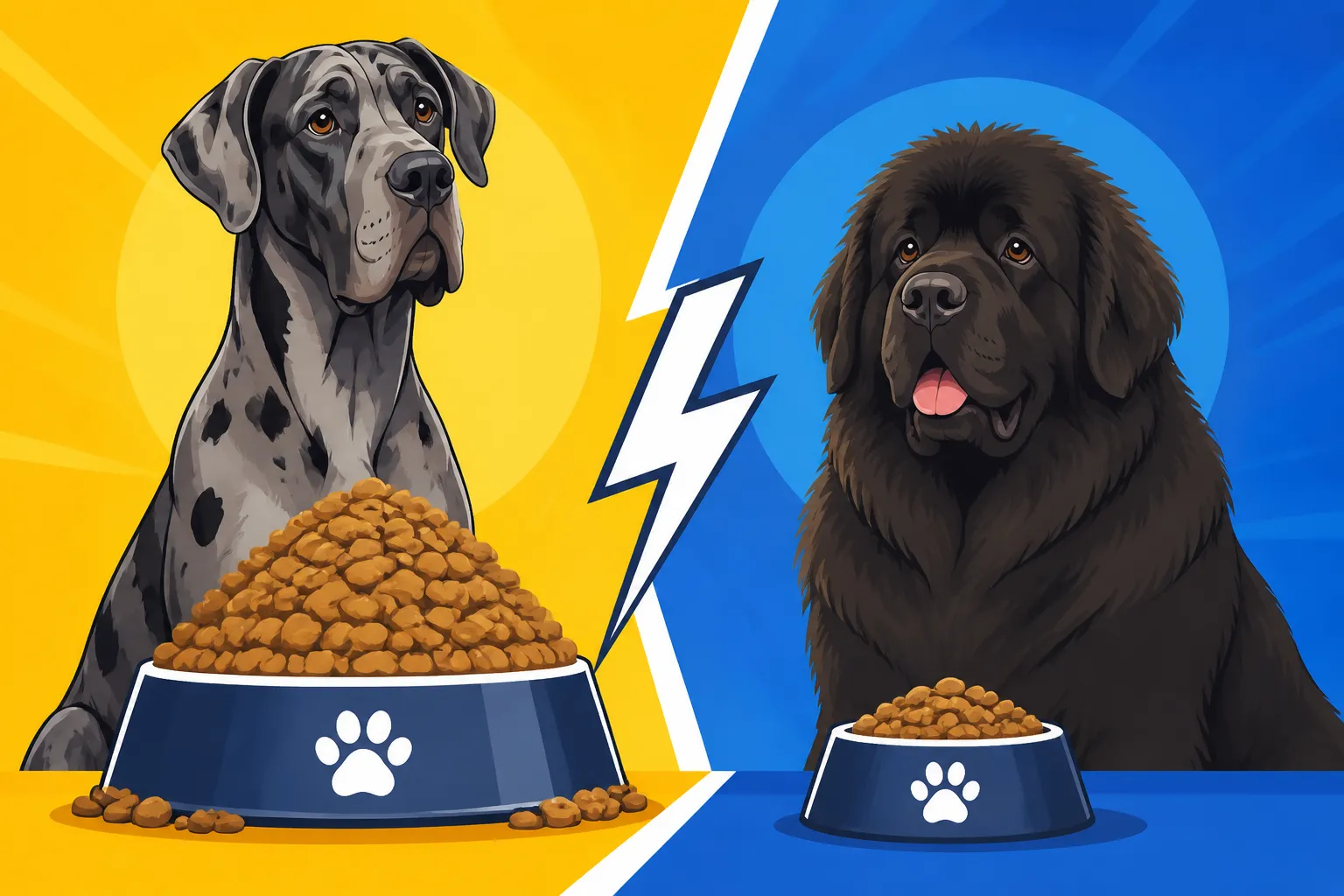
When it comes down to who eats more, it's not always a straightforward answer. Both breeds are undeniably big eaters, but the type, quality, and density of their food, along with individual factors, play a huge role.
Factors Influencing Food Consumption
Several factors influence how much food any giant breed, including a Great Dane or a Newfoundland, will consume:
- Individual Metabolism: Just like people, some dogs have faster metabolisms than others. One Great Dane might burn through calories more quickly than another, even with similar activity levels.
- Activity Level: This is perhaps the most significant factor. An active Great Dane that enjoys long hikes or participates in sports will require significantly more calories than a Great Dane who spends most of its day napping. Similarly, a working Newfoundland will eat more than a companion Newfie.
- Age: Puppies, especially during peak growth phases (even controlled growth), often eat more than senior dogs, whose metabolism slows down.
- Food Quality and Caloric Density: A high-quality food with dense nutrition might mean your dog needs fewer cups to get the same caloric and nutrient intake compared to a lower-quality, filler-heavy food. This is an area where investing in good food can actually save you money in the long run, as Whether Cheaper Kibble Saves a Great Dane Owner Money explains.
- Health Status: Underlying health conditions can affect appetite and nutritional needs.
Generally, a lean, active Great Dane might require a higher calorie intake per pound of body weight due to its typically more energetic nature and faster metabolism compared to the Newfoundland's more massive, dense, and often lower-energy build. However, a sedentary Great Dane might eat less than a working Newfoundland.
Here's a simplified comparison of factors that can influence their food intake:
| Feature | Great Dane | Newfoundland |
|---|---|---|
| Typical Build | Lean, athletic, tall | Heavy-boned, massive, dense |
| Growth Rate | Very fast height gain, then filling out | Fast, focusing on mass and bone density |
| Energy Level | Moderate to high; periods of active play | Moderate to low; prefers steady work/swimming |
| Coat | Short, sleek, minimal insulation | Thick, dense double coat, high insulation |
| Metabolism | Generally faster | Generally slower |
| Joint Stress | High due to height and rapid growth | High due to sheer weight and bone density |
Ultimately, while the Great Dane often appears to be a bottomless pit, the Newfoundland's dense mass also demands a huge caloric input. It's truly a close call, and individual dogs within each breed can vary widely. Don't be surprised if your adult Great Dane is eating a solid Monthly Food Spending on a Great Dane worth of food.
Practical Feeding Realities for Owners
Regardless of which giant breed you welcome into your home, the practicalities of feeding them are similar: volume and cost. You'll quickly become familiar with buying giant bags of kibble, often weighing 30-40 pounds, and needing to store them properly. Many owners opt for online retailers like Chewy for their bulk purchasing options and convenient home delivery, which can be a real back-saver given the weight of these bags.
You'll need large, sturdy food and water bowls. For Great Danes, many owners opt for raised bowls, though the debate about their efficacy in reducing bloat risk is ongoing. Regardless, deep bowls help manage their sheer volume of food. It's also crucial to remember that both breeds need access to plenty of fresh water, often refilling bowls multiple times a day due to their size and impressive thirst. Water Intake for a Great Dane is important to consider.
Some owners explore alternatives like cooking for their Great Dane or raw feeding, which can be rewarding but also significantly increase the logistical challenge and cost due to the sheer volume required. Cooking for a Great Dane and the Volume Problem and Raw Feeding at Great Dane Volume highlight these considerations. Whatever you choose, consistency is key, as is consulting with your veterinarian to ensure your gentle giant is getting all the nutrients they need to thrive. Buying food in bulk from stores or services like Chewy can often lead to savings per pound, helping to offset the overall cost.
In conclusion, both Great Danes and Newfoundlands are monumental eaters, each with unique dietary requirements driven by their distinct builds, growth patterns, and energy levels. It's less about one definitively eating "more" than the other and more about understanding the complex nutritional demands of owning a giant breed. Always consult with your veterinarian to establish the best feeding plan for your individual dog, taking into account their age, activity level, and health.
Disclaimer
This article is for general informational purposes only and does not constitute professional advice. Laws, prices and regulations vary by location and change over time. Consult a qualified professional for guidance on your specific situation.