Ear Care for a Great Dane
Caring for a Great Dane, with their majestic size and often sensitive constitutions, can sometimes feel like a full-time job. One area that often gets overlooked until there's a problem is ear care, which can be particularly tricky whether your Dane sports natural floppy ears or has cropped, erect ones. This comprehensive guide will walk you through everything you need to know about keeping your Great Dane's ears healthy, from routine cleaning to spotting the first signs of trouble.
Understanding Great Dane Ear Anatomy and How It Affects Care
The Great Dane's ears are a unique and often debated aspect of their appearance, but beyond aesthetics, their structure plays a significant role in how we care for them. Whether natural or cropped, understanding the anatomy helps us prevent common issues.
The Natural Drop Ear
Many Great Danes today live their lives with their natural, uncropped ears. These are typically medium-sized, triangular, and set high on the head, falling close to the cheek. While beautiful and soft, this ear type creates a warm, moist, and enclosed canal – an environment that can unfortunately be a breeding ground for bacteria and yeast if not properly maintained. The natural drape limits airflow, which means moisture from bathing, swimming, or even just humidity can get trapped inside, leading to discomfort and potential infections. It's not uncommon for owners of Danes with natural ears to deal with a buildup of wax and debris because it's simply harder for the ear to "breathe" and self-clean.
The Cropped Upright Ear
For centuries, Great Danes were traditionally ear-cropped, a practice that, while declining in some regions, is still common in others and part of the breed standard in many places. A properly cropped ear stands erect, allowing for maximum air circulation into the ear canal. The idea behind cropping was historically to prevent ear injuries during boar hunting and to reduce the likelihood of ear infections by improving airflow. While increased airflow can indeed help keep the ear canal drier, it's a misconception that cropped ears are immune to problems. They still require regular cleaning to remove dust, pollen, and debris that can accumulate. Furthermore, the healing process after cropping requires meticulous care to prevent infection and ensure proper standing, which is a significant undertaking in itself.
Why Ear Shape Matters for Health
The fundamental difference in ear shape directly impacts the type and frequency of care needed. For natural drop ears, the focus is heavily on moisture control and preventing the buildup of yeast and bacteria that thrive in warm, dark, damp places. This means regular checks for redness, odor, or discharge, and a cleaning routine that ensures the ear canal remains dry. For cropped ears, while airflow is better, they are more exposed to the elements. Dust, dirt, and even tiny insects can find their way in more easily. Additionally, the skin on and around cropped ears can be more sensitive, particularly if there are old scar tissues from the cropping process. Understanding your Dane's specific ear type is the first step in tailoring an effective care routine and can save a lot of heartache (and vet bills!) down the road.
Common Ear Problems in Great Danes
Even with the best intentions and diligent care, Great Danes can fall victim to a variety of ear problems. Knowing what to look for and understanding the underlying causes can help you act quickly and prevent minor issues from becoming major health concerns for your gentle giant.
Ear Infections Otitis
Ear infections, medically known as otitis, are perhaps the most frequent culprits behind ear discomfort in Great Danes, especially those with natural, floppy ears. These infections can be caused by bacteria, yeast, or a combination of both. The warm, humid environment inside a dropped ear is just perfect for these microorganisms to flourish. You might notice your Dane constantly shaking their head, scratching at their ears with a back paw, or rubbing their head along furniture or the carpet. Internally, the ear might appear red and swollen, and you'll likely detect an unpleasant odor, often yeasty or pungent. There might also be a discharge, which can range from yellowish to dark brown or black, depending on the type of infection. Allergies, both environmental and food-related, are huge contributors to chronic ear infections in Danes, creating inflammation that makes the ear canal more susceptible to infection. Regular cleaning without addressing the underlying allergy will often only provide temporary relief.
Ear Mites and Foreign Objects
While less common than bacterial or yeast infections, ear mites are a real nuisance, especially for puppies or Danes who spend a lot of time outdoors or interact with other animals. These tiny parasites cause intense itching and produce a distinctive dark, waxy, coffee-ground-like discharge. If you suspect ear mites, a trip to the vet is in order for proper diagnosis and medication. Beyond mites, Great Danes can also get foreign objects lodged in their ears. Grass awns (those barbed seeds that cling to fur), tiny twigs, or even small insects can work their way into the ear canal, causing irritation, pain, and potentially leading to an infection. If your Dane suddenly starts pawing at an ear, shaking their head violently, or seems disoriented after being outdoors, it's worth a careful inspection. Sometimes you might see the object, but often it's too deep or small to spot without a specialized scope. Never try to remove a deeply lodged object yourself, as you could push it further in or damage the eardrum.
Hematomas and Injuries
A less frequent but often alarming ear issue is an aural hematoma. This occurs when blood vessels within the ear flap (the pinna) rupture, typically due to vigorous head shaking or scratching in response to an underlying itch or infection. The ear flap swells dramatically, feeling like a squishy water balloon. It's essentially a bruise that fills with blood, and it can be quite painful for your dog. While hematomas usually aren't life-threatening, they require veterinary attention to drain the fluid and often stitch the ear flap to prevent recurrence and promote proper healing, avoiding a permanently cauliflower-shaped ear. Besides hematomas, Great Danes, especially those with cropped ears, can sustain other injuries. A cropped ear, standing erect, is more vulnerable to nicks, tears, or frostbite in extreme cold. Natural ears can get bitten by insects, scratched during play, or even get into a scuffle with another dog, leading to cuts or scrapes. Any open wound on the ear, no matter how small, needs to be cleaned and monitored to prevent infection, especially considering how vigorously Great Danes can shake their heads.
Routine Ear Cleaning and Maintenance
Regular ear care is absolutely crucial for Great Danes, regardless of their ear type. It’s not just about aesthetics; it’s about preventing discomfort, pain, and potentially expensive veterinary visits. Establishing a routine early on can make this a much less daunting task for both you and your giant companion.
Tools and Products You'll Need
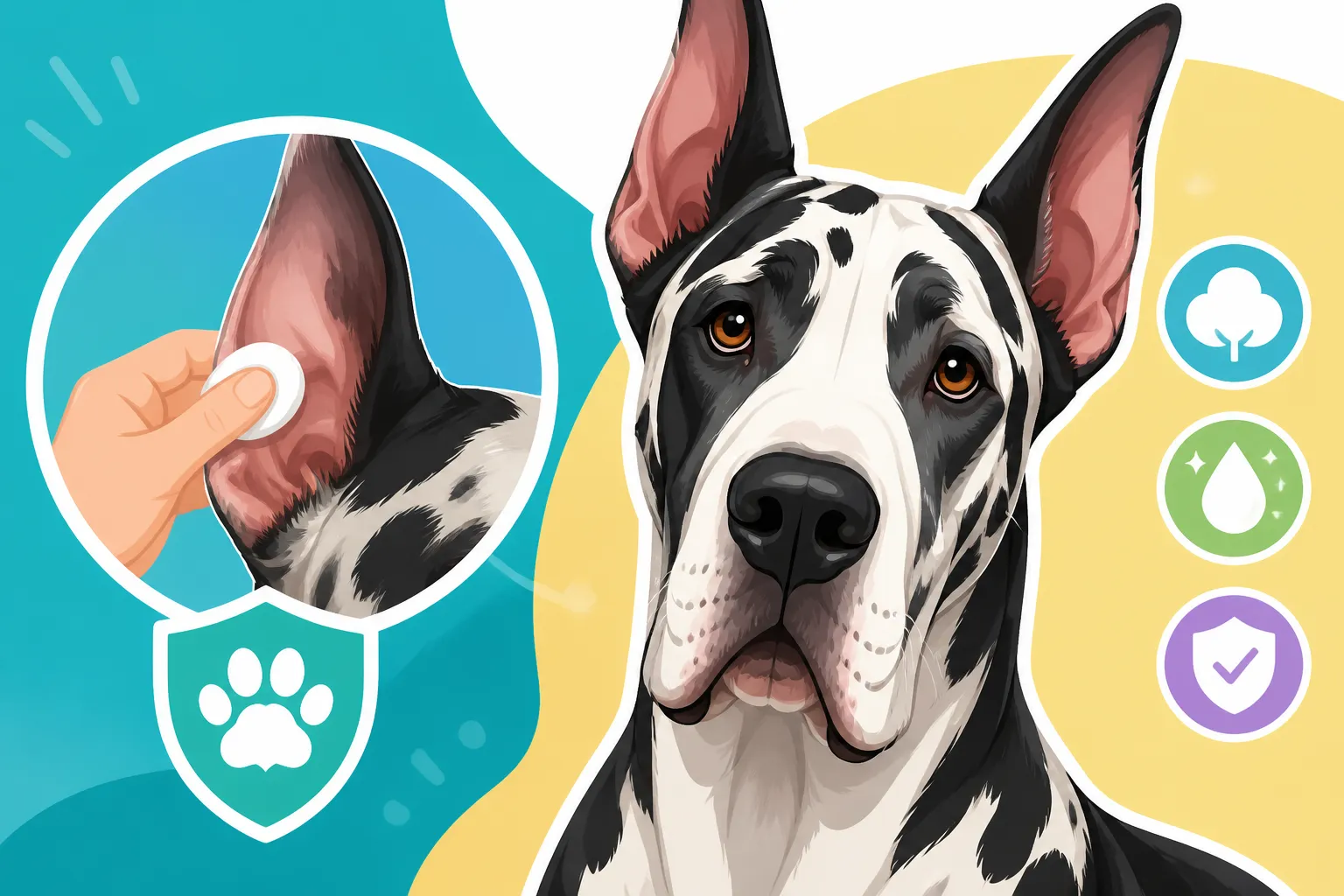
Before you embark on the ear cleaning adventure, gather all your supplies. Having everything within reach will make the process smoother and quicker, minimizing your Dane’s stress. You'll need a high-quality, vet-approved ear cleaning solution designed for dogs. Look for formulas that are gentle, non-irritating, and help to break down wax and debris. Brands available on platforms like Chewy or Amazon often offer a good selection, with options for sensitive ears or those prone to yeast. Avoid using harsh chemicals, alcohol, or hydrogen peroxide, as these can irritate the delicate skin inside the ear canal. You'll also need plenty of cotton balls or gauze pads. Resist the urge to use Q-tips, as these can push debris further into the ear canal or even damage the eardrum. A soft towel can be useful for wiping up any excess solution or drool. And, of course, don't forget some high-value treats to reward your Dane for their cooperation! Building a positive association with ear cleaning is key, especially when they're still learning.
Step-by-Step Cleaning Process
Once you have your supplies and your Great Dane is in a relaxed mood (perhaps after a nice walk or a cuddle session), you can begin.
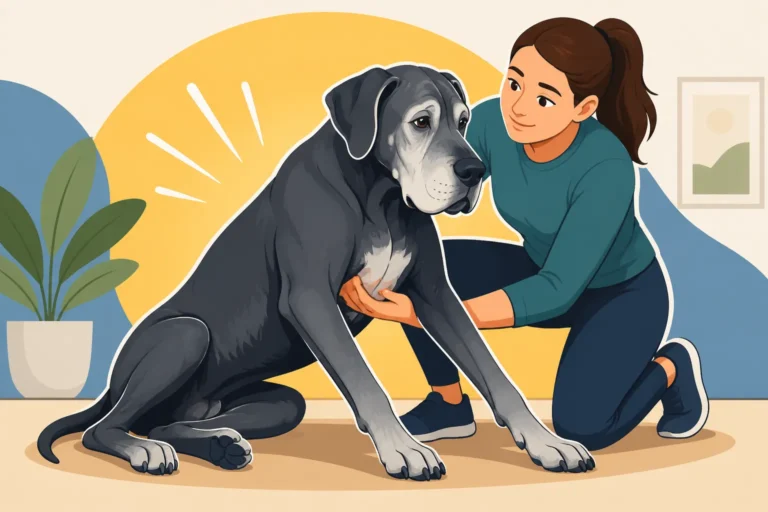
- Inspect First: Gently lift your Dane's ear flap and take a good look inside. Is it red? Swollen? Is there an odor? Any discharge? Note anything unusual. If you see signs of infection or injury, pause the cleaning and plan a vet visit.
- Apply Solution: Hold your Dane's ear flap upright, creating a straight path to the ear canal. Carefully squeeze a generous amount of the ear cleaning solution into the ear canal until it's full. Don't be shy – you want enough solution to really flush things out.
- Massage Gently: While holding the ear flap, gently massage the base of the ear for about 30 seconds. You should hear a squishing sound as the solution works its way around and breaks up debris. This part often feels good to them!
- Allow Shaking: Step back and let your Dane shake their head. This is a natural and important part of the process, as it helps dislodge all the loosened wax and solution. You might want to do this outdoors or in an area where you don't mind a little splatter!
- Wipe Clean: After the shaking stops, use a fresh cotton ball or gauze pad to gently wipe away any visible solution and debris from the outer ear and the entrance to the ear canal. Remember, only clean what you can see. Never dig into the ear canal with anything.
- Repeat (if needed): If the ear is particularly dirty, you might need to repeat steps 2-5 with a fresh solution and cotton.
- Reward!: Immediately follow up with lavish praise and those high-value treats. Make it a positive experience every single time.
How Often to Clean
The frequency of ear cleaning can vary depending on your individual Great Dane, their ear type, and their lifestyle. For most Danes with natural drop ears, a weekly to bi-weekly cleaning schedule is often recommended. If your Dane loves to swim, gets frequent baths, or is prone to allergies, you might need to clean them more often, especially after water exposure. For Danes with cropped ears, a bi-weekly to monthly cleaning might suffice, assuming no underlying issues. If you notice any signs of irritation, redness, or an odor at any point, increase the frequency temporarily or consult your vet. It's always better to be proactive than reactive when it comes to ear health. Consistent, gentle cleaning helps prevent the accumulation of wax and debris that can lead to problems, making it a vital part of your overall Caring for a Great Dane Past Six routine.
When to Seek Veterinary Attention
Knowing when to clean your Great Dane's ears at home and when to call the vet is a critical distinction. Sometimes, despite your best efforts, issues arise that require professional medical intervention. Delaying a vet visit can lead to more severe problems and discomfort for your dog.
Recognizing Serious Symptoms
While a little head shaking or a slightly waxy ear might just call for a routine cleaning, there are definite red flags that indicate a more serious problem. If your Great Dane is exhibiting intense, persistent head shaking or scratching at their ears, especially if it seems painful, it's time to call the vet. Look for a strong, foul odor emanating from the ear that doesn't go away after cleaning. Any significant discharge, particularly if it's thick, pus-like, or bloody, is a clear sign of infection. Redness, swelling, or heat around the ear flap or within the ear canal are also indicators of inflammation or infection. Your Dane might also be unusually sensitive when you touch their head or ears, or they might tilt their head to one side constantly. In more severe cases, you might notice balance issues, walking in circles, or even hearing loss – these could point to an inner ear infection, which is a very serious condition. Don't try to self-diagnose or treat these symptoms with over-the-counter remedies, as you could worsen the problem or mask symptoms, making diagnosis harder for the vet.
What to Expect at the Vet
When you take your Great Dane to the veterinarian for an ear issue, they will perform a thorough examination. This typically starts with a visual inspection of the outer ear and ear canal using an otoscope to look for inflammation, foreign objects, or eardrum damage. They will likely collect a sample of any discharge or debris from the ear and examine it under a microscope (cytology) to identify the presence of bacteria, yeast, or mites. This diagnostic step is crucial because different types of infections require different medications. For instance, a yeast infection needs an antifungal, while a bacterial infection requires an antibiotic. Depending on the findings, your vet might prescribe ear drops, oral medications, or a combination of both. They might also clean the ears deeply at the clinic, especially if there's a lot of impacted debris or if your Dane is in too much pain for you to do it at home. If the issue is chronic or severe, they may discuss further diagnostics like allergy testing or even imaging to rule out deeper issues or foreign bodies, just as they would with a comprehensive Screening a Great Dane's Heart Each Year or investigating A Great Dane That Limps Without an Injury.
Chronic vs. Acute Issues
Understanding the difference between an acute (sudden and short-lived) and chronic (long-lasting or recurring) ear problem is important for management. An acute infection might pop up after a swim or if a bit of dirt gets in the ear, and with proper treatment, it resolves quickly. Chronic ear issues, however, are a different beast. If your Great Dane seems to be battling ear infections constantly, or if they clear up only to return within weeks, there's likely an underlying cause that needs to be addressed. Often, chronic ear infections are a symptom of allergies. Your vet might recommend a food trial with a limited ingredient or hydrolyzed protein diet, similar to what you might consider for a Dane with other sensitivities. Environmental allergies can also manifest as ear problems, requiring management with medications, supplements, or even allergy shots. Other underlying factors could include conformational issues of the ear canal, excessive hair growth, or even hormonal imbalances. Treating the infection is only part of the puzzle; finding and managing the root cause is essential for long-term ear health and preventing future flare-ups. This proactive approach applies to many aspects of giant breed care, including understanding Great Dane Hips, Elbows and Growing Joints.
Preventative Measures and Lifestyle Adjustments
Beyond routine cleaning, a holistic approach to your Great Dane's health and environment can significantly reduce their risk of developing ear problems. Prevention truly is the best medicine, especially for these majestic dogs.
Environmental Controls
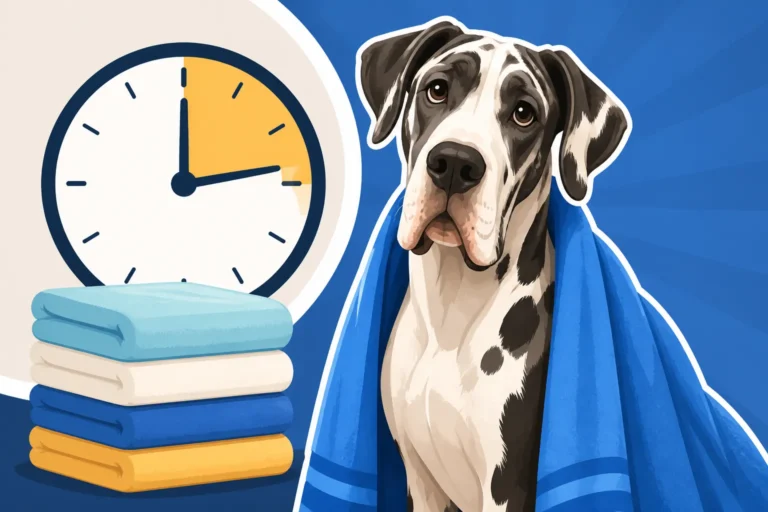
Your Great Dane's immediate environment plays a big role in their ear health. If you have a Dane with natural, floppy ears, preventing excess moisture from getting trapped is key. After baths, make sure to thoroughly dry their ears, both inside the flap and around the opening of the canal. You can gently blot with a soft towel or even use a low-setting hairdryer (held a safe distance away) to ensure the area is completely dry. If your Dane loves to swim, consider using an ear drying solution specifically designed for dogs after each swim session. These solutions often contain ingredients that help evaporate moisture. During high pollen seasons, simply wiping the outer ear and entrance of the canal after outdoor excursions can remove irritants that might otherwise migrate deeper. Investing in good quality bedding that discourages lying directly on hard, potentially dirty surfaces can also help minimize exposure to environmental allergens and dirt that could irritate the ears.
Diet and Allergy Management
As mentioned, allergies are a huge driver of chronic ear infections in Great Danes. Many Danes suffer from environmental allergies (atopy) or food sensitivities, which manifest as itchy skin, including itchy ears. If your Dane is constantly battling ear infections, a dietary review is definitely in order. Talk to your vet about trying a strict elimination diet to identify potential food allergens. This often involves feeding a novel protein source or a hydrolyzed protein diet for several weeks to see if symptoms improve. Brands like Ollie, known for their fresh, limited-ingredient dog food, might be a suitable option to explore under veterinary guidance, as they often avoid common allergens found in highly processed kibble. Even if your Dane doesn't have a full-blown allergy, a high-quality, balanced diet supports overall skin and coat health, which includes the delicate skin of the ear canal. Ensure their food provides adequate Omega-3 fatty acids, which are known to support skin barrier function and reduce inflammation. You can find many reputable options for specialized diets through retailers like Chewy or Amazon.
Regular Health Checks
Beyond dedicated ear-cleaning sessions, incorporating quick ear checks into your daily or weekly routine is a simple yet effective preventative measure. A quick lift of the ear flap, a sniff, and a peek can tell you a lot. Is there any redness? Any unusual smell? Is the skin flaky or greasy? The earlier you catch a problem, the easier it is to treat. These regular checks are also a great opportunity to get your Dane comfortable with having their ears handled, which makes vet visits and professional groomers much easier. Consider it part of their overall wellness routine, similar to checking their teeth or nails. When you’re at the vet for their annual check-up or for something like The Thyroid Test a Slow Great Dane Needs, always ask your vet to give their ears a thorough examination. They have the specialized tools and expertise to spot issues you might miss. It's all part of being a responsible Great Dane owner and ensuring your magnificent companion lives a comfortable and healthy life.
Debunking Myths and Misconceptions About Great Dane Ear Care
There's a lot of chatter and old wives' tales out there when it comes to dog care, and Great Dane ears are no exception. Separating fact from fiction is vital to providing the best care for your big buddy. Let's clear up some common misunderstandings.
"Cropping Prevents Infections"
This is perhaps the most persistent myth surrounding Great Dane ear care. The argument often goes that by removing the floppy ear leather, you increase airflow and thus prevent infections. While it's true that cropped ears generally have better air circulation compared to natural drop ears, making the canal less hospitable for yeast and bacteria, it absolutely does not make them immune to infections. Cropped ears can still get dirty, accumulate wax, be exposed to allergens, and develop infections. The absence of an ear flap also means the inner ear is more exposed to dust, dirt, and foreign objects that can trigger irritation. Moreover, the surgical process itself carries risks of infection if not meticulously cared for, and the subsequent "posting" to make the ears stand can sometimes lead to skin irritation. Ear cropping is a cosmetic procedure in most places, and its primary purpose is not to prevent disease. A Dane with cropped ears still needs consistent cleaning and monitoring.
"Only Dirty Ears Get Infected"
This misconception implies that if you just clean your Great Dane's ears regularly, they'll never get an infection. While good hygiene is crucial, it's not the sole determinant of ear health. Ear infections often have deeper, systemic causes beyond just external dirt. Allergies, both environmental (like pollen, dust mites) and food-related, are huge drivers of inflammation within the ear canal, making it ripe for secondary infections. Hormonal imbalances, autoimmune diseases, and even certain systemic illnesses can manifest as ear problems. Sometimes, the problem isn't dirt at all, but an overgrowth of normal flora (like yeast) due to an altered internal environment. You can meticulously clean your Dane's ears every day, but if they're reacting to a specific ingredient in their food or are suffering from seasonal allergies, those infections will likely keep returning. This is why a vet visit is essential for recurring issues, as they can help identify and treat the underlying cause, not just the symptoms.
"Great Danes Don't Need Ear Care"
Given their short coat and generally low-maintenance grooming needs compared to, say, a poodle, some new Great Dane owners might mistakenly believe their ears are self-sufficient. This couldn't be further from the truth, especially for those with natural drop ears. The large, heavy ear flaps common to the breed can trap moisture and heat, creating a perfect petri dish for pathogens. Even cropped ears, while more open, can accumulate dust, debris, and pollen. Neglecting ear care can lead to painful, chronic infections that not only cause suffering for your Dane but can also lead to expensive and prolonged veterinary treatments. Regular, gentle cleaning and proactive monitoring are fundamental aspects of caring for any Great Dane, ensuring their comfort and overall well-being. Just as you pay attention to their diet and exercise, such as considering How Much a Growing Great Dane Should Walk or ensuring they have Beds That Cushion a Great Dane's Joints, ear care is a non-negotiable part of responsible Great Dane ownership.
Handling Specific Great Dane Ear Challenges
Sometimes, even with a solid routine, Great Danes present specific ear challenges that require a tailored approach. Their unique characteristics, from immense size to potential genetic predispositions, mean we need to be prepared for more than just a basic cleaning.
Caring for Ears After Water Exposure
Great Danes love to play, and for some, that includes splashing around in water. Whether it's a backyard pool, a lake, or even just a very enthusiastic bath, water can easily get trapped in their ear canals, particularly in those with natural drop ears. This warm, damp environment is a prime spot for yeast and bacteria to multiply, quickly leading to an infection. To combat this, always make ear drying a priority after any water exposure. Gently use a soft, absorbent towel to blot the outer ear flap and the entrance to the ear canal. You can also use a veterinarian-approved ear drying solution, which typically contains mild astringents that help evaporate moisture. Simply apply a few drops into each ear after they've had their fun in the water. This simple step can prevent a lot of discomfort and save you a trip to the vet. For Danes that are prone to swimmer's ear, this becomes a non-negotiable part of their post-swim routine.
Managing Ear Wax and Debris Build-Up
Great Danes, like all dogs, produce ear wax, which is a natural protective mechanism. However, for some, especially those with narrow ear canals or a predisposition to allergies, this wax can become excessive or combine with dirt and debris to form thick, stubborn blockages. If you're noticing an unusual amount of dark, crumbly, or waxy discharge, even without other signs of infection, it's a good idea to step up your cleaning routine. Consider using an ear cleaner specifically formulated to break down wax. Regular, consistent cleaning, as outlined in the routine section, is key here. If the build-up is severe and seems to be impacting your Dane's hearing or causing discomfort, a vet visit is warranted. They might need a deeper, professional flush under sedation to clear the blockage completely, ensuring that the ear canal is clear and healthy once more. This can be especially important for maintaining their comfort as they age, alongside considerations like Nail Care on a Great Dane That Cannot Balance.
Dealing with Sensitive or Irritated Ears
Some Great Danes just have more sensitive ears than others, or they might develop irritation due to allergies, minor scratches, or exposure to environmental irritants. If your Dane's ears seem a bit pinker than usual, or they're shaking their head more often but without a full-blown infection, you need to be extra gentle. Avoid using harsh cleaners or anything with a strong fragrance. Opt for a mild, soothing ear cleanser designed for sensitive ears. Sometimes, wiping the outer ear with a gentle, non-medicated pet wipe (you can find these on Chewy or Amazon) after walks can remove allergens before they cause a reaction. If the sensitivity persists or worsens, despite your gentle efforts, it's time to consult your vet. They can help identify the root cause, whether it's an underlying allergy needing a different approach or a subtle infection that hasn't fully bloomed. Remember, keeping your Great Dane comfortable and happy often means paying close attention to these smaller, persistent issues, much like you would if you were considering Joint Support Built Into Great Dane Food for their mobility.
Disclaimer
This article is for general informational purposes only and does not constitute professional advice. Laws, prices and regulations vary by location and change over time. Consult a qualified professional for guidance on your specific situation.