Whether a Great Dane Keeps Filling Out to Two
It’s a common moment for Great Dane owners: your gangly, leggy puppy seems to have stretched to its full height in what feels like mere months, and you start to wonder if this is it. But if you're looking at your almost-adult Great Dane and asking if they’ve really hit their final form, you're in the right place. This guide will delve into the nuances of Great Dane maturation, explaining how their physical development continues long after they stop growing upwards.
The Early Growth Spurt: Rapid Ascent to Height
When you bring home a Great Dane puppy, you embark on a whirlwind of growth. These dogs explode in size during their first year, often gaining several pounds and inches each week. It's a dizzying pace that often leaves owners marveling at how quickly their tiny fluffball transforms into a long-legged adolescent. This initial phase is primarily characterized by rapid skeletal elongation – they’re shooting up like beanstalks, often looking quite disproportioned with huge paws and lanky bodies.
The Phenomenon of "Growth Spurts"
You'll notice distinct periods where your Great Dane seems to grow overnight. One week they're a certain height, the next they've added another inch or two. These growth spurts are normal and happen as their long bones extend. During these times, they might seem even more awkward, prone to tripping over their own feet or misjudging distances. It's an intense period of development, and it’s why appropriate nutrition designed for large breed puppies is absolutely critical to avoid problems like Growth Disorders in a Great Dane Puppy. Too much too soon can be detrimental.
When Height Peaks for Most Danes
Generally, most Great Danes reach their adult height between 12 and 18 months of age. Females might hit their maximum height a little earlier, sometimes around 10-14 months, while males can continue to creep upwards until closer to 18 months. However, simply reaching their genetic height potential doesn't mean their physical development is complete. It's just the end of the upward climb. Many owners mistakenly believe that once the height stops, all growth stops, but that’s not the full story for these majestic giants.
The Art of "Filling Out": Maturation Beyond Height
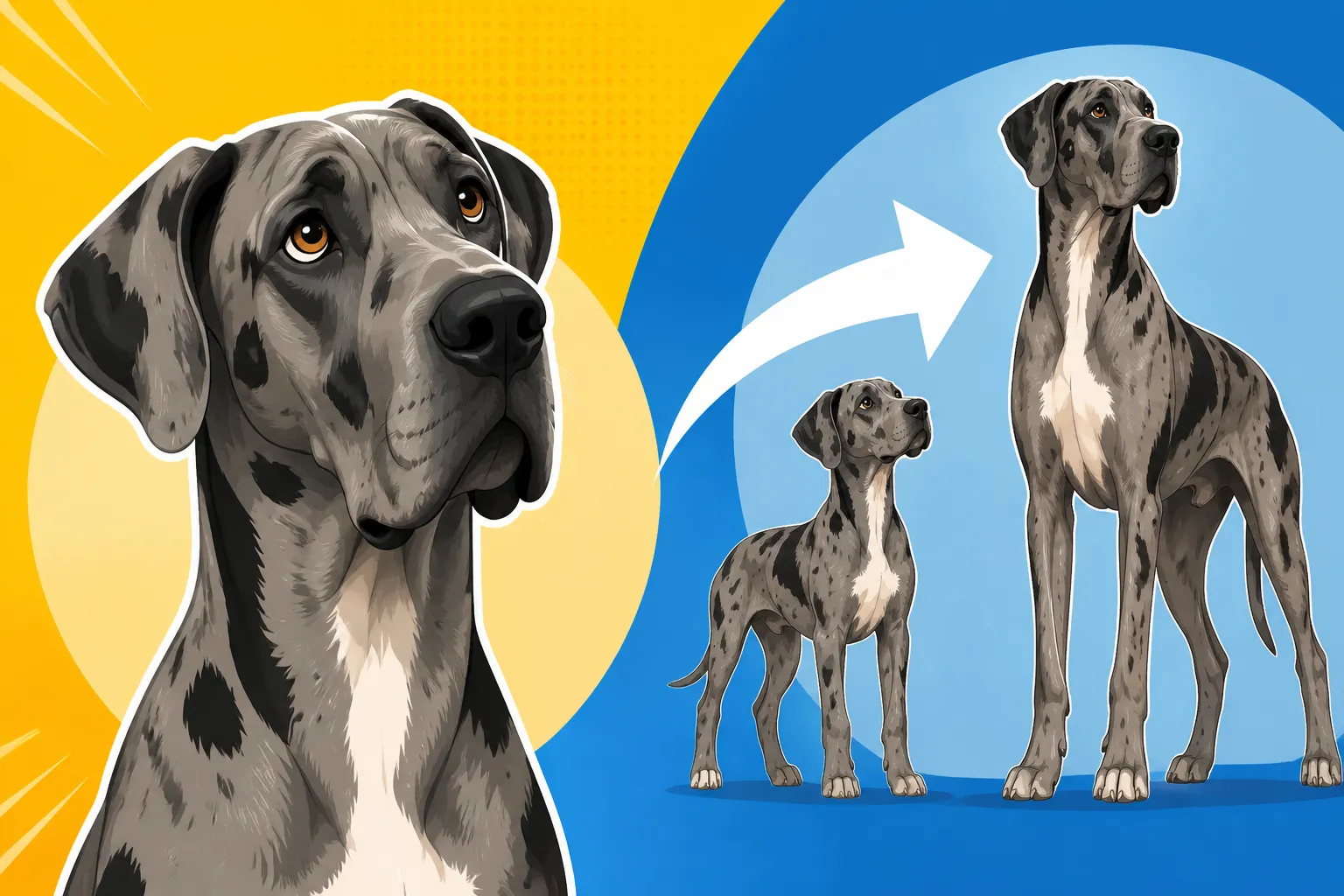
Once your Great Dane has reached its full height, the next phase of development begins: "filling out." This is where the gangly adolescent transforms into a substantial, powerful adult. This process can continue well into their second year, sometimes even touching on their third, particularly for larger males. It's a period of significant muscle development, bone density increase, and overall bodily maturation that makes them look much more robust and less like an oversized, clumsy puppy.
Weight Gain and Muscle Mass Development
While height growth might slow or stop, weight gain continues. This isn't just about getting fat; it’s about putting on solid muscle mass and increasing bone density. A Great Dane's frame needs time to catch up to its impressive height. Their chest will broaden and deepen, their shoulders and hindquarters will become more defined and powerful, and their head will often mature, becoming more blocky or expressive. This filling out is crucial for their overall structure and strength. It's like watching a teenager transition into a fully-grown adult; they gain curves and substance where there were once only angles. Monitoring The Calorie Load a Great Dane Actually Needs and ensuring a lean body condition is important during this phase.
Changes in Bone Density and Structure
Beyond muscle, their bones continue to solidify and densify. While the growth plates in their long bones close by the end of their height growth, the internal structure of the bones strengthens. This contributes to their overall weight and solidity. Think of it as their internal scaffolding becoming fully robust. This is also why Why a Great Dane Only Lives Seven to Ten Years is such a difficult reality; their sheer size puts immense demands on their skeletal system throughout their lives. This internal development, while not visible from the outside, is a significant part of their maturation and contributes to their final adult weight and physical presence.
The Look of a Mature Great Dane
A fully mature Great Dane at two years old will look remarkably different from the same dog at 12 or 18 months. They'll have a more imposing presence, a deeper chest, a stronger neck, and more developed musculature. Their gait will often become more powerful and less clumsy. The broad skull and strong jaw, characteristic of the breed, will be fully apparent. This is the stage where they truly embody the "Apollo of Dogs" moniker, showcasing both immense size and refined grace. The lean, leggy look of adolescence gives way to a truly substantial build.
Factors Influencing the Great Dane Maturation Timeline
While genetics lay the groundwork, several factors can influence how and when your Great Dane finishes filling out. Understanding these can help you support your dog through this critical development stage.
The Role of Genetics and Lineage
Just like people, Great Danes inherit their growth patterns from their parents. If your Dane comes from lines that are known for slow, steady maturation, they might take longer to fully fill out compared to those from lines that mature more rapidly. Observing the parents and other close relatives (if possible) can give you a good indication of what to expect. Some lines produce dogs that are broad and heavy-boned from a young age, while others might be more refined and take longer to develop that impressive chest depth. This is also why reputable breeders share information about their dogs' health history and lineage, so you have a clearer picture of your puppy's potential.
Nutrition: Fueling Steady, Healthy Growth
Nutrition is arguably the most critical factor during both rapid growth and the "filling out" phase. Overfeeding a Great Dane puppy, especially with high-calorie, calcium-rich foods not specifically formulated for large breeds, can lead to Bone Development Problems in a Great Dane Puppy. Conversely, insufficient nutrition can hinder proper development.
During the filling out stage (18 months to two years), your Dane still needs high-quality adult large breed food. The goal is steady, lean weight gain, not rapid fattening. Foods that are too high in fat or overall calories can lead to excessive weight, which puts undue stress on their developing joints. Many owners transition their Great Danes to adult large-breed formulas around 12-18 months, or even earlier if recommended by their vet, to manage their caloric intake and ensure balanced growth. Checking the protein and fat levels on food bags is key for Protein and Fat Levels for a Great Dane. Companies like Chewy offer a vast selection of large breed specific formulas, and you can often read reviews from other giant dog owners to help guide your choice. For those considering fresh food, services like Ollie often provide tailored meal plans, but it's crucial to discuss the specific nutritional balance for a maturing giant breed with your vet.
Here's a simplified look at the general growth phases:
| Age Range (Approximate) | Primary Growth Focus | Key Characteristics | Nutritional Needs | Exercise Considerations |
|---|---|---|---|---|
| 0-6 Months | Rapid Height & Initial Bulk | Fast skeletal growth, noticeable daily changes, clumsy, puppy fat. | Large Breed Puppy Food (controlled calcium/phosphorus) | Short, frequent play; avoid forced exercise or long walks. |
| 6-12 Months | Continued Height & Lean Bulk | Reaching near-adult height, still lanky but gaining some muscle. | Large Breed Puppy Food / Transition to Adult | Moderate, leashed walks; continued avoidance of high-impact activities. |
| 12-18 Months | Height Slows, Filling Out Begins | Height mostly achieved, body starts to broaden, muscle definition improves. | Large Breed Adult Food | Moderate exercise, still careful with high impact; focus on steady muscle building. |
| 18-24 Months+ | Significant Filling Out | Deepening chest, broadening shoulders, full muscle development, increased bone density. | Large Breed Adult Food | Regular exercise, hiking okay (if joints healthy), focus on strength and endurance. |
Note: These are general guidelines; individual Great Danes may vary.
Exercise: Building Muscle, Not Strain
During the "filling out" phase, appropriate exercise is just as crucial as nutrition. Over-exercising a growing Great Dane can be detrimental, potentially leading to orthopedic issues like Great Dane Hips, Elbows and Growing Joints or even accelerating conditions like Bone Cancer in a Great Dane. Their joints and soft tissues are still developing, and excessive impact or strenuous activity can cause damage.
Instead, focus on controlled, moderate exercise. Regular leashed walks, supervised play in a secure yard, and perhaps some light swimming (if they enjoy it and it's safe) are excellent. The goal is to build strong, lean muscle without putting undue stress on their still-maturing frame. Avoid activities that involve a lot of jumping, sharp turns, or repetitive impact, such as intense agility training or long-distance running, until your vet gives the all-clear, typically after two years of age. A steady routine helps them develop that powerful, athletic build that is characteristic of a healthy adult Great Dane. You want to make sure you're Wearing Out a Great Dane Without Wrecking Its Joints.
The Impact of Spaying or Neutering
The timing of spaying or neutering can also play a role in how a Great Dane matures. Research suggests that early spay/neuter (before growth plates have fully closed) can sometimes lead to slightly taller dogs with a lankier build. This is because the sex hormones play a role in signaling the closure of the growth plates. When these hormones are removed early, the growth plates may remain open longer, resulting in longer bones.
For a Great Dane, a breed already prone to orthopedic issues and joint problems, the decision of when to spay or neuter is a significant one. Many veterinarians and breeders now recommend waiting until a Great Dane is at least 18-24 months old, or even older, to allow for full physical maturity, including the natural closure of growth plates, before altering them. This can potentially contribute to a more robust, "filled out" physique and may reduce the risk of certain orthopedic conditions. It's a conversation worth having in-depth with your trusted veterinarian, weighing the pros and cons for your specific dog.
Practical Care for Your Maturing Great Dane
As your Great Dane continues to fill out, your care routine will evolve. It's not just about managing a giant puppy anymore; it's about supporting a magnificent, developing adult.
Adjusting Their Diet and Feeding Routine
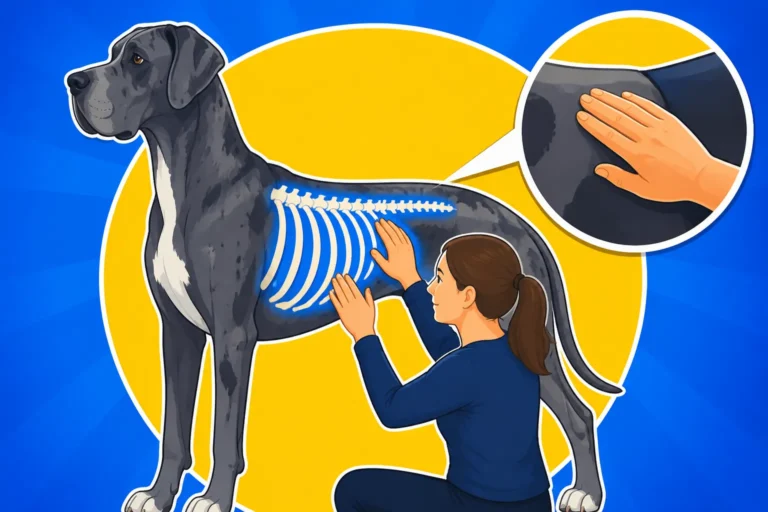
As your Great Dane transitions from puppy to adult food, pay close attention to their body condition. You should be able to feel their ribs easily without seeing them sharply. If they're looking a little too lean, you might need to slightly increase their food portions. If they're starting to carry extra weight, a slight reduction or an increase in activity might be in order. Feeding an Adult Great Dane Six to Ten Cups is a common guideline, but every dog is an individual.
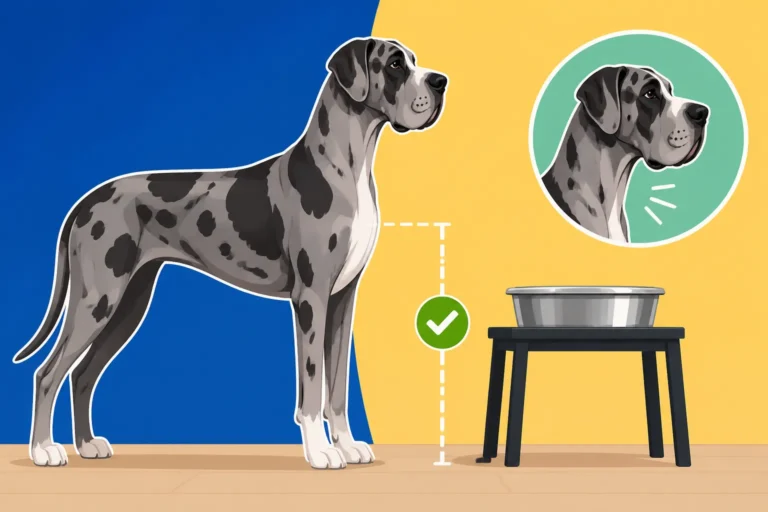
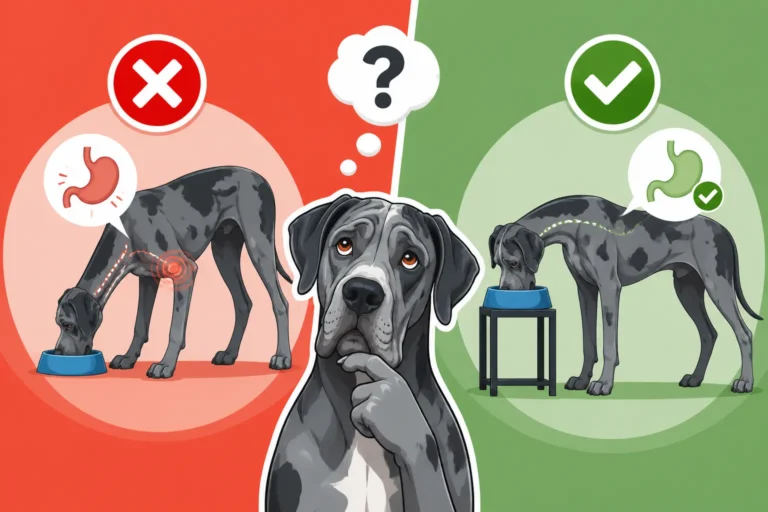
Continue with a feeding routine that minimizes bloat risk, such as feeding two or three smaller meals throughout the day rather than one large one. Avoid strenuous exercise an hour before and after meals. Many owners use slow-feeder bowls or puzzle toys to ensure their Dane doesn't eat too quickly, which can contribute to digestive upset and bloat, a life-threatening condition the breed is prone to, as discussed in The Lifetime Bloat Risk in a Great Dane.
Continued Joint and Bone Support
Even though they're "filling out," their joints are still under immense pressure due to their size. Consider discussing joint supplements with your vet, especially if your Dane comes from lines with a history of orthopedic issues. Glucosamine, chondroitin, and omega-3 fatty acids are common ingredients in such supplements. Always opt for veterinary-grade supplements, and ensure the dosage is appropriate for a dog of Great Dane size; what works for a smaller dog won't be enough. Brands available on platforms like Amazon often offer large-dog-specific joint support options.
Make sure your Great Dane has access to comfortable, orthopedic bedding that provides excellent support and cushioning for their joints and elbows. Hard floors can contribute to calluses and discomfort, so strategically placed rugs or runners can also be helpful. Providing good quality Bedding That Prevents Great Dane Hygromas is essential for their long-term comfort and health.
Regular Veterinary Check-ups
Throughout this "filling out" phase and beyond, regular veterinary check-ups are paramount. Your vet can assess your Dane's overall body condition, monitor their joint health, and recommend any necessary dietary adjustments or supplements. They can also perform crucial screenings for breed-specific health concerns, such as heart issues. Screening a Great Dane's Heart Each Year is a proactive step that can catch early signs of conditions like Dilated Cardiomyopathy (DCM), which is prevalent in Great Danes. Early detection often allows for more effective management.
Maintaining Training and Socialization
While physical growth is a major focus, don't neglect their mental and emotional development. A two-year-old Great Dane is still maturing psychologically. Continue with positive reinforcement training to reinforce good manners, especially given their size. Socialization should also be ongoing, exposing them to different sights, sounds, people, and well-behaved dogs in a controlled manner to ensure they remain confident and well-adjusted. A calm, well-trained giant is a joy; a poorly socialized one can be a handful.
Disclaimer
This article is for general informational purposes only and does not constitute professional advice. Laws, prices and regulations vary by location and change over time. Consult a qualified professional for guidance on your specific situation.