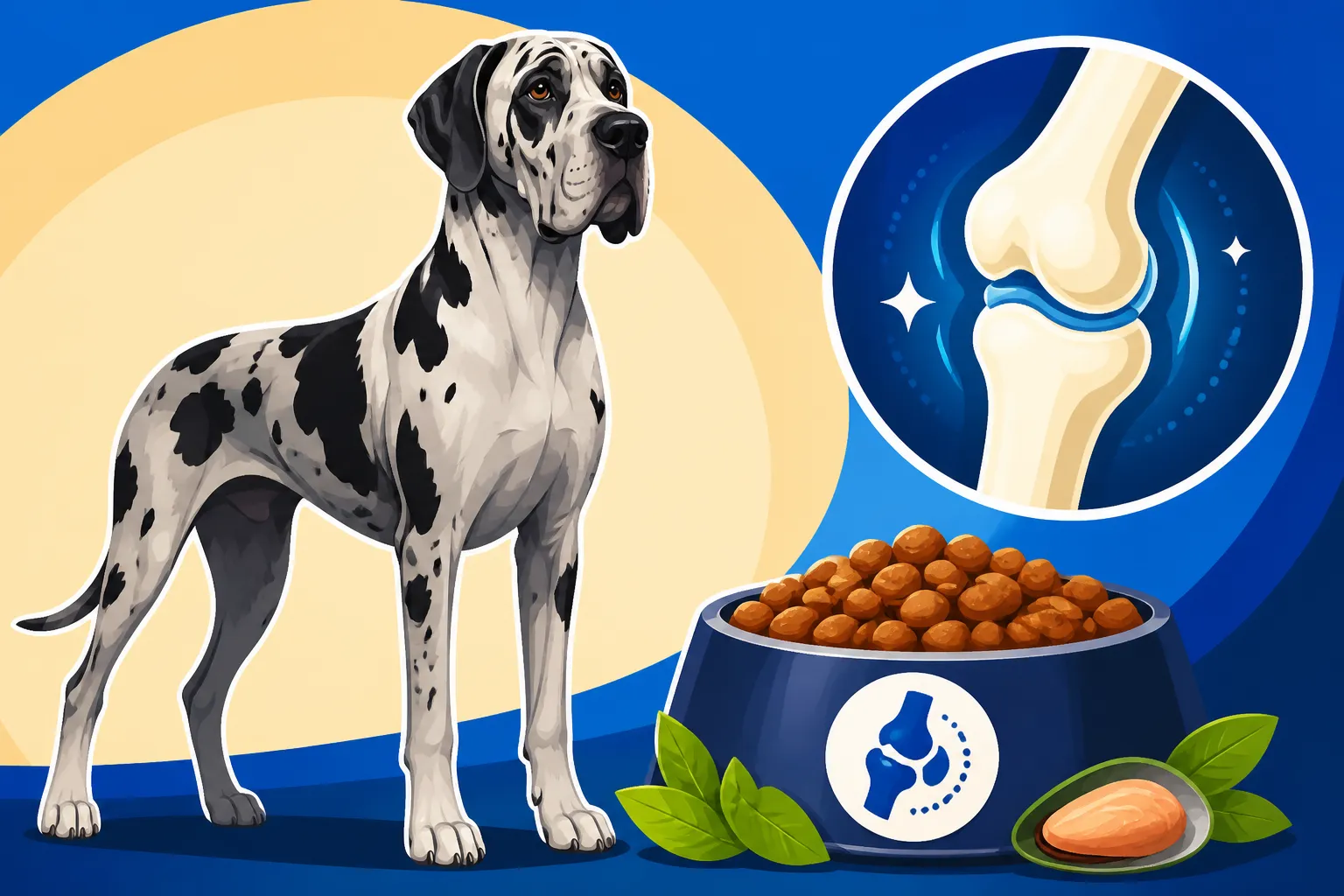
Joint Support Built Into Great Dane Food
Watching your majestic Great Dane, once a picture of boundless energy, start to slow down or even limp can be absolutely heartbreaking. Their immense size, while undoubtedly part of their charm and appeal, unfortunately also makes them incredibly prone to significant joint challenges throughout their relatively short lives. It's a harsh reality that many of us face, worrying about every stiff step or hesitant rise. This guide is all about navigating those concerns, specifically focusing on how the right nutrition can provide crucial joint support, from their boisterous puppy days right through to their golden years.
Understanding Great Dane Joint Health: Why It's Such a Big Deal
The sheer scale of a Great Dane is breathtaking, but it comes with a built-in vulnerability. Their joints are under constant, immense pressure from the moment they start growing, and this load only increases as they reach their full, glorious adult size. It’s not just about weight; it’s about the rapid growth spurts and the genetic predispositions they carry.
The Unique Challenges of a Giant Breed
Think about it: a tiny Great Dane puppy, often no bigger than a guinea pig when born, will grow to weigh over 100 pounds, sometimes even pushing 200 pounds, in a little over a year. That’s an incredible transformation, and their skeletal system, including every joint, bone, and ligament, has to keep pace. This rapid development means that any misstep in nutrition or care during their formative months can have lasting, detrimental effects. The cartilage, which acts as a cushion between bones, and the surrounding soft tissues are constantly being remodeled and strengthened, but they’re not infallible.
We often talk about conditions like hip and elbow dysplasia, which are all too common in giant breeds. These aren't just minor aches; they are structural abnormalities where the joints don't fit together correctly, leading to painful friction, inflammation, and ultimately, debilitating arthritis. Even seemingly minor injuries can become chronic issues because of the continuous stress. It’s a sad truth that while their size brings them so much joy, it also predisposes them to these painful realities. This is why paying attention to their joint health from day one is not just proactive, it's absolutely essential.
Growth Rates and Lifelong Impact
The period from birth to about 18-24 months is absolutely critical for a Great Dane's joint development. Unlike smaller breeds that mature quickly, Danes continue to grow and fill out for much longer. The Great Dane Growth Curve Month by Month is something every owner should be aware of. During this time, controlled growth is paramount. We're not aiming for the biggest, fastest-growing puppy; we're aiming for slow, steady development. An improper diet, particularly one that's too high in calories or contains incorrect calcium-to-phosphorus ratios, can accelerate growth beyond what their developing skeletal structure can handle. This can lead to conditions like Hypertrophic Osteodystrophy (HOD) or Osteochondritis Dissecans (OCD), causing pain, lameness, and long-term joint damage.
Even once they reach adulthood and their growth plates close, the concern doesn't disappear. The wear and tear of daily life, carrying that impressive bulk, starts to take its toll. Older Danes often suffer from osteoarthritis, a degenerative joint disease that causes pain, stiffness, and reduced mobility. It's a cruel reality for these gentle giants, and it highlights why proper nutrition, especially joint support, isn't just a temporary fix but a lifelong commitment. Understanding Great Dane Hips, Elbows and Growing Joints in detail helps us appreciate the delicate balance required to maintain their comfort and mobility.
Key Ingredients for Joint Support in Great Dane Food
So, how exactly does food help? It’s not just about providing calories; it’s about delivering specific nutrients that support cartilage health, reduce inflammation, and even aid in repair. Think of it as building blocks and soothing agents for their hardworking joints.
Glucosamine and Chondroitin: The Dynamic Duo
When you hear about joint support in dog food, glucosamine and chondroitin are almost always at the top of the list, and for good reason. These aren't just trendy additives; they are naturally occurring compounds found in healthy cartilage. Glucosamine plays a vital role in synthesizing new cartilage and synovial fluid, the lubricating fluid in joints. It helps maintain the elasticity and shock-absorbing properties of the cartilage. Imagine your Dane's joints as well-oiled machinery; glucosamine helps keep that oil flowing and the parts cushioned.
Chondroitin sulfate, on the other hand, is like the supportive scaffold of the cartilage. It inhibits enzymes that break down cartilage and helps it retain water, which is crucial for its cushioning effect. Together, glucosamine and chondroitin are thought to work synergistically, offering both protective and reparative benefits. While results can vary, many Great Dane owners, myself included, have seen anecdotal improvements in mobility and comfort when these ingredients are consistently included in their dog's diet. It’s not a magic bullet, but it’s a powerful tool in our arsenal.
Omega Fatty Acids: More Than Just a Shiny Coat
Beyond the glucosamine and chondroitin, omega-3 fatty acids, particularly EPA (eicosapentaenoic acid) and DHA (docosahexaenoic acid), are absolutely essential. These aren't just for a glossy coat; they are potent natural anti-inflammatory agents. Chronic inflammation is the enemy of healthy joints, contributing to pain and accelerating cartilage breakdown. By incorporating sufficient omega-3s into their diet, we can help calm that inflammatory response, easing discomfort and potentially slowing the progression of degenerative joint disease.
Sources like fish oil (from salmon, mackerel, sardines) are excellent for providing these crucial fatty acids. You'll often find them added to high-quality large breed dog foods, or you might choose to supplement them separately. When evaluating food, look for guaranteed analysis numbers for EPA and DHA, not just "fish oil" in the ingredient list, to ensure you're getting a meaningful amount. The benefits extend beyond joints, supporting heart health and cognitive function, making them a truly well-rounded addition to your Dane's diet.
Other Beneficial Nutrients
While glucosamine, chondroitin, and omega-3s get most of the spotlight, other nutrients also contribute to overall joint health.
- MSM (Methylsulfonylmethane): This is another sulfur compound that can aid in reducing inflammation and pain. It's often found alongside glucosamine and chondroitin in joint supplements.
- Hyaluronic Acid (HA): A component of synovial fluid, HA helps lubricate joints and improve their shock absorption. It's sometimes added to higher-end joint support formulas.
- Vitamin C and E: These antioxidants help combat oxidative stress in the body, which can damage joint tissues. While most quality dog foods contain adequate levels, ensuring a balanced diet rich in antioxidants is always a good idea.
- Manganese: This trace mineral is vital for the formation of bone and cartilage. While needed in small amounts, it’s a critical component of healthy joint structure.
A truly comprehensive joint support formula will often include a combination of these elements, working together to create a more resilient and less inflamed joint environment for your magnificent Great Dane.
Choosing the Right Food: What to Look For (and Avoid)
Navigating the pet food aisle can feel like a minefield, especially when you’re trying to make the best choices for your Great Dane’s specific needs. Labels can be confusing, and marketing claims can be misleading. Let's break down what truly matters.
Deciphering Dog Food Labels
When you're looking for joint support built into your Great Dane's food, the first thing to do is flip that bag over and look at the guaranteed analysis and ingredient list. Don't just rely on the flashy promises on the front. For joint support, you want to see specific ingredients like glucosamine, chondroitin sulfate, and a source of omega-3 fatty acids (like fish meal or fish oil) listed clearly. Reputable brands will often include the minimum amounts of glucosamine and chondroitin in milligrams per kilogram or per serving, giving you a tangible number to compare. Without these numbers, it’s hard to tell if there’s actually enough to make a difference.
Beyond specific joint support ingredients, consider the overall quality of the food. Look for a named animal protein as the first ingredient (e.g., "chicken meal" or "deboned lamb," not just "meat by-products"). Ensure the fat content is appropriate for a large breed to help maintain a lean body condition, which is paramount for joint health. Keeping a Great Dane Lean for Its Joints cannot be stressed enough; extra weight puts immense strain on already vulnerable areas. Always opt for foods formulated for "large breed" or "giant breed" dogs, as these are typically designed with slower growth and joint support in mind.
Puppy vs. Adult Formulas
The distinction between puppy and adult formulas is especially critical for Great Danes. Regular puppy food, designed for smaller, faster-maturing breeds, often has higher calorie and calcium levels than a Great Dane puppy needs. Why Regular Puppy Food Hurts a Great Dane is because excessive calcium can actually interfere with proper bone development, leading to skeletal abnormalities and joint issues down the line. It sounds counterintuitive, but for a giant breed puppy, too much of a good thing can be detrimental.
Instead, look for a "large breed puppy" formula or even a "large breed adult" formula that is suitable for puppies. These diets are carefully balanced to promote slow and steady growth, with controlled calcium-to-phosphorus ratios and moderate calorie levels. Your Great Dane puppy needs to grow up more than out in those crucial first 18 months. Consult your vet for precise recommendations on when to transition from puppy to adult food, but generally, Danes stay on large breed puppy formulas until they are significantly older than smaller breeds, sometimes up to 18-24 months of age.
Brand Considerations
When it comes to sourcing these specialized foods, you have options. Many well-known pet food brands offer large or giant breed formulas that incorporate joint support ingredients. Retailers like Chewy offer a vast selection, allowing you to compare ingredient lists and nutritional analyses from different manufacturers, often with detailed customer reviews. This can be a great place to start your research and even set up auto-ship for convenience – because let's face it, carrying those giant bags of food isn't for the faint of heart!
Some owners also explore fresh food options. Brands like Ollie prepare customized, fresh meals, and while you'll need to check their specific formulations for Great Dane-sized joint support, they often prioritize high-quality ingredients. Another option is the immense variety available through Amazon, where you can find both popular kibble brands and a plethora of supplements to complement a diet if your chosen food doesn't offer robust enough joint support. Remember, the goal isn't just to find any food, but the right food that supports their unique physiology and longevity.
Here's a quick comparison of common joint support ingredients:
| Ingredient | Primary Benefit | How It Helps Great Danes | Where to Find It (Food & Supplements) |
|---|---|---|---|
| Glucosamine HCl/Sulfate | Cartilage repair, synovial fluid production | Helps rebuild and maintain joint cushioning, essential for heavy-set Danes | Many large breed foods, dedicated joint supplements |
| Chondroitin Sulfate | Inhibits cartilage breakdown, retains water | Protects existing cartilage, improves joint resilience under heavy load | Many large breed foods, dedicated joint supplements |
| Omega-3 Fatty Acids (EPA, DHA) | Anti-inflammatory, cell membrane health | Reduces joint inflammation and pain, supports overall mobility for active Danes | Fish oil, flaxseed, some kibbles (look for guaranteed levels) |
| MSM (Methylsulfonylmethane) | Reduces inflammation and pain | Offers additional pain relief and supports connective tissue health | Often in combination joint supplements |
| Hyaluronic Acid (HA) | Joint lubrication, shock absorption | Enhances the "oil" in the joints, improving smooth movement | Some premium joint supplements, high-end foods |
Beyond the Bowl: Holistic Joint Care for Your Dane
While nutrition is a cornerstone of joint health for your Great Dane, it’s important to remember that it’s just one piece of a larger, holistic puzzle. A truly comprehensive approach integrates several factors to ensure your gentle giant stays as comfortable and mobile as possible throughout their life.
Weight Management
I cannot stress this enough: maintaining a healthy, lean body weight is perhaps the single most impactful thing you can do for your Great Dane's joints, even more so than any supplement. Every extra pound your Dane carries adds significant stress to their hips, elbows, and spine. Imagine carrying a backpack filled with bricks all day, every day – that's what extra weight feels like to their already strained joints. Regularly Reading Ribs on a Great Dane is a good practice. You should be able to feel their ribs easily with slight pressure, but not see them prominently.
Portion control is key, and it's easy to overfeed a Dane because they eat so much! Don't free-feed; measure out their food precisely according to their ideal weight and activity level, not just what the bag suggests. Adjust their intake as needed, especially if they’re neutered or spayed, as their metabolic rate can change. Treats should be healthy and given sparingly, making up no more than 10% of their daily caloric intake. If you're unsure about your Dane's ideal weight or body condition score, your veterinarian is your best resource. They can help you devise a feeding plan that keeps your Dane svelte and minimizes joint strain.
Appropriate Exercise
Exercise is crucial for muscle development and maintaining joint flexibility, but with a Great Dane, it’s all about appropriate exercise. During puppyhood, Exercise Limits While a Great Dane Is Still Growing are non-negotiable. Avoid forced, high-impact activities like long runs, jumping, or intense agility work. Instead, focus on controlled, low-impact exercise like leash walks on soft surfaces (grass, dirt trails) and gentle play sessions. Short, frequent outings are better than one long, strenuous one. Think of it as building foundational strength without causing undue stress to their developing joints.
As adults, Great Danes can enjoy more vigorous activities, but still, moderation is key. Long walks, controlled swimming (which is excellent low-impact exercise), and gentle games of fetch are great. Avoid repetitive, hard-braking movements, and be mindful of extreme temperatures. Wearing Out a Great Dane Without Wrecking Its Joints means being smart about their activity levels. If your Dane seems stiff or sore after exercise, it’s a sign you might have overdone it. Always listen to your dog and err on the side of caution. Consistent, moderate exercise helps maintain muscle mass, which in turn supports their joints like natural braces.
Complementary Therapies
Beyond diet and exercise, there are a number of complementary therapies that can offer additional support for your Great Dane’s joint health, especially as they age or if they develop existing conditions. Physical therapy, including hydrotherapy (underwater treadmill), can be incredibly beneficial for building strength, improving range of motion, and reducing pain with minimal joint impact. A certified canine rehabilitation therapist can develop a tailored program for your dog.
Acupuncture and chiropractic care, when performed by a qualified veterinary professional, can also provide relief for some dogs by reducing pain and improving spinal alignment. Don't forget the importance of a comfortable resting environment. Beds That Cushion a Great Dane's Joints are not a luxury; they are a necessity. Orthopedic beds with high-density foam can help alleviate pressure on their elbows, hips, and other joints, providing much-needed comfort and support during their many hours of rest. Regular vet check-ups are also paramount, as early detection and intervention for any joint issues can make a significant difference in their long-term comfort and quality of life.
Disclaimer
This article is for general informational purposes only and does not constitute professional advice. Laws, prices and regulations vary by location and change over time. Consult a qualified professional for guidance on your specific situation.