How Much Hair a Great Dane Drops
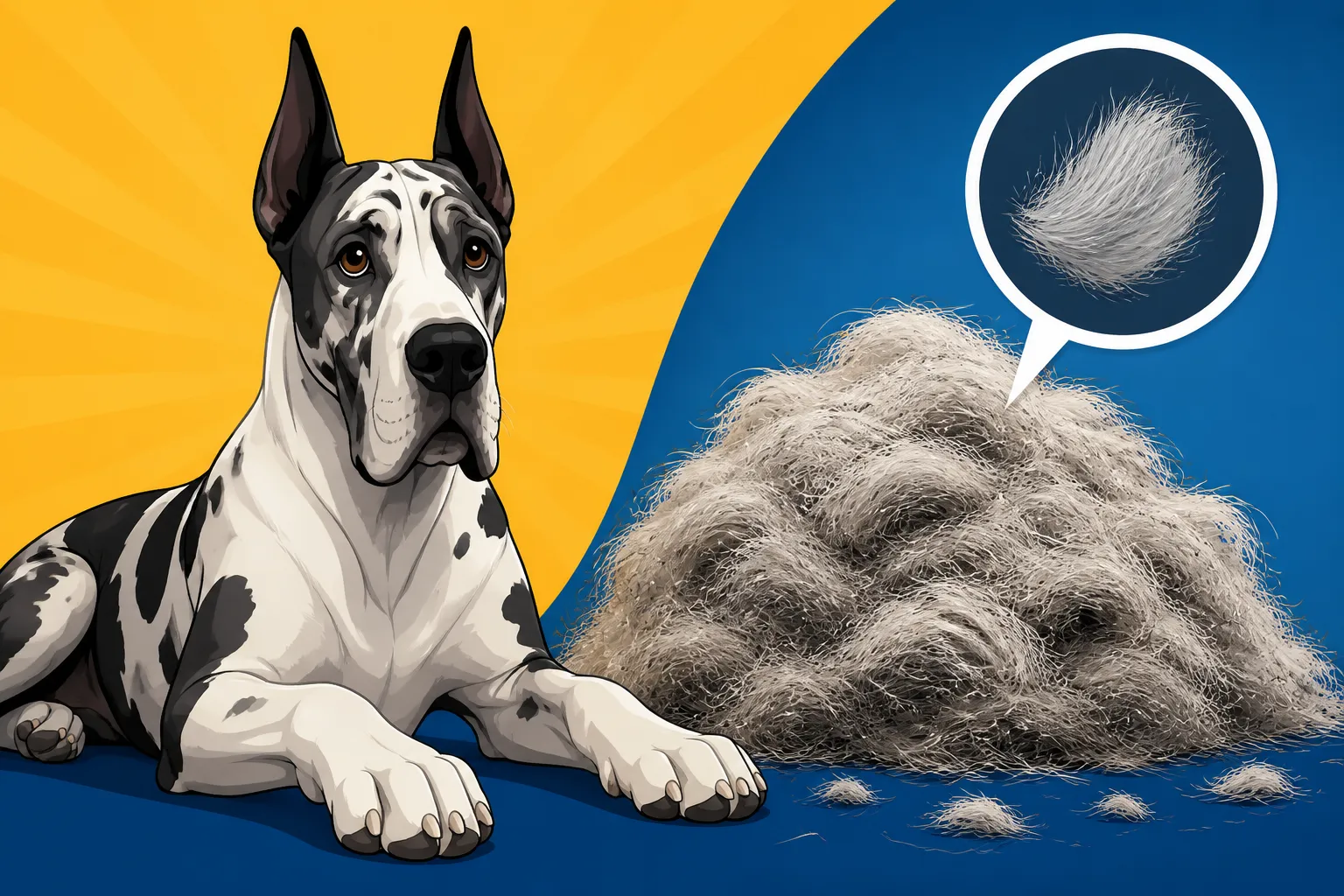
One of the biggest misconceptions new Great Dane owners, and even many experienced dog people, have is that a short-haired dog means less shedding. Oh, honey, if only that were true! The reality is, these magnificent "Apollo of Dogs" can shed a surprising amount of hair, leaving a fine dusting of Dane glitter across your floors and furniture. This guide is here to give you the realistic lowdown on Great Dane shedding and equip you with practical strategies to manage the fuzz.
The Surprising Reality of Great Dane Shedding
It's a common refrain: "But they have such short hair!" And while it's true their individual hairs aren't long like a Golden Retriever's or a Collie's, the sheer volume of hair covering such a massive body means there's a lot to go around. You might not find tumbleweeds of long fur rolling across your living room, but you'll definitely notice a steady accumulation of short, stiff hairs that can weave themselves into carpets and upholstery with remarkable tenacity.
People often assume that only double-coated breeds or those with long, flowing locks are serious shedders. Great Danes defy this assumption with their dense, single coats that are constantly turning over. Their short hair might not be as visually dramatic as a shedding Newfoundland, but trust me, it’s there, clinging to everything. You'll quickly learn to spot the tell-tale signs: a faint halo around your favorite black pants, a fine layer on the kitchen floor just hours after vacuuming, or the way a ray of sunlight perfectly illuminates the airborne particles dancing through your home. It’s part of the Great Dane charm, but also a persistent reality you'll need to prepare for.
Why Short Hair Doesn't Mean Less Shedding
The length of an individual hair strand isn't the primary determinant of how much a dog sheds; rather, it's the density of their coat and the hair growth cycle itself. Great Danes, despite their sleek appearance, possess a remarkably dense coat designed to offer protection. Each square inch of their skin is packed with hair follicles, each constantly producing a new, short strand. When one hair follicle pushes out a new hair, an old one is shed to make room.
This constant renewal process means that even though the hair is short, there's always a lot of it cycling through. Imagine an entire forest of tiny trees, all dropping leaves at different times. That's essentially what's happening on your Great Dane's skin. The individual hairs are less noticeable than those from a long-haired breed, but there are simply more of them, covering a much larger surface area. This density ensures they remain protected from the elements, but it also ensures you'll be intimately familiar with your vacuum cleaner.
Seasonal Shedding vs. Year-Round Hair Loss
While Great Danes are generally considered year-round moderate shedders, they definitely experience periods of heavier "blow-outs," particularly with seasonal changes. You'll likely notice a ramp-up in shedding intensity in the spring as they lighten their coat for warmer weather, and again in the fall as they prepare for a denser winter coat. During these times, the amount of hair coming off your dog can feel exponential.
However, even outside these peak shedding seasons, you'll find a consistent level of hair loss. This isn't just a seasonal chore; it's a daily fact of life with a Great Dane. It means that while you might increase your grooming efforts during spring and fall, you can never truly let your guard down. A good grooming routine needs to be a regular part of your schedule, not just a reactive measure when the shedding seems overwhelming. Otherwise, you’ll find yourself overwhelmed by the sheer volume of hair that accumulates.
Understanding the Great Dane Shedding Cycle
Every dog's hair goes through a natural cycle of growth, rest, and shedding. For Great Danes, this cycle is quite efficient, meaning they’re constantly replacing old hairs with new ones. Understanding this process can help you appreciate why managing their coat is an ongoing commitment. It’s not just about brushing when you see loose hair; it’s about proactively engaging with their natural biology.
Think of it like this: your dog's skin is a bustling factory, always in production. Some hairs are just starting their journey, strong and rooted. Others are mature and doing their job. And a significant number are in the final stages, ready to detach and move on. This continuous turnover ensures a healthy coat, but it also ensures a continuous supply of loose hair.
The Anagen, Catagen, and Telogen Phases
Dog hair, much like human hair, goes through three primary phases:
- Anagen (Growth Phase): This is when the hair actively grows from the follicle. The length of this phase determines how long the hair will ultimately get. For Great Danes, this phase is relatively short, which is why their hair doesn't grow long.
- Catagen (Transition Phase): A short, transitional period where hair growth slows and the follicle shrinks. The hair detaches from the blood supply and stops growing.
- Telogen (Resting/Shedding Phase): The hair follicle is at rest, and the old hair is eventually pushed out by new hair entering the anagen phase. This is the shedding phase where you find all those little hairs on your floor.
Because the anagen phase for Great Danes is shorter than for many other breeds, their hair doesn't get a chance to grow very long before it enters the telogen phase and sheds. This rapid turnover contributes to the consistent, year-round shedding you experience. It’s a constant, low-level release of hair rather than infrequent, massive dumps. Why a Great Dane's Short Coat Sheds a Lot delves deeper into this particular characteristic.
Factors Influencing Shedding Volume
While the natural hair cycle is the primary driver, several other factors can significantly influence how much hair your Great Dane drops. Recognizing these can help you fine-tune your care routine and even spot potential health issues. Everything from what they eat to how stressed they are can play a role.
Consider the holistic picture of your dog's life. Is their environment stable? Is their diet consistent and high-quality? Are they getting enough exercise, or are they under unusual stress? All these elements contribute to the health of their skin and coat, and by extension, their shedding levels. Addressing these underlying factors can sometimes make a noticeable difference in the amount of hair you find around the house.
| Factor | Impact on Shedding |
|---|---|
| Diet Quality | A diet lacking essential nutrients, especially omega fatty acids, can lead to a dull, brittle coat and increased shedding. High-quality dog food supports healthy skin and hair. |
| Hydration | Dehydration can affect skin health, leading to dry, flaky skin and increased hair loss. Ensure your Great Dane always has access to fresh water. |
| Stress | Just like humans, dogs can shed more when stressed. Changes in environment, routine, or anxiety can trigger increased hair loss. |
| Health | Underlying medical conditions such as allergies, thyroid issues, parasitic infections, or skin problems can cause excessive shedding or patchy hair loss. The Thyroid Test a Slow Great Dane Needs is something to look into if you suspect a thyroid issue. |
| Environment | Indoor dogs may shed more consistently year-round as they aren't exposed to the natural light and temperature changes that trigger seasonal shedding in outdoor dogs. Indoor heating can also dry out skin. |
| Age | Older dogs may experience changes in coat texture and thickness, sometimes leading to altered shedding patterns. Hormonal changes with age can also play a role. What a Great Dane's Coat Changes With Age has more details. |
| Grooming | Infrequent brushing means loose hair stays on the dog longer, eventually falling out in your home. Regular grooming removes dead hair before it becomes a problem. |
Practical Strategies for Managing Great Dane Hair
Dealing with Great Dane shedding isn't about stopping it entirely – that's impossible and unnatural. It's about managing it effectively to minimize its impact on your home and keep your dog's coat healthy. A proactive approach is always better than a reactive one when it comes to Dane hair. Establishing a routine now will save you a lot of grief (and vacuum bags!) in the long run.
Remember, consistency is key. A little bit of effort every day or every few days will yield far better results than an intense, infrequent grooming session. Think of it as a marathon, not a sprint. This ongoing commitment is a small price to pay for the companionship of these gentle giants.
Brushing Routines for Heavy Shedders
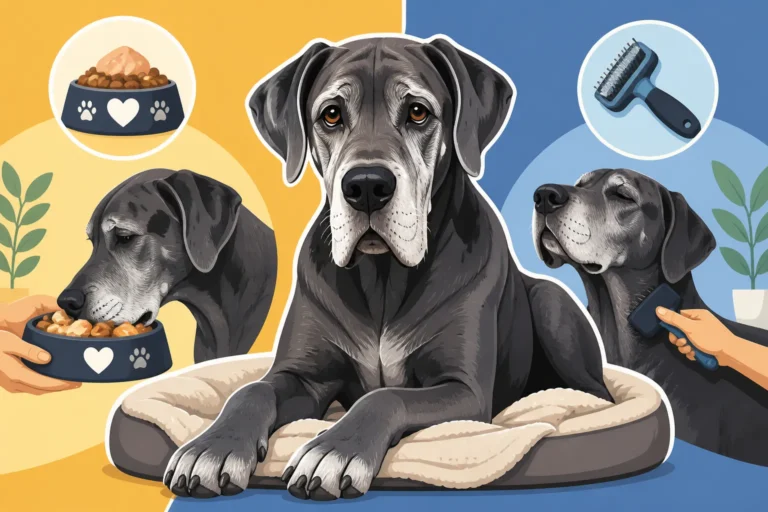
Brushing is your number one weapon against Great Dane hair. Regular, consistent brushing removes loose, dead hair before it has a chance to settle on your furniture or embed itself in your carpet. For a Great Dane, "regular" means several times a week, ideally even daily during peak shedding seasons.
You'll need the right tools for the job. A good quality rubber curry brush (like a Kong ZoomGroom) is excellent for daily brushing, as it gently massages the skin, stimulates circulation, and effectively pulls out loose, short hairs. For heavier shedding, a deshedding tool like a Furminator (used carefully and sparingly) can be very effective, but be cautious not to overuse it, as it can damage the coat or irritate the skin if not used correctly. A soft bristle brush can finish the job, smoothing the coat and distributing natural oils. Experiment to find what works best for you and your dog. The Brush That Covers a Great Dane Fastest offers more specific recommendations for tackling this daily task.
Bathing and Deshedding Treatments
While regular brushing is paramount, bathing also plays a crucial role in managing shedding. A good bath, particularly with a deshedding shampoo, can help loosen and remove a significant amount of dead hair. The trick is to really work the shampoo through their dense coat and rinse thoroughly.
After the bath, drying them thoroughly, perhaps with a high-velocity dog dryer if you have one, can blast away even more loose hair. If you don't have a professional dryer, vigorous towel drying followed by a thorough brushing once they are completely dry will still make a difference. Don't over-bathe, as this can strip natural oils and lead to dry skin, which can, ironically, increase shedding. Aim for a bath every 4-8 weeks, or as needed, adjusting based on their activity level and how dirty they get. For a detailed guide on how to tackle this big job, check out Bathing a Great Dane at Home.
Diet and Supplements for Coat Health
What goes into your Great Dane's body directly affects the health of their skin and coat. A high-quality diet rich in essential fatty acids is vital for a healthy, shiny coat and can minimize excessive shedding. Look for dog foods that list real meat as the first ingredient and contain sources of omega-3 and omega-6 fatty acids. Some owners swear by adding supplements to their dog's diet.
Fish oil, for example, is a popular choice for improving coat health. It contains omega-3s that can help nourish the skin and reduce dryness, leading to less shedding. Always consult your vet before adding any supplements to your dog's diet to ensure it's appropriate for their individual needs and correct dosage, especially for a large breed like a Great Dane. When you consider Monthly Food Spending on a Great Dane, investing in quality food often pays off in better coat health and less mess. For more on supplements, consider reading Fish Oil for a Great Dane.
Housekeeping Hacks for Dane Hair
Even with diligent grooming, some Great Dane hair will inevitably find its way into your home. This is where smart housekeeping strategies come into play. Your choice of vacuum cleaner is paramount; you'll need one specifically designed for pet hair, with strong suction and good filtration. Regular vacuuming, often daily during peak shedding, will be your new normal.
Consider furniture covers that are easy to wash or specific pet blankets for sofas and beds. Wash them frequently to capture shed hair. Hard floors are generally easier to manage than carpets, as hair can be swept or vacuumed up more easily. For carpets, a good lint roller or a rubber broom can help pull embedded hairs out. Investing in an air purifier can also help reduce airborne dander and hair. For more tips on keeping your home tidy, check out Great Dane Hair on Furniture and Floors.
When Shedding Might Indicate a Problem
While shedding is a normal part of life with a Great Dane, there are instances when it can signal an underlying health issue. It’s important to know the difference between typical shedding and something more concerning. You are your dog's best advocate, and recognizing changes in their coat can be an early warning sign for other problems.
Always trust your gut feeling. If something seems "off" about your dog's shedding, don't hesitate to consult your veterinarian. Early intervention can often prevent more serious complications down the line. A healthy coat is a reflection of overall health, and any significant deviation from their norm warrants attention.
Excessive or Patchy Hair Loss
If you notice a sudden, dramatic increase in shedding that goes beyond their normal seasonal blow-out, or if your Great Dane starts developing bald patches, thinning fur, or visible skin irritation, it's time to call your vet. This isn't just "more shedding"; it's a symptom of something else going on. Patchy hair loss is rarely normal and almost always points to an issue.
These symptoms could indicate a range of problems, including allergies (food or environmental), parasitic infestations (fleas, mites, ringworm), bacterial or fungal infections, hormonal imbalances (like hypothyroidism), or even stress-related issues. Don't try to self-diagnose or treat with over-the-counter remedies without professional guidance, as you could exacerbate the problem or delay proper treatment. A Great Dane That Thickens and Loses Hair offers further insights into these specific concerns.
Other Symptoms to Watch For
Beyond the hair loss itself, pay attention to any accompanying symptoms that might give clues to the underlying cause. These could include:
- Itching or Scratching: If your Dane is constantly scratching, licking, or biting at their skin, especially in specific areas, it suggests an irritation.
- Redness or Inflammation: Inspect the skin under the fur. Red, inflamed patches, pustules, or scabs are signs of infection or severe irritation.
- Dandruff or Flaky Skin: Excessive dry flakes (not just the usual small amount) can indicate dry skin, allergies, or other dermatological conditions. Dandruff on a Great Dane's Back provides more information on this common issue.
- Odor: A strong, unpleasant smell from their skin or coat can be a sign of bacterial or yeast infection.
- Changes in Behavior: Lethargy, loss of appetite, increased thirst, or other behavioral changes can accompany systemic illness that manifests with skin and coat issues.
- Weight Changes: Unexplained weight loss or gain, especially if accompanied by other symptoms, can point to metabolic or hormonal issues that affect coat health. Make sure you know Reading Ribs on a Great Dane to properly assess their body condition.
If you observe any of these symptoms along with increased shedding or patchy hair loss, schedule an appointment with your veterinarian promptly. They can conduct diagnostic tests, such as skin scrapings, blood work, or allergy tests, to determine the cause and recommend appropriate treatment.
Disclaimer
This article is for general informational purposes only and does not constitute professional advice. Laws, prices and regulations vary by location and change over time. Consult a qualified professional for guidance on your specific situation.