Whether a Great Dane Should Lie on Tile
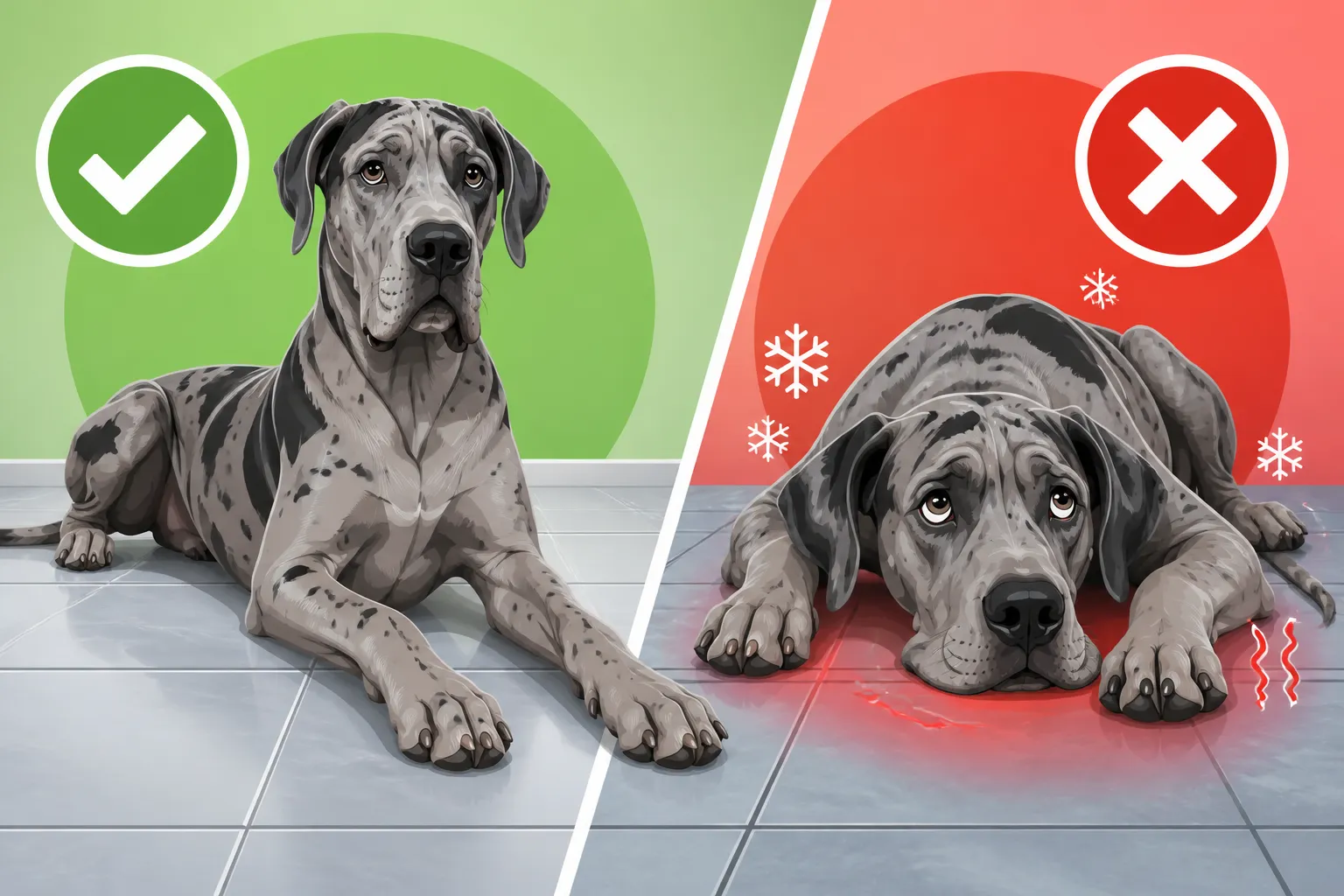
It’s a sight many Great Dane owners are intimately familiar with: your giant, lovable companion sprawled out on the coolest, hardest patch of floor they can find, usually tile or hardwood, looking utterly blissful. While it seems like a perfect solution for their natural need to cool down, this common habit can actually lead to some significant long-term issues for their delicate joints. This guide will dive deep into why your Dane loves those cool floors, the potential health consequences, and how you can create a safe, comfortable, and equally cool environment for them without risking their well-being.
The Allure of Cool Surfaces for Great Danes
It's completely understandable why your Great Dane gravitates towards those cold, hard floors. They are big dogs, and big dogs run hot. This isn't just a preference; it's often a necessity for their comfort.
Why Your Dane Seeks Out Hard, Cool Floors
Think about it: a Great Dane can weigh well over a hundred pounds, sometimes pushing towards two hundred. That’s a lot of body mass generating heat, and unlike many smaller breeds, they don't have a thick undercoat to trap warmth, but their sheer size makes them prone to overheating, especially indoors. Tile, concrete, and even bare hardwood floors act as natural heat sinks, drawing warmth away from their bodies. It’s like having a giant, built-in cooling pad available to them 24/7. When they lie down and spread out, maximizing contact with the cool surface, they’re essentially thermoregulating, trying to bring their body temperature down to a more comfortable level. After a walk, a play session in the yard, or even just after a nap under a sunbeam, that cool tile can feel like absolute heaven.
The Immediate Comfort vs. Long-Term Risk Paradox
The immediate relief your Great Dane experiences from lying on a cold tile floor is undeniable. You see them stretch out, let out a contented sigh, and often drift off to sleep, clearly enjoying the sensation. However, this immediate comfort masks a potential long-term problem that many owners don't realize until issues start to arise. These magnificent dogs are prone to a host of joint and bone conditions, and constantly resting their massive weight on unforgiving surfaces can contribute to or exacerbate these problems. It's a classic paradox where what feels good in the moment might not be what's best for their enduring health, especially as they age or if they already have latent orthopedic vulnerabilities. Understanding this balance is key to making informed decisions for their daily comfort and future well-being.
The Joint Health Implications of Hard Surfaces
While a cool tile floor offers instant gratification, the reality is that its unforgiving nature can be quite detrimental to a Great Dane's sensitive joints over time. The constant pressure and lack of cushioning can lead to several health concerns that are all too common in these gentle giants.
Pressure Points and Callus Development
Imagine lying on a hard floor for hours every day, day after day. Your elbows, hips, and other bony prominences would start to hurt, right? The same goes for your Great Dane, but with their immense weight, the impact is magnified. When a Great Dane repeatedly lies on hard surfaces like tile, their body weight presses down on specific points – most notably their elbows, hocks (ankles), and hips. Over time, this constant friction and pressure can lead to the skin in these areas thickening and hardening, forming painful calluses. But it doesn't stop there. These calluses can sometimes develop into something far more serious: hygromas. A hygroma is a fluid-filled sac that forms under the skin, often on the elbow, as a protective response to chronic trauma. They can range from a soft, almost imperceptible swelling to a large, prominent lump that can become infected and require veterinary intervention. It's a frustrating situation because the dog is only seeking comfort, but the very act is causing harm. Prevention is always better than treatment, and understanding this vulnerability is the first step. If you notice A Soft Swelling on a Great Dane's Elbow, it’s definitely time for a vet visit and a bedding re-evaluation.
Exacerbating Existing Joint Conditions
Beyond superficial issues like calluses and hygromas, hard floors can significantly worsen underlying joint conditions that Great Danes are unfortunately predisposed to. These aren't just minor aches; we're talking about serious, life-altering problems that can cause chronic pain and severely limit their mobility. Conditions like Great Dane Hips, Elbows and Growing Joints are widespread in the breed. If a Great Dane has even mild hip or elbow dysplasia, for example, the constant pounding and lack of support from lying on hard tile can accelerate the degeneration of those joints. The cartilage, already compromised, gets no reprieve, leading to increased inflammation and pain. Similarly, for an older Great Dane developing Arthritis in a Six-Year-Old Great Dane, sleeping on hard surfaces can turn morning stiffness into agonizing discomfort. The joints stiffen overnight, and without proper cushioning, they struggle even more to get up and move around. Owners often notice their Dane taking longer to rise, limping more significantly after periods of rest, or even showing reluctance to lie down on their favorite cool spot if it's too hard. It’s a vicious cycle where discomfort leads to seeking cool surfaces, which then leads to more discomfort and joint damage.
Slip Hazards and Injury Risk
It’s not just about the long-term impact of pressure; the immediate danger of slick tile floors cannot be overstated for a dog as large and powerful as a Great Dane. Imagine your Dane, full of youthful exuberance, doing zoomies across a polished tile floor. Their giant paws, especially without proper traction, can easily slip and slide. This isn't just a funny moment; it can result in a serious injury. A misstep can lead to sprains, strains, torn ligaments (like cruciate injuries), or even fractures. Puppies, with their still-developing coordination and growth plates, are particularly vulnerable. A sudden slip can cause damage that impacts their entire skeletal development. Even older Danes, whose muscles might be weaker and joints stiffer, face significant risk. Getting up from a lying position on a slick floor can be a struggle, leading to awkward movements that strain their back or legs. If a senior Dane with compromised mobility tries to stand quickly on a smooth surface, they might collapse, causing further injury. Rugs and Runners for a Great Dane's Joints are not just aesthetic additions; they are crucial safety measures. For those Danes already struggling, things like Mobility Aids for a Failing Great Dane become essential, but even those are more effective on a floor that provides adequate grip.
Creating a Safer, More Comfortable Environment
Now that we understand the downsides of tile floors for Great Danes, the good news is that there are plenty of effective and comfortable solutions available. The goal is to provide that coveted coolness and comfort without compromising their joint health.
The Importance of Strategic Bedding
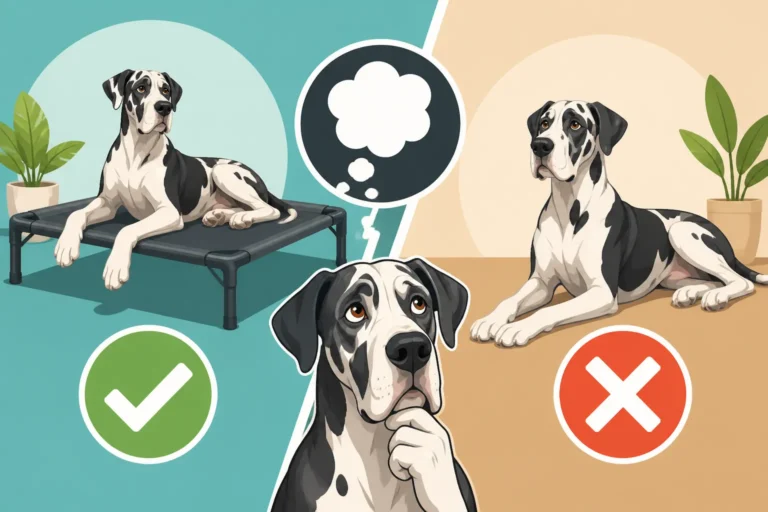
This is perhaps the most critical change you can make. Your Great Dane needs proper support, cushioning, and insulation from hard surfaces. Investing in high-quality orthopedic beds is not a luxury; it's a necessity for their health. Look for beds with thick, dense foam – not just a thin layer of stuffing – that won't flatten under their substantial weight. Memory foam or solid orthopedic foam is ideal, providing excellent support and conforming to their body shape, alleviating pressure points. You'll want to place these beds strategically in areas where your Dane likes to lounge, especially those cool spots they gravitate towards. Think about setting up a couple of these around the house. If they love a specific patch of tile, put an orthopedic bed right there.
Sometimes, it takes a little trial and error to find the perfect bed, but the payoff in terms of comfort and preventing future joint issues is immense. You can find excellent orthopedic options for giant breeds on pet supply sites like Chewy or Amazon, which often have customer reviews specifically mentioning Great Danes or other large dogs. For details on what to look for, check out Choosing Foam Thick Enough for a Great Dane. And remember, Bedding That Prevents Great Dane Hygromas isn't just about soft materials; it's about providing robust support that evenly distributes their weight.
Using Rugs and Runners to Break Up Hard Surfaces
While you might not want to carpet your entire home, strategically placed rugs and runners can make a world of difference. These additions serve a dual purpose: they provide much-needed traction and offer a layer of cushioning over hard floors. Think about the paths your Great Dane takes most often – from their bed to the water bowl, through hallways, or in high-traffic areas where they might get excited and try to sprint. Placing runners in these areas can prevent slips and falls, especially during enthusiastic play or sudden movements.
Furthermore, a large, thick area rug in a favorite lounging spot can offer an alternative to a dedicated bed, providing a softer surface that still allows for some coolness if the rug isn't too plush. Look for rugs with non-slip backings to ensure they stay put, preventing them from becoming a tripping hazard themselves. Even an older Great Dane with wobbly legs will appreciate the stability and gentle give of a good rug, making it easier for them to navigate their environment safely.
Cooling Alternatives to Hard Floors
Sometimes, even with the best bedding, your Great Dane might still seek out the coolest possible surface. This is where active cooling alternatives come into play. These solutions offer the desired temperature relief without the negative impact of hard floors.
- Cooling Mats: These are fantastic inventions. Many cooling mats are pressure-activated, meaning they cool down when your dog lies on them, and they don't require refrigeration or electricity. They can be placed directly on top of an orthopedic bed or on a rug. They offer that direct, refreshing contact your Dane craves without the joint strain.
- Fans: A simple, well-placed fan can do wonders. Aim it towards their favorite resting spot. The circulating air helps evaporate moisture from their skin and fur, which cools them down efficiently. For larger spaces, consider a tower fan or even a ceiling fan in the room where they spend most of their time.
- Controlled Indoor Temperatures: Maintaining a comfortable ambient temperature in your home is always helpful. While you don't want to freeze yourself out, keeping your home a few degrees cooler during hot months can significantly reduce your Dane's need to seek extreme cooling spots. Consider leaving curtains drawn during the hottest parts of the day or using air conditioning strategically.
- Frozen Treats and Ice Cubes: Offering frozen treats or simply ice cubes in their water bowl can also help cool them down from the inside out. Some owners even make "pup-sicles" with diluted broth and dog-safe ingredients.
- Hydrotherapy (Supervised Water Play): For Danes who enjoy it, a supervised dip in a shallow pool or a gentle spray with a hose in the yard on a hot day can be incredibly refreshing and help them cool down thoroughly before coming back inside to relax on their comfy bed.
By combining supportive bedding, safe flooring, and active cooling measures, you can ensure your Great Dane is both cool and comfortable, minimizing the risks associated with hard, unyielding surfaces. You might even find high-quality kibble from brands like Ollie or specialized large-breed formulas available on Chewy that support joint health, complementing these environmental changes.
Monitoring Your Great Dane's Comfort and Health
Even with all the preventative measures in place, it's crucial to be a diligent observer of your Great Dane's behavior and physical condition. Their large size can sometimes mask subtle signs of discomfort, but knowing what to look for can help you intervene early.
Signs Your Dane Is Uncomfortable or Injured
Your Great Dane can't tell you in words if they're in pain or uncomfortable, so it's up to you to recognize the non-verbal cues. If you notice any of these signs, it's a strong indicator that something might be amiss, and it's time to re-evaluate their environment and consult your veterinarian:
- Limping or Favoring a Limb: This is perhaps the most obvious sign. If your Dane is A Great Dane That Limps Without an Injury or seems to put less weight on one leg, it's a clear red flag.
- Stiffness or Difficulty Rising: They might struggle to get up after lying down, take longer to shift their weight, or appear stiff, especially after periods of rest. This is particularly noticeable in the mornings.
- Reluctance to Lie Down: If your Dane hesitates or circles excessively before settling down, or if they choose to stand or sit rather than lie down for extended periods, it could mean lying down is painful.
- Changes in Gait or Movement: Watch for a change in how they walk. Are their movements less fluid? Are they taking shorter strides, or showing signs of being off-balance?
- Excessive Licking or Chewing: If they're constantly licking, chewing, or grooming a specific joint or area of their body, it can be a sign of pain or irritation.
- New or Worsening Calluses/Hygromas: Regularly check their elbows, hocks, and hips for any new thickening of the skin, tenderness, or swelling. A developing hygroma on the elbow needs prompt attention.
- Vocalization: While Danes aren't always vocal about pain, a whimper, groan, or yelp when moving or being touched in certain areas is a clear indicator.
- Behavioral Changes: Any sudden increase in irritability, lethargy, or a general decrease in enthusiasm for activities they once loved could signal underlying discomfort.
Don't dismiss these signs, especially as your Dane approaches their senior years. Being proactive can make a significant difference in their quality of life. For an aging Dane, recognizing these signals can be paramount for Nursing a Great Dane Through Its Last Weeks with dignity and comfort.
Regular Vet Check-ups and Preventative Care
Beyond your own observations, consistent veterinary care is the cornerstone of managing your Great Dane's joint health. Regular check-ups allow your vet to assess their overall condition, identify potential issues early, and recommend preventative measures or treatments. This is especially crucial for a breed known for its orthopedic challenges.
During these visits, make sure to discuss any concerns you have about your Dane's mobility, gait, or comfort on different surfaces. Your vet can perform a thorough physical examination, checking their joints for range of motion, pain, and swelling. They might suggest X-rays or other diagnostics if they suspect a developing condition like arthritis or dysplasia.
Preventative care might include:
- Joint Supplements: Many vets recommend supplements containing glucosamine, chondroitin, and MSM, or even newer options like green-lipped mussel, to support joint cartilage and reduce inflammation.
- Weight Management: Keeping your Great Dane at a healthy, lean weight is one of the single most impactful things you can do for their joint health. Excess weight puts enormous strain on their joints, accelerating degeneration.
- Appropriate Exercise: While vigorous, high-impact activities should be limited, especially in growing puppies, consistent, moderate exercise like walking or swimming helps maintain muscle strength around the joints, providing natural support.
- Pain Management: As your Dane ages, or if they have an existing condition, your vet might prescribe anti-inflammatory medications or other pain relief to keep them comfortable.
Even with the best care, Great Danes do age faster than smaller dogs. For information on Caring for a Great Dane Past Six, understanding their evolving needs through regular veterinary guidance is absolutely vital. By combining attentive home care with professional veterinary support, you give your Great Dane the best chance at a long, comfortable, and happy life, even if they occasionally still try to sneak onto that tempting cool tile!
Flooring and Bedding Options for Great Danes: A Comparison
| Feature | Tile/Hardwood Floors | Thick Orthopedic Bed | Memory Foam Topper (on existing bed) | Large Area Rug / Runner | Cooling Mat (on top) |
|---|---|---|---|---|---|
| Cooling | Excellent (direct contact) | Moderate (insulating foam) | Moderate (insulating foam) | Low to Moderate (depends on material) | Excellent (active cooling) |
| Joint Support | None (detrimental pressure points) | Excellent (even weight distribution) | Good (improves existing bed) | Low (some cushion, but thin) | None (doesn't provide support) |
| Pressure Points | High risk of calluses/hygromas | Very Low risk | Low risk | Moderate risk | Low risk (if on supportive surface) |
| Traction/Grip | Very Low (high slip hazard) | Good (usually non-slip base) | Good (stays in place) | Good (if non-slip backing) | Moderate (can sometimes slide) |
| Durability | High | Varies (cover quality) | Moderate (can tear) | Varies (material) | Moderate (can puncture) |
| Maintenance | Easy to clean | Covers washable | Easy to clean | Requires vacuuming/cleaning | Wipes clean |
| Cost | Already installed | Moderate to High | Low to Moderate | Moderate | Low to Moderate |
| Ideal Use | Avoid for prolonged lying | Primary resting spot | Upgrade for comfort | High traffic areas/lounging | Hot days, added comfort |
Disclaimer
This article is for general informational purposes only and does not constitute professional advice. Laws, prices and regulations vary by location and change over time. Consult a qualified professional for guidance on your specific situation.