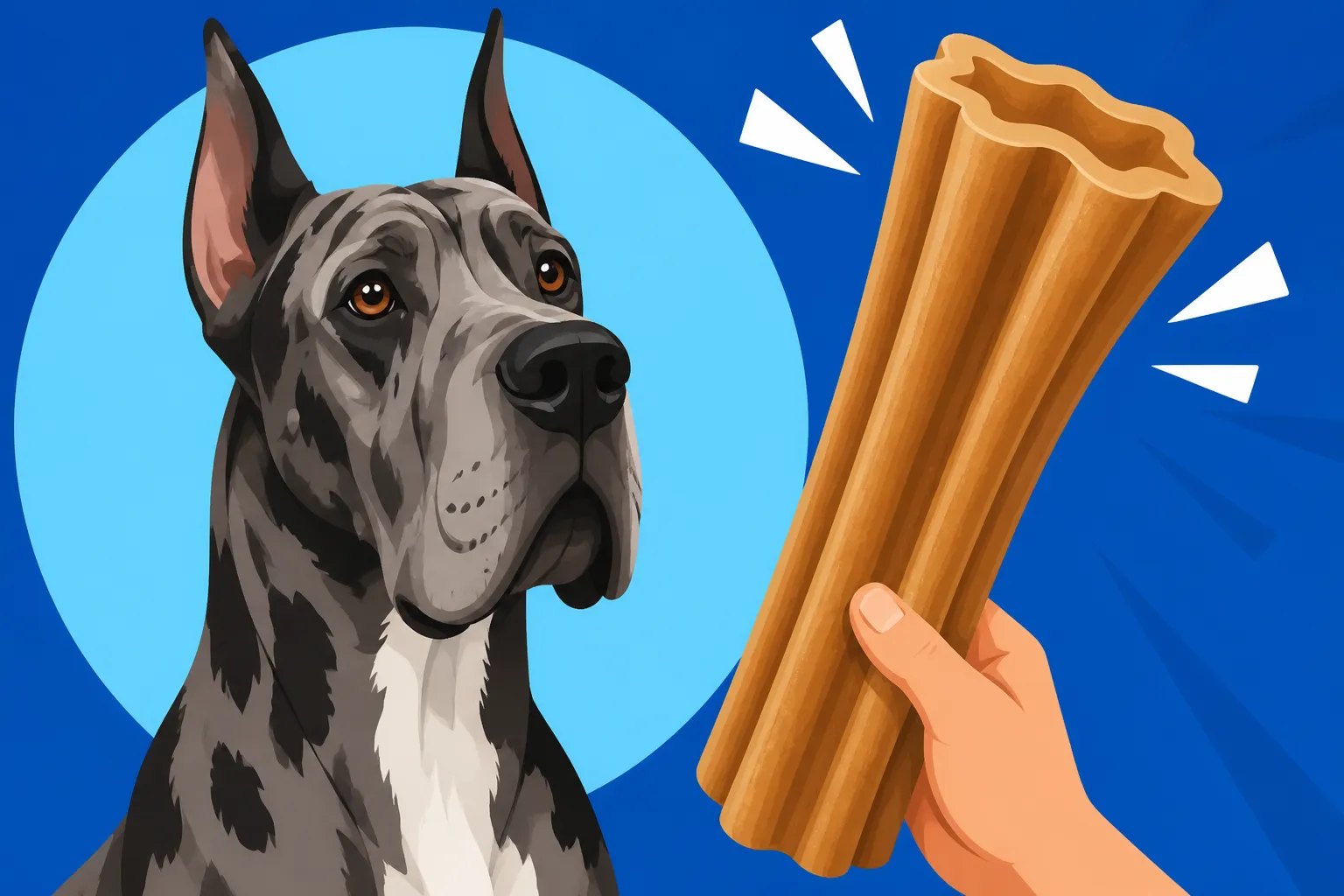
Dental Chews Big Enough for a Great Dane
It's incredibly frustrating when you're trying to do everything right for your big, beautiful Great Dane, especially when it comes to something as vital as their dental health. You grab what looks like a "large dog" dental chew, only for your Dane to swallow it whole in two gulps, or worse, splinter it into dangerous shards. Finding truly big enough and effective dental chews for a dog of this magnificent size isn't just about preventing bad breath; it's about safeguarding their overall health, comfort, and potentially, their lifespan. This guide will help you navigate the confusing world of dental chews, focusing on what truly works for a Great Dane, and how to make them a successful part of your dog's oral hygiene routine.
The Unique Dental Challenges of a Great Dane's Mouth
Owning a Great Dane means facing a unique set of challenges, and their oral health is certainly one of them. While smaller breeds might struggle with overcrowding or periodontal disease due to tiny mouths, Great Danes often face issues related to the sheer scale of their jaws, the power of their bite, and sometimes, the rapid buildup of plaque that can quickly spiral into more serious problems. It’s not just a cosmetic issue; poor dental hygiene can have profound impacts on your Dane's overall well-being.
Why Dental Health Is More Than Just Bad Breath
When your Great Dane gives you that loving, slobbery kiss, you want to enjoy it without being bowled over by a stench that could clear a room. Bad breath, or halitosis, is often the first sign that something is amiss in your dog's mouth, but it's really just the tip of the iceberg. Beneath that foul odor can lie a landscape of plaque, tartar, and inflammation known as periodontal disease. This isn't just uncomfortable; it's a gateway to systemic health issues.
Imagine trying to eat or play with a constant toothache or bleeding gums – it's miserable. Your Great Dane feels the same. Dental pain can manifest as reluctance to eat, dropping food, favoring one side of their mouth, or even becoming withdrawn. But the problems don't stop there. The bacteria thriving in an unhealthy mouth can easily enter the bloodstream, traveling to vital organs like the heart, kidneys, and liver, potentially causing serious infections or exacerbating existing conditions. For a breed like the Great Dane, already prone to certain health concerns, adding systemic infections from dental disease is a risk no owner wants to take. Understanding these broader implications underscores why consistent oral care, including the right dental chews, is so critical for a Great Dane's long and healthy life. After all, a healthy mouth contributes to a healthy life, which is a major factor in Why a Great Dane Only Lives Seven to Ten Years.
The Scale Problem: Why "Large Dog" Chews Aren't Always Enough
You've probably been there: standing in the pet store aisle, looking at a bag labeled "large breed dental chews" and thinking, "Finally, something for my big guy!" Then you get home, offer it to your magnificent Great Dane, and watch in mild horror as they chomp it down in 30 seconds flat. The problem? Most manufacturers design "large breed" products for dogs weighing perhaps 60-80 pounds, not a Great Dane who can easily tip the scales at 120-180 pounds or more.
A chew that's too small for your Great Dane poses a couple of significant risks. First, it's a choking hazard. A Dane with their powerful jaws can easily break off large chunks of a chew that isn't sized appropriately, leading to potential airway obstruction. Second, if a chew is consumed too quickly, it simply doesn't have enough contact time with the teeth to provide any real abrasive cleaning action. The purpose of a dental chew is to mechanically scrub away plaque and stimulate gum health as the dog chews, and that requires sustained effort. If it's gone in a flash, it's just an expensive treat, not a dental aid. This is why when you're looking to clean your Great Dane's mouth, it's important to understand that Plaque on a Great Dane's Back Molars won't be dislodged by a chew that vanishes in moments.
What to Look For in a Great Dane Dental Chew
Finding a dental chew that can truly stand up to a Great Dane's powerful jaws and size requires careful consideration. It's not just about the label; it's about the physical properties and ingredients that will actually make a difference for their oral health.
Size, Density, and Durability: The Trifecta for Giant Breeds
When you're shopping for a dental chew for your Great Dane, forget the "large" label and focus on what you see. We need extra-large, extra-dense, and genuinely durable options. A chew needs to be large enough that your Dane cannot swallow it whole, nor easily fit the entire thing into the back of their mouth to gulp down without proper chewing. This often means looking for chews that are at least 6-8 inches long and substantial in girth – think something that looks more like a small log than a stick.
Density is key. A dense chew will resist quick destruction, forcing your Dane to work at it, thereby increasing the crucial contact time with their teeth and gums. This prolonged chewing action is what helps scrape away plaque and tartar. Durability, however, should not equate to rock-hard. There's a fine line here: a chew should be tough, but not so hard that it risks fracturing your Great Dane's teeth. You want something that gradually wears down with chewing, rather than something that feels like you could break your own tooth on it. Many owners find a good balance with brands that specifically cater to giant breeds, offering products that are a step above the standard "extra large." Online retailers like Chewy often have robust filtering options that can help you zero in on products specifically marketed for dogs over 100 pounds.
Ingredients and Dental Effectiveness
Beyond physical attributes, the ingredients of a dental chew play a crucial role in its effectiveness. Many dental chews are formulated with specific ingredients designed to fight plaque and tartar buildup, or to freshen breath. These often include enzymes, breath-freshening agents like chlorophyll, or natural abrasives.
Look for chews that clearly state they are "VOHC approved" or "Veterinary Oral Health Council" accepted. This means they have undergone scientific trials demonstrating their efficacy in reducing plaque and/or tartar. This seal of approval takes the guesswork out of whether a product actually works. Also, be mindful of the calorie content. Your Great Dane already has significant The Calorie Load a Great Dane Actually Needs each day, and adding too many extra calories from chews can lead to unwanted weight gain, which puts additional strain on their joints and overall health. Always check the caloric information on the packaging and adjust your Dane's regular food intake accordingly. Services like Ollie, which focus on fresh dog food, often provide detailed nutritional breakdowns, and while they might not sell chews directly, their philosophy of ingredient transparency can guide your choices.
Potential Pitfalls: What to Avoid
Just as there are beneficial dental chews, there are also products that can be ineffective or even harmful to your Great Dane. Avoiding these can save you a headache and your dog a potential emergency vet visit.
First, steer clear of chews that are too hard. We're talking about items like antlers, hooves, or very dense nylon bones that don't give at all under pressure. While they might last a long time, they pose a significant risk of fracturing your Dane's teeth, which is not only incredibly painful but can lead to expensive dental surgery. If you can't easily indent it with your fingernail, or if it feels like you could knock yourself out with it, it's probably too hard. Second, avoid anything small enough to be swallowed whole or in large chunks. This is a choking hazard we already touched on, but it bears repeating, especially with a breed prone to gulping. If you're unsure, err on the side of too large rather than too small. Finally, be wary of chews with excessive, unnecessary ingredients or artificial colors and flavors. Simpler is often better, especially if your Great Dane has a sensitive stomach. Always read ingredient lists carefully, much like you would if you were monitoring their main diet for Feeding an Adult Great Dane Six to Ten Cups. When shopping on platforms like Amazon, make sure to read reviews specifically from other giant breed owners, as their experiences can be incredibly insightful regarding product durability and size.
| Chew Type | Pros | Cons | Great Dane Suitability | Key Considerations |
|---|---|---|---|---|
| Enzyme-Coated Chews | Specifically formulated to reduce plaque. | Often smaller, can be consumed quickly. | Moderate | Look for VOHC-approved, extra-large sizes. |
| Abrasive Chews | Mechanical scrubbing action. | Durability varies; some are too soft, some too hard. | High (if right size) | Must be large and dense enough to last. |
| Rawhide Alternatives | Safer than traditional rawhide. | Can still be swallowed in large pieces if not sized right. | Moderate | Check digestibility; avoid quick consumption. |
| Vegetable-Based Chews | Often highly digestible, natural. | Some are too soft, others too calorie-dense. | High (if right size) | Check ingredient list, calorie count, and size. |
| Natural Chews (e.g., Bones) | Highly appealing, long-lasting. | Risk of fractured teeth, intestinal blockage. | Low (high risk) | Avoid weight-bearing bones; supervise closely. |
| Nylon Bones | Extremely durable. | Can be too hard, causing tooth fractures. | Low | Only specific, softer versions might be okay. |
Integrating Dental Chews into a Comprehensive Oral Health Plan
While dental chews are a fantastic tool, they are just one piece of the puzzle when it comes to maintaining your Great Dane's oral health. A truly effective plan involves multiple approaches, working in harmony to keep those pearly whites shining and their gums healthy. Thinking holistically about your Dane's dental care will save you stress and money in the long run.
Beyond the Chew: Brushing and Professional Care
Let's be honest, brushing a Great Dane's teeth isn't usually a highlight of anyone's day, but it remains the gold standard for at-home dental care. Just like with humans, mechanical brushing removes plaque before it hardens into tartar. Even if you can't manage a full brush every single day, aiming for a few times a week with a large dog-specific toothbrush and enzymatic toothpaste can make a huge difference. Start slowly, make it a positive experience with treats, and be patient. Remember, you're teaching a giant creature to tolerate something a bit weird!
However, no amount of at-home care, including the best dental chews, can entirely replace professional veterinary dental cleanings. Over time, tartar will build up, especially in those hard-to-reach spots, and once it's there, only a professional cleaning under anesthesia can safely remove it. Your vet can also perform a thorough oral exam, identify any hidden issues like fractured teeth or gum disease, and address them before they become more severe. These professional cleanings are essential, and they lead into the bigger conversation around Whether a Great Dane's Teeth Need Annual Sedation for optimal health. Regular check-ups with your vet can help you determine the right frequency for these cleanings, which will also play a role in the overall The Short Expensive Life of a Great Dane.
Consistency is Key: Making it a Habit
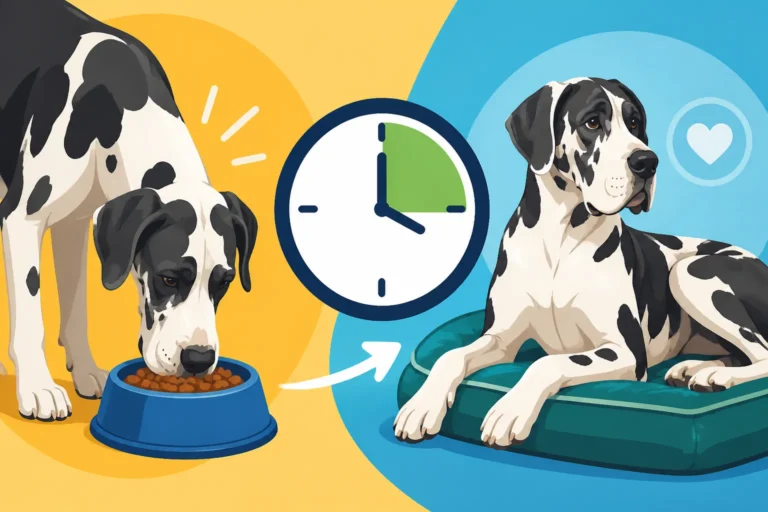
The most effective dental care plan is one that is consistent. It's not about doing one thing perfectly once, but doing several things regularly. Incorporate dental chews into a daily or every-other-day routine. Perhaps it's an afternoon chew time, or a special "dessert" after their last meal. Whatever you choose, stick to it. This consistency is not only beneficial for their oral hygiene but can also create a positive routine for your Great Dane.
For example, many owners find success by offering a VOHC-approved dental chew after their Dane's morning walk, using it as a wind-down activity. Others might give it as a distraction when they need a few moments of quiet. The key is to make it a predictable and pleasant part of their day. Just like you ensure their feeding schedule is regular for Feeding an Adult Great Dane Six to Ten Cups, consistency in dental care is equally important. Always supervise your Great Dane when they are chewing, especially with new types of chews, to ensure they are chewing safely and not attempting to swallow large pieces. This simple habit can prevent many common dental problems, contributing significantly to your Great Dane's comfort and long-term health, and preventing issues that could cause a Great Dane that struggles to chew later in life.
Beyond Chews: Other Dental Aids and Preventative Measures
While dental chews are a great addition, there are other tools and habits that can further support your Great Dane's oral health. Dental rinses and water additives, for instance, can help reduce bacteria in the mouth and freshen breath. These are usually easy to administer; you just add them to your Dane's water bowl or apply the rinse directly. However, their effectiveness can vary, so look for products backed by veterinary recommendations.
Diet can also play a subtle role. Some premium kibble brands offer dental formulas with specific shapes or textures designed to provide a mild abrasive action as the dog eats. While this alone isn't enough, it can contribute to overall dental wellness. More importantly, maintaining a lean body weight through appropriate diet and exercise can reduce inflammation throughout the body, including the gums. Just like we talk about Whether a Great Dane Puppy Should Be Kept Lean for joint health, it's beneficial for dental health too. Ultimately, a multi-faceted approach, combining appropriate dental chews, regular brushing, professional cleanings, and supportive dietary choices, offers the best defense against dental disease for your beloved Great Dane.
Disclaimer
This article is for general informational purposes only and does not constitute professional advice. Laws, prices and regulations vary by location and change over time. Consult a qualified professional for guidance on your specific situation.