Cooling a Great Dane in a Hot House
When the thermometer starts to climb, owning a Great Dane can feel like a whole new challenge. These majestic giants, despite their seemingly short coats, are surprisingly susceptible to overheating, especially when they're stuck indoors without adequate cooling. Their sheer size means their bodies generate and retain a lot of heat, making them quickly uncomfortable and even dangerously hot in a stuffy house. This guide is here to walk you through practical, empathetic strategies to keep your beloved Great Dane cool, safe, and comfortable when the mercury rises.
The Great Dane and Heat: Why They Struggle When Temperatures Rise
It's a common misconception that because Great Danes have short fur, they must be fine in the heat. Oh, how wrong that assumption can be! Many first-time Dane owners learn this the hard way, often during their first summer with a rapidly growing puppy or even an adult dog. Their unique physiology makes them more vulnerable than many other breeds, and understanding this is the first step in effective heat management.
Understanding Their Unique Physiology
First, let's talk about that impressive size. A Great Dane can easily weigh over 100 pounds, with some males tipping the scales at 170 pounds or more. All that mass generates a significant amount of metabolic heat. Unlike smaller dogs who have a larger surface area to volume ratio, allowing them to dissipate heat more efficiently, a Dane's massive body holds onto heat. Think of it like a large thermal mass – it takes a lot to cool down once it's warmed up.
Furthermore, while their coats are short, they're typically dense, offering little thermal insulation against the heat of the air. Dogs don't sweat like humans do; their primary way of cooling down is through panting, which is essentially evaporative cooling. However, panting can only do so much, especially when the surrounding air is hot and humid, limiting how much moisture can evaporate from their tongues and respiratory tracts. This means they're constantly fighting an uphill battle against rising internal temperatures.
The Dangers of Overestimation
It's easy to look at a calm Great Dane sprawled on the floor and assume they're doing just fine, even if the house feels warm to you. But what might be merely "warm" for a human can quickly become "dangerously hot" for a Great Dane. They might not always show obvious signs of distress until they're already in a compromised state. This quiet suffering is what makes them so vulnerable. We, as their guardians, have to be proactive, anticipating their needs rather than waiting for them to tell us they're too hot.
Overestimating their tolerance for heat can lead to serious health consequences, including heat exhaustion and, more critically, heatstroke. These aren't just minor discomforts; they are medical emergencies that can cause organ damage, brain injury, and even death if not addressed swiftly. Remember, a Great Dane's lifespan is already tragically short, typically around Why a Great Dane Only Lives Seven to Ten Years, so every measure we take to protect their health is incredibly important.
Immediate & Everyday Indoor Cooling Strategies
When the heat is on, you need a toolkit of immediate and everyday strategies to keep your Great Dane from turning into a furry furnace. These aren't just about comfort; they're essential for their well-being. From simple airflow tricks to specialized gear, there's a lot you can do to make their indoor environment bearable, even when your home doesn't have central air conditioning.
Harnessing Air Movement and Water
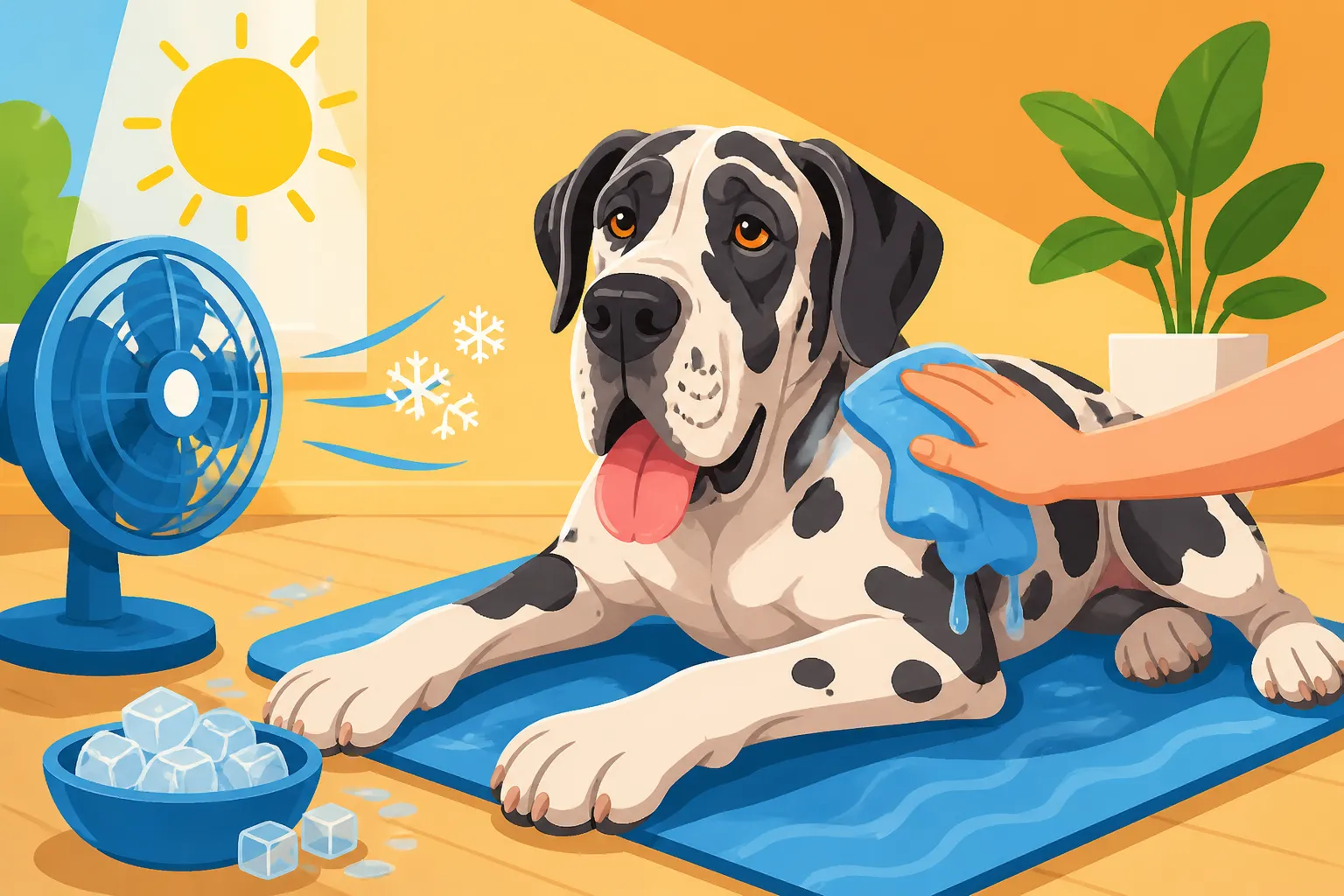
The most basic, yet often overlooked, strategy is simply moving air. If you don't have air conditioning, strategically placed fans can make a huge difference. Don't just point one at them; try to create a cross-breeze. Open windows on opposite sides of the house and use box fans to pull cooler air in from one side and push warmer air out the other. Even a ceiling fan can provide some relief, especially if your Dane enjoys lounging directly beneath it.
Beyond fans, water is your best friend. Keep multiple bowls of fresh, cool water available at all times. You might even drop a few ice cubes into their water bowl a few times a day to keep it extra chilly. For dogs that aren't afraid of it, a damp towel can be a lifesaver. Wet a large bath towel with cool water (not icy cold, as that can be a shock), wring it out, and drape it over your Dane's back or offer it as a cool spot to lie on. You can also gently mist their paws or belly with a spray bottle, letting the evaporation help cool them down. Just be sure not to overdo it to avoid making them feel damp and uncomfortable. For more comprehensive advice on hydration, consider How Much Water a Great Dane Drinks a Day.
Smart Hydration and Feeding Tricks
Hydration isn't just about what's in the water bowl. You can sneak extra moisture into their diet. If you feed kibble, consider adding some water or low-sodium broth to their meals to increase their fluid intake. Some owners find that fresh or gently cooked food options, like those from services such as Ollie, naturally contain higher moisture content, which can contribute to overall hydration. However, always make dietary changes gradually to avoid upsetting their stomach.
Frozen treats are another fantastic way to cool them down from the inside out. You can freeze low-sodium chicken broth in ice cube trays or fill a Kong toy with wet dog food, peanut butter (xylitol-free!), or plain yogurt and freeze it. These provide a cool, stimulating snack that also helps with hydration. For a larger, longer-lasting treat, consider freezing a mixture of blended fruit (like banana and berries) with water in a larger container. Remember to supervise them, especially with new treats, to ensure they don't choke.
Specialized Cooling Gear for Giants
The market has responded to the need for cooling solutions, and there are several products designed to help large breeds like Great Danes. Cooling mats are a popular choice. These often contain a gel that activates with pressure, providing a cool surface for your Dane to lie on. They come in various sizes, so make sure to get one that's large enough for your Great Dane to comfortably stretch out on. You can find a good selection of these on Chewy or Amazon.
Another option is a cooling vest or bandanna. These typically work by soaking them in water, which then evaporates, drawing heat away from your dog's body. Some vests are designed with reflective surfaces to deflect sunlight if your Dane needs to go outside briefly. While not ideal for prolonged indoor use if it makes them feel clammy, they can be useful for short periods when air circulation isn't enough, or if your Dane just needs a quick cool-down session. Look for breathable materials that won't trap heat once the water evaporates.
Creating a Heat-Safe Home Environment
Beyond immediate cooling tactics, creating a consistently heat-safe environment in your home is crucial. This involves thinking about where your Great Dane spends their time, what surfaces they rest on, and how much energy they're expending, even indoors. It's about proactive planning to prevent overheating before it becomes a crisis.
Strategic Placement and Bedding Choices
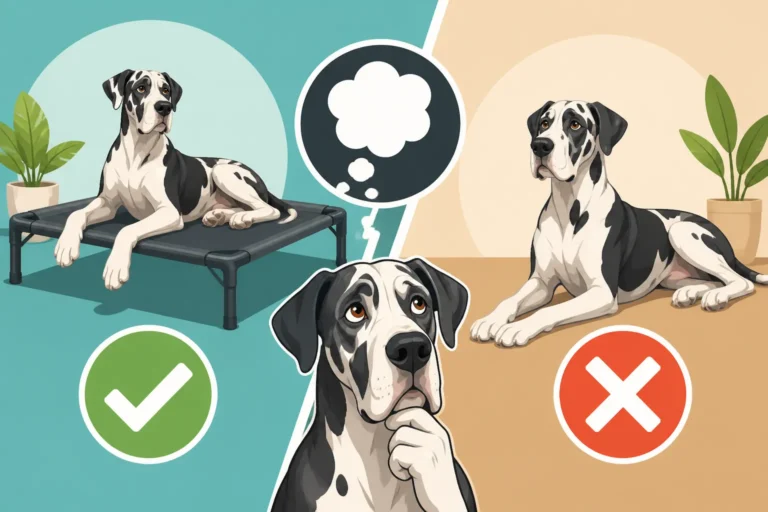
Where your Great Dane chooses to relax can significantly impact their comfort. Encourage them to lie on cooler surfaces like tile or linoleum floors, especially in shaded areas of the house. If they prefer carpet or bedding, ensure that the bedding itself promotes coolness. Avoid plush, insulating beds that trap body heat. Instead, opt for elevated dog beds with a mesh or canvas bottom, which allow air to circulate underneath them. These are especially good for Danes, as they also help cushion their joints. For more on appropriate resting surfaces, you might find Beds That Cushion a Great Dane's Joints helpful.
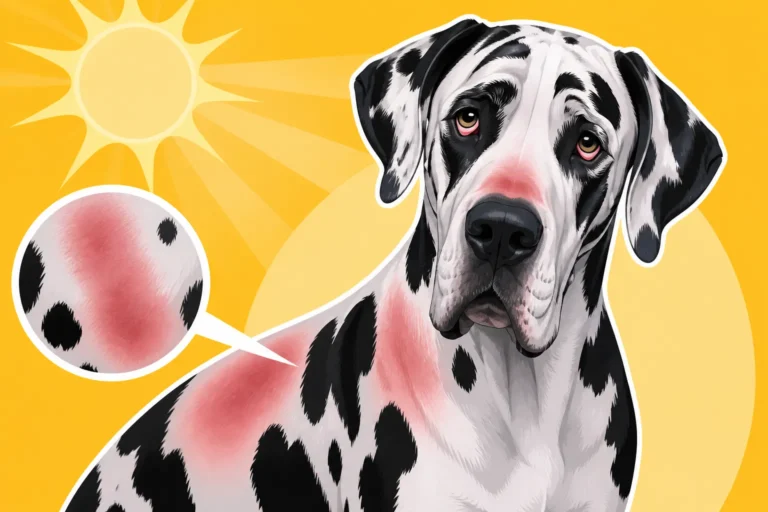
Strategically placing their sleeping and resting areas away from direct sunlight is also key. Even if a room is generally cool, a sunbeam streaming through a window can quickly heat up a spot. Use curtains or blinds to block intense sun during the hottest parts of the day. If you have a basement, and it's a safe, accessible space, it can often be the coolest part of the house and a fantastic retreat for your Dane during a heatwave.
Managing Activity Levels and Outdoor Exposure
Even indoors, a Great Dane can get hot if they're too active. During extreme heat, it's best to limit vigorous play sessions, even if it's just a game of fetch in the living room. Encourage calm, quiet activities. Puzzle toys with frozen treats, as mentioned earlier, are perfect for mental stimulation without physical exertion. Remember, even a moderate amount of activity can rapidly raise their body temperature.
Outdoor exposure needs to be carefully managed. If your Dane needs to go outside for potty breaks, do so during the coolest parts of the day – early morning and late evening. Avoid walks or extended time in the yard during midday or afternoon heat. The pavement can be scorching hot and burn their paw pads, and the ambient temperature can quickly lead to overheating. Even a quick trip to the car or a shaded spot can be too much if the humidity is high. It's truly safer to keep them primarily indoors when temperatures are soaring.
Recognizing and Responding to Heat Stress in Your Great Dane
Despite all your best efforts, sometimes a Great Dane can still become too hot. Knowing the signs of heat stress and understanding how to react quickly is paramount. Early intervention can make a critical difference in preventing heat exhaustion from escalating into life-threatening heatstroke.
Early Warning Signs of Overheating
Your Great Dane might not speak in words, but their body language will tell you a lot. The most common early sign of overheating is excessive panting – panting that seems more intense or prolonged than usual, even when they haven't been exercising. Their breathing might become labored or shallow. You might also notice their gums are bright red, indicating increased blood flow as their body tries to cool itself.
Other subtle signs include seeking out cool spots to lie down more frequently, reluctance to move, drooling excessively, or showing signs of discomfort and restlessness. Some Danes might even appear confused or disoriented. It's crucial to pay close attention to these changes, especially if the house is warm. Don't dismiss them as just being "lazy" or "tired"; they could be indicating a serious problem. For more on recognizing subtle shifts in behavior related to health, consider A Great Dane That Collapses and Recovers or Early Heart Signs in a Great Dane which, while about different conditions, emphasize observation.
Emergency Actions for Heatstroke
If you suspect your Great Dane is suffering from heatstroke, immediate action is necessary. This is a veterinary emergency. First, get them to a cooler environment immediately – perhaps a basement, a room with air conditioning, or even outside if there's significant shade and a breeze.
Next, begin to cool them down slowly and carefully.
- Apply cool (not ice cold) water: Soak towels in cool water and place them over their head, neck, armpits, and groin area. You can also use a garden hose to wet down their entire body if you're outside, focusing on the belly and inner thighs. Avoid icy water, as this can cause the blood vessels to constrict, actually trapping heat inside, and can also put them into shock.
- Use fans: Direct a fan at them to aid evaporative cooling.
- Offer small amounts of water: If they are conscious and willing to drink, offer small sips of cool water. Do not force water down their throat if they are disoriented or unable to swallow.
- Seek veterinary care immediately: Even if your Great Dane seems to be recovering, it is crucial to get them to an emergency veterinarian. Heatstroke can cause internal organ damage that isn't immediately apparent. Call ahead to let them know you are coming so they can prepare for your arrival. Time is of the essence when dealing with heatstroke.
| Cooling Method | Pros | Cons | Best Use |
|---|---|---|---|
| Fans | Inexpensive, easy to implement, creates airflow. | Only moves existing air, less effective in high humidity. | Everyday airflow, supplementary cooling. |
| Cooling Mats | Provides a direct cool surface, no power needed (gel versions). | Can be chewed, may warm up after prolonged use, some dogs dislike texture. | Resting spot for long periods. |
| Wet Towels/Misting | Immediate relief, aids evaporative cooling, low cost. | Can make dog feel clammy, requires re-wetting, limited duration. | Quick cool-down, emergency first aid. |
| Frozen Treats | Hydrates, provides mental stimulation, cools internally. | Can be messy, supervision needed for choking hazards. | Hydration and enrichment. |
| Elevated Beds | Allows air circulation underneath, good for joints. | May not feel "cold," some dogs prefer soft bedding. | Primary resting spot, especially on warm nights. |
| AC/Evaporative Coolers | Most effective for overall room temperature reduction. | High energy cost, not all homes have it, limited portability. | Primary climate control. |
Remember, your Great Dane relies entirely on you to ensure their comfort and safety. By understanding their needs and implementing these cooling strategies, you can help them navigate the summer heat safely and happily.
Disclaimer
This article is for general informational purposes only and does not constitute professional advice. Laws, prices and regulations vary by location and change over time. Consult a qualified professional for guidance on your specific situation.