Keeping a Great Dane’s Bed Clean
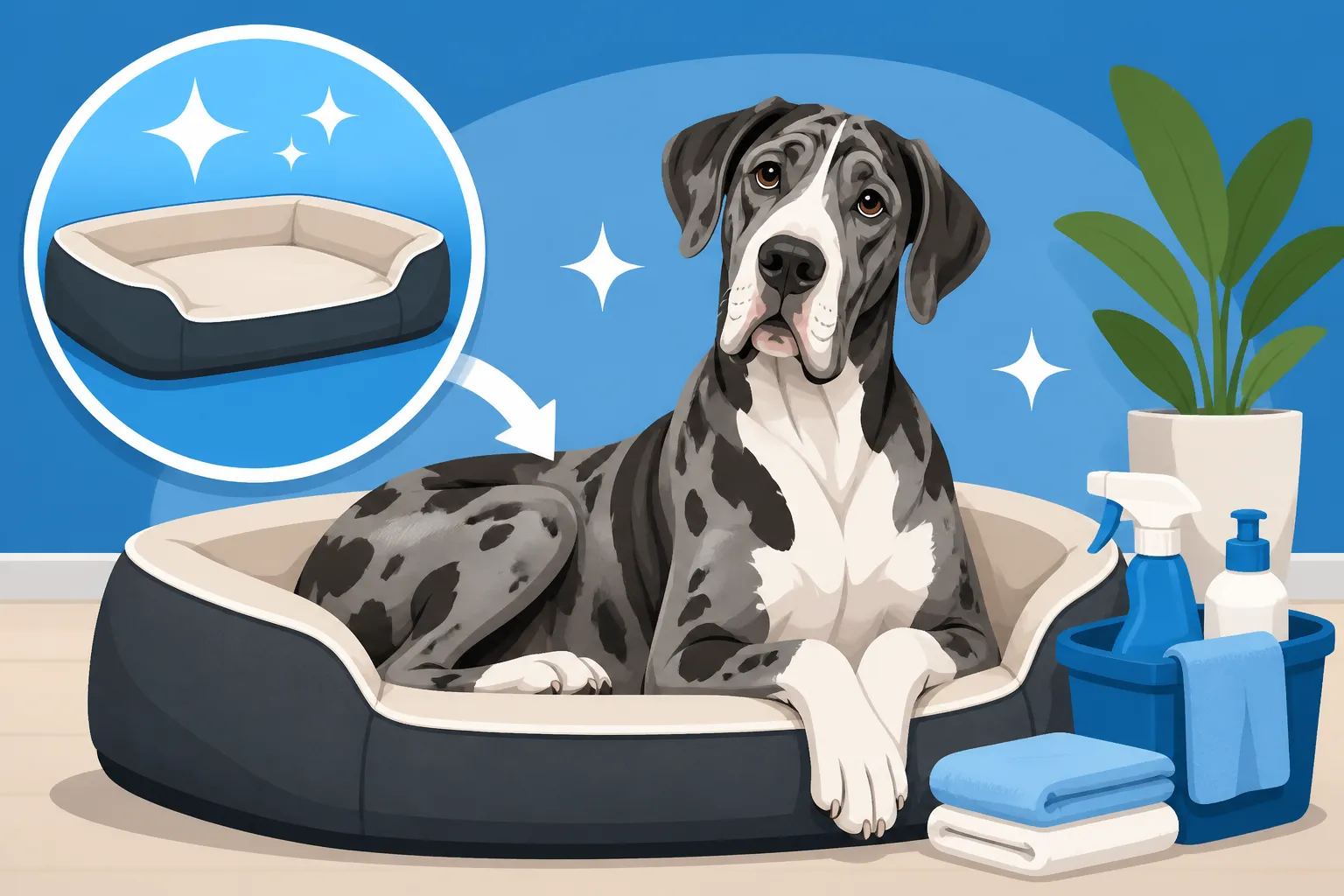
If you're living with a majestic Great Dane, you know their beds can go from pristine to questionable in what feels like mere minutes. The sheer size of these magnificent dogs means their bedding gathers an astounding amount of fur, drool, and tracked-in grime, making regular cleaning a monumental task. This guide is here to walk you through practical strategies for keeping your giant companion's resting spot fresh and hygienic, without feeling like you're fighting a losing battle.
Why Great Dane Beds Get So Dirty, So Fast
It's not just your imagination; Great Dane beds genuinely seem to attract dirt at an accelerated rate compared to those of smaller breeds. Their impressive stature and daily habits create a perfect storm for rapid accumulation of grunge, dander, and general dog-ness. Understanding why this happens can help you anticipate the mess and put better cleaning strategies into place.
The Sheer Volume of Fur and Skin Cells
Even with their relatively short coats, Great Danes are shedding machines. They constantly slough off old fur and skin cells (dander), which, due to their vast surface area, adds up to a surprising amount. This isn't just about aesthetics; this organic material becomes a feast for dust mites, and for allergy sufferers in the household, it can make their symptoms much worse. Imagine a constant, fine layer of dust that is actually tiny bits of your dog, settling everywhere, but especially in their favorite nesting spot.
Think about the visible drifts of fur that seem to gather in corners or under furniture, even with regular vacuuming. A Great Dane's bed acts like a giant, plush magnet for all of this. Every time they shift, stretch, or flop down for a nap, more hair and dander are released and work their way deep into the fabric fibers. This constant shedding means that even if your Dane appears clean, their bed is steadily accumulating a dense layer of biological material that needs to be addressed. Great Dane Hair on Furniture and Floors can be a never-ending battle, and their bed is often ground zero.
Drool, Dirt, and Debris: The Daily Gauntlet
Great Danes, bless their hearts, are champions of drool, especially after a big drink of water or when they're particularly excited about something. That moisture, mixed with saliva, transfers directly onto their bedding. Beyond drool, there's the inevitable dirt and debris they track in from outside. Their large paws act like natural shovels, bringing in mud, dust, grass, and whatever else they might have stepped on during their last outdoor adventure. This gets deposited directly onto their bed, embedding itself into the fabric.
Consider a typical day: a morning walk, a vigorous session in the yard, maybe a quick drink from the water bowl, and then a well-deserved nap on their bed. Each of these activities contributes to the accumulation of grime. Food crumbs from a sneaky snack or even just loose bits from their last meal can also end up scattered on the bed. All this combines into a rich tapestry of organic matter that can start to smell and become quite unsightly if not regularly removed. It’s a constant battle against the elements and their own endearing, slobbery nature. You might also find yourself asking how to best handle Managing Great Dane Slobber Indoors beyond just their bed.
Natural Oils and Odors
Like all dogs, Great Danes produce natural skin oils that help keep their coats healthy and protected. While essential for their well-being, these oils have a distinct smell and readily transfer to anything they lie on. Over time, these oils build up in the bedding, leading to that unmistakable "dog smell" that can quickly permeate a room. This isn't a sign of poor hygiene on your dog's part; it's simply a natural byproduct of canine biology magnified by a large dog's surface area.
The accumulation of these oils, combined with trapped fur, dander, drool, and dirt, creates an environment ripe for bacterial growth, which intensifies the odor. Even a freshly bathed Dane will quickly leave their scent imprint on an unwashed bed. This "Eau de Dane" can become a significant issue if not managed with a consistent cleaning regimen. It's a prime reason why regular washing isn't just about visible dirt, but about refreshing the entire sleeping environment for both your dog and your nose.
Choosing the Right Bed for Easy Cleaning
When you live with a Great Dane, their bed isn't just an accessory; it's a piece of furniture, a vital support for their joints, and a significant investment. Making the right choice upfront can drastically cut down on cleaning headaches later. Prioritizing features that make maintenance simple is key to ensuring their bed remains a comfortable and hygienic haven, rather than a colossal source of frustration.
Prioritizing Removable, Washable Covers
This is arguably the single most important feature for a Great Dane bed. Trying to wrestle a giant, bulky, non-removable dog bed into a washing machine is a task that quickly leads to defeat, frustration, and often, a still-dirty bed. Look for beds with sturdy, full-length zippers that allow the cover to be easily removed. The material of the cover itself also matters. Durable fabrics like heavy-duty canvas, denim, or tough synthetic blends (like certain upholstery-grade polyesters) are excellent choices. They stand up to frequent washing, resist tearing from nesting behavior, and often have a tighter weave that's less prone to trapping deep dirt.
When you can simply zip off the cover, toss it in the laundry, and put it back on, the chore becomes manageable. This encourages more frequent washing, which in turn keeps the bed cleaner, smells better, and extends its lifespan. Without a removable cover, you're left with spot cleaning or attempting to hose down the entire thing, neither of which is truly effective for the level of dirt a Great Dane can generate. You can find a vast selection of durable, giant-breed beds on platforms like Chewy or Amazon, often with detailed descriptions of their cleaning features. Think about how much easier it is to wash a duvet cover than an entire duvet – same principle here.
Waterproof Liners and Inner Layers
Even with a washable outer cover, a waterproof liner on the inner cushion is a game-changer. Accidents happen – whether it's an unexpected urinary leak from an elderly Dane or a puppy, a sudden bout of loose stool, or simply a massive influx of drool that soaks through the cover. Without a waterproof barrier, that moisture seeps directly into the foam or filling, leading to irreparable damage, deep-seated odors, and potential mold or mildew growth. Once the core of a giant bed is compromised, it's often impossible to truly clean or dry it, necessitating an expensive replacement.
These liners act as a shield, protecting the core components from liquid saturation. When an accident occurs, you can simply remove the outer cover for washing and wipe down the waterproof liner, confident that the expensive internal foam is safe. This feature significantly extends the life of the bed and saves you money and hassle in the long run. It's a critical, often overlooked detail that becomes incredibly valuable when living with a big dog who inevitably creates big messes. This protection is especially important if you have a senior Dane; see Caring for a Great Dane Past Six for more related tips.
Size and Durability Considerations
Let's be honest, a tiny dog bed for a tiny dog is one thing, but a Great Dane needs a bed that's practically the size of a twin mattress. Skimping on size means your dog won't be able to stretch out properly, which is crucial for their large joints and overall comfort. But beyond dimensions, durability is paramount. A flimsy bed designed for a smaller dog will quickly collapse, flatten, or rip under the weight and movements of a Great Dane. When the structural integrity of the bed fails, it not only becomes uncomfortable for your dog but also much harder to clean effectively.
A durable bed, often featuring high-density orthopedic foam, maintains its shape and support, which is essential for preventing pressure points and supporting their massive bodies. Choosing Foam Thick Enough for a Great Dane is crucial for their long-term joint health. Look for beds with robust stitching, heavy-duty zippers, and resilient fabrics that can withstand daily use from a giant breed. While these beds often come with a higher upfront cost, their longevity and ease of cleaning make them a much more cost-effective choice than repeatedly replacing cheaper, inferior options. Consider it an investment in your dog's comfort and your peace of mind. For context on initial setup costs, you might want to consider What a Bed Big Enough for a Great Dane Costs.
Establishing a Regular Cleaning Routine
You wouldn't wait until your own bed was visibly filthy to wash your sheets, right? The same principle applies to your Great Dane's bed, but perhaps even more so, given the amount of fur, drool, and outdoor grime they can introduce. A consistent cleaning routine, broken down into manageable steps, is the secret weapon against a perpetually dirty dog bed.
Daily Spot Cleaning and Lint Rolling
Even the best cleaning strategy needs daily support. Your Great Dane’s bed, despite your best efforts, will accumulate surface fur, loose dirt, and perhaps a stray crumb or two every single day. Incorporating a quick daily spot check and lint roll into your routine can make a world of difference in preventing massive build-up. Keep a strong lint roller or a grooming mitt specifically for furniture near the bed. A quick sweep over the surface will pick up a surprising amount of loose hair and dust before it works its way deeper into the fabric.
For minor wet spots, like a dribble of drool, a quick wipe with a damp cloth can prevent it from setting in and attracting more dirt. This daily maintenance is about tackling the small messes before they become large, embedded problems. It’s not about deep cleaning every day, but rather performing quick surface tidying that keeps the bed looking and smelling fresher between more intensive washes. This small effort drastically reduces the amount of work required during weekly cleaning sessions.
Weekly Deep Cleaning of Covers
This is where having those removable, washable covers really pays off. Aim to wash your Great Dane's bed cover at least once a week, especially if your dog spends a lot of time outdoors or has any skin sensitivities. Start by shaking out as much loose fur as possible outside. For any stubborn stains or particularly greasy spots, pre-treat them with a pet-safe stain remover or a dab of laundry detergent. Be mindful of the type of detergent you use; harsh chemicals or strong perfumes can irritate your dog's skin. Look for unscented, hypoallergenic options, or those specifically formulated for pet laundry.
Wash the cover in cold or warm water according to the care label, and run an extra rinse cycle if you're concerned about detergent residue. When it comes to drying, air-drying is often best to prevent shrinkage and maintain fabric integrity. If you use a dryer, use a low heat setting. Ensure the cover is completely dry before putting it back on the inner cushion to prevent mildew. This weekly ritual is crucial for eliminating trapped dander, oils, and bacteria that contribute to odors and allergens. It’s also important for overall hygiene, which can impact your dog's health. For tips on cleaning your dog, check out Bathing a Great Dane at Home.
Monthly or Quarterly Core Cleaning
While the cover bears the brunt of the daily grime, the inner cushion or foam core of the bed still needs attention. Even with a waterproof liner, over time, dust, dander, and microscopic debris can accumulate. Once a month, or at least quarterly, remove the outer cover and inspect the inner cushion. If it has a zippered inner cover, you can gently vacuum it to remove any trapped fur and dust. For solid foam inserts, a light vacuuming on all sides is usually sufficient. If there's any sign of dampness or odor, allow the foam to air out completely in a well-ventilated area, preferably outdoors on a sunny day.
You can also use a pet-safe deodorizing spray on the inner cushion, but make sure it's completely dry before reassembling the bed. This is also a good time to check for any damage to the core, such as flattening, tears, or significant compression, which might indicate it's time for a replacement. A properly cared-for core will provide better support and last much longer. Maintaining the core is also important for prolonging the life of your bed and avoiding costly replacements; read more on Replacing a Bed a Great Dane Has Worn Through.
| Bed Component/Material | Cleaning Method | Frequency | Benefits |
|---|---|---|---|
| Outer Cover (fabric) | Machine wash (cold/warm), air dry | Weekly | Removes fur, dirt, oils, reduces odors. |
| Waterproof Liner | Wipe down with damp cloth/spray | As needed/Monthly | Protects inner core from liquids, prevents mold. |
| Inner Foam/Filling | Vacuum, air out, pet-safe spray | Monthly/Quarterly | Removes deep dander, deodorizes, extends life. |
| Surface (loose fur) | Lint roll, quick brush | Daily | Prevents buildup, keeps surface clean. |
Proactive Measures to Keep Beds Cleaner, Longer
While a good cleaning routine is essential, the old adage "an ounce of prevention is worth a pound of cure" holds especially true for Great Dane beds. By implementing a few proactive habits, you can significantly reduce the amount of dirt, fur, and moisture that ever makes it to their bed in the first place, thus making your cleaning efforts far more effective and less frequent.
Regular Grooming and Paw Cleaning
One of the most effective ways to keep your Great Dane's bed cleaner is to prevent dirt and loose fur from getting there in the first place. Regular grooming, even for their short coat, can make a huge difference. Brushing your Dane several times a week with a deshedding tool or a rubber curry brush will remove a significant amount of dead hair and dander before it has a chance to shed onto their bed or your furniture. The Brush That Covers a Great Dane Fastest can become your best friend in this endeavor. This not only keeps their bed cleaner but also helps keep your entire home tidier and reduces airborne allergens.
Equally important is paw cleaning. After every walk or outdoor play session, take a moment to wipe down your Great Dane's paws. Keep a towel by the door specifically for this purpose. This simple act can prevent an incredible amount of mud, dirt, and outdoor debris from being tracked across your floors and, eventually, onto their bed. If your dog loves to dig or run through puddles, consider keeping a bucket of warm water and an old towel by the door for a more thorough paw rinse before they come inside.
Designated Eating and Drinking Areas
It might seem obvious, but where your Great Dane eats and drinks has a direct impact on the cleanliness of their bed. Dogs, especially large ones, can be quite messy eaters. Food crumbs, bits of kibble, and water splashes inevitably scatter around their bowls. If their food and water stations are right next to their bed, or if they tend to carry their food to their bed, you're guaranteeing a messy sleeping area.
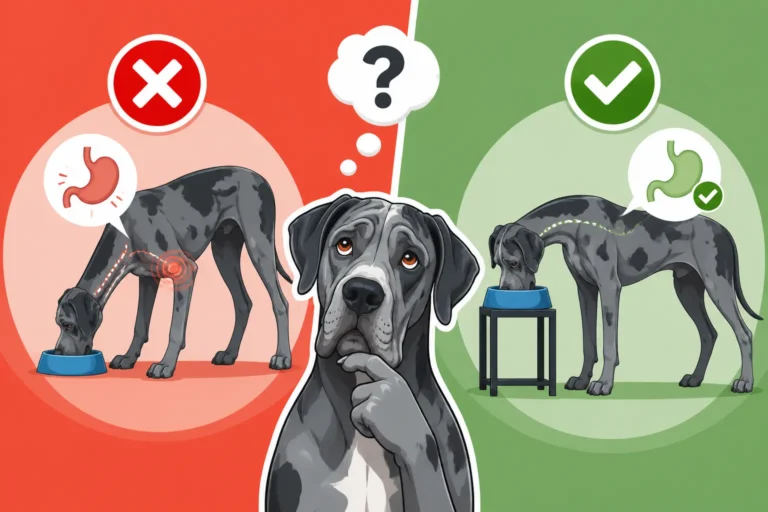
Create a separate, easy-to-clean eating and drinking zone. This could be in the kitchen on a mat that can be easily wiped down, or even in a utility room. Using raised bowls can help contain some of the mess, especially for drinking, by reducing the amount of water that dribbles down their chest. Whether Raised Bowls Help or Hurt a Great Dane is a common question, but for containing mess, they can be beneficial. After they finish eating and drinking, give a quick wipe to their jowls to catch any lingering drool or food residue. This simple separation can drastically reduce the amount of edible debris and moisture transferred to their bed, keeping it fresher. Some pet food companies, like Ollie, emphasize fresh, human-grade ingredients, and while this is about nutrition, it often ties into a broader consciousness about pet hygiene and the environment they live in, including clean eating spaces.
Strategic Placement and Protection
Where you place your Great Dane's bed can also influence how quickly it gets dirty. If it's in a high-traffic area, or directly in the path of a frequently opened door, it's more likely to accumulate dust, dirt, and be stepped on. If possible, choose a quieter, lower-traffic spot. Additionally, consider using an easily washable "topper" for the bed. An old blanket, a thick towel, or a dedicated, washable throw can act as an sacrificial layer between your Great Dane and the main bed cover.
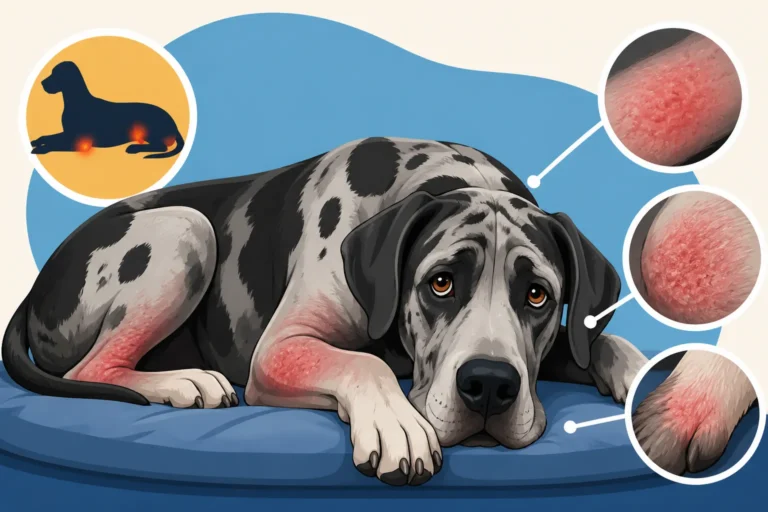
These toppers are much easier to wash frequently than the full bed cover. They catch the majority of the loose fur, drool, and surface dirt, allowing you to simply toss them in the laundry every few days, leaving the primary bed cover cleaner for longer. This is also a fantastic way to add an extra layer of comfort and support, particularly helpful for preventing elbow calluses. Bedding That Prevents Great Dane Hygromas often involves thinking about extra padding and easily washable surfaces, so this is a dual-purpose strategy. This small, easily changeable layer protects your larger investment, extending the time between major bed washings and keeping their favorite spot invitingly clean.
Disclaimer
This article is for general informational purposes only and does not constitute professional advice. Laws, prices and regulations vary by location and change over time. Consult a qualified professional for guidance on your specific situation.