The Great Dane’s Reputation as the Apollo of Dogs
Ah, the Great Dane! There are few breeds that capture the imagination quite like these magnificent creatures. When you think of a Great Dane, you probably conjure an image of immense stature, noble bearing, and an almost regal air. It’s no wonder they’ve earned the illustrious nickname, "The Apollo of Dogs." But what does that truly mean for those of us who share our homes, and often our laps, with these gentle giants? This guide will dive deep into the reality behind that grand reputation, exploring their majestic qualities, their quirks, and the unique challenges and joys of living with a canine Apollo.
Unpacking the "Apollo of Dogs" Moniker
When someone calls a Great Dane the "Apollo of Dogs," it's not just a catchy phrase; it speaks to a deep admiration for their striking appearance and, often, their calm demeanor. But like any grand title, it carries a weight of expectation that doesn't always align with the everyday reality of these magnificent animals. Let’s peel back the layers and truly understand where this lofty comparison comes from.
The Origin of the Noble Title
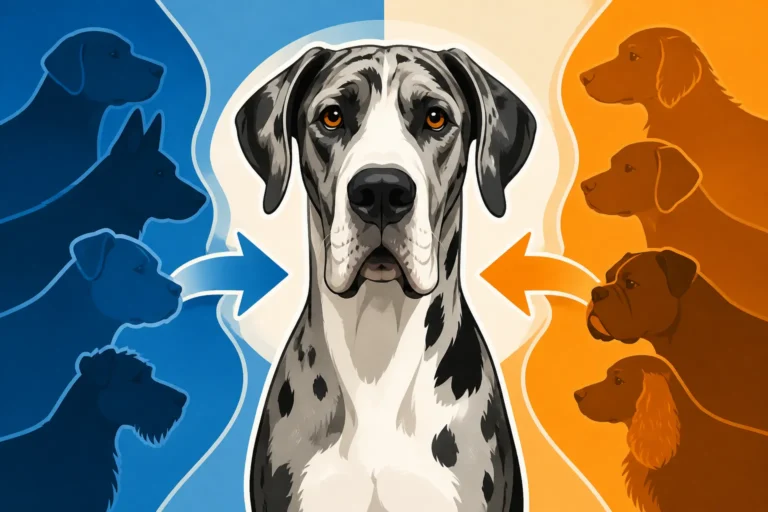
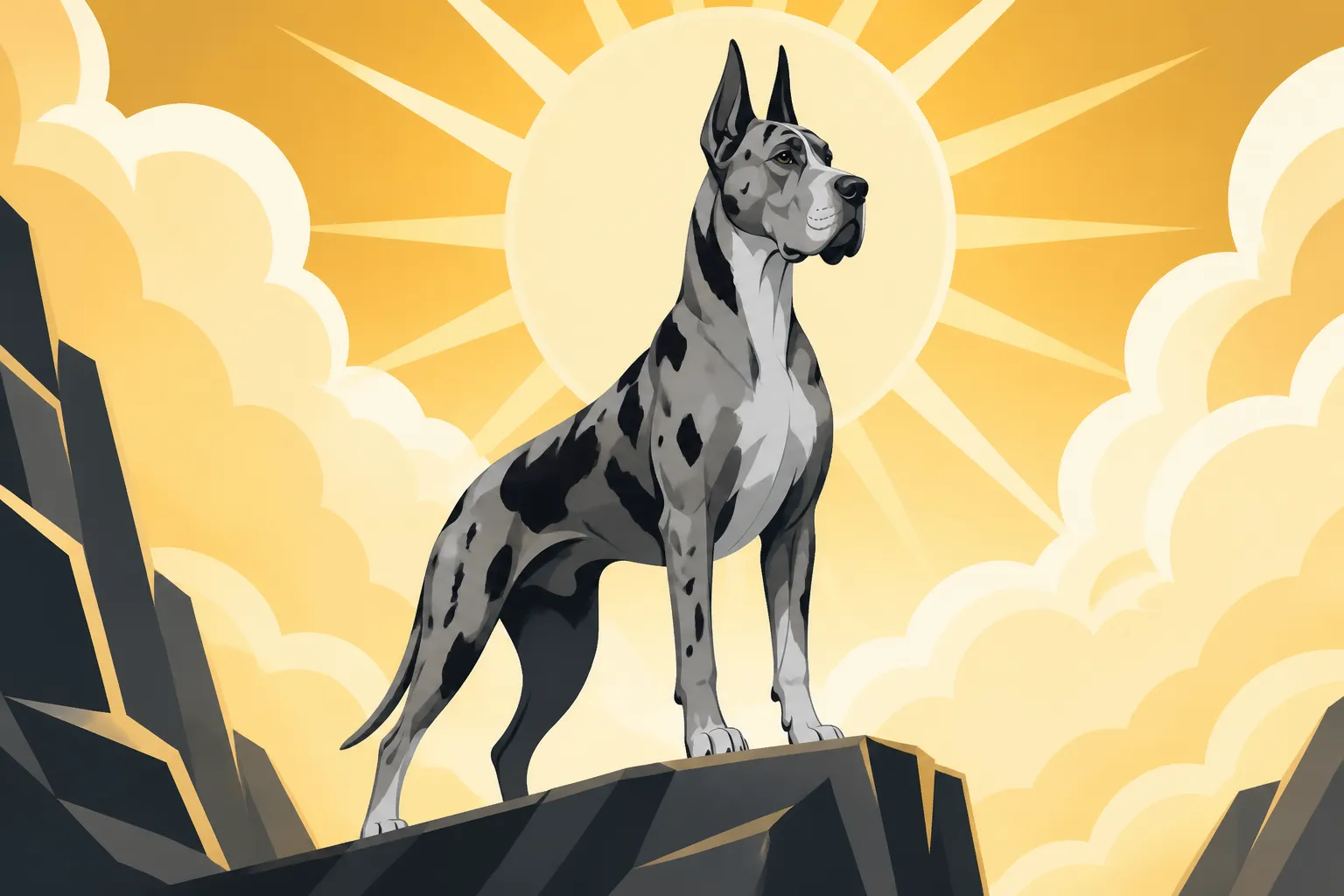
The moniker "Apollo of Dogs" harkens back to ancient Greek mythology, where Apollo was revered as the god of light, music, poetry, healing, and archery – often depicted as an ideal of masculine beauty, strength, and grace. He was tall, athletic, and possessed an undeniable dignity. Now, imagine applying those same descriptors to a dog. You start to see why the Great Dane fits the bill. Their imposing height, often reaching upwards of 32 inches at the shoulder for males, immediately commands attention. This isn't just about being big; it's about carrying that size with an inherent elegance, a proud head, and a deep, intelligent gaze that seems to survey the world with quiet wisdom. The breed standard itself emphasizes a powerful, well-muscled body, balanced proportions, and a smooth, effortless gait. It’s this combination of raw power, refined lines, and a certain noble presence that first led enthusiasts to draw parallels with the mythical god. They truly look like they were sculpted by the gods, embodying an artistic ideal of canine form.
Moreover, the term encapsulates not just physical attributes but also an implied temperament. Apollo, despite his power, was also associated with harmony and order. Similarly, the ideal Great Dane is expected to be composed, self-assured, and benevolent, rather than boisterous or aggressive. This reputation for a balanced, dignified character, even in a creature of such formidable size, further cemented their "Apollo" status. It’s the idea that such immense power is wielded with such gentle restraint, a true testament to their innate character.
The Ideal vs. Reality of the Great Dane
While the "Apollo of Dogs" paints a picture of serene majesty, any Great Dane owner will tell you that the reality, while certainly majestic, is also delightfully, sometimes comically, imperfect. Yes, they are beautiful, and yes, they carry themselves with an air of nobility, but they are also enormous, sometimes clumsy, and often very, very messy. The ideal might be a Great Dane standing perfectly still, silhouetted against a sunset; the reality is often that same Dane attempting to fit all 150 pounds of himself onto your lap, oblivious to your personal space, and leaving a trail of drool in his wake.
These dogs are known for their deep devotion and desire to be close to their people, often leaning their entire weight against you or trying to become a "lap dog," despite their sheer mass. This means furniture is often shared, personal space becomes a fluid concept, and a casual wag of their whip-like tail can clear a coffee table in seconds. Their size also means that simple acts, like turning around in a narrow hallway or trying to squeeze past you in the kitchen, can resemble a small earthquake. This isn't a fault; it's just the charming reality of living with such a large animal. The ideal suggests flawless grace, but the reality brings a lot of happy, goofy clumsiness that endears them even more. You learn to move differently, to leave nothing important on low shelves, and to always have a drool rag handy. The Great Dane truly is the "Apollo of Dogs," but he's also the loveable, slobbery, couch-hogging deity of your living room.
Physical Grandeur: Size, Stature, and Elegance
There's no getting around it: a Great Dane's most striking feature is its sheer size. It's what first catches the eye, what elicits gasps and exclamations, and what often defines initial interactions. But beyond just being "big," there's a particular kind of grandeur to a Great Dane's physique that makes them truly stand out.
The Sheer Scale and Presence of a Great Dane
Imagine standing next to a fully grown male Great Dane. For many, his head might reach your chest or even your shoulder. Males typically stand at least 30 inches tall at the shoulder, with many reaching 32 inches or more, and can weigh anywhere from 120 to 175 pounds, sometimes even more. Females are slightly smaller but still impressive, usually 28 inches and up, weighing 100-130 pounds. This isn't just a dog; it's a four-legged presence that fills a room and undeniably commands attention. Their immense scale means they take up physical space in a way few other breeds do. Whether they are sprawling on the living room rug, taking up the entire back seat of your car, or standing patiently by your side, they possess an inherent authority by virtue of their size alone.
This grand scale means that everything about their environment needs to be considered. Dog beds aren't just beds; they're small mattresses. Water bowls aren't small saucers; they're buckets. The presence of a Great Dane often means a shift in perspective, where everyday objects suddenly appear smaller, and the world outside feels a little less daunting when you have such a magnificent creature by your side. They don't need to bark or posture to make their presence known; their silhouette alone is often enough to make strangers pause. It's part of their intrinsic appeal – the awe and wonder they inspire simply by existing in such magnificent form. For more on their impressive dimensions, you might want to read The Thirty-Two Inch Male Great Dane.
Grace in Motion: The Great Dane's Athletic Build
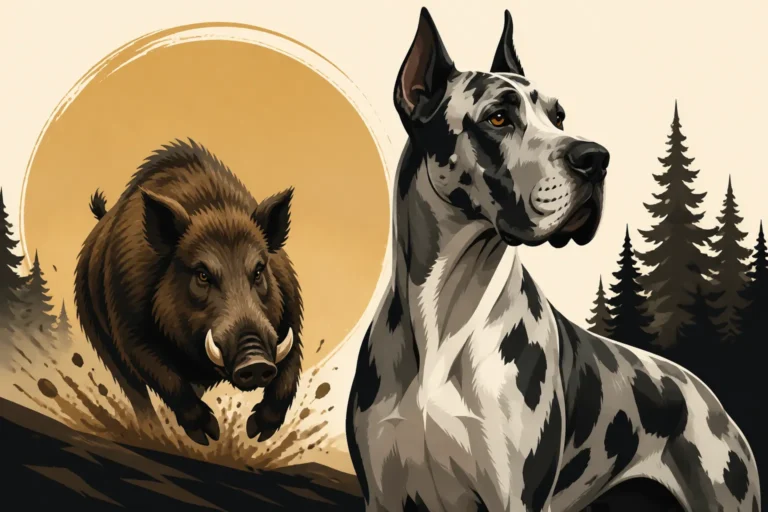
Despite their imposing size and weight, Great Danes are not typically lumbering or clumsy in their natural movement. In fact, one of the hallmarks of a well-bred Great Dane is their powerful, long-reaching, and fluid stride. Watching a Great Dane trot across a field or move purposefully beside their owner can be an almost hypnotic experience. Their long legs, deep chest, and well-angulated hindquarters are all designed for efficiency and strength in motion. They were originally developed for hunting wild boar, a task that required both immense strength and surprising agility and speed over rough terrain. This history is still evident in their athleticism.
However, it's also true that this grace is often juxtaposed with moments of utter goofiness. A Great Dane can be moving with all the elegance of a gazelle one moment, and then trip over its own feet, slide on a slick floor, or clumsily knock into a piece of furniture the next. This dichotomy is part of their charm. They might look like they belong on a pedestal, but they're still dogs, full of playful energy and occasional awkwardness. The way they bound around a yard, all four paws leaving the ground in a powerful gallop, is a sight to behold, showcasing their latent athleticism. Yet, they can also execute a perfect "Dane flop" onto a soft bed, collapsing in a heap of legs and fur with a dramatic sigh. This blend of majestic movement and charming blunders is what makes them so endearing and truly brings the "Apollo" down to earth, making him a beloved, relatable companion. To understand more about their movement, check out The Long Reaching Stride a Great Dane Shows.
Temperament and Personality: Gentle Giants or More?
The "Apollo of Dogs" title suggests not just physical beauty but also an ideal temperament. For Great Danes, this often translates into their well-known reputation as "gentle giants." But like all breeds, their personality is complex, with a spectrum of traits that make each individual unique.
The Stereotype of the "Gentle Giant"
The term "gentle giant" is almost synonymous with the Great Dane, and for good reason. Many Danes possess an incredibly patient, tolerant, and affectionate nature that belies their formidable appearance. They are often calm indoors, content to lounge near their people, and are remarkably gentle with children and smaller pets, provided they have been properly socialized and trained. Their deep wells of patience are legendary; you'll often see them enduring toddlers tugging on their ears or a cat using them as a giant, warm pillow, without so much as a grumble. This inherent gentleness is one of their most beloved traits, surprising those who only know them by their imposing size. They have a way of moving carefully around smaller beings, a subtle awareness of their own power that speaks volumes about their character.
This placid demeanor often makes them excellent family dogs, fitting surprisingly well into various household dynamics. They are not typically prone to excessive barking or hyperactivity once past their rambunctious puppy and adolescent phases. Instead, they often exude a serene confidence, a quiet presence that can be incredibly comforting. It’s this combination of immense size and a sweet, peace-loving disposition that truly solidifies their "gentle giant" status and makes the "Apollo of Dogs" title resonate so deeply with their devoted owners. It is a powerful contrast that makes them truly special. For more about this famous trait, consider reading What Gentle Giant Means for a Great Dane.
The Nuances and Challenges of Great Dane Temperament
While the "gentle giant" stereotype holds true for many Great Danes, it's crucial for prospective owners to understand that it's not a universal guarantee. Like any dog, a Great Dane's temperament is a product of genetics, early socialization, and consistent training. Without these crucial elements, even a Great Dane can develop undesirable behaviors or personality traits. Some Danes can be surprisingly shy or anxious, especially if they haven't been exposed to a variety of people, places, and experiences during their formative puppy months. This shyness, coupled with their size, can manifest as fear-based reactivity or withdrawal, which can be challenging to manage in a dog of their stature. Anxious behaviors, such as incessant pacing, destructive chewing, or excessive vocalization, can also emerge if they are not given proper outlets or if their emotional needs aren't met. If you've ever had a Dane that gets nervous, you know how heartbreaking it is to see such a majestic animal reduced to a bundle of nerves. To learn more about this, see A Great Dane That Is Anxious Rather Than Gentle.
Furthermore, while generally biddable, Great Danes can also be quite stubborn. They are intelligent dogs, but they often require patient, consistent, and positive reinforcement training. Their sheer strength means that ignoring basic leash manners or impulse control in puppyhood can lead to an unmanageable adult dog who literally drags you down the street. It’s a common frustration for new Dane owners to realize just how much dedication is needed to shape a polite, well-adjusted giant. Early and continuous training is not just recommended; it's absolutely essential for a Great Dane, not only for their safety and the safety of others but also for their own well-being. A well-trained Dane is a joy; an untrained one can be a handful. It’s a huge commitment, but one that truly pays off, transforming a potentially unruly giant into a genuinely noble companion. The effort you put in during those critical early months will define your life with them, and for this reason, Why Great Dane Training Cannot Wait is a critical read.
Loyalty and Affection: Companionship on a Grand Scale
If there's one thing a Great Dane excels at, it's showering their humans with affection. Their loyalty is unwavering, and their desire to be close to their family members is profound, often leading to some wonderfully charming (and sometimes comical) displays of devotion.
Devotion to Their Human Family
Great Danes form incredibly strong bonds with their human families. They are not typically aloof or independent; rather, they thrive on companionship and want to be involved in whatever their people are doing. This manifests in many ways, but perhaps none is more iconic than the "Great Dane lean." If you're standing still, expect a Great Dane to sidle up and lean their entire weight against you, a silent declaration of affection and a desire for physical contact. It's their way of saying, "You are my person, and I want to be as close to you as possible," and it can certainly keep you from drifting too far away. This leaning behavior is a quintessential Great Dane trait, a heavy, loving push that is unique to the breed. For a deeper dive into this adorable habit, explore Why a Great Dane Leans on People.
They are truly "velcro dogs" on a grand scale, often following their owners from room to room, settling at their feet, or attempting to become a giant lap dog, even when there's barely enough room for a Chihuahua. Their expressive eyes convey a depth of feeling, and they are acutely sensitive to the moods of their family members. A Great Dane will often be the first to offer a comforting nudge or a soft head resting on your lap if they sense you're feeling down. This unwavering devotion means they become truly integrated into the family fabric, not just as pets, but as cherished, oversized members who offer endless love and a constant, comforting presence. Their goal in life seems to be to make you happy and to be right there with you every step of the way, making them exceptional companions for those who appreciate such intense loyalty.
Interactions with Children and Other Pets
The Great Dane's reputation as a "gentle giant" truly shines when it comes to their interactions with children and other animals, though, as always, responsible supervision and introduction are key. Many Great Danes are incredibly patient and tolerant with children, viewing them as smaller, more delicate members of their pack to be protected and gently endured. They often have a natural calm around kids, allowing themselves to be climbed on (within reason), snuggled, and played with, sometimes to their own mild inconvenience. However, it's vital to remember that a Great Dane's size means that even an accidental bump or an enthusiastic wag of their powerful tail can easily knock a small child over. Therefore, constant supervision is non-negotiable, and children must be taught how to interact respectfully with such a large dog. Teaching both the dog and the children boundaries ensures a safe and happy relationship. We have a great article on Great Danes Around Toddlers if you want to learn more.
When it comes to other pets, Great Danes often do remarkably well, especially if introduced properly and raised alongside them. They can coexist peacefully with cats, smaller dogs, and even other household pets, often becoming the benevolent overseer of the entire animal kingdom within the home. It’s not uncommon to see a tiny cat curled up asleep between a Great Dane's massive paws, or a smaller dog snuggled into their side. Their generally low prey drive and calm demeanor contribute to this harmony. However, every dog is an individual. A Dane with a strong hunting instinct, if not properly managed, might still chase small animals outdoors. But within the home, with good socialization, they often form surprisingly sweet and protective bonds with their smaller housemates. I’ve seen many heartwarming scenarios where the enormous Dane is the most careful and gentle member of the family, proving that size doesn't dictate temperament. For specific insights into these interactions, check out A Great Dane Playing With a Small Dog.
Living with the Apollo: Practicalities and Considerations
Bringing a "dog of Apollo" into your home is a decision that requires thoughtful consideration of the practical aspects. Their grand size impacts everything from your living arrangements to your daily routine. It's not just about fitting them in; it's about making sure your life can accommodate a dog of their unique needs.
Space Requirements and Lifestyle Adaptations
One of the biggest misconceptions about Great Danes is that they absolutely require a massive house with acres of land. While they certainly appreciate a large, fenced yard, their true nature often makes them more adaptable than you might think. Great Danes are, fundamentally, "house dogs" who prefer to be with their families indoors. They are generally calm and relatively inactive when inside, content to sprawl out on a comfortable bed or sofa for hours. This means that a well-exercised Great Dane can actually do quite well in a moderately sized home, or even an apartment, as long as they get regular walks and mental stimulation. The crucial factor isn't necessarily the size of the yard, but the size of the indoor living space and the owner's commitment to daily exercise. For example, a home with a small yard but daily long walks in a park might be better suited than a huge yard where the dog is left alone all day. For more on this, consider Whether a Great Dane Actually Uses a Big Yard.
However, their size does impact daily life significantly. Furniture needs to be sturdy enough to withstand their weight, and you might find yourself investing in extra-large dog beds from places like Chewy, because a regular bed just won't cut it. Navigating narrow hallways, climbing stairs, or fitting into smaller cars can be a challenge. You might need to adjust your vehicle choice or consider a ramp to help them in and out as they age. They’ll need space for their enormous food and water bowls, and their crate, if used, will be the size of a small shed. Living with a Great Dane means adapting your lifestyle, your home, and even your vehicle choices to comfortably accommodate your giant companion. It's a commitment, but one that enriches your life in countless ways. If you're wondering if a Dane can fit into a smaller space, Whether a Great Dane Suits a City Apartment offers more insights.
Training, Socialization, and Ongoing Care
Raising a Great Dane, especially one worthy of the "Apollo" title, requires a significant investment in consistent training, early and ongoing socialization, and diligent routine care. Training is not optional; it’s absolutely critical from the moment you bring your puppy home. A 150-pound adult dog that hasn't learned basic manners like leash etiquette, impulse control, and polite greetings can quickly become unmanageable and potentially dangerous, even if their intentions are good. Positive reinforcement methods work best, building a strong bond based on trust and respect. Attending puppy classes and continuing with obedience training is highly recommended to shape them into well-behaved adults.
Socialization is equally vital. Exposing your Great Dane puppy to a wide variety of sights, sounds, people, and other friendly dogs in a positive way will help them grow into a confident, well-adjusted adult, rather than a shy or fearful giant. This ongoing process helps prevent anxiety and reactivity, ensuring their naturally gentle disposition shines through. Beyond training and socialization, their daily care is also on a grand scale. They require a specific diet formulated for large breeds, with controlled growth rates in puppyhood to prevent joint issues. An adult Dane will typically eat six to ten cups of high-quality kibble a day, a substantial amount that requires regular trips to stock up on larger bags, perhaps from a trusted retailer like Chewy. Regular vet check-ups, appropriate parasite prevention, and routine grooming (nail trims, ear cleaning, and brushing to manage shedding) are all essential. These are not small expenses or minor tasks; they require dedication, time, and financial planning, but they are all part of nurturing your gentle giant. For more about their dietary needs, read Feeding an Adult Great Dane Six to Ten Cups.
Health and Lifespan: The Achilles Heel of the Apollo
The tragic irony of the "Apollo of Dogs" is that these magnificent creatures, embodying such an ideal of strength and beauty, are often plagued by a relatively short lifespan and a predisposition to several serious health conditions. This is the bittersweet reality that every Great Dane owner eventually faces, and it's perhaps the hardest truth to reconcile with their noble image.
The Bittersweet Reality of a Shorter Lifespan
It’s a heartbreaking fact that Great Danes, despite their imposing size, typically live only seven to ten years. This is significantly shorter than many smaller breeds, and it's a constant source of grief and frustration for their devoted owners. You invest so much love, time, and care into these dogs, only to have them leave you far too soon. It’s a pain that many Great Dane owners know all too well, and it's truly the "Achilles heel" of this otherwise seemingly perfect breed. This accelerated aging is a common characteristic of many giant breeds; their bodies grow and break down at a much faster rate than their smaller canine cousins. Understanding this stark reality is crucial for anyone considering bringing a Great Dane into their life, as it means every moment with them is precious and to be cherished. The sudden onset of age-related issues can feel particularly cruel when you know their time is already so limited. For a deeper understanding of this, please read Why a Great Dane Only Lives Seven to Ten Years.
This compressed timeline means that Great Danes often transition from playful puppies to dignified seniors with surprising speed. One moment you have a goofy adolescent bounding around, and the next you notice their muzzle is greying, their gait is slowing, and their eyes hold the wisdom of many more years than they've actually lived. This reality underscores the importance of maximizing their quality of life, focusing on preventative care, and cherishing every single day you have with them. It can be incredibly difficult to accept that your majestic companion will likely not be by your side for as long as you might hope, but it also compels owners to live in the present and appreciate their unique presence even more deeply.
Key Health Concerns and Proactive Management
The shorter lifespan of Great Danes is unfortunately tied to their predisposition to several serious, often life-threatening, health conditions. One of the most urgent and terrifying is Gastric Dilatation-Volvulus (GDV), commonly known as bloat. This condition, where the stomach twists, is a life-threatening emergency that can kill a dog within hours and carries a one in three risk for Great Danes. It’s a constant worry for Dane owners, a shadow hanging over every meal and every moment of activity. Prophylactic gastropexy (stomach tacking surgery) is often recommended to greatly reduce the risk of the stomach twisting, though it doesn't prevent bloat itself. This is a crucial conversation to have with your veterinarian early in your Dane’s life. To better prepare yourself, consider reading Bloat in a Great Dane and the One in Three Odds.
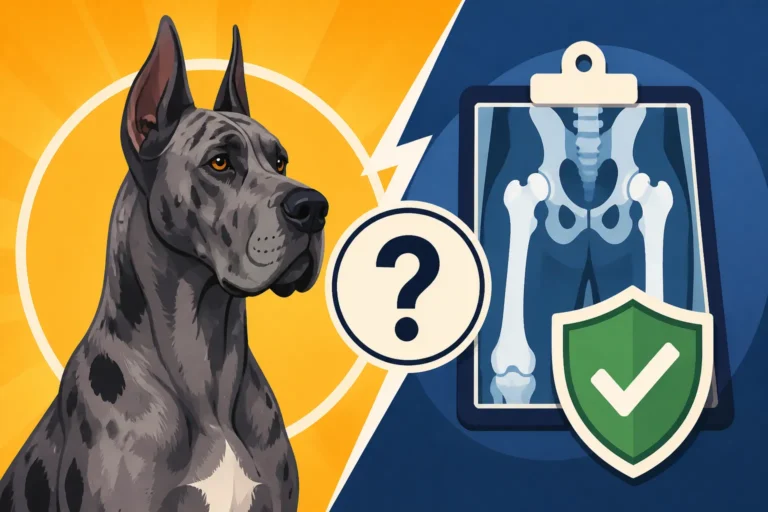
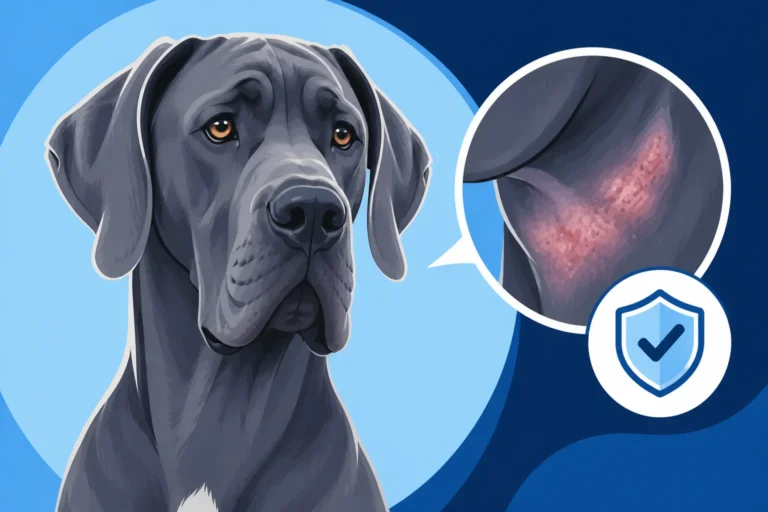
Another significant health issue is Dilated Cardiomyopathy (DCM), a heart muscle disease common in Great Danes, where the heart becomes enlarged and weakened, eventually leading to heart failure. This condition can be insidious, often showing no outward symptoms until it's quite advanced. Regular cardiac screening, including echocardiograms and Holter monitoring, is essential to detect DCM early, potentially extending their quality of life with medication. This is a heavy burden on owners, both emotionally and financially, as managing these conditions requires specialized veterinary care. For more information on this, refer to The Heart Muscle Disease Great Danes Are Prone To. Beyond these two major concerns, Great Danes are also prone to various orthopedic issues (like hip and elbow dysplasia, especially if growing too fast), certain cancers (like osteosarcoma), and Wobbler syndrome, a spinal condition affecting the neck. Proactive management involves selecting a puppy from health-tested parents, providing appropriate nutrition for controlled growth, maintaining a lean body condition, and scheduling regular veterinary check-ups. Being informed about these potential health challenges allows owners to provide the best possible care and navigate the complexities of their Great Dane's health journey.
Is the Great Dane Truly the Apollo of Dogs? A Final Verdict
After exploring their majestic appearance, their gentle yet sometimes challenging temperament, their profound loyalty, and the bittersweet realities of their health, we can confidently revisit the question: Is the Great Dane truly the Apollo of Dogs?
The Enduring Appeal of the Great Dane
Absolutely, yes. Despite the real-world challenges and heartbreaks associated with their health and shorter lifespan, the Great Dane unequivocally embodies the spirit of the "Apollo of Dogs." They possess an unmatched blend of formidable power and profound gentleness, a striking physical presence coupled with a deeply affectionate soul. Their unique ability to command attention with their sheer size, yet melt hearts with a soft gaze or a gentle nudge, is truly something special. They bring an aura of nobility and grace into any home, transforming mundane moments into memorable experiences. The way they lean into you, the quiet thud of their enormous paws on the floor, the deep sighs they utter as they settle down – these are all hallmarks of a life shared with a Great Dane.
Their enduring appeal lies in this very duality: they are magnificent beasts who are simultaneously devoted, often goofy, and utterly reliant on their human companions. They are guardians, confidantes, and comforters all rolled into one impossibly large package. For those who open their hearts and homes to a Great Dane, the experience is transformative, filling their lives with unparalleled love, laughter, and a profound sense of connection to a truly majestic animal. They may not be perfect in every aspect, but their capacity for love and their captivating presence make them undeniably divine in their own right.
Embracing the Whole Picture
While the "Apollo of Dogs" title highlights the ideal, it's essential for anyone considering a Great Dane to embrace the whole picture – the joys and the challenges, the majesty and the messiness, the strength and the fragility. No dog is a perfect, flawless deity, and the Great Dane, in all their grandeur, is still a living, breathing animal with individual needs, quirks, and potential vulnerabilities. Understanding that the ideal of Apollo comes with the reality of a dog prone to certain health issues, or one that requires diligent training and significant financial investment, is not a deterrent but a necessary step toward responsible ownership.
The reward for committing to such a magnificent, if demanding, companion is immeasurable. The unconditional love, the quiet companionship, the awe they inspire in others, and the sheer joy of watching them move with effortless grace are all part of the Great Dane experience. They teach patience, deepen empathy, and fill your life with a love that only a giant dog can provide. So, while they may occasionally knock over a lamp with their tail or leave a string of drool on your favorite shirt, they remain, in spirit and in heart, the true Apollos of the canine world. They demand a lot, but they give back infinitely more, leaving an indelible paw print on your soul.
Disclaimer
This article is for general informational purposes only and does not constitute professional advice. Laws, prices and regulations vary by location and change over time. Consult a qualified professional for guidance on your specific situation.