When Great Danes Reached America
Bringing a massive, majestic dog breed like the Great Dane across an ocean was no small feat, especially in the days before air travel and modern logistics. Many wonder when these "Apollo of Dogs" first graced American shores and how they became the beloved giants we know today. This guide will delve into the fascinating journey of the Great Dane from its European roots to becoming a cherished part of American households, tracing its path from intrepid imports to widespread recognition.
European Genesis: The Great Dane's Pre-American Story
Before discussing their arrival in America, it's crucial to understand the Great Dane's rich European heritage. These magnificent dogs didn't just appear; they were meticulously developed over centuries for specific purposes, primarily in Germany. Their journey across the Atlantic was the culmination of generations of careful breeding and growing international recognition.
German Roots and European Popularity
The Great Dane, or "Deutsche Dogge" as it's known in its homeland, has a storied past deeply intertwined with German nobility and boar hunting. These aren't dainty lapdogs; they were originally formidable hunting companions, bred for their incredible speed, strength, and courage to track and hold wild boar. Imagine the sheer power and presence needed for such a task! Over time, their role shifted from solely hunting to being guardians of estates and, eventually, cherished family companions. Their imposing stature and gentle disposition earned them the moniker "Apollo of Dogs," reflecting their noble appearance and temperament.
By the late 19th century, the breed had solidified its type and gained considerable popularity across Europe, particularly in Germany, where enthusiasts worked diligently to refine the breed standard. This European success laid the groundwork for their eventual migration. People in other countries began to take notice of these grand dogs, eager to introduce them to their own lands. The idea of owning such a magnificent creature was captivating, leading to a desire to import them.
The Export Climate of the Late 19th Century
The late 19th and early 20th centuries saw a significant surge in dog breeding and showing across the globe. As societies became more industrialized and leisure time increased, so did interest in purebred dogs. This era was ripe for the international exchange of breeds. Dog fanciers were passionate about establishing new breeds in their home countries, driven by a desire for exotic or highly functional animals, and also by the competitive spirit of early dog shows.
Transporting large animals, however, was a far cry from today's comfortable pet travel. Great Danes, being exceptionally large, presented unique challenges. They required substantial space, food, and care during long, often arduous sea voyages. Only the most dedicated and well-resourced individuals would undertake such an endeavor, making the early imports truly a labor of love. These were often wealthy enthusiasts or professional breeders who saw the potential for the breed in a new market and were willing to invest heavily in its establishment.
Crossing the Atlantic: Early Arrivals and Anecdotes
The journey from European kennels to American homes was an adventure in itself, fraught with logistical hurdles and a testament to the dedication of early Great Dane enthusiasts. These initial crossings set the stage for the breed's eventual widespread recognition in the United States.
First Documented Imports and Their Purpose
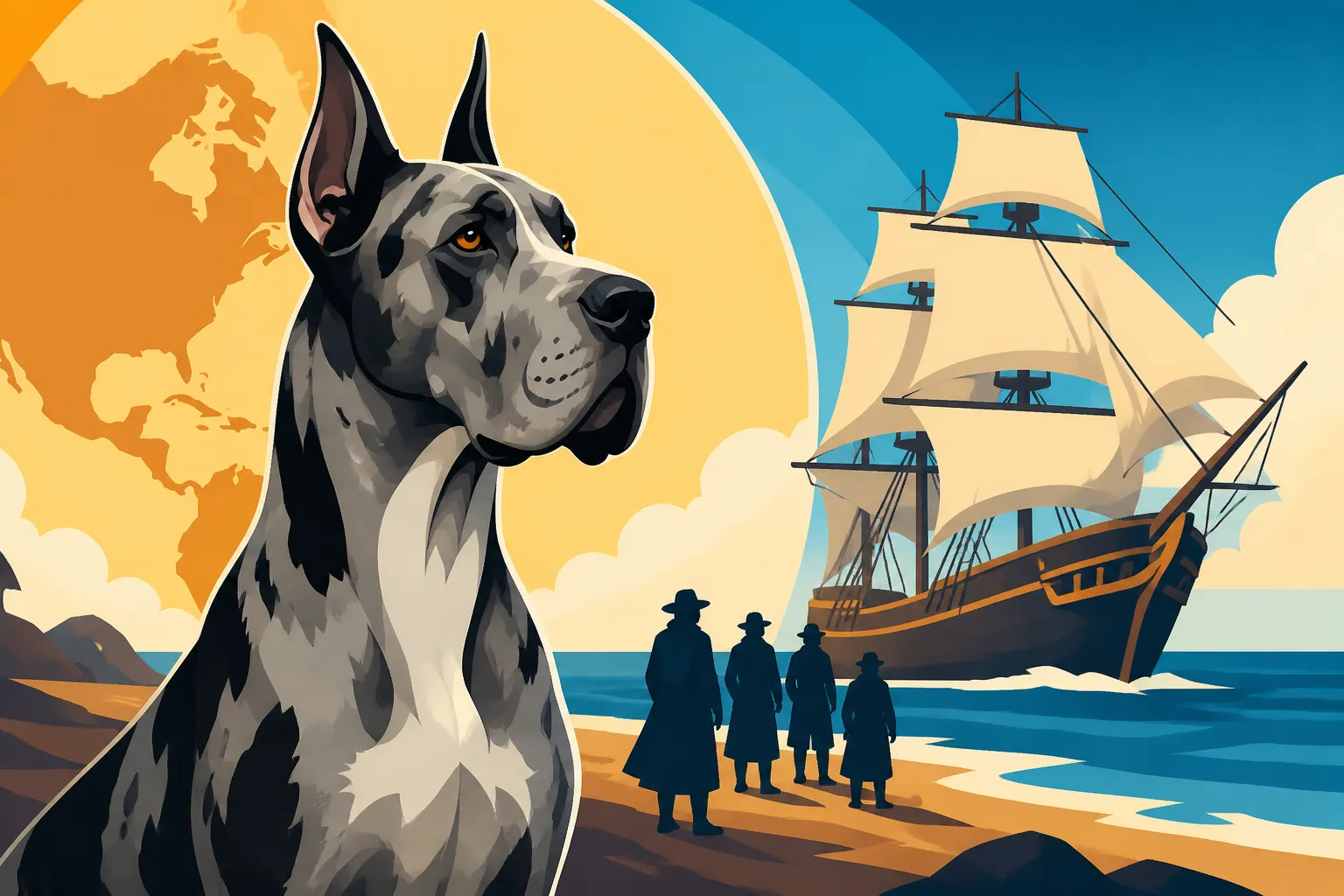
While pinpointing the absolute first Great Dane to set paw on American soil is tricky, historical records indicate that the breed began making its way across the Atlantic in significant numbers in the late 1800s. Early imports were often brought over by wealthy individuals who had admired the breed in Europe or by those looking to establish new bloodlines for breeding and exhibition. These weren't just pets; they were investments in the future of the breed in America.
Many of these early imports came with impressive pedigrees, signaling a clear intent to breed and show them, rather than simply acquire a companion. The goal was to establish a healthy, type-correct foundation stock that could contribute to the breed's development in the United States. This required careful selection of breeding pairs and a keen understanding of canine genetics, even in its nascent stages. Imagine the excitement and anticipation as these majestic dogs disembarked after weeks at sea, ready to begin their new lives and contribute to a burgeoning American dog fancy.
Challenges of Transatlantic Travel for Giant Breeds
Bringing any dog across the ocean in the late 19th and early 20th centuries was difficult, but for a giant breed like the Great Dane, it presented colossal challenges. Picture a Great Dane on a steamship:
- Space constraints: These dogs need room to stretch out, stand, and move comfortably. Cargo holds were often cramped, and dedicated animal transport facilities were rudimentary at best.
- Nutrition: Maintaining a giant dog's diet over several weeks was a logistical nightmare. They consume a significant amount of food and water daily, and ensuring adequate, species-appropriate provisions for the entire journey was crucial for their health.
- Veterinary care: Access to veterinary care on board was likely minimal or nonexistent. Any illness or injury during the voyage could be catastrophic.
- Weather and conditions: Rough seas, extreme temperatures, and general unsanitary conditions could take a severe toll on the animals. Sea sickness was probably a common ailment.
These factors meant that only the hardiest dogs and the most committed owners and handlers could successfully complete the journey. The survival and thriving of these early imports are a testament to their resilience and the extraordinary care provided by their human companions. Anesthesia Risk in a Great Dane wasn't something to consider for a vet visit back then; travel itself was a health risk.
Establishing a Foothold: The Breed's Growth in America
Once the initial challenges of importation were overcome, the focus shifted to establishing the Great Dane as a recognized and respected breed within the American canine landscape. This phase involved passionate individuals, organized clubs, and the burgeoning world of dog shows.
Early American Breeders and Enthusiasts
The arrival of the Great Dane in America quickly captivated a dedicated group of fanciers. These weren't just dog owners; they were visionaries who saw the potential of the breed and committed themselves to its propagation and improvement. They studied European pedigrees, sought out the best available stock, and began careful breeding programs to produce high-quality Great Danes on American soil. This early breeding was critical, as it reduced the reliance on costly and difficult imports.
These pioneering breeders often formed tight-knit communities, sharing knowledge, successes, and challenges. They understood that the future of the Great Dane in America depended on responsible breeding practices to ensure the health and temperament of future generations. They faced the uphill battle of educating the public about the breed, distinguishing it from other large dogs, and showcasing its unique qualities. The dedication of these early enthusiasts laid the foundation for the Great Dane's eventual popularity.
The Role of Dog Shows in Popularizing the Breed
Dog shows played an absolutely pivotal role in introducing and popularizing the Great Dane to the wider American public. Before these events, many people might never have seen a Great Dane in person. Shows provided a platform for these magnificent animals to be showcased, allowing spectators to marvel at their imposing size, elegant lines, and dignified presence.
Early shows, like those hosted by the Westminster Kennel Club, were significant social events, attracting large crowds and considerable media attention. A Great Dane winning ribbons or even just making a striking appearance would garner headlines and spark public interest. This visibility was crucial for raising awareness and attracting new enthusiasts and potential owners. It also helped to educate people about the breed's characteristics, temperament, and care requirements. Over time, as more Great Danes were bred and exhibited, their presence in the show ring became a staple, cementing their status as a recognizable and admired breed.
Building an American Great Dane Community
As the number of Great Danes in America grew, so did the need for an organized community to support the breed. Enthusiasts quickly realized the importance of forming clubs to promote responsible breeding, standardize care practices, and provide a network for owners. The formation of the Great Dane Club of America was a landmark event, signaling the breed's firm establishment.
These clubs provided invaluable resources, from guidance on feeding a Great Dane puppy slowly on purpose to advice on great Dane grooming on a very large short coat. They organized specialty shows, educational seminars, and social gatherings, fostering a sense of camaraderie among owners. This community spirit was essential for the breed's long-term success, ensuring that new owners had access to experienced mentors and that the breed's welfare remained a top priority. Without these dedicated groups, the Great Dane might have struggled to thrive in its new home.
Formal Recognition and the American Standard
For any breed to truly flourish and gain widespread acceptance in a new country, formal recognition by a prominent kennel club is essential. This step provides legitimacy, establishes official breed standards, and guides future breeding efforts. For the Great Dane in America, this meant earning a place within the American Kennel Club (AKC).
The American Kennel Club's Early Involvement
The American Kennel Club (AKC), established in 1884, quickly became the paramount authority for purebred dog registration and exhibition in the United States. For a breed like the Great Dane, gaining AKC recognition was a crucial milestone. It meant the breed was officially acknowledged, could be shown in conformation events, and its puppies could be registered with pedigrees, giving breeders a formal system to track lineage and maintain breed integrity.
The AKC's acceptance typically involved a period where the breed was observed, and a certain number of foundation dogs had to be registered and recognized. For the Great Dane, this recognition came relatively early, a testament to the dedication of its proponents. The AKC officially recognized the Great Dane in 1887, marking a pivotal moment in the breed's American history. This early recognition helped to solidify its place among established breeds and provided the framework for its continued growth and development. Why the AKC Took the Great Dane In 1887 is a testament to the breed's already strong presence and potential.
Developing a Distinct American Great Dane Standard
With AKC recognition came the need for an official breed standard, a detailed description of the ideal Great Dane. While the American standard certainly drew heavily from the established German standard, it also reflected nuances and preferences that developed among American breeders and judges. This standard covered everything from physical attributes like height, weight, coat color, and head shape to crucial aspects like temperament and gait.
The standard serves as a blueprint for breeders, guiding their selections and aiming to produce dogs that embody the breed's quintessential characteristics. For example, it outlines the Great Dane head the standard wants and the long reaching stride a Great Dane shows. It also specifies the seven Great Dane colors and details what distinguishes a harlequin Great Dane or a mantle Great Dane. This document is critical because it ensures consistency across generations and prevents the breed from diverging into various types. While minor variations might exist in interpretation or emphasis over the years, the core principles of the standard remain the guiding light for Great Dane preservation and improvement in America.
From Niche to Notoriety: The Great Dane's American Journey
From its relatively niche beginnings as an imported giant, the Great Dane has evolved into one of America's most recognizable and beloved breeds. Its journey has been shaped by popular culture, responsible ownership, and a growing understanding of its unique needs.
Public Perception and Media Portrayals
The Great Dane's majestic appearance and gentle nature quickly captured the public imagination in America. Unlike some breeds that might face initial skepticism due to their size, the Great Dane often evoked awe and admiration. Its portrayal in media, particularly cartoons and movies, played a significant role in cementing its image as a "gentle giant." Characters like Scooby-Doo and Marmaduke, while often exaggerating their clumsiness or appetite, also highlighted their loyalty, friendliness, and comical antics, making them highly relatable and endearing.
These cultural touchstones helped to normalize the idea of a massive dog in a family setting, showing that despite their size, Great Danes could be loving and integrated members of a household. This positive public perception contributed greatly to their growing popularity, as more families felt comfortable considering such a large companion. It helped bridge the gap from a purely show-ring dog to a cherished pet.
The Modern Great Dane in American Homes
Today, the Great Dane is a firmly established and celebrated breed across America. They are cherished family members, known for their affectionate personalities, calm demeanor indoors, and surprisingly low exercise needs once mature. However, owning a Great Dane still comes with unique considerations, primarily due to their sheer size. New owners quickly learn that "everything is bigger" when you share your home with a Great Dane.
This includes everything from feeding an adult Great Dane six to ten cups daily, requiring large bags of high-quality kibble which you can often find at places like Chewy, to needing robust beds that cushion a Great Dane's joints. They require substantial space, heavy-duty toys, and consistent training to ensure their manners match their impressive stature. Finding leashes and harnesses sturdy enough for a 150-pound dog is also key. Despite these demands, the rewards of owning a Great Dane are immeasurable; their loving nature and distinctive presence enrich the lives of their American families daily. Many owners choose to source their large breed specific food and accessories from trusted online retailers like Chewy due to the sheer volume and weight of what's needed.
Key Milestones in the Great Dane's American History
To put the Great Dane's journey into perspective, here's a brief overview of some key historical milestones in its establishment in the United States.
| Year/Era | Event | Significance |
|---|---|---|
| Late 1800s | First Imports | Wealthy fanciers and breeders begin bringing Great Danes from Europe to America. |
| 1887 | AKC Recognition | The American Kennel Club formally recognizes the Great Dane, allowing for registration and show participation. |
| Early 1900s | Formation of Breed Clubs | Dedicated enthusiasts establish the Great Dane Club of America and other regional clubs. |
| Mid-20th Century | Increased Popularity & Media Portrayals | Great Danes become more visible in popular culture (e.g., cartoons), enhancing public appeal. |
| Present Day | Established Family Companion | The Great Dane is a well-known, beloved breed across America, known for its gentle giant persona. |
Nurturing the Future: Responsible Ownership and Care
The Great Dane's success in America is not just a tale of historical imports and recognition; it's an ongoing story of responsible ownership and dedicated care. These magnificent dogs have unique needs that prospective owners must understand and be prepared to meet. It's not simply about admiring their beauty, but about committing to their well-being throughout their seven to ten year Great Dane lifespan.
Understanding Great Dane Health and Longevity
One of the most critical aspects of Great Dane ownership is understanding their specific health concerns and shorter lifespan compared to many smaller breeds. Conditions like bloat in a Great Dane and the one in three odds are a constant concern, often requiring a stomach tacking surgery for a Great Dane as a preventative measure. They are also prone to the heart muscle disease Great Danes are prone to, making regular cardiac screenings vital. These health challenges mean that responsible owners must be proactive in their veterinary care and prepared for potential significant expenses.
Beyond major health issues, attention to their joint health from puppyhood is paramount. Rapid growth can lead to problems, so why a Great Dane puppy should grow slowly is a common topic among breeders and vets. Owners must feed a diet specifically formulated for large breed puppies, avoiding excessive calcium that can damage a Great Dane. Later in life, conditions like bone cancer in a Great Dane can occur, requiring difficult decisions about treatment and quality of life. Understanding these realities upfront is part of being a truly responsible Great Dane owner.
The Importance of Training and Socialization
Given their immense size and strength, early and consistent training and socialization are non-negotiable for a Great Dane. A well-mannered Great Dane is a joy to behold, but an untrained one can inadvertently cause chaos or even injury due to its sheer mass. Puppy classes are an excellent starting point, providing crucial socializing a Great Dane puppy early and teaching basic commands. This ensures the manners a Great Dane needs before it grows become second nature.
Teaching a Great Dane not to jump, for instance, is far easier when they are a puppy than trying to stop stopping a Great Dane jumping up on people when they weigh over 100 pounds. Proper Great Dane leash manners at a hundred and fifty pounds are essential for safe walks in public. Their gentle temperament makes them receptive to positive reinforcement methods. By investing time and effort in training, owners help their Great Danes grow into confident, well-adjusted adults who can comfortably navigate the world and be a credit to their noble breed. And of course, having sturdy treats available from places like Chewy can be a great help during training sessions!
Conclusion: A Enduring American Icon
The journey of the Great Dane to America is a compelling narrative of dedication, passion, and the enduring appeal of a truly magnificent breed. From their origins as German boar hounds to becoming cherished "gentle giants" in American homes, their presence has enriched the lives of countless individuals. The early enthusiasts who braved transatlantic voyages and painstakingly established breeding programs paved the way for the robust Great Dane community we have today. Their story is a powerful reminder that while "When Great Danes Reached America" might be a simple question, the answer is a testament to the profound connection between humans and their canine companions, a connection that transcends borders and generations.
Disclaimer
This article is for general informational purposes only and does not constitute professional advice. Laws, prices and regulations vary by location and change over time. Consult a qualified professional for guidance on your specific situation.