What to Do the Minute a Great Dane Bloats
The sudden onset of bloat in a Great Dane is one of the most terrifying emergencies a dog owner can face. One moment your gentle giant is fine, the next they're restless, distressed, and their abdomen is visibly swelling – a true race against time. This comprehensive guide will walk you through the critical steps you need to take the minute a Great Dane bloats, ensuring you're prepared for this life-threatening situation.
Recognizing the Urgent Signs of Bloat
Bloat, or Gastric Dilatation and Volvulus (GDV), is a medical emergency where your Great Dane's stomach fills with gas and then twists on itself. This cuts off blood supply to the stomach and often the spleen, leading to shock and death if not treated immediately. Knowing the signs is literally life-saving, as precious minutes can make all the difference. Many Great Dane owners live with a constant, nagging fear of this condition because it can strike so suddenly and without warning, even in seemingly healthy dogs.
Distended Abdomen and Pacing
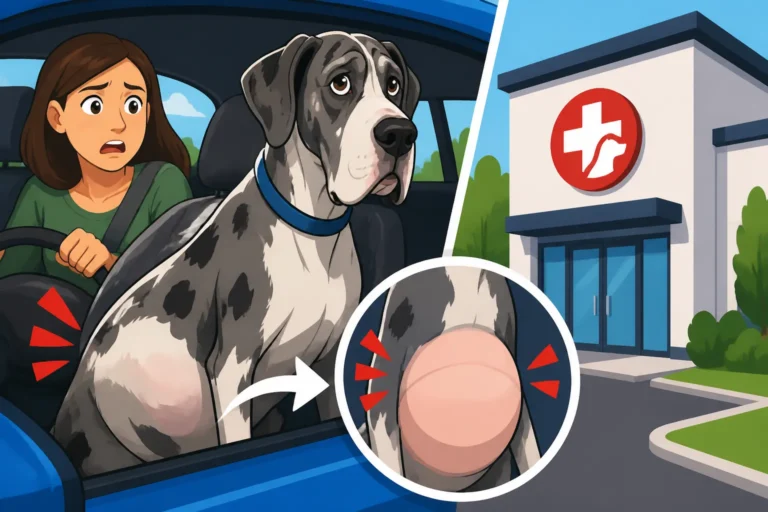
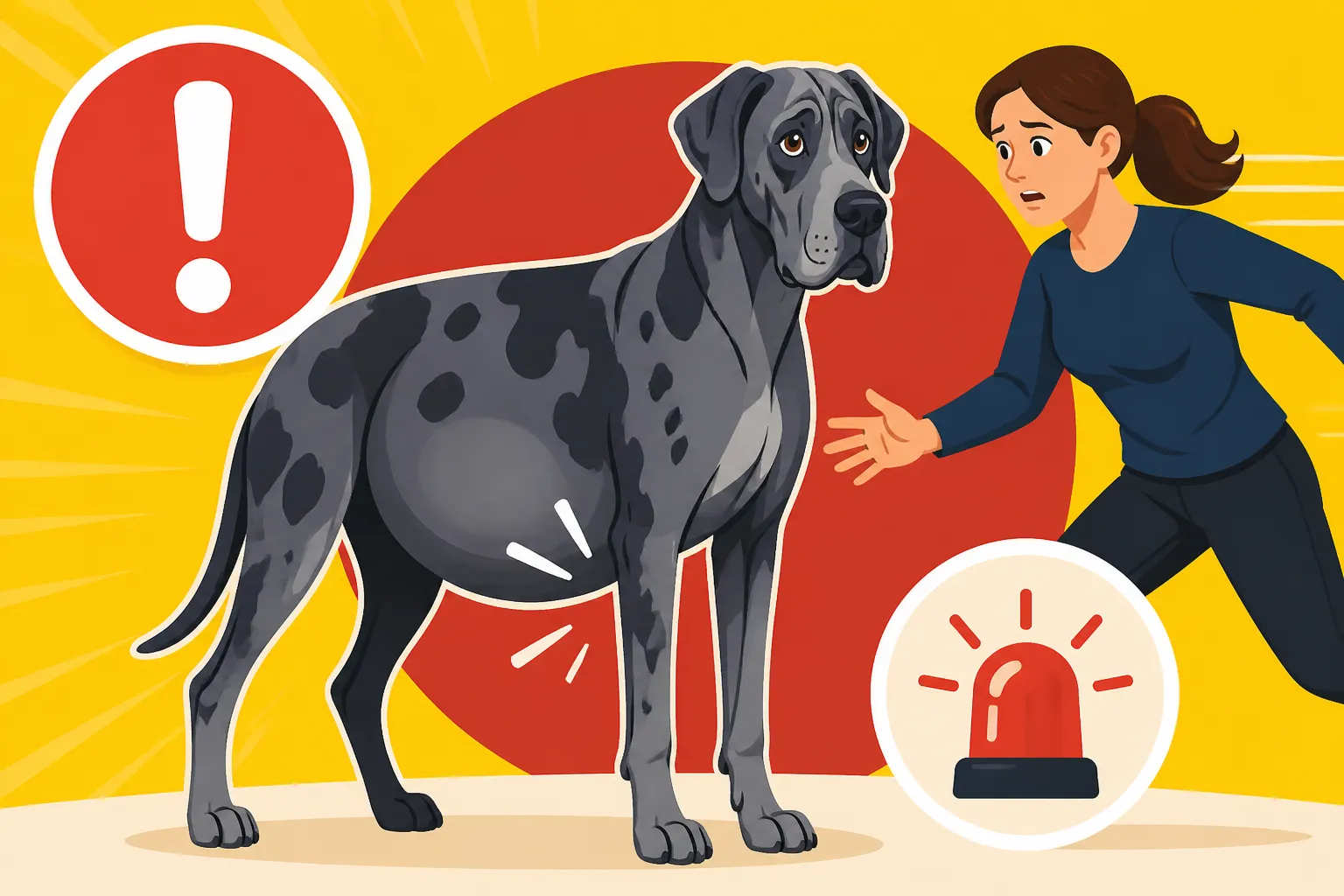
The most tell-tale sign of bloat is a visibly distended or swollen abdomen, particularly on the left side of your Great Dane's body, just behind their ribs. While a little gas after a meal might make their belly feel a bit full, with bloat, the distension will often be firm, tight, and rapidly growing. It's not always obvious, especially in very hairy dogs or those with a naturally deep chest, so you need to feel along their side. Along with this physical change, your dog will likely start pacing frantically. They might walk in circles, unable to settle, constantly shifting positions, or trying to find a comfortable spot that simply doesn't exist. This restless, anxious energy is a huge red flag that something is very wrong internally, as their body tries desperately to alleviate the intense pressure and discomfort.
This pacing isn't just a sign of mild upset; it's often an indication of severe pain and a desperate attempt to relieve the pressure building in their stomach. Think of it like a human with excruciating stomach cramps who can't lie still. You might notice them constantly getting up and down, unable to relax, or repeatedly trying to stretch out. This agitation is a clear signal that your dog is in distress. For more information on the subtle indicators, it’s worth reviewing The Signs of a Great Dane Stomach Twisting.
Unproductive Retching and Drooling
Another hallmark symptom that should immediately send chills down your spine is unproductive retching. Your Great Dane will try repeatedly to vomit, making deep, heaving sounds, but nothing – or only a small amount of foamy saliva – will come up. This is because the twisted stomach has sealed off the exit to the esophagus, preventing anything from passing. It's heartbreaking to watch your beloved dog struggle with this, expending immense effort for no relief. Along with the retching, you'll often see excessive drooling or salivation. This isn't just normal doggy drool; it's often a copious, stringy flow that indicates severe nausea and discomfort. They might also appear to be swallowing constantly, trying to relieve the sensation of blockage.
The unproductive retching is particularly critical because it distinguishes bloat from a simple upset stomach. If your dog is throwing up food or bile, it’s likely not bloat (though still warrants a vet visit if severe). But if they're straining with all their might and producing nothing, consider it an immediate emergency. This persistent attempt to vomit, coupled with a lack of results, puts immense strain on their body, increasing their distress.
Behavioral Changes and Discomfort
Beyond the physical signs, pay close attention to changes in your Great Dane's behavior. A dog experiencing bloat will be in immense pain and may exhibit signs of extreme discomfort. This can manifest as whining, groaning, or grunting. They might look repeatedly at their side, lick their lips excessively, or even snap if you try to touch their distended abdomen. Some dogs become unusually withdrawn, refusing to move, while others become agitated and restless. In more advanced stages, as shock sets in, your dog might become weak, stagger, or even collapse. Their gums might appear pale or grayish, and their heart rate could be very rapid.
It's crucial to remember that Great Danes are known for their stoicism, and they might try to hide their pain until it becomes unbearable. Any deviation from their normal demeanor, especially when combined with other physical signs, should be taken seriously. If your usually playful Dane is suddenly lethargic or acting strangely, it’s time to investigate further, particularly if they’ve recently eaten or exercised vigorously. This condition is a stark reminder of Why a Great Dane Only Lives Seven to Ten Years, as it contributes significantly to their mortality rate.
Immediate Actions: Every Second Counts
When you suspect bloat, the clock starts ticking. This isn't a situation where you can wait an hour to see if things improve or call your regular vet for an appointment next week. This is an immediate, life-or-death emergency that requires veterinary intervention within minutes, not hours. Many experienced Great Dane owners will tell you that the speed of your response directly impacts your dog's chances of survival.
Stay Calm and Assess Quickly
It’s easier said than done, I know. Panic is a natural reaction when you see your giant dog in such distress. However, it's vital to take a deep breath and try to remain as calm as possible. Your dog will pick up on your anxiety, which can only exacerbate their stress. Rapidly confirm the presence of key symptoms: is the belly distended? Are they trying to vomit without success? Are they clearly in pain or restless? A quick, calm assessment helps you verify the emergency and move to the next steps without wasting precious time second-guessing yourself. Don't waste time looking up symptoms online; if the signs are there, assume the worst and act.
Having a clear head allows you to organize your thoughts and actions efficiently. Even just a minute or two spent composing yourself can prevent mistakes or delays in getting your dog the help they need. This calm demeanor will be invaluable as you navigate the urgent situation.
Locating the Nearest Emergency Vet
This is where preparation pays off. Every Great Dane owner must have the contact information and directions to the closest 24/7 emergency veterinary clinic readily available. Don't assume your regular vet will be open or equipped for a GDV emergency after hours. If you haven't already, take five minutes right now to find out where your nearest animal emergency hospital is, jot down their number, and even do a quick practice run of the fastest route. This information should be posted on your fridge, saved in your phone, and shared with anyone who might be watching your dog. This is critical because How Many Minutes a Bloating Great Dane Has can be frighteningly few.
Remember, a twisted stomach can quickly cut off blood flow, leading to tissue death and massive complications. You cannot afford to spend time searching for a clinic on your phone while your dog is deteriorating. Be proactive and have this information at your fingertips for when you desperately need it. Consider the profound implications of The Lifetime Bloat Risk in a Great Dane and how essential this preparation is.
Calling Ahead to Alert the Clinic
As soon as you’ve confirmed the symptoms and know which clinic you’re heading to, make the call. Alerting the emergency veterinary staff that you are on your way with a suspected bloat case is absolutely crucial. This gives them invaluable time to prepare. They can mobilize their surgical team, get an operating room ready, and have anesthesia and necessary equipment waiting for your arrival. When you call, state clearly: "I am bringing in a Great Dane with suspected bloat (GDV)." Provide your estimated arrival time and briefly describe the symptoms you are seeing.
This phone call isn't just a courtesy; it dramatically shaves off critical minutes once you arrive. Instead of waiting for triage, your dog can be rushed straight into assessment and stabilization. This can be the difference between life and death. The urgency of Bloat in a Great Dane and the One in Three Odds makes every second of preparation count.
Transporting Your Great Dane to Emergency Care
Getting a giant dog, especially one in severe pain and distress, into a car and safely to the vet clinic presents its own unique challenges. This isn't like scooping up a small terrier. Great Danes are massive, and their sheer size, combined with the pain of bloat, means you need a solid plan.
Getting a Large Dog into a Vehicle
If your Great Dane is collapsing or unable to walk, getting them into a car by yourself might be impossible. This is where having another adult present is invaluable. If it’s just you, consider recruiting a neighbor, friend, or family member for immediate assistance. For moving a heavy, distressed dog, a sturdy blanket, rug, or even a specialized pet stretcher can be used as an improvised gurney. Gently slide the blanket under your dog, and then have two people lift carefully, supporting their body evenly to minimize further discomfort to their distended abdomen. Avoid any sudden movements or putting pressure directly on their belly.
If your dog can still walk, try to guide them calmly into the vehicle, perhaps with the aid of a ramp if you have one. Position them comfortably and securely, ideally lying down, to prevent any sudden jolts during transit. Remember, time is critical, so move as quickly and efficiently as possible without causing further stress or injury. If you have a larger vehicle like an SUV or truck, that’s generally better than trying to squeeze them into a sedan.
Minimizing Stress During the Drive
Once your Great Dane is in the car, the goal is to get to the emergency clinic as quickly and smoothly as possible. While speed is important, reckless driving that causes sudden stops or turns could exacerbate your dog’s discomfort or even worsen their condition. Drive carefully but purposefully. If possible, have someone sit with your dog in the back, offering quiet reassurance. Talk to them in a calm, soothing voice, but avoid excessive petting or fussing that might increase their anxiety. Keep the car’s interior cool and quiet, avoiding loud music or other distractions.
The objective is to make the journey as stress-free as possible under dire circumstances. A dog already in shock or severe pain needs a calm environment to help them conserve energy and reduce further physiological stress. Being prepared for Driving a Bloating Great Dane to the Emergency Vet can make a significant difference.
Having a Support Person If Possible
As mentioned, having a second person with you during a bloat emergency is immensely beneficial, if not essential. One person can focus on driving safely and quickly, while the other can attend to your Great Dane. The support person can monitor your dog's breathing and responsiveness, offer calm reassurance, and be ready to assist with getting them out of the car and into the clinic upon arrival. They can also handle the phone call to the vet clinic, keeping them updated on your ETA, allowing you to concentrate on the road.
If you have children or other pets, decide quickly if they need to come with you or if they can be safely left at home with a trusted individual. The focus needs to be entirely on your Great Dane. A support person helps distribute the emotional and physical burden of this terrifying ordeal, making the entire process more efficient and less overwhelming.
Communicating with Your Veterinary Team
Once you arrive at the emergency clinic, your ability to communicate effectively and quickly with the veterinary staff is crucial. They need specific information to make rapid decisions, and you'll have questions about your dog's prognosis and treatment options.
Providing Key Information Quickly
As soon as you get your Great Dane into the clinic, be ready to provide the veterinary team with concise and critical information. They'll need to know your dog's age, breed, and any relevant medical history, especially if they’ve had prior episodes of bloat or other gastrointestinal issues. Most importantly, clearly state the symptoms you've observed, when they started, and how rapidly they've progressed. For example, "My 4-year-old Great Dane started pacing and trying to vomit unsuccessfully about 30 minutes ago, and his belly is rapidly swelling."
This immediate download of information allows the vets to quickly confirm their suspicion of GDV and prioritize treatment. Don't sugarcoat anything or omit details, even if they seem minor. Every piece of information helps them build a comprehensive picture and act decisively. They might ask about recent meals, exercise, or stress, so be prepared to share those details.
Asking Critical Questions
While the vet team is working on your dog, you'll naturally have a million questions swirling in your mind. It's important to ask them, but try to prioritize the most critical ones first. Inquire about the immediate prognosis: "What are his chances?" Ask about the treatment plan: "What steps will you take?" and "Is surgery definitely needed?" Understand the associated risks and potential complications. It’s also crucial to discuss costs upfront, as emergency surgery for bloat can be incredibly expensive. This is where having pet insurance, like a plan from Healthy Paws, can be a massive relief, allowing you to focus on your dog's care rather than agonizing over the bill.
Don’t hesitate to ask for clarity if you don’t understand medical terms. This is a high-stress situation, and clear communication is vital for you to make informed decisions about your Great Dane's care.
Understanding the Prognosis and Options
The veterinary team will explain their findings and the proposed course of action, which will almost certainly involve surgery for confirmed GDV. They will also discuss the prognosis, which can vary greatly depending on how quickly your dog received care, the severity of the twist, and whether other organs were affected. Be prepared for a frank discussion about potential outcomes, including the risk of complications or, in the worst cases, the possibility of humane euthanasia if the damage is too extensive or if financial constraints prevent life-saving surgery.
It’s a truly heartbreaking conversation, but the veterinary staff is there to guide you through it. They will present all available options and help you understand the long-term implications of each. Having a strong support system, both emotionally and financially (again, pet insurance from providers like Healthy Paws can be a game-changer here), will help you navigate these difficult choices.
What to Expect Once You Arrive at the Emergency Clinic
Once you burst through the doors of the emergency clinic with your Great Dane, a whirlwind of activity will likely begin. The efficiency and expertise of the veterinary staff at this moment are paramount to your dog's survival.
Initial Assessment and Stabilization
Upon arrival, the emergency team will immediately whisk your Great Dane away for a rapid assessment. This initial triage is critical. They will quickly check vital signs like heart rate, respiratory rate, and gum color to assess for signs of shock. Intravenous (IV) catheters will be placed to administer fluids to combat shock and provide pain medication. In some cases, a large needle or trocar may be used to carefully decompress the stomach and release trapped gas, providing some immediate relief to your dog and temporarily improving their breathing and circulation. This procedure is called trocharization and is a temporary measure to stabilize before surgery.
While this is happening, the vet will perform a physical exam, palpating the abdomen and confirming the characteristic signs of bloat. Their priority is to stabilize your dog as much as possible before proceeding with diagnostics or surgery. This phase is intense and fast-paced, reflecting the urgency of the situation.
Diagnostic Procedures and Confirmation
Once stabilized, the next crucial step is often an X-ray of the abdomen. This imaging is essential to definitively confirm whether the stomach has simply dilated with gas (gastric dilatation) or if it has also twisted (volvulus), which is the life-threatening condition known as GDV. The X-ray will typically show a characteristic "double bubble" or "Popeye arm" sign, indicating the twisted stomach filled with gas and fluid. Blood tests will also be performed to assess your dog's overall health, check for organ damage, and determine if there are any clotting abnormalities or electrolyte imbalances that need to be addressed before surgery.
These diagnostic steps are usually performed very quickly, often within minutes of arrival, as they guide the subsequent treatment plan. Knowing for certain that it’s a full GDV confirms the need for immediate surgical intervention.
Surgical Intervention: Gastropexy
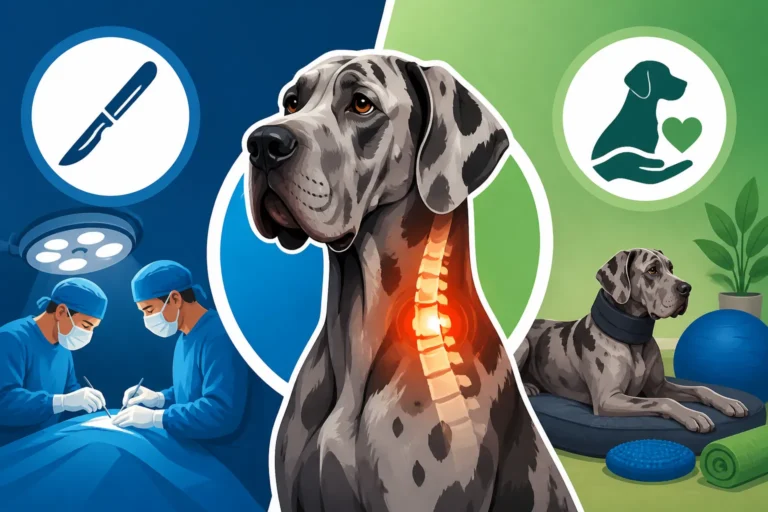
For confirmed GDV, surgery is the only definitive treatment. There is no medication or non-surgical cure for a twisted stomach. The goal of the surgery, called a gastrectomy, is first to manually derotate the stomach, untwisting it back to its normal anatomical position. Once untwisted, the veterinary surgeon will carefully inspect the stomach and surrounding organs (like the spleen) for any damage, such as dead or dying tissue from the lack of blood flow. If there are areas of necrotic tissue, these may need to be removed.
Critically, after the stomach is repositioned, the surgeon will perform a gastropexy. This is a procedure where the stomach is permanently tacked or sewn to the abdominal wall. This preventative measure is designed to significantly reduce the risk of future GDV episodes, as it prevents the stomach from twisting again, though it doesn't prevent it from dilating with gas. For more details on this life-saving procedure, you can read What Surgeons Do to a Twisted Great Dane Stomach. The cost of such an emergency surgery can be substantial, often running into several thousands of dollars, making pet insurance like Healthy Paws an invaluable asset for Great Dane owners.
Post-Emergency Care and Proactive Prevention
Surviving the initial emergency surgery is a huge hurdle, but the journey doesn't end there. Post-operative care and long-term preventative measures are crucial for your Great Dane's full recovery and future well-being.
Recovery and Hospitalization
After surgery, your Great Dane will typically require several days of intensive hospitalization. During this time, they will be closely monitored for complications, which can include cardiac arrhythmias, further shock, infection, or issues with the surgical incision. They will receive IV fluids, pain medication, antibiotics, and often anti-nausea drugs. The veterinary team will carefully watch their vital signs, ensure they are comfortable, and gradually reintroduce small amounts of food and water. It's a critical period where vigilant care is needed to prevent setbacks.
Seeing your giant dog in recovery, often with tubes and bandages, can be distressing, but remember they are receiving the best possible care. The road to full recovery can be slow, but with proper post-operative management, most Great Danes make a good recovery. You can learn more about this phase by reading Recovery After Great Dane Bloat Surgery.
Long-Term Management and Lifestyle Changes
Once your Great Dane is home, you'll need to continue with medication, careful feeding, and restricted activity for several weeks. Your vet will provide specific instructions regarding wound care, medication schedules, and gradual reintroduction to exercise. Beyond the immediate recovery, consider implementing certain lifestyle changes to minimize the risk of simple gastric dilatation (bloat without torsion). This often includes feeding smaller, more frequent meals, avoiding vigorous exercise an hour before and after meals, and using a slow-feeder bowl. Many owners also find that reducing stress around meal times can be beneficial.
It’s worth exploring Meal Habits That Cut a Great Dane's Twist Risk to ensure you're doing everything possible to prevent a recurrence. While a gastropexy greatly reduces the risk of volvulus, it doesn't eliminate the possibility of simple gas distension. These lifestyle adjustments contribute to overall digestive health.
Discussing Preventive Measures Like Gastropexy
For Great Danes, a prophylactic gastropexy (tacking the stomach) is often recommended, even if they haven't experienced bloat yet. This elective surgery can be done as early as six months of age, often concurrently with spaying or neutering. It significantly reduces the lifetime risk of GDV, turning a potentially fatal emergency into a much less severe gastric dilatation. Many owners opt for this procedure because The Price of a Preventive Great Dane Gastropexy is considerably less than the cost of emergency bloat surgery and the emotional toll is minimal.
It's a conversation you should have with your regular veterinarian when your Great Dane is young. Understanding When to Book a Great Dane Gastropexy can save your dog's life down the line. While Whether Tacking Ends Great Dane Bloat Risk is not 100%, it drastically lowers the chances of a twisted stomach. Pet insurance, such as a comprehensive plan from Healthy Paws, can sometimes cover a portion of preventative procedures or, more commonly, provides indispensable financial protection against the massive costs associated with emergency GDV surgery and follow-up care. Therefore, asking Whether Pet Insurance Is Essential for a Great Dane is a question every owner should seriously consider from day one. Remember, The Annual Limit One Great Dane Emergency Uses can be significant without coverage.
Here's a quick reference guide to help you remember the immediate steps:
| Symptom Category | Key Observations | Immediate Action |
|---|---|---|
| Physical Signs | Distended, hard abdomen (especially left side) | Confirm visually/by touch |
| Unproductive retching/dry heaving | Note frequency and lack of output | |
| Excessive drooling, lip licking | Observe amount and consistency | |
| Behavioral Signs | Restlessness, pacing, inability to settle | Note constant movement, anxiety |
| Whining, groaning, signs of pain | Listen for vocalizations, look for discomfort | |
| Looking at flank, hunched posture | Observe body language | |
| Weakness, collapse, pale gums | Treat as severe, time-critical | |
| What to Do | Identify 24/7 emergency vet contact/route | Have information ready, practice route if needed |
| Call emergency vet immediately | State "Great Dane, suspected bloat, ETA" | |
| Secure transport | Get help if needed (2 people, blanket lift) | |
| Drive safely but quickly | Minimize stress during travel | |
| Provide concise symptom history to vet | Focus on onset, progression, observed signs |
Disclaimer
The information provided in this article is intended for educational purposes only and should not be considered a substitute for professional veterinary advice. If you suspect your Great Dane is experiencing bloat or any other medical emergency, seek immediate veterinary care. Always consult with a qualified veterinarian for diagnosis and treatment of any health conditions or before making any decisions related to your pet's health.