Whether a Rare Colored Great Dane Is Worth Chasing
It's a common dream for aspiring Great Dane owners to envision a truly unique companion, one that stands out from the crowd with a coat color you rarely see. However, the pursuit of these so-called "rare" Great Dane colors often leads down a path fraught with potential health issues and heartbreaking realities, rather than the majestic, healthy companion you imagine. This guide will explore the truth behind "rare" Great Dane colors, why they exist, and why prioritizing responsible breeding practices over a flashy coat is crucial for your future giant.
The Allure of the "Rare" Great Dane Color
There's no denying that some colors are simply striking. When you see a photograph of a Great Dane with an unusual coat pattern or hue, it can be incredibly captivating, making you feel like you've stumbled upon a hidden gem. This desire for something unique is completely understandable; we all want our dogs to be special. But in the world of Great Danes, the term "rare" often signals a departure from established breed standards and, more critically, can be a red flag for genetic health problems that impact the dog's quality of life and lifespan.
Many people fall in love with a particular look and then begin searching specifically for it, sometimes without fully understanding the genetic implications. They might see an "Isabella" or "Lavender" Great Dane online and think, "Wow, I have to have one of those!" Unfortunately, these colors, while visually distinctive, are often the result of dilute genes that are not recognized in the breed standard and can sometimes be linked to other health concerns. The internet, with its endless supply of stunning images, sometimes promotes these unique looks without adequately explaining the background, leaving potential owners vulnerable to making decisions based purely on aesthetics.
What Makes a Color "Rare" in Great Danes?
When we talk about a "rare" Great Dane color, we're usually referring to one of two things: either it's a color that falls outside the official breed standard recognized by organizations like the American Kennel Club (AKC), or it's a color that is genetically linked to severe health issues, often a combination of both. It's not necessarily about the actual statistical infrequency of a color appearing in a litter, but rather its acceptance and health implications within the breed community.
For instance, a pure white Great Dane might seem rare and beautiful, but it is often the product of poor breeding choices involving the merle gene. These dogs, sometimes referred to as "double merles," are indeed "rare" in the sense that responsible breeders actively avoid producing them. The reason for this isn't just cosmetic; these white Danes frequently suffer from profound deafness and blindness, significantly impacting their lives and requiring immense dedication from their owners. Why Two Merle Great Danes Should Not Be Bred delves deeper into these specific genetic risks.
Another example would be what some breeders might market as "chocolate" or "tan point" Great Danes. While these colors exist in other breeds, they are not part of the recognized Great Dane palette. Breeders who intentionally pursue these non-standard colors might be prioritizing novelty over the decades of careful breeding that have established the Great Dane's health and temperament profiles, often introducing unknown genetic lines or dilute genes that carry their own set of potential problems.
Recognized Great Dane Colors and Patterns
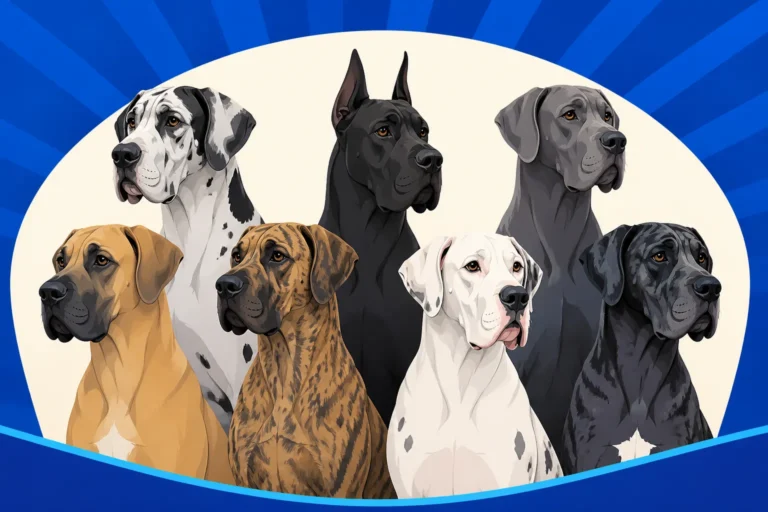
Before diving into the risks, it's essential to understand the beautiful and diverse range of colors that are recognized within the Great Dane breed standard. These colors have been carefully established over generations, ensuring that breeders prioritize health, temperament, and conformity to the breed's characteristics. The six primary colors, with Harlequin being a pattern, are the cornerstone of responsible Great Dane breeding. The Seven Great Dane Colors offers a full rundown on these majestic coats.
The standard colors are:
- Fawn: A golden yellow with a black mask, often considered the classic Great Dane look.
- Brindle: Fawn with black stripes, almost like a tiger pattern.
- Blue: A pure steel-blue color, which is essentially a dilute black.
- Black: A glossy, rich black coat.
- Mantle: Black with white markings, often resembling a blanket over the dog's back, with a white collar, blaze, and chest.
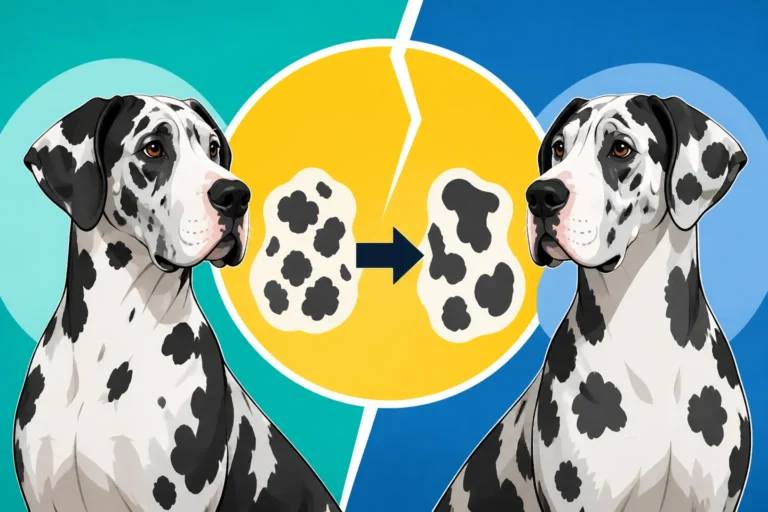
- Harlequin: A striking pattern of torn black patches on a pure white background. This is a complex genetic pattern and requires careful breeding.
- Merle: A diluted version of Harlequin, where the black patches are gray and the white background is mottled. While often seen, Merle was only recently recognized in the AKC standard, specifically with the caveat that merle-to-merle breeding is highly discouraged due to health risks.
These recognized colors provide plenty of variety and beauty without venturing into the unpredictable and often perilous territory of "rare" or non-standard color genetics. Responsible breeders work within these established parameters, focusing on health clearances and temperament above all else.
The Genetics of Coat Color
Understanding basic Great Dane coat color genetics helps clarify why some "rare" colors are problematic. Most coat colors are determined by a few key gene loci. For instance, the B locus dictates whether a dog has black pigment (B) or brown pigment (b). All recognized Great Danes carry the 'B' gene for black pigment, which is why you don't see true chocolate Danes in the standard. The D locus controls pigment dilution; a 'D' gene means full pigment expression, while a 'd' gene causes dilution. Blue Great Danes, for example, carry the 'dd' genotype, diluting their black pigment to blue.
The merle gene (M) is where things get particularly tricky. A single copy of the merle gene (Mm) results in a merle pattern – a mottled or patchy appearance, like the blue-gray of a merle Great Dane. However, when two merle genes are inherited (MM), resulting from breeding two merle-patterned dogs together, it produces what's known as a "double merle" or sometimes a "lethal white." This is where the severe health risks come into play. Harlequin and Merle Great Dane Genetics provides more detailed insight into these complex patterns.
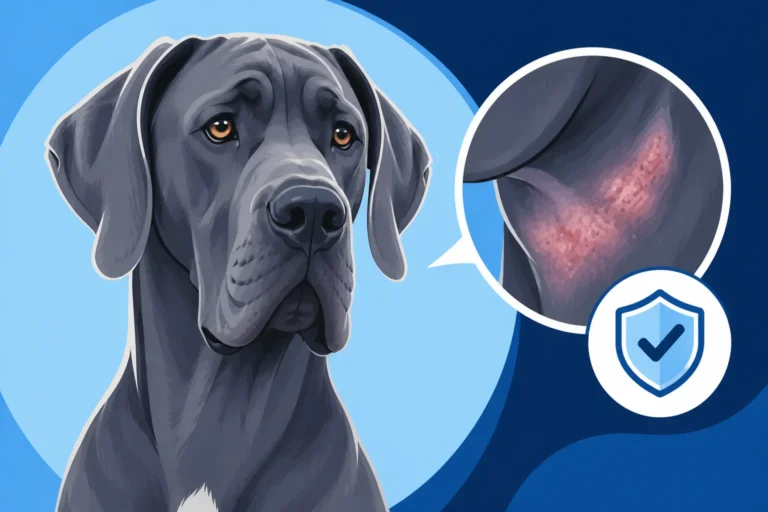
Dogs with the MM genotype often have vastly reduced pigmentation, leading to extensive white areas. More critically, the merle gene impacts more than just coat color; it affects the cells responsible for hearing and vision. This is why double merles are prone to severe ocular defects (ranging from small or missing eyes to complete blindness) and auditory defects (partial to complete deafness). These are not just aesthetic concerns; they are profound health and welfare issues that significantly impact the dog's ability to navigate the world and live a normal life.
The Hidden Costs of "Rare" Colors: Health Risks and Ethical Concerns
When a breeder advertises a "rare" colored Great Dane, it's crucial to exercise extreme caution. Often, these "rare" colors are either unproven genetic experiments, the result of breeding practices that disregard health, or indicate a double merle, which carries a high probability of severe disabilities. The allure of owning something unique can quickly turn into a heartbreaking and expensive reality when health problems manifest.
The most prominent example of this risk is the double merle. These dogs, often predominantly white, are prone to a host of serious health issues that go far beyond superficial appearance.
Deafness and Blindness in Double Merles
The merle gene, when inherited in a double dose (MM), is strongly linked to congenital deafness and various eye abnormalities. Imagine bringing home a puppy only to discover it cannot hear your voice or see the world around it clearly. How Common Deafness Is in a White Great Dane highlights just how prevalent these issues are. While a deaf or blind dog can absolutely live a fulfilling life, it requires an immense amount of dedication, specialized training, and a home environment carefully adapted to their needs. This isn't a challenge to take on lightly, especially when it could have been prevented by responsible breeding.
Eye problems can range from small or improperly formed eyes (microphthalmia) to colobomas (holes or defects in eye structures), and even complete absence of eyes. Missing Eyes and Small Eyes in White Great Danes illustrates the spectrum of these ocular issues. These conditions are not curable and will impact the dog for its entire, potentially shorter, life. The financial and emotional toll on an owner trying to manage a dog with such profound disabilities can be overwhelming.
Other Potential Health Issues
Beyond deafness and blindness, focusing solely on "rare" colors can mean overlooking crucial health screening and responsible breeding practices. Breeders who prioritize non-standard colors might also be cutting corners in other areas, such as:
- Cardiac Health: Great Danes are prone to serious heart conditions like dilated cardiomyopathy (DCM). Reputable breeders perform regular cardiac screenings on their breeding stock. Screening a Great Dane's Heart Each Year is a must-read for understanding proper heart health protocols. A breeder focused on color might skip these vital checks.
- Orthopedic Issues: Joint problems like hip and elbow dysplasia are also concerns in giant breeds. Sound breeding practices include screening for these conditions. Great Dane Hip and Elbow Screening explains the importance of these screenings.
- Bloat Risk: Gastric Dilatation-Volvulus (GDV), or bloat, is a life-threatening emergency for Great Danes. While not directly related to color, breeders who are otherwise irresponsible might not educate new owners on preventive measures or the signs of this condition. Bloat in a Great Dane and the One in Three Odds is critical information every Great Dane owner needs.
When you're dealing with a breeder who is stepping outside the accepted standards for color, you have to ask yourself: what other standards are they ignoring? Are they even aware of the essential health clearances? This is why choosing a responsible breeder, who adheres to health testing and ethical practices, is paramount, regardless of color preference. The Health Testing a Great Dane Breeder Owes You outlines what you should expect from a reputable breeder.
The Ethical Dilemma
The ethical considerations around breeding for "rare" colors are significant. Intentionally breeding dogs that have a high probability of severe health defects simply for their unusual appearance is, frankly, irresponsible. It places the burden of care and potential heartbreak squarely on the shoulders of the unsuspecting new owner and prioritizes a fleeting aesthetic trend over the dog's welfare.
A truly ethical breeder prioritizes the health, temperament, and longevity of the breed. They understand the genetic risks and work diligently to produce healthy puppies that conform to the breed standard, knowing that a sound dog, regardless of its coat color, is the best outcome. When you see an advertisement for a "rare" Great Dane color, it should prompt you to question the breeder's motivations and practices, rather than simply fueling a desire for uniqueness.
The Importance of Responsible Breeding Over Color Chasing
Ultimately, chasing after a "rare" Great Dane color is almost never worth the potential risks and heartaches involved. Instead, focus your efforts on finding a responsible, ethical breeder who prioritizes the health and temperament of their Great Danes. This approach ensures you bring home a healthy, well-adjusted companion, regardless of whether its coat is fawn, black, blue, brindle, mantle, harlequin, or merle.
What to Look For in a Reputable Breeder
A good breeder will:
- Health Test Their Breeding Stock: They will have documentation for health clearances for hips, elbows, heart (echocardiogram by a board-certified cardiologist), and thyroid. They should be able to provide OFA (Orthopedic Foundation for Animals) or PennHIP certifications for hips and elbows, and cardiac clearances for both parents. Expect to see these papers. Reading a Great Dane Puppy's Health Papers can guide you on what to look for.
- Be Knowledgeable About Genetics: They understand the genetics of their lines, including color genetics, and can explain why they make certain breeding choices. They will certainly not breed two merle Danes together.
- Prioritize Temperament: They actively select for sound, stable temperaments in their breeding dogs, as this is crucial for a giant breed. They should be able to tell you about the personalities of the puppy's parents.
- Be Transparent and Welcoming: They will openly answer all your questions, allow you to visit their facility (or meet the parents if a home breeder), and will be just as interested in vetting you as you are in vetting them.
- Provide a Health Guarantee and Support: A reputable breeder offers a health guarantee and remains a lifelong resource for their puppy buyers.
- Have a Contract: A comprehensive contract outlining the responsibilities of both parties.
- Don't Price by Color: While some colors might have slightly different demand, a reputable breeder's prices are generally consistent based on health testing and care, not a premium for a "rare" color. Beware of "bargain" Great Danes, or those priced significantly higher for an unusual color. What a Great Dane Breeder Who Screens Hearts Charges and Great Dane Ads With No Cardiac Paperwork highlight financial and ethical red flags.
Embracing the Standard: Health, Longevity, and Temperament
The true beauty of a Great Dane lies not in an unusual coat color, but in its majestic presence, gentle nature, and loving heart. Focusing on recognized colors, which are carefully managed by ethical breeders, allows you to find a dog that embodies these qualities without the increased risk of severe health issues.
A healthy Great Dane, regardless of its color, is the most valuable "rare" commodity. These dogs already have a shorter lifespan compared to smaller breeds, often living only The Seven to Ten Year Great Dane Lifespan. Investing in a dog that is genetically predisposed to a good quality of life is far more rewarding than chasing a fleeting aesthetic. Remember that the joy of sharing your life with a Great Dane comes from their companionship, their unique personality, and their unwavering loyalty, not the hue of their fur. When purchasing supplies for your giant companion, like large dog beds or robust toys, companies like Chewy offer a wide selection, but the foundation of a happy life truly starts with a healthy dog.
Table: Comparison of "Rare" vs. Standard Great Dane Colors
| Feature | "Rare" Colors (e.g., Double Merle, Unrecognized Dilutes) | Standard Colors (Fawn, Brindle, Blue, Black, Mantle, Harlequin, Merle) |
|---|---|---|
| Breed Standard | Not recognized by major kennel clubs | Recognized by major kennel clubs (AKC, FCI, etc.) |
| Health Risks | High risk of severe genetic health issues (deafness, blindness, etc.) | Generally lower genetic health risks when responsibly bred |
| Breeding Ethics | Often a sign of irresponsible or uneducated breeding | Indicator of responsible breeding practices focused on health |
| Temperament Focus | Often secondary to color | Primary focus alongside health and conformation |
| Predictability | Unpredictable outcomes, potential for heartbreak | Predictable health and temperament with proper screening |
| Availability | Marketed as "rare" to command higher prices or exploit novelty | Readily available from reputable breeders |
This table clearly illustrates the stark difference between the appeal of a "rare" color and the fundamental benefits of a responsibly bred standard-colored Great Dane.
Final Thoughts on Your Great Dane Journey
The journey to finding your perfect Great Dane companion is an exciting one. It’s natural to want a dog that resonates with you aesthetically, but it’s vital to temper that desire with a deep understanding of what truly makes a Great Dane thrive: health, temperament, and responsible care. Don't be swayed by persuasive language or inflated prices for a "rare" color; instead, seek out a breeder who prioritizes the well-being of their dogs above all else. Your giant friend deserves a start to life free from preventable genetic burdens, and you deserve the peace of mind that comes with a healthy, happy companion. Choose wisely, choose responsibly, and your Great Dane will bring immeasurable joy into your home for many cherished years.
Disclaimer
This article is for general informational purposes only and does not constitute professional advice. Laws, prices and regulations vary by location and change over time. Consult a qualified professional for guidance on your specific situation.