Amputation and Chemotherapy for a Great Dane
Facing a diagnosis of bone cancer in your beloved Great Dane is one of the most heartbreaking and overwhelming experiences any dog owner can go through. The sheer size and stoicism of these magnificent dogs can sometimes mask their pain until the condition is quite advanced, leaving you feeling blindsided and desperate for answers. This comprehensive guide aims to walk you through the difficult journey of understanding osteosarcoma, evaluating treatment options like amputation and chemotherapy, and providing the best possible quality of life for your gentle giant.
Understanding Bone Cancer in Great Danes
Osteosarcoma, an aggressive form of bone cancer, is a devastating reality for many large and giant breed dog owners, and Great Danes are unfortunately among the breeds most commonly affected. This isn't just a random occurrence; there are specific reasons why our big, beautiful Danes seem to be predisposed to this cruel disease, and understanding them is the first step in recognizing potential issues early.
Why Great Danes Are Prone to Osteosarcoma
It's a tough pill to swallow, but the very genetics that give Great Danes their impressive size also make them more susceptible to certain health conditions, including bone cancer. The rapid growth rate they experience as puppies and their subsequent large bone structure are thought to play a significant role. Imagine how quickly their bones develop and remodel – this accelerated cellular activity, while normal for growth, can sometimes lead to errors in cell division, creating fertile ground for cancerous cells to take hold. While research is ongoing, it's widely believed that the mechanical stresses on these large, dense bones over time also contribute to the risk. This often leads to Bone Cancer in a Great Dane, an all too common diagnosis.
Beyond growth, there might be a genetic component at play too. Some lines of Great Danes appear to have a higher incidence of osteosarcoma, suggesting that certain inherited predispositions could increase their vulnerability. This isn't to say every Great Dane will get bone cancer, but it highlights the importance of being aware and vigilant. Knowing their predisposition helps us approach any new lameness or discomfort with a heightened sense of urgency, rather than just dismissing it as a simple sprain, which can be easy to do with such active, playful dogs.
Recognizing the Early Signs of Bone Cancer
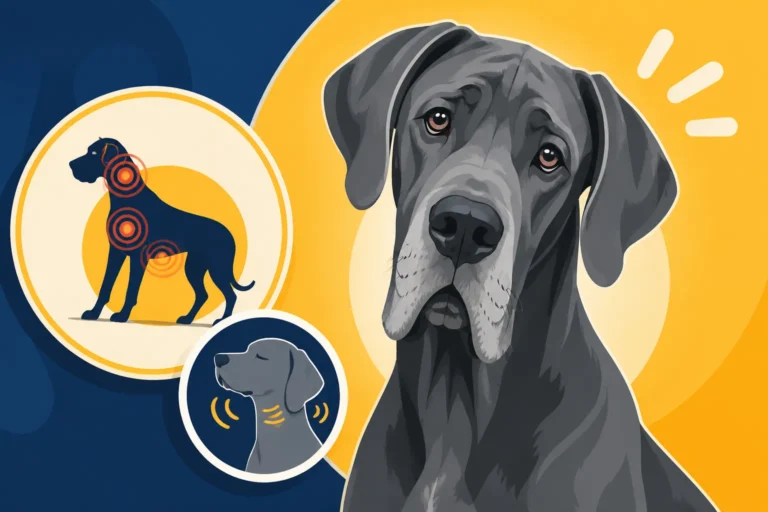
One of the cruelest aspects of osteosarcoma is how subtly it can begin, often mimicking less serious issues. The most common first sign is lameness or limping, particularly in one of the front legs, though it can appear in any limb. This lameness might be intermittent at first, perhaps noticeable after exercise or when your Dane first gets up, and then seemingly improve with rest, lulling you into a false sense of security. As the disease progresses, the lameness usually becomes constant and more severe. You might notice swelling, warmth, or tenderness in the affected area, often around the joints like the wrist, shoulder, or knee. For many Great Danes, The Age Bone Cancer Hits a Great Dane is typically between 7 and 10 years, though it can strike younger or older dogs.
Beyond the obvious limping, keep an eye out for more subtle changes in your Great Dane's behavior. They might become reluctant to play, avoid going on walks they once loved, or struggle to get up or lie down comfortably. They may lick or chew excessively at the painful limb, or even become irritable or withdrawn due to chronic discomfort. Weight loss and a general decrease in appetite can also occur as the pain becomes more debilitating. Because Danes are so stoic, these minor changes can be easy to overlook, but paying close attention to their daily habits can make all the difference in catching this devastating disease earlier.
Diagnosing Osteosarcoma: X-Rays and Biopsies
If you notice any of these alarming signs, your first call should always be to your veterinarian. They'll start with a thorough physical examination, observing your Dane's gait and palpating the suspicious limb. The next crucial step will be taking X-rays of the affected bone, which can often reveal characteristic changes associated with osteosarcoma, such as bone destruction, new bone formation, or a "sunburst" pattern within the bone. These X-Rays That Confirm Great Dane Bone Cancer are usually the first strong indicator.
However, X-rays alone aren't enough for a definitive diagnosis. To confirm osteosarcoma and rule out other bone conditions like fungal infections or other types of tumors, a bone biopsy is essential. This procedure involves taking a small tissue sample from the suspicious area, which is then sent to a pathologist for microscopic examination. Your vet might also recommend further imaging, such as a CT scan or MRI, to assess the extent of the tumor locally and to look for any signs of spread (metastasis) to other areas, particularly the lungs, which is common with osteosarcoma. This staging process is critical for determining the most appropriate and effective treatment plan for your beloved Great Dane.
The Decision Point: When Amputation Becomes an Option
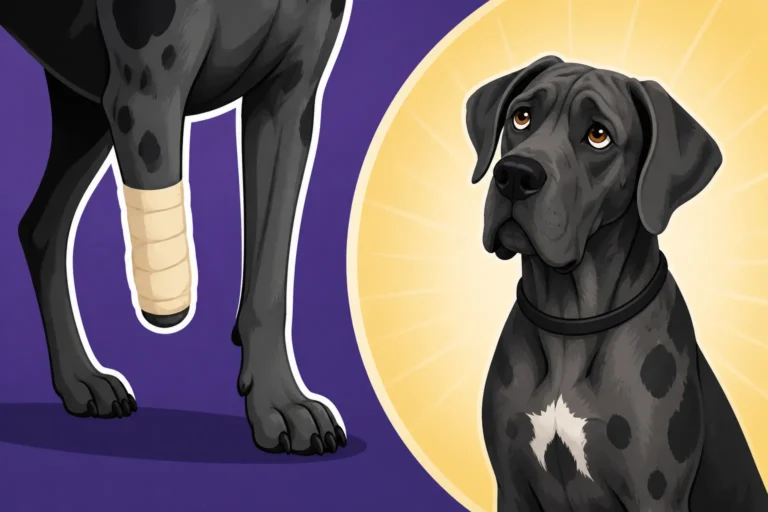
Receiving a diagnosis of osteosarcoma is crushing, and the treatment options can feel even more daunting. For many Great Dane owners, the idea of amputating a limb from their massive dog seems unimaginable. How could such a large animal possibly cope on three legs? Yet, for many Danes, amputation offers the best chance at immediate pain relief and can significantly improve their quality of life, at least for a time. It’s a decision fraught with emotion, but understanding the practicalities can help bring clarity.
Considering Amputation for Pain Relief
When osteosarcoma takes hold, it often causes immense, debilitating pain. The tumor grows within the bone, weakening its structure and creating a constant, throbbing ache. In many cases, the pain becomes so severe that it's the primary reason owners seek veterinary attention. While pain medications can offer some temporary relief, they often become less effective as the disease progresses, and the side effects can be challenging to manage in large doses. This is where amputation shines as a powerful intervention. By removing the cancerous limb, you are literally removing the source of the excruciating pain. It’s not just about prolonging life; it's about providing immediate, profound comfort.
Many owners are amazed at how quickly their Danes rebound from the immediate post-operative pain and how much more comfortable and engaged they become once the source of chronic agony is gone. The relief often allows them to eat better, sleep more soundly, and rediscover joy in activities they had abandoned. This dramatic improvement in comfort can be a strong motivator for considering this challenging surgery, offering a bridge to a better quality of life.
Assessing Your Dane's Candidacy for Amputation
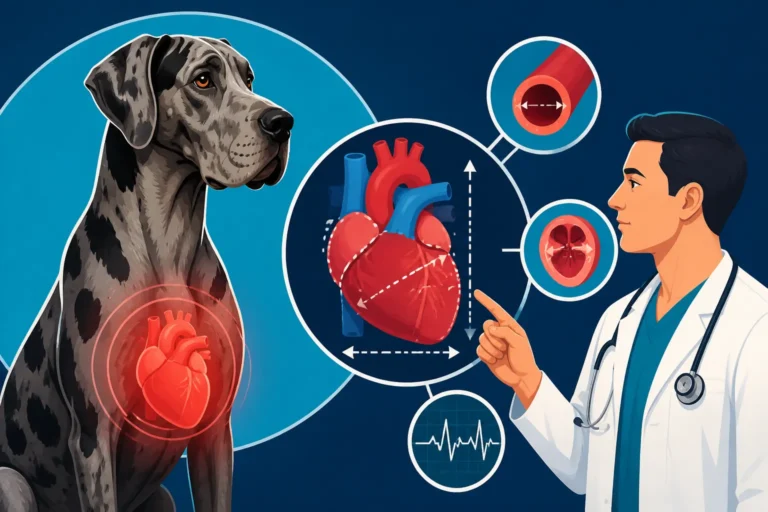
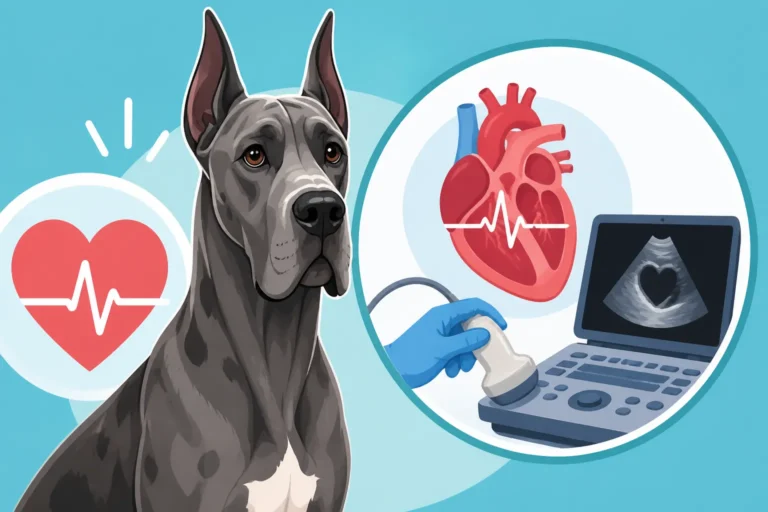
Not every Great Dane with osteosarcoma is a suitable candidate for amputation, and this is a crucial discussion to have with your veterinary team. Several factors come into play. Firstly, your Dane's overall health is paramount. Are they otherwise healthy enough to undergo a major surgery and anesthesia? Blood work, chest X-rays (to check for lung metastasis), and an electrocardiogram (ECG) might be performed to assess their readiness. If they have other significant health issues, such as severe heart disease (a common concern in Danes, like The Heart Muscle Disease Great Danes Are Prone To) or kidney problems, the risks of surgery might outweigh the benefits.
Secondly, their mobility on the remaining three legs needs to be considered. A Great Dane is a large, heavy dog, and they will put considerable stress on their remaining limbs. If your Dane has pre-existing orthopedic issues in other legs, such as severe arthritis in a hip or elbow, these conditions could be severely exacerbated by the increased load. Dogs that are extremely overweight might also struggle more with adapting to three legs. Your vet will carefully evaluate their gait, joint health, and muscle mass to determine if they possess the strength and stability required to navigate life as a tripod. It's important to ask Whether a Great Dane Copes on Three Legs and get an honest assessment.
The Psychological and Physical Aspects of Amputation
The decision to amputate a limb from a dog, especially a giant breed, comes with both psychological and physical considerations for both the dog and the owner. Physically, Great Danes are surprisingly adaptable. Their inherent balance and strong core muscles often allow them to adjust to three legs quicker than many owners anticipate. However, the recovery period will require dedicated care, including strict rest, pain management, and careful monitoring of the surgical site. Owners will need to be prepared for assistance with mobility, especially in the first few weeks, including helping them up and down, navigating stairs, and preventing slips on slick floors.
Psychologically, dogs tend to live in the moment. While you might grieve the loss of their limb, your Great Dane will likely focus on the immediate relief from pain. Their resilience is often inspiring. However, it's normal for them to experience some confusion or anxiety initially. Your calm, consistent reassurance and a return to their familiar routines (adapted, of course) will be vital for their emotional recovery. The bond you share will be more important than ever. It's a significant undertaking, but knowing What Three Legs Buy a Great Dane With Bone Cancer can help frame the decision as an act of profound love and care.
Life on Three Legs: What to Expect After Amputation
The thought of your giant Great Dane navigating life on three legs can be daunting, but the reality is often much more positive than anticipated. Dogs, with their incredible resilience, usually adapt remarkably well, especially when the amputation brings relief from chronic pain. However, it does require a dedicated period of recovery and some adjustments to your home environment.
Immediate Post-Operative Care and Recovery
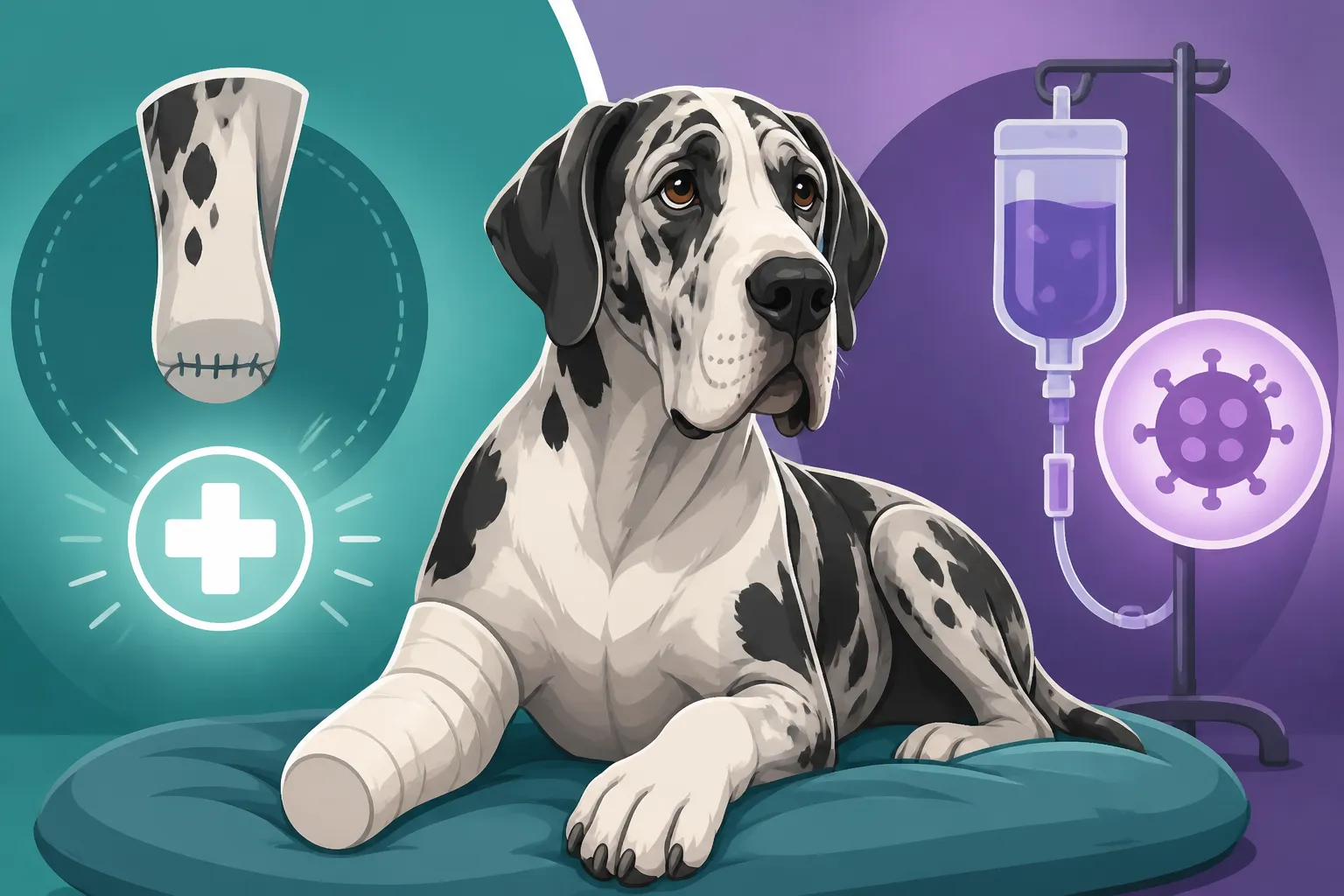
After amputation surgery, your Great Dane will typically spend a few days at the veterinary hospital for close monitoring and pain management. During this time, the veterinary team will administer intravenous fluids, strong pain medication, and antibiotics. When your Dane comes home, they will still be in recovery mode and require significant care. The incision site will need to be kept clean and dry, and you'll need to prevent your Dane from licking or chewing at it, often with an Elizabethan collar (e-collar), which can be quite a challenge on a Dane's large head! Strict rest will be prescribed for several weeks, meaning no jumping, running, or excessive stair climbing.
You'll need to assist your Dane with mobility initially. This might involve using a towel sling or a specialized support harness to help them get up, go outside for potty breaks, and navigate short distances. Keeping them confined to a smaller, easily navigable area of the house, perhaps a large dog crate or a penned-off space, can prevent overexertion and accidental injury. Regular vet check-ups will be scheduled to monitor healing, manage pain, and remove sutures. It's a demanding period, but your consistent care during these crucial weeks lays the foundation for a successful adaptation to tripod life.
Adapting Your Home for a Tripod Dane
Making some thoughtful adjustments to your home environment will significantly ease your Great Dane's transition to life on three legs. Start by ensuring they have excellent traction. Slippery floors like hardwood, tile, or laminate can be incredibly challenging and dangerous for a tripod dog, leading to slips, falls, and potential injury to their remaining limbs. Lay down rugs, carpet runners, or yoga mats in high-traffic areas. Consider non-slip booties for their paws, though these can take some getting used to.
Stairs can be a major hurdle. If possible, block off access to stairs or carry your Dane using a support harness for short flights, if they can't manage them safely. Ramps can also be incredibly helpful, especially for getting in and out of cars or up onto favorite furniture. Elevate food and water bowls to a comfortable height to prevent strain on their neck and back. Invest in a high-quality, orthopedic bed that provides ample support for their joints, which will be working harder than ever. Brands like Big Barker are well-regarded for their durable, supportive beds designed for large breeds, which can make a huge difference in comfort and joint health for a tripod Dane. These thoughtful modifications can drastically improve their comfort and confidence as they learn their new way of moving. You might find ideas for Mobility Aids for a Failing Great Dane incredibly useful here.
Exercise and Mobility for a Three-Legged Great Dane
Once your Great Dane has fully recovered from surgery and their veterinary team gives the all-clear, careful and controlled exercise will become vital. While they won't be able to run and jump quite like they used to, maintaining muscle strength in their remaining limbs is crucial for long-term mobility and preventing secondary orthopedic issues. Short, frequent walks on leash are excellent for building stamina and muscle tone. Start slow and gradually increase duration as your Dane gains strength and confidence.
Swimming can be a fantastic, low-impact exercise option if your Dane enjoys water, as it allows them to use all their muscles without putting stress on their joints. Physical rehabilitation therapy with a certified canine rehab specialist can also be incredibly beneficial. These professionals can design tailored exercise programs, use modalities like hydrotherapy or therapeutic exercises, and provide advice on assistive devices to maximize your Dane's strength, balance, and overall mobility. Remember to always listen to your dog and stop if they show any signs of fatigue or discomfort. The goal is to keep them active and engaged, but never to push them beyond their limits, especially as you navigate Caring for a Great Dane Past Six.
Navigating Chemotherapy for Great Danes
Amputation addresses the local tumor and provides pain relief, but osteosarcoma is an aggressive cancer notorious for microscopic spread even before the primary tumor is detected. This is where chemotherapy enters the picture, aiming to target these invisible cancer cells and extend your Great Dane's life beyond what surgery alone can achieve. It's a scary word for many, but canine chemotherapy is often very different from human chemotherapy, with a focus on quality of life.
The Goal and Types of Chemotherapy
The primary goal of chemotherapy for Great Danes with osteosarcoma is to delay or prevent the metastasis (spread) of the cancer cells that have likely already traveled from the primary tumor to other parts of the body, most commonly the lungs. Without chemotherapy, the median survival time for Great Danes undergoing amputation alone is typically only 4-6 months, as the microscopic disease inevitably progresses. By adding chemotherapy, this median survival can often be extended to 8-12 months, or sometimes even longer, giving you precious additional time with your beloved companion.
Several chemotherapy protocols exist, but the most common drugs used for osteosarcoma include Carboplatin and Doxorubicin, often administered intravenously in a series of treatments over several weeks or months. Your veterinary oncologist will discuss the specific protocol that they believe offers the best chance for your individual Dane, taking into account their overall health, age, and any other concurrent conditions. These treatments are typically administered by a specialist veterinary oncologist, who will meticulously calculate dosages based on your Dane's weight and monitor them closely throughout the process.
Potential Side Effects and Management
One of the biggest concerns for owners considering chemotherapy is the potential for side effects. It’s natural to worry about your Great Dane feeling sick or miserable. The good news is that veterinary chemotherapy protocols are generally designed to be much less aggressive than human treatments, with a strong emphasis on maintaining a good quality of life. The most common side effects are mild and transient, including a temporary decrease in appetite, mild nausea, or lethargy for a day or two after treatment. Occasionally, some dogs may experience vomiting or diarrhea.
More serious side effects, such as severe gastrointestinal upset or bone marrow suppression (leading to a drop in white blood cell count), are less common but can occur. Your veterinary oncologist will perform regular blood tests before and during treatment to monitor your Dane's health and adjust dosages as needed. They will also provide medications to proactively manage potential side effects, such as anti-nausea drugs, which are crucial for our big, sensitive Danes. Most dogs tolerate chemotherapy remarkably well and continue to enjoy a good quality of life throughout their treatment course. It's important to weigh these potential side effects carefully when deciding Whether to Treat or Let a Great Dane Go.
Weighing the Benefits Against the Risks
Deciding whether to pursue chemotherapy after amputation is a deeply personal choice, and it involves carefully weighing the potential benefits of extended life against the risks of side effects and the financial investment. The emotional toll of a cancer diagnosis and ongoing treatments can also be significant for families. On the one hand, chemotherapy offers the best chance of slowing the disease's progression and extending your Great Dane's comfortable time with you. This extra time, even if it's just a few months, can be invaluable for creating more memories.
On the other hand, chemotherapy does come with financial costs, as well as the need for regular vet visits, which can be stressful for some dogs. While serious side effects are rare, they are a possibility. It's crucial to have open and honest conversations with your veterinary oncologist about your Great Dane's prognosis, the expected timeline, the potential impact on their quality of life, and the associated costs. Consider seeking guidance from your pet insurance provider, like Healthy Paws, to understand what Osteosarcoma Treatment Costs for a Great Dane might be covered, as comprehensive policies can often alleviate some financial burdens during this challenging time. Ultimately, the right decision is the one that prioritizes your Dane's comfort and your family's well-being.
Supportive Care and Quality of Life After Treatment
Whether you choose amputation, chemotherapy, or a combination, the overarching goal throughout your Great Dane's cancer journey is to ensure their quality of life remains as high as possible. This means focusing intensely on comfort, nutrition, and emotional well-being. It's about cherishing every single day and making sure your Dane feels loved and supported.
Pain Management Strategies
Effective pain management is absolutely critical for any Great Dane battling osteosarcoma, whether before or after surgery and during chemotherapy. The pain associated with bone cancer can be intense, and controlling it is paramount for maintaining a good quality of life. Your vet will likely prescribe a multi-modal approach, combining different types of pain medications to target pain through various pathways. This might include non-steroidal anti-inflammatory drugs (NSAIDs) like Rimadyl or Galliprant, gabapentin for neuropathic pain, and sometimes even stronger opioids or Amantadine for chronic, severe pain. Remember, Pain Relief for a Great Dane With Bone Cancer is an ongoing conversation with your vet.
Beyond medications, supportive therapies can also play a huge role. Cold laser therapy, acupuncture, and therapeutic massage can help reduce inflammation and provide comfort. Keeping your Dane warm and cozy with soft bedding, especially orthopedic beds that support their joints, will also contribute significantly to their comfort. Always monitor your Great Dane for any signs of discomfort—pacing, restlessness, reluctance to move, heavy panting, or changes in appetite—and communicate these to your vet immediately so their pain protocol can be adjusted. No Dane should suffer in silence.
Nutritional Support for Healing and Recovery
A Great Dane undergoing cancer treatment needs excellent nutrition to support their immune system, aid healing, and maintain muscle mass. It can be challenging, as some treatments or the disease itself can cause a decreased appetite or nausea. Your veterinary team, possibly with the guidance of a veterinary nutritionist, can help you develop a feeding plan tailored to your Dane's specific needs. High-quality, palatable food is essential. Sometimes, offering smaller, more frequent meals can be more appealing than one large meal.
If your Dane is struggling to eat, your vet might suggest appetite stimulants or anti-nausea medications. Some owners find success with warming food slightly to enhance its aroma, or adding low-sodium broth or a small amount of cooked, lean meat to entice them. Supplementation with omega-3 fatty acids can also be beneficial for reducing inflammation and supporting overall health. The goal isn't just to get them to eat, but to ensure they are consuming nutrient-dense food that fuels their fight against the disease and supports their recovery.
Maintaining Emotional Well-being
Beyond physical comfort, your Great Dane's emotional well-being is incredibly important during this challenging time. They are deeply sensitive creatures and can pick up on your stress and sadness. While it's impossible not to feel these emotions, striving to maintain a sense of normalcy and joy for your Dane is vital. Continue to engage them in activities they love, adapted to their physical capabilities. If they can still enjoy short, gentle walks, go for them. If car rides were a favorite, take them for a spin. Offer them their favorite toys and plenty of gentle praise and affection.
Maintaining a predictable routine can also provide comfort and security. Your presence and reassurance are the most powerful tools you have. Make sure they still feel like an integral part of the family, showered with love and attention. These moments of connection not only benefit your Dane but also help you cope with the emotional weight of their illness. Pet insurance, such as that offered by Healthy Paws, can also provide peace of mind during this time, knowing that unexpected veterinary costs related to their condition may be covered, allowing you to focus on your Dane's emotional needs rather than financial stress.
The Emotional Toll and End-of-Life Considerations
Living with a Great Dane diagnosed with osteosarcoma is an emotional roller coaster. From the initial shock of diagnosis to the daily management of symptoms and the looming specter of the disease's progression, it's a journey that tests the limits of love and resilience. Understanding and preparing for the emotional toll, as well as making difficult end-of-life decisions, is a crucial part of this path.
Coping with a Terminal Diagnosis
A cancer diagnosis for your beloved Great Dane can feel like a punch to the gut. The realization that their time with you is finite is profoundly painful, and it's absolutely okay to grieve. You might experience a range of emotions: sadness, anger, denial, guilt, and even isolation. These feelings are normal, and it's important to allow yourself to feel them without judgment. Lean on your support system – family, friends, or even online communities of Great Dane owners who understand what you're going through. Many find solace in talking to their veterinary team, who often become trusted confidantes during such difficult times.
Focus on creating positive memories and cherishing every moment. Take extra photos, spend quality time together, and do all the things your Dane loves, as long as they are comfortable. While the journey is difficult, it can also be a time of profound connection and love. Acknowledging the terminal nature of the illness doesn't mean giving up; it means embracing the present and prioritizing your Dane's comfort and happiness above all else. This period often highlights The Short Expensive Life of a Great Dane, making every moment even more precious.
Recognizing When to Say Goodbye
This is arguably the hardest decision any pet owner will ever make. Knowing when it's time to say goodbye to your Great Dane, who has become a cherished family member, is an agonizing process. There's no single right answer, and it's rarely a clear-cut moment. Instead, it’s often a gradual decline where "good" days become fewer and farther between, and their quality of life diminishes despite your best efforts. Your veterinary team can provide invaluable guidance, helping you assess your Dane's pain levels, mobility, appetite, and overall enjoyment of life.
Many owners use a "quality of life scale" to help objectively track their Dane's well-being over time. This involves rating aspects like pain, hydration, hygiene, happiness, mobility, and appetite. A consistent decline in these areas often indicates that their suffering outweighs their joy. It's about recognizing when you are no longer treating the dog for comfort, but rather prolonging discomfort for your own sake. This is a topic that resonates deeply when considering Whether to Treat or Let a Great Dane Go. The greatest act of love can sometimes be making the selfless decision to end their pain, even when it breaks your heart.
Finding Support Through Your Journey
You don't have to navigate this challenging journey alone. There are numerous resources available to help you cope with the emotional and practical aspects of caring for a Great Dane with cancer. Your veterinary team is your primary resource for medical advice and support, and they often have experience guiding families through these difficult conversations. Many veterinary clinics also have connections to pet bereavement counselors or support groups.
Online communities, forums, and social media groups dedicated to Great Dane owners or pet cancer support can offer a place to share your experiences, ask questions, and receive empathy from others who truly understand. Organizations like The Canine Cancer Awareness Foundation also provide resources and support. Remember that it's okay to ask for help, whether it's practical assistance with your Dane's care or emotional support for yourself. Companies like Healthy Paws can also offer a significant support system by helping to manage the financial stress associated with advanced veterinary care, allowing you to focus on providing comfort and love.
Below is a table summarizing some common treatment considerations and their primary goals:
| Treatment Option | Primary Goal | Typical Side Effects | Potential Benefits | Considerations |
|---|---|---|---|---|
| Amputation | Immediate pain relief, local tumor removal | Surgical pain, mobility adaptation, infection | Significant improvement in immediate comfort, removes primary tumor | Major surgery, adaptation to 3 legs, does not prevent metastasis |
| Chemotherapy | Delay metastasis, extend lifespan | Mild nausea, decreased appetite, lethargy, rare bone marrow suppression | Extends quality life months (median 8-12 months post-amputation) | Requires multiple vet visits, potential side effects, financial cost |
| Pain Management | Improve comfort and quality of life | Sedation, GI upset (depending on medication) | Allows dog to eat, sleep, move more comfortably | Ongoing medication, monitoring, doesn't treat cancer itself |
| Palliative Care | Maximize comfort, minimize suffering | Focused on symptom relief | Enhanced quality of life for remaining time | No attempt to cure, purely comfort-based |
The journey with a Great Dane facing osteosarcoma is undoubtedly one of the hardest an owner can face, but with the right information, compassionate veterinary care, and unwavering love, you can ensure their remaining time is filled with comfort, dignity, and as much joy as possible.
Disclaimer
The information provided in this article is for informational purposes only and does not constitute veterinary advice. Always consult with a qualified veterinarian for any health concerns or before making any decisions about your Great Dane's medical care.