Recovery After Great Dane Bloat Surgery
Bringing your beloved Great Dane home after bloat surgery can feel like walking on eggshells. The relief of knowing they survived the immediate crisis is huge, but it's quickly replaced by anxiety over how to best care for them and ensure a smooth, lasting recovery. This guide will walk you through every critical step of post-operative care, from managing medications to spotting potential complications, empowering you to provide the best possible support for your giant companion.
Understanding the Immediate Aftermath of Bloat Surgery
The first few days after your Great Dane undergoes surgery for gastric dilatation-volvulus (GDV), commonly known as bloat, are absolutely crucial. This isn't just a simple operation; it's a major abdominal procedure, often performed under emergency conditions, which puts immense stress on their entire system. Understanding what happens right after surgery and what to expect when they come home will help you feel more prepared for the journey ahead.
The Critical First 24-48 Hours
Immediately following surgery, your Great Dane will be under intensive veterinary care, likely in the ICU. This period is critical for several reasons. First, the veterinary team will be diligently monitoring their vital signs – heart rate, respiration, blood pressure, and temperature. They'll also be watching for any signs of post-operative complications, such as internal bleeding or heart arrhythmias, which can sometimes occur after such a traumatic event. It's not uncommon for Danes to have some lingering nausea or discomfort, and the vet staff will manage this with appropriate medication.
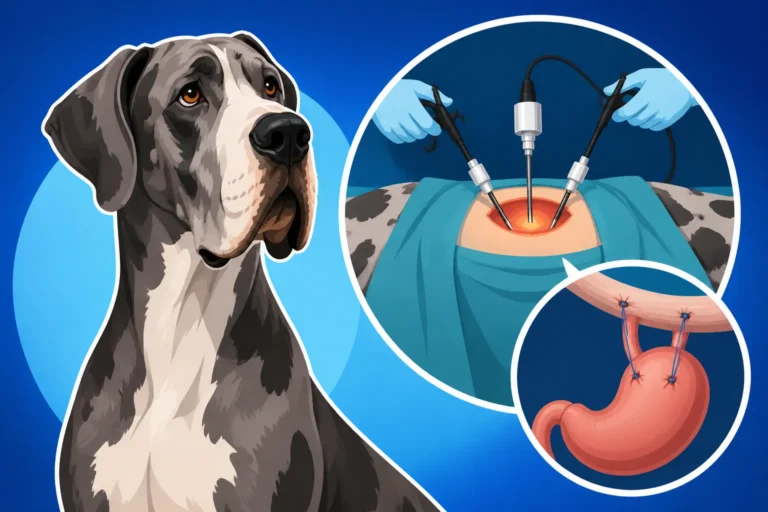
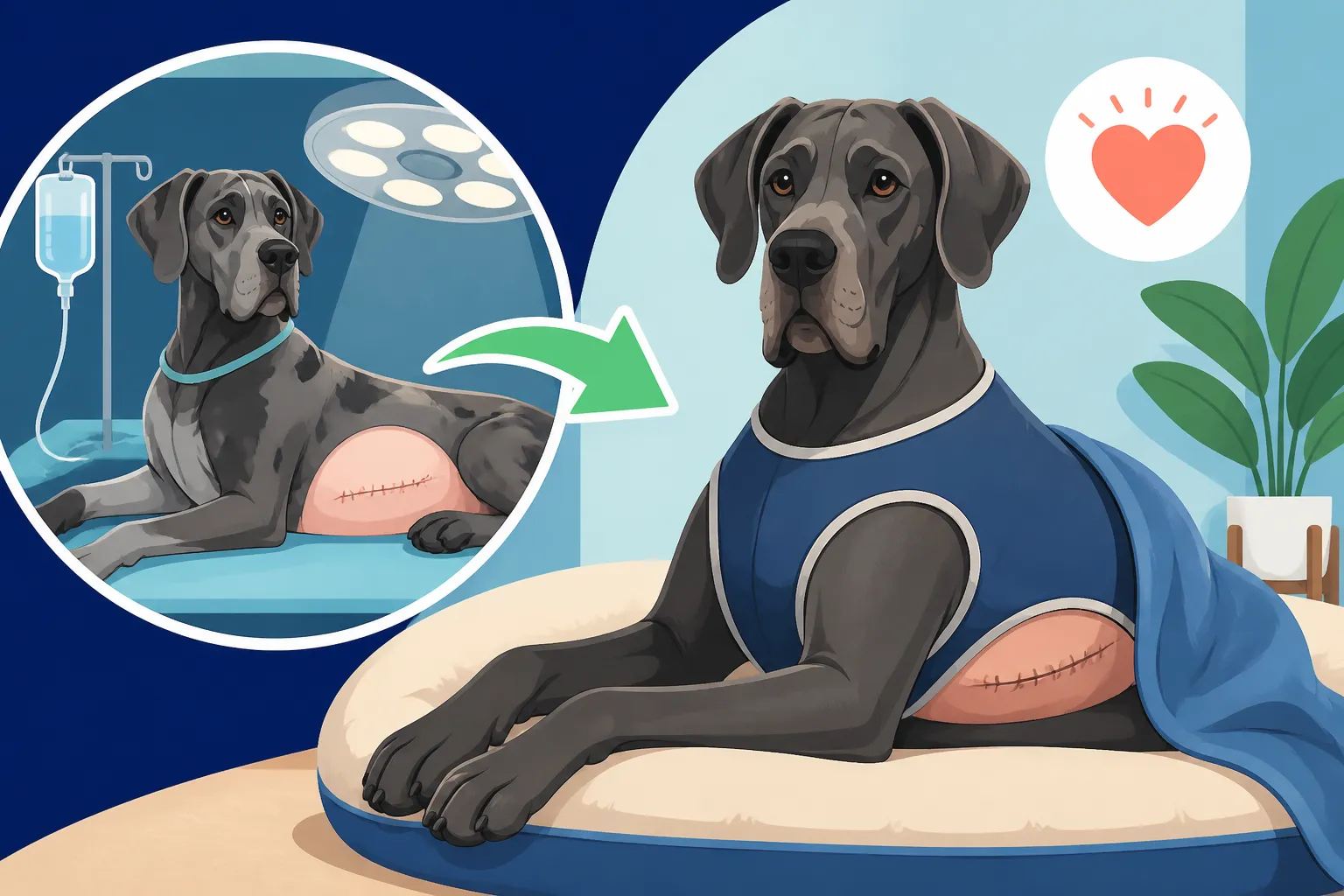
During these initial hours, pain management is a top priority. Your Great Dane will likely be on a continuous intravenous pain medication drip to keep them comfortable. They might also receive IV fluids to prevent dehydration and support organ function. The veterinary team will carefully assess their incision site for swelling, discharge, or any signs of infection. If your vet performed a gastropexy – a procedure where the stomach is tacked to the abdominal wall to prevent future twisting – this will be an additional incision site or a laparoscopic port site to monitor. This procedure significantly reduces the risk of recurrence, a common concern after the initial crisis. For many owners, ensuring their Dane has this preventative measure, as discussed in Whether Tacking a Great Dane Stomach Pays Off, offers immense peace of mind.
Coming Home: Initial Care and Environment
When your vet finally gives the green light for your Great Dane to come home, it's a moment of mixed emotions. Joy, of course, but also a healthy dose of apprehension. Your dog will still be recovering from the anesthesia and the surgery itself, so they won't be their usual boisterous self. The goal for their home environment is calm, quiet, and comfortable. Imagine yourself recovering from major surgery – you’d want a peaceful place to rest, right? Your Dane is no different.
Set up a designated recovery space that is easily accessible and free from stairs or obstacles. A large, soft, orthopedic bed is essential to prevent pressure sores, especially on their elbows, and to provide maximum comfort for their sore body. Keep this area away from high-traffic household areas and other pets, if possible, to minimize stress and excitement. You’ll need to manage their incision site meticulously. Your vet will give you specific instructions, which often involve checking it daily for redness, swelling, heat, or any discharge. Sometimes, an E-collar (cone of shame) is necessary to prevent your Dane from licking or chewing at the stitches, which can lead to infection or reopening the wound. While it's a nuisance, it's a non-negotiable part of healing. Remember, the journey from The Signs of a Great Dane Stomach Twisting to recovery is a long one, and protecting that surgical site is paramount.
Managing Pain and Medication Post-Surgery
After such a serious operation, pain management is absolutely vital for your Great Dane's comfort and successful recovery. It's not just about alleviating suffering; adequate pain control allows them to rest, move minimally without extreme discomfort, and prevents them from guarding the incision, which can hinder healing. Your veterinarian will send you home with a carefully crafted medication schedule, and sticking to it religiously is critical.
Decoding Your Vet's Prescription Plan
Typically, a post-bloat surgery medication regimen will include several types of drugs. Non-steroidal anti-inflammatory drugs (NSAIDs) are commonly prescribed to reduce pain and inflammation. Examples might include carprofen (Rimadyl), meloxicam (Metacam), or firocoxib (Previcox). It's crucial to give these exactly as directed, usually with food, to minimize the risk of stomach upset. Never give human pain relievers like ibuprofen or acetaminophen, as these can be toxic to dogs.
Antibiotics are often prescribed to prevent bacterial infections, especially since the digestive tract was involved in the surgery. You'll need to complete the entire course of antibiotics, even if your Great Dane seems to be feeling better, to ensure the infection is fully cleared. Additionally, your vet might prescribe gastroprotectants like famotidine or omeprazole to protect their stomach lining, which can be sensitive after surgery and due to NSAID use. In some cases, especially if your Dane was particularly nauseous or had reflux, they might also receive anti-nausea medication. Keep a detailed log of when you administer each medication to ensure you don't miss doses or accidentally double up.
Administering Medications Effectively
Giving pills to a giant breed like a Great Dane can be an Olympic sport in itself. They often have strong opinions about medication! Start by asking your vet if any of the medications come in liquid form or if they can be compounded into flavored chews by a specialty pharmacy. This can make a huge difference. If pills are your only option, try hiding them in a small amount of a favorite treat. Soft treats like cream cheese, peanut butter (xylitol-free!), or a piece of hot dog often work well. Some Danes are incredibly adept at eating the treat and spitting out the pill, so be vigilant. A "pill pocket" from brands like Greenies can also be a lifesaver for hiding those tricky tablets.
For a Great Dane, their sheer size means that a firm, but gentle, approach is often needed. If they won't take the pill in food, you might need to use the direct method. Gently open their mouth, place the pill as far back on their tongue as possible, close their mouth, and gently stroke their throat until you see them swallow. Follow up with a small treat or a squirt of water to encourage swallowing. Always remain calm and reassuring, even if it's frustrating. They can pick up on your stress, which can make the process even harder. If you’re struggling, don’t hesitate to call your vet for more tips or to explore alternative administration methods. Remember, the journey to full health, especially after something as serious as bloat, is a team effort, and you're doing great!
Nutrition and Hydration During Recovery
Getting your Great Dane back on track with eating and drinking after bloat surgery is a delicate dance. Their digestive system has been through a significant trauma, and rushing things can easily lead to setbacks. The goal is to reintroduce food and water slowly and carefully, monitoring for any adverse reactions.
The Delicate Balance of Feeding
Your veterinarian will provide specific instructions on when and how to reintroduce food. Typically, it will start with very small, frequent meals of a bland diet. Think boiled chicken and rice, or a prescription gastrointestinal diet. The "small, frequent" part is key. Instead of their usual two large meals, you might be feeding them 4-6 tiny meals throughout the day. This reduces the load on their recovering stomach and helps prevent any sudden distension that could cause discomfort or complications. Overfeeding too soon can be detrimental.
Monitor their appetite, energy levels, and any signs of nausea or vomiting after eating. If they show any discomfort, stop and consult your vet. As they progress, your vet will guide you on gradually increasing the meal size and transitioning them back to their regular high-quality kibble. If your Great Dane had a gastropexy, which is often performed during bloat surgery, the risk of stomach torsion is significantly reduced, but it doesn't eliminate the risk of bloat itself, as discussed in Whether a Tacked Great Dane Can Still Bloat. Therefore, maintaining good feeding habits, like those detailed in Meal Habits That Cut a Great Dane's Twist Risk, remains crucial. Consider slow feeder bowls designed for large breeds to prevent them from gulping air with their food.
Ensuring Adequate Hydration
Just as critical as nutrition is ensuring your Great Dane stays well-hydrated. Dehydration can quickly become a serious issue, especially when they're recovering from surgery and potentially on certain medications. Always have fresh, clean water readily available in multiple locations, but avoid allowing them to gulp large quantities at once. If your Dane tends to drink too fast, offering smaller amounts more frequently can help prevent stomach upset.
Monitor their water intake closely. You might consider adding a little low-sodium broth to their water to encourage drinking, or offering ice cubes as a treat, which can be a fun way to get fluids into them gradually. Look for signs of dehydration, such as lethargy, dry gums, or sunken eyes. If your Great Dane is reluctant to drink, or if you notice any signs of dehydration, contact your vet immediately. They might recommend subcutaneous fluids to help rehydrate your dog. Providing ample water is a simple yet profoundly important part of their overall recovery and well-being.
Activity Restrictions and Gradual Return to Normal
One of the hardest parts of bloat recovery, especially with an active Great Dane, is enforcing strict rest. They’re used to boundless energy, sprawling on the floor, and sudden bursts of zoomies. But after major abdominal surgery, their body needs time to heal. Pushing them too hard, too fast, can lead to serious complications.
Strict Rest and Leash Walks
For the first few weeks post-surgery, strict rest is non-negotiable. This means absolutely no jumping, running, roughhousing, or playing with other dogs or children. Even climbing stairs should be avoided entirely. If you have stairs in your home, you might need to carry your Dane (which, let's be honest, is a monumental task for most of us once they hit a certain size!) or block off access, depending on their weight and your physical capabilities. Ramps can be helpful for getting them in and out of cars if necessary.
When they need to go outside for potty breaks, they must be kept on a short leash at all times. This prevents them from suddenly darting after a squirrel, rolling on their back (which can stress the incision), or greeting someone with their usual enthusiastic, full-body wag. The leash walks should be slow, controlled, and just long enough for them to do their business. The incision site needs time to knit together firmly, and any sudden movements can tear sutures or cause painful bruising. It’s tough, but remember, this period of confinement is temporary and vital for their long-term health. Consider how important understanding What to Do the Minute a Great Dane Bloats is; now think of this recovery period as equally critical.
Monitoring Progress and Knowing When to Increase Activity
Your veterinarian will give you a clear timeline for activity restrictions, usually starting with 2-4 weeks of strict leash-only outings, followed by a gradual increase in activity. During this time, you need to be constantly monitoring your Great Dane for signs of discomfort or pain. Are they limping? Are they reluctant to move? Are they whining or panting excessively? These could all be indicators that they're doing too much or that their pain isn't adequately controlled.
Once the initial recovery period is over, and your vet gives the go-ahead, you can slowly begin to increase their activity level. This might start with slightly longer, controlled leash walks. Avoid dog parks or off-leash areas for quite some time. The key word here is gradual. Don't go from zero to sixty overnight. A good rule of thumb is to increase activity in small increments, perhaps an extra 5-10 minutes of walking each week, while observing their response. Any sign of lameness, increased swelling around the incision, or general lethargy should be a cue to reduce activity and consult your vet. Organizations like Healthy Paws, offering pet insurance, often emphasize the importance of following post-operative instructions carefully, as it can impact claim eligibility and, more importantly, your pet's recovery outcome.
Recognizing and Addressing Potential Complications
While a successful bloat surgery is a huge hurdle overcome, the recovery period isn't entirely free from potential complications. Staying vigilant and knowing what to look for can make all the difference in catching an issue early and preventing it from becoming a serious setback.
Signs of Infection or Incision Issues
The surgical incision is a vulnerable spot, and it's essential to keep a close eye on it. Check the incision at least once a day, ideally twice. What you're looking for are classic signs of infection:
- Redness: While a little pinkness is normal, excessive or spreading redness could indicate a problem.
- Swelling: Some mild swelling around the incision is typical, but significant or increasing swelling is a red flag.
- Heat: If the skin around the incision feels noticeably warmer than the surrounding area, it might be infected.
- Discharge: Any pus, foul-smelling fluid, or excessive weeping from the incision is a definite sign of infection. Clear or slightly blood-tinged fluid in the first day or two might be normal, but always consult your vet if you're unsure.
- Dehiscence: This is when the incision reopens. It can range from a small gap to a complete opening of the wound. If you see stitches coming undone or the skin separating, contact your vet immediately.
Remember, your Great Dane will likely be wearing an E-collar to prevent licking. If they manage to get around it, or if you notice them obsessively licking or chewing the area, it's a sign they're uncomfortable, and it could also introduce bacteria, leading to infection. Follow your vet's instructions for cleaning the incision, if any, and report any of these signs promptly.
Recurrence of Bloat Symptoms or Other Concerns
Even with a gastropexy, which greatly reduces the risk of stomach twisting, it’s still possible for your Great Dane to experience gastric dilatation (bloat without torsion). This is why remaining aware of The Lifetime Bloat Risk in a Great Dane and the symptoms of bloat is crucial. Watch for:
- Retching without vomiting: This is the classic sign of bloat. Your dog acts like they need to throw up but nothing comes out, or only foamy saliva.
- Distended abdomen: A swollen or hard belly, especially on the left side, is a critical symptom.
- Pacing or restlessness: Your Dane might be unable to get comfortable.
- Excessive drooling: This can be a sign of nausea or distress.
- Pain or tenderness: They might cry out if their abdomen is touched.
Other post-operative complications, though less common, can include issues with organ function, especially the heart. Keep an eye on their general demeanor. Persistent lethargy, loss of appetite, changes in urination or defecation, or any unusual behaviors should prompt a call to your vet. You paid a significant amount for the surgery—many owners find that pet insurance, such as a plan from Healthy Paws, helps immensely with these unexpected costs, which can range into the thousands of dollars. Early detection and intervention are key to ensuring your Great Dane recovers fully and thrives after this traumatic event. The more informed you are about Whether a Great Dane Survives a Twisted Stomach, the better prepared you'll be to support them.
Emotional Support and Long-Term Wellness
Bloat surgery isn't just a physical ordeal for your Great Dane; it's an emotional one too. They've been through a scary, painful experience, and then confined and medicated. Providing emotional support is just as vital as the physical care during their recovery. Looking beyond the immediate recovery, thinking about long-term wellness will help prevent future issues and ensure a happy, healthy life for your giant friend.
Supporting Your Great Dane's Mental State
Your Great Dane might be confused, anxious, or even a little depressed after surgery. They're not feeling well, their routine is disrupted, and they might not understand why they're wearing a giant cone or can't play. Your presence and reassurance are incredibly powerful. Spend quiet time with them, petting them gently (avoiding the incision area, of course), talking to them in soothing tones, and just being near. Maintaining a consistent routine for feeding and potty breaks can also provide a sense of security and normalcy.
Offer quiet, low-key enrichment. Puzzle toys that don't require strenuous physical activity can engage their minds without stressing their body. Soft chew toys, if allowed by your vet, can also provide comfort and reduce boredom. If your Great Dane is particularly anxious or showing signs of significant stress, talk to your vet. They might suggest calming aids or temporary anti-anxiety medication to help them through this difficult period. Remember, a happy, relaxed dog is more likely to heal well.
Preventative Measures and Future Considerations
Once your Great Dane has fully recovered, it's natural to want to do everything you can to prevent another bloat episode. If a gastropexy was performed during the emergency surgery, you've already taken a huge step in preventing the stomach from twisting again. This procedure, explored in more detail in How a Great Dane Gastropexy Is Done, dramatically reduces the chance of recurrence. However, it doesn't prevent the stomach from bloating (filling with gas), so preventative measures remain important.
Continue feeding multiple small meals throughout the day instead of one or two large ones. This is a foundational practice for managing Bloat in a Great Dane and the One in Three Odds. Avoid strenuous exercise for at least an hour before and after meals. Some studies suggest that elevated feeding bowls don't necessarily reduce bloat risk and may even increase it for some breeds, so discuss this with your vet. Ensure your Dane always has access to fresh water but encourage them to drink slowly. Minimize stress around meal times, as stress can sometimes be a contributing factor. For many owners, investing in pet insurance from providers like Healthy Paws is a long-term preventative measure against the financial shock of future emergencies, offering peace of mind even if preventative surgeries are successful.
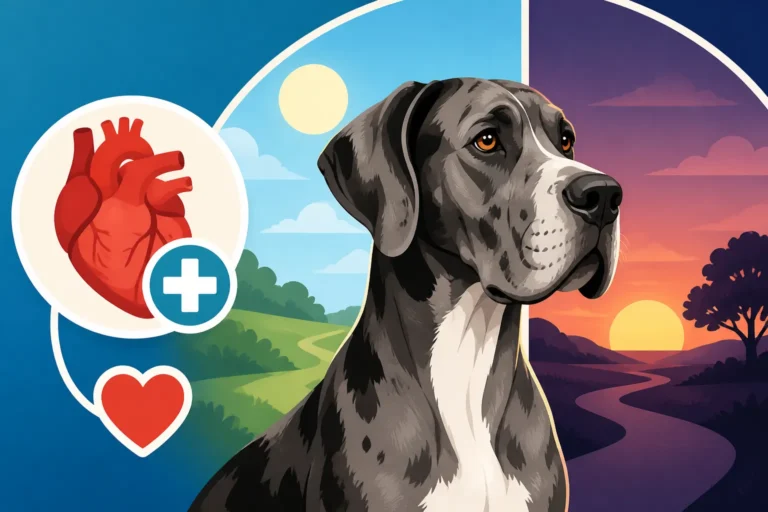
Beyond bloat, continue with regular veterinary check-ups to monitor their overall health. Great Danes are prone to other significant health issues, such as dilated cardiomyopathy (The Heart Muscle Disease Great Danes Are Prone To) and various orthopedic problems. Being proactive with diet, exercise (once fully recovered!), and veterinary care will give your beloved giant the best chance at a long, healthy, and happy life.
Disclaimer
This article is intended for informational purposes only and does not constitute veterinary advice. Always consult with a qualified veterinarian for any health concerns or before making any decisions about your Great Dane's care, especially regarding post-operative recovery.