The Raised Bowl Argument for Great Danes
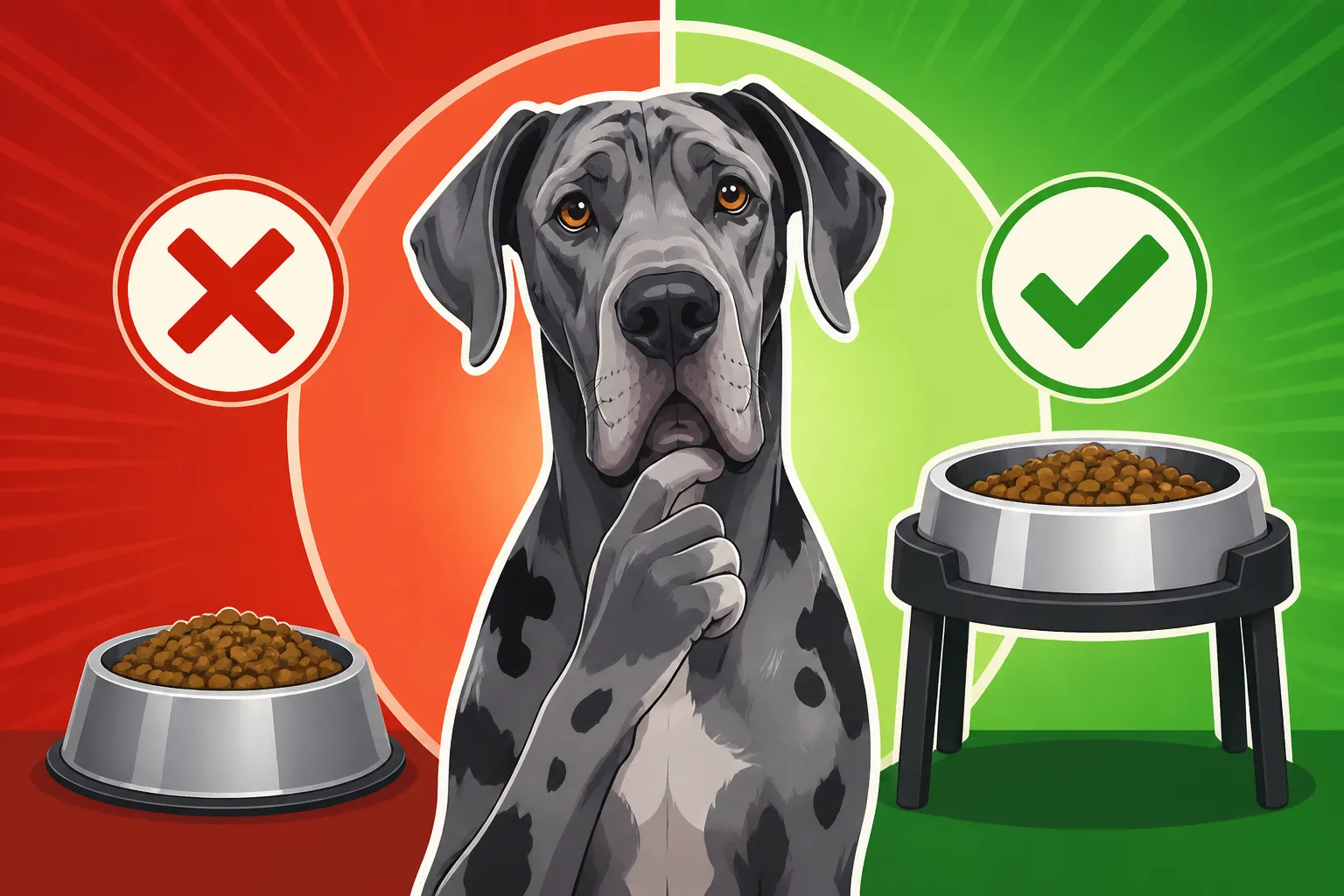
One of the most persistent debates among Great Dane owners revolves around feeding bowls: should they be raised or placed directly on the floor? It’s a discussion born from a deep love for these magnificent dogs, coupled with a constant, nagging worry about their health, particularly the ever-present threat of bloat. This guide aims to thoroughly explore the arguments for and against raised bowls, diving into the science and offering practical advice to help you make the best decision for your beloved Dane.
The Long-Standing Belief: Raised Bowls and Bloat Prevention
For decades, many Great Dane owners and even some veterinary professionals firmly believed that elevated food bowls were a crucial tool in preventing bloat, also known as Gastric Dilatation-Volvulus (GDV). This idea became deeply entrenched in the giant breed community, almost an unquestioned truth passed down through generations of Dane enthusiasts.
The Rationale Behind the Raised Bowl Idea
The theory behind using raised bowls seemed logical on the surface. Proponents argued that by lifting the food and water to a more comfortable height, a Great Dane wouldn't have to bend its neck and chest as much. This, they believed, would lead to several benefits. Firstly, it was thought to promote better posture during meals, potentially reducing the amount of air the dog swallowed while eating. The assumption was that less stooping meant a more direct path for food, and therefore less opportunity for air to be gulped down, which is a known factor in bloat. Secondly, some reasoned that a more upright eating position would aid digestion, allowing gravity to assist the food's journey down the esophagus and into the stomach more smoothly. It painted a picture of a dog effortlessly consuming its meal, free from the strenuous contortions thought to contribute to digestive upset and gas accumulation.
Anecdotal Evidence and Early Recommendations
This belief wasn't just theoretical; it was heavily supported by anecdotal evidence from countless Great Dane owners who swore by raised bowls. Many shared stories of their dogs appearing to eat more comfortably, or simply felt a sense of proactive care by providing what seemed like a more ergonomic dining experience for their giant companions. Breeders and long-time owners often recommended elevated bowls as a standard practice for puppies and adults alike. It became part of the 'Great Dane owner's handbook,' a piece of advice given with the best intentions, often alongside other common recommendations for bloat prevention, such as avoiding exercise immediately after meals or splitting meals into smaller portions. This collective experience, while powerful in shaping common practice, wasn't rigorously tested, yet it held significant sway in the community for a very long time.
The Pivotal Research: What Science Says About Raised Bowls and Bloat
However, the world of veterinary science doesn't rely solely on good intentions or anecdotal success stories. Researchers continuously strive to understand complex health issues like bloat, and sometimes, the findings challenge deeply held beliefs. This was certainly the case with the raised bowl argument, leading to a significant shift in recommendations.
The Purdue Study and Its Findings
The most influential research on this topic came from a large-scale study conducted by Purdue University in the late 1990s. This comprehensive study, which looked at various risk factors for bloat in large and giant breed dogs, delivered results that surprised and, in some cases, alarmed the Great Dane community. Contrary to popular belief, the study found that feeding from a raised bowl was actually associated with an increased risk of GDV. Specifically, it reported that approximately 20% of bloat cases could be attributed to feeding from elevated surfaces. This finding was a major turning point, prompting many veterinarians and breed clubs to reconsider their advice and leading to widespread confusion among owners who had been diligently using raised bowls for years. The sheer volume and careful methodology of the Purdue study meant its findings could not be easily dismissed, forcing a re-evaluation of what was once considered protective.
Understanding the Mechanisms
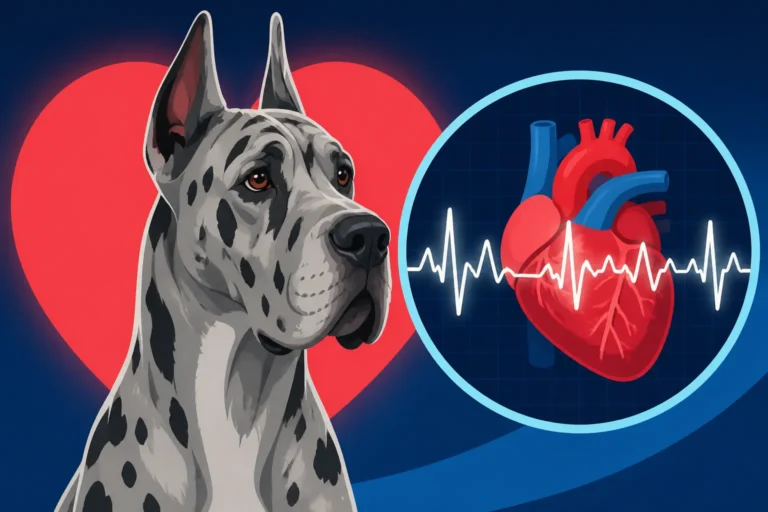
The Purdue study didn't just present a correlation; it also spurred discussions about the potential mechanisms behind this increased risk. While the exact reasons aren't fully understood, several theories emerged. One prominent theory suggests that when a dog eats from a raised bowl, they might eat faster because they don't have to bend down. This increased speed could lead to more air being swallowed during meals, which, as we know, contributes to the gas accumulation that precedes a stomach twist. Imagine gulping your food down quickly—you're more likely to swallow air with it. Another idea is that the dog's posture might not be as "natural" as initially thought. While a raised bowl might reduce neck strain, it could potentially alter the mechanics of the esophagus and stomach in a way that, for some dogs, makes them more susceptible to twisting. This doesn't mean raised bowls cause bloat directly, but rather that they might facilitate conditions that increase vulnerability in breeds already predisposed, like Great Danes, who carry a significant The Lifetime Bloat Risk in a Great Dane throughout their relatively short Why a Great Dane Only Lives Seven to Ten Years.
Navigating the Controversy: What Great Dane Owners Should Consider
Given the conflicting information – the long-standing anecdotal advice versus the scientific findings – it's understandable that Great Dane owners often feel caught in the middle. The goal isn't to create more stress, but to provide clarity and empower you to make an informed choice for your dog.
Individual Eating Habits and Pace
One crucial factor often overlooked in the "raised vs. floor bowl" debate is your individual dog's eating habits. Every Great Dane is unique, and their relationship with food can vary wildly. Some Danes are notoriously fast eaters, practically vacuuming their kibble in seconds. For these dogs, regardless of bowl height, measures to slow down their eating might be more critical. Slow-feeder bowls, whether placed on the floor or elevated (though the latter is now often advised against due to the Purdue study), are excellent tools for this. Others are leisurely eaters, picking at their food over a longer period. For these slow and steady types, the rush factor associated with raised bowls might be less of a concern. Observe your Dane closely during meal times. Does he gulp? Does he shove his entire face into the bowl? Does he show any signs of discomfort eating from the floor? Understanding your dog's personal approach to meals provides valuable insight that generic advice sometimes misses.
Alternative Strategies for Bloat Prevention
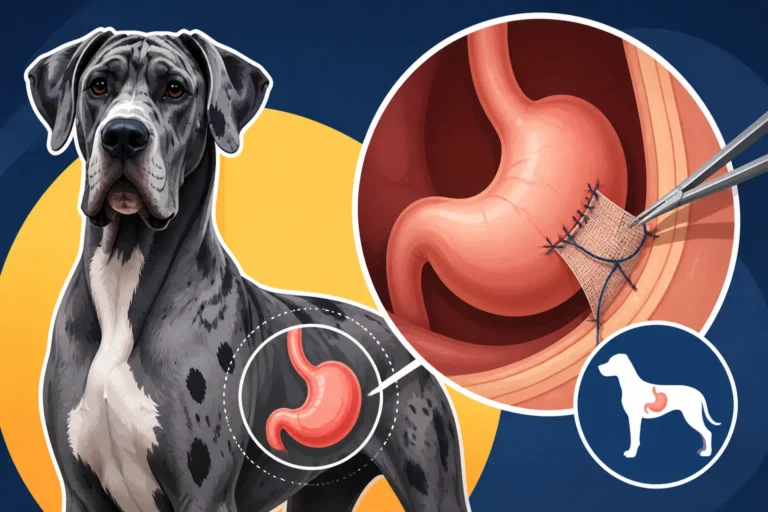
Rather than fixating solely on bowl height, it's far more productive to focus on comprehensive bloat prevention strategies that have stronger scientific backing. These practices address multiple risk factors and offer a more holistic approach to protecting your Dane. Splitting meals into smaller, more frequent servings throughout the day (two to three meals instead of one large one) can reduce the amount of food and gas in the stomach at any given time, lessening the strain on the digestive system. Controlling post-meal activity is also vital; strenuous exercise, vigorous play, or even excessive stress immediately after eating can increase bloat risk. A calm, quiet period for at least an hour before and after meals is highly recommended. Many owners also find success with Meal Habits That Cut a Great Dane's Twist Risk by managing drinking habits, restricting access to large amounts of water immediately after eating. If your Dane is a gassy dog, discussing specific dietary changes or probiotics with your vet might also be beneficial. For many Great Dane owners, the ultimate preventative measure is a prophylactic gastropexy, a surgical procedure that tacks the stomach to the abdominal wall to prevent it from twisting, which significantly reduces Bloat in a Great Dane and the One in Three Odds. You can learn more about Stomach Tacking Surgery for a Great Dane if you’re considering this option.
Consulting Your Veterinarian
Ultimately, the best advice for your Great Dane's health will come from your trusted veterinary professional. They can take into account your dog's age, overall health, any pre-existing conditions, and even family history of bloat. Don't hesitate to have an open conversation with them about your concerns regarding feeding practices. They can help you interpret the research in the context of your specific dog and guide you toward the safest feeding routine. If your Great Dane is a senior, for example, and has conditions like Arthritis in a Six-Year-Old Great Dane or other mobility issues, the comfort benefits of a slightly elevated bowl might outweigh the bloat risk if other preventative measures are strictly followed and eating speed is controlled. Your vet can help you weigh these individual pros and cons. Remember, proactive discussions with your vet are an essential part of Caring for a Great Dane Past Six, ensuring their comfort and health as they age.
Practical Considerations Beyond Bloat Risk
While bloat prevention is a paramount concern for Great Dane owners, it's not the only factor to consider when choosing a feeding setup. There are legitimate reasons why owners might still opt for some elevation, especially for specific dogs with particular needs.
Benefits for Joint Health and Comfort
For Great Danes, especially older dogs or those dealing with orthopedic issues like hip or elbow dysplasia, bending all the way down to the floor can be genuinely uncomfortable, if not painful. Imagine trying to eat your dinner off the floor several times a day if you had chronic back pain! A modest elevation that allows them to eat without excessive bending of the neck and forelegs can significantly improve their comfort during meal times. This is particularly relevant for a breed prone to joint issues, and when considering Great Dane Hips, Elbows and Growing Joints, making mealtime less taxing on their frame can be a small but meaningful quality-of-life improvement. For puppies, however, excessively high bowls can encourage rapid growth, which can worsen conditions like Growth Disorders in a Great Dane Puppy and lead to problems like Growing Pains in a Great Dane at Eight Months. Therefore, any elevation should be minimal and carefully considered, especially for young, fast-growing Danes.
Addressing Neck and Back Strain
Beyond general joint discomfort, some Great Danes can experience specific neck or back strain from constantly bending low to eat. This might be due to conformation, age-related stiffness, or conditions like Wobbler Syndrome. For these dogs, a properly sized raised bowl can alleviate pressure on the cervical spine and surrounding muscles. The key here is "properly sized" – the bowl should be at a height where the dog can eat with their neck relatively straight, not reaching up or still craning down. It's about finding that sweet spot of ergonomic comfort. Some owners even use adjustable feeders that can be set to the perfect height for their individual dog, allowing for fine-tuning as the dog grows or if its needs change. It’s a balance between preventing bloat and ensuring overall physical well-being.
| Factor | Raised Bowl (Pros) | Raised Bowl (Cons) | Floor Bowl (Pros) | Floor Bowl (Cons) |
|---|---|---|---|---|
| Bloat Risk | Historically believed to reduce, now associated with increased risk per Purdue Study | Increased risk of Gastric Dilatation-Volvulus (GDV) | Potentially lower risk of GDV based on Purdue Study | No inherent cons related to bloat |
| Comfort/Joints (Older/Ailing Danes) | Can reduce neck/back strain, improve posture for comfort | Not applicable if properly sized | Requires bending, potentially uncomfortable for some dogs | No comfort pros if dog has mobility issues |
| Eating Speed | May encourage faster eating (leading to air gulping) | Can lead to more swallowed air | May encourage slower eating due to posture | No direct impact on eating speed |
| Digestion | Theoretically aids gravity for food transit | Might alter natural mechanics, potentially increasing risk | Natural eating posture, no artificial alterations | No direct impact on digestion |
| Cleanliness | Can keep feeding area cleaner, less bending for owner | Can still be messy depending on dog's eating style | Food can be scattered more easily on floor | More bending for owners to clean |
| Special Cases (Puppies) | No specific benefits; can promote excessively fast growth | Potential for abnormal growth/joint stress in fast-growing puppies | Natural posture for puppies; less risk of accelerated growth | None related to growth |
| Cost | Raised feeders can be more expensive | Additional cost | Standard bowls are inexpensive | No cost benefits |
Remember, every dog is an individual. What works best for one Great Dane might not be ideal for another.
Planning for the Unpredictable: Financial Preparedness
Owning a Great Dane means embracing the joy they bring, but also acknowledging the unique financial responsibilities that come with a giant breed. Health concerns like bloat can strike suddenly and demand immediate, often expensive, veterinary intervention.
It’s not just the everyday costs of feeding a Great Dane that eats Ten Cups a Day, but the unexpected emergencies that truly test an owner's budget. A single episode of bloat, requiring emergency surgery, can easily run into thousands of dollars. This is why having a plan for these eventualities is paramount. Many Great Dane owners find peace of mind by investing in pet insurance. Companies like Healthy Paws are popular choices, offering coverage that can help offset the astronomical costs of emergency procedures and ongoing care for chronic conditions. Thinking ahead and securing a good pet insurance policy can turn a potential financial crisis into a manageable situation, allowing you to focus on your dog's recovery without the added stress of crushing vet bills. The reality is, The Great Dane Bills Nobody Mentions, especially those related to emergency medical care, can be significant.
Final Thoughts on Feeding Your Gentle Giant
The journey of Great Dane ownership is filled with immense love and unique challenges. When it comes to something as fundamental as feeding, the conflicting advice on raised bowls can feel overwhelming. By prioritizing evidence-based practices, observing your dog's individual needs, and maintaining an open dialogue with your veterinarian, you can navigate these decisions with confidence. Remember, the goal is always to provide the safest, most comfortable, and healthiest environment for your magnificent Great Dane, ensuring they thrive for as many precious years as possible.
Disclaimer
The information provided in this article is for general informational purposes only and is not a substitute for professional veterinary advice. Always consult with a qualified veterinarian for any health concerns or before making any decisions related to your pet's care and diet.