Whether Grain-Free Food Reaches a Great Dane’s Heart
It’s a truly frightening thing to be a Great Dane owner these days, especially when it comes to what you put in their bowl. The sheer volume of conflicting information, the warnings from veterinary cardiologists, and the heartbreaking stories of diet-associated heart disease have left many of us feeling completely lost and terrified that we might be inadvertently harming our beloved giants. This guide aims to cut through the noise, explaining the complex relationship between grain-free diets and heart health, particularly for a breed as susceptible to cardiac issues as the Great Dane, so you can make informed decisions with confidence.
Unraveling the Grain-Free Diet and DCM Connection in Great Danes
For years, many dog owners, ourselves included, were led to believe that grain-free diets were the pinnacle of canine nutrition. The marketing often highlighted natural ingredients and an apparent avoidance of "fillers," making them seem like a superior choice. However, around 2018, the veterinary community, spearheaded by the FDA, began sounding alarms that shook the pet food world. Cases of Dilated Cardiomyopathy (DCM), a severe heart condition, were appearing in breeds not typically predisposed to it, and a common thread began to emerge: many of these affected dogs were eating specific types of grain-free or "boutique" diets.
The FDA's Investigation and Initial Concerns
Dilated Cardiomyopathy (DCM) is a nasty disease where the heart muscle becomes thin and weak, struggling to pump blood effectively. In Great Danes, it's tragically common, earning the grim title of The Heart Muscle Disease Great Danes Are Prone To. The heartbreaking reality is that our giants are already at a heightened risk, making any potential dietary link even more alarming. When the FDA launched its investigation into diet-associated DCM (DCM-D), it wasn't just finding DCM in Golden Retrievers or Dobermans; it was seeing an increase in cases, and sometimes an earlier onset, in breeds already susceptible, including Great Danes.
The initial concern centered on grain-free diets because many of the affected dogs were consuming them. It wasn't immediately clear why or how these diets might be linked. Was it the absence of grains? Or the ingredients used to replace them? The early reports pointed to ingredients like peas, lentils, chickpeas, and potatoes, which were often used as primary carbohydrate sources in these formulations. The theory was that these ingredients, especially in large quantities, might interfere with the absorption or synthesis of vital nutrients, or perhaps contain compounds that negatively impact heart function. It’s crucial to understand that at this stage, the FDA stressed a correlation, not direct causation. It meant "we're seeing a pattern here, and we need to investigate further," which, for an anxious owner, felt a lot like "your dog food might be poison." The panic was palpable, and rightly so, when the health of our gentle giants was on the line.
Beyond Just "Grain-Free": The Role of Boutique, Exotic, and Novel Ingredients (BEG Diets)
As the investigation deepened, it became clear that the issue wasn't solely about the absence of grains. In fact, many commercially available, reputable grain-inclusive foods also contain some peas or lentils. The focus shifted more broadly to what veterinary nutritionists began calling "BEG diets": Boutique brands, diets with Exotic ingredients, or those featuring Novel proteins and carbohydrates. These diets often share common characteristics:
- Boutique Brands: Smaller companies that might not have the extensive research and development teams or board-certified veterinary nutritionists on staff that larger, more established pet food manufacturers do. Their formulations might not be as rigorously tested for nutritional completeness over long periods.
- Exotic Ingredients: Think kangaroo, duck, venison, bison, or even alligator as primary protein sources. While novel proteins can be fantastic for dogs with severe food allergies, their long-term nutritional impact, especially when making up a significant portion of the diet, might not be fully understood or balanced.
- Novel Carbohydrates: This is where the "grain-free" aspect often comes in, using ingredients like peas, lentils, chickpeas, and potatoes as major sources of carbohydrates and protein. These ingredients aren't inherently bad, but their use as a primary or dominant ingredient, especially when replacing nutrient-dense grains, became a red flag.
The problem, it seems, isn't just "no grains." It's more about the overall formulation of these specific types of diets. Many of these BEG diets might be deficient in certain essential amino acids, like taurine, or contain antagonists that prevent proper nutrient absorption. The Great Dane is a massive dog with unique nutritional needs, and feeding them a diet that hasn't been thoroughly researched and proven safe for long-term use can have devastating consequences. The challenge for owners is that these diets are often marketed with persuasive language about being "natural" or "ancestral," which can feel incredibly appealing when you're trying your best to provide the best for your beloved dog.
The Crucial Role of Taurine in Great Dane Heart Health
When it comes to heart health in Great Danes, one nutrient frequently comes up in discussions about DCM: taurine. This amino acid is a powerhouse for cardiac function, and its deficiency can lead directly to the kind of weakened heart muscle seen in DCM.
Taurine Deficiency and DCM-D
Taurine is an essential nutrient for dogs, playing a critical role in heart muscle function, vision, digestion, and immune system health. While most dogs can synthesize taurine from other amino acids (like methionine and cysteine), certain breeds, including Great Danes, are genetically predisposed to taurine deficiency. This means that even if their diet contains the precursors, their bodies might not be efficient enough at converting them into adequate levels of taurine.
The connection between BEG diets and taurine deficiency in DCM-D is complex. It's not always a case of the food being explicitly low in taurine. Sometimes, the issue might be that the high concentration of certain ingredients, like peas and lentils, can interfere with taurine absorption or metabolism. For example, some ingredients might bind to taurine, preventing the dog's body from utilizing it, or they might alter the gut microbiome in a way that impacts taurine synthesis. This is particularly concerning for a breed already prone to DCM, where every bit of support for heart health is critical. If you're seeing signs like a decrease in energy or A Great Dane That Cannot Finish a Walk, it's vital to consider all potential causes, including dietary ones. The thought that your dog could be perfectly healthy one day and then A Great Dane That Collapses and Recovers due to diet-related heart issues is terrifying, underscoring the importance of understanding taurine's role. We've dedicated an entire article to this topic, so make sure to check out Taurine and Great Dane Heart Health for more in-depth information.
Testing for Taurine Levels and Supplementation
If you're concerned about your Great Dane's heart health or have been feeding a BEG diet, speaking to your veterinarian about taurine testing is a sensible first step. Vets can perform specific blood tests to measure taurine levels – typically both whole blood and plasma levels, as these can provide different insights into a dog's taurine status. If a deficiency is identified, your vet might recommend a taurine supplement.
However, it's crucial not to simply start supplementing without veterinary guidance. Blindly adding taurine might not be effective if the underlying issue is poor absorption or another dietary antagonist, and it's always best to have a professional diagnose and guide treatment. Sometimes, the first recommendation might be to switch to a diet formulated by a veterinary nutritionist from a well-established brand, as this alone can often resolve the taurine deficiency over time. Your vet will also advise on the appropriate dosage for your Great Dane's massive size, as dosing for a 150-pound dog is vastly different from a smaller breed. This proactive step could be a lifesaver, and remember, getting an early diagnosis and treatment can often dramatically improve outcomes for dogs with DCM, especially if it's diet-associated.
What to Feed Your Great Dane for Optimal Heart Health
Given the anxieties surrounding diet and DCM, choosing the right food for your Great Dane can feel like navigating a minefield. The goal is to provide a diet that supports their overall health, including their heart, without introducing unnecessary risks.
Choosing a Reputable Dog Food Brand
The most critical piece of advice for feeding a Great Dane, especially with their predisposition to cardiac issues, is to choose a dog food brand that employs board-certified veterinary nutritionists and invests heavily in scientific research and quality control. These companies often conduct feeding trials, adhere strictly to AAFCO (Association of American Feed Control Officials) guidelines, and have a transparent process for ingredient sourcing and manufacturing.
When you're scrutinizing dog food labels, don't just look for "natural" or "holistic." Instead, look for statements indicating that the diet is "formulated to meet the nutritional levels established by the AAFCO Dog Food Nutrient Profiles for [life stage]" and, ideally, that the food has undergone feeding trials. Large, established brands like Purina, Hill's Science Diet, Royal Canin, and Eukanuba have historically met these criteria and have invested decades in researching canine nutrition. They might not always have the flashiest marketing, but their commitment to scientific rigor provides a layer of confidence.
Don't hesitate to contact pet food companies directly. Ask them about their nutrition team, their research, where they source their ingredients, and their quality control measures. A reputable company will be happy to provide detailed answers. Ultimately, your veterinarian is your best resource for specific recommendations. They understand your Great Dane's individual health history, activity level, and any potential predispositions, allowing them to provide a tailored dietary plan. When you consider that you're Feeding an Adult Great Dane Six to Ten Cups a day, making sure those cups are filled with high-quality, safe food is paramount for their longevity.
Ingredients to Look For and Potentially Avoid
When examining ingredient lists, we're aiming for balance and nutritional completeness rather than chasing marketing trends.
What to Look For:
- Named Meat Protein Sources: Look for a named meat (e.g., "chicken meal," "lamb," "beef") as the first one or two ingredients. These provide essential amino acids for muscle development, including the heart.
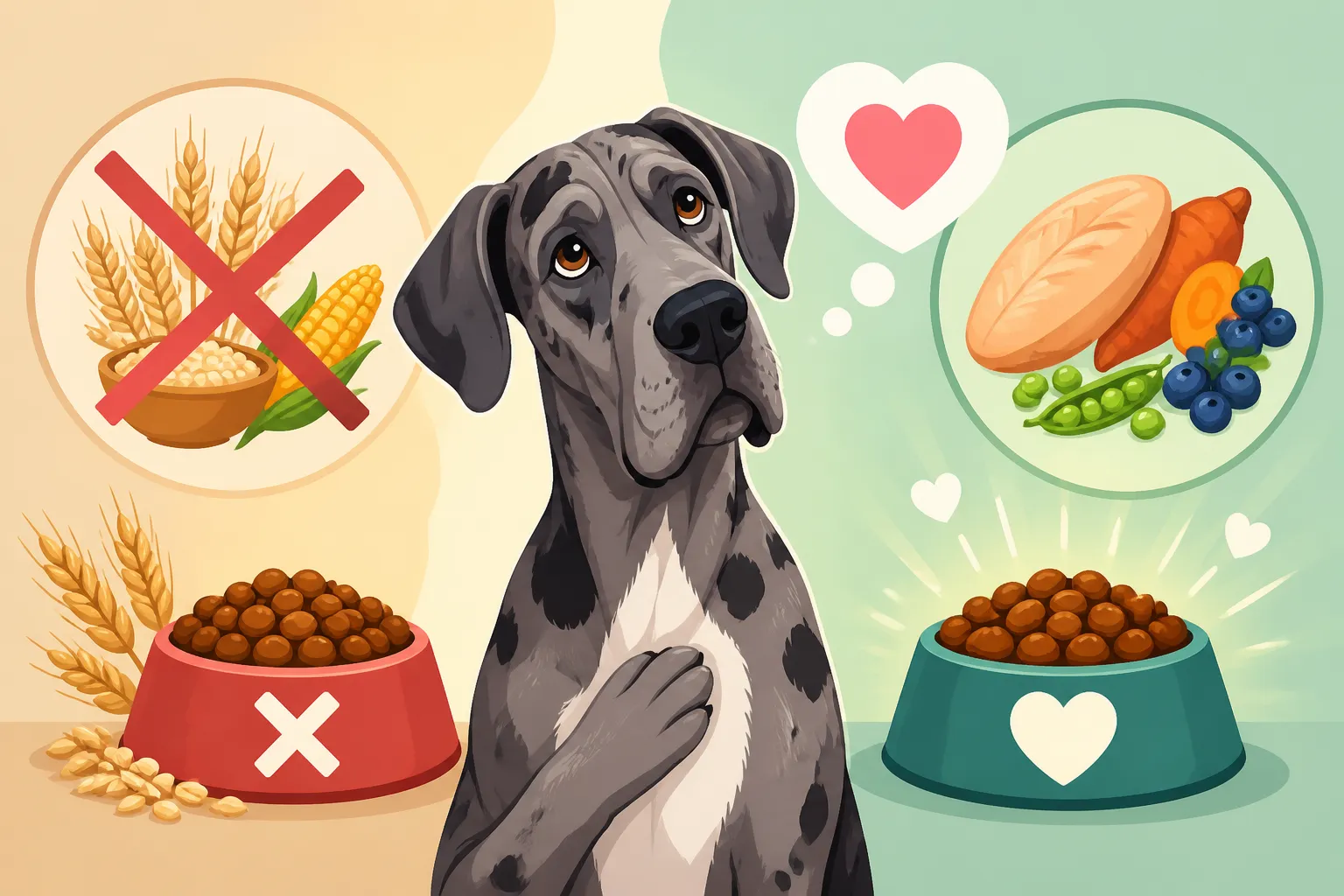
- Complex Carbohydrates: Ingredients like rice (brown or white), barley, oats, and corn are excellent sources of energy and fiber. Despite old myths, grains are not merely "fillers" and provide valuable nutrients.
- Healthy Fats: Look for sources like chicken fat, fish oil (for Omega-3s), or flaxseed. These are vital for skin, coat, and overall cellular health, including cardiac cells.
- Vitamins and Minerals: A comprehensive list of essential vitamins and minerals, ensuring the food is nutritionally complete.
- Digestible Fiber Sources: Pulp (beet pulp, tomato pomace) or other plant-based fibers aid digestion.
What to Potentially Avoid (or at least be cautious with as primary ingredients):
- High Concentrations of Legumes and Potatoes: While peas, lentils, chickpeas, and potatoes aren't inherently bad in moderation, foods where they are listed among the first few ingredients, especially as the primary carbohydrate source, warrant caution due to the ongoing DCM-D investigation.
- "Exotic" or "Novel" Proteins without veterinary oversight: Unless your Great Dane has a diagnosed allergy requiring a novel protein, sticking to more common, well-researched protein sources is often safer.
Here’s a quick overview to help you differentiate:
| Feature/Ingredient Type | Traditional/Reputable Grain-Inclusive Diets | Some BEG/Grain-Free Diets (Caution Recommended) |
|---|---|---|
| Primary Carbs | Rice, barley, oats, corn, wheat | Peas, lentils, chickpeas, potatoes, sweet potatoes |
| Primary Proteins | Chicken, beef, lamb, turkey | Kangaroo, venison, duck, bison, other novel proteins |
| Formulation | Typically formulated by veterinary nutritionists, extensive research, feeding trials | Often developed by smaller teams, less scientific backing, limited trials |
| Taurine & Amino Acids | Balanced to ensure adequate levels and synthesis | May have imbalanced amino acid profiles, potential taurine deficiency/antagonism |
| Overall Philosophy | Science-backed, balanced nutrition, long-term health | Marketing-driven, "ancestral," "natural" claims, often without scientific basis |
Remember, a balanced diet with good quality ingredients from a trusted manufacturer is your best bet. It’s not about eliminating specific ingredients entirely, but about ensuring the overall formulation is sound and scientifically validated for a giant breed like the Great Dane.
Proactive Heart Care and Monitoring for Your Giant
Beyond diet, taking a proactive approach to your Great Dane's heart health is paramount. Given their genetic predisposition to conditions like DCM, consistent monitoring and early intervention can make a significant difference in their quality of life and longevity.
Regular Veterinary Check-ups and Cardiac Screening
It cannot be stressed enough: regular veterinary check-ups are non-negotiable for Great Danes. These annual visits are more than just vaccinations; they are an opportunity for your vet to perform a thorough physical exam, listen to your dog's heart, and identify any subtle changes that could indicate a problem. For a breed so prone to heart disease, yearly screenings are critical.
What does a cardiac workup typically involve? It usually starts with a physical exam, listening for heart murmurs or arrhythmias. Your vet might recommend blood tests, including a proBNP test, which is a biomarker that can indicate cardiac stress. The gold standard for diagnosing DCM is an echocardiogram (echo) – an ultrasound of the heart that allows the cardiologist to visualize its structure and function. For Great Danes, many specialists recommend starting these screenings around two to three years of age, or even earlier if there are any suspicious symptoms or a strong family history of DCM. Understanding How a Great Dane Heart Enlarges and what specific measurements a specialist looks for during an echo is key to early detection. You can learn more about What a Cardiologist Measures in a Great Dane Heart and When a Great Dane Should Have Its First Echo in our dedicated guides.
These screenings might seem like an extra expense, but they are an investment in your dog’s health. Early detection means earlier intervention, which can often slow the progression of the disease and improve outcomes.
Recognizing Early Signs of Heart Trouble
As Great Dane owners, we become intimately familiar with our dogs' quirks and routines. This closeness is our superpower when it comes to noticing subtle changes that could signal heart trouble. The early signs of DCM or other cardiac issues are often incredibly subtle and can easily be mistaken for normal aging or just a "lazy day."
Look out for things like:
- Decreased Exercise Tolerance: Your usually energetic Dane might tire more quickly on walks, lag behind, or seem less enthusiastic about playtime. If you notice A Great Dane That Cannot Finish a Walk, pay close attention.
- Lethargy and Weakness: An overall reduction in energy, spending more time sleeping, or appearing generally listless.
- Coughing: Especially a soft, hacking cough, particularly at night or when resting. This can indicate fluid accumulation in the lungs, a sign of congestive heart failure.
- Difficulty Breathing: Increased respiratory rate or effort, even at rest. You might notice their flanks moving more significantly.
- Weight Loss: Unexplained weight loss despite a normal appetite.
- Fainting or Collapsing: Though less common in early stages, Fainting in a Great Dane is a serious sign of advanced heart disease and requires immediate veterinary attention.
Because Great Danes are prone to DCM, knowing these Early Heart Signs in a Great Dane can empower you to act quickly. If you observe any of these symptoms, don't wait. Contact your vet immediately and explain your concerns. Timely action can genuinely make a difference.
Financial Planning for Potential Health Issues
Let's be realistic: owning a Great Dane is a significant financial commitment. Their sheer size means everything from food to medication to vet bills comes with a higher price tag. When you factor in their predisposition to serious health issues like bloat and DCM, the potential costs can be overwhelming. This is where diligent financial planning, often in the form of pet insurance, becomes not just an option, but a near necessity.
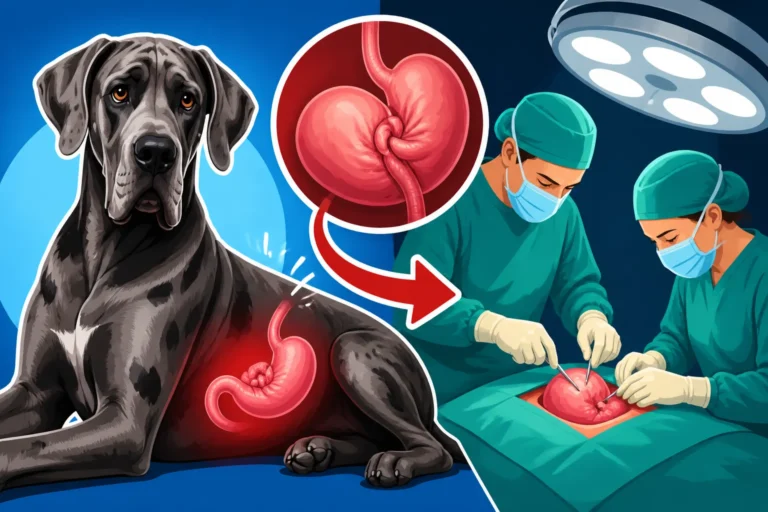
A cardiac workup, including an echocardiogram and blood tests, can run into hundreds or even thousands of dollars. If DCM is diagnosed, the ongoing cost of medications (like Pimobendan or diuretics) can be substantial, especially given the large doses required for a Great Dane. Furthermore, emergency situations, such as a sudden worsening of heart failure, can lead to overnight hospital stays and intensive care, racking up bills quickly. We've seen firsthand how quickly those numbers climb, with a single emergency like The Night a Great Dane Bloats and What It Costs easily hitting five figures.
This is why many Great Dane owners wisely invest in pet insurance. Companies like Healthy Paws offer comprehensive coverage that can help mitigate the financial shock of unexpected illnesses and accidents. While no insurance covers pre-existing conditions, enrolling your Great Dane when they are young and healthy ensures that conditions like DCM, if they develop later, will be covered. Investing in a good policy from providers like Healthy Paws can truly offer peace of mind, allowing you to focus on your Great Dane's health rather than the daunting cost of care. It's a proactive step that can protect both your beloved dog and your wallet from the astronomical costs associated with managing a chronic condition in such a large breed. Knowing What a Great Dane Cardiac Workup Costs makes it clear why insurance is so important.
Disclaimer
This article is for general informational purposes only and does not constitute professional advice. Laws, prices and regulations vary by location and change over time. Consult a qualified professional for guidance on your specific situation.