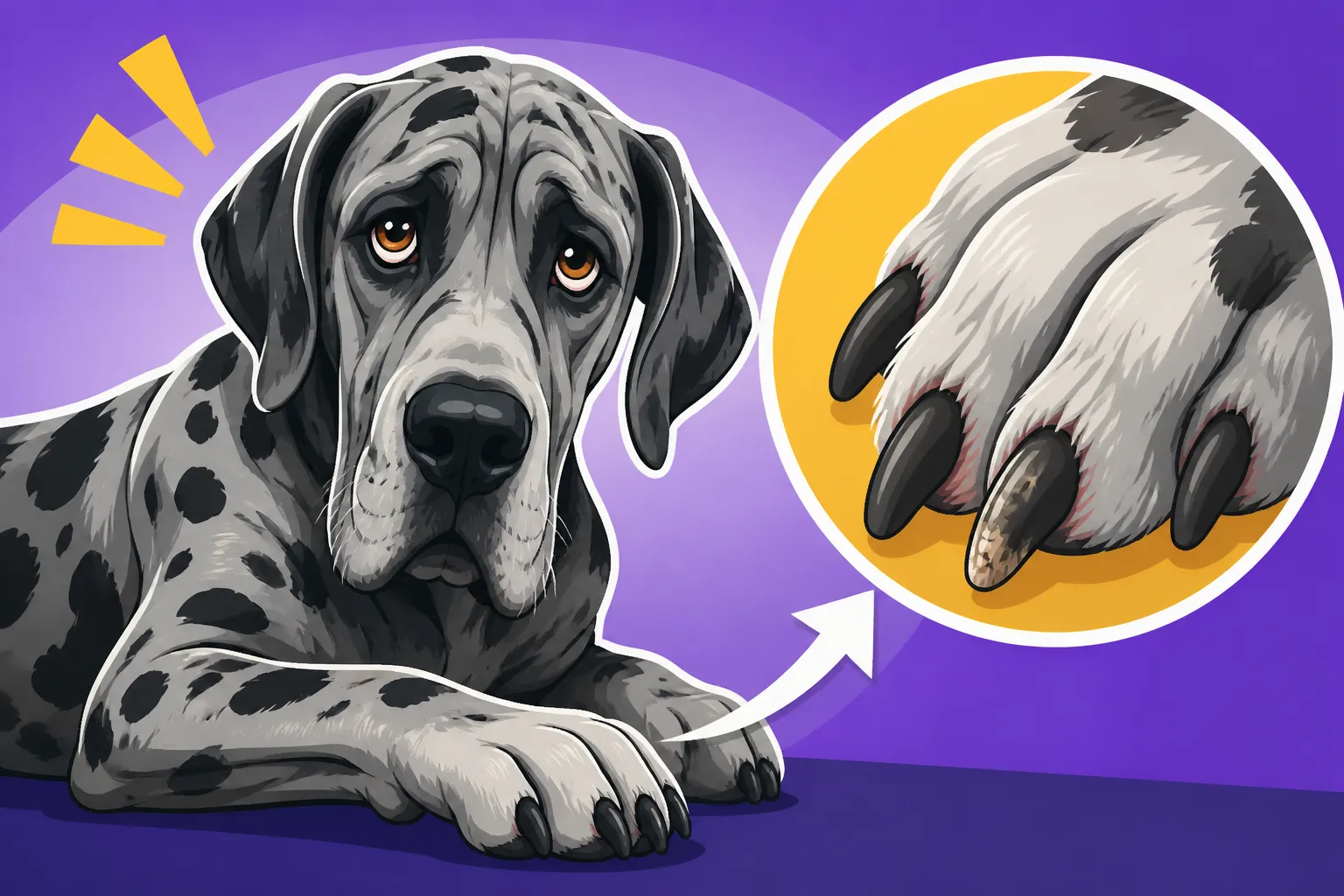
Scuffed Back Nails on a Great Dane
It's incredibly frustrating, isn't it, when you notice your majestic Great Dane's back nails looking all worn down and scuffed? You picture them striding gracefully, yet their hind paws tell a different story, often raising concerns about their comfort and overall health. This guide is here to unravel the mystery behind those scuffed back nails, exploring everything from normal wear and tear to potential underlying issues, and most importantly, offering practical steps to keep your gentle giant's paws healthy and happy.
Understanding Why Great Dane Nails Get Scuffed
When you have a dog as large and powerful as a Great Dane, every aspect of their anatomy and how they move plays a role in their health. Those back nails can become scuffed for a variety of reasons, some benign and some pointing to a deeper concern. It's not always just about too much running on rough surfaces, though that certainly can contribute!
The Great Dane's Unique Gait and Weight Distribution
Great Danes are built for power and reach, with a long, powerful stride. However, their sheer size and how they carry their weight can put unique stresses on their paws and nails. Unlike smaller, lighter breeds, every step a Great Dane takes has significant impact. When they walk or run, especially if their nails are even slightly too long, those hind nails can drag or make more contact with the ground than their front nails. This isn't necessarily due to a problem, but simply how their large frame moves. Think about how a horse's hooves wear differently than a cat's paws – it's all about physics and locomotion.
Furthermore, a Great Dane's conformation, particularly their angulation and how they carry their hindquarters, can influence how their rear paws land and push off. If a Dane has straighter hocks, for example, they might not have the same spring in their step, leading to more dragging or less efficient lift-off of the paw. This constant, subtle dragging on various surfaces, from pavement to rough concrete, can lead to the tips of the nails becoming visibly abraded or scuffed.
Overgrown Nails and Improper Trimming
This is often the most common culprit, and it's something many Great Dane owners grapple with. Keeping those massive nails at the proper length is a monumental task! When nails are too long, they push the paw pads up, altering the dog's natural foot structure and gait. For the back feet, this means the nails are more likely to make contact with the ground before the paw pad does, especially as the dog pushes off. Instead of just the paw pads bearing the brunt of impact, the tips of the nails constantly hit and drag against the surface.
This continuous contact acts like a sandpaper, slowly but surely grinding down and scuffing the tips of the nails. It can be a vicious cycle: the longer the nails, the more they scuff, and while it might seem like they're "self-trimming," this kind of wear is often uneven and can even be painful if the quick is exposed or close to the surface. Many owners find that trimming nails on a Great Dane that outweighs you is a daunting task, but it's crucial for their long-term comfort and mobility. Don't forget those dewclaws too, if your Dane has them; they don't touch the ground but can still snag or grow into the pad if not kept short.
Underlying Health Concerns That Impact Hind Limb Function
While overgrown nails are a primary suspect, scuffed back nails can sometimes be a red flag for deeper health issues impacting your Great Dane's hind limbs or neurological function. It’s important not to dismiss these signs, especially if you notice other changes in their gait or behavior.
One of the most concerning possibilities is a condition affecting the spinal cord or nerves, such as The Neck Condition That Trips a Great Dane Up, commonly known as Wobbler Syndrome. This condition affects the cervical spine, causing compression of the spinal cord and nerve roots. Symptoms often manifest as ataxia (uncoordinated gait), weakness, or even a classic "wobbling" or drunken walk, particularly in the hindquarters. If your Great Dane is suffering from Wobblers, they might not be able to lift their feet properly, leading to scuffing of the back nails as they drag their toes. Similarly, other neurological issues that result in A Great Dane That Stumbles on Its Back Legs can cause similar toe dragging and nail wear.
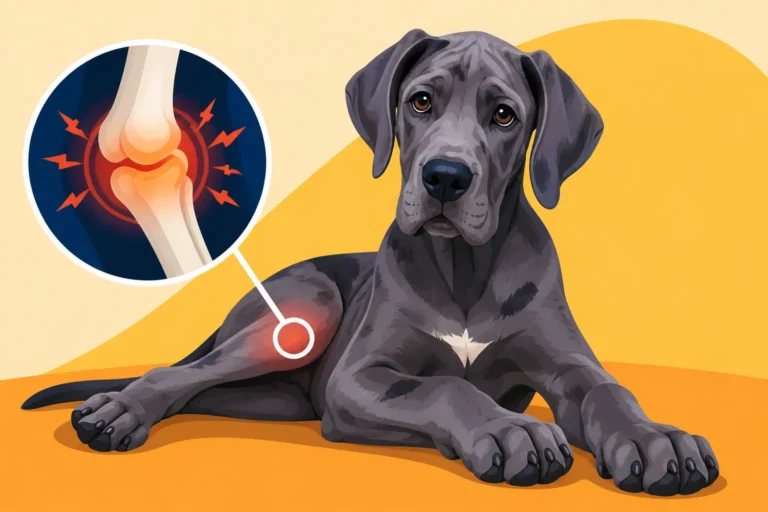
Joint issues like arthritis are also significant considerations, particularly as your Great Dane ages. Arthritis in a Six-Year-Old Great Dane is not uncommon, and it can affect hips, knees, and hocks. Pain and stiffness in these joints can cause a dog to compensate, altering their gait to avoid discomfort. This might mean shorter strides, uneven weight distribution, or a reluctance to fully lift their paws, resulting in dragging. Even developmental orthopedic issues like hip or elbow dysplasia, which might manifest as a Great Dane limping without an injury, can contribute to an altered gait that wears down nails unevenly. It's vital to remember that dogs are masters at hiding pain, so subtle signs like scuffed nails could be an early indicator of joint discomfort.
Practical Solutions for Managing and Preventing Scuffed Nails
Addressing scuffed back nails isn't just about cosmetic fixes; it's about ensuring your Great Dane's long-term comfort, mobility, and overall health. Fortunately, there are many proactive steps you can take at home and with the help of your vet.
The Art of Regular and Effective Nail Trimming
This is hands down the most impactful thing you can do. The goal is to get those nails short enough so they don't touch the ground when your Great Dane is standing normally. For a Great Dane, this often means weekly, if not bi-weekly, trimming. It sounds like a lot, but consistency is key to gradually receding the quick (the pink part with nerves and blood vessels) and achieving shorter nails.
You'll need heavy-duty clippers designed for large breeds, like the Safari professional nail trimmers or the Resco guillotine-style clippers. Many owners also swear by a Dremel or other rotary tool for grinding. Grinding can be less intimidating than clipping for some dogs and owners, as it allows for more control and a smoother finish, reducing the risk of cutting too close to the quick. Start slowly, offering high-value treats and praise. Focus on taking off small amounts frequently. If your Great Dane is wary, begin by simply touching their paws and the clippers, rewarding them for calm behavior, then gradually introduce the trimming process. Consistency builds trust and makes the process manageable. If you’re truly struggling, don't hesitate to ask your vet or a professional groomer for a demonstration.
Enhancing Traction and Protecting Paws
Beyond trimming, you can help protect those valuable paws and provide better traction. Certain surfaces naturally contribute more to nail wear. If your Great Dane spends a lot of time on concrete, asphalt, or other abrasive surfaces, their nails will wear faster. While this can be good if nails are slightly too long, excessive wear can be detrimental.
Paw balms, like Musher's Secret or Bag Balm, can help keep paw pads conditioned and resilient, though they won't directly impact nail scuffing. For serious protection, dog boots can be a game-changer. Brands like Ruffwear or Pawz offer durable options that can protect nails and pads from harsh surfaces, extreme weather, and excessive friction. While some Danes might initially resist wearing boots, with positive reinforcement and gradual introduction, many adapt well, especially if it means more comfortable walks. Consider using them for long walks on pavement or rough trails. Inside the house, if you have slippery floors like tile or hardwood, consider using runners or rugs to provide better grip. This not only helps prevent slips and falls but also reduces the effort your Dane expends trying to maintain balance, which can indirectly lead to better paw placement and less nail dragging. Mats and Runners a Great Dane Will Not Slip On can be a really helpful resource for this.
Dietary Support and Joint Care
Nutrition and joint support are foundational elements for a Great Dane's overall health and can indirectly impact paw health and gait. Feeding a high-quality diet appropriate for large breed dogs, especially during their growth phases, is crucial. Look for foods that support slow growth in puppies to prevent orthopedic issues later in life.
For adult and senior Great Danes, consider incorporating joint supplements. Glucosamine, chondroitin, and MSM are common ingredients found in many joint support formulas, with brands like Dasuquin or Cosequin often recommended by veterinarians. Fish oil, rich in Omega-3 fatty acids, can also provide anti-inflammatory benefits that support joint health. Ensuring Whether Joint Supplements Reach a Great Dane's Dose is important, as their large size means they require higher concentrations of active ingredients than smaller breeds. While these supplements won't directly prevent nail scuffing, by promoting healthy, pain-free joints, they encourage a more natural and fluid gait, reducing the likelihood of toe dragging caused by discomfort or stiffness. Always discuss any new supplements with your veterinarian to ensure they are appropriate for your specific Great Dane.
| Cause of Scuffed Back Nails | Solution / Management Strategy |
|---|---|
| Overgrown Nails | Weekly clipping/grinding; use appropriate tools; seek professional help for guidance. |
| Altered Gait/Toe Dragging | Address underlying health issues (vet visit); regular nail trims; consider paw protection (boots). |
| Joint Pain/Arthritis | Vet assessment; pain management; joint supplements; physical therapy; appropriate exercise. |
| Neurological Issues | Immediate vet assessment; diagnostics (MRI/X-ray); medication; physical therapy; mobility aids. |
| Abrasive Surfaces | Use dog boots for walks; provide soft surfaces indoors; modify walking routes. |
| Improper Conformation | Consistent nail care; focus on joint health; consult vet for supportive care. |
When to Seek Veterinary Attention for Scuffed Nails
While some nail scuffing can be managed at home, it’s crucial to know when it warrants a trip to the vet. Overlooking subtle signs could mean missing an opportunity for early intervention for a potentially serious health issue.
Recognizing Warning Signs Beyond Simple Wear
If the scuffing is accompanied by other symptoms, it's time to pick up the phone and schedule an appointment. Look for any changes in how your Great Dane walks. Are they limping, even subtly? Do they seem to favor one leg? Is there a noticeable weakness in their hindquarters? A Great Dane That Stumbles on Its Back Legs or shows an uncoordinated gait, especially if it seems to worsen over time, is a significant red flag.
Another key sign to watch for is "knuckling over," where your Dane walks on the tops of their toes instead of their paw pads. This often results in extreme wear on the dorsal (top) surface of the nails and even the knuckles themselves. You might also notice that the nails are not just scuffed, but perhaps cracked, bleeding, or showing signs of infection. Excessive licking or chewing at the paws can indicate pain, irritation, or an underlying issue. Any sudden onset of scuffing, particularly if it's asymmetrical (worse on one side), should also prompt immediate veterinary consultation. Your vet needs to rule out conditions like Wobbler Syndrome or a pinched nerve.
Diagnostic Steps a Vet Might Take
When you bring your Great Dane to the vet for scuffed nails and associated gait issues, be prepared for a thorough examination. Your vet will likely start with a comprehensive physical and neurological exam. This includes observing your dog walk and run, checking their reflexes, muscle tone, and proprioception (their awareness of where their limbs are in space). They'll feel along your Dane's spine, hips, and knees for any signs of pain or instability.
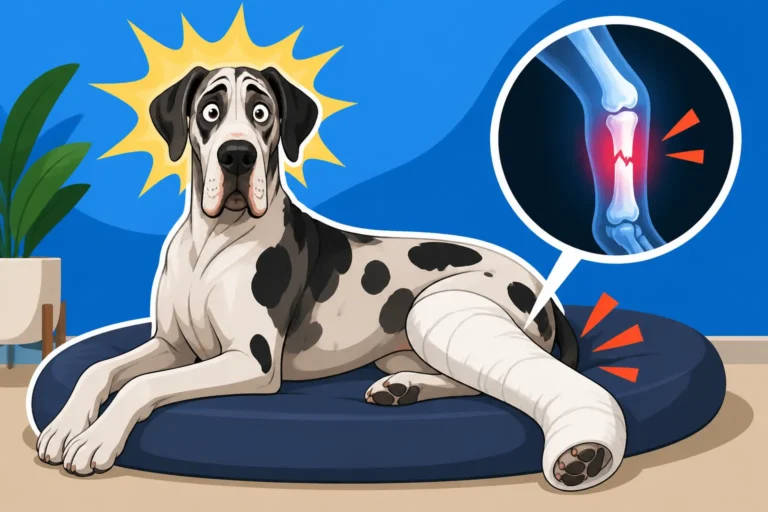
To get a clearer picture, diagnostic imaging is often necessary. X-rays of the spine (especially the neck region, if Wobbler Syndrome is suspected), hips, and knees can reveal arthritis, disc issues, or other orthopedic abnormalities. If the neurological exam strongly suggests a spinal issue, your vet might recommend advanced imaging like an MRI or CT scan. These provide detailed images of soft tissues, allowing them to identify spinal cord compression, tumors, or other nerve impingements. In some cases, blood work may be ordered to rule out metabolic conditions that could affect nerve function or overall health. This thorough approach is essential for accurate diagnosis and effective treatment, and it’s where having pet insurance like Healthy Paws can truly alleviate the stress of unexpected diagnostic costs.
Potential Treatments and Management Plans
Once a diagnosis is made, your vet will work with you to develop a tailored treatment plan. For orthopedic issues like arthritis, management often involves a combination of pain relief medications (like NSAIDs), joint supplements, and potentially physical therapy. Hydrotherapy, therapeutic exercises, and even acupuncture can significantly improve comfort and mobility. In severe cases of hip or elbow dysplasia, surgery might be an option.
For neurological conditions such as Wobbler Syndrome, treatment depends on the severity. Mild cases might be managed conservatively with anti-inflammatory medications, strict rest, and a change from a collar to a harness to avoid neck pressure. Moderate to severe cases may require surgery to decompress the spinal cord. Post-surgical rehabilitation is often crucial for recovery and includes physical therapy to rebuild strength and coordination. Your vet might also recommend specific mobility aids, such as a supportive harness to help with lifting or Supporting a Great Dane's Back End With a Sling during walks, especially if they are struggling with weakness. Regular follow-up appointments will be essential to monitor progress and adjust treatment as needed. It's a journey, and having the right support, both from your vet and potentially from a robust pet insurance plan like Healthy Paws, can make all the difference.
Long-Term Management and Lifestyle Adjustments
Living with a Great Dane means making adjustments to your home and routine to accommodate their size and specific needs. When it comes to managing scuffed back nails, these long-term strategies are crucial for preventing recurrence and ensuring their overall well-being.
Creating a Safe and Supportive Home Environment
Your home environment can significantly impact your Great Dane's mobility and paw health. Slippery floors, like hardwood, laminate, or tile, can force your Dane to splay their legs or struggle for traction, which can exacerbate toe dragging or lead to injuries. Consider laying down rugs, carpet runners, or anti-slip mats in high-traffic areas. These not only provide better grip but also offer cushioning for their joints, especially their elbows and hocks, helping to prevent issues like Elbow Hygromas on a Great Dane.
Investing in orthopedic bedding is paramount. A high-quality, dense memory foam bed provides crucial support for their massive joints, reducing pressure points and ensuring restful sleep. A tired, achy dog is more likely to move awkwardly. You might even consider using ramps for getting into cars or up stairs if your Dane struggles, reducing strain on their joints. Remember, every little bit of support helps preserve their mobility, and a comfortable home helps keep them active and agile.
Tailoring Exercise Routines for Joint Health
Exercise is vital for a Great Dane, but it must be appropriate for their age, health, and physical condition. Over-exercising a growing puppy can lead to developmental orthopedic problems, while too little exercise can result in weakness and obesity, both detrimental to joint health.
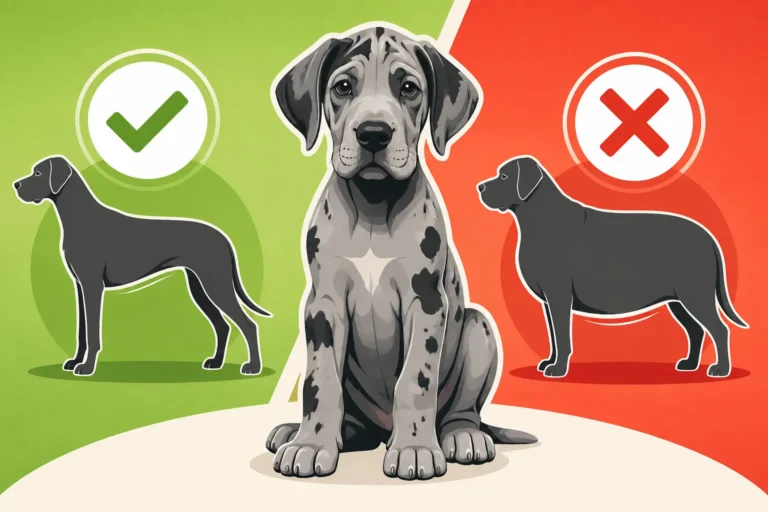
For puppies, short, frequent play sessions on soft surfaces are best. Avoid forced, strenuous exercise like long runs or excessive stair climbing until their growth plates have closed, usually around 18-24 months. For adult Great Danes, regular, moderate exercise like leash walks, swimming (if they enjoy it), or supervised playtime in a securely fenced yard are ideal. The goal is to build muscle mass, maintain a healthy weight, and keep joints limber without excessive impact. If your Great Dane has underlying joint issues, your vet or a certified canine rehabilitation therapist can help design a tailored exercise program. Remember that proper exercise supports muscle strength, which in turn stabilizes joints and promotes a more natural gait, potentially reducing the incidence of scuffed nails.
The Importance of Consistent Monitoring
As a Great Dane owner, you become an expert in your dog's subtle cues. Consistent monitoring of their gait, energy levels, and overall comfort is key to early detection of any issues. Make it a habit to regularly inspect their paws, including the pads and nails. Look for signs of excessive wear, cracking, swelling, or redness. Pay attention to how they walk: do they seem less eager to go for walks? Are they dragging their back feet more than usual?
Keeping a journal or log of any changes you observe, including when you last trimmed their nails, can be incredibly helpful for tracking trends and providing detailed information to your vet. Regular vet check-ups, especially as your Great Dane ages, are also vital. During these visits, your vet can assess their gait, check their joints, and recommend any necessary preventative measures or early interventions. Staying proactive and observant is the best way to ensure your Great Dane lives a long, comfortable life, minimizing issues like scuffed nails that could signal bigger problems. Being prepared for potential health issues with an insurance plan like Healthy Paws can provide peace of mind and financial support for any vet visits and treatments.
Disclaimer
This article is for general informational purposes only and does not constitute professional advice. Laws, prices and regulations vary by location and change over time. Consult a qualified professional for guidance on your specific situation.