What Three Legs Buy a Great Dane With Bone Cancer
Receiving a diagnosis of osteosarcoma in your beloved Great Dane is one of the most heartbreaking moments a giant breed owner can face. The shock, the fear, and the impossible choices can feel utterly overwhelming, especially when faced with the stark reality that this aggressive bone cancer often means a very limited time left. This guide aims to shed light on what a Great Dane's life can look like after the difficult decision of limb amputation, exploring the true value — the extra time, comfort, and cherished memories — that three legs can genuinely "buy" your gentle giant.
The Harsh Reality of Osteosarcoma in Great Danes
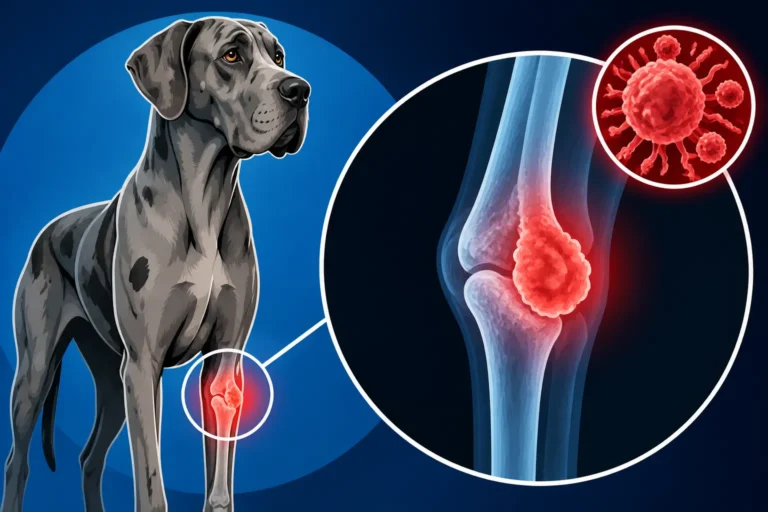
Osteosarcoma is a devastating word to hear. For us Great Dane owners, it feels like a cruel twist of fate, as our magnificent dogs are disproportionately affected by this aggressive bone cancer. It typically strikes the long bones, often in a front leg, and progresses rapidly.
Understanding the Diagnosis and Prognosis
When your vet delivers the news that your Great Dane has osteosarcoma, it's usually after an X-ray reveals characteristic bone destruction, sometimes followed by a biopsy for definitive confirmation. This cancer doesn't just stay put; it's notorious for spreading quickly to other parts of the body, most commonly the lungs, even before the primary tumor is large enough to cause obvious issues. This aggressive nature is why the prognosis without intervention is incredibly bleak.
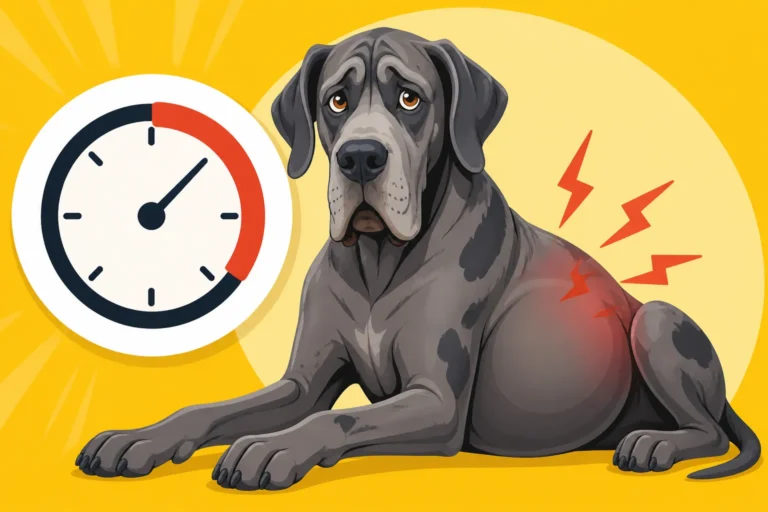
Typically, without any treatment, a Great Dane diagnosed with osteosarcoma may only have a few weeks to live, perhaps a couple of months at best, largely due to the intense pain and the eventual fracture of the affected bone, or the rapid spread of the cancer. The pain itself is excruciating. Imagine a constant, deep ache in your leg that only worsens with every step. Our Danes often try to hide their discomfort, but you'll see it in their lameness, reluctance to move, and sometimes even subtle behavioral changes. It’s a relentless suffering, and understanding Bone Cancer in a Great Dane is crucial for any owner facing this nightmare.
The Emotional Toll of the Decision
Making decisions in the face of such a diagnosis is incredibly tough, perhaps one of the hardest things we’ll ever do for our dogs. You might feel a crushing weight of guilt: Did I miss something? Could I have prevented this? Then comes the fear: How will my giant dog manage on three legs? Is amputation cruel? Am I being selfish to put them through this? These feelings are completely normal, and you are not alone in experiencing them.
There are no truly "easy" choices when it comes to osteosarcoma. Each option, or lack thereof, carries its own burden. The core of your decision-making will likely revolve around your Great Dane's quality of life. Can you provide comfort? Can you offer more joyful days, even if those days are finite? It’s about weighing the potential for a pain-free existence against the challenges of recovery and adaptation. It's a deeply personal journey, and whatever you decide, remember it's rooted in your love for your dog.
Amputation: A Chance at More Time and Comfort
While the idea of removing a limb is daunting, for many Great Danes with osteosarcoma, amputation is often the most humane and effective first step in managing this aggressive disease. It's a radical surgery, yes, but it offers immediate and significant benefits that can drastically improve your dog's daily life.
The Immediate Benefits of Removing the Tumor
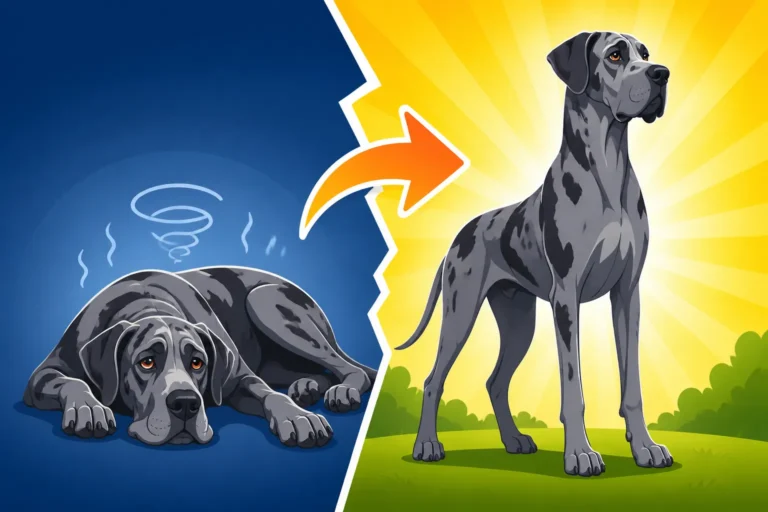
The most profound and immediate benefit of amputation is the removal of the primary source of excruciating pain. The bone tumor itself is incredibly painful, and once that limb is gone, many owners report an almost instantaneous improvement in their dog's comfort levels. You might see a Great Dane who was previously barely putting weight on a leg suddenly more willing to move, even on three legs, because the constant, agonizing throb has been eliminated. It’s like a heavy burden has been lifted from them.
I've heard countless stories from owners who, after the initial shock, marvel at their dog's resilience. Dogs live in the present, and if they are free from pain, they often adapt with a remarkable ability that we humans find hard to fathom. Amputation isn't cruel; in many cases, it's the kindest act an owner can do to relieve suffering. It doesn't mean the cancer is gone, but it means the daily torment from the tumor is. Understanding how to manage Pain Relief for a Great Dane With Bone Cancer both before and after surgery is a critical part of ensuring their comfort.
Extending Lifespan: What the Data Says
Beyond immediate pain relief, amputation, especially when combined with follow-up therapies, offers a realistic chance at extending your Great Dane's life. Without any treatment, as we discussed, life expectancy is measured in weeks. With amputation alone, the median survival time for dogs with osteosarcoma typically ranges from 4 to 6 months. This might not sound like a long time, but compared to weeks, it's a significant gain, offering months of comfortable, quality time.
When amputation is followed by chemotherapy, the prognosis generally improves. Chemotherapy aims to target any microscopic cancer cells that have already spread from the primary tumor, which, as we know, osteosarcoma is highly prone to doing. With a combination of amputation and chemotherapy, median survival times can extend to 8-14 months, and sometimes even longer for a lucky few. This combination approach gives your Great Dane the best chance at significantly more time.
It’s important to have realistic expectations, as every dog's response to treatment is unique. Factors like the tumor's location, size, and how quickly it was diagnosed can all play a role. The costs associated with amputation and chemotherapy can be substantial, which is where pet insurance, like a policy from Healthy Paws, can be an absolute lifesaver. Being able to say "yes" to critical treatments without the crippling financial burden allows you to focus solely on your dog's recovery and well-being. Knowing the options for Amputation and Chemotherapy for a Great Dane is key to making an informed decision.
Life on Three Legs: Adapting to a New Normal
Watching a giant dog like a Great Dane navigate life on three legs can be daunting at first. They are already so large and often prone to joint issues, so adding the challenge of missing a limb seems immense. However, with patience, thoughtful adjustments, and dedicated care, many Great Danes adapt remarkably well and continue to live full, happy lives.
The Physical Adjustments and Challenges
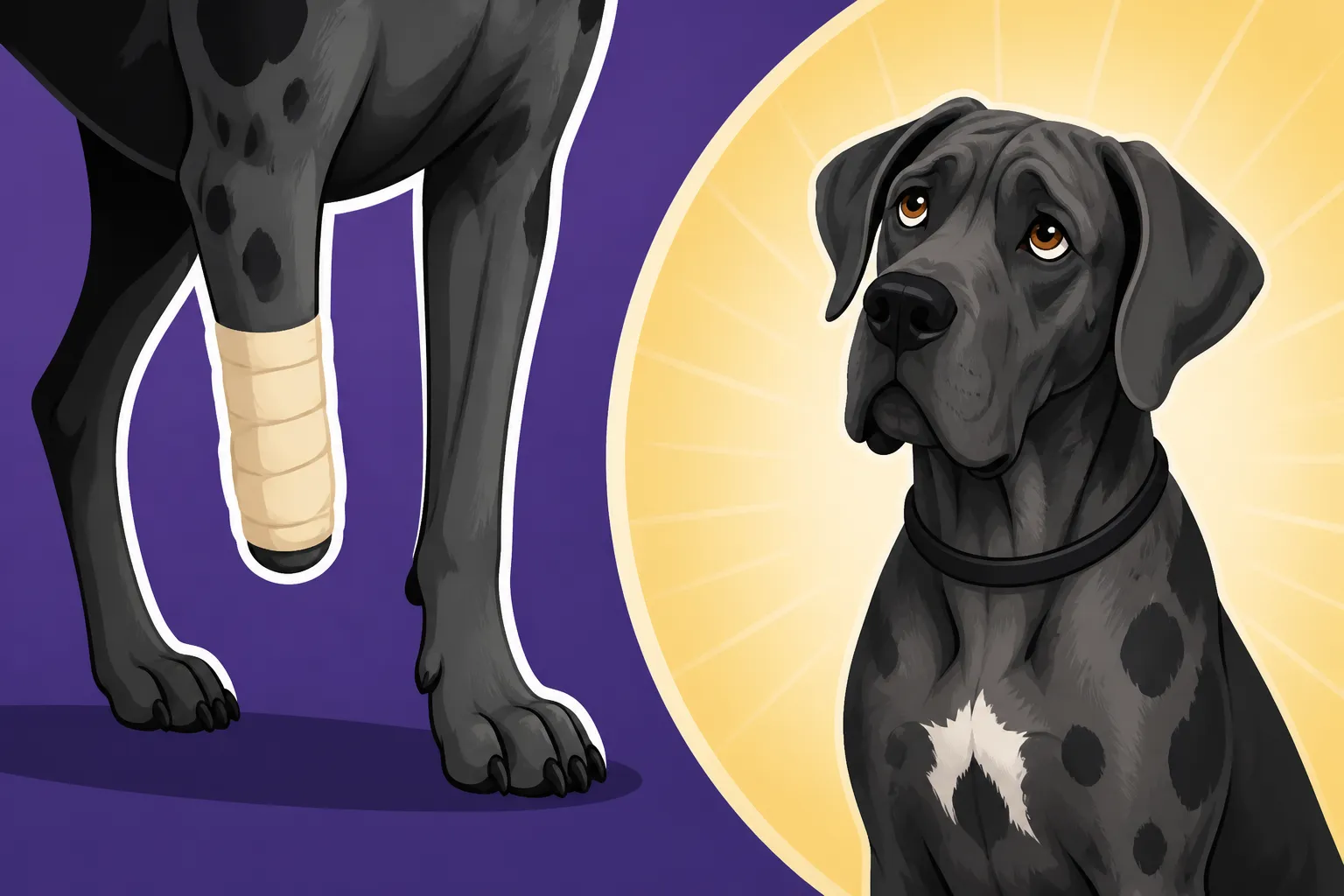
A Great Dane learning to walk on three legs is a powerful testament to their resilience. Initially, they will rely heavily on their remaining limbs, which means building strength in those areas. This can be particularly challenging for a dog of their size, as their body already carries a lot of weight. If the amputation was a front leg, their hindquarters will need to develop more muscle to compensate, and vice-versa for a rear leg amputation.
They will need to learn a new gait, how to balance, and how to effectively shift their weight. This means that everyday activities like standing up from a lying position, navigating stairs, or getting into a car will become different. Slippery floors, like hardwood or tile, can pose a significant challenge and increase the risk of falls or injury to their remaining joints. Many owners quickly discover that their "tripod" Dane becomes a bit wobbly, especially in the early days, and requires a lot of slow, controlled movement. It's truly amazing to witness Whether a Great Dane Copes on Three Legs, but it's not without its initial struggles.
Creating a Supportive Environment
To help your Great Dane thrive on three legs, their environment needs to be set up for success. This often involves practical changes around the house:
- Non-slip surfaces: Cover slippery floors with runners, yoga mats, or area rugs to provide traction.
- Ramps and steps: Invest in sturdy ramps for getting into cars or up onto furniture (if allowed). Portable steps can also be helpful for shorter height changes.
- Orthopedic bedding: High-quality, supportive orthopedic beds are crucial. They cushion the joints and make it easier for your Dane to get up and down without extra strain. This is especially important for Bedding That Prevents Great Dane Hygromas, as new pressure points might develop.
- Mobility aids: A supportive harness, especially one with handles over the hips or chest, can be invaluable for helping your Dane with balance, getting up, or navigating short distances. There are many great Mobility Aids for a Failing Great Dane that can make a huge difference.
Beyond physical aids, consistent, controlled exercise is vital. Short, frequent walks on soft surfaces (like grass) can help build muscle and endurance without overstressing their joints. Physical therapy, including hydrotherapy (swimming or underwater treadmill), can be incredibly beneficial for strengthening muscles, improving balance, and maintaining joint health without bearing full weight. Again, a comprehensive pet insurance plan from Healthy Paws can often cover these rehabilitation costs, ensuring your Great Dane gets the best possible support through their recovery and adaptation.
Managing Pain and Secondary Issues
Even after the primary tumor is removed, managing pain remains a top priority. While the initial surgical pain subsides, Great Danes on three legs will inevitably put more stress on their remaining joints, increasing the risk of developing arthritis or exacerbating existing joint issues. Therefore, a multi-modal approach to pain management is often necessary for the long term. This can include:
- NSAIDs: Non-steroidal anti-inflammatory drugs prescribed by your vet.
- Gabapentin/Amantadine: Neuropathic pain medications.
- Joint supplements: Glucosamine, chondroitin, MSM, and Omega-3 fatty acids can support joint health. Ensure these are dosed appropriately for a giant breed.
- Regular vet check-ups: To monitor for new lameness, signs of discomfort, or the return of cancer.
It’s also important to recognize that a Great Dane on three legs might develop secondary issues. Pressure sores or hygromas on their remaining elbows or hocks are possible due to increased weight bearing or lying down differently. Proactive care, like ensuring adequate soft bedding, is important. Furthermore, while amputation removes the primary tumor, the aggressive nature of osteosarcoma means there's always a risk of metastasis. Regular chest X-rays will be recommended to monitor for lung involvement. Staying ahead of potential issues and being proactive in their care will maximize their comfort and quality of life, especially as they age, given how common Arthritis in a Six-Year-Old Great Dane already is.
| Treatment Option | Average Life Expectancy (Great Dane) | Primary Benefit | Key Challenges |
|---|---|---|---|
| No Treatment | Weeks to ~2 months | Avoids surgery/recovery | Severe pain, rapid decline, bone fracture risk |
| Amputation Only | 4-6 months | Immediate pain relief, significantly more time | Adaptation to 3 legs, risk of metastasis |
| Amputation + Chemotherapy | 8-14 months | Maximize pain relief & lifespan extension | Cost, potential chemo side effects, adaptation to 3 legs |
The Priceless Gift: Quality Time
Ultimately, what three legs truly "buy" a Great Dane with bone cancer isn't just a number on a calendar; it's the invaluable gift of quality time. It's a chance for more comfortable days, more tail wags, more gentle leans, and more shared moments that become cherished memories.
Cherishing the Extra Months
When facing a terminal diagnosis like osteosarcoma, the focus shifts from a long future to making the most of the present. Every extra month, week, or even day gained through amputation and subsequent care is precious. This time allows you to shower your Great Dane with love, comfort, and all their favorite things. It means more belly rubs, more slow walks in the park (on soft ground, of course!), more quiet evenings by your side, and perhaps even some special treats they rarely get.
It’s about consciously choosing joy. Don't let the shadow of the diagnosis overshadow the light your dog still brings into your life. Embrace the daily routine, find happiness in their resilience, and create new rituals that cater to their needs. This period, though bittersweet, is an opportunity to strengthen your bond and ensure your dog knows they are loved beyond measure. The financial peace of mind offered by pet insurance like Healthy Paws can truly help here, freeing you from worrying about costs and allowing you to simply focus on cherishing every moment.
Knowing When It's Time to Say Goodbye
Even with the best care, osteosarcoma is a relentless disease. The time will come when you'll notice a decline in your Great Dane's quality of life, despite your best efforts. This might manifest as increasing pain that's no longer well-controlled by medication, a loss of appetite, extreme lethargy, or a general disinterest in activities they once enjoyed. These can also be signs of the cancer metastasizing to the lungs, causing breathing difficulties.
Recognizing Knowing When a Great Dane Is Done is one of the most agonizing decisions an owner will ever make. It's a profound act of love to release them from suffering, even when it means breaking your own heart. Many vets use a "Quality of Life Scale" to help owners objectively assess their dog's comfort, happiness, and ability to engage in daily activities. Have open and honest conversations with your veterinary team, and lean on their expertise. Trust your gut, and remember that providing a peaceful, pain-free passing is the final, most important gift you can give to your beloved Great Dane.
Disclaimer
This article is intended for informational purposes only and does not constitute veterinary advice. Always consult with a qualified veterinarian for any health concerns or before making any decisions about your Great Dane's care, especially regarding complex medical conditions like osteosarcoma. Individual prognoses and treatment plans can vary greatly.