Whether Extra Calcium Damages a Great Dane
It’s a common, heartbreaking misconception that more is always better, especially when it comes to nurturing our giant breed puppies. Many well-meaning Great Dane owners believe that extra calcium will give their growing pups stronger bones, but the truth is, this approach can actually cause significant harm. This guide will walk you through why supplemental calcium is a big no-no for your Great Dane puppy and how to ensure their skeletal system develops correctly and healthily.
Understanding the Unique Growth of a Great Dane Puppy
Great Danes are not just big; they grow at an astonishing, almost unbelievable rate. Imagine a tiny, fluffy puppy transforming into a majestic, house-horse-sized companion in just a little over a year! This rapid growth is a marvel, but it also means their bodies, especially their bones, are incredibly vulnerable to imbalances. Unlike smaller breeds, whose growth plates close relatively quickly, a Great Dane’s bones are actively developing for a much longer period. This extended window of vulnerability means we, as their guardians, need to be extra vigilant about their nutrition, particularly concerning minerals like calcium.
Why Rapid Growth Puts Bones at Risk
When a Great Dane puppy grows too quickly, their bones and cartilage can't keep up with the pace. Think of it like a building project: if you rush the construction of a skyscraper, the foundation and framework might not be strong enough to support the immense weight and height. Similarly, if your Great Dane puppy’s skeletal system grows too fast, it becomes prone to a host of developmental orthopedic diseases (DODs). These aren't just minor aches and pains; we're talking about conditions like osteochondritis dissecans (OCD), hypertrophic osteodystrophy (HOD), and even hip and elbow dysplasia, which can lead to lifelong pain and lameness. It’s a cruel irony that trying to "help" them grow stronger with extra calcium can actually make their joints weaker and more susceptible to injury. This is a crucial point when we talk about Why a Great Dane Puppy Should Grow Slowly.
The Role of Calcium in Bone Development
Calcium is undoubtedly vital for strong bones; there’s no disputing that. It's the primary mineral component that gives bones their hardness and structure. However, in growing Great Danes, the issue isn't typically a lack of calcium in their diet, but rather how their bodies regulate and absorb it. Giant breed puppies have a unique and delicate calcium metabolism. Their bodies aren't designed to cope with excessive calcium intake, and when faced with it, they struggle to correctly balance absorption and excretion. This dysregulation is where the problems begin. Instead of building stronger bones, the excess calcium can interfere with the normal development of cartilage and bone, leading to abnormal bone remodeling. It's a delicate dance, and too much can throw the entire process off balance, often resulting in Bone Development Problems in a Great Dane Puppy.
The Dangers of Excess Calcium for Great Dane Puppies
Feeding extra calcium to a Great Dane puppy isn't just ineffective; it's actively detrimental. Their bodies, designed for slow, steady growth, can be overwhelmed by high calcium levels. This isn't about ignoring calcium altogether; it's about understanding the precise balance required for healthy development.
Disrupted Calcium Homeostasis
In most mammals, the body has a finely tuned system to maintain calcium balance, called calcium homeostasis. This involves hormones like parathyroid hormone (PTH) and calcitonin, which regulate calcium levels in the blood. In small and medium-sized breeds, this system is robust enough to handle a wider range of calcium intake without issue. However, Great Dane puppies, and other giant breeds, don't have this same flexibility. Their bodies are far less capable of down-regulating calcium absorption when intake is high. This means if you give them more calcium than they need, their intestines will absorb almost all of it, leading to dangerously high levels in their system. This constant high level overrides the natural signals that tell the bones to slow down growth and develop properly, leading to structural abnormalities. This imbalance is particularly risky, emphasizing Why a Great Dane Burns Through Its Years faster than smaller breeds when their foundational health is compromised early on.
Orthopedic Diseases Linked to High Calcium
The consequences of disrupted calcium homeostasis are severe and can plague a Great Dane for their entire, often tragically short, life. We're talking about conditions that cause pain, limit mobility, and incur significant veterinary expenses.
- Osteochondrosis (OCD): This condition affects the cartilage in the joints. With too much calcium, the cartilage can grow too thick and become improperly attached to the underlying bone. Parts of this thickened cartilage can then flap or detach, causing inflammation, pain, and lameness. Common sites include shoulders, elbows, and hocks. Imagine trying to walk with a pebble permanently stuck under your kneecap – that's a bit like what OCD feels like for a dog.
- Hypertrophic Osteodystrophy (HOD): HOD is an inflammatory disease of the growth plates, primarily affecting the long bones of the legs. Puppies with HOD experience extreme pain, fever, and lameness, often struggling to stand or walk. While the exact cause is complex, rapid growth fueled by excess calories and minerals like calcium is a significant contributing factor. It can be devastating to watch a puppy limp, refuse to play, and cry out in pain from this condition.
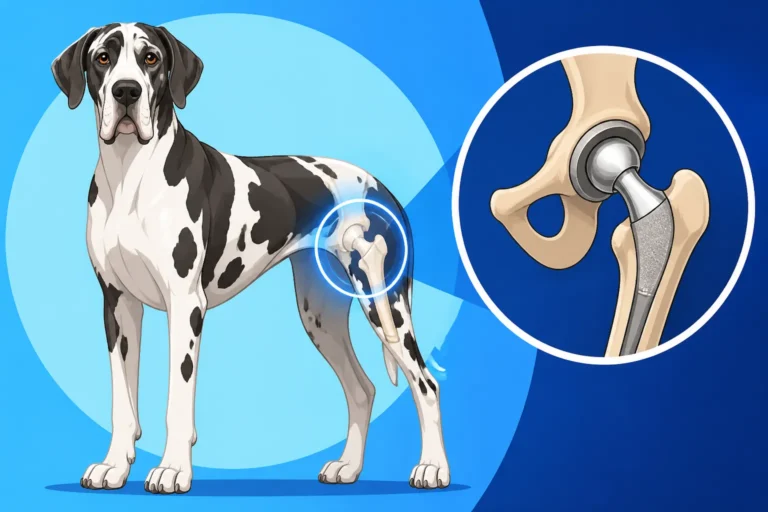
- Hip and Elbow Dysplasia: While often thought of as purely genetic, the expression of these conditions can be greatly exacerbated by environmental factors like nutrition. Excess calcium can contribute to abnormal joint development, increasing the likelihood and severity of dysplasia, which is a poorly formed joint. This often requires corrective surgeries or lifelong pain management, highlighting the challenges of managing Great Dane Hips, Elbows and Growing Joints. Early preventative care, including proper nutrition, is key to minimizing these risks.
The Right Nutritional Approach for Great Dane Puppies
Given the significant risks, it's clear that proper nutrition for Great Dane puppies isn't about adding more, but about getting the balance just right. The focus should be on controlled growth and a diet specifically formulated for large and giant breed puppies.
Choosing the Correct Puppy Food
The single most important step you can take is to choose a high-quality commercial puppy food specifically labeled for "large breed puppies" or "giant breed puppies." These formulas are carefully crafted to provide the appropriate balance of nutrients, particularly calcium and phosphorus, and a controlled calorie count to promote slow, steady growth.
- Calcium to Phosphorus Ratio: Look for a food with a calcium-to-phosphorus ratio between 1.1:1 and 1.3:1, and an actual calcium content typically between 1.2% and 1.5% on a dry matter basis. This isn't something you can easily calculate from a standard pet food label, so relying on reputable brands designed for large breeds is paramount. These specialized diets aim to prevent Why Fast Growth Wrecks Great Dane Joints by ensuring everything is in proper proportion.
- Controlled Calories: Beyond calcium, controlled calorie intake is equally critical. Overfeeding, even with a properly balanced large breed puppy food, can lead to rapid weight gain, putting undue stress on developing joints. Always follow the feeding guidelines on the food bag for your puppy's target adult weight, and adjust based on their body condition. You want your puppy lean, not chubby. Feeling their ribs easily but not seeing them clearly is usually a good indicator.
Avoiding Supplemental Calcium and Other Additives
Once you've chosen a quality large breed puppy food, stop adding anything to it. This includes:
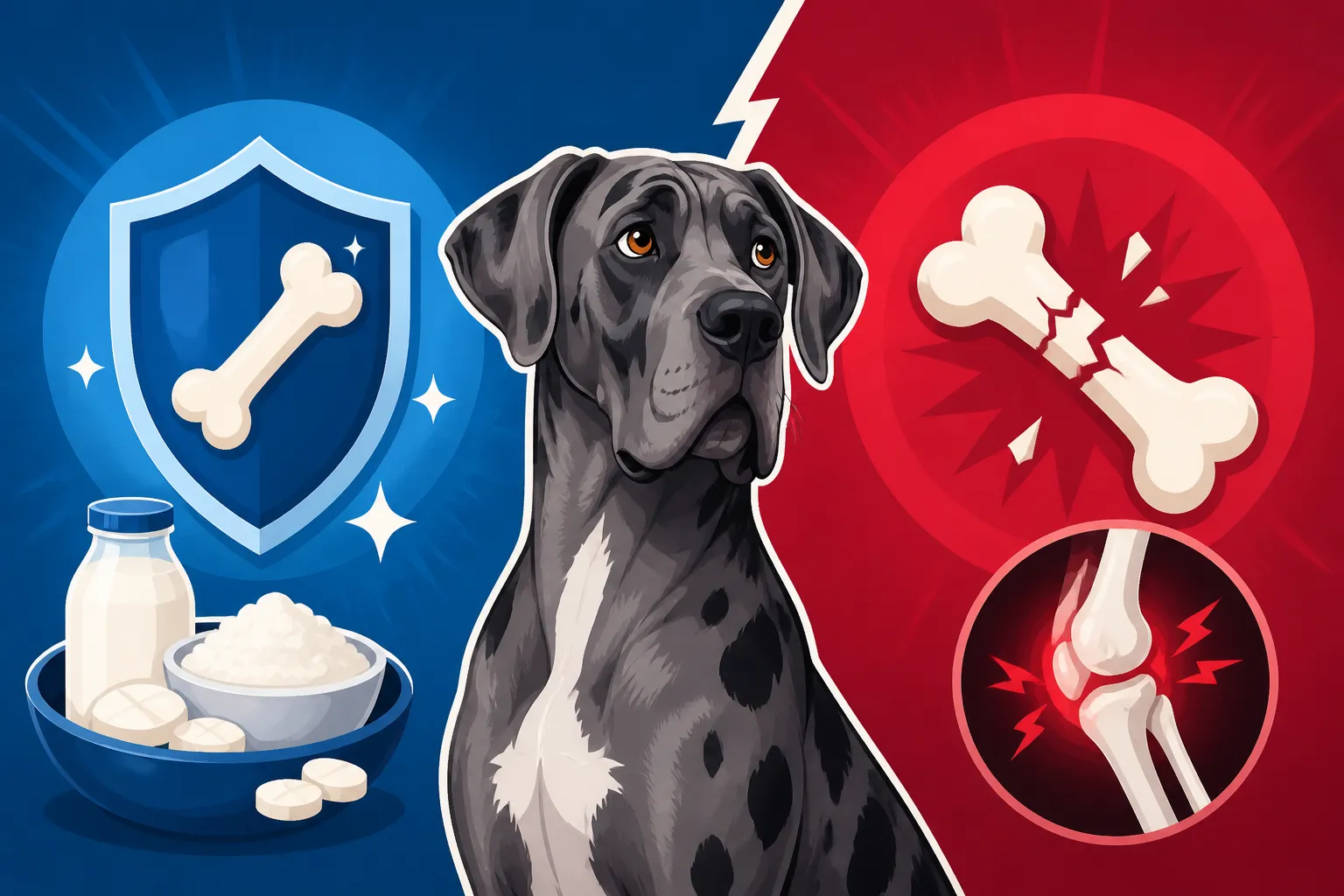
- Calcium Supplements: Whether it's powdered calcium, bone meal, or even dairy products, these should be avoided unless explicitly directed by a veterinarian to correct a diagnosed deficiency (which is rare in growing giant breed puppies on a commercial diet).
- Human Foods High in Calcium: Foods like cheese, yogurt, and cottage cheese, while seemingly healthy, can throw off the delicate calcium balance when given in large amounts to a growing Dane. Small, occasional treats are fine, but they shouldn't be a significant part of the diet.
- Other Mineral Supplements: Be wary of multi-vitamin/mineral supplements, as they might also contain calcium or other minerals that, in excess, can be harmful. When in doubt, always consult your vet.
It's tempting to think we know best, or that a little extra couldn't hurt, but with giant breed puppies, less is often more when it comes to supplementation. If you're concerned about your puppy's growth or overall health, the first step should always be a conversation with your veterinarian, who can provide tailored advice.
Recognizing Signs of Calcium Imbalance
Even with the best intentions, things can go awry. Knowing what to look for can help you intervene early if your Great Dane puppy is experiencing issues related to calcium imbalance or overly rapid growth.
Physical and Behavioral Indicators
Keep a close eye on your puppy's physical development and behavior. Any changes can be a sign that something isn't right.
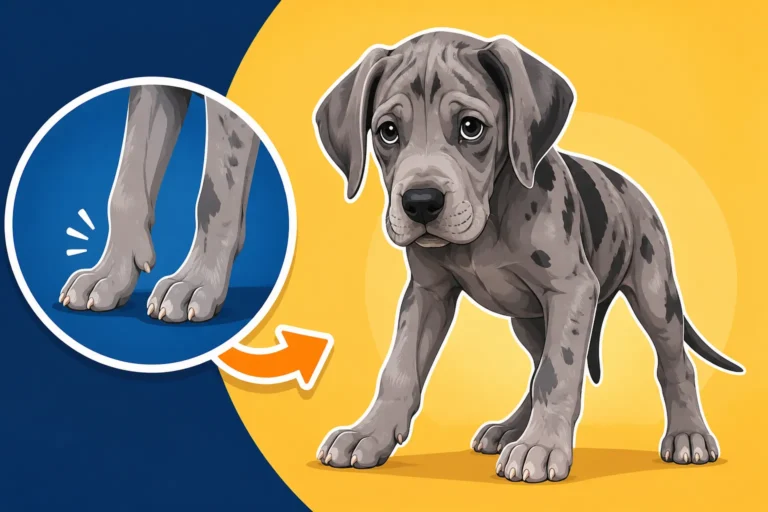
- Lameness or Limping: This is perhaps the most obvious sign. If your puppy is limping, favoring a leg, or seems reluctant to put weight on a limb, it's a red flag. This can be subtle at first, perhaps just a slight stiffness after waking up, or it might be very pronounced. Don’t ignore even minor lameness, especially if it shifts from one leg to another, which can be characteristic of conditions like HOD or panosteitis ("growing pains").
- Swelling in Joints: Check your puppy's joints regularly. Swelling around the wrists (carpus), elbows, or hocks can indicate inflammation or abnormal bone growth. Feel for heat around the joints too. These areas should be smooth and firm, not lumpy or painful to the touch.
- Pain Upon Touch: If your puppy cries out, flinches, or pulls away when you touch their legs or joints, they are likely experiencing pain. This can be a sign of active inflammation in the growth plates.
- Reluctance to Play or Move: A healthy Great Dane puppy is usually a bundle of goofy energy. If your pup becomes unusually lethargic, doesn't want to play, or struggles with activities they once enjoyed, it's a clear signal to investigate further. They might find it too painful to engage.
- Fever and Decreased Appetite: In severe cases of HOD, puppies can develop a fever and lose their appetite due to the systemic inflammation and pain. This is a medical emergency and requires immediate veterinary attention.
When to Consult Your Veterinarian
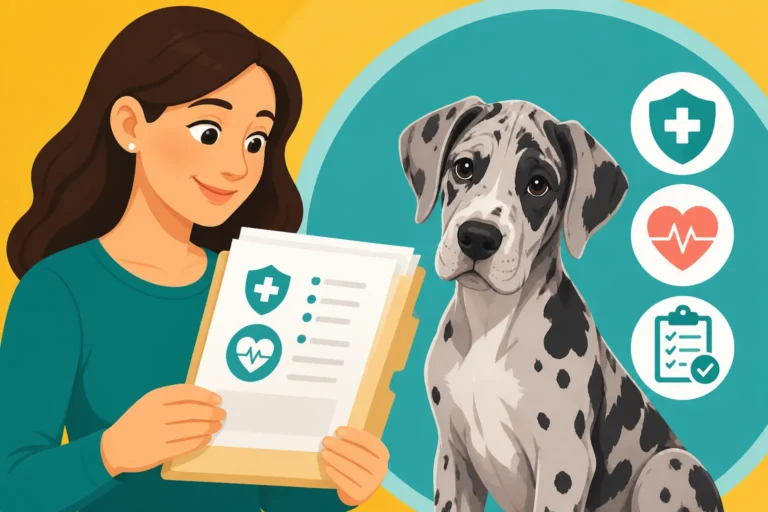
If you observe any of these signs, don't wait. Contact your veterinarian immediately. They will perform a thorough physical examination, and likely recommend diagnostic imaging, such as X-rays, to assess the condition of your puppy's growth plates and joints. Early diagnosis and intervention are critical for managing these conditions and improving your puppy's long-term prognosis. Remember, a responsible Great Dane owner has a vet on speed dial. Pet insurance providers like Healthy Paws can be incredibly helpful when facing these unexpected, often expensive, diagnostic and treatment costs.
Calcium Needs for Adult Great Danes
Once your Great Dane has reached skeletal maturity, typically around 18-24 months of age, their calcium needs change significantly. The delicate balance required for growth gives way to maintenance requirements.
Maintenance vs. Growth Requirements
Adult Great Danes no longer have actively growing bones and cartilage. Their growth plates have closed, and their skeletal system is largely formed. At this stage, their body's calcium regulation system is more robust, much like a smaller adult dog. Their calcium intake is primarily for maintaining bone density, nerve function, muscle contraction, and blood clotting. The strict ratios and controlled growth parameters that were so critical during puppyhood become less of an acute concern. However, that doesn't mean you can just throw caution to the wind. Balanced nutrition remains important for overall health and longevity, influencing how well your dog ages through The Great Dane Years That Count as Senior.
Appropriate Diet for Adult Great Danes
For adult Great Danes, a high-quality adult dog food is generally sufficient. These foods are formulated to meet the maintenance needs of adult dogs and will provide adequate calcium and phosphorus without excess.
- Avoid Over-Supplementation: Even for adult Danes, unnecessary calcium supplementation isn't usually recommended unless there’s a specific medical reason identified by a vet, such as a severe deficiency or certain health conditions. Too much calcium can still lead to other issues, such as kidney stones or interfere with the absorption of other essential minerals.
- Focus on Overall Health: Instead of focusing on calcium in isolation, concentrate on providing a balanced diet, maintaining a healthy weight, and ensuring regular, appropriate exercise. These factors contribute far more to an adult Great Dane's long-term health than any isolated supplement. When considering a food that supports overall joint health for a mature Dane, it's helpful to look into products that provide Joint Support Built Into Great Dane Food rather than relying on individual supplements.
- Special Circumstances: Pregnant or lactating Great Dane mothers have higher calcium requirements, but these should be met through specially formulated diets for reproduction or under strict veterinary guidance. Similarly, a Great Dane dealing with certain health issues might have modified nutritional needs, underscoring the importance of discussing their specific dietary plan with your vet. Given the potential for significant vet bills throughout a Great Dane's life, especially with their unique health considerations, it's wise to consider insurance plans like those offered by Healthy Paws which can cover a wide array of treatments.
Here's a quick comparison of calcium guidelines for Great Danes:
| Category | Calcium (% Dry Matter) | Calcium:Phosphorus Ratio | Notes |
|---|---|---|---|
| Large/Giant Puppy | 1.2% – 1.5% | 1.1:1 – 1.3:1 | Crucial for slow, controlled growth. Excess is dangerous. Always use specific large breed puppy food. |
| Adult Great Dane | 0.8% – 1.2% | 1:1 – 2:1 | Maintenance needs. Met by high-quality adult dog food. Supplementation generally unnecessary unless vet-prescribed. |
| Danger Zone | >1.8% | Any high ratio | Significantly increases risk of orthopedic diseases in puppies. Avoid. |
Please note that these are general guidelines, and individual needs can vary. Always consult your veterinarian for specific dietary recommendations for your Great Dane. Understanding The Calorie Load a Great Dane Actually Needs and balancing it with appropriate mineral levels is a lifelong commitment.
The Broader Picture of Great Dane Health
While calcium intake is a critical piece of the puzzle, it’s just one aspect of ensuring your Great Dane lives the healthiest life possible. Responsible ownership involves a holistic approach to their well-being.
Importance of Regular Veterinary Care
Routine veterinary check-ups are non-negotiable for a Great Dane, especially during their rapid growth phase. Your vet can monitor their development, assess their body condition, and catch any potential issues early. These regular visits are also a good time to discuss any concerns you have about their diet, exercise, or behavior. For giant breeds like Danes, with their predispositions to conditions like bloat, heart issues, and orthopedic problems, comprehensive vet care is paramount. Knowing The Vet Spending a Great Dane Needs Anyway can help you budget appropriately.
Investing in Pet Insurance
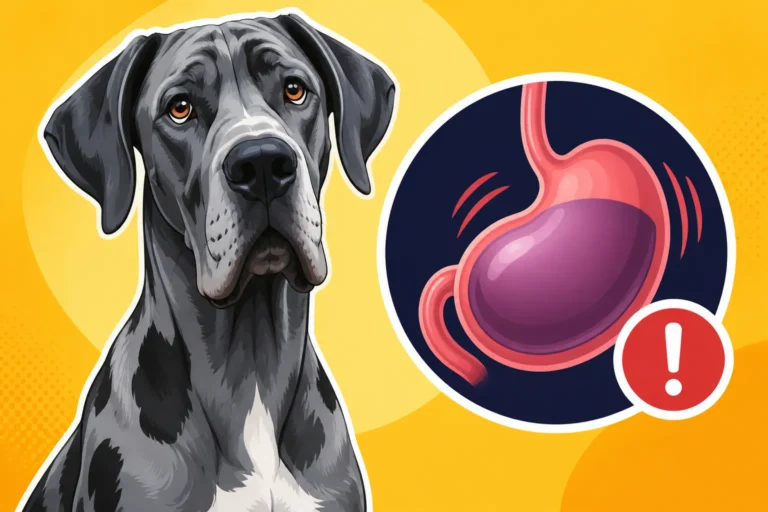
Given the propensity of Great Danes to face significant health challenges, such as bloat, heart conditions, and orthopedic problems, investing in pet insurance is often a wise decision. Policies from providers like Healthy Paws can provide immense peace of mind, helping to cover the often staggering costs of emergency surgeries, specialized treatments, and long-term care. A single incident like a twisted stomach can cost thousands, and having that financial safety net can make all the difference in providing your beloved companion with the best possible care without undue financial stress. It’s certainly worth exploring Insuring a Great Dane Against Bloat and Heart Bills early in their life.
Exercise and Weight Management
Alongside proper nutrition, appropriate exercise and maintaining a lean body condition are crucial for joint health. Over-exercising a growing puppy can stress developing joints, while obesity in any stage of life puts immense strain on their skeletal system. Stick to low-impact activities during puppyhood, gradually increasing intensity as they mature. Always ensure your Great Dane is lean; you should be able to easily feel their ribs, but not see them prominently. A healthy weight helps prevent and manage conditions like Arthritis in a Six-Year-Old Great Dane. These proactive steps are vital for managing their unique health needs and enhancing their overall quality of life.
Ultimately, being a Great Dane owner is a commitment to understanding and respecting their unique physiological needs. While it might feel counterintuitive to limit calcium when you want strong bones, remember that for a giant breed puppy, controlled, steady growth fostered by a balanced diet is the true path to a healthy, happy life.
Disclaimer
The information provided in this article is for general informational purposes only and does not constitute veterinary advice. Always consult with a qualified veterinarian for any health concerns or before making any decisions about your Great Dane's diet, health, or treatment.