Missing Eyes and Small Eyes in White Great Danes
It's absolutely heartbreaking to encounter a Great Dane puppy with significant eye abnormalities, especially when you've dreamed of bringing a healthy, happy giant into your home. The reality of a puppy born with eyes that are too small, or in some tragic cases, entirely missing, is a devastating one that no new owner should ever have to face. This guide delves deep into understanding why these profound ocular issues occur in some white Great Danes, the underlying genetics, and what it means for affected dogs, as well as providing crucial information for responsible breeding practices to prevent such outcomes.
The Genetic Link: Understanding the Merle Gene and White Coats
When we talk about white Great Danes with eye problems, we're not just discussing a coat color; we're talking about a genetic lottery that, when mishandled, can lead to severe health consequences. It all boils down to the merle gene, a fascinating but dangerous allele if not understood and respected in breeding.
The Double Merle Conundrum
The merle gene (often denoted as M) is responsible for the beautiful, dappled patterns seen in merle Great Danes, like blue merle or harlequin. It's a dilution gene, meaning it lightens random sections of a dog's coat and can also affect eye and nose pigment. A dog carrying one copy of the merle gene (Mm, or sometimes written as M/m) will exhibit the merle pattern. These dogs are generally healthy and their unique markings are quite striking. The real trouble starts when two merle carriers are bred together, resulting in puppies who inherit two copies of the merle gene (MM). This is what we call a "double merle," and it's almost always a recipe for disaster.
These double merle Great Danes often have an excessive amount of white in their coats, sometimes appearing almost entirely white, or having only small patches of color. This extreme dilution of pigment isn't just cosmetic; it's a powerful indicator that the genetic dosage has gone wrong. The merle gene, when inherited in a double dose, disrupts the development of various pigment-related structures, including those in the eyes and ears. This is why it’s so critical for breeders to understand Why Two Merle Great Danes Should Not Be Bred. It's not about avoiding a "less desirable" color; it's about preventing profound suffering due to genetic mismanagement.
Why White Coats Are a Warning Sign
While not all white Great Danes are double merles, an excessive amount of white, especially in combination with blue eyes, should raise a red flag. The white coat itself is not inherently problematic, but it's a visual manifestation of the intense pigment dilution caused by the double merle gene. When the gene acts so strongly on the coat, it's highly likely to have affected other, more critical systems that rely on pigment for proper development, particularly the eyes and ears.
This means that a Great Dane puppy that appears almost entirely white or has very pale coloration is at a significantly higher risk for congenital defects. These defects can range from minor vision or hearing impairments to severe conditions like missing eyes or profound deafness. Understanding this connection is vital for prospective owners and, more importantly, for breeders who have a responsibility to produce healthy animals. The saying "white isn't always right" certainly holds true when discussing Great Danes and the merle gene, a concept closely tied to discussions about Why a White Great Dane Is Often Deaf.
Types of Ocular Abnormalities in White Great Danes
The effects of the double merle gene on a Great Dane's eyes can manifest in a spectrum of heartbreaking ways, from subtle vision deficits to the complete absence of eyeballs. These conditions are not just cosmetic; they profoundly impact a dog's quality of life and require dedicated, compassionate care.
Microphthalmia and Anophthalmia Explained
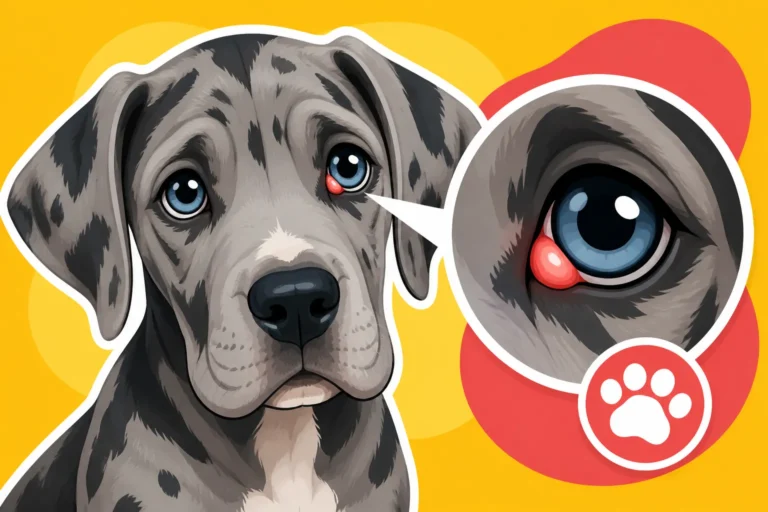
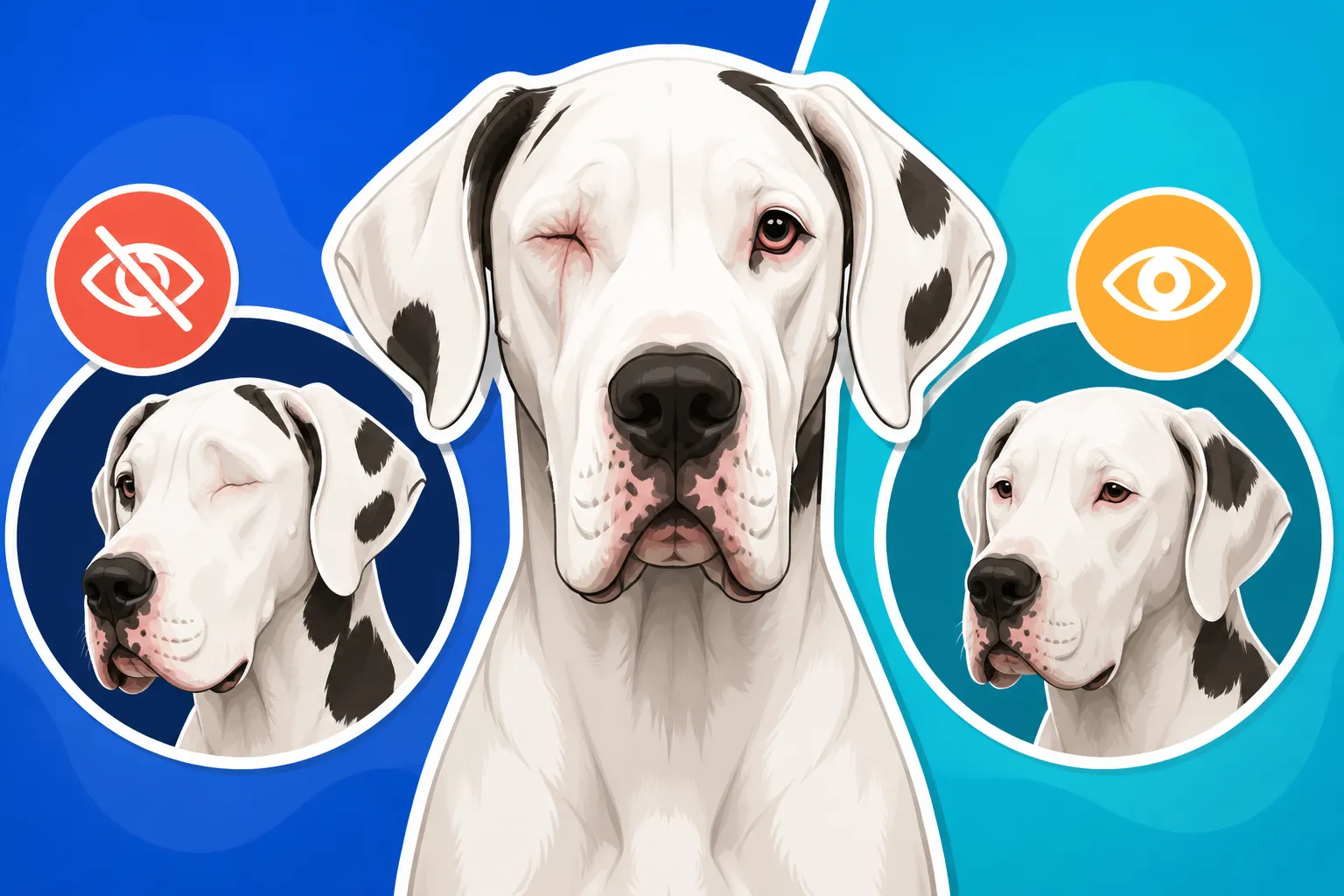
One of the most devastating conditions seen in double merle Great Danes is microphthalmia. This term literally means "small eyes." Pups with microphthalmia have eyeballs that are abnormally small and often underdeveloped. The eye might appear shrunken within the socket, or simply be noticeably smaller than a healthy eye. The severity can vary wildly; some dogs might have slightly smaller eyes with reasonable vision, while others might have eyes so tiny and malformed that they offer little to no functional sight. Imagine the confusion and difficulty for a giant breed trying to navigate the world with such compromised vision.
Even more severe is anophthalmia, which means "missing eyes." In these extreme cases, one or both eyeballs are entirely absent from the sockets. Sometimes, there might be some rudimentary tissue or an undeveloped optic nerve present, but essentially, there is no functional eye structure. A puppy born with anophthalmia is completely blind in the affected eye(s) from birth. This condition is particularly distressing because it's so visually obvious and leaves no doubt about the severity of the genetic error. The absence of an eye or the presence of a severely shrunken one can also lead to secondary issues, such as dry eye due to lack of tear production, or a sunken appearance that can affect facial symmetry and make the dog vulnerable to infections in the empty socket.
Other Eye-Related Conditions
Beyond microphthalmia and anophthalmia, double merle Great Danes can suffer from a range of other ocular abnormalities that significantly impair vision. One common issue is a coloboma, which is a gap or defect in certain structures of the eye, such as the iris, retina, choroid, or optic disc. An iris coloboma might just look like a keyhole-shaped pupil, but more severe colobomas affecting the retina or optic nerve can cause significant blind spots or even complete blindness. These defects are direct results of the merle gene interfering with normal eye development.
Many affected dogs also experience abnormal retinal development, often referred to as retinal dysplasia. This means the retina, the light-sensitive tissue at the back of the eye, hasn't formed correctly, leading to distorted vision or blindness. Cataracts, which are opacities on the lens of the eye, can also occur at a young age, further clouding or completely blocking vision. Furthermore, dogs with these genetic eye conditions are often more sensitive to bright light, a condition called photophobia, because their iris might not function correctly to control light intake, or their retinas are simply overstimulated. Dealing with these multiple issues can be overwhelming for owners, and it truly underscores the financial and emotional commitment, often requiring robust pet insurance like Healthy Paws to manage ongoing vet visits and potential treatments.
Living with and Caring for a Great Dane with Eye Issues
Bringing home a Great Dane with vision impairments, whether partial or complete blindness, presents a unique set of challenges. However, it’s entirely possible for these dogs to live rich, fulfilling lives with the right adaptations, patience, and love. Our giant companions are incredibly resilient and adapt quickly to their circumstances, often relying more heavily on their other keen senses.
Adapting the Home Environment
The key to a visually impaired Great Dane's safety and confidence lies in creating a consistent and predictable home environment. The first rule is to keep furniture and belongings in their established places. Dogs learn their surroundings through scent, touch, and memory, and suddenly moving an ottoman can turn a familiar path into a perilous obstacle course. If you need to rearrange, do it slowly and guide your dog around the new layout until they've mapped it out. For Great Danes that have limited vision, consider using baby gates to block off stairs or dangerous areas, preventing accidental tumbles, a concern that sometimes ties into broader discussions about Whether a Great Dane Puppy Should Use Stairs.
Consider adding tactile markers to help your Great Dane navigate. A different texture rug at the top or bottom of stairs, or a specific scent diffuser near their food bowl or bed, can provide cues. Many owners find that talking to their dog as they move through the house helps, letting them know where you are and what you're doing. Removing clutter from floors is essential to prevent tripping, not just for your Dane but for you too! Remember, a Great Dane can easily knock things over with a wag of their powerful tail, so imagine the added challenge when they can't see what's there. Providing soft, comfortable bedding in a designated, easily accessible spot can give them a safe haven.
Veterinary Care and Management
Ongoing veterinary care is paramount for a Great Dane with congenital eye conditions. Even if the eyes are non-functional, regular check-ups are necessary to ensure there are no secondary infections, discomfort, or other health complications. For dogs with microphthalmia, tiny eyes can sometimes be prone to chronic dryness or irritation, necessitating lubricating eye drops prescribed by your vet. If the eye is missing (anophthalmia), the socket needs to be kept clean to prevent infections. In some cases, a veterinary ophthalmologist might recommend surgical options, such as the placement of a prosthetic eye, mainly for cosmetic reasons or to maintain orbital structure, though this is less common for completely missing eyes.
Beyond the eyes themselves, remember that many double merle Great Danes also suffer from congenital deafness. Comprehensive health screenings, including brainstem auditory evoked response (BAER) testing for hearing, are crucial. Managing these dual sensory impairments requires a strong partnership with your vet. Discuss a long-term care plan, which might include specific medications, cleaning routines, and advice on diet and exercise suitable for a visually and/or hearing-impaired giant breed. It's during these times, when specialized care and potentially frequent vet visits are needed, that many owners truly appreciate the peace of mind offered by comprehensive pet insurance. Healthy Paws, for example, is often recommended for its coverage of unexpected illnesses and accidents, which can certainly arise when caring for a dog with complex needs.
Preventing These Issues: Responsible Breeding Practices
The heartbreaking reality of puppies born with missing or severely underdeveloped eyes is entirely preventable. It comes down to ethical and informed breeding practices, centered around understanding canine genetics and prioritizing the health and welfare of the dogs above all else.
Avoiding Merle to Merle Breedings
The absolute cornerstone of preventing ocular abnormalities and deafness in white Great Danes is to never breed two merle-patterned dogs together. This cannot be stressed enough. When two merle parents (Mm) are bred, there is a 25% statistical chance that a puppy in the litter will inherit two copies of the merle gene (MM), becoming a double merle. It's a genetic gamble with incredibly high stakes, and the health of the puppies pays the price.
Reputable breeders are acutely aware of this danger and will use genetic testing to confirm coat color and merle status before planning a litter. They will pair a merle dog with a non-merle (mm) dog, ensuring that no double merle puppies are produced. This pairing yields a litter where approximately half the puppies will be merle and half will be non-merle, all genetically safe from the double merle syndrome. Any breeder who claims ignorance about merle genetics, or worse, intentionally breeds merle to merle for "more white" or "unique colors," is acting irresponsibly and unethically. This is a critical point that helps explain Why Breeders Avoid Merle to Merle Great Danes.
The Ethical Breeder's Role
An ethical Great Dane breeder has a profound responsibility that extends far beyond just producing pretty puppies. Their role is to safeguard the health and integrity of the breed. This means conducting thorough health testing on both parent dogs for conditions prevalent in Great Danes, such as heart disease (DCM), hip and elbow dysplasia, and thyroid issues, as outlined in articles like The Health Testing a Great Dane Breeder Owes You. But for merle lines, it specifically means meticulous attention to color genetics.
A responsible breeder will be completely transparent about the genetic background of their dogs, providing potential puppy buyers with all relevant health clearances and genetic test results. They will be happy to explain their breeding philosophy and demonstrate their commitment to avoiding double merle pairings. When you're looking for a puppy, always ask to see the parents' health papers and understand their color genetics. Don't be swayed by "rare" white colors without understanding the potential health implications. A good breeder will educate you on the risks associated with certain color pairings and will actively strive to prevent conditions like missing or small eyes, ensuring that the puppies they bring into the world have the best possible start. It’s important for buyers to really scrutinize Reading a Great Dane Puppy's Health Papers and understand what they mean.
Genetic Outcome of Merle Breedings
Here’s a simplified breakdown of the genetic outcomes when breeding Great Danes with the merle gene:
| Parent 1 Genetic Code | Parent 2 Genetic Code | Expected Puppy Outcome | Associated Health Risks |
|---|---|---|---|
| mm (Non-Merle) | mm (Non-Merle) | All mm (Non-Merle) puppies | No merle-related health risks |
| Mm (Merle) | mm (Non-Merle) | 50% Mm (Merle), 50% mm (Non-Merle) puppies | No merle-related health risks for puppies; responsible pairing |
| Mm (Merle) | Mm (Merle) | 25% MM (Double Merle), 50% Mm (Merle), 25% mm (Non-Merle) puppies | High risk of severe health defects (blindness, missing eyes, deafness) for MM puppies. This pairing is widely considered unethical and irresponsible due to the risk to the MM offspring. |
| MM (Double Merle) | mm (Non-Merle) | 100% Mm (Merle) puppies (though breeding a known MM dog is generally advised against due to the severe health risks the MM dog likely faces itself, and to avoid propagating merle irresponsibly) | No merle-related health risks for offspring. |
This table clearly illustrates why the "Merle to Merle" breeding (Mm x Mm) is so dangerous and should always be avoided by ethical breeders. The risk of producing What a Double Merle Great Dane Is with severe disabilities is simply too high.
Disclaimer
The information provided in this article is for educational and informational purposes only and does not constitute veterinary advice. Always consult with a qualified veterinarian for any health concerns or before making any decisions about your Great Dane's care or breeding practices.