What a Great Dane Puppy’s Shot Course Costs
Bringing home a Great Dane puppy is one of the most exciting times in a dog lover's life, but the sheer size of these magnificent creatures means that even routine costs can quickly add up in ways many new owners don't anticipate. One of the first and most critical financial considerations you'll face is the cost of your Great Dane puppy's initial shot course. This guide will walk you through what to expect, from the essential vaccines to the hidden fees, so you can budget wisely and ensure your giant puppy gets the healthy start they deserve without any unwelcome surprises.
Understanding the Essential Great Dane Puppy Shot Course
When you bring home a Great Dane puppy, you're not just getting a furry friend; you're taking on the responsibility of nurturing a rapidly growing, often delicate giant through its most vulnerable stages. The initial vaccination series, or "shot course," is a cornerstone of this early care, designed to protect your puppy from common, often deadly diseases. It's not a one-and-done deal; it's a meticulously timed series of appointments.
The Core Vaccines Your Great Dane Puppy Needs
The term "core vaccines" refers to those immunizations recommended for all puppies, regardless of their location or lifestyle, due to the prevalence and severity of the diseases they prevent. For a Great Dane puppy, these are absolutely non-negotiable and form the bulk of your initial veterinary visits.
The primary core vaccine is often referred to as DHPP or DAPP. This single injection typically provides protection against a quartet of serious illnesses: Distemper, Adenovirus (Hepatitis), Parvovirus, and Parainfluenza. Distemper is a severe viral disease that can affect the respiratory, gastrointestinal, and nervous systems. Adenovirus, or infectious hepatitis, impacts the liver. Parvovirus is particularly dangerous for puppies, causing severe vomiting, diarrhea, and often rapid dehydration, which can be fatal, especially in large, fast-growing breeds like Great Danes. Parainfluenza is a respiratory virus, often part of the "kennel cough" complex. Your Great Dane puppy will typically receive a series of these DHPP shots, starting around 6-8 weeks of age and continuing every 3-4 weeks until they are 16 weeks old or older. Each of these shots, spread across multiple visits, will incur a cost for the vaccine itself, plus the veterinary consultation fee.
The other crucial core vaccine is for Rabies. This vaccine is not just important for your dog's health; it's legally mandated in most places due to the public health risk rabies poses. Unlike the DHPP series, the rabies vaccine is usually a single dose given when your puppy is around 12-16 weeks old. Its cost is typically separate from the DHPP and will also come with an associated veterinary consultation. Ensuring your Great Dane puppy receives this vital protection on schedule is paramount for their safety and for complying with local regulations.
Non-Core Vaccines and Regional Considerations
Beyond the core vaccines, there are several "non-core" vaccines that your veterinarian might recommend based on your specific geographic location, your Great Dane's lifestyle, and potential exposure risks. These are not universally recommended but can be extremely important depending on your circumstances.
One common non-core vaccine is for Leptospirosis. This bacterial disease is spread through the urine of infected wildlife and can cause severe kidney and liver damage in dogs, and it can also be transmitted to humans. If you live in an area with a high wildlife population, standing water, or if your Great Dane puppy will be spending time outdoors, hiking, or swimming in lakes, your vet will likely recommend the lepto vaccine. This is typically given in two doses, 3-4 weeks apart, after the initial core series. Another non-core option is the Bordetella vaccine, which targets one of the primary culprits behind "kennel cough." If your Great Dane puppy will attend obedience classes, daycare, boarding, or frequent dog parks, this vaccine is a smart preventative measure. Some regions also have a high incidence of Lyme disease, transmitted by ticks, which makes the Lyme vaccine a consideration if you live in an endemic area.
The decision to administer non-core vaccines should always be made in consultation with your veterinarian. They can assess your Great Dane puppy's individual risk factors, taking into account everything from where you live (urban apartment vs. rural farm) to your daily routine (indoor couch potato vs. avid hiker). These additional vaccinations will, of course, add to the overall cost of your puppy's initial shot course, but they offer tailored protection that can be invaluable. It's all about proactive preventative care, which can save you significant heartache and expense down the line if your puppy avoids a treatable but costly illness.
Why the Schedule Matters for a Giant Breed
The vaccination schedule for any puppy is precise, but for a fast-growing giant breed like a Great Dane, adhering to it is absolutely critical. The initial series of DHPP shots, usually administered every 3-4 weeks, is designed to provide protection at a time when your puppy's immune system is developing and they are most susceptible to disease.
When Great Dane puppies are born, they receive antibodies from their mother's milk, which offer temporary protection against illnesses. However, these maternal antibodies gradually wane over the first few weeks of life. The problem is, these antibodies can also interfere with the effectiveness of vaccines. The series of puppy shots is strategically timed to "catch" your puppy at the point where maternal immunity has decreased enough for the vaccine to be effective, but before they become fully vulnerable. Missing a booster shot or delaying an appointment can leave a critical window where your Great Dane puppy is unprotected, especially against highly contagious and dangerous diseases like parvovirus.
Think of it like building a sturdy wall. Each vaccine in the series is like adding another layer of bricks. If you skip a layer, the wall isn't as strong, and a strong gust of wind (or a nasty virus) could knock it down. For a Great Dane, who is growing so rapidly and needs strong bone development as discussed in articles like Growth Disorders in a Great Dane Puppy, having their immune system compromised by preventable diseases can have lasting negative effects on their overall health and well-being. Keeping on schedule is key to ensuring that their immune system gets the best possible start, providing robust protection as they continue to grow into their massive adult size.
Breaking Down the Costs Beyond Just the Needle
It's easy to assume that the "cost of shots" refers only to the price of the vaccine itself. However, for a Great Dane puppy, just like any dog, the veterinary bill for the initial shot course encompasses much more than the liquid in the syringe. Understanding these additional costs helps you budget more accurately and avoid sticker shock.
The Price of Each Shot vs. the Vet Visit Fee
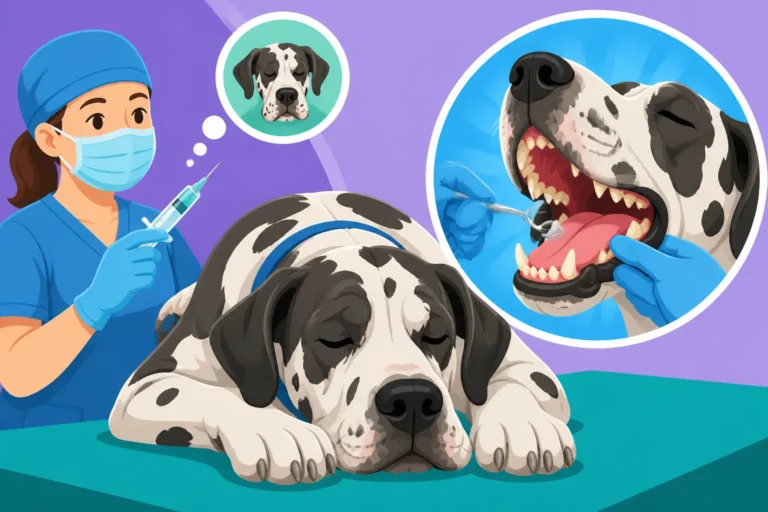
When you take your Great Dane puppy to the vet for vaccinations, you're paying for more than just the vaccine. Each visit typically includes a consultation or exam fee, which covers the veterinarian's time and expertise in performing a thorough physical examination of your growing puppy. This exam is crucial; the vet will check their heart, lungs, eyes, ears, teeth, skin, and palpate their abdomen to ensure they are healthy enough to receive the vaccine. They'll also monitor their weight and growth progress, which is especially important for a giant breed.
So, while a single dose of a DHPP vaccine might have a modest price tag, you'll need to factor in this exam fee for each of the several visits your Great Dane puppy will require during their initial shot course. These consultation fees can vary significantly based on your geographic location – a vet in a major metropolitan area will likely have different rates than one in a rural town. This means that even if the vaccine cost itself is relatively low, the cumulative effect of multiple exam fees can add up quickly. It's a fundamental part of responsible pet ownership, establishing a health baseline and ensuring the vaccines are administered safely.
Additional Preventative Care During Puppy Visits
The puppy vet visits are often bundled opportunities for other critical preventative care measures. These aren't technically part of the "shot course," but they are almost always done concurrently and contribute significantly to the initial costs of owning a Great Dane puppy.
During these early appointments, your vet will typically recommend several rounds of deworming medication to protect against common intestinal parasites like roundworms and hookworms, which puppies are highly susceptible to. A fecal exam, which checks for the presence of these and other parasites, is often performed, adding another item to the bill. Many owners also opt to have their Great Dane puppy microchipped during one of these visits. Microchipping provides a permanent form of identification, vastly increasing the chances of being reunited if your giant puppy ever gets lost. This is a one-time fee but is usually done during a vaccination appointment for convenience.
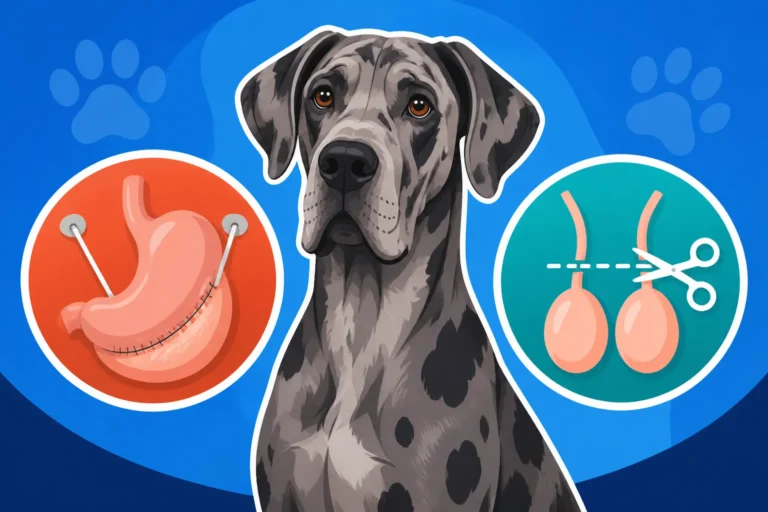
Furthermore, these visits are when your vet will discuss and often dispense the first doses of flea and tick prevention and heartworm medication. Because Great Danes are so large, the dosages for these preventative medications are substantial, and consequently, their monthly cost can be considerably higher than for smaller breeds. It's wise to start thinking about the long-term, too. These early visits are also an excellent time to discuss future preventative procedures, such as when to book a When to Book a Great Dane Gastropexy to protect against bloat, a life-threatening condition Great Danes are prone to, as detailed in our guide on Bloat in a Great Dane and the One in Three Odds. These discussions, while not immediately costing money, set the stage for future financial planning for your massive companion.
The Cumulative Cost of Multiple Puppy Appointments
It's crucial to understand that the "shot course" isn't a single event but a series of distinct veterinary visits spread over several months. Each of these visits will come with its own set of charges, and when combined, they can form a significant upfront investment in your Great Dane puppy's health.
Let's break down a hypothetical scenario. Your puppy might need 3-4 rounds of the DHPP vaccine, a rabies shot, potentially 1-2 doses of Leptospirosis vaccine, and a Bordetella shot if recommended. That could easily translate into 4-6 separate trips to the vet within the first 4-5 months of ownership. Each trip will involve an examination fee, the cost of the vaccine(s) administered at that time, and potentially other services like deworming, fecal exams, or microchipping.
Imagine a single vet visit costing, say, an initial exam fee plus the cost of one DHPP booster and a dewormer. Multiply that by several visits, and you start to see how the numbers add up. It’s not just a single bill for "puppy shots" but a staggered series of payments, all essential for your puppy's developing immune system. This cumulative cost is why it's so important to budget properly before bringing a Great Dane puppy home. Thinking about Great Dane Vet Costs Year by Year from the outset, starting with this initial puppy phase, will give you a more realistic picture of the financial commitment involved.
Here's a simplified table to illustrate how the costs can accumulate for a Great Dane puppy's initial shot course and associated care:
| Service/Vaccine | Typical Number of Doses/Visits | Cost Component | Estimated Cost Shape (per dose/visit) |
|---|---|---|---|
| Vet Consultation/Exam Fee | 4-6 times | Vet's time, physical check-up | Moderate to high |
| DHPP (Distemper, Parvo, etc.) | 3-4 doses | Vaccine material | Low to moderate |
| Rabies | 1 dose | Vaccine material, legal compliance | Low to moderate |
| Leptospirosis (non-core) | 1-2 doses | Vaccine material | Low to moderate |
| Bordetella (non-core) | 1-2 doses | Vaccine material | Low |
| Deworming Medication | 2-4 rounds | Medication | Low |
| Fecal Exam | 1-2 times | Lab test for parasites | Low to moderate |
| Microchipping | 1 time | Device, registration | Moderate |
| First Dose Flea/Tick/Heartworm | 1 time (monthly thereafter) | Medication | Moderate to high (Great Dane dose) |
Note: Specific figures are omitted as per guidelines, but this table illustrates the cumulative nature of the expenses.
Planning and Budgeting for Your Great Dane Puppy's Health
Bringing a Great Dane puppy into your life is an unparalleled joy, but it's also a significant financial commitment. Proactive planning and smart budgeting are key to managing the costs of their initial health care, setting the stage for a long and healthy life.
Estimating the Total Investment for Initial Puppy Care
When you consider all the elements – the core vaccines, any recommended non-core vaccines, the multiple vet consultation fees, deworming, fecal exams, microchipping, and initial parasite prevention – the total investment for your Great Dane puppy's first few months of preventative veterinary care can range widely. It's often much higher than new owners anticipate, sometimes equivalent to a substantial portion of the puppy's purchase price itself. This initial outlay is absolutely critical, as it lays the foundation for your puppy's immune health and protects them during their most vulnerable period of rapid growth.
For example, a series of 4 vet visits for shots and check-ups, each including an exam fee, plus the cost of the vaccines themselves, deworming, and maybe a microchip, can quickly climb. Factor in the initial larger-than-average doses of flea/tick and heartworm medication for a giant breed, and you're looking at a significant sum. Don't forget that as your Great Dane puppy grows, you'll need to consider other expenses such as proper nutrition, explored in articles like Feeding a Great Dane Puppy Slowly on Purpose, and training to instill The Manners a Great Dane Needs Before It Grows. Having a clear understanding of these early costs empowers you to make informed decisions and prevents financial strain later on.
The Value of Early and Consistent Preventative Care
While the costs associated with a Great Dane puppy's shot course and initial preventative care might seem daunting, it's truly an investment that pays dividends. Skipping or delaying vaccinations or other crucial preventative measures due to cost concerns can lead to far more expensive and heartbreaking consequences. For instance, treating a Great Dane puppy for parvovirus can involve days of hospitalization, IV fluids, medications, and round-the-clock veterinary care, often totaling thousands of dollars – an amount that dwarfs the cost of the entire vaccination series.
Beyond avoiding acute illnesses, consistent preventative care establishes a strong health record for your Great Dane and fosters a vital relationship with your veterinarian. Your vet becomes a trusted partner in your puppy's journey, monitoring their unique growth patterns (which are extreme in Great Danes), identifying potential issues early, and offering guidance tailored to giant breeds. This foundation of care is instrumental in contributing to their overall well-being and, hopefully, a full and healthy The Seven to Ten Year Great Dane Lifespan. It’s about being proactive rather than reactive, ensuring your gentle giant has the best possible chance at a long, vibrant life.
How Pet Insurance and Wellness Plans Can Help
Given the significant costs associated with owning a Great Dane, not just for puppy shots but throughout their lives, many owners consider financial safety nets. Pet insurance is a popular option, though it's important to understand how it typically works for preventative care. Most standard pet insurance policies, such as those offered by providers like Healthy Paws, are designed to cover unexpected accidents and illnesses rather than routine preventative care like vaccinations. However, many insurers offer optional "wellness plans" or "preventative care add-ons" that do cover a portion or all of these routine costs, including annual exams, vaccinations, and sometimes even deworming. It's crucial to compare different plans and understand what's covered before enrolling.
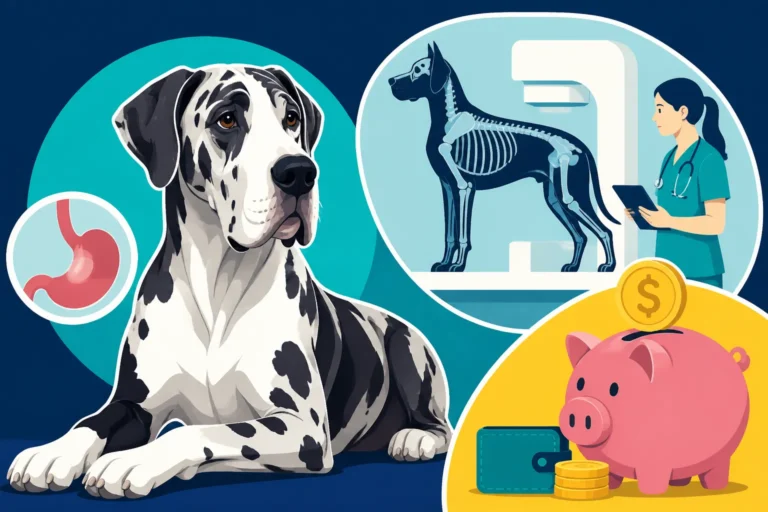
Alternatively, some veterinary clinics offer their own in-house wellness packages that bundle services like annual exams, vaccinations, and sometimes discounts on other preventative care. These can be a great way to spread out the cost of routine care over monthly payments. Even if you opt out of insurance or a wellness plan for preventative care, it's highly recommended to start building an emergency fund specifically for your Great Dane. Large breeds are prone to certain health issues, such as The Heart Muscle Disease Great Danes Are Prone To and Bloat in a Great Dane and the One in Three Odds, which can incur extremely high emergency veterinary bills. Having funds set aside, or a robust insurance policy in place, can provide immense peace of mind. Remember, your budget also needs to account for the substantial amount of food a Great Dane consumes – platforms like Chewy and specialized services like Ollie can help you explore options for purchasing food efficiently.
Important Considerations for Great Dane Puppy Vaccinations
Navigating the world of puppy vaccinations is more nuanced than simply showing up for shots. For a breed as unique as the Great Dane, there are additional considerations that informed owners should discuss with their veterinarian.
Avoiding Over-Vaccination and Discussing Titers
While essential for protection, there's growing discussion in the veterinary community about the potential for over-vaccination, especially in certain breeds or individuals. Some argue that once a dog has completed its initial puppy series and received a booster at one year, annual vaccinations might not always be necessary for every disease. This is where titer testing comes in.
A titer test is a blood test that measures the level of antibodies circulating in your Great Dane's system for specific diseases, such as Distemper and Parvovirus. A sufficient titer indicates that your dog still has protective immunity and may not need another booster shot for that particular disease for several years. Discussing titer testing with your veterinarian, especially once your Great Dane has completed their initial puppy series and their one-year boosters, can be a way to ensure they are adequately protected without potentially exposing them to unnecessary vaccines. This approach emphasizes individualized care, moving beyond a one-size-fits-all vaccination schedule, and is a conversation worth having with your vet, particularly given the large size and unique physiology of Great Danes.
Breeder Responsibilities and Initial Shots
A responsible Great Dane breeder plays a crucial role in the initial health and vaccination status of your puppy. Before you even bring your puppy home, they should have received at least their first round, if not more, of core puppy vaccinations (DHPP). They should also have been routinely dewormed.
A reputable breeder will provide you with comprehensive health records, detailing the dates of all vaccinations and deworming treatments the puppy has received. This paperwork, often referred to as Reading a Great Dane Puppy's Health Papers, is absolutely vital for your veterinarian. It allows your vet to understand the puppy's health history and plan the continuation of the vaccination schedule without interruption or unnecessary repetition. If a breeder cannot provide these records, it should be a significant red flag, indicating a potential lack of proper care and health screening, including essential The Health Testing a Great Dane Breeder Owes You. Ensuring continuity of care is paramount, as any break in the vaccination schedule can leave your Great Dane puppy vulnerable.
Beyond Vaccinations: Lifetime Preventative Care
While the puppy shot course is a critical beginning, it's just the first step in a lifetime of preventative care for your Great Dane. As they mature, your Great Dane will still require annual veterinary check-ups, booster vaccinations (based on your vet's recommendations and any titer results), and ongoing parasite prevention. These routine visits are opportunities for your vet to monitor their weight, dental health, joint health (considering issues like Great Dane Hips, Elbows and Growing Joints), and discuss any age-related changes.
As your Great Dane enters their senior years, which for this breed can start earlier than for smaller dogs (as explored in Why a Great Dane Ages Faster Than Smaller Dogs), their preventative care needs will evolve, potentially including more frequent check-ups and specific screenings for conditions prevalent in the breed, such as heart disease. Regular veterinary care, paired with a keen eye from you, their owner, ensures that potential health issues are identified and addressed early, contributing significantly to their quality of life. This holistic approach to their health care, starting with that initial puppy shot course, is the foundation for a happy, healthy life with your beloved giant companion.
Disclaimer
This article is for general informational purposes only and does not constitute professional advice. Laws, prices and regulations vary by location and change over time. Consult a qualified professional for guidance on your specific situation.