How Great Dane Costs Climb After Five
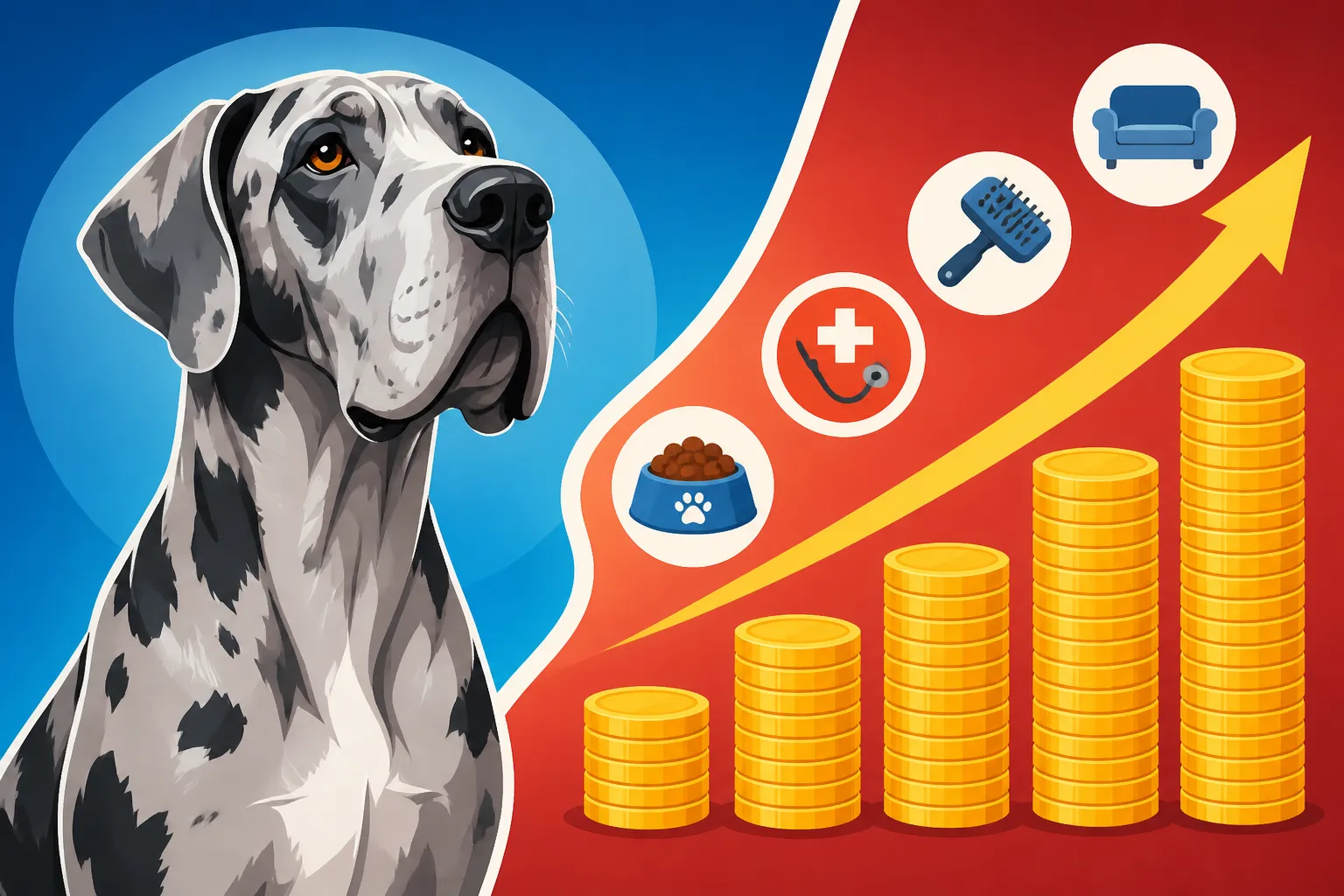
The joy and love a Great Dane brings into your life are immeasurable, but as these gentle giants reach their golden years, typically starting around age five, many owners find themselves facing a steep climb in expenses. The reality is that their immense size, combined with breed-specific predispositions, means that managing health and comfort in an older Dane often requires a significant financial commitment. This guide will walk you through the various ways Great Dane costs tend to escalate after their fifth birthday and what you can anticipate to ensure your beloved companion remains happy and well-cared for.
The Reality of Aging Great Dane Expenses
It’s a heartbreaking truth that Great Danes, with their impressive stature, also come with a shorter lifespan compared to many smaller breeds. While a small terrier might be frolicking well into its teens, a Great Dane reaching seven or eight years old is truly a senior citizen. This compressed timeline means that the onset of age-related issues can happen much sooner than many new owners anticipate. Suddenly, those annual vet visits that seemed so straightforward in their youth start turning into a series of diagnostics, specialist consultations, and ongoing treatments.
The initial shock for many owners isn't just the sheer number of vet appointments, but the price tag that comes with them. Everything for a Great Dane, from a routine blood test to specialized medication, is scaled up to match their size. A dose of pain medication for a toy poodle might be a few dollars, but for a 150-pound Dane, that same medication can easily be ten times the cost, and they'll likely need more of it, more frequently. This isn't about luxury; it's about necessity, and it quickly adds up.
Why Age Five Marks a Turning Point
For many Great Danes, the fifth year marks a quiet, often imperceptible, shift from robust adulthood into the beginnings of senior life. While they might still have bursts of playful energy, you might start noticing subtle changes. Perhaps they're a little slower to get up after a nap, or their once-boundless enthusiasm for a long walk wanes a bit quicker. These are often the first whispers of the physical toll their large frames are starting to take. This is the age when proactive health screenings become even more critical, as catching potential issues early can make a world of difference in management and cost.
It’s not an overnight transformation, but a gradual accumulation of wear and tear. Their joints, which have supported immense weight for five years, start to show signs of arthritis. Their hearts, which have pumped blood through a massive circulatory system, may begin to struggle. What might be considered a middle-aged problem for a smaller dog becomes a senior issue for a Dane. Understanding that The Great Dane Years That Count as Senior begin earlier than you might expect for other breeds is crucial for adjusting your expectations and your budget.
The Compounding Effect of Size on Senior Care
The sheer size of a Great Dane magnifies every aspect of their care, especially as they age. Imagine trying to lift a struggling 150-pound dog onto a vet table, or supporting them if their back legs are giving out. This isn't just an emotional challenge, but a physical and financial one. Special equipment, like larger lifting harnesses or extra-thick orthopedic beds, becomes essential, and these items don't come cheap.
Furthermore, veterinary clinics themselves have to adjust for giant breeds. Anesthesia dosages are higher, requiring more expensive medications and longer monitoring. Imaging equipment, like X-ray tables, needs to be robust enough to handle their weight. Even something as simple as a comfortable, quiet recovery kennel has to be large enough for them to stretch out, which might mean a specialized area of the clinic. These practicalities translate directly into higher bills, even for routine procedures.
Increased Veterinary Care: The Lion's Share of Senior Costs
When a Great Dane passes its fifth birthday, the veterinary bills often become the single largest expense, dwarfing even their considerable food budget. The breed is prone to several serious conditions that become more prevalent and costly in their later years. Understanding these potential health challenges is key to preparing for the financial impact.
Managing Joint Problems and Arthritis
Arthritis is an almost inevitable companion for many older Great Danes. Their massive size puts immense stress on their joints throughout their lives, and by age five or six, that wear and tear can manifest as stiffness, pain, and reduced mobility. What starts as a subtle limp might progress to a chronic condition requiring daily medication. This isn't just about pain relief; it's about maintaining their quality of life.
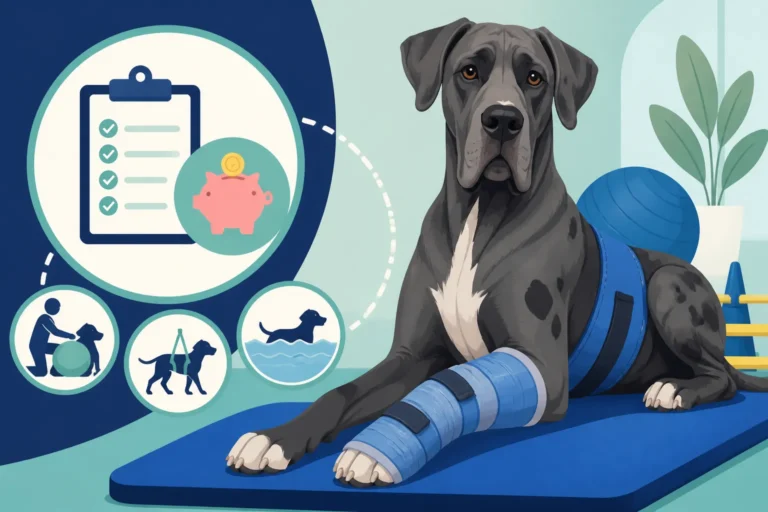
Treatments can include prescription anti-inflammatory drugs, joint supplements, and sometimes even injections like Librela or Adequan. These medications, dosed for a giant breed, can be a significant monthly expenditure. Beyond medication, physical therapy, hydrotherapy, or even acupuncture can be beneficial but add further to the costs. It's a long-term commitment to managing their comfort, and neglecting it isn't an option for a loving owner. For more on this, you might find Arthritis in a Six-Year-Old Great Dane insightful.
Addressing Heart Disease
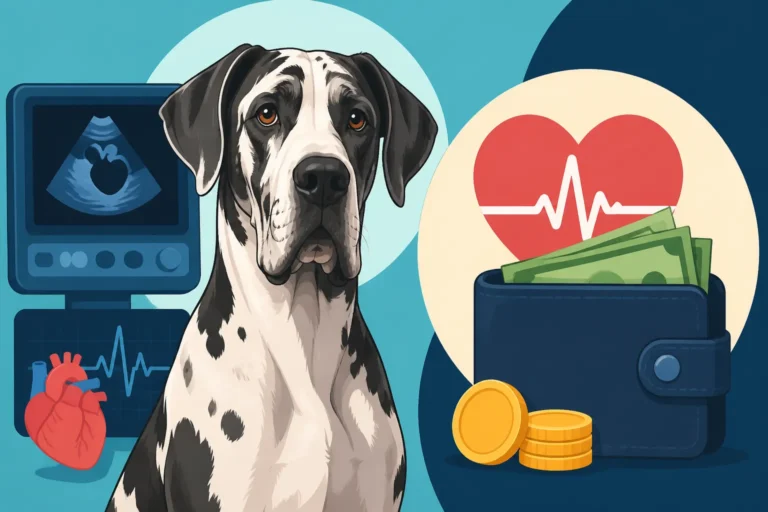
Dilated Cardiomyopathy (DCM) is a heartbreaking reality for many Great Danes, and it often presents in middle to senior age. This condition causes the heart muscle to thin and weaken, making it less efficient at pumping blood. While it can strike earlier, the signs often become more pronounced as they age. Regular cardiac screenings, including echocardiograms and Holter monitors, become essential. A yearly cardiac workup can be costly, but vital for early detection.
Once diagnosed, managing DCM typically involves a cocktail of medications to support heart function, reduce fluid buildup, and regulate heart rhythm. Drugs like pimobendan, furosemide, and enalapril are common, and for a Great Dane's weight, these prescriptions can be quite expensive. These medications are not a cure, but they can significantly extend and improve the quality of life for a Dane with DCM. Learning about The Heart Muscle Disease Great Danes Are Prone To is a crucial step for any Dane owner.
Confronting Cancer Diagnoses
Sadly, cancer is another major concern for older Great Danes, much like it is for many large and giant breeds. Osteosarcoma, a form of bone cancer, is particularly aggressive and common in Danes. Other cancers, such as lymphoma or hemangiosarcoma, can also appear. A diagnosis of cancer can feel like a punch to the gut, and the treatment options, while offering hope, come with a heavy financial burden.
Diagnostic tests, including X-rays, biopsies, and advanced imaging like CT or MRI scans, are the first step. Treatment might involve surgery (like amputation for osteosarcoma), chemotherapy, radiation, or palliative care to manage pain. Each of these avenues carries substantial costs, often in the thousands. Making decisions about treatment for Bone Cancer in a Great Dane requires careful consideration of both the prognosis and the financial commitment involved.
Higher Costs for Medications and Anesthesia
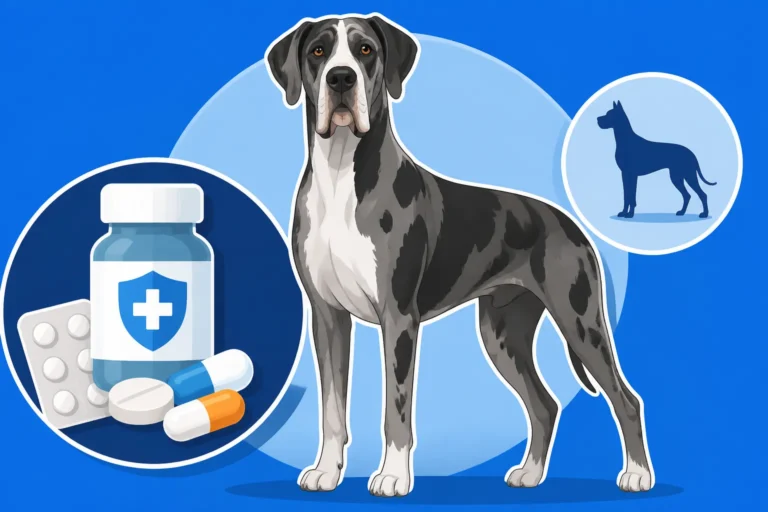
One of the most immediate impacts of owning a giant breed is the scale of medication costs. Whether it’s monthly heartworm prevention, antibiotics for an infection, or long-term pain management, the dosage for a Great Dane is simply larger, and therefore, more expensive. This is a constant factor that many new owners underestimate. You're not buying a small pill; you're often buying a substantial quantity.
| Medication Type | Example Conditions | Dosage Factor for Great Danes | Cost Impact |
|---|---|---|---|
| NSAIDs | Arthritis, pain relief | High (daily, large pills) | Significant monthly |
| Cardiac Medications | DCM, heart failure | High (daily, multiple drugs) | Very high monthly |
| Antibiotics | Infections (skin, urinary) | High (large doses, longer course) | Varies, can be high |
| Flea/Tick Prevention | Parasite control | Heaviest weight band | Higher quarterly/monthly |
| Joint Supplements | Proactive joint health | High (large chews/powder) | Moderate monthly |
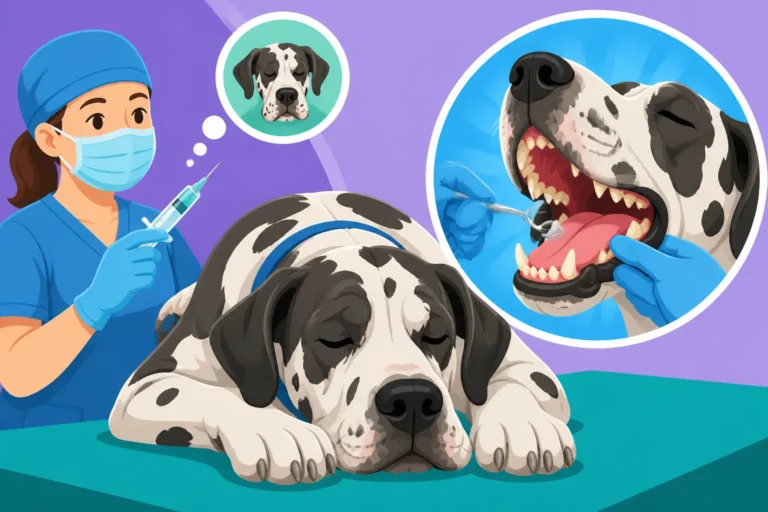
Anesthesia for any procedure, from a dental cleaning to major surgery, is also inherently more expensive for a Great Dane. They require more anesthetic agents, more staff to monitor them during the procedure, and often extended recovery times. The risks associated with anesthesia are also slightly higher for giant breeds, necessitating more intensive monitoring and specialized protocols. This "giant breed surcharge" is a reality you'll face at the vet.
Maintaining Comfort and Quality of Life: Beyond Medical Bills
Beyond the vet's office, ensuring an older Great Dane remains comfortable and happy involves a range of non-medical expenses. These are the costs that contribute to their day-to-day well-being, allowing them to age with dignity and minimize discomfort in their own home.
Specialized Food and Supplements
As Great Danes age, their dietary needs can change dramatically. They might need a lower-calorie diet to prevent obesity, especially if their activity levels decrease, or a diet specifically formulated for senior dogs that includes joint-supporting ingredients. Some may develop sensitive stomachs or require prescription diets for conditions like kidney disease or heart failure. Brands like Chewy and Ollie often carry a wide range of specialized senior dog foods, including fresh or limited-ingredient options, but these can be significantly more expensive than standard adult kibble.
Switching to these specialized foods, or adding supplements like omega-3 fatty acids or glucosamine/chondroitin, will increase your monthly grocery bill. For a Great Dane, even a "small" portion of a premium senior diet is a considerable volume of food. It's not just about the cost per bag, but the frequency with which you're buying it. For more about their dietary needs, explore Feeding and Grooming an Old Great Dane.
Orthopedic Bedding and Mobility Aids
A soft, supportive bed is a luxury for any dog, but for an aging Great Dane, it's a necessity. Hard floors and inadequate bedding can exacerbate joint pain, lead to pressure sores, and generally make life miserable for a dog that struggles to get up. Investing in high-quality orthopedic beds, often made with thick memory foam, becomes paramount. These beds are significantly more expensive than standard dog beds, and you might need several placed strategically around the house.
As mobility declines, you might also need to consider mobility aids. This could include ramps for getting into cars or up a few steps, assistive harnesses that allow you to support their hindquarters, or even custom-made carts for Danes with severe hind limb weakness. These aids are designed to extend their independence and make your life easier, but they represent another layer of expense that wasn't there in their youth. Read Orthopedic Beds a Great Dane Needs for more insights into finding the right comfort solutions.
Professional Grooming and In-Home Care
While Great Danes are relatively low-maintenance when it comes to grooming their short coats, an older, less mobile Dane might struggle with tasks they once handled easily. Nail trims become harder if they can't stand steadily. Bathing a giant dog that can no longer hop into a walk-in shower is a feat of strength. You might find yourself relying more on professional groomers, especially those with experience handling large, senior dogs, or seeking out mobile grooming services that come to your home.
For Danes with significant mobility issues, or if you work long hours, you might also consider professional pet sitters or dog walkers who are experienced with giant breeds. They can help with potty breaks, administer medication, or simply provide companionship when you're away. While these services are invaluable for maintaining a senior Dane's routine and comfort, they add another line item to your monthly budget.
Financial Planning and Support for Senior Great Danes
Given the substantial increase in costs as Great Danes age, proactive financial planning is not just wise, it's essential. Waiting until a crisis hits can leave you scrambling and potentially making difficult decisions under pressure.
The Role of Pet Insurance
Pet insurance, particularly for a breed like the Great Dane, can be a lifesaver when those significant vet bills start rolling in. Enrolling your Dane when they are younger, before any pre-existing conditions develop, will typically give you the best coverage and premium rates. Policies from providers like Healthy Paws can help offset the costs of diagnostics, surgeries, and long-term medications for unexpected illnesses or accidents. While monthly premiums are an ongoing cost, they can prevent financial ruin when a major health crisis arises.
It’s important to research different plans and understand what they cover, especially regarding chronic conditions common in Danes like DCM or arthritis. Some policies might have age limits for enrollment or higher deductibles/lower reimbursement rates for older pets. However, the peace of mind knowing you have a safety net for potential five-figure vet bills is invaluable. Even if you haven't considered it before, look into Keeping a Great Dane Insured Past Six as your dog approaches their senior years.
Building a Dedicated Emergency Fund
Even with pet insurance, there will likely be out-of-pocket expenses, deductibles, and conditions that might not be fully covered. This is where a dedicated emergency fund becomes critical. Setting aside a certain amount each month, specifically for your Great Dane's future healthcare needs, can provide a cushion. Think of it as self-insurance for the gaps in coverage or for routine senior care that insurance might not touch, such as specialized diets or mobility aids.
This fund can also be invaluable for sudden emergencies, like a late-night bloat scare, which can rack up thousands of dollars in a single event. Having funds readily available means you can focus on your dog's urgent needs rather than stressing about how to pay the bill. Given The Short Expensive Life of a Great Dane, this proactive saving is one of the kindest things you can do for yourself and your dog.
Smart Shopping and Budgeting for Ongoing Needs
Beyond the big bills, the day-to-day costs of a senior Great Dane can be managed with smart shopping and a clear budget. Buying larger quantities of specialized food from online retailers like Chewy can often result in bulk discounts or subscription savings. Exploring generic options for certain medications (always with your vet's approval) can also cut down costs without compromising care.
Consider where you can economize without sacrificing your Dane's comfort. Perhaps making homemade enrichment toys instead of buying expensive ones, or learning basic grooming tasks like brushing and ear cleaning at home. Creating a detailed monthly budget for food, supplements, preventive medications, and a contingency for vet visits will help you stay on top of the rising costs and ensure your beloved giant receives everything they need in their golden years.
Disclaimer
This article is for general informational purposes only and does not constitute professional advice. Laws, prices and regulations vary by location and change over time. Consult a qualified professional for guidance on your specific situation.