What a Great Dane Must Know by Six Months
Bringing a Great Dane puppy home is an absolute joy, but it also comes with a unique set of challenges, especially when you realize how quickly they transform from a tiny, adorable lump into a towering, energetic adolescent. Many new Great Dane owners feel a bit overwhelmed as their little buddy rapidly gains size and strength, making those cute puppy behaviors a lot less cute and a lot more problematic. This guide is here to help you navigate those crucial first six months, focusing on the essential knowledge and manners your Great Dane puppy needs to master to grow into a well-behaved, happy, and manageable family member.
The Urgency of Early Great Dane Training
When you welcome a Great Dane puppy into your life, it's easy to get lost in the sheer cuteness and puppy antics. But there's a vital truth that every Great Dane owner quickly learns: their growth rate is absolutely astronomical. What might be a minor inconvenience in a tiny puppy becomes a significant, sometimes dangerous, issue in a dog that can easily outweigh an adult human. This is why early, consistent training isn't just a good idea; it's a non-negotiable part of responsible Great Dane ownership.
Why Size Dictates Speed in Training
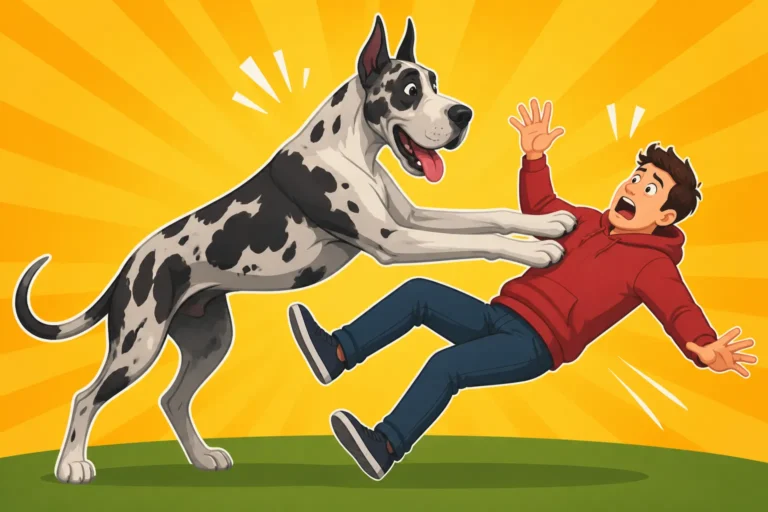
Imagine a tiny puppy jumping up on your leg for attention. Annoying, sure, but easily batted away or redirected. Now picture a six-month-old Great Dane, already pushing 80-100 pounds, launching itself at your chest. That's a whole different ballgame. Great Danes grow at an astonishing rate, often reaching half their adult weight by six months old. This rapid increase in size means that behaviors you might tolerate in a smaller breed's puppyhood simply cannot be ignored with a Dane. A mischievous nip from a tiny pup is harmless; the same behavior from a 70-pound adolescent is not. You literally cannot physically overpower a full-grown Great Dane, so teaching them manners while they are still impressionable and somewhat manageable in size is paramount. Trying to correct ingrained habits in a dog the size of a small pony is exponentially harder, and often requires professional intervention, which can be costly and time-consuming. This is truly Why Waiting Until a Great Dane Is Grown Is Too Late.
If you've ever owned a smaller dog, the timeline for training might feel rushed with a Great Dane. You don't have the luxury of waiting until they're "older and more settled" because by then, they'll be physically mature enough to create real chaos if not properly guided. This means starting positive reinforcement training the moment they step paw in your home. Every interaction, every moment, is a training opportunity to shape the gentle giant you envision.
Laying the Foundation for a Gentle Giant
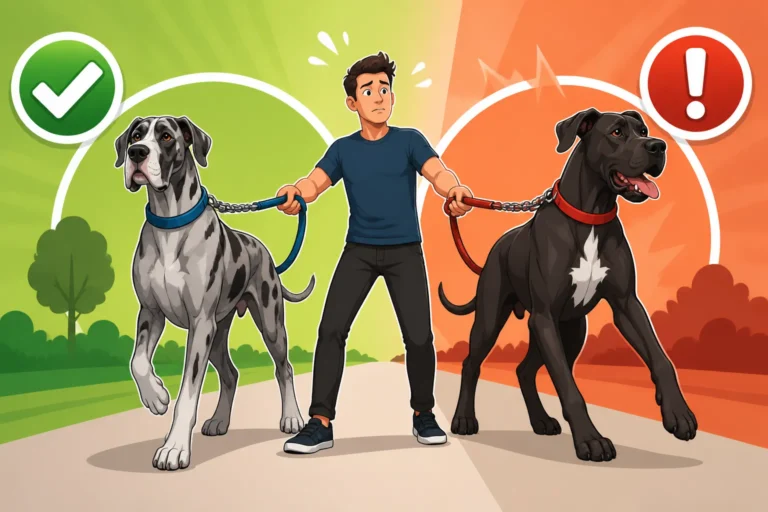
The Great Dane is often called the "Apollo of Dogs" or a "gentle giant," and while their temperament is generally sweet and loving, this doesn't happen by accident. It's the result of diligent socialization and consistent training from a very young age. Without a solid foundation, even the sweetest Great Dane can develop bad habits that are difficult to live with due to their sheer size. For instance, a Great Dane who hasn't learned appropriate leash manners can easily pull an adult off their feet, turning walks into a battle of wills rather than an enjoyable experience.
Establishing clear boundaries and expectations early helps your puppy understand their place in the family and what behaviors are acceptable. This early training focuses on preventing problems before they start, rather than trying to fix them later. It teaches them impulse control, patience, and respect for their human companions. When you invest this time and effort in the first six months, you're not just training a dog; you're cultivating a confident, well-adjusted companion who will navigate the world calmly and politely, truly living up to the "gentle giant" moniker.
Essential Cues and Commands by Six Months
By the time your Great Dane puppy is six months old, they should have a firm grasp on several fundamental cues. These aren't just tricks; they are crucial communication tools that ensure their safety and make living with such a large dog a pleasure rather than a challenge. Think of these as the building blocks for all future training.
Mastering Basic Obedience
The "big five" of basic obedience – sit, stay, come, down, and heel – are incredibly important for any dog, but for a Great Dane, they're essential. A reliable "sit" can prevent your massive pup from jumping on visitors. A solid "stay" can keep them safe when you open the front door or need them to wait patiently. "Come" is a critical, potentially life-saving command that should be practiced constantly, in various environments and with increasing distractions. The Cues a Great Dane Needs Before Six Months are not just about showing off; they're about control and safety.
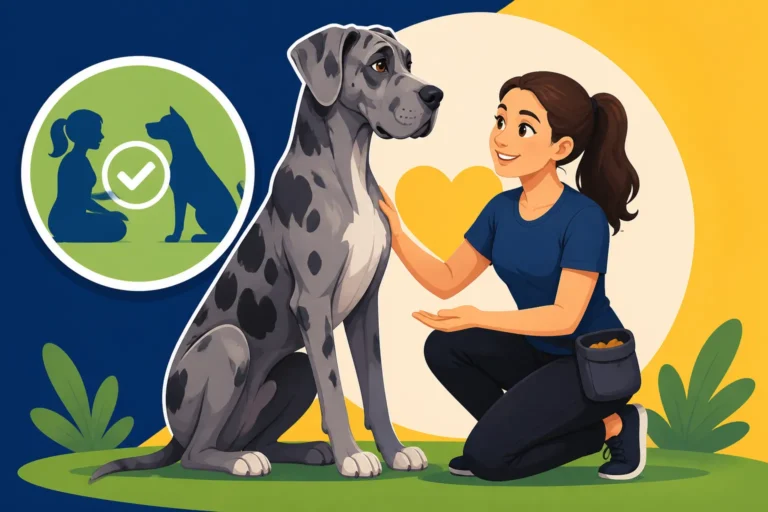
To teach these, use high-value treats and a clear, consistent verbal marker like "yes!" or a clicker. Start in a quiet environment, then gradually introduce distractions. Repetition is key, but keep sessions short, fun, and positive to maintain your puppy's engagement. Remember, your Great Dane will always be big, so ensuring they understand and respond to these cues reliably, even when excited, is a lifelong commitment. For example, practicing "sit" with a Great Dane puppy ensures they aren't A Great Dane That Jumps on Visitors later on, instead politely greeting them with all four paws on the floor.
The Importance of "Leave It" and "Drop It"
Beyond the basics, "leave it" and "drop it" are absolutely vital commands for a Great Dane. Their height means they can easily reach countertops, dining tables, and other surfaces that are usually out of bounds for smaller breeds. A Great Dane can quickly snatch an entire meal off the counter or get into something dangerous. "Leave it" teaches them to ignore enticing items, whether it's food on the table, trash on the street, or something potentially toxic. This command empowers you to prevent them from ingesting harmful substances or stealing forbidden snacks.
Similarly, "drop it" is crucial for getting them to release something they already have in their mouth, whether it's a valuable household item they shouldn't chew, or something truly dangerous they found on a walk. Practice these commands frequently with various items, starting with low-value objects and gradually moving to more tempting ones. Always reward them handsomely when they comply, reinforcing that letting go of something good means an even better reward from you. This really helps Teaching a Great Dane to Leave Food Alone alone, even when temptation is high. When shopping for durable training aids and treats, many owners find a wide selection of effective options on platforms like Amazon.
Socialization Skills for a Well-Adjusted Great Dane
Proper socialization during puppyhood is fundamental for any dog, but for a Great Dane, it’s absolutely critical. Their sheer size can be intimidating to others, and a poorly socialized Dane can inadvertently cause fear or injury, even with the best intentions. The goal is to raise a confident, calm dog that is comfortable and appropriate in many different situations, rather than one who reacts fearfully or aggressively due to lack of exposure.
Exposure to the World Without Overwhelm
Socialization isn't just about meeting other dogs; it's about exposing your Great Dane puppy to a wide variety of sights, sounds, smells, people, and environments in a positive and controlled manner. Think about all the things your adult Great Dane will encounter: children running and squealing, skateboards rattling by, traffic noises, different floor surfaces (tile, carpet, grass), umbrellas opening, strangers wearing hats, and even household appliances like vacuum cleaners. Introducing these things gradually, with plenty of praise and treats, helps your puppy associate them with positive experiences. For instance, sit with your puppy outside a bustling coffee shop, allowing them to observe people and sounds from a safe distance, rewarding their calm demeanor.
However, it's equally important not to overwhelm your puppy. Avoid forced interactions or putting them in situations where they are clearly stressed or fearful. A bad experience during this formative period can have long-lasting negative effects. The aim is controlled exposure that builds confidence, not fear. A well-socialized Great Dane puppy will grow into an adult who takes new experiences in stride, rather than reacting with anxiety or over-excitement.
Safe Interactions with People and Other Dogs
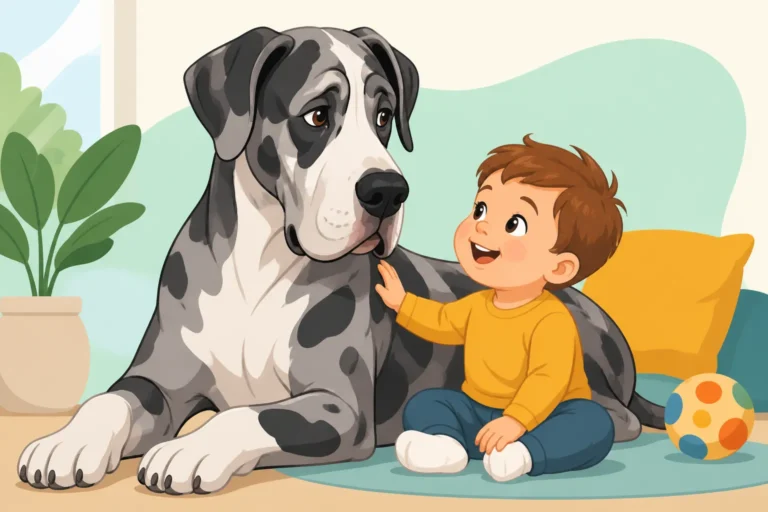
Learning how to interact politely with people, especially children and strangers, is a cornerstone of Great Dane training by six months. Their size means an accidental bump can easily knock a small child over. Teach your puppy to greet people politely with all four paws on the floor. This often involves practicing "sit" when someone approaches and rewarding them for calm behavior. Teaching them Getting a Great Dane to Greet Without Standing Up from an early age is vital for preventing injuries to visitors.
Introducing your Great Dane puppy to other well-behaved, vaccinated dogs is also crucial for developing appropriate canine communication skills. Supervised playdates with dogs of various sizes can teach bite inhibition and proper play etiquette. For interactions with smaller dogs, always supervise closely to ensure your large puppy doesn't accidentally bowl them over, even in play. While Great Danes are generally tolerant, ensuring positive early experiences with a diverse range of people and animals will foster a truly gentle temperament.
| Interaction Type | Goal by Six Months | How to Achieve It |
|---|---|---|
| People | Polite Greetings | "Sit" for attention, no jumping, gentle nudges |
| Children | Calm Acceptance | Supervised, positive interactions; teach kids how to behave around dogs |
| Other Dogs | Appropriate Play | Supervised play with vaccinated dogs of various sizes; learn social cues |
| New Environments | Confidence, Calm | Gradual exposure to sounds, sights, surfaces; reward curiosity |
Leash Manners and House Rules
The world of a Great Dane is often viewed from a towering perspective, and their interactions with it can be dramatically different from a smaller dog. This is especially true when it comes to leash manners and understanding the boundaries of their home. What seems like a minor tug on the leash from a little terrier can feel like being dragged by a freight train with a powerful Great Dane.
Walking Nicely on Leash from a Young Age
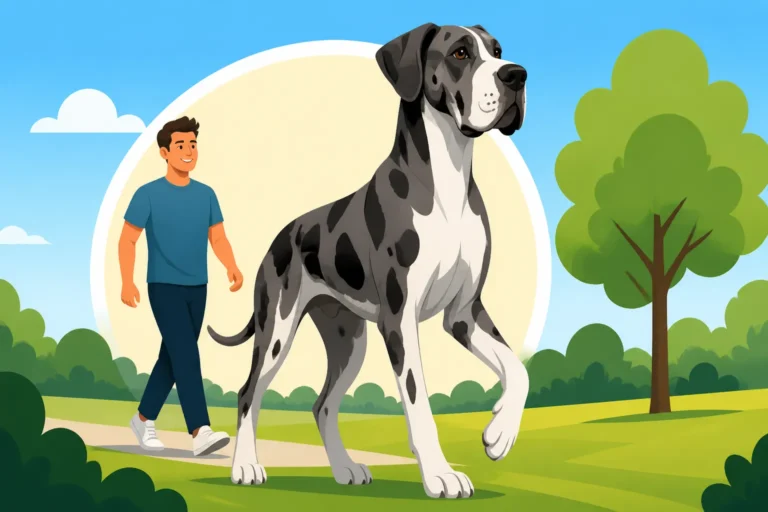
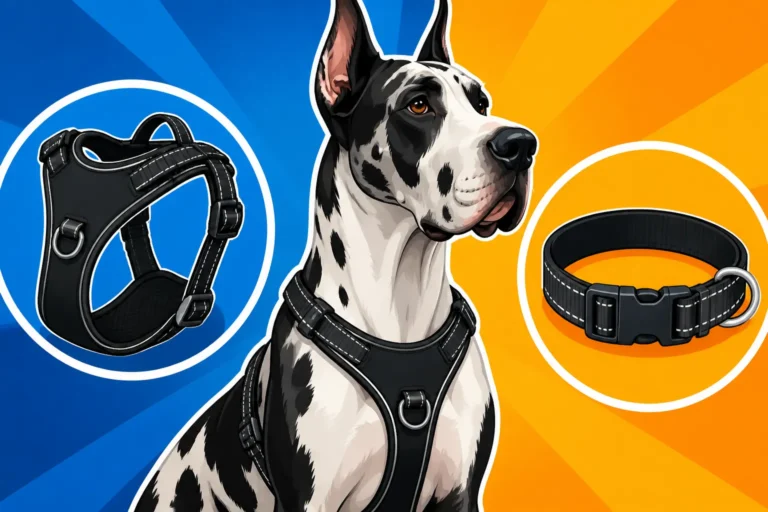
Teaching your Great Dane puppy to walk politely on a leash is arguably one of the most critical aspects of their early training. By six months, your pup is already strong enough to pull an adult off balance, and if not addressed, this pulling will only intensify as they mature. Start leash training early, even if it's just practicing short walks in your yard or quiet street. Use a comfortable, well-fitting flat collar or a front-clip harness. Many owners find effective front-clip harnesses for their growing Danes on Amazon, which can significantly help manage pulling tendencies. Whether a Front-Clip Harness Slows a Great Dane is a common question, and for many, it's a game-changer by redirecting their forward momentum.
The key is consistency and positive reinforcement. Reward your puppy frequently for walking beside you on a loose leash, using treats and praise. If they pull, simply stop walking until the leash loosens, then resume. This teaches them that pulling gets them nowhere. Regular practice, even for short durations, will lay the groundwork for enjoyable walks for years to come. Your goal is for Getting a Great Dane to Walk on a Loose Leash to be second nature, allowing you to confidently take them anywhere.
Establishing Boundaries and Preventing Destructive Behavior
Great Danes, despite their size, are generally quite clean dogs, and house-training often progresses rapidly. However, ensuring your Great Dane puppy is fully house-trained by six months is essential because cleaning up "accidents" from a giant breed is no small task. Consistent potty breaks, rewarding successful elimination outside, and closely supervising your puppy indoors are key. Most Great Danes catch on quickly, demonstrating How Quickly a Great Dane Puppy Gets Clean when given the right structure.
Beyond potty training, establishing house rules early is crucial. Decide where your Great Dane is allowed (or not allowed) to go, and be consistent. If the sofa is off-limits, it's off-limits from day one. Provide plenty of appropriate chew toys to redirect chewing behavior away from furniture and shoes. A durable chew toy sized for a Great Dane is critical. Crate training can be incredibly beneficial for Great Danes, providing them with a safe den, aiding in house-training, and preventing destructive behaviors when unsupervised. Invest in a large, sturdy crate that allows them to stand, turn around, and lie down comfortably. Knowing Choosing a Crate a Great Dane Can Stand In is vital, as a cramped crate can cause physical issues and behavioral distress.
Handling and Cooperative Care
From routine vet visits to nail trims and ear cleaning, your Great Dane will require a lifetime of handling. Given their impressive size, it's absolutely paramount that they are comfortable and cooperative with being touched, examined, and restrained, not just by you, but by veterinarians and groomers too. Starting this process early, by six months, is critical for stress-free care down the line.
Getting Comfortable with Vet Visits and Grooming
Imagine trying to force a 150-pound anxious Great Dane onto a vet examination table, or trying to trim the nails of a dog that pulls its paws away in fear. It’s nearly impossible and incredibly stressful for everyone involved. By six months, your Great Dane puppy should be accustomed to having their paws handled (for nail trims), their ears checked (for cleaning or infection), their mouth examined (for dental health), and their entire body touched. Turn these sessions into positive experiences with lots of treats and praise. Gently touch their paws, look in their ears, lift their lip to check their teeth, and gradually increase the duration and intensity of these interactions.
Make vet visits positive experiences too. Even if it's just a "happy visit" where they get treats from the staff and no pokes or prods, it builds positive associations. Teach them to stand calmly for examinations. This early conditioning will pay dividends for their entire life, making routine care far less of a struggle. Consider Whether a Great Dane Even Fits on a Vet Table – sometimes they don't, meaning cooperative care on the floor is essential, and that requires a very well-mannered dog.
Building Trust Through Positive Reinforcement
Great Danes, like all dogs, respond best to positive reinforcement training. This means rewarding desired behaviors rather than punishing unwanted ones. Punishments can create fear, anxiety, and distrust, which are especially undesirable in a large breed. Focus on making training a fun, engaging game where your puppy is eager to participate. Use high-value treats, enthusiastic praise, and playful interactions as rewards. A consistent online training program, such as those offered by BAXTER & Bella, can provide a structured curriculum and support for positive reinforcement methods, guiding you through these crucial early months.
Consistency is key. Everyone in the household needs to be on the same page regarding commands, rules, and rewards. If one person allows jumping and another doesn't, your Great Dane will become confused. Patience is also paramount; your puppy is learning a lot in a short amount of time. Celebrate small successes and don't get discouraged by setbacks. Building a strong bond of trust and mutual respect through positive reinforcement will ensure your Great Dane puppy grows into a confident, happy, and cooperative companion. Finding Treats a Great Dane Will Work For that are both motivating and healthy is also a crucial part of this process.
Understanding the Adolescent Great Dane (Post-Six Months)
Just when you think you've got this puppy thing figured out, your Great Dane puppy will hit adolescence. This phase, which typically begins around six months and can last well into their second year, often feels like a giant step backward in training. It's a perfectly normal developmental stage, but it can be incredibly frustrating if you're not prepared.
The 'Teenage' Phase and Why It's Challenging
Adolescence in Great Danes is much like human teenage years – full of energy, boundary-testing, and sometimes, selective hearing! Your once-obedient puppy might suddenly "forget" commands they knew perfectly, become more easily distracted, or push limits they previously respected. This isn't usually defiance; it's a combination of hormonal changes, increased independence, and their brains still developing. Their focus shifts from being entirely dependent on you to exploring their world and testing their own capabilities. This is often The Age a Great Dane Stops Listening as consistently as before.
During this time, it's easy to get frustrated, but it's crucial to double down on consistency and patience. If you ease up on rules or become inconsistent with commands, your Great Dane will quickly learn what they can get away with, and reversing those habits in a fully grown dog is a monumental task. Maintain your established routines, reinforce known commands, and avoid letting them "practice" unwanted behaviors. For instance, if they start counter-surfing again, calmly redirect them every single time, even if it feels repetitive.
Continued Learning and Mental Stimulation
While physical exercise needs to be managed carefully in a growing Great Dane (to protect their developing joints, understanding Why a Great Dane Puppy Should Not Jog is crucial), their mental energy is often boundless during adolescence. Continued learning and mental stimulation are vital for preventing boredom, which can lead to destructive behaviors. Enroll in an advanced obedience class, try out dog sports like nose work or trick training, or simply continue practicing and perfecting their basic commands in new and challenging environments.
Puzzle toys that dispense treats can also be fantastic for keeping their minds engaged. Look for Puzzle Feeders a Great Dane Cannot Crush as Danes can be quite powerful chewers. These activities not only provide an outlet for their energy but also strengthen your bond and reinforce good habits. Adolescence is a temporary phase, and with consistent guidance, patience, and continued engagement, your Great Dane will emerge as a well-rounded and delightful adult companion.
Disclaimer
This article is for general informational purposes only and does not constitute professional advice. Laws, prices and regulations vary by location and change over time. Consult a qualified professional for guidance on your specific situation.